Efficiency
High production rates with minimal waste, allowing for cost-effective manufacturing of complex parts.
We support injection molding from rapid tooling and sample validation through high-volume production, with custom mold design, controlled cycle development, and dimensional inspection for complex plastic and LSR parts.
With a focus on quality control, we deliver precision-molded parts tailored to your specific project requirements.
Request Quote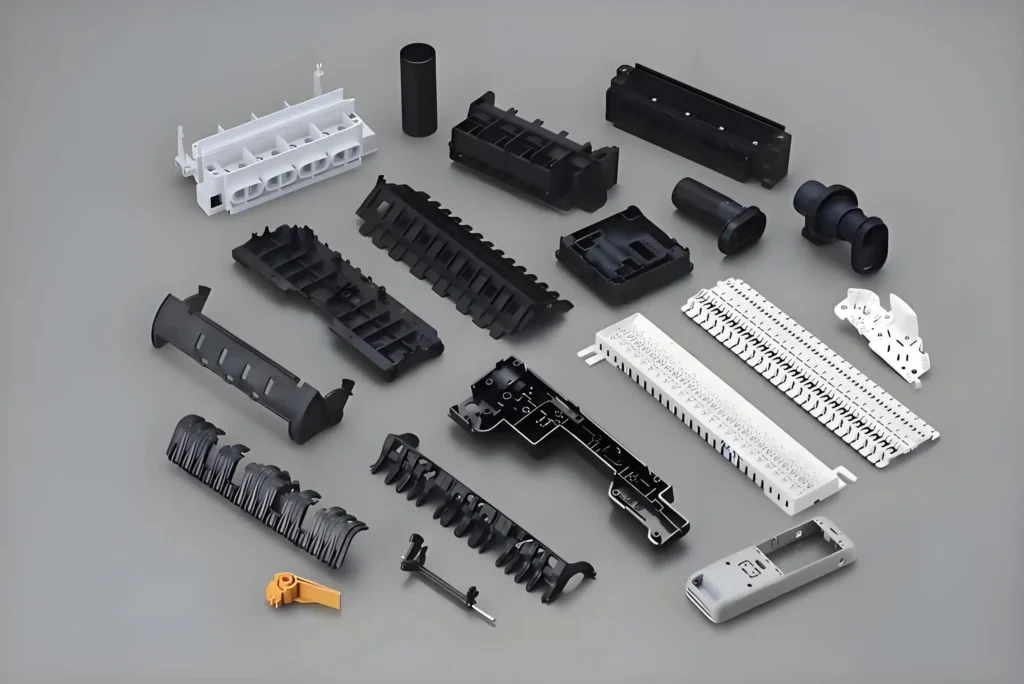
Custom Plastic Parts
Injection molding is a highly efficient manufacturing process used to produce precision plastic parts by injecting molten material into a mold. It is recognized for its ability to create complex, high-quality components with consistency and scalability, making it ideal for both functional prototypes and mass production.
FECISION coordinates injection molding through manufacturing partners. Applicable site qualifications, material selection, drawing tolerances and inspection requirements are reviewed for each program. DFM and any mold-flow analysis are scoped before tooling.
Get A QuoteHigh production rates with minimal waste, allowing for cost-effective manufacturing of complex parts.
Exceptional dimensional accuracy and repeatability, ensuring consistent part quality across production runs.
Ability to work with a wide range of materials and produce complex geometries with varying textures and finishes.
For sample validation, bridge production or repeat small batches, review our rapid tooling and low-volume injection molding services. Tool construction and the production plan are matched to the intended resin, acceptance requirements and forecast.
Transforms two-part liquid silicone rubber material into finished components
See More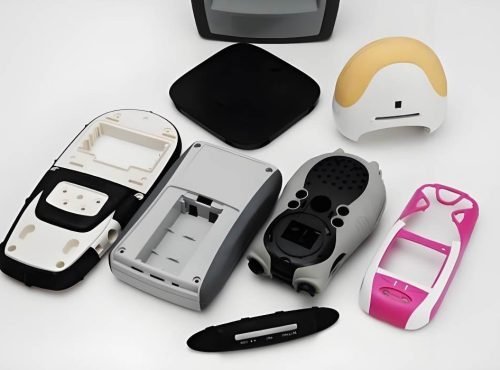
Inject one material over an existing substrate to form a bonded, multi-material part
See More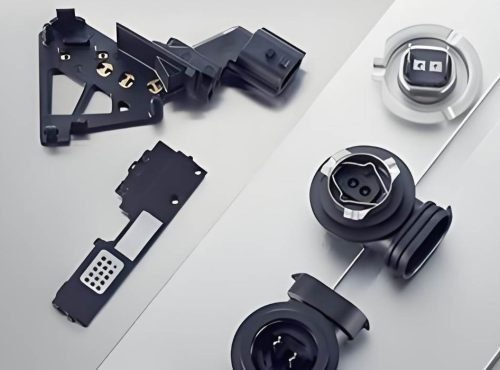
Embed metal or other parts into the molded part during the injection process
See More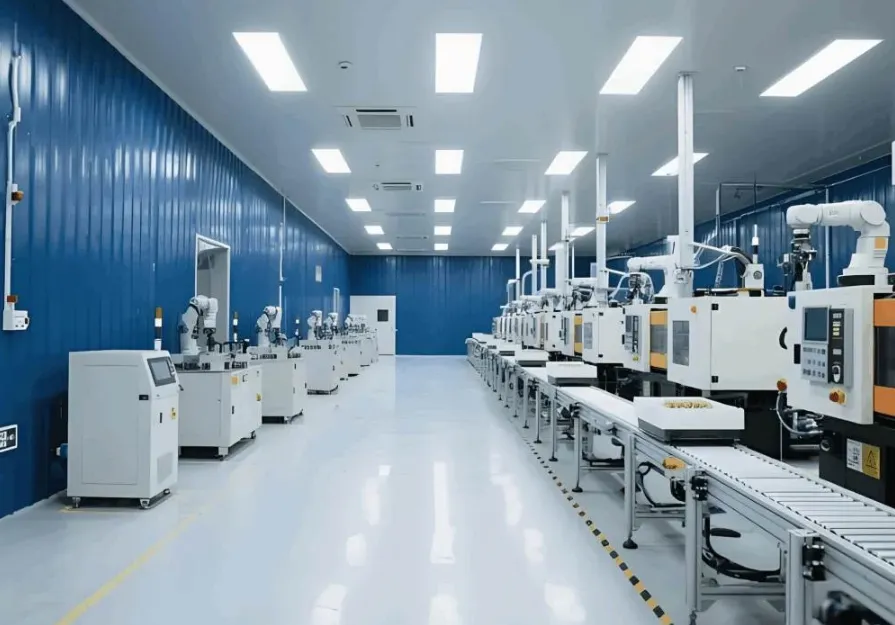
Manufacture precision molded parts in a controlled cleanroom environment for medical applications
See More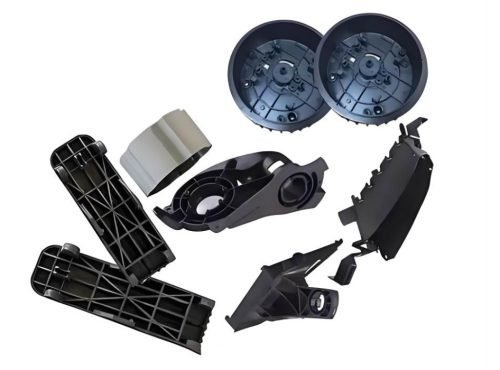
Use high-tonnage injection molding machines to generate large parts
See More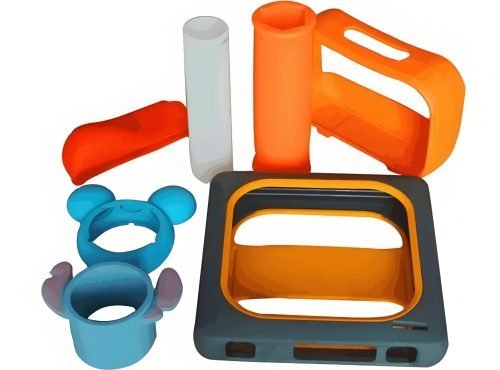
Combine two or more materials in a single molding cycle
See More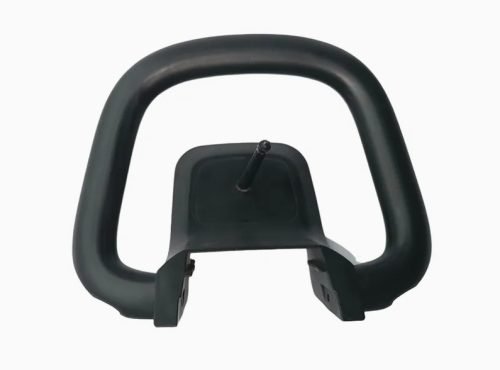
Combines traditional injection techniques with controlled gas injection
See More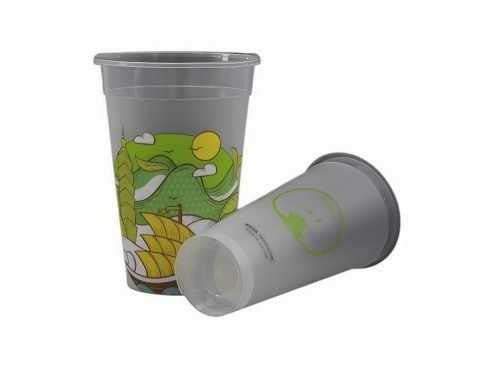
Combines a pre-printed label or decorative film with injection molding
See MoreWe match the selected manufacturing partner, tooling route and inspection plan to your part. Start with the interfaces that matter: a housing fit, a retained insert, a sealing face or a repeatable assembly.
Discuss your project requirements and get a free quote from our injection molding experts.
Use these material families to narrow the shortlist, then approve an exact grade, filler, color and supplier specification. Regulatory contact suitability, sterilization resistance and flammability depend on that selection and the finished-part requirements.
Typical Applications:
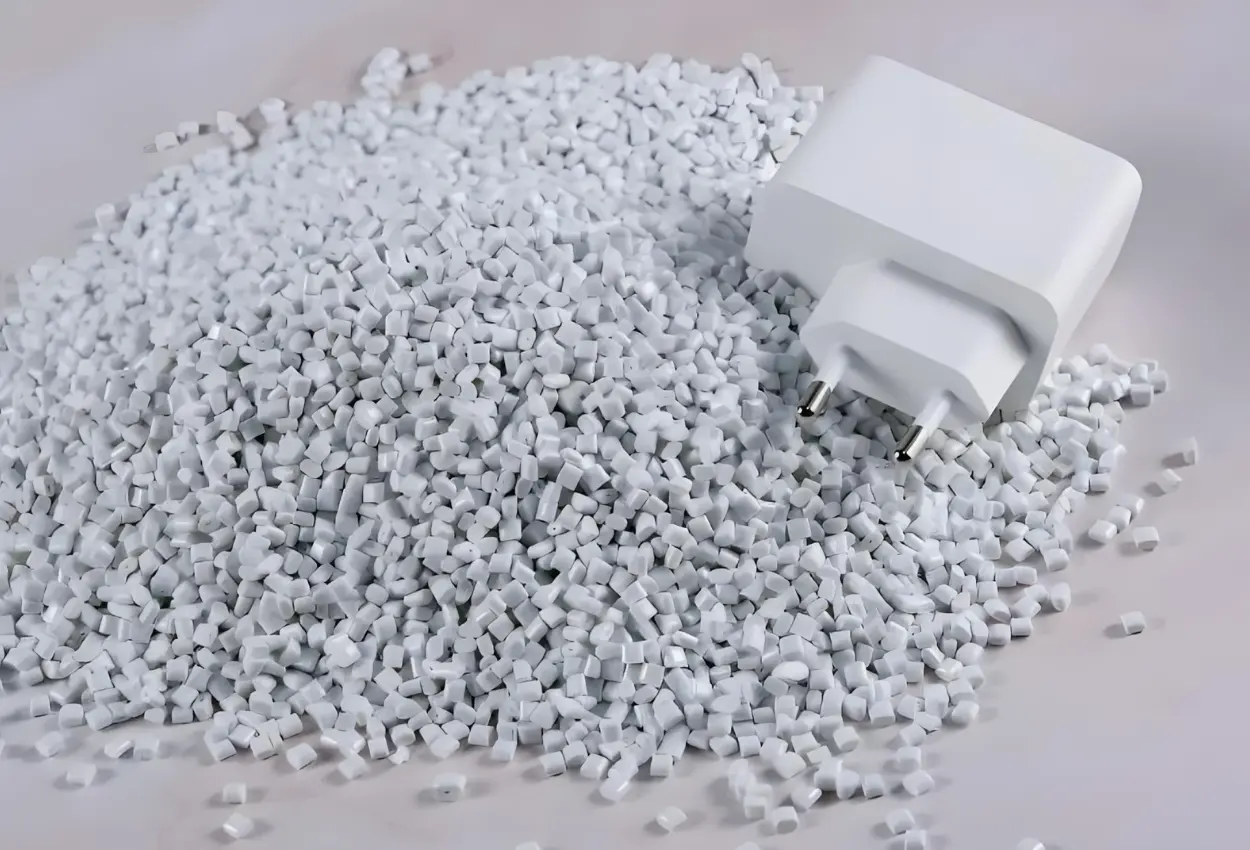
Automotive interiors, electronics housings, consumer products, toys
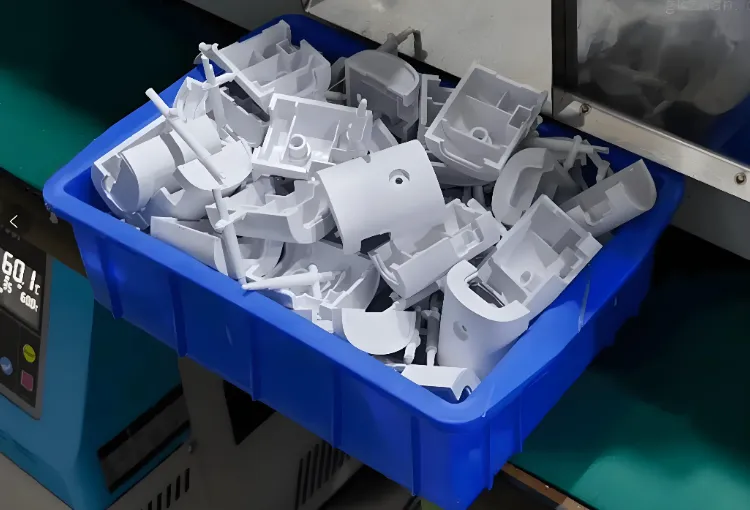
Typical Applications:
Packaging, living hinges, medical pipettes, automotive parts, bottles
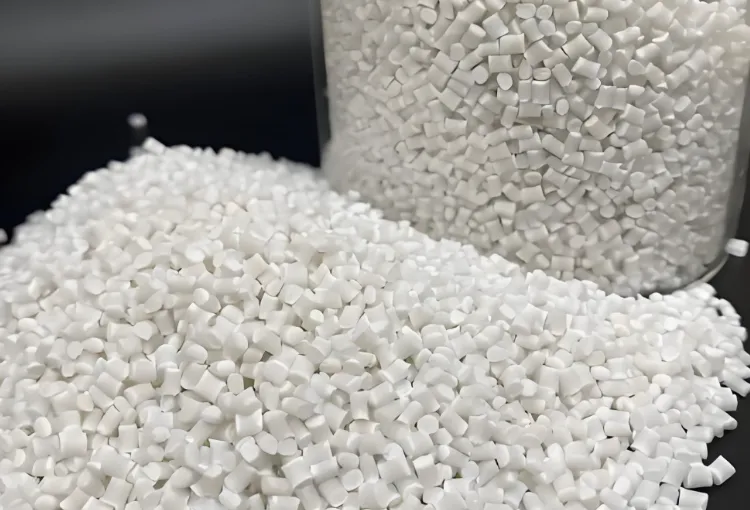
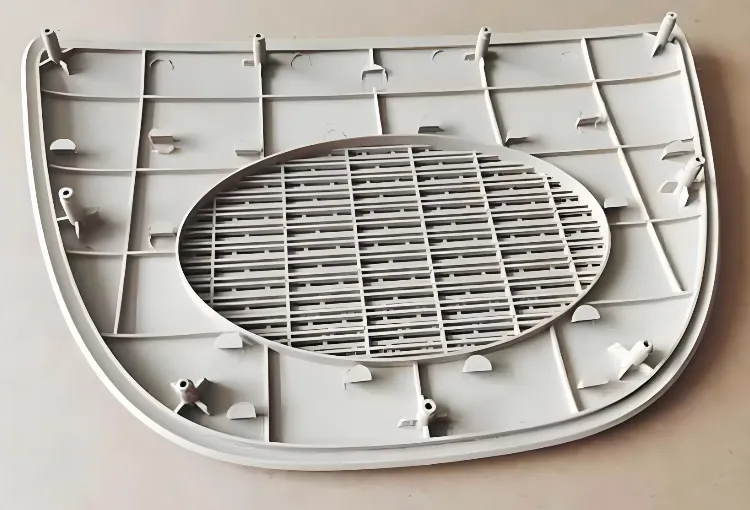
Typical Applications:
Disposable lab ware, transparent packaging, low-stress consumer product parts, optical lenses (precision grade)
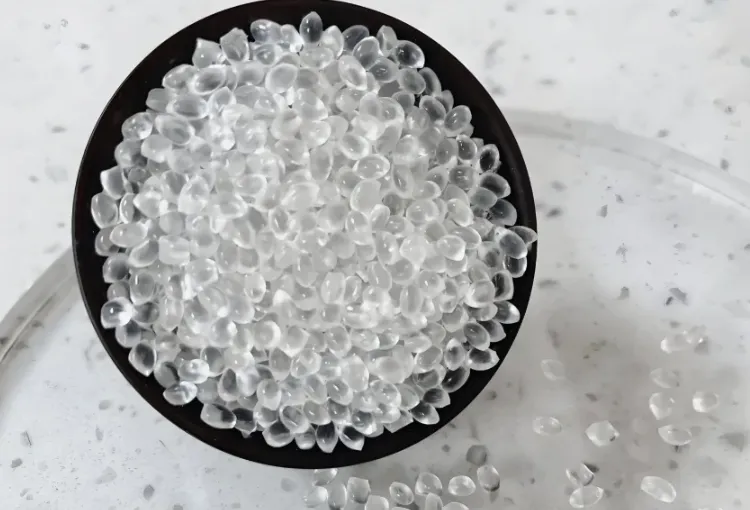
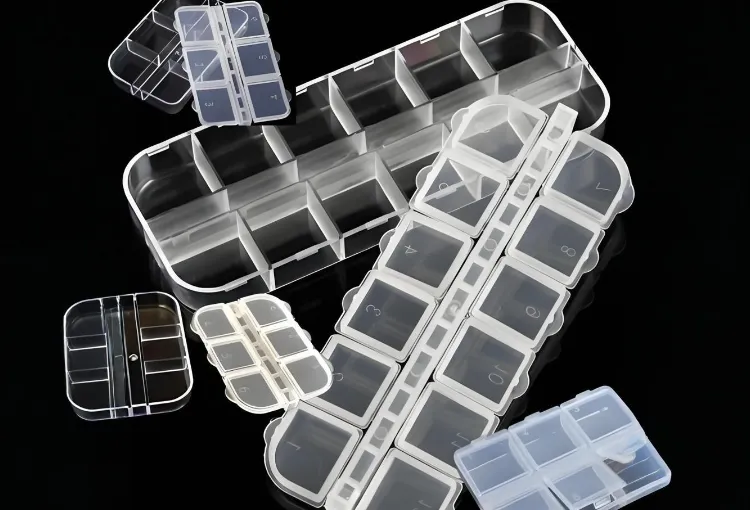
Typical Applications:
Industrial containers, pipes, tanks, bottle caps, toys
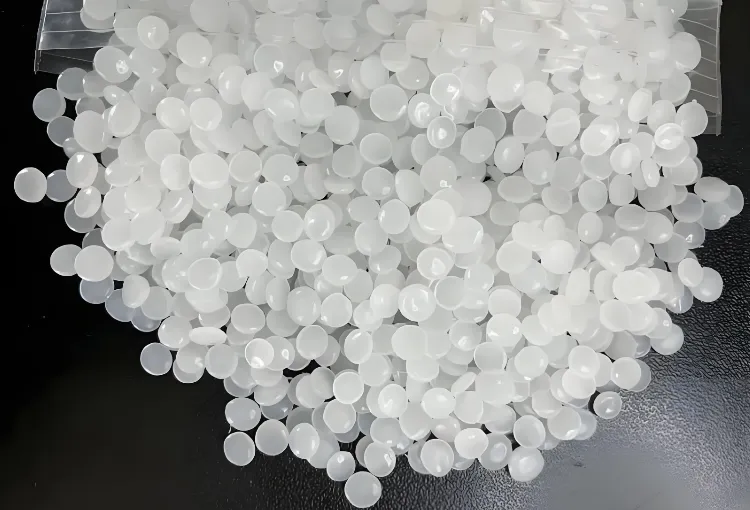
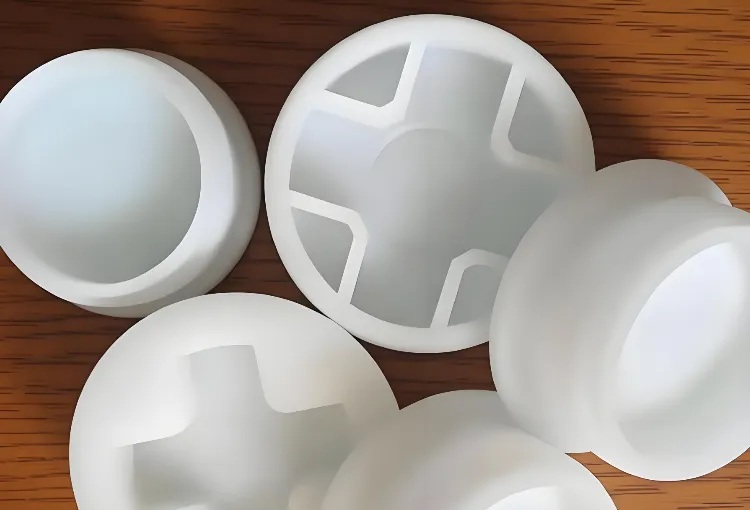
Typical Applications:
Flexible snap fasteners, squeeze bottle nozzle caps, six-pack ring buckles, thread-protective soft caps
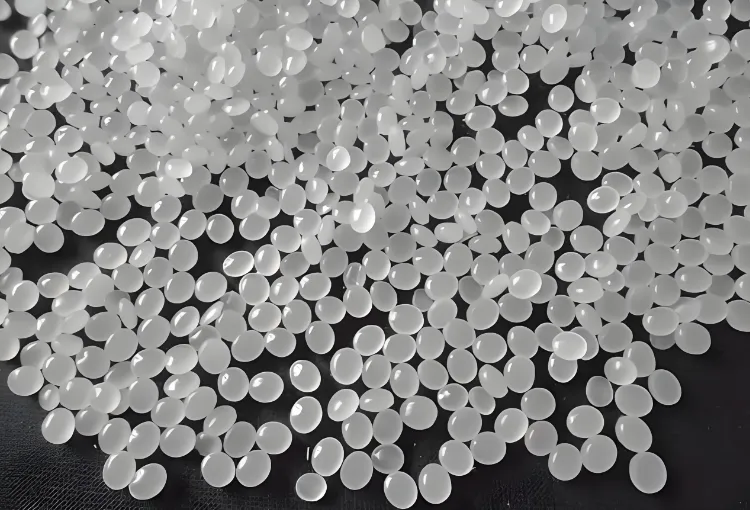
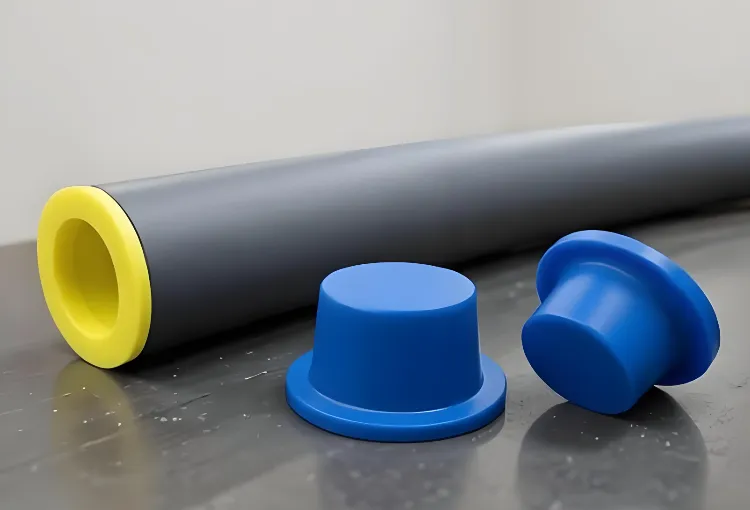
Typical Applications:
Cable insulation, protective covers, connector components and application-specific housings
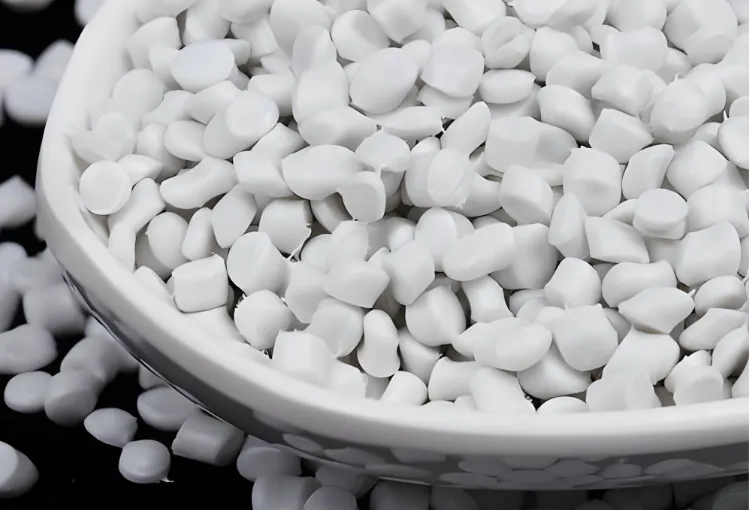
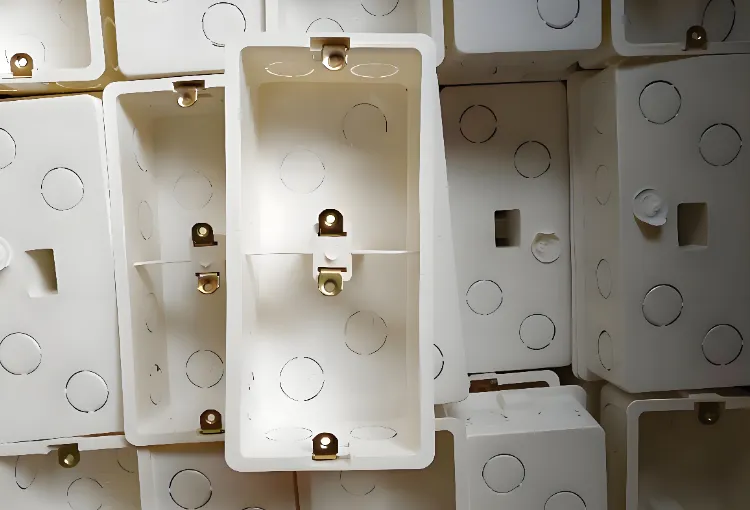
Typical Applications:
Displays, diagnostic cuvettes, LED diffusers, light guides, lenses, cosmetic packaging
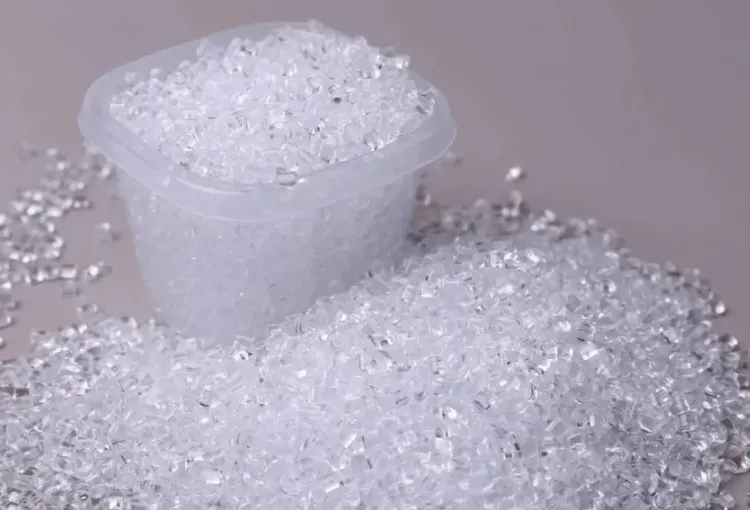
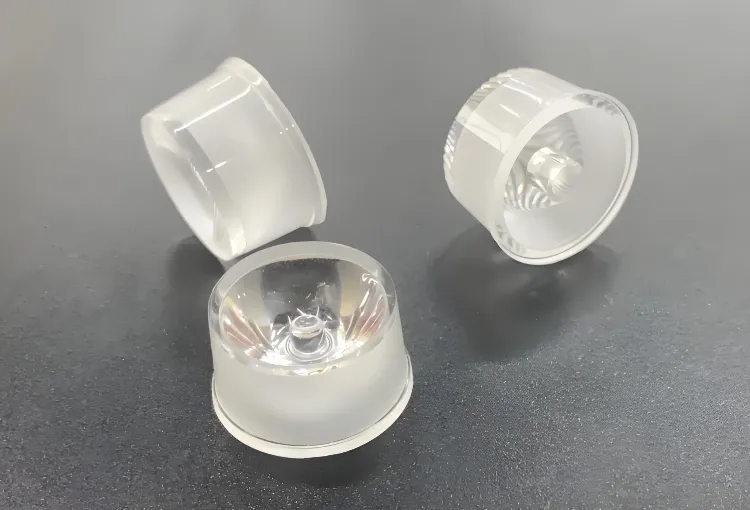
Typical Applications:
Connector insulating housings, coil bobbins, wiper motor housings, engine shield covers
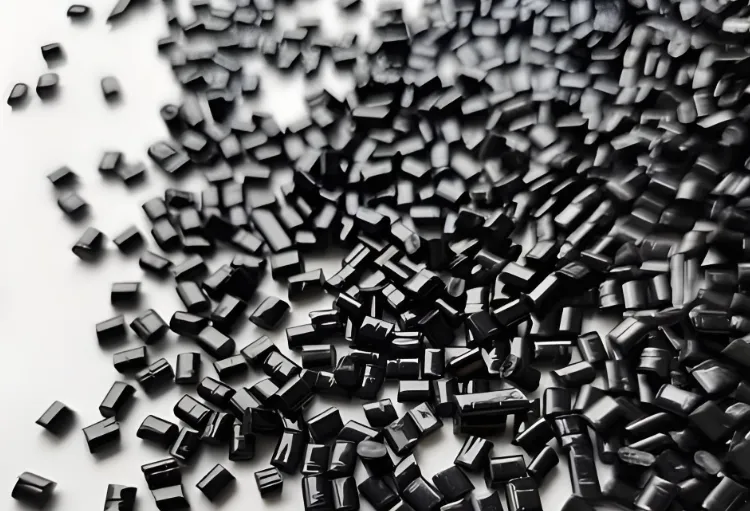
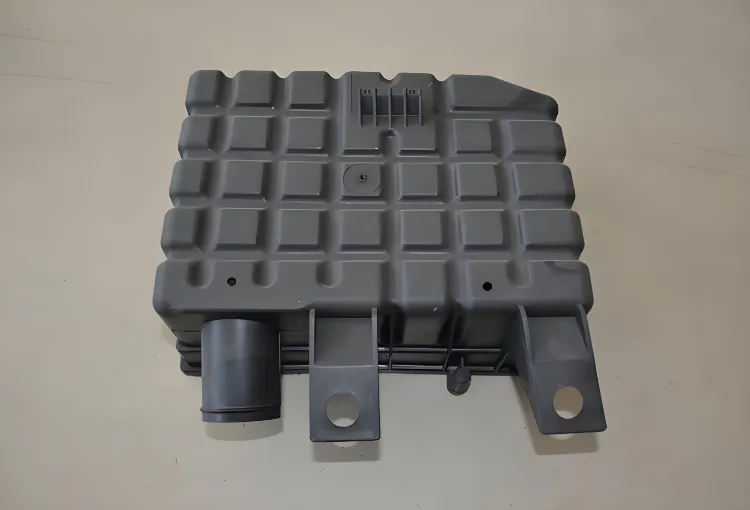
Typical Applications:
Displays, face shields, food-contact products, medical devices
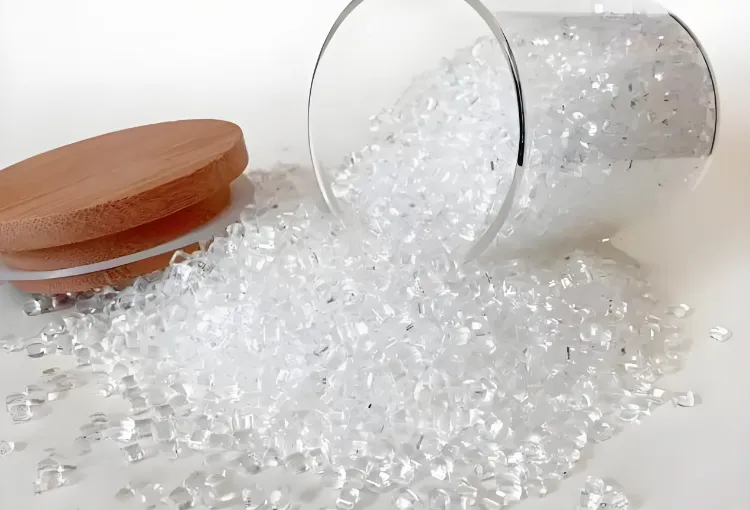
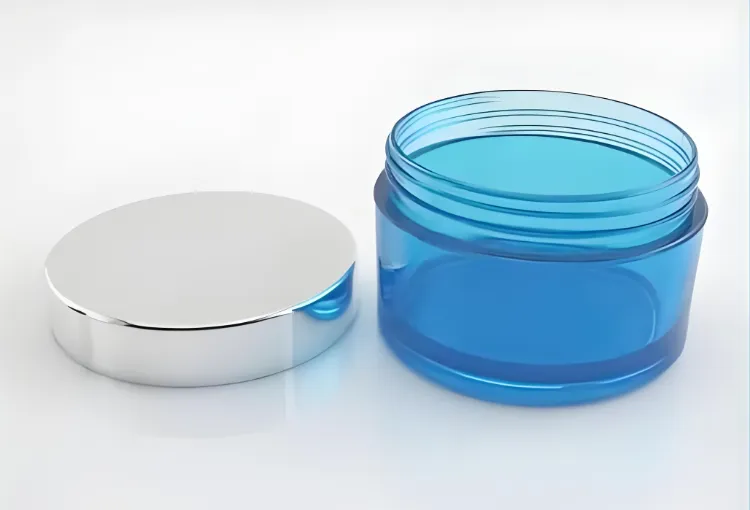
Typical Applications:
Outdoor housings, automotive exteriors, garden equipment
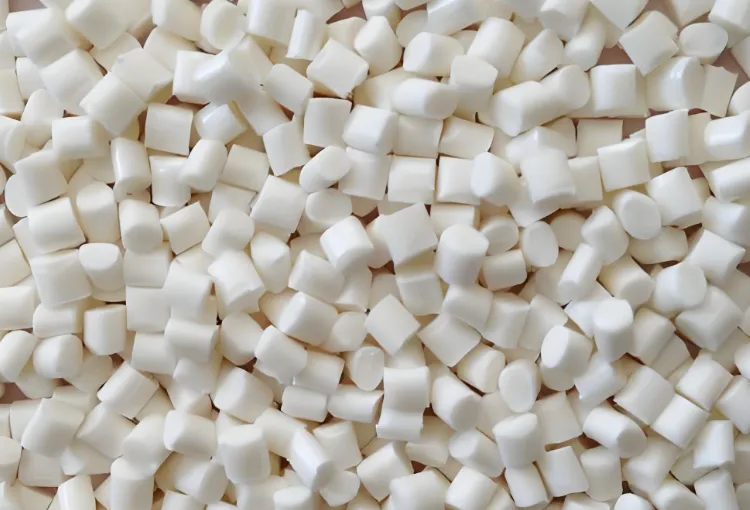
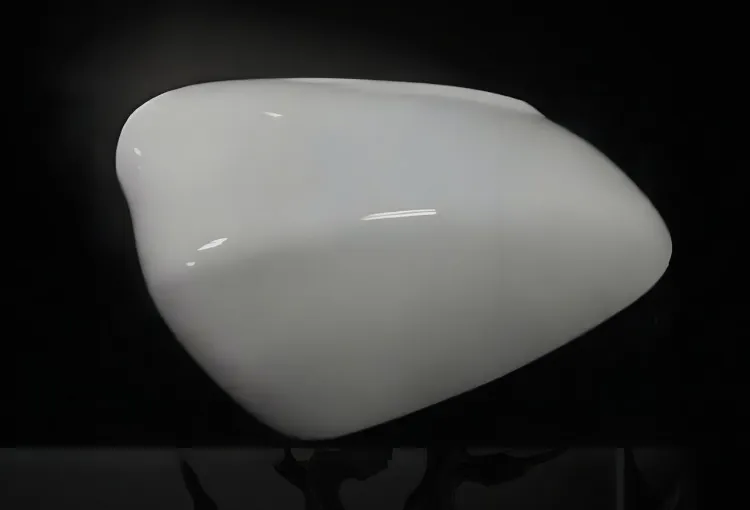
Typical Applications:
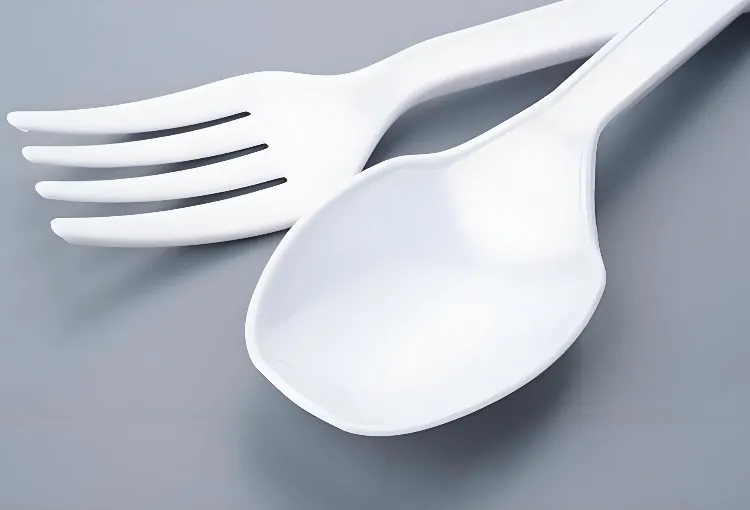
Packaging, disposable medical products, consumer goods
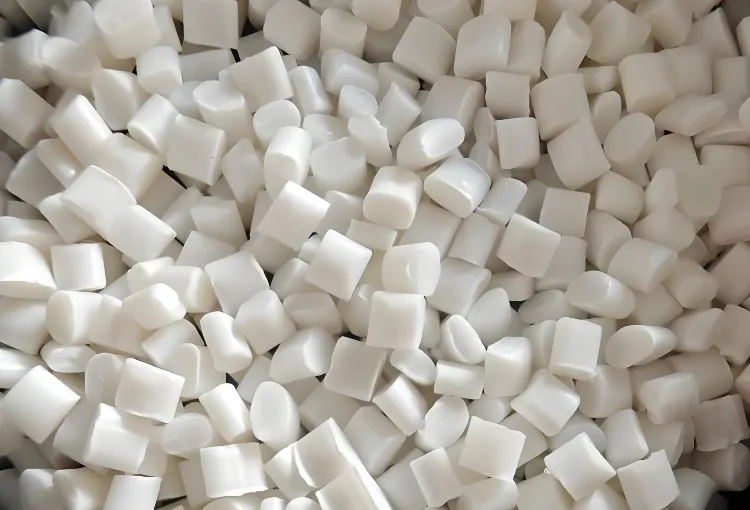
Typical Applications:
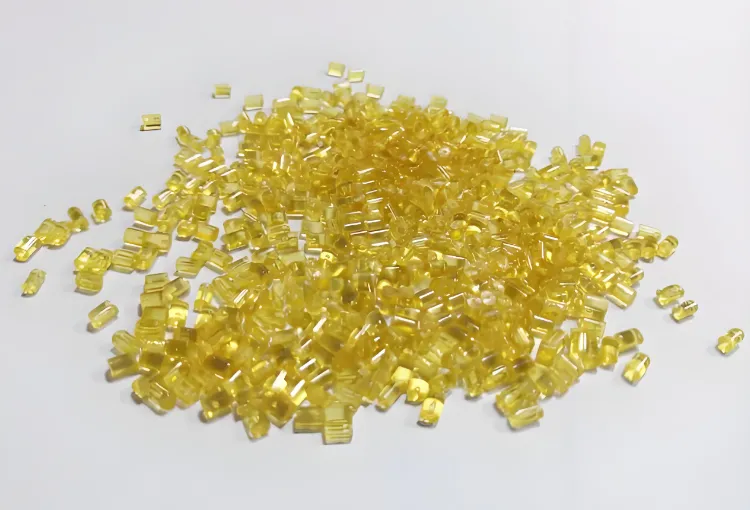
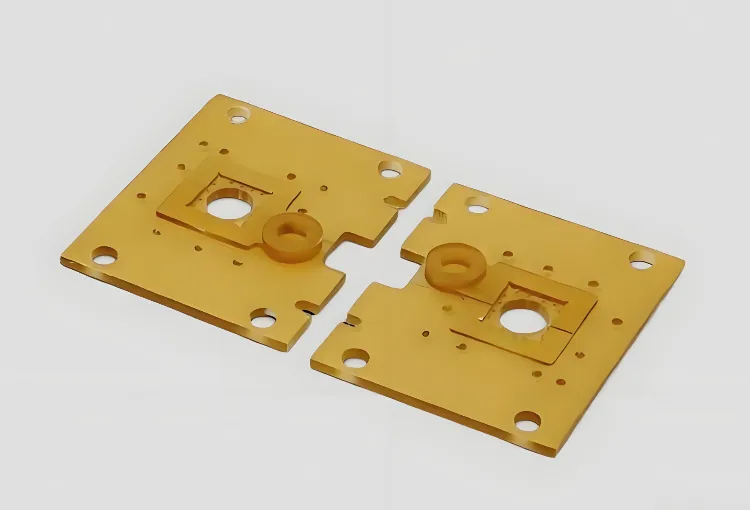
Equipment housings, electrical connectors and application-specific instrument components
Typical Applications:
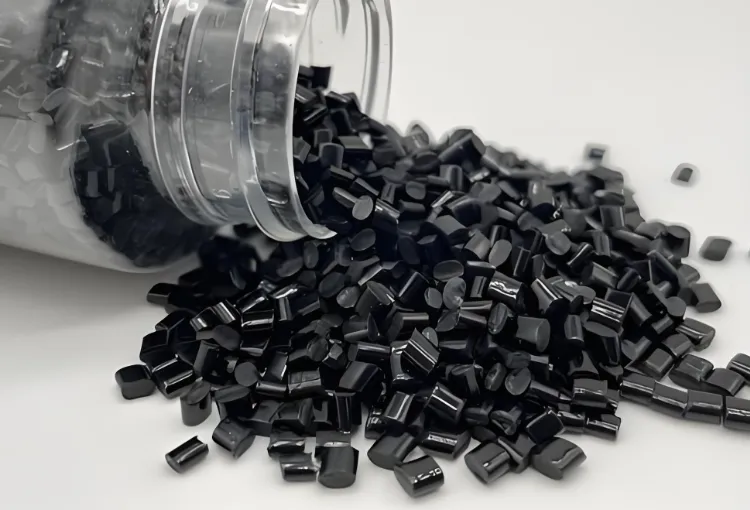
Gears, bearings, connectors, automotive under-hood components, fasteners
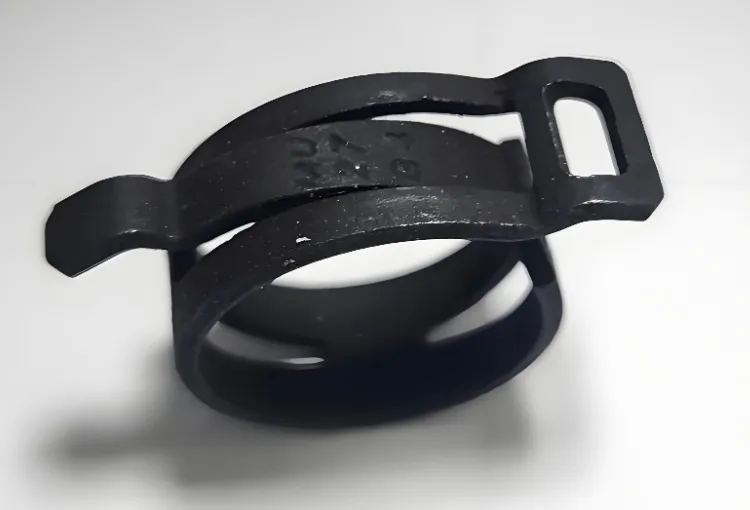
Typical Applications:
Structural automotive parts, power-tool housings, industrial components
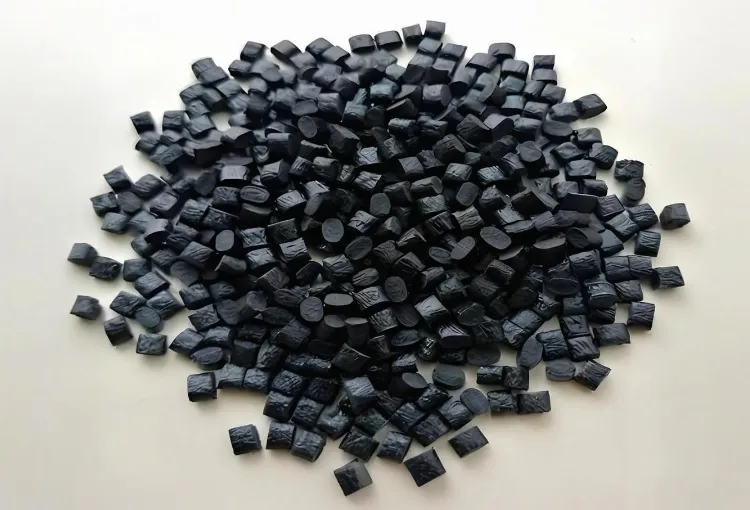
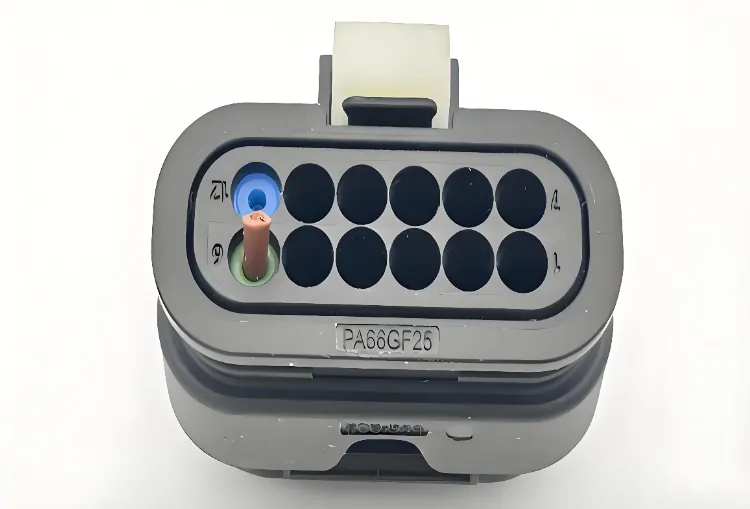
Typical Applications:
Automotive under-hood parts, connectors, LED housings, fuel-system components
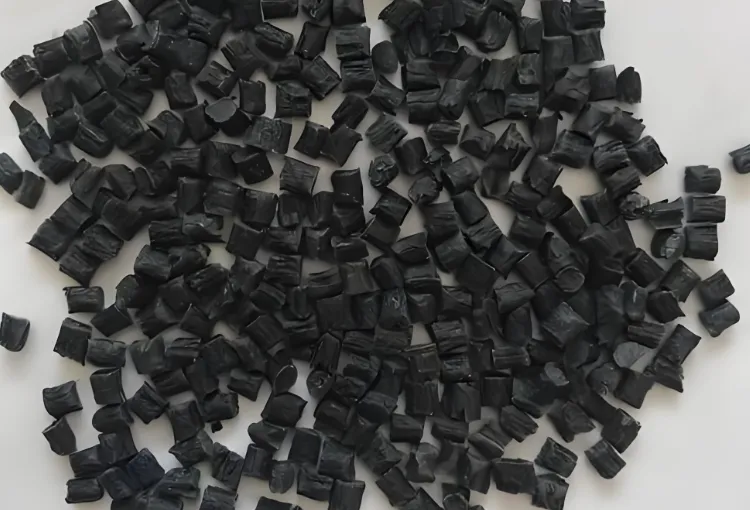
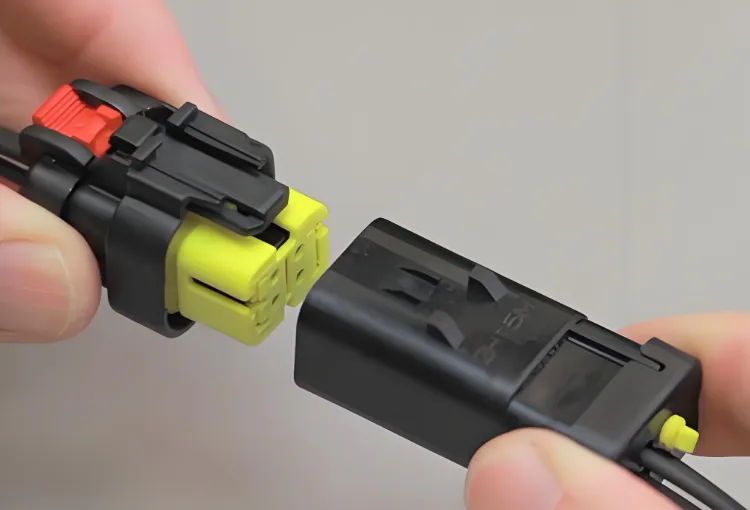
Typical Applications:
Precision gears, bearings, conveyor components, plumbing fittings, eyeglass frames, micro-valve seats, snap-fit functional parts
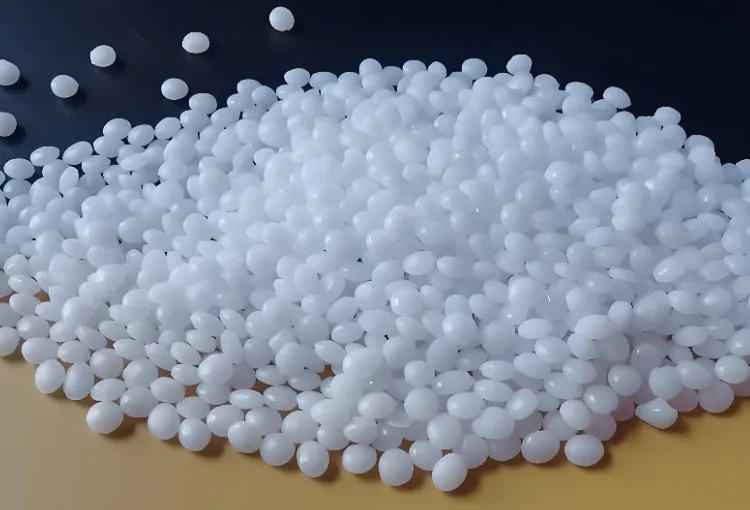
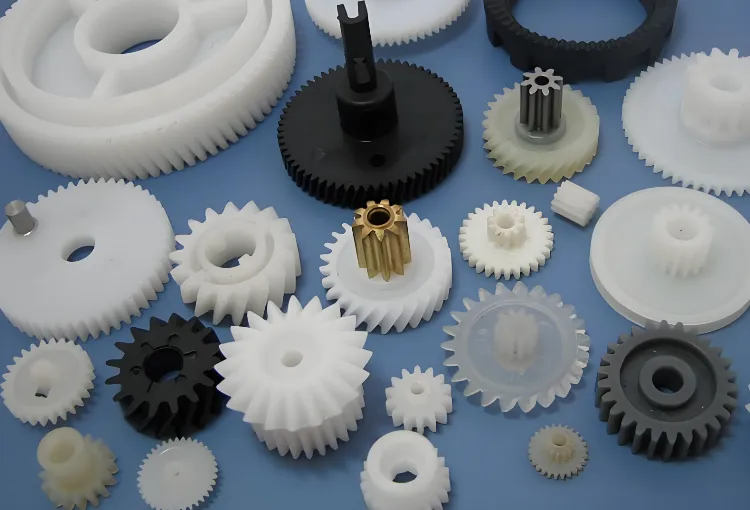
Typical Applications:
Diagnostic cartridge bodies, wearable device housings, equipment covers, optical components
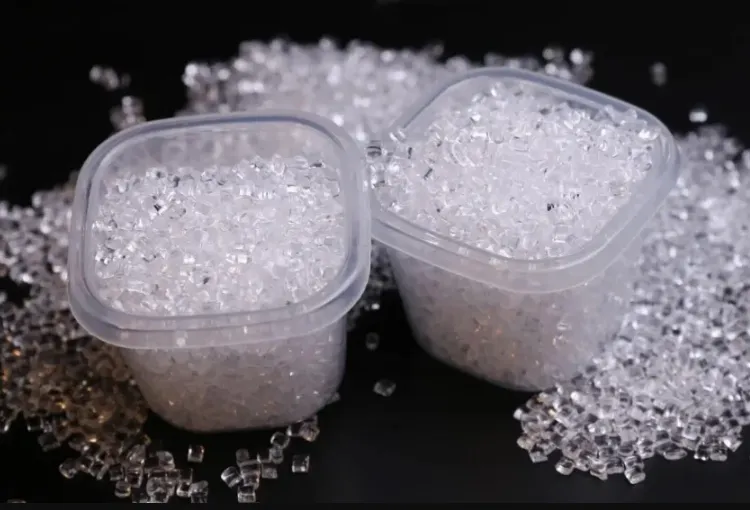
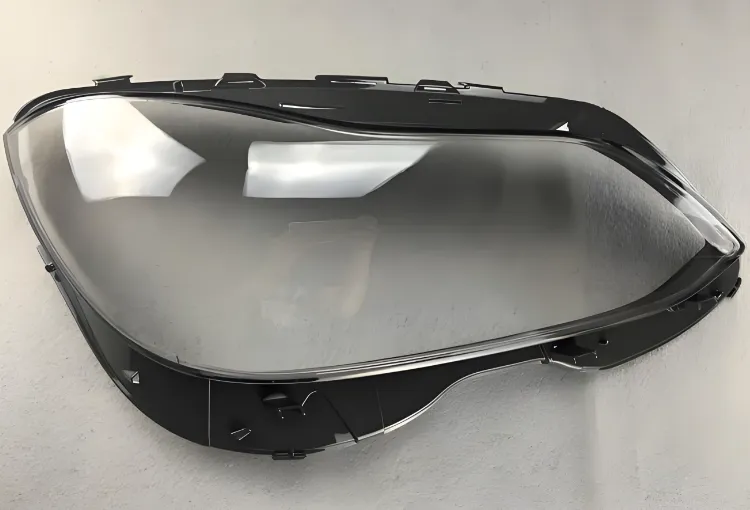
Typical Applications:
Connector housings, electronic enclosures, automotive sensor bodies, switches, circuit breakers, precision instrument parts
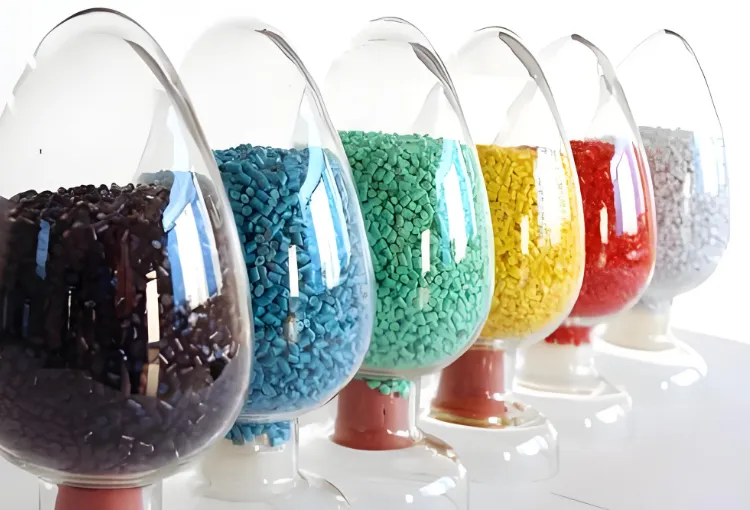
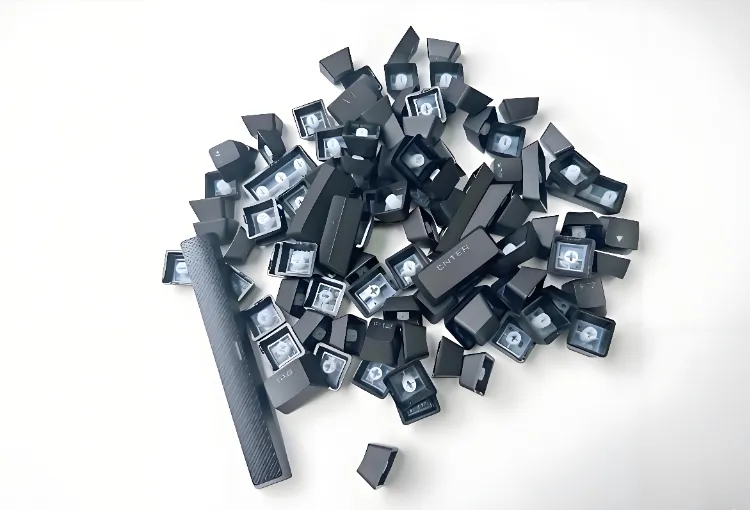
Typical Applications:
Automotive electrical components, connector housings, industrial parts, motor end caps
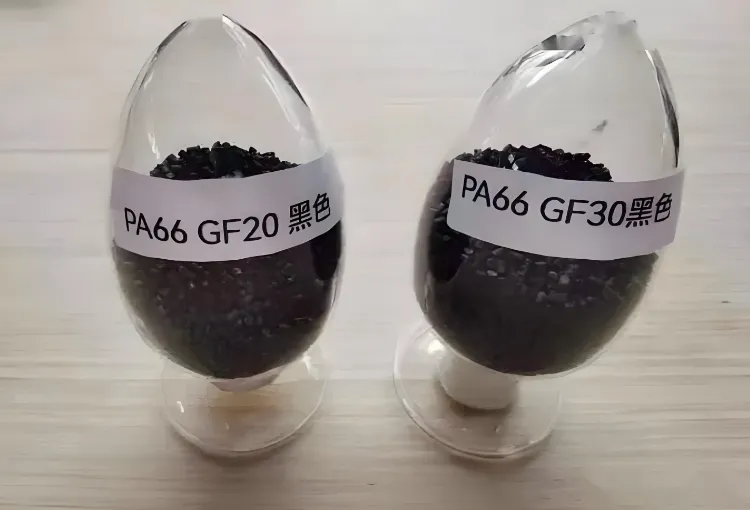
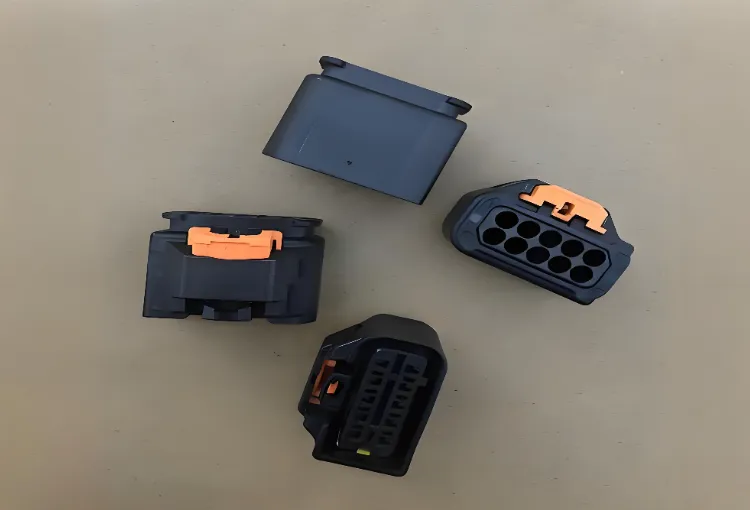
Typical Applications:
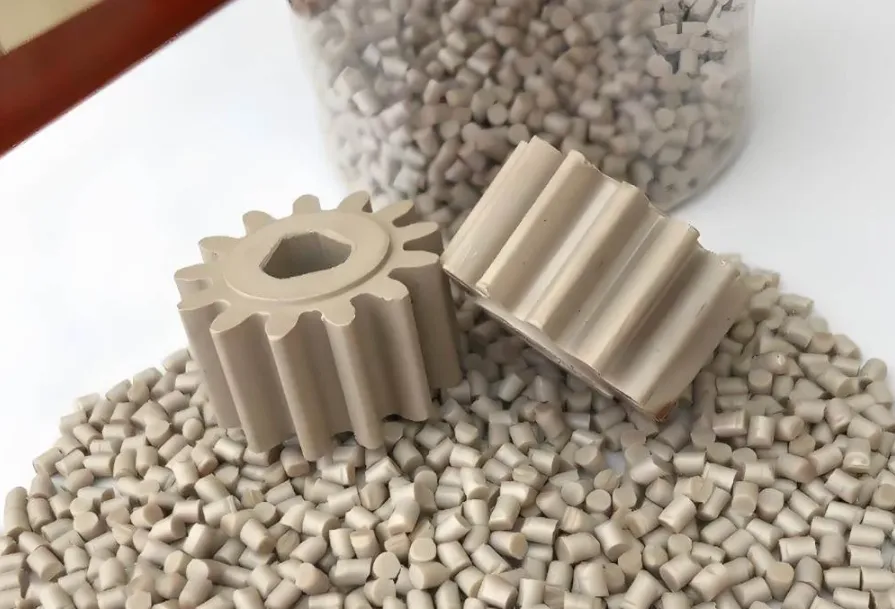
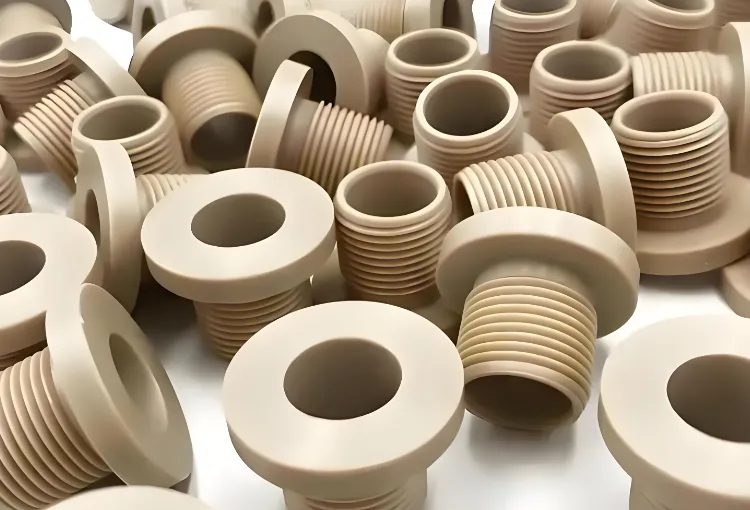
Bushings, instrument components, bearings, pump components and electrical insulation
Typical Applications:
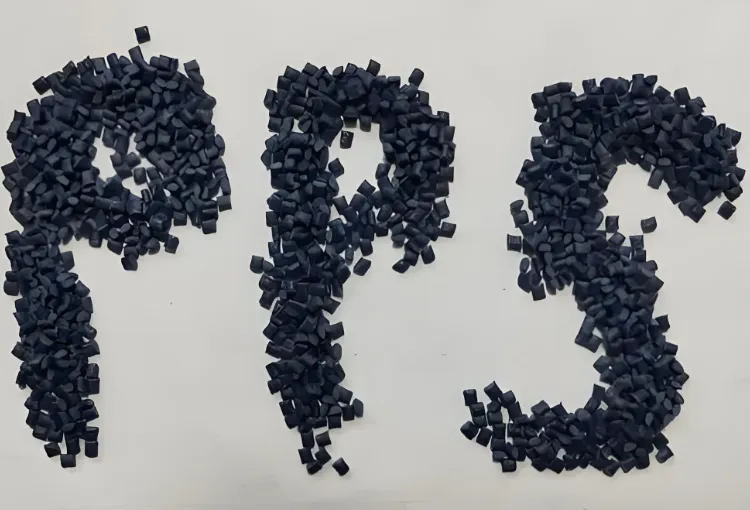
High-temperature sensor housings, aerospace connectors, chemical-processing components, pumps, valves
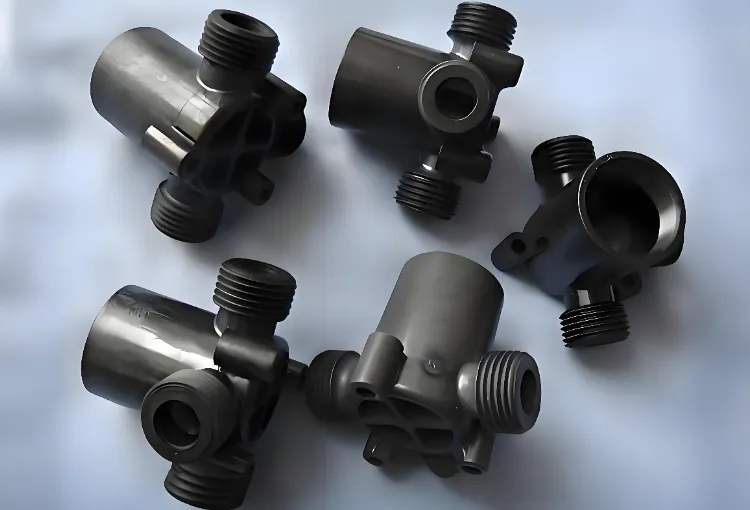
Typical Applications:
Baby feeding bottles, medical instrument components, sterilization trays, hot-water fittings, aircraft interiors
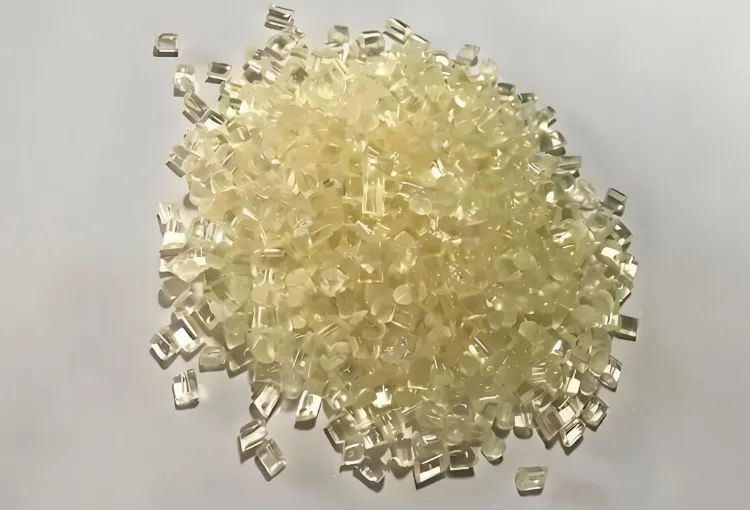
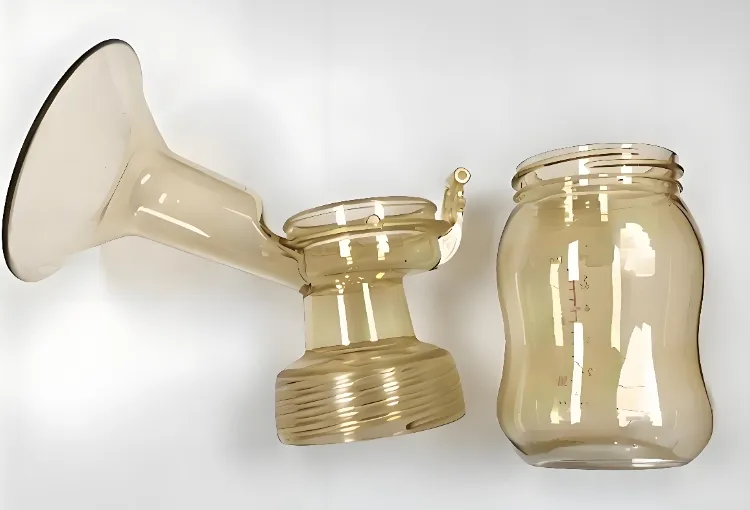
Typical Applications:
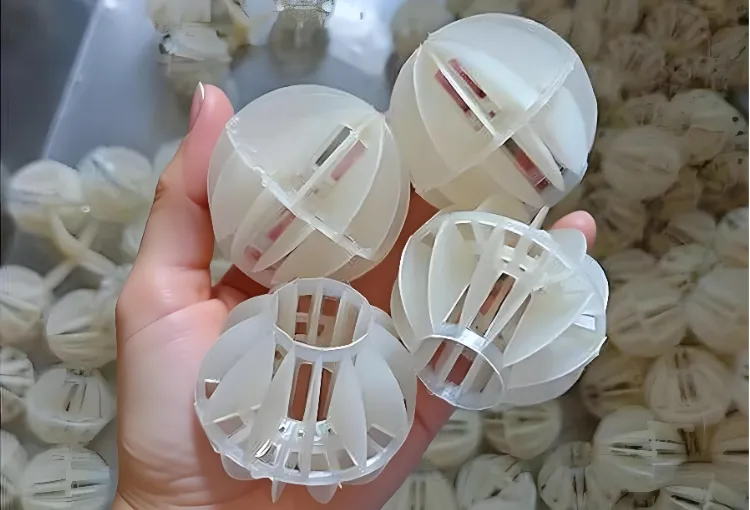
Chemical processing, battery components, solar panels, plumbing
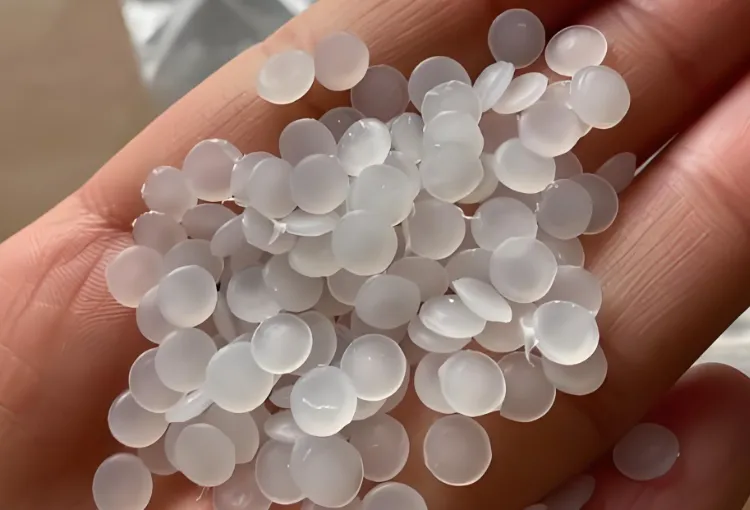
Typical Applications:
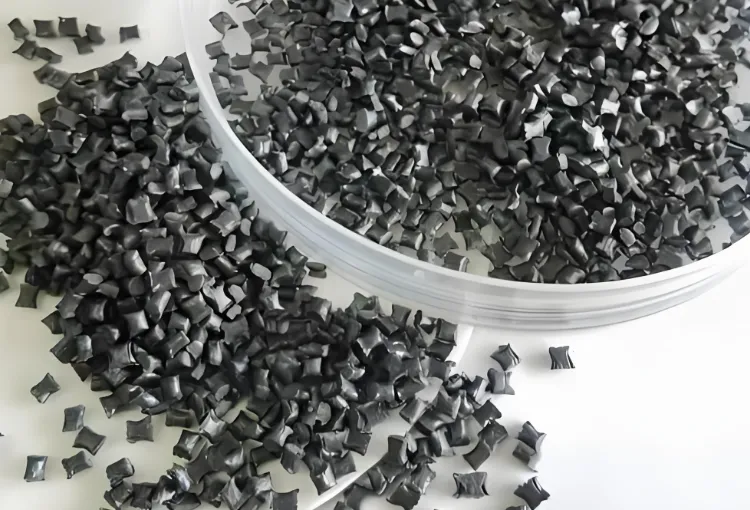
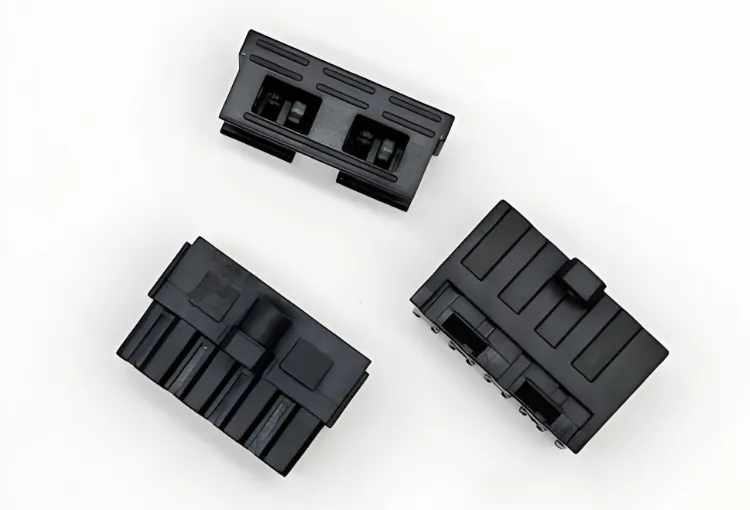
Fine-pitch connector housings, sensor housings, electrical insulators and SMT components
Typical Applications:
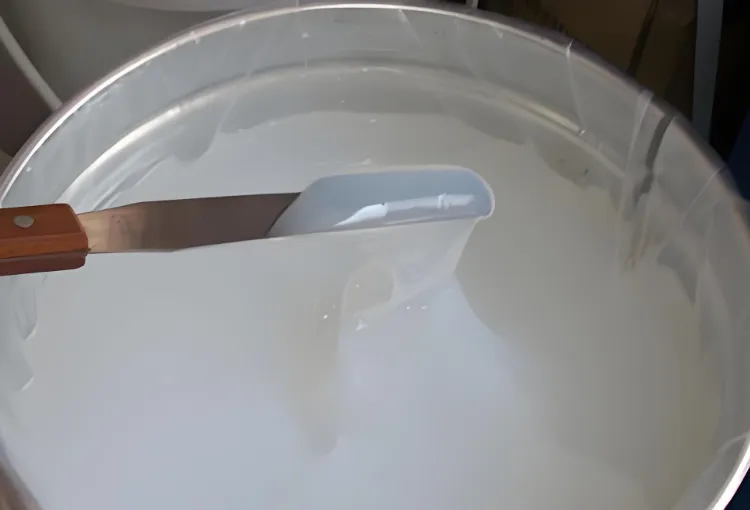
Seals, diaphragms, cable grommets, flexible valves and sensor interfaces
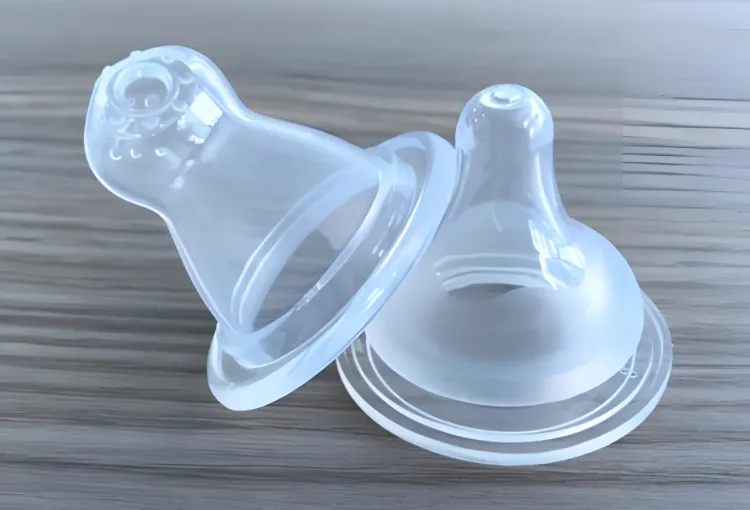
Typical Applications:
Wearable enclosures, rollers, seals, protective covers and soft interfaces
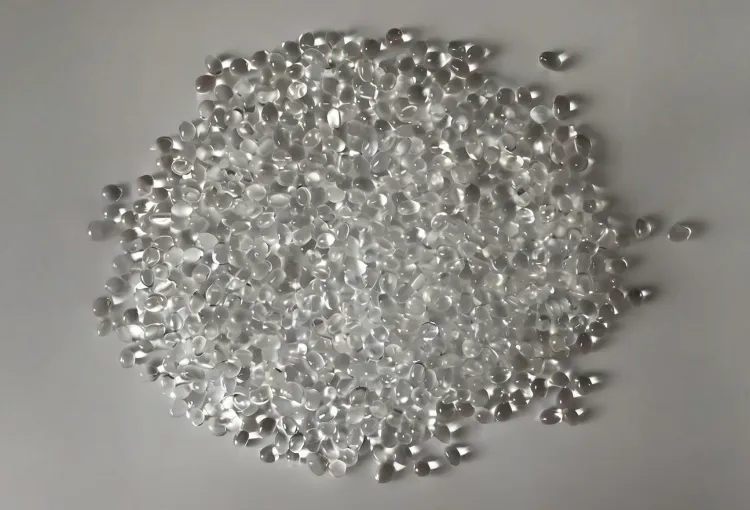
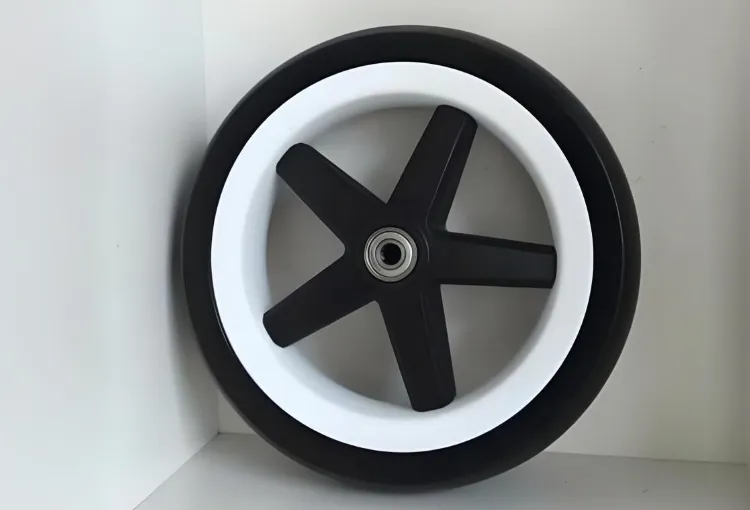
Typical Applications:
Grips, handles, seals, overmolded components, consumer goods
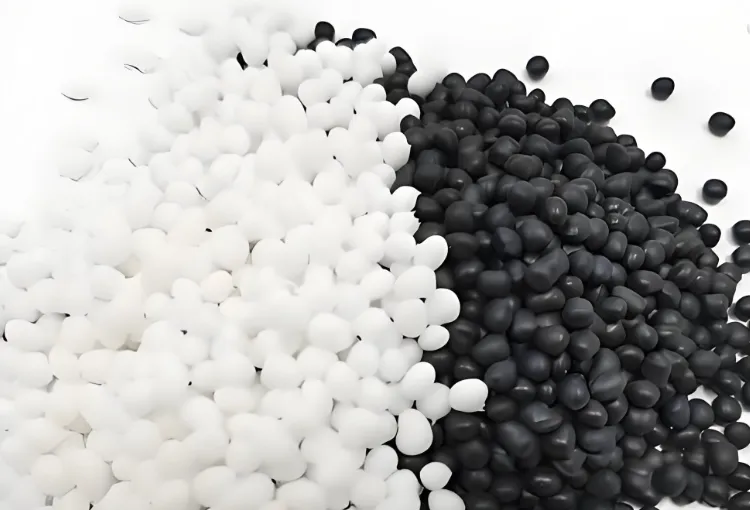
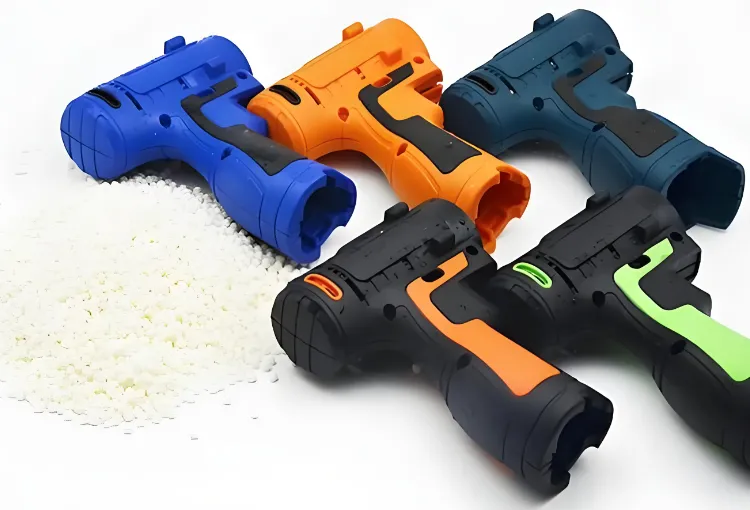
Typical Applications:
Automotive seals, gaskets, weatherstripping, hoses
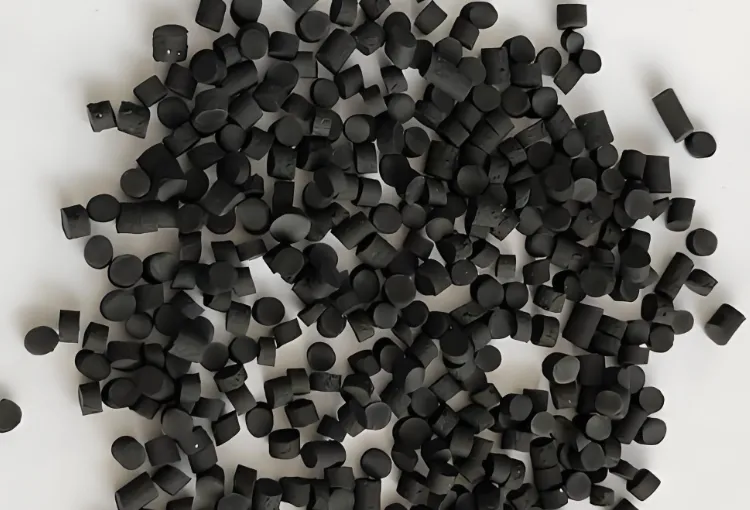
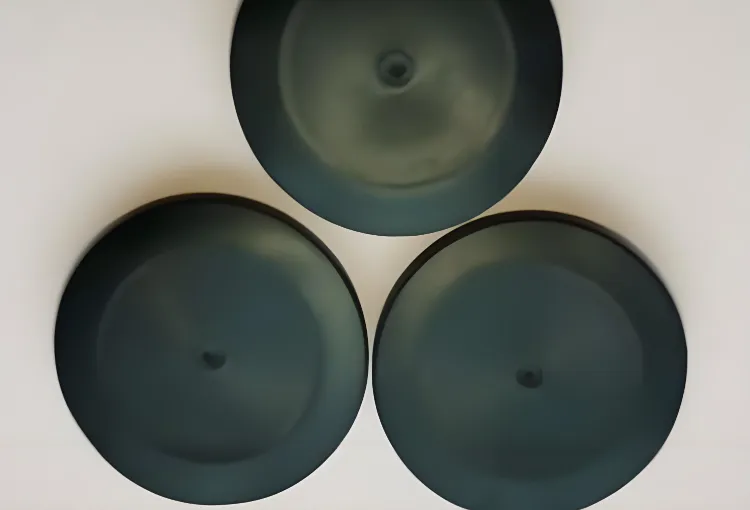
Typical Applications:
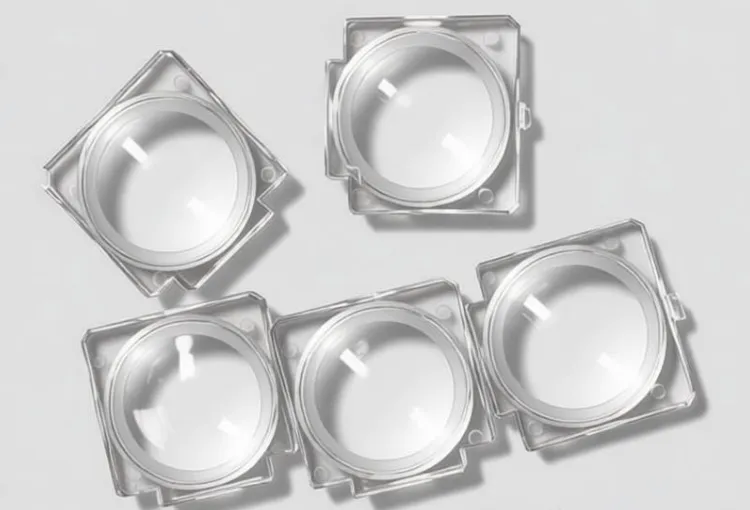
Optical lenses, medical vials, diagnostic devices
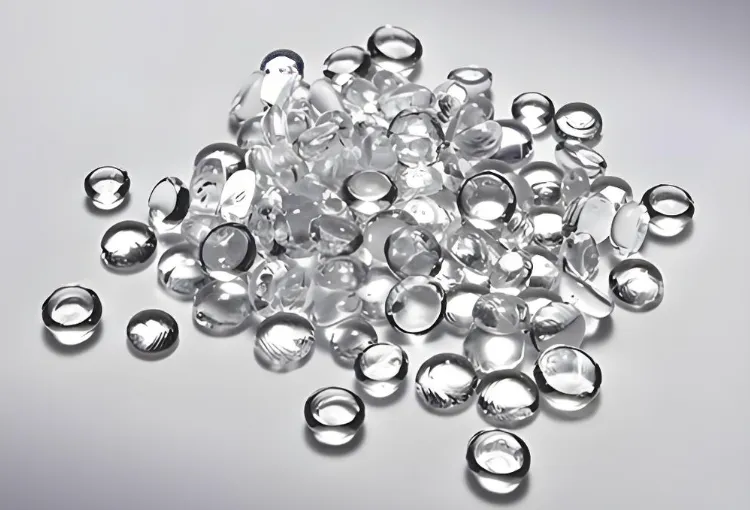
Typical Applications:
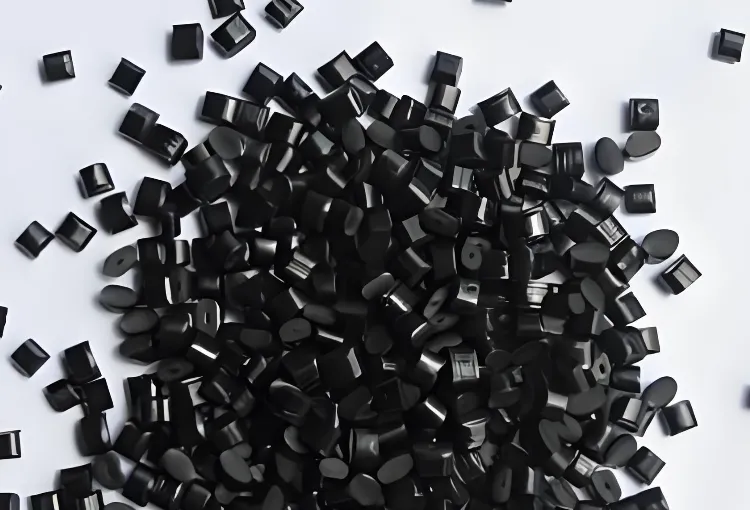
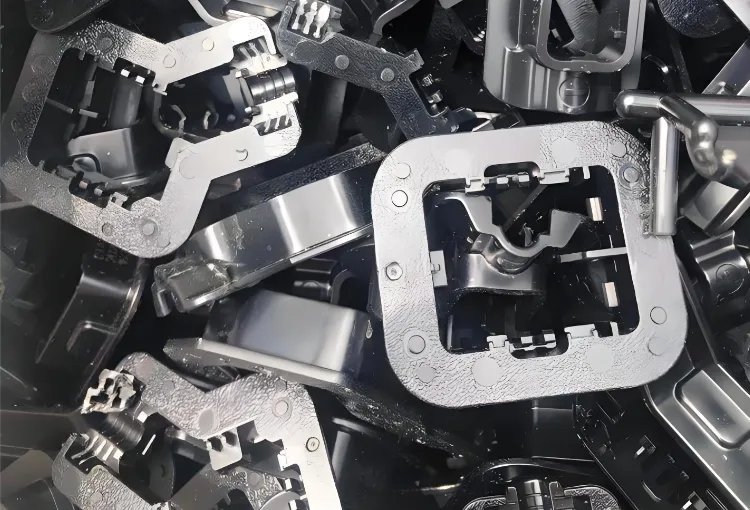
Pump housings, water-softener parts, electrical components
Surface treatments enhance the appearance, functionality, and durability of injection molded parts.
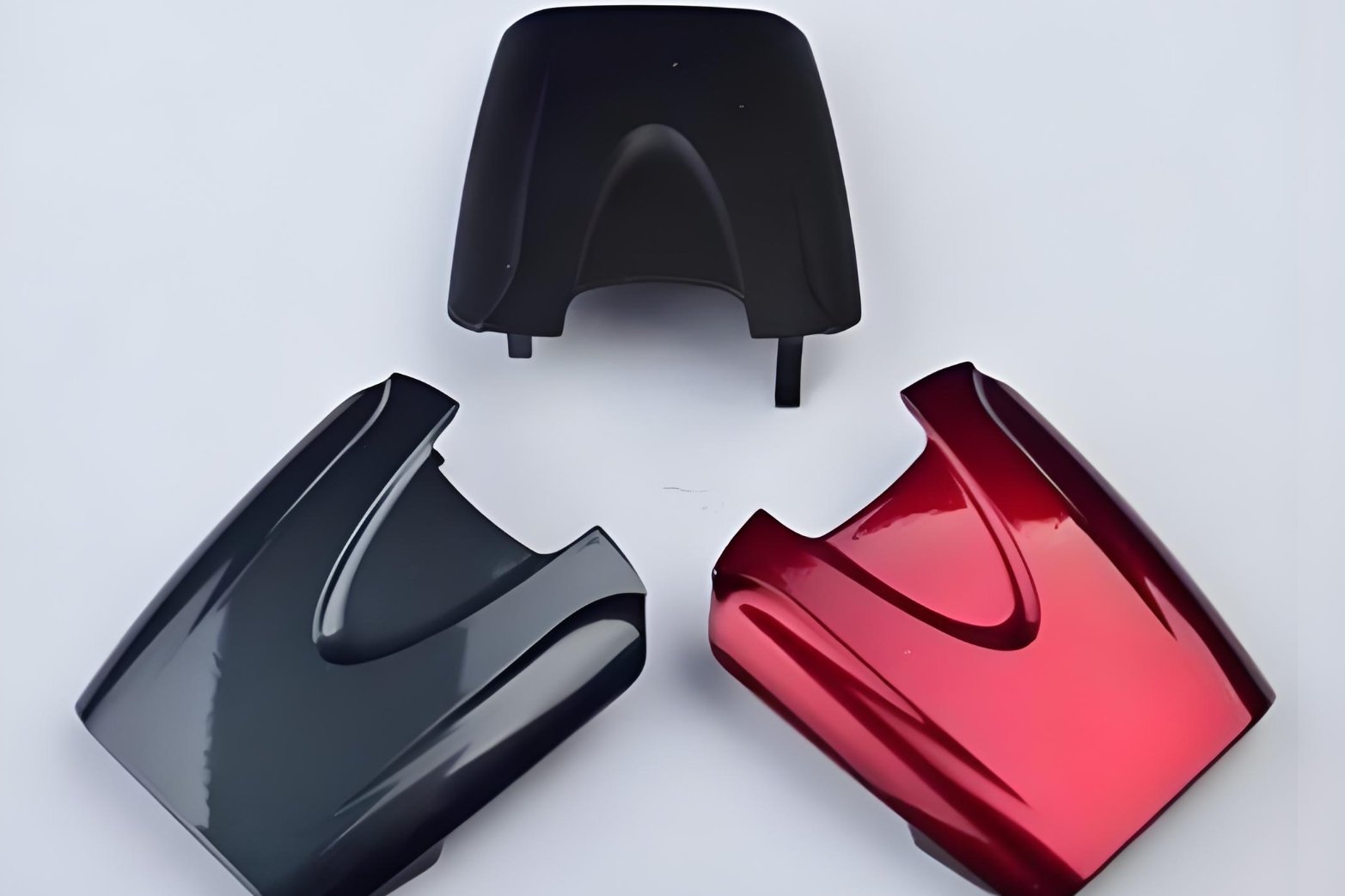
Applies UV-curable paint, anti-scratch coatings, and decorative color layers.
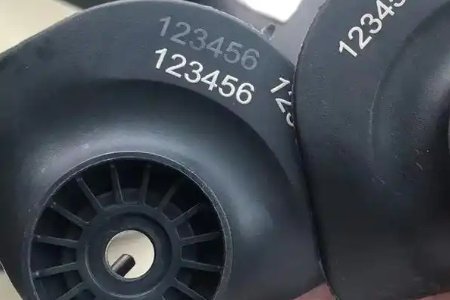
Creates permanent logos, serial numbers, and precise markings.
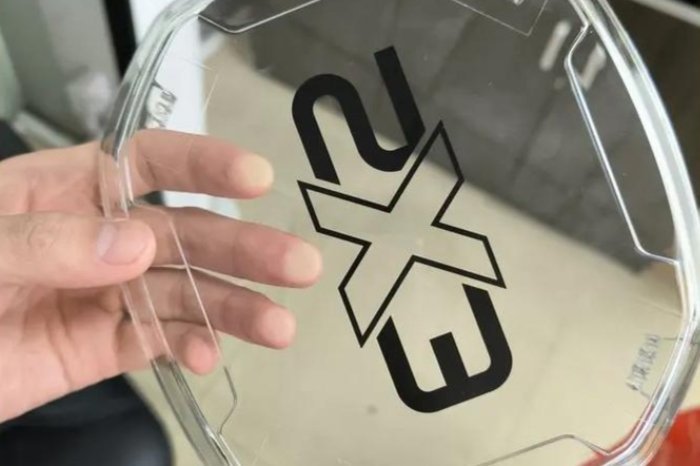
Transfers detailed graphics and labels onto complex surfaces.
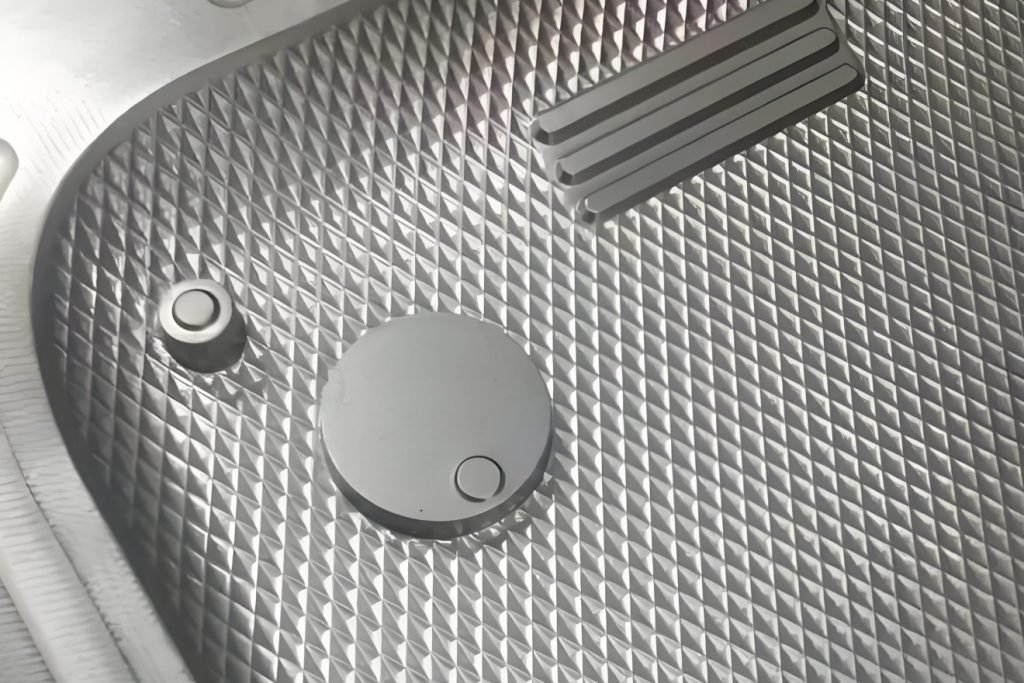
Creates patterns, grains, and matte effects on plastic parts.
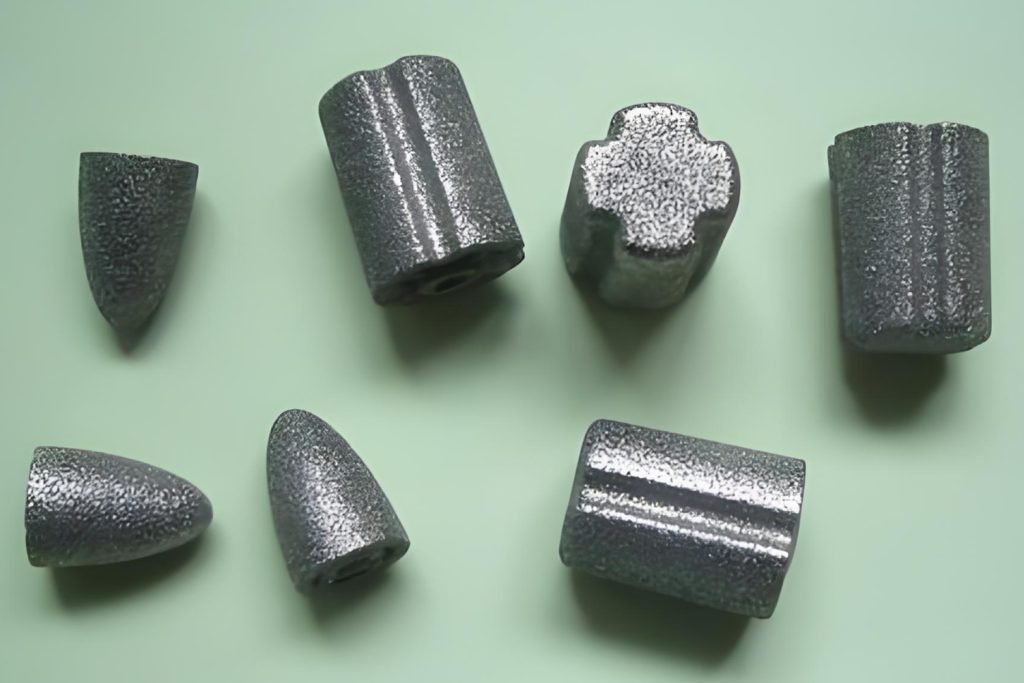
Cleans and roughens surfaces or produces a uniform matte finish.
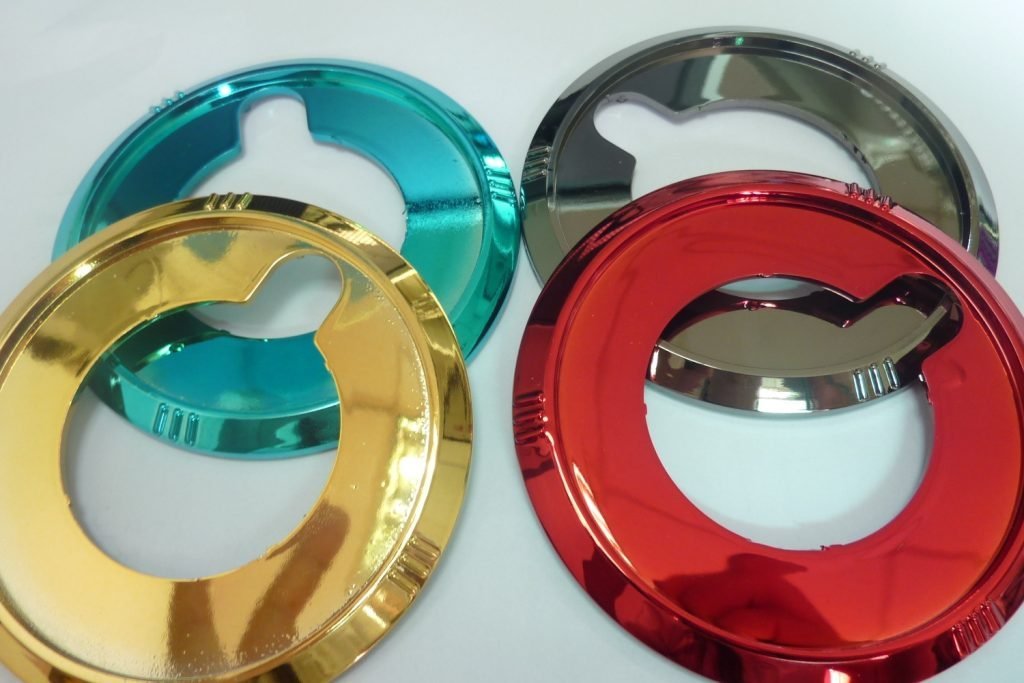
Deposits chrome, nickel, and other metal layers onto plastic.
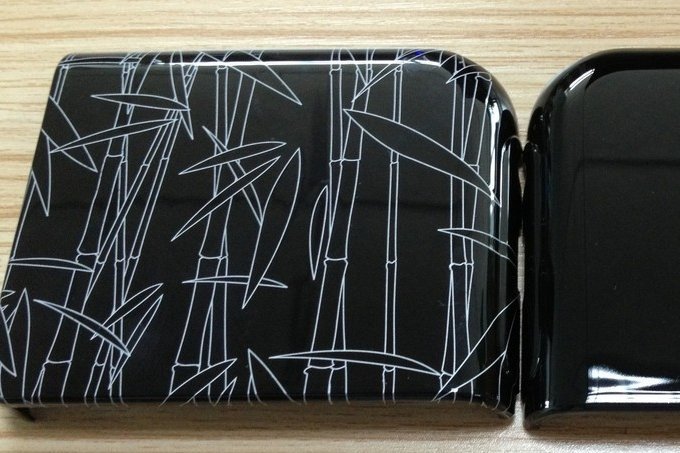
Uses heat and pressure to apply durable, colorful designs.
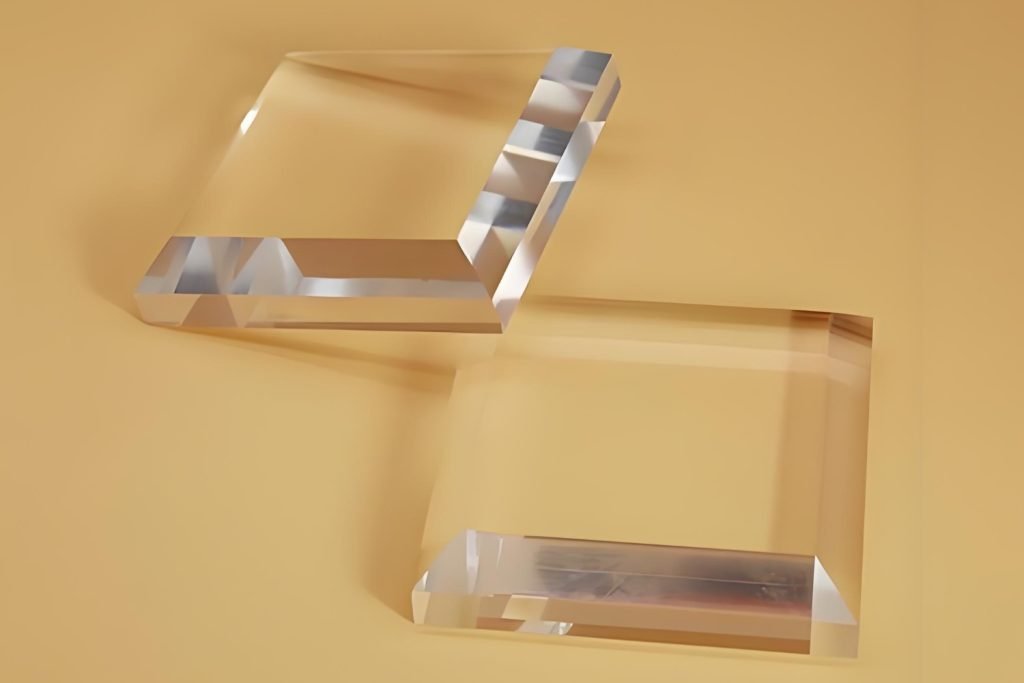
Refines surfaces for reduced roughness and enhanced smoothness.
Our streamlined injection molding process ensures precision, efficiency, and consistent quality from design to delivery.
Our engineering team collaborates with you to refine your part design for manufacturability, ensuring optimal mold flow, material selection, and cost efficiency.
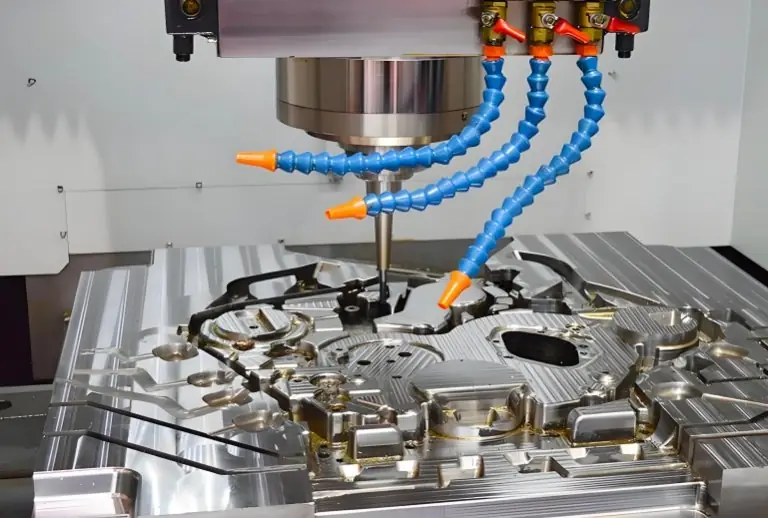
We design and manufacture precision molds using advanced CNC machining and EDM processes, ensuring durability and dimensional accuracy for consistent part production.
Plastic resins are carefully selected, dried if necessary, and prepared for molding. Colorants and additives are precisely mixed to achieve the desired properties.
Molten plastic is injected into the mold cavity under precise pressure and temperature conditions. The material cools and solidifies into the desired part shape.
Finished parts are ejected from the mold and undergo rigorous quality inspection to ensure they meet all specifications and tolerances.
Parts may undergo additional processing such as surface treatment, painting, or assembly before final packaging and delivery.
Efficient project execution from concept to completion.
Confirm the drawing revision, exact resin grade, mating parts and open DFM decisions.
Approve the mold design, construction and quoted build milestones before cutting steel.
Review identified samples, dimensional results, fit checks and any required revisions.
Release the agreed order against approved samples, material and inspection requirements.
Confirm finishing, packaging, inspection records and the agreed shipping arrangements.
From requirements to release
A useful quotation connects the functional drawing to tooling, samples and repeat production. Agree the documents and checks your project needs before ordering.
Current CAD and drawing revision, mating-part interfaces, exact resin or selection criteria, trial and repeat quantities, cosmetic zones and critical dimensions.
DFM findings, proposed part changes and a tooling scope tied to the drawing revision.
Decision to agreeResolve fixed interfaces, gate locations and open tolerances before releasing the tool.
Cavity-identified samples and the dimensional or appearance records included in the quotation.
Decision to agreeSeparate a molding correction from a requested design change and retain the revised baseline.
An agreed sample reference, inspection criteria and approval hold points.
Decision to agreeConfirm who approves assembly or functional checks before the production order is released.
The approved drawing, material, finish, packing and report requirements for the reordered configuration.
Decision to agreeReview changes to the part, resin or quantity against the accepted baseline.
Selected project records
Explore the problem, manufacturing decisions and reported checks. Each case keeps its test conditions and current project stage in view.
Production supply · 85,000 pieces through September 2026
Production supply · component-level acceptance
Injection Molding Applications
Bring the application requirements into the molding review: contact conditions, assembly loads, cleanliness, traceability and the records needed for release.
Follow these guidelines to optimize part design for manufacturability, cost, and performance.
Maintain uniform wall thickness throughout your part to prevent sink marks, warping, and internal stresses.
Minimize or avoid undercuts whenever possible, as they complicate mold design and increase cost.
Include proper draft angles on all vertical surfaces to facilitate easy part ejection from the mold.
Use ribs to increase part stiffness without increasing wall thickness. Bosses provide strong mounting points.
Use generous radii and fillets at all corners to improve part strength and mold filling.
Consider the location of parting lines early in the design process to minimize their visual impact.
Our engineering team provides comprehensive DFM analysis to optimize your part for injection molding.
Injection molding offers numerous benefits that make it the preferred manufacturing process for a wide range of industries and applications.
Lower per-unit costs for high-volume production, with minimal material waste compared to other manufacturing processes.
Exceptional dimensional accuracy and repeatability, ensuring consistent part quality across production runs.
Ability to produce complex geometries with varying wall thicknesses, undercuts, and intricate details.
Fast cycle times and high production rates, enabling quick turnaround for large quantities.
Compatible with a wide range of plastics and composites, each offering unique properties for specific applications.
Easily integrated with automation systems for part removal, inspection, and assembly, reducing labor costs.
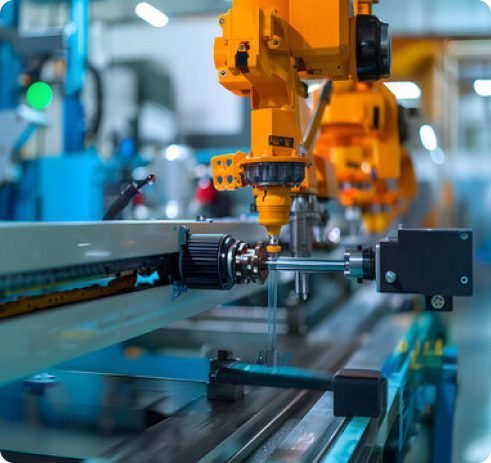
The selected production site and its applicable ISO 9001, ISO 13485 or IATF 16949 scope are reviewed against the project requirements.
Experienced engineers and technicians with deep expertise in injection molding processes.
Review mating components, assembly loads and sealing conditions alongside the molded-part drawing.
Separate tooling, sampling, customer approval, production and shipping in the agreed schedule.
Collaborative approach with dedicated project managers for personalized service.
Keep approved samples, resin grades, drawing revisions and agreed checks linked to subsequent orders.
The plastic molding process involves numerous parameters that must be carefully regulated to maintain the quality and consistency of the produced components.
For a free quote, please submit a product description along with a technical drawing. We also offer reverse engineering services to assist you.
Agree the DFM record, proposed changes, tooling route, sample quantities and acceptance requirements. Scope a dedicated mold-flow study separately where it is needed.
Upon your confirmation to the mold design, our team will begin making mold components, which will then be sent for inspection and assembly.
Once the mold is complete, we will initiate the plastic molding process. A T1 sample will be provided for you to check whether the product details align with your specifications. After approval we will continue massive production.
Your custom-designed plastic parts undergoes thorough inspection, will be carefully packaged, and delivered to you.
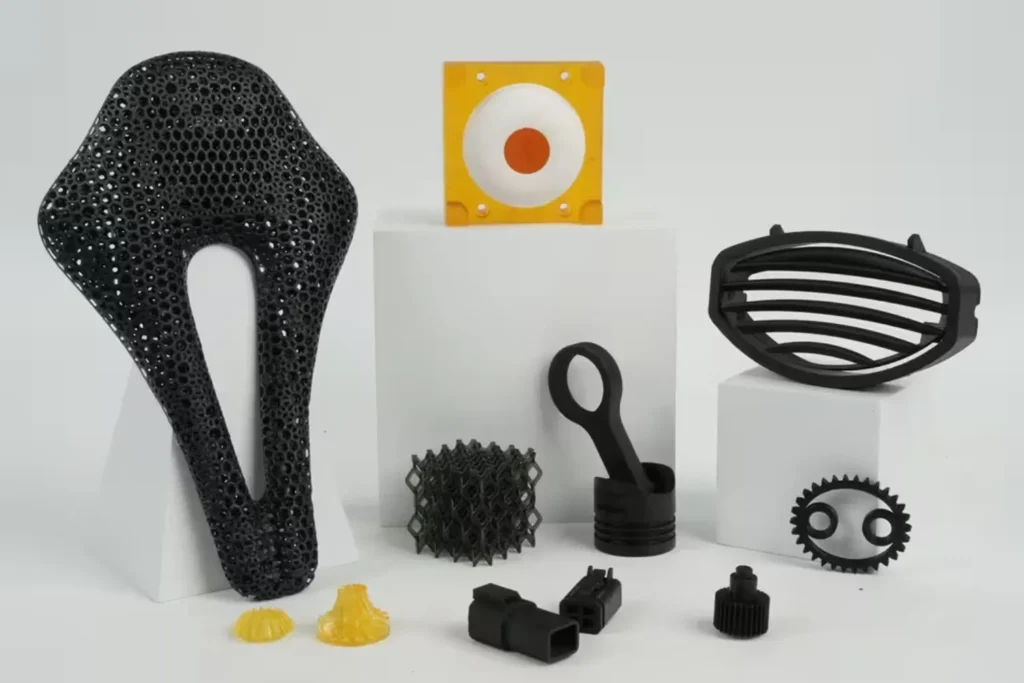
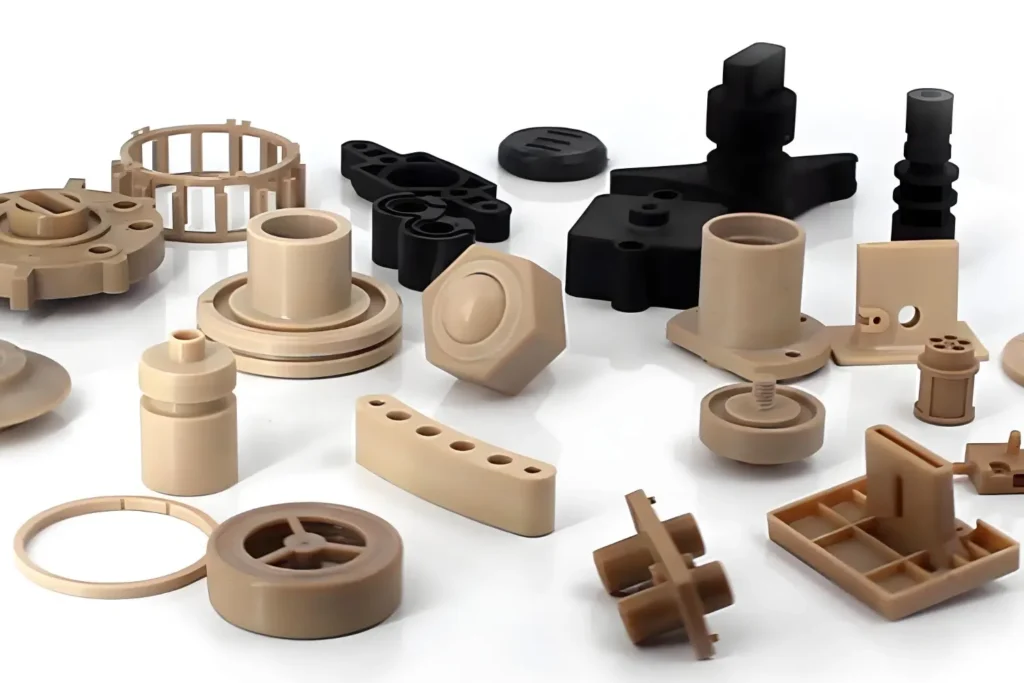
Browse our gallery of injection molded products across various industries and applications.
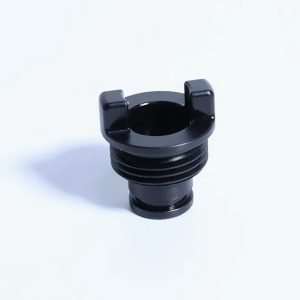
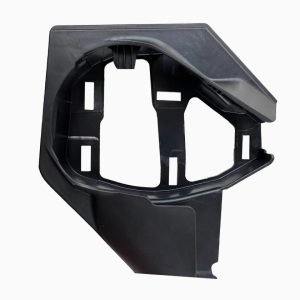
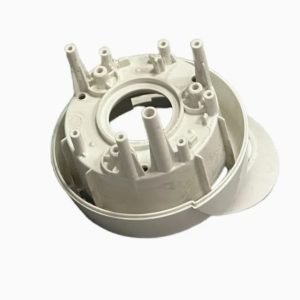
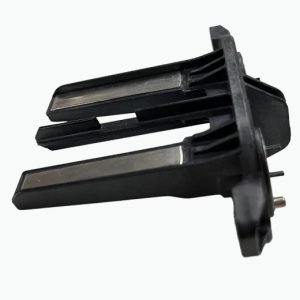
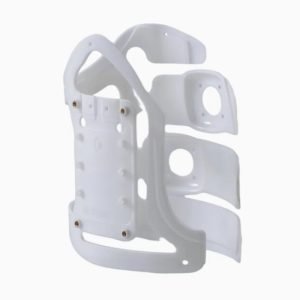
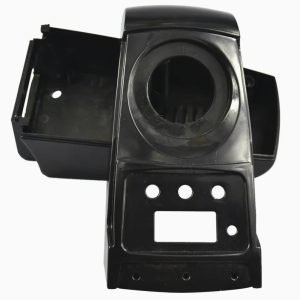
Review the clip and its mating part together. Explore our custom clip and retainer application, compare two concepts in the illustrative releasable-clip study, and define a cycle-test plan before tooling approval.
Ready to discuss your injection molding project?
Request a quote, and our experts will contact you shortly.
Timing depends on part geometry, mold construction, resin availability, trial requirements and production quantity. The quotation separates tool build, sampling, customer approval and production milestones; a delivery date is confirmed for the agreed scope.
Designs should minimize undercuts, maintain consistent wall thickness, and incorporate suitable draft angles for reliable filling and ejection.
MOQ depends on the project. We support both small-batch validation and high-volume production.
Identify the critical molded-part dimensions, datum scheme, conditioning and measurement method on your drawing. Tool machining tolerances are not molded-part tolerances: resin shrinkage, geometry and process variation must be evaluated on trial parts before an acceptance range is committed.
The review covers filling, wall transitions, draft, parting lines, gates, ejection and the features that control fit or sealing. Agree the depth of the review, deliverables and any analysis charges with the quotation; a dedicated mold-flow study is scoped separately.
Yes. We produce both aluminum and steel molds according to project life, volume, and validation needs.
Aluminum is cost-effective for prototypes and short runs; steel is preferred for long-life, higher-volume production.
Optimize the part for manufacturability, reduce complexity and undercuts, select suitable materials, and match tooling to expected volume.
Move from a general process review to the interfaces, materials and acceptance questions for your particular component. These are custom design applications, not stock products.
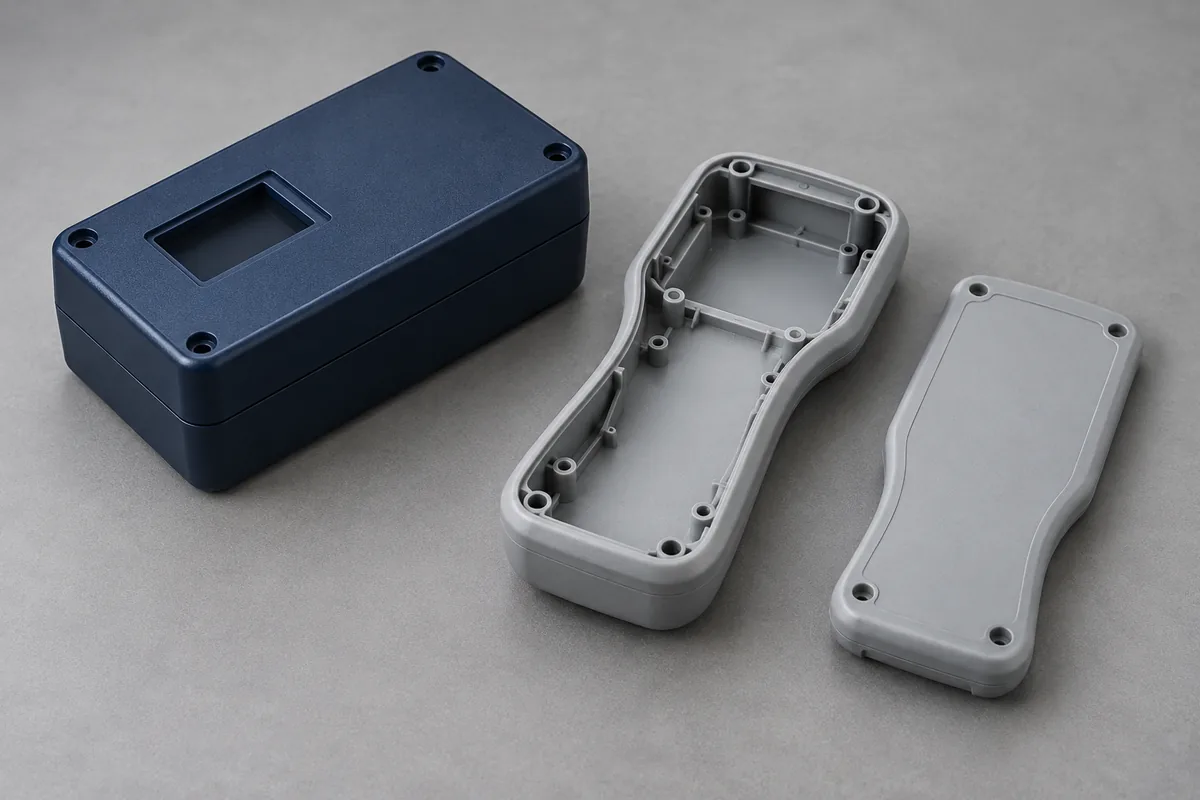
Housing bases, lids and bezels made to your design. Review PCB supports, connector openings, resin, appearance and assembly acceptance.
Review the application →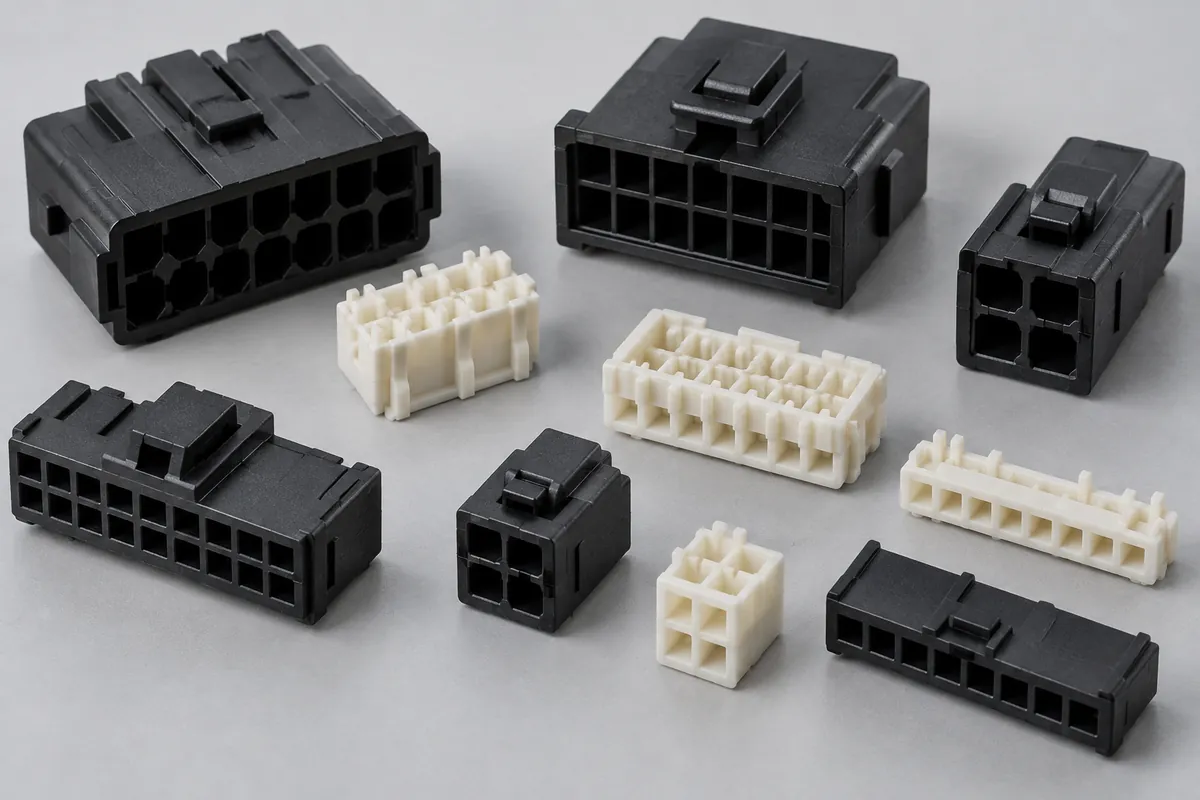
Custom molded insulating bodies and terminal carriers. Define terminal interfaces, locating references, exact resin and component acceptance.
Review the application →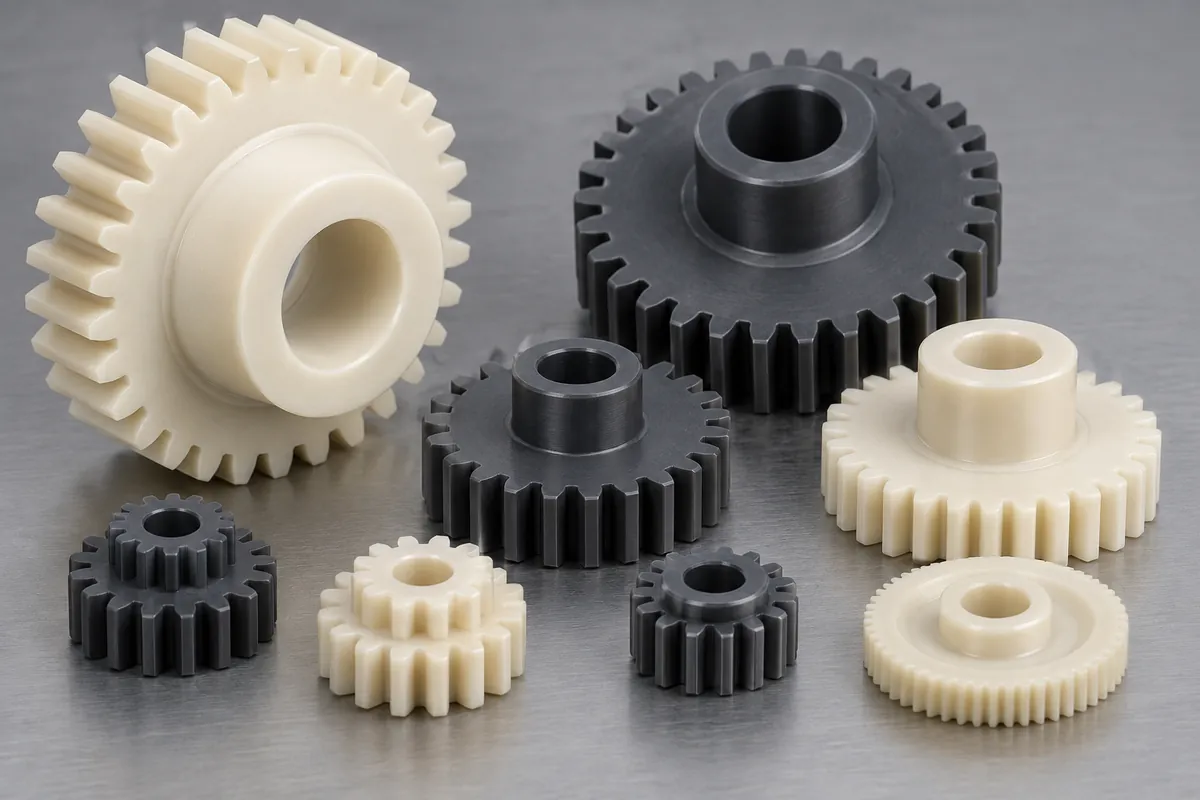
Custom polymer gear parts made to your design. Review tooth geometry, mating gears, mounting interfaces, duty and inspection requirements.
Review the application →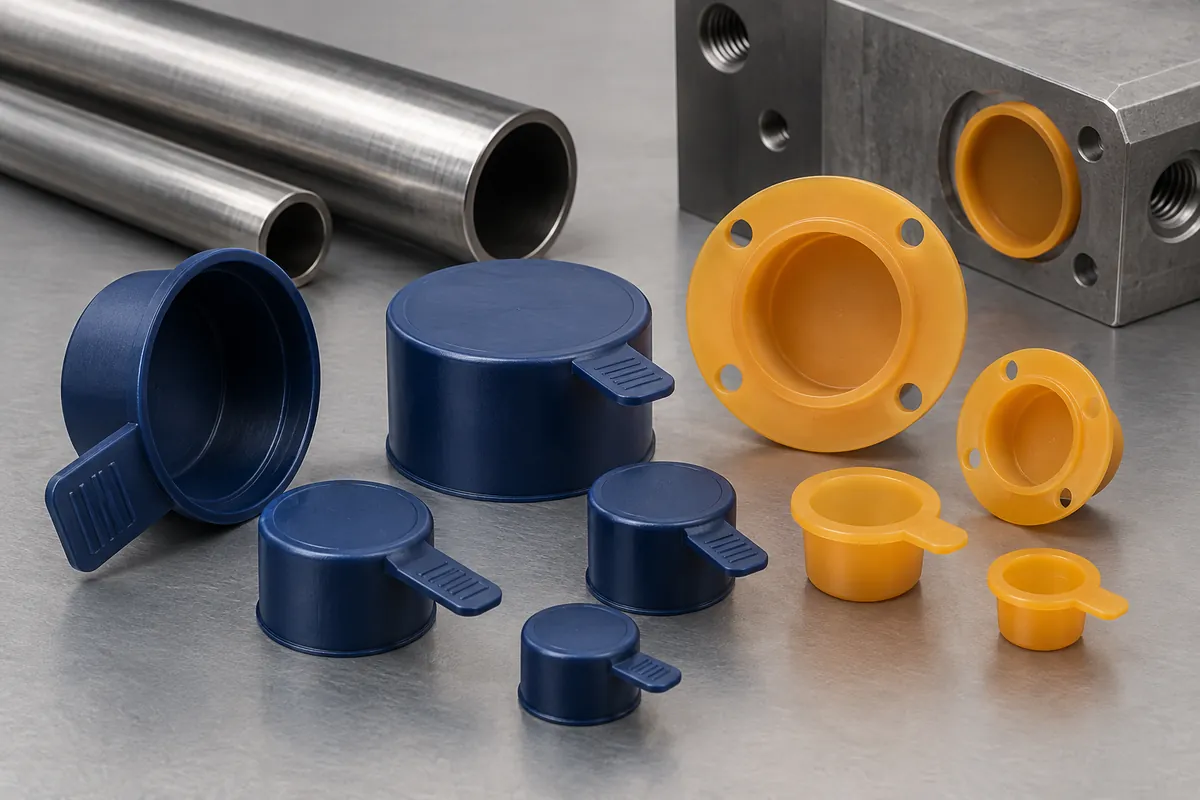
Custom molded protectors for industrial interfaces. Review contact zones, counterpart variation, retention, removal and exposure requirements.
Review the application →Explore the part-specific interfaces, material questions and sample checks before requesting a quotation.
Connect the LED, clear molded guide and visible panel indicator in one design review.
Define the installed shaft-to-bushing fit, not only the dimensions of a loose sleeve.
Review the seal together with its groove, closure and intended exposure.
Design the flexible web together with the lid, frame, latch and intended movement.
Keep the core, winding envelope and terminal arrangement connected to the molding specification.
Match the grip, shaft connection and visible index to the same controlled assembly.