
Material Selection
Injection Molding Materials
Compare engineering plastics, elastomers, and mold materials by mechanical performance, environment, appearance, validation needs, and production volume.
Plastics, Elastomers & Mold Materials
Final material selection is confirmed during DFM using part geometry, wall thickness, shrinkage, tolerance, service environment, and compliance requirements.
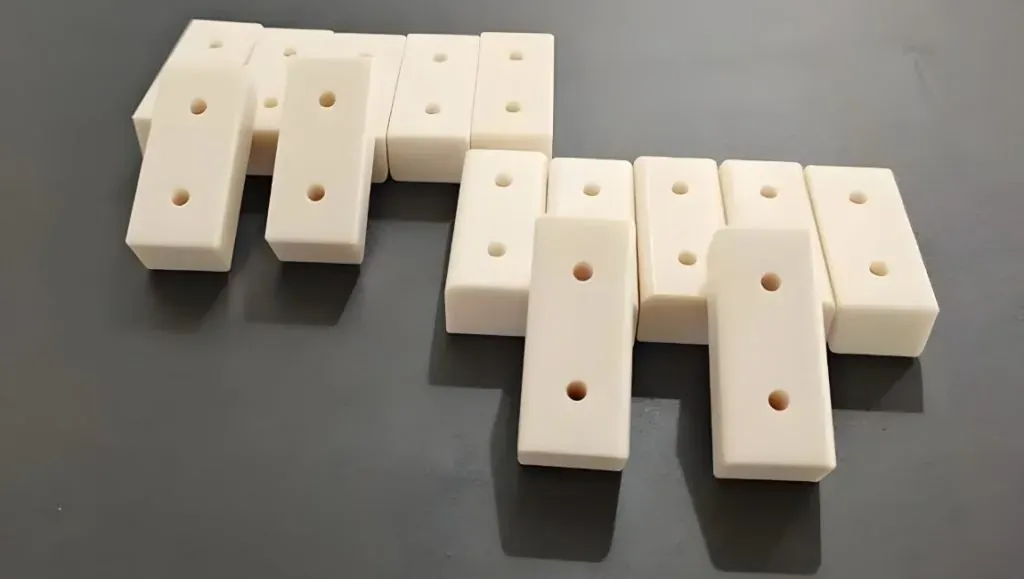
ABS
Balanced impact strength, appearance, and cost for housings and consumer parts.
Review molding guidance →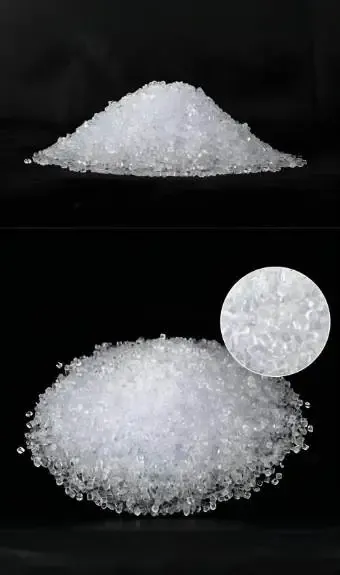
Polycarbonate (PC)
Transparent, tough molded parts with strong dimensional and impact performance.
Review molding guidance →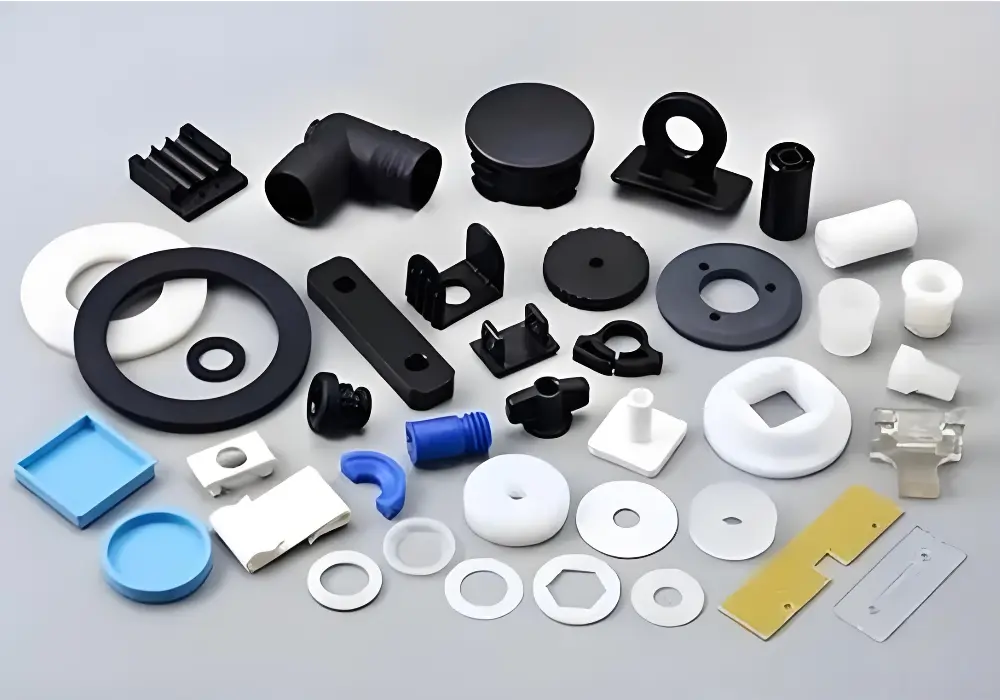
Nylon (PA)
Wear-resistant engineering resin for gears, brackets, connectors, and structural parts.
Review molding guidance →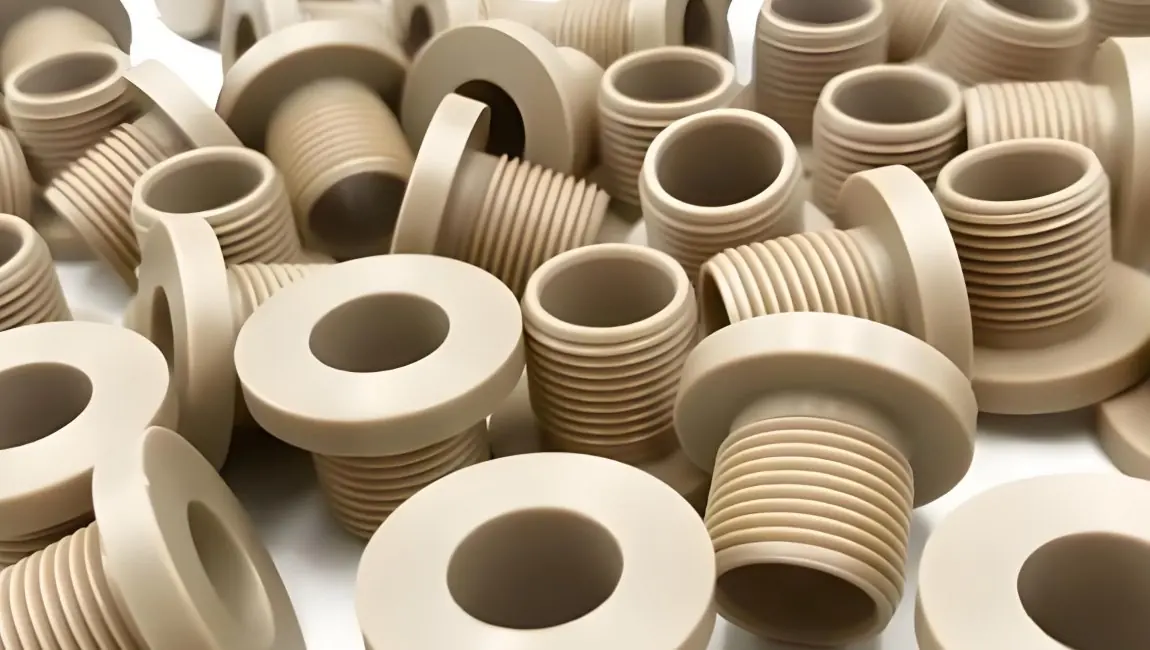
PEEK
High-temperature, chemical-resistant polymer for demanding medical, aerospace, and industrial parts.
Review molding guidance →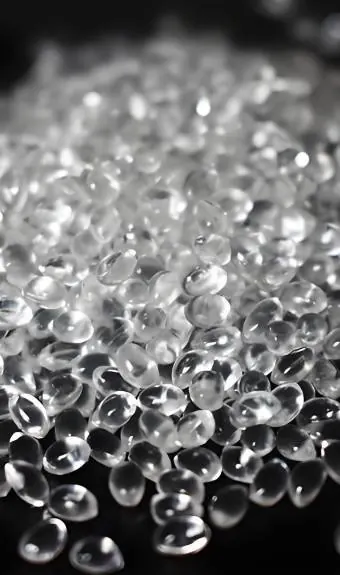
TPU
Flexible, abrasion-resistant elastomer for seals, grips, wearables, and overmolded features.
Review molding guidance →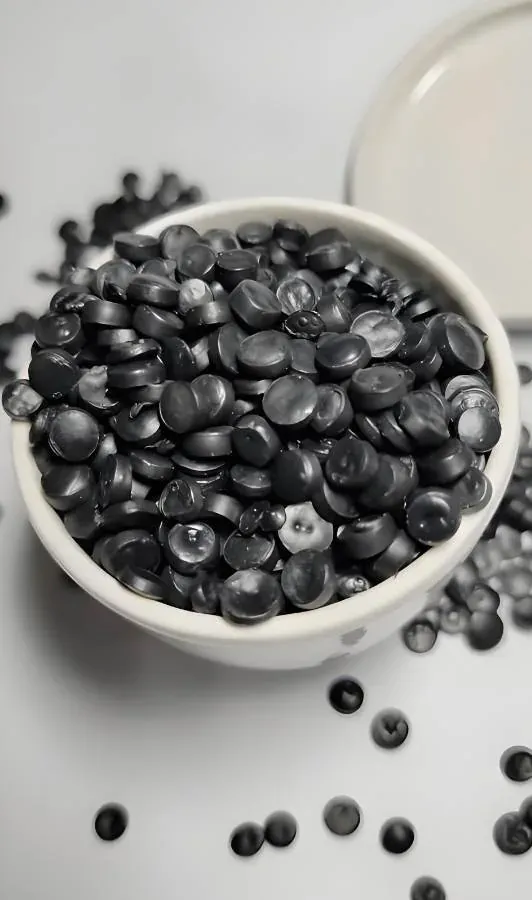
HDPE
Chemical-resistant, durable resin for fluid handling, industrial, and consumer components.
Review molding guidance →PP
Low-density, fatigue-resistant resin for living hinges, containers, and production components.
Review molding guidance →PET
Strong, dimensionally stable polyester for technical and packaging-related molded parts.
Review molding guidance →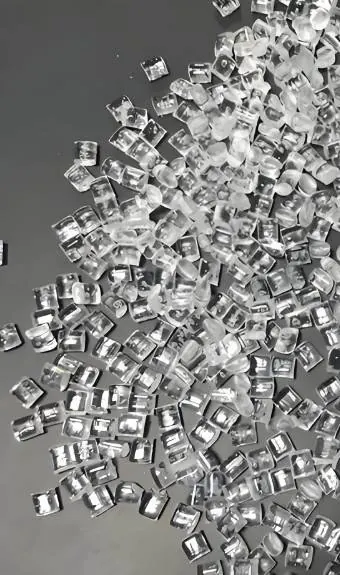
PMMA
Optically clear acrylic for lenses, light guides, windows, and cosmetic components.
Review molding guidance →Rubber
Elastomer molding options for seals, vibration control, grips, and flexible components.
Review molding guidance →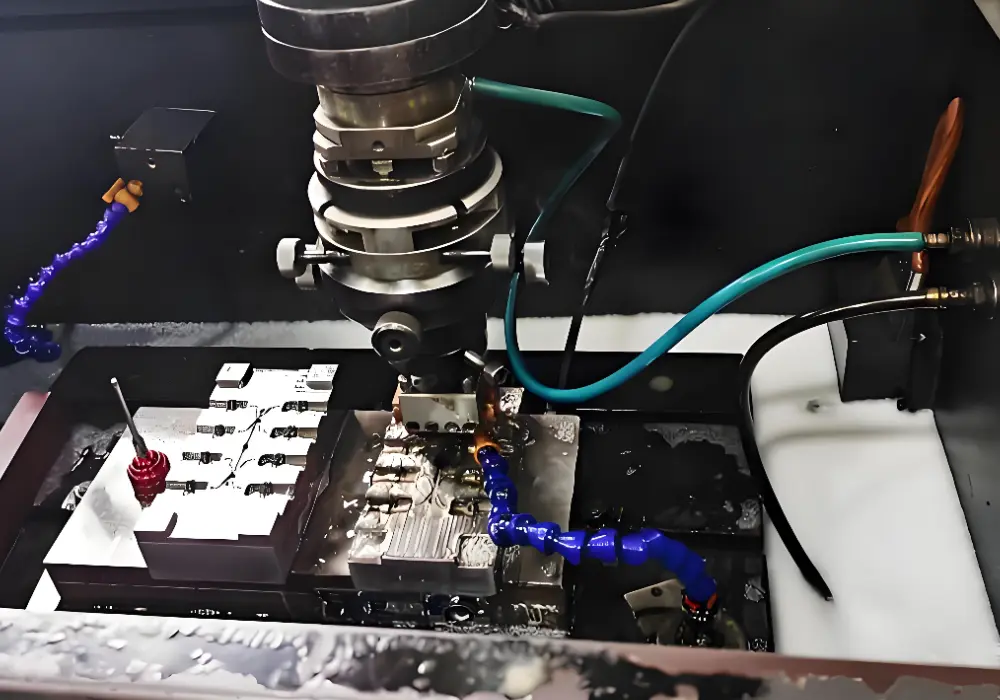
Injection Mold Materials
Tool steels and rapid-tooling materials selected for mold life, finish, and production volume.
Review molding guidance →Need Help Selecting a Resin?
Send the application, part files, target volume, and operating conditions for an injection molding material review.
Talk to an Engineer