info@fecision.com

Rapid Tooling Services for
Pre-Production Validation

Rapid tooling services at Fecision — also called soft tooling or bridge tooling — machine aluminum or pre-hardened steel molds in 7 to 15 days, used to run real injection-molded parts before a production mold gets cut. It's chosen when a design needs to prove itself under the actual molding process rather than through a printed or machined stand-in.

Request a Quote
ISO 9001: 2015 Certified Processes
ISO 13485: 2016 Medical Device
AS9100 Certified Aerospace
No Minimum Order Quantities
In-Process Inspection with CMM

What Rapid Tooling Covers at Fecision

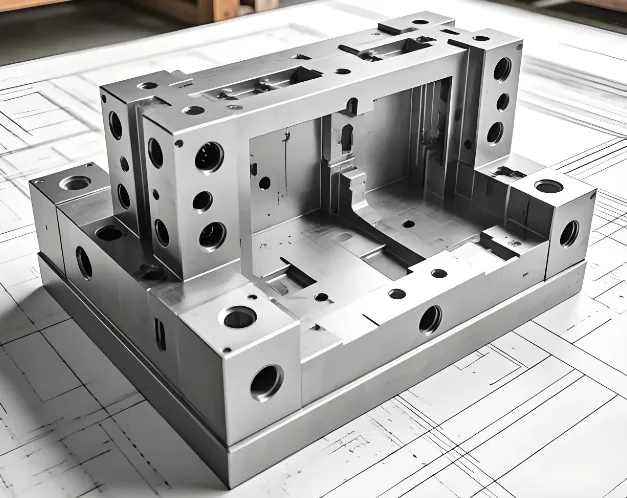
Precision rapid injection mold tooling base
AttributeSpecification
Tooling materialsAluminum 7075 (soft tooling); pre-hardened steel P20/NAK80/S136
Aluminum tooling leadtime7-10 days
Pre-hardened steel tooling leadtime12-15 days
Dimensional accuracy±0.05 mm (aluminum), ±0.03 mm (pre-hardened steel)
Typical validation run100-5,000 pieces
Molding equipmentTrial injection machines, 80T-250T, 4 units
Best suited forProcess and material validation on the actual injection molding process
Also known asSoft tooling, bridge tooling, prototype tooling
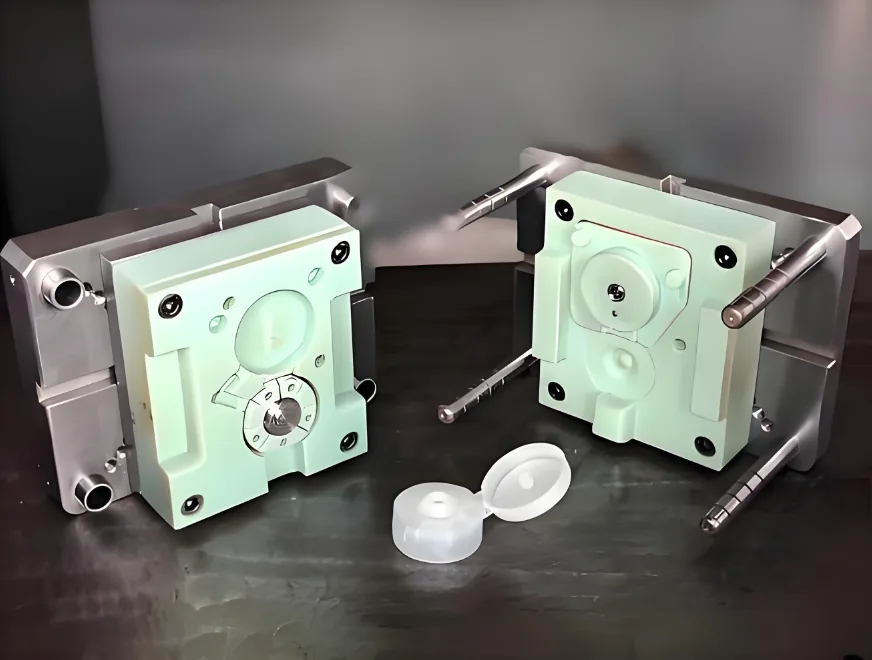
Injection mold tooling used for process validation

Rapid Tooling's Validation Edge

3D printing and CNC prototyping confirm that a design looks right and fits together. Neither one runs the part through an actual injection molding cycle, which means neither one can catch what only happens when plastic actually flows into a cavity under heat and pressure: sink marks where wall thickness changes, warpage from uneven cooling, flash at the parting line, or a shrinkage rate that doesn't match the CAD model's assumption.

Rapid tooling is built specifically to surface those risks — running real material through a real, if shorter-lived, mold — before they show up for the first time in an expensive production tool.

Rapid Tooling vs. Production Tooling

Rapid tooling and production tooling solve different problems, and one usually leads into the other rather than replacing it. Rapid tooling is built for speed and iteration; production tooling is built for durability at volume. What carries over between them is the process data — gate location, cooling layout, and shrinkage figures confirmed on the rapid tool get built into the production mold design rather than re-solved from scratch.

Rapid ToolingProduction Tooling
PurposeProcess and material validationLong-run volume production
Typical materialAluminum 7075 / pre-hardened steelS50C (base), SKD61/S136 (cavity/core)
Tool lifeHundreds to a few thousand cycles50,000+ cycles with DLC coating
Leadtime7-15 days15-20 days
Typical run size100-5,000 pieces50,000+ (LSR) / 100,000+ (precision parts)
What carries forwardGate location, cooling layout, shrinkage dataBuilt directly into production mold design

Choosing Between Aluminum and Steel Tooling

Material choice for the rapid tool itself depends on volume, material abrasiveness, and how close to final the design already is.

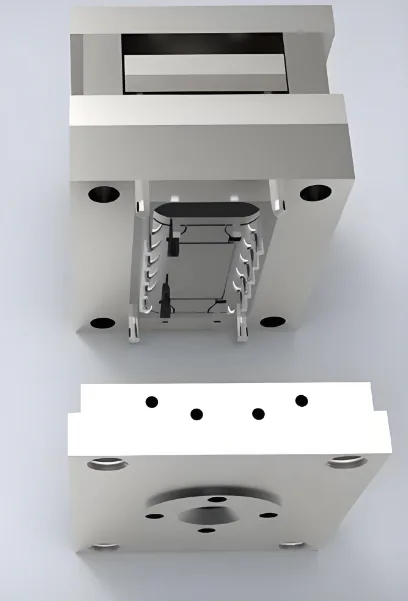
Rapid tooling injection mold assembly
FactorAluminum 7075Pre-hardened steel (P20/NAK80/S136)
Leadtime7-10 days12-15 days
Tolerance±0.05 mm±0.03 mm
Typical run sizeLow hundreds to a few thousand piecesUp to several thousand, better suited to the higher end of that range
Best forNon-abrasive resins, early-stage validation, fast iteration if the design still might changeAbrasive or glass-filled materials, better surface/texture transfer, a design that's close to final
Relative costLowerHigher

The plastic material run through a rapid tool isn't picked from a fixed list the way 3D printing or CNC prototyping materials are. Rapid tooling molds the customer's specified production resin — or a documented equivalent — so the material behavior confirmed on the rapid tool matches what the production mold will actually run.

DFM Before the Tool Is Cut

Rapid tooling still starts with a DFM review — gate location, parting line, draft angle, cooling layout — before any aluminum or steel gets cut. That review uses the same process applied later to production mold design, so issues caught here (a draft angle that's too shallow, a wall thickness that won't fill evenly) get fixed once rather than surfacing again when the production tool is built.

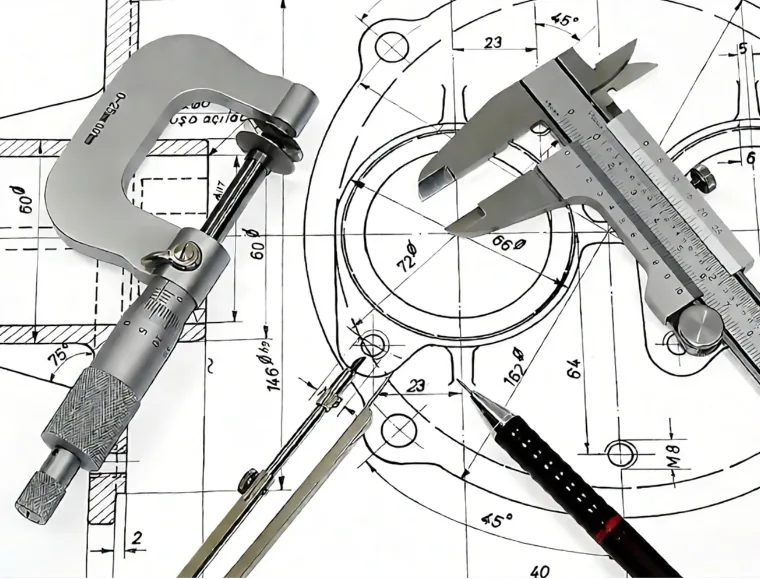
Rapid tooling DFM engineering measurement

How This Plays Out on Real Programs

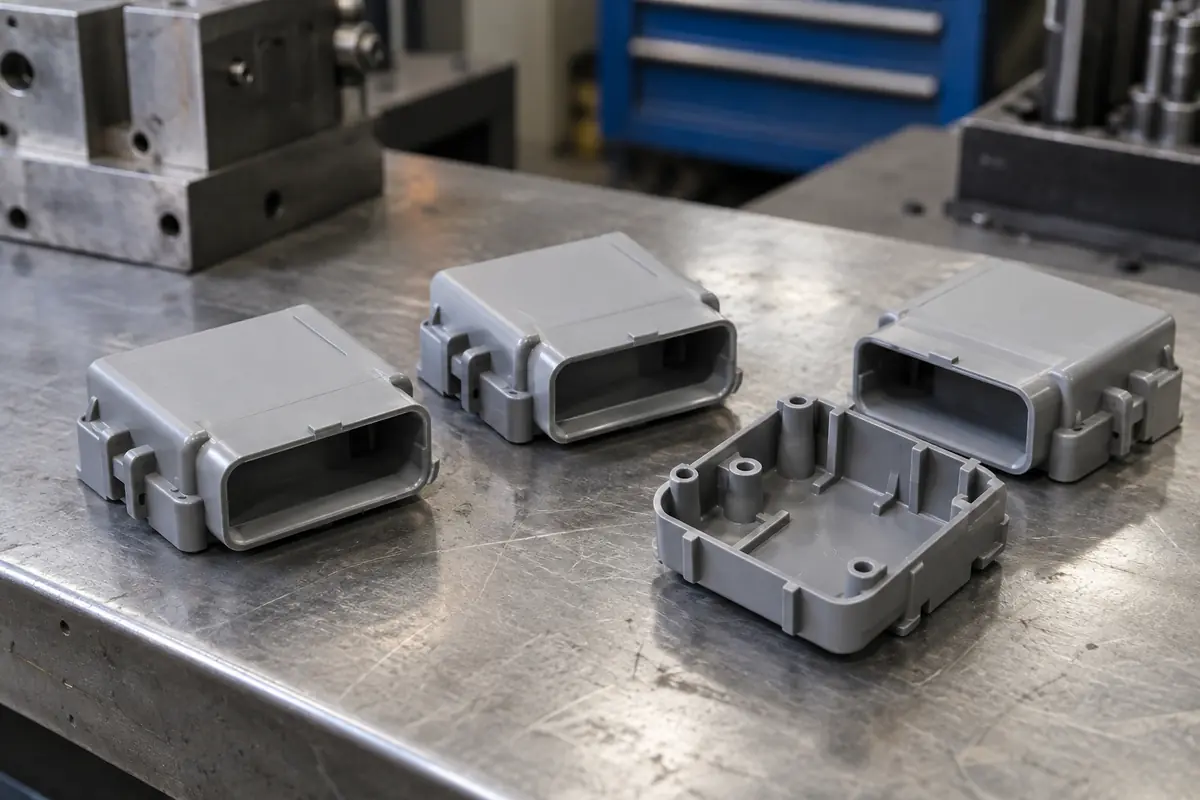
Connector housing rapid tooling mold trial

Connector Housing: Catching a Draft Angle Problem

An industrial connector brand used aluminum rapid tooling as the process-validation step in a broader redesign. The trial run surfaced a draft angle that was too shallow to release cleanly from the cavity — a problem that hadn't shown up in either the 3D-printed or CNC-machined prototype, since neither one involves an actual mold release. Fixing it on the aluminum tool meant the production steel mold ran a first shot with zero design changes.

Thin LSR sealing ring beside an aluminum rapid tool

LSR Sealing Ring: Locking the Gate Location

A 0.8 mm cross-section LSR sealing ring for a consumer electronics brand needed its gate location right before a steel mold got cut — a small placement error on a seal that thin can distort the sealing surface. Aluminum rapid-tooling trials let the team iterate the gate position directly, rather than guessing from simulation alone.

Why Choose Fecision for Rapid Tooling

Rapid tooling and production tooling run through the same mold shop and DFM team, so a fix made on the aluminum tool doesn't need to be re-explained to a different vendor when the steel mold gets designed.

Trial molding happens in-house, on dedicated 80T-250T injection machines, so a rapid tool doesn't just get built — it gets run and the parts get evaluated on the same site.

Material behavior gets validated in the customer's actual production resin, not a substitute, so the process data transfers cleanly to production.

Frequently Asked Questions

What's the minimum order for a rapid tooling run?

Validation runs typically fall between 100 and 5,000 pieces — rapid tooling is priced and built for this range, not for single-digit prototype quantities or full production volumes.

Can the rapid tool be reused, or does it get scrapped after validation?

An aluminum or pre-hardened steel rapid tool can continue running low-volume or bridge production while a production steel mold is being built, rather than sitting idle after the initial validation run — useful if there's early market demand to fill before full production tooling is ready.

How does rapid tooling data carry into the production mold?

Gate location, cooling layout, and shrinkage figures confirmed during the rapid tooling trial get built directly into the production mold design by the same DFM team, rather than requiring a second round of validation from scratch.

Request A Quote

Tell Us About Your Project

Fields marked with are required.

By submitting this form, you agree that Fecision may use the supplied information to respond to your inquiry.