Impact Resistance
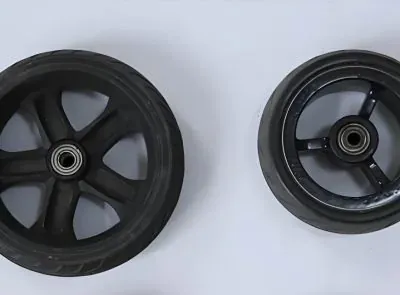
Izod notched strength 640–850 J/m (ASTM D256). Survives repeated drop impact at room temperature — essential for device housings, safety equipment.
PC molding planned around your drawing and material.
FECISION coordinates polycarbonate tooling and molding through manufacturing partners. Cavity tolerances, optical finish, tool life and machine suitability are reviewed for the exact resin grade, part geometry and production volume.
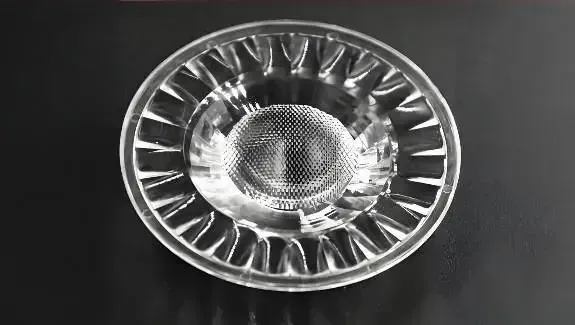
Material Overview
Polycarbonate's Izod notched impact strength of 640–850 J/m — roughly 40× higher than standard acrylic — is why it shows up in riot shields, aircraft cabin windows, and surgical instrument housings where component failure isn't an acceptable outcome.
During a PC project review, the manufacturing partner evaluates wall transitions, gates and expected part loading: most PC part failures we see at DFM stage trace back to wall thickness irregularities and gate position, not material quality. A 0.8 mm thin section adjacent to a 3.5 mm rib will always show stress whitening under load — not because the PC is weak, but because the mold design created a molecular orientation that the material can't carry.
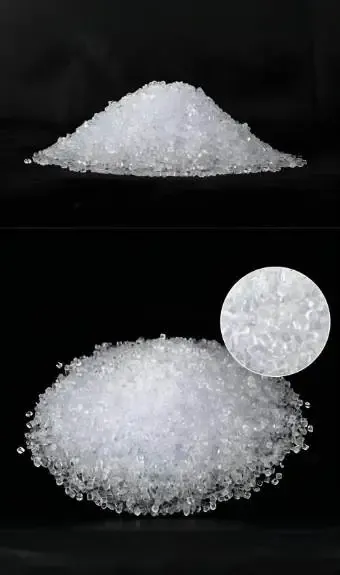
PC also requires careful moisture management. Pellets dried below 0.02% moisture before entering the barrel — our process uses desiccant-hopper dryers running continuously at 110–120 °C. Skip that step and you'll see silver streaks in the first shot. The material tells you immediately when something in the process is off, which is either frustrating or useful depending on how you think about it.
More material available on our Material Services →Izod notched strength 640–850 J/m (ASTM D256). Survives repeated drop impact at room temperature — essential for device housings, safety equipment.
HDT 120–130 °C at 1.82 MPa (ASTM D648). Survives autoclave sterilization cycles and continuous service in environments up to 115 °C.
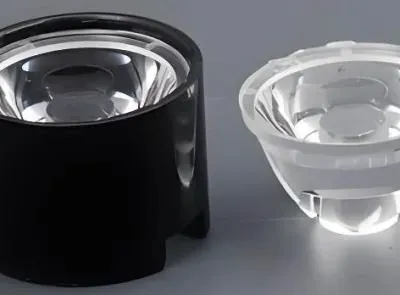
Light transmittance 88–90% (ASTM D1003). Refractive index 1.586. Suitable for lenses, instrument windows, and display covers requiring near-glass clarity.
Shrinkage 0.5–0.7% (uniform, amorphous). Low warpage versus semi-crystalline alternatives. Consistent across cavities in multi-cavity tooling.
Medical applications require documentation for the exact resin grade, intended contact and processing conditions. Material test data and the selected production-site scope are reviewed together.
UL94 V-0 flame-retardant grades available (Makrolon FR) for electronic enclosures, connectors, and electrical components requiring regulatory compliance.
Material Grades
Not all polycarbonate performs equally under injection conditions. Viscosity, flame rating, fiber reinforcement, and biocompatibility requirements determine grade selection before the mold design begins.
This is what we reach for on the majority of PC jobs — lens covers, display bezels, and enclosures where transparency and structural integrity both matter. Lexan 940 specifically has been the industry workhorse for 30 years for good reason: consistent melt flow (10 g/10 min at 300 °C), predictable shrinkage, and clean mold release.
When the end-use product needs UL94 V-0 — power supply housings, EV battery components, electrical connectors — we switch to FR-grade PC. The flame-retardant additives don't meaningfully change the mold setup, but they do affect gate sizing (the material runs slightly stiffer) and surface appearance (slight haze vs unfilled PC).
Glass-filled PC trades optical clarity for stiffness. We run GF grades for structural brackets, camera mounts, and medical device chassis where creep under load is a concern. The tradeoff: glass fibers surface at the mold wall and create a textured finish — polished A-surface is not achievable without secondary operations. Also note: GF PC is abrasive; we use S136 hardened cavities rated for GF grades.
PC/ABS sits in an interesting middle ground — it loses some impact and heat resistance compared to straight PC, but processes more easily (lower barrel temperature 230–260 °C vs PC's 280–310 °C) and costs 15–25% less per kilogram. For consumer device enclosures where ABS-level aesthetics are acceptable but PC-level structural rigidity is needed, it's the right choice.
How It Works
Six controlled stages, each with a documented checkpoint. PC requires tighter process discipline than commodity resins — barrel temperature, moisture content, injection speed, and mold temperature all interact in ways that show up immediately in part quality.
Wall uniformity, gate location, draft angles, and rib geometry reviewed before CAM programming. PC-specific red flags: wall transitions above 25% change, gate positions that create jetting on optical surfaces.
S136 cavity steel machined to ±0.01 mm via slow-wire EDM on critical dimensions. Optical surfaces diamond-polished to SPI A1 (Ra ≤0.012 µm). Mirror polish completed before any gate fitting.
PC pellets dried at 110–120 °C for 4–6 hours in desiccant-hopper dryers. Dewpoint monitored continuously (<−30 °C). Moisture must be below 0.02% — we verify with Karl Fischer titration on medical-grade runs.
Barrel 280–310 °C, mold 80–110 °C. Injection speed profiled to reduce shear stress on PC chains and prevent optical distortion (birefringence). Scientific molding DOE used on first article to lock process window.
First-article measured on CMM (±0.002 mm system accuracy). Optical-grade parts inspected under diffused 500-lux light box for surface defects. Birefringence checked via polarized light where specified.
Optional annealing at 100–120 °C to relieve molded-in stress before shipment. Parts individually bagged in anti-scratch film. Full batch record and dimensional report shipped with every order.
Design for Manufacturability
Our DFM for PC parts runs through eight specific checkpoints before the mold design is locked. PC failure modes are predictable when you know what to look for.
Explore our injection mold tooling capabilities →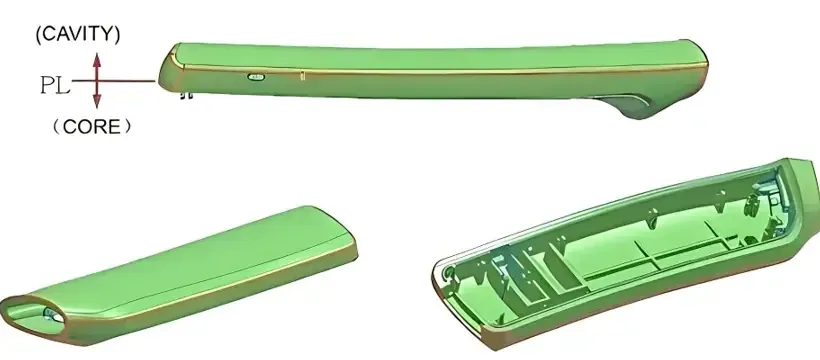
PC doesn't flex during ejection the way PE or PP does. Any undercut above 0.8 mm per side requires a slider or lifter — forced ejection creates stress whitening or delayed cracking under load.
Max undercut: 0.8 mm/side without mechanismFast injection speed + low mold temperature + thin walls = molecular orientation that shows as rainbow banding under polarized light. Optical lenses require injection speed profiling and mold temperature ≥80 °C to allow molecular relaxation before freeze-off.
Mold temp ≥80 °C for optical-grade PCPC has poor resistance to hydrocarbon-based mold release agents — they cause stress cracking within days of part production. Silicone-based internal lubricants or dry mold release only. This catches people by surprise on first PC runs.
Silicone release only — no hydrocarbon spraysPC degrades at ≥340 °C. Nozzle tip temperature must stay 280–315 °C — too hot and yellowing appears in the first 50 shots; too cold and the gate freezes mid-fill. We calibrate per-nozzle on tool qualification.
Nozzle: 280–315 °C strict windowQuality System
The following parameters are discussed during tooling and inspection planning. PC's low shrinkage makes it possible to hold tight tolerances — but only if the measurement system resolution is high enough to verify them reliably.
Application Areas
PC grades are used across optical, structural and other component applications. Each program requires a separate review of material data, intended use, production-site suitability and acceptance criteria.
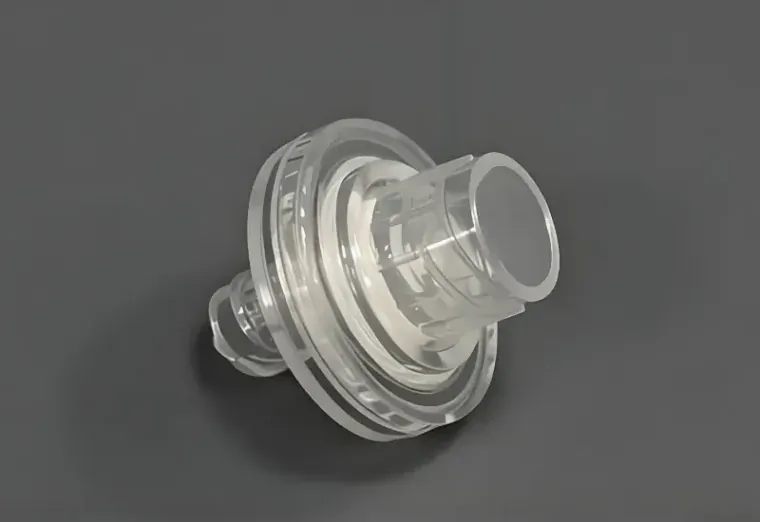
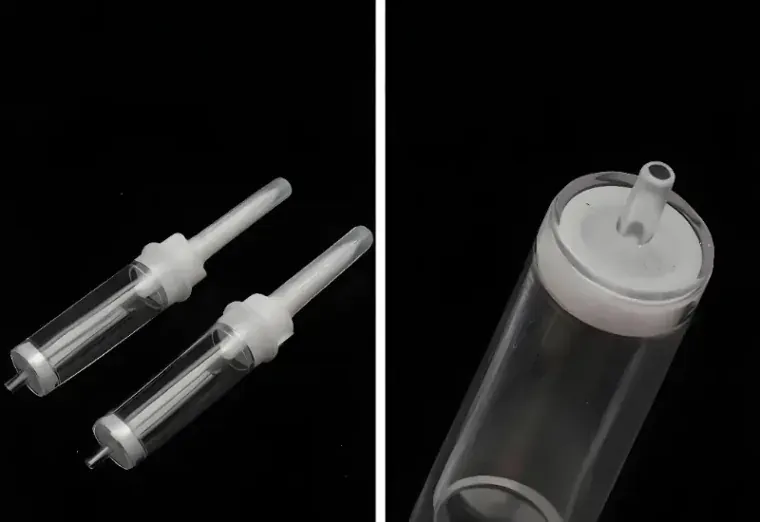
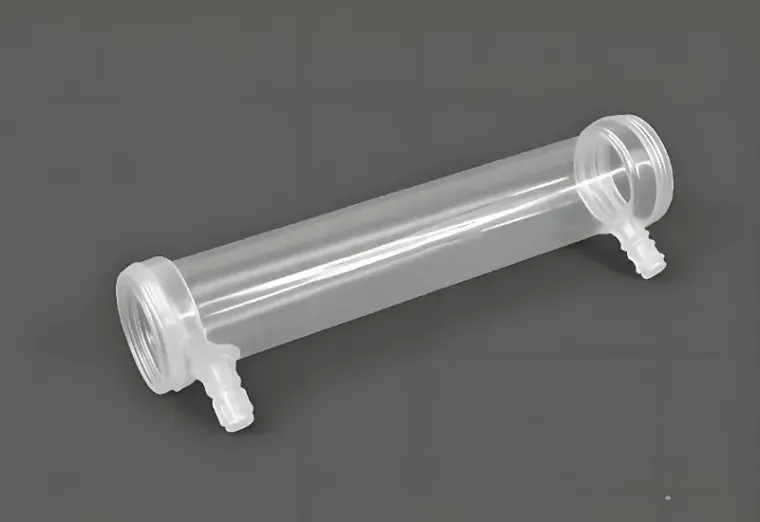
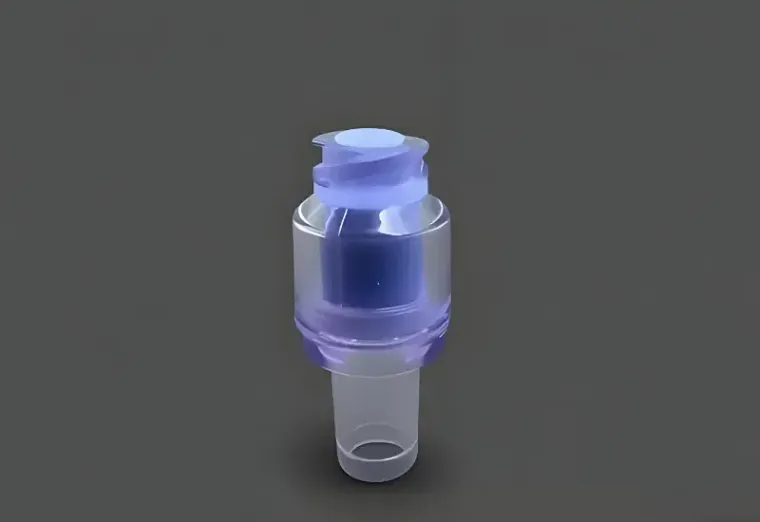
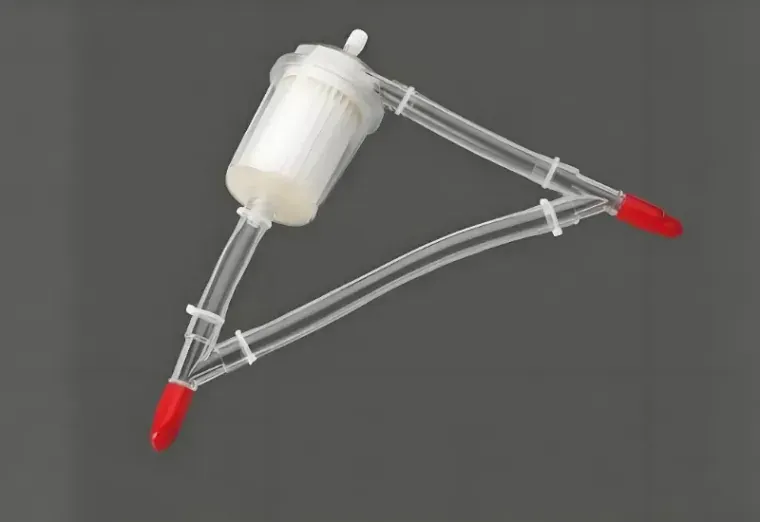
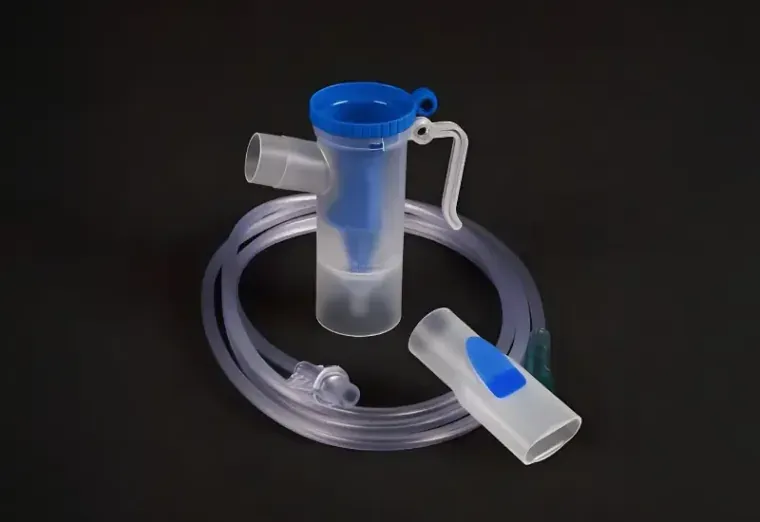
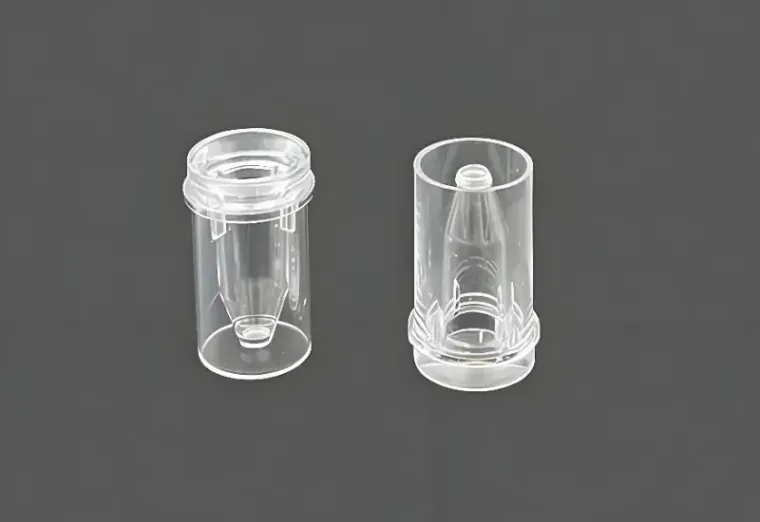
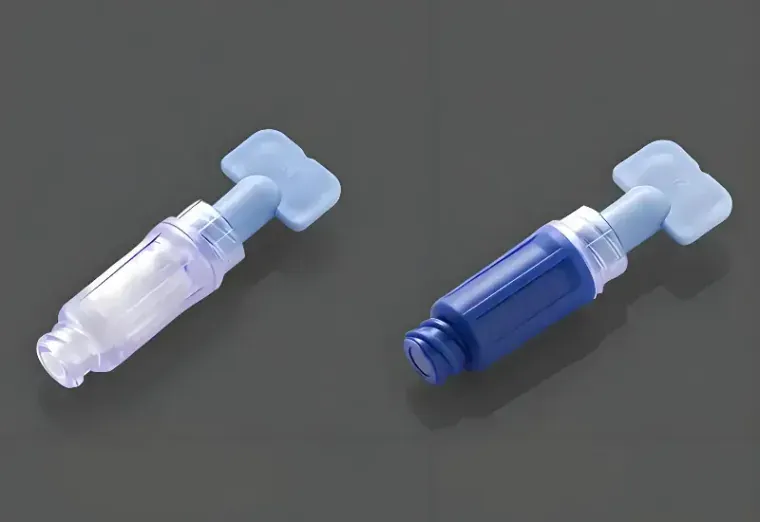
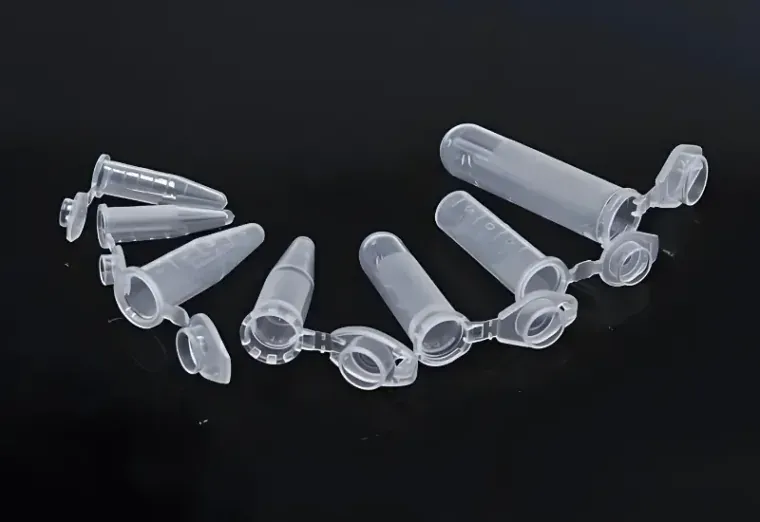
Microfluidic cartridges, IVD reagent housings, surgical instrument bodies, and transparent diagnostic chamber covers. Exact resin grade, production-site scope and any controlled-environment requirement are reviewed for each project.
Camera lens covers, LED diffuser plates, display bezels, and device enclosures where SPI A2 or better cosmetic finish is required. PC's scratch resistance (Rockwell M70) keeps surfaces presentable through production handling.
Instrument panel lenses, HUD covers, avionics enclosures. The selected resin grade, environmental requirements and customer qualification conditions must be reviewed before the manufacturing scope is accepted.
Connector housings, sensor covers, terminal blocks, and switching enclosures requiring UL94 V-0 flame rating. PC/ABS blends handle the majority of these applications at lower cost while meeting most thermal and impact specifications.
Use these questions to prepare your drawing, material requirements and quotation request.
We review the exact PC grade, part dimensions, wall transitions, gate location and expected loads. Drawing tolerances are confirmed per feature with the selected manufacturing partner; a material name alone does not establish an achievable tolerance.
PC is commonly considered where impact resistance is important, while PMMA is often selected for optical clarity and weathering performance. Compare the actual resin data, coating requirements and service environment before choosing either material.
Tool steel is selected for the expected volume, resin reinforcement, corrosion exposure and required surface finish. Optical cavities and abrasive grades may require different steels or maintenance plans, which are reviewed during tooling design.
PC/ABS blends can be reviewed for suitable housing and structural applications. Provide the preferred grade or performance requirements so we can compare material data, molding conditions and the appropriate production site.
Trial quantities and the practical production batch are confirmed in the quotation. Tooling investment, resin purchasing, cavity count and any validation requirements all affect the suitable order size.
Annealing, coating, printing, insert installation and assembly can be reviewed for the selected grade and part design. Specify the required cosmetic, optical and functional results so the quotation can define the operations and acceptance tests.
Upload your 3D file or 2D drawing.
Our engineers run a full PC-specific DFM review for you.