
Integrated two-shot process
Consider a coordinated two-material tool and molding cell when the design is stable and repeat demand can support the tooling investment. Check first-shot support, transfer and shut-off geometry.
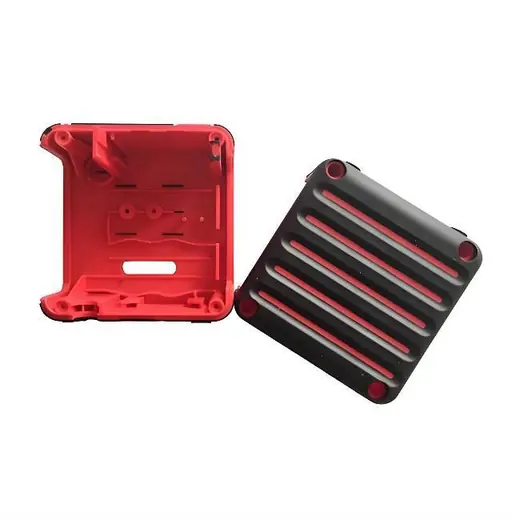
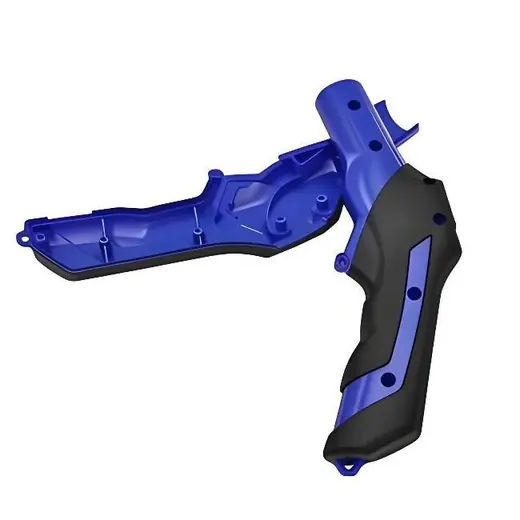
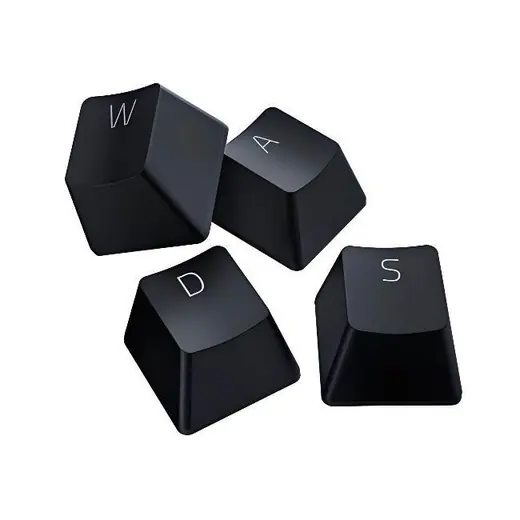
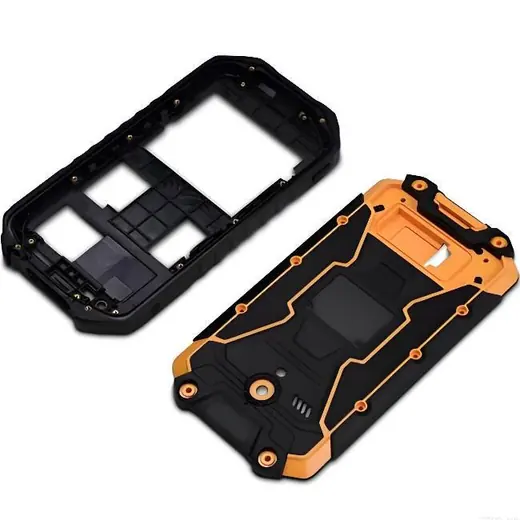
Two-color injection molding (also known as two-shot or dual-shot injection molding) eliminates secondary assembly, painting, or overmolding steps, delivering superior aesthetics, enhanced functionality, improved durability, and significant cost savings for industries such as electronics, medical devices, and tools.
At Fecision, our precision 2 shot injection molding services produce vibrant, multi-material parts, helping you create eye-catching, ergonomic, and high-performance products faster and more economically.
Request QuotePROJECT REVIEW
There is no universal annual-volume cutoff. Compare the tooling, handling, qualification and repeat-order costs against your actual part and demand forecast.
Consider a coordinated two-material tool and molding cell when the design is stable and repeat demand can support the tooling investment. Check first-shot support, transfer and shut-off geometry.
Consider a separate overmolding operation when substrates are supplied independently or the design and demand are still changing. Include loading, handling and substrate condition in the cost comparison.
Supply both resin grades, hardness or color targets, interface requirements and critical dimensions. Adhesion, cosmetic appearance and any seal performance need agreed sample tests.
Send CAD for the complete part and each material region, trial quantity, repeat-order size and annual forecast. Include mold ownership, transfer needs and inspection documentation.
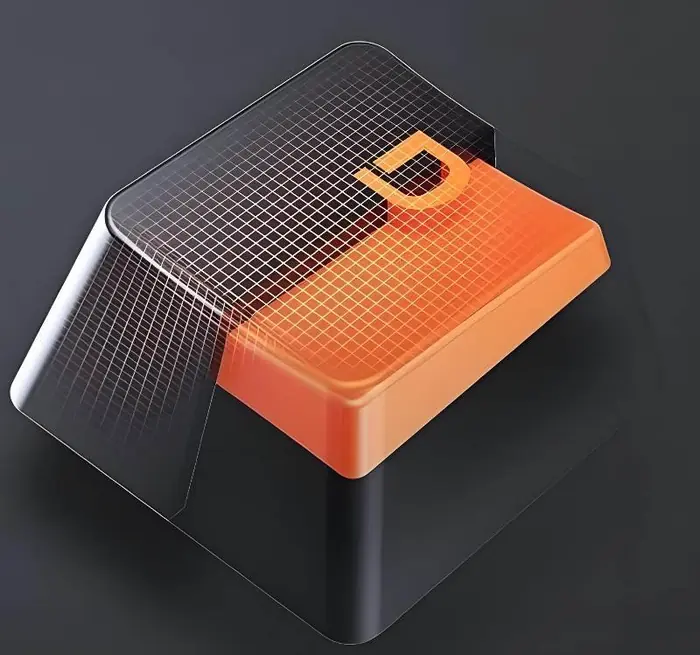
Two shot injection molding, also called 2K injection molding, is a specialized manufacturing process. The technique injects two different materials into a single mold using sequential injection cycles. This creates a unified component with distinct material properties in different zones.
This manufacturing method differs fundamentally from traditional approaches. Single-shot molding creates parts from one material. Two-shot molding enables manufacturers to combine materials with different characteristics. Common combinations include hard plastics with soft rubber, different colored plastics, or materials with varying mechanical properties.
The two materials must be chemically compatible to bond properly. Material selection requires understanding of polymer chemistry and bonding characteristics. Interface strength is assessed against the specified test method and acceptance criteria; it is not inferred from material names alone.
Two shot injection molding works with a wide range of thermoplastic materials.
Material selection depends on application requirements, bonding compatibility, and processing characteristics.
Engineering thermoplastics provide excellent substrate materials. These materials offer structural strength and dimensional stability. Common substrate materials include ABS, polycarbonate, polypropylene, and nylon. Each material brings specific characteristics to the finished component.
Polycarbonate delivers exceptional impact resistance and clarity. This makes it ideal for products requiring transparent or translucent features. ABS provides good strength at lower cost. Nylon offers superior chemical resistance and mechanical properties for demanding applications.
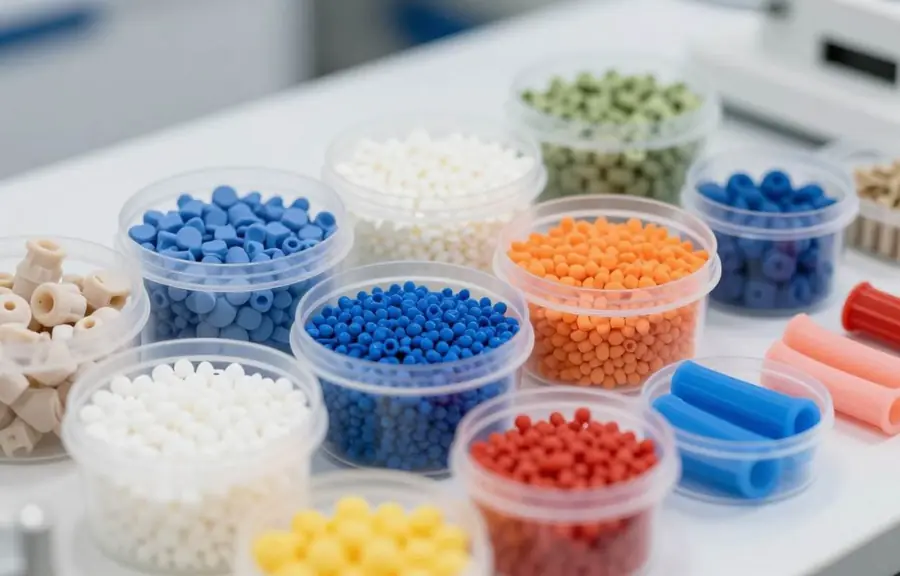
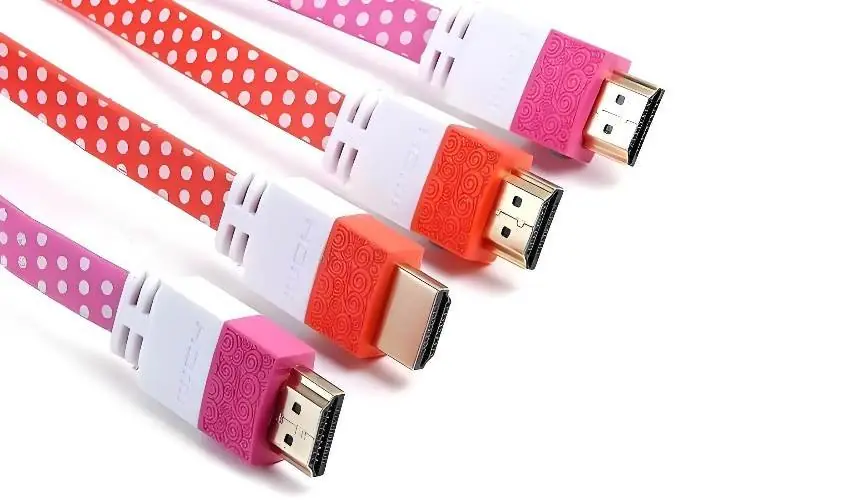
Thermoplastic elastomers (TPE) are the most common second-shot materials. These materials provide soft-touch surfaces, sealing capabilities, and vibration dampening. TPE bonds well with many rigid plastics without adhesives or primers.
Different TPE formulations offer varying hardness levels. Shore A hardness ranges from soft rubber-like materials to firmer compounds. Material selection depends on desired grip characteristics, sealing requirements, or aesthetic preferences.
Not all material combinations bond effectively in the two-shot molding process. Chemical compatibility between substrate and overmold is essential.
The combinations below are candidates for review, not verified pairings. Confirm the exact grades, additives, processing temperatures and required mechanical retention with resin suppliers and molded samples.
| Substrate Material | Compatible Overmold Materials | Validation requirement | Common Applications |
|---|---|---|---|
| ABS | TPE, TPU, TPV | Exact-grade adhesion and sample tests | Hand tools, consumer electronics |
| Polycarbonate | TPE, TPU, Silicone | Exact-grade adhesion and sample tests | Medical devices, optical components |
| Polypropylene | TPE, TPV, SEBS | Exact-grade adhesion and sample tests | Automotive interiors, packaging |
| Nylon (PA) | TPE, TPU | Retention design and sample tests | Industrial components, connectors |
| Acetal (POM) | TPE, TPU | Retention design and sample tests | Gears, precision components |
Liquid silicone rubber (LSR) expands two-shot capabilities. LSR provides superior temperature resistance and biocompatibility. Medical device manufacturers frequently specify LSR for patient-contact applications. The material offers excellent chemical resistance and long-term stability.
Conductive materials enable two-shot molding of electronic components. Electrically conductive plastics combine with insulators in single parts. This technology creates complex electronic housings with integrated shielding or contact points.
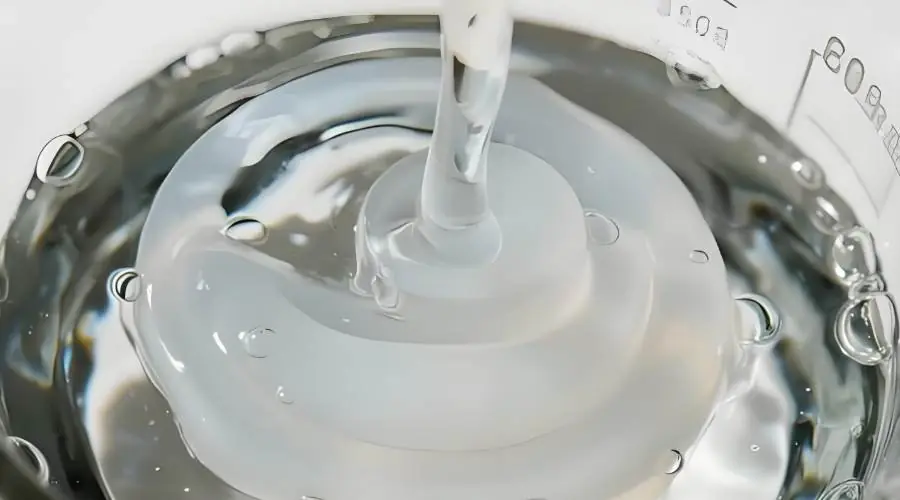
Two shot injection mold design requires specialized engineering expertise. The mold must accommodate two different materials while ensuring proper bonding and part quality. Several critical factors determine successful mold design for two-shot injection molding applications.
The mold design must include a reliable rotation or transfer mechanism. This system moves the first-shot substrate to the second injection position. Core rotation mechanisms are most common in production environments. The rotation must be precise to ensure proper alignment between shots.
Transfer systems provide an alternative approach. These mechanisms physically move the part between different mold cavities. The choice between rotation and transfer depends on part geometry, production volume, and specific material requirements.
Engineers must create surfaces that promote material bonding. The first-shot surface often includes undercuts or textured areas. These features create mechanical interlocking between materials. The design should maximize surface contact area between the two materials.
Gate location critically impacts bond quality. Designers position second-shot gates to ensure complete material flow across bonding surfaces. Poor gate placement leads to weak bonds or visible flow marks on finished components.
Two-shot molds require sophisticated cooling systems. Each material may need different cooling rates. The mold design must maintain proper temperatures for both substrate and overmold materials. Inadequate cooling causes warping, incomplete bonding, or extended cycle time.
Cooling channel placement requires careful calculation. Engineers should balance rapid cooling against the need for proper material bonding. Advanced mold designs incorporate conformal cooling channels for optimal thermal management.
Tool steel selection impacts mold longevity and part quality. High-production molds require hardened steel to withstand injection pressures. The steel must resist wear from both injected materials and the mechanical rotation or transfer system.
Surface finishes affect both part aesthetics and material bonding. Polished surfaces produce high-gloss parts but may reduce mechanical bonding. Textured surfaces enhance bonding strength but create specific aesthetic effects on the finished product.
The first-shot substrate forms the foundation of the component. Design requirements ensure successful second-shot bonding and overall part integrity.
The second-shot overmold must complement the substrate while achieving desired functional and aesthetic objectives.
Proper gate and runner design ensures optimal material flow and part quality throughout the two-shot injection molding process.
Effective part ejection prevents damage to the finished component while maintaining production efficiency.
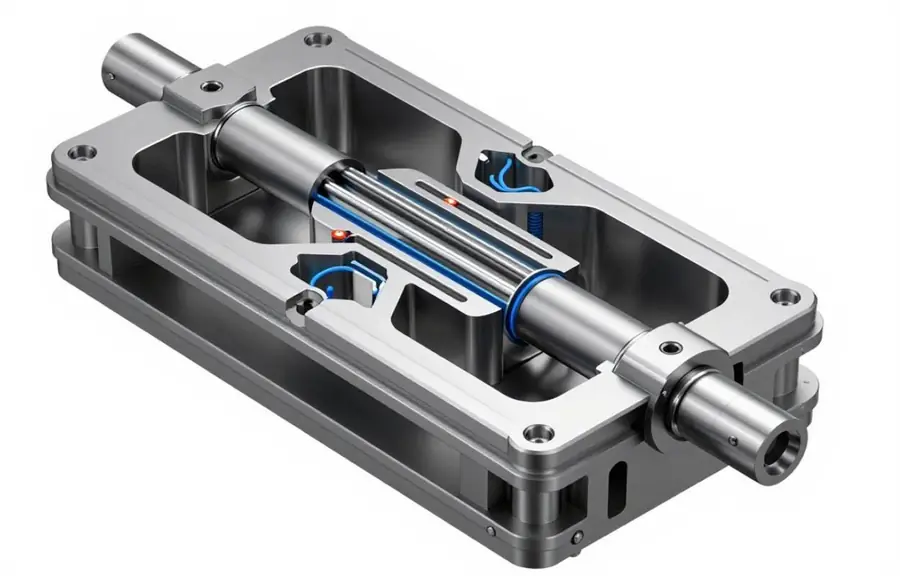
The two-shot injection molding process follows a precisely controlled sequence. Each step must execute flawlessly to produce quality multi-material components.
The first injection unit fills the substrate cavity. Resin preparation, temperatures, filling and holding conditions are defined for the selected grade and geometry.
The first shot must become stable enough for transfer while retaining the interface conditions needed for the second shot.
A rotary core, index plate or transfer system locates the first shot at the second cavity. Support features and shut-offs are checked to prevent distortion, flash and misalignment.
Transfer timing and substrate surface condition form part of the process review.
The second unit injects the overmold material around or onto the substrate. Filling, venting and contact conditions are adjusted for the exact material pair.
Samples are evaluated against the agreed interface, cosmetic and dimensional criteria rather than assuming a strong bond from the process name.
The part is cooled and ejected using support suitable for both material regions. Any subsequent curing, finishing or handling depends on the selected materials.
Dimensional, adhesion and functional checks follow the project acceptance plan before parts are released for packaging.
Overmolding and two-shot injection molding both create multi-material components. However, these processes differ significantly in execution, capabilities, and economics.
| Comparison Factor | Overmolding | 2-Shot Injection Molding |
|---|---|---|
| Process Complexity | Lower – uses standard equipment | Higher – requires specialized machines |
| Tooling Investment | Quoted for the substrate and overmold tool plan | Quoted for the integrated tool and production cell |
| Cycle Time | Longer – separate operations | Shorter – integrated process |
| Labor Requirements | Higher – manual part handling | Lower – automated process |
| Best For | Changing designs, supplied substrates or variable demand | Stable designs and repeat demand that justify integration |
| Quality Consistency | Good – some variation from handling | Excellent – fully automated |
| Bond Strength | Good – may require surface prep | Grade- and process-specific; validate on samples |
| Design Flexibility | High – easier prototype changes | Moderate – complex mold changes |
Two-shot injection molding delivers substantial advantages over traditional manufacturing methods. These benefits span production efficiency, product quality, and cost-effectiveness. Manufacturers across industries leverage these advantages to create superior products.
Two-shot molding produces complete parts in a single operation. Traditional methods require manufacturing separate components followed by assembly. Assembly processes introduce additional costs for labor, fixtures, and quality control. Two-shot injection molding eliminates these entire process steps.
The elimination of assembly reduces production time significantly. Parts move directly from the molding machine to packaging. This streamlined workflow decreases inventory requirements and simplifies production scheduling.
Suitable resin grades and controlled molding conditions can provide adhesion at the interface. Mechanical retention may also be needed. Bond durability must be verified against the specified loads, environment and service life.
Compare the proposed molded interface with alternative joining methods using the same functional and aging tests. Two-shot processing alone does not establish a lifetime bond guarantee.
Two-color injection molding creates visually striking products. Color combinations, textures, and material finishes achieve effects impossible with single-material parts. The process eliminates visible seams or gaps between different material zones.
Surface quality remains consistent across both materials. There's no need for secondary decoration processes like painting or pad printing. Colors and textures are integral to the molded component itself.
Two-shot injection molding enables functional integration impossible with single materials. Soft-touch grips combine with rigid structural components. Sealing surfaces integrate directly with housing components. These multi-material designs enhance product performance and user experience.
The process allows precise control of material properties in different zones. Engineers specify exactly where products need flexibility, rigidity, chemical resistance, or other characteristics. This optimization improves overall product functionality.
Selecting two-shot injection molding requires careful evaluation of product requirements and business factors.
Several key indicators suggest when this manufacturing method provides optimal value.
Parts requiring precise alignment between materials favor two-shot molding. The integrated process maintains exact positioning impossible to achieve with manual assembly. Medical devices, connectors, and precision instruments particularly benefit from this accuracy.
Products with multiple material interfaces need two-shot manufacturing. Creating seamless transitions between hard and soft materials enhances aesthetics and functionality. Consumer products competing on design quality gain significant advantages from two-shot capabilities.
Two-shot molding enables design features impossible with other processes. Ergonomic products benefit from strategic material placement. Soft-touch zones appear exactly where users grip the product. Rigid structural areas provide necessary strength without compromising comfort.
Color and aesthetic requirements may drive process selection. Two-color injection molding creates permanent color contrasts without painting or decorating. Logos, brand elements, and visual design features integrate directly into the molded component.
Specific technical requirements strongly indicate two-shot molding as the optimal choice for manufacturing success.
Business and operational factors often determine whether two-shot molding delivers acceptable return on investment.
Our experienced engineers will evaluate your specific requirements including volume projections, quality needs, and cost targets. We'll recommend the optimal manufacturing approach and provide detailed comparisons between two-shot molding and alternative processes.
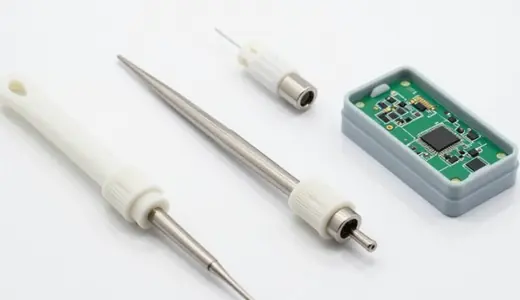
Medical applications demand strict quality control and biocompatible materials. Two-shot molding produces surgical instruments with integrated grips. Diagnostic devices combine rigid housings with flexible membranes or sealing components.
Drug delivery devices utilize two-shot technology extensively. Insulin pens, inhalers, and auto-injectors integrate multiple materials for functionality and ease of use.
Get A Quote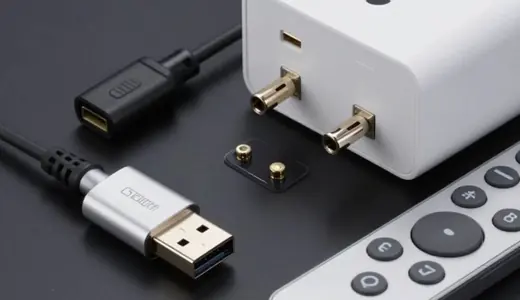
Electronic device manufacturing relies on two-color injection molding for product differentiation. Smartphone cases combine impact-resistant materials with soft-grip surfaces. Remote controls use the technology for ergonomic button integration and aesthetic appeal.
Power tool housings represent significant two-shot applications. Hard plastic bodies combine with rubber overmolds for improved grip and vibration dampening.
Get A Quote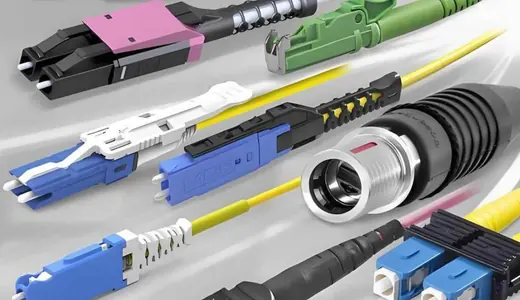
Communication devices benefit from two-shot molding's sealing capabilities. Outdoor enclosures combine weather-resistant housings with integrated gaskets. Cable connectors use the process to achieve IP67 or IP68 ratings without separate sealing components.
Fiber optic components require precision manufacturing. Two-shot molding creates protective housings with integrated strain relief.
Get A QuoteNo. Review the exact grades, processing windows, shrinkage and required interface performance. Resin-family labels or polarity alone do not establish adhesion; mechanical retention and sample testing may be needed.
Part thickness, cooling, both material grades, cavity layout and transfer method affect cycle time. The quotation uses a reviewed process estimate and the trial establishes the production setting.
Color changes require material preparation and changeover planning. Include color codes, cosmetic acceptance criteria and the quantity per color in your request.
Design, tool construction, material availability, sampling and qualification are scheduled separately after review. Ask for milestones tied to drawing approval and the agreed acceptance plan.
There is no universal quantity threshold. Share samples, first-order quantity and annual demand so we can compare integrated two-shot tooling with separately loaded overmolding.
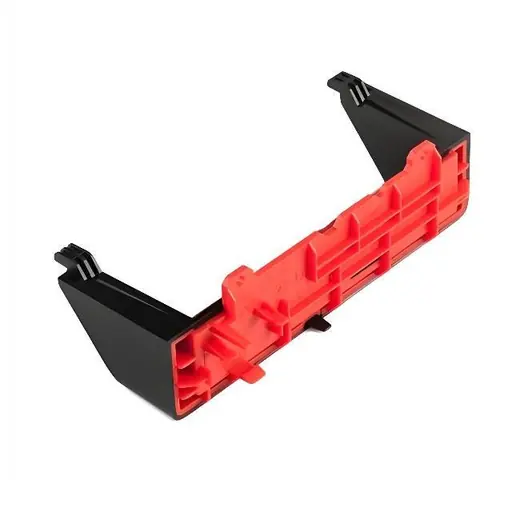
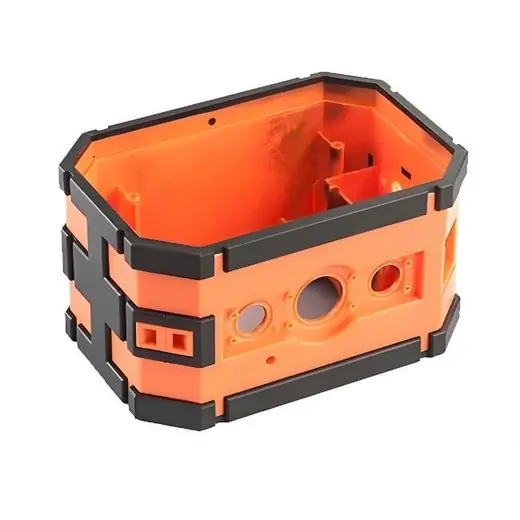
Ready to enhance your product with custom 2 shot injection molding?
Contact us today to discuss your project requirements and receive a competitive quote.
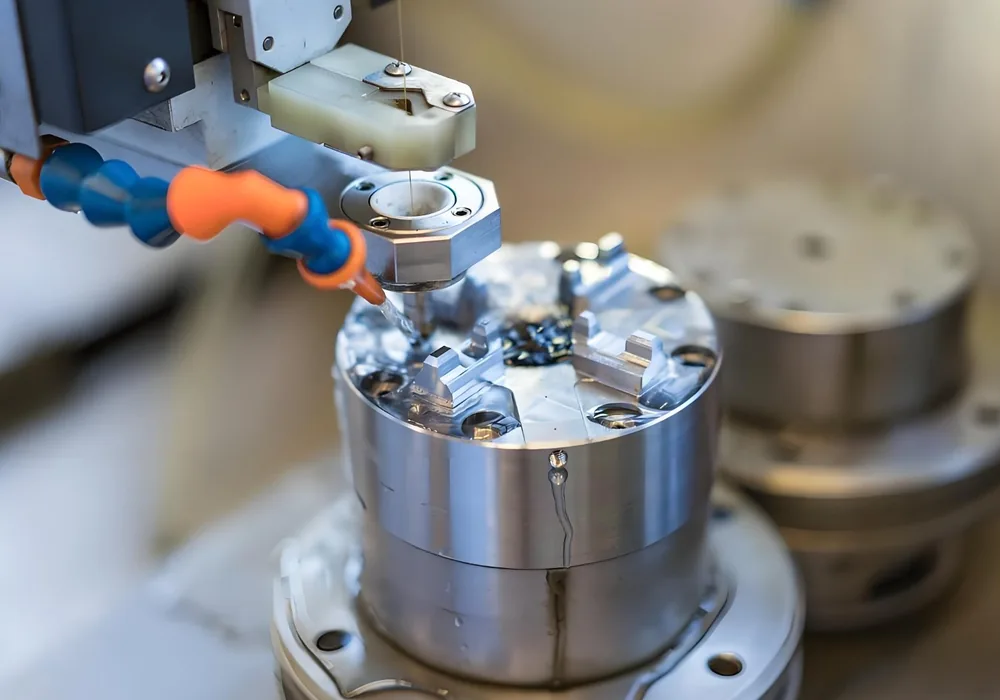
Discover precision injection molding, its process, benefits, applications, and how it ensures high accuracy in manufacturing complex plastic components.
Read More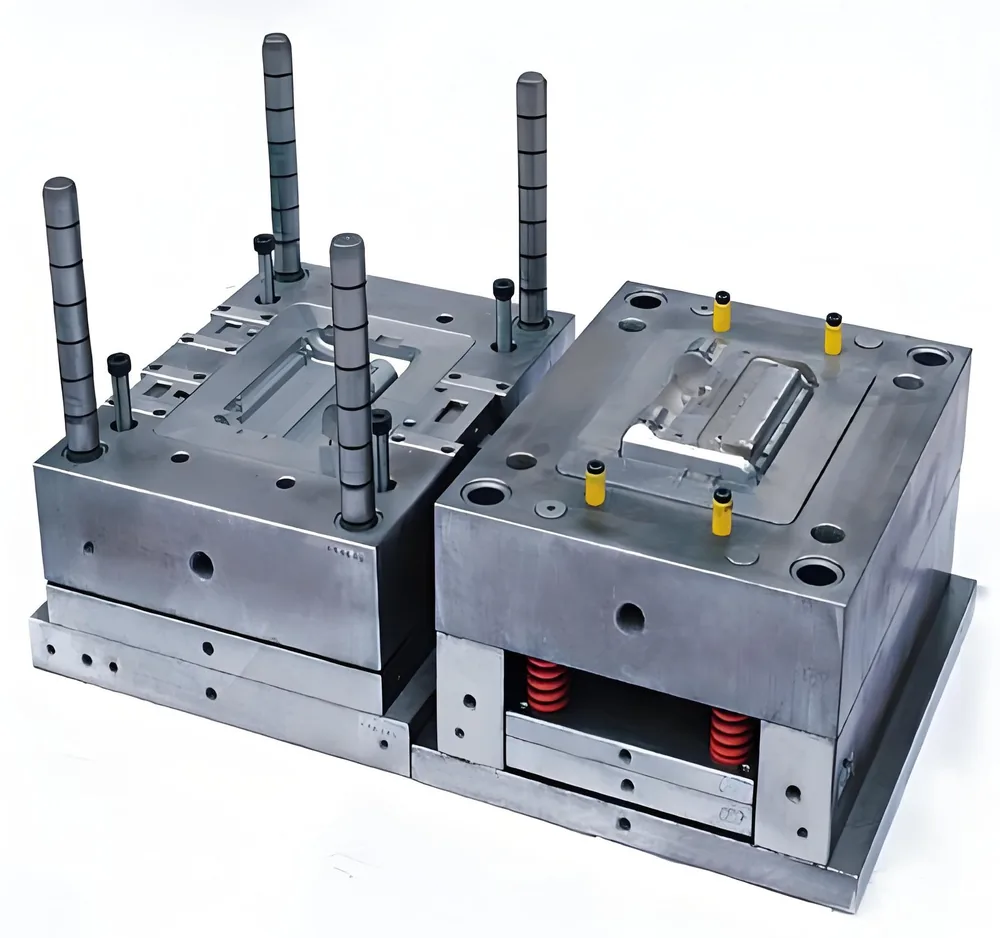
Discover what a mold trial is, its types, steps, and why it’s key to quality control. Learn how mold trials cut defects and boost efficiency in manufacturing.
Read More
Co-injection molding explained: sandwich structure, sequential vs. simultaneous process, cost benefits, material compatibility, limitations, and comparison to overmolding and two-shot molding.
Read More