info@fecision.com

Precision Injection Mold Manufacturing Services

FECISION coordinates custom injection mold design, manufacture and sampling through production partners. Share your part drawing, resin grade, expected runs and acceptance requirements so tooling construction, trial milestones and inspection can be quoted for your project.

Request Quote
◆Production-Site Quality Review
◆Material & Process Matching
◆Project-Specific Documentation
◆Quantities Confirmed with Quote
◆Dimensional Inspection
Injection mold overview

Injection Mold Overview

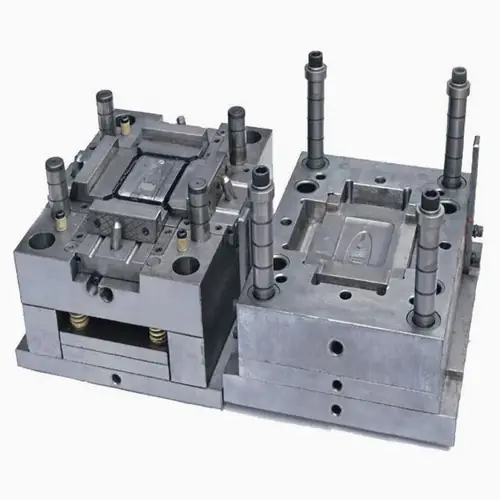
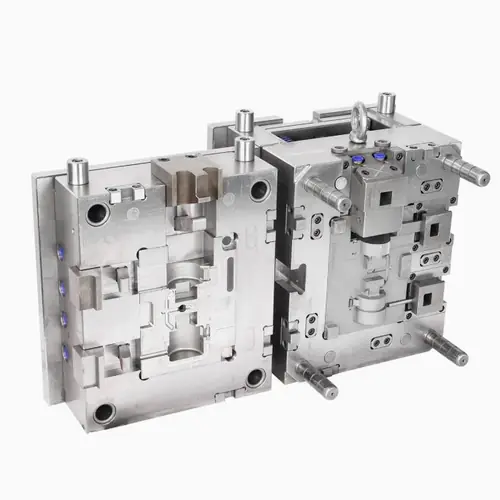
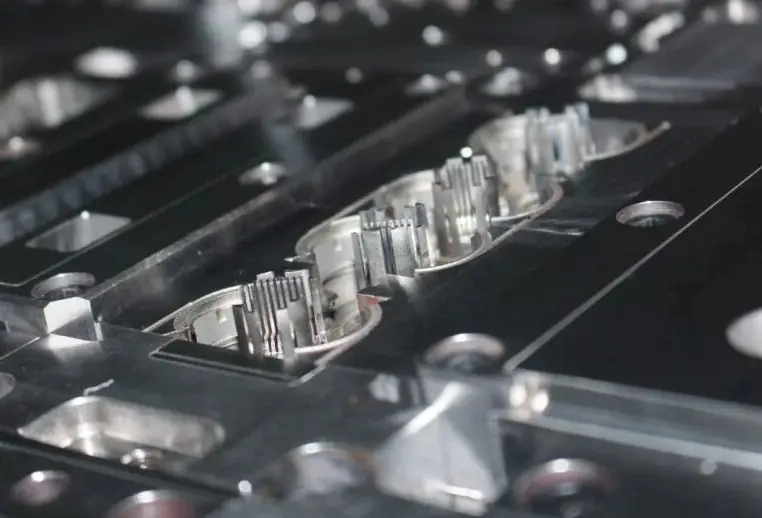
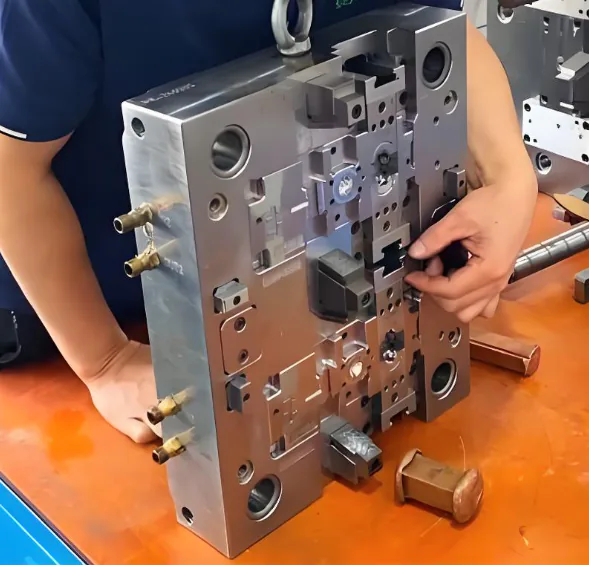
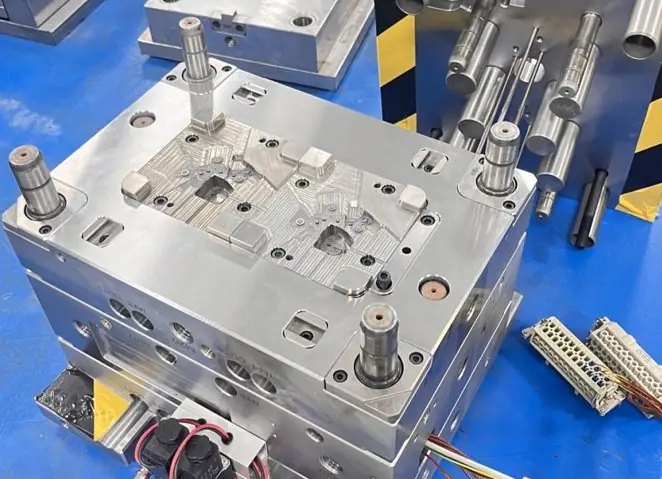
Injection mold manufacturing is the precision process of designing and creating metal molds used in plastic injection molding. These molds are engineered tools that shape molten plastic into specific parts with consistent quality and tight tolerances. The process requires extensive expertise in materials, engineering principles, and manufacturing techniques.

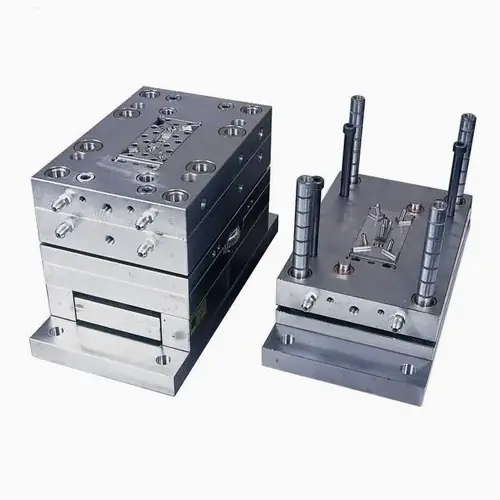
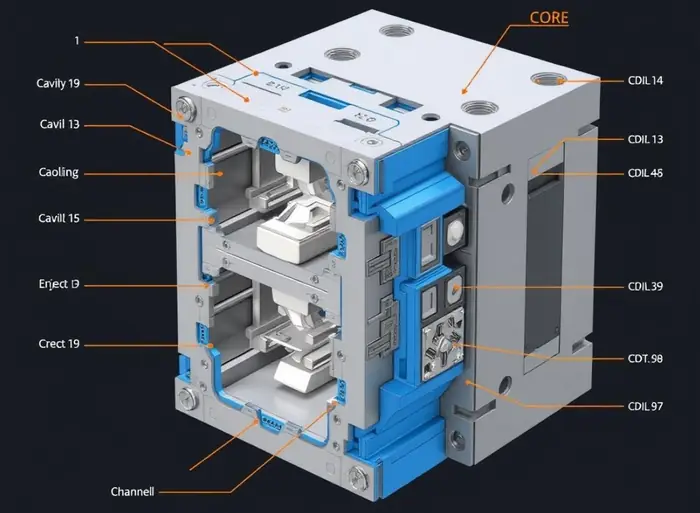
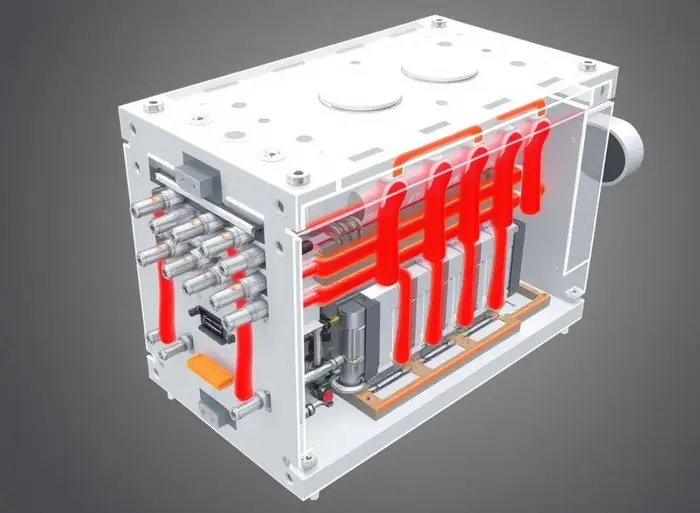
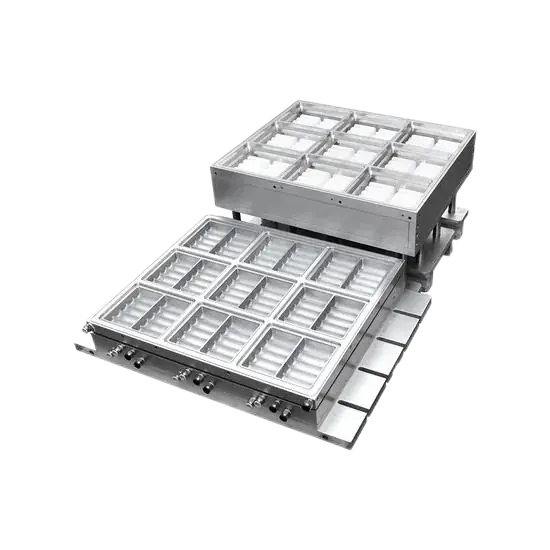
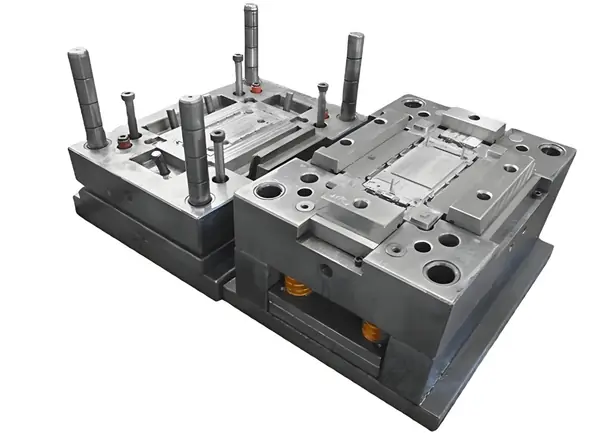
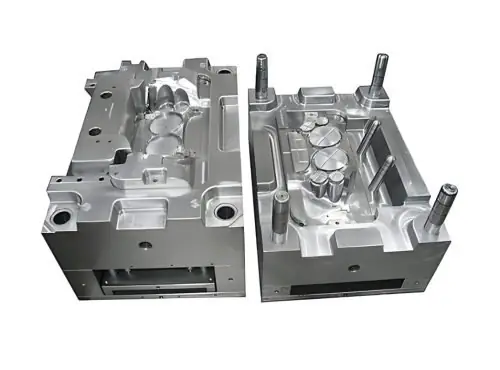
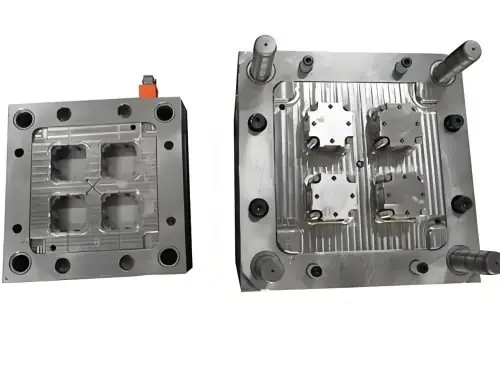
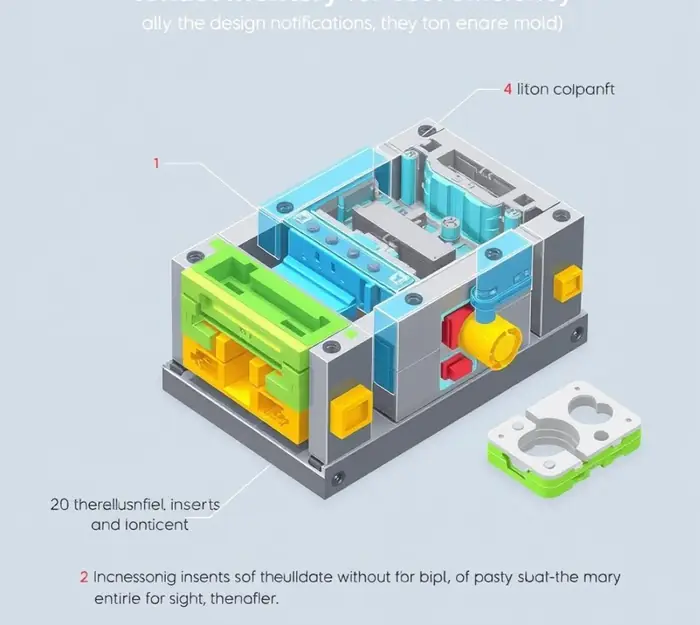
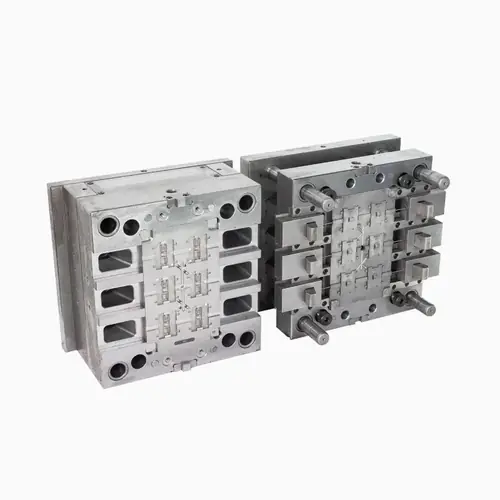
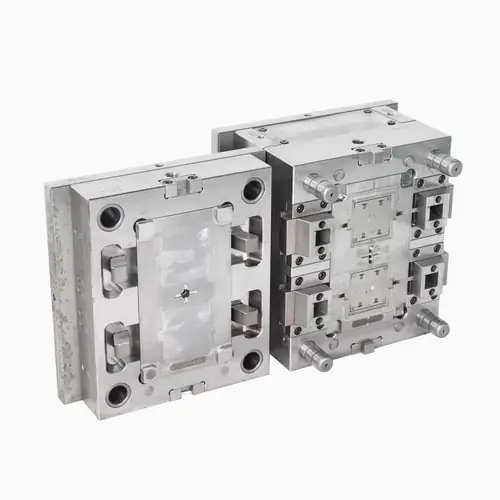
A high-quality injection mold consists of two primary components: the cavity (which forms the external geometry) and the core (which shapes internal features). Additional components include the runner system, ejector pins, cooling channels and inserts. Their design and condition affect filling, cooling, release and repeatability; molded samples need to be checked against the agreed requirements.

Popular Features

◉

Precision & Accuracy

Highly accurate, detailed, and consistent injection molded parts, with tight tolerances and complex geometries.

◷

High Efficiency & Speed

Stable molding cycles for repeatable medium- and high-volume plastic-part production.

◇

Resin Versatility

Injection molds engineered around thermoplastics, elastomers, LSR, filled resins, and application-specific processing requirements.

Injection Mold Tooling Options

Compare tooling construction against the design stage, resin and expected runs. Tool life, storage, maintenance and transfer terms are agreed for the project; neither rapid nor production tooling has an unlimited life.

Rapid ToolingProduction Tooling
PurposeFor design validation/low-volume production needsFor on-demand/massive production needs
Mold CavitiesSelected for trial quantity, geometry and budgetSingle or multiple cavities, matched to demand and machine capacity
Shot LifeAgreed for the resin, construction and intended trial or repeat batchesSpecified in the tooling agreement with maintenance and wear assumptions
Mold StorageStorage period, location and maintenance responsibilities agreed before orderStorage, maintenance and transfer terms included in the tooling agreement
OccasionEvaluate the design with the specified resin, inspect samples and review changes before the next order.Focus more on production consistency as design is finalized. Enhance quality, lower costs, and minimize supply chain risks. Large-scale manufacturing.

How We Manufacture Injection Molds

FECISION coordinates the following work with the selected tooling partner.
The approved drawing, process scope and acceptance plan govern the project.

How we manufacture injection molds
1

Design & Engineering

Review the part drawing, resin grade, demand forecast and press requirements with the selected tooling partner. Record the mold layout and approved design revision before manufacture.

2

Design Validation

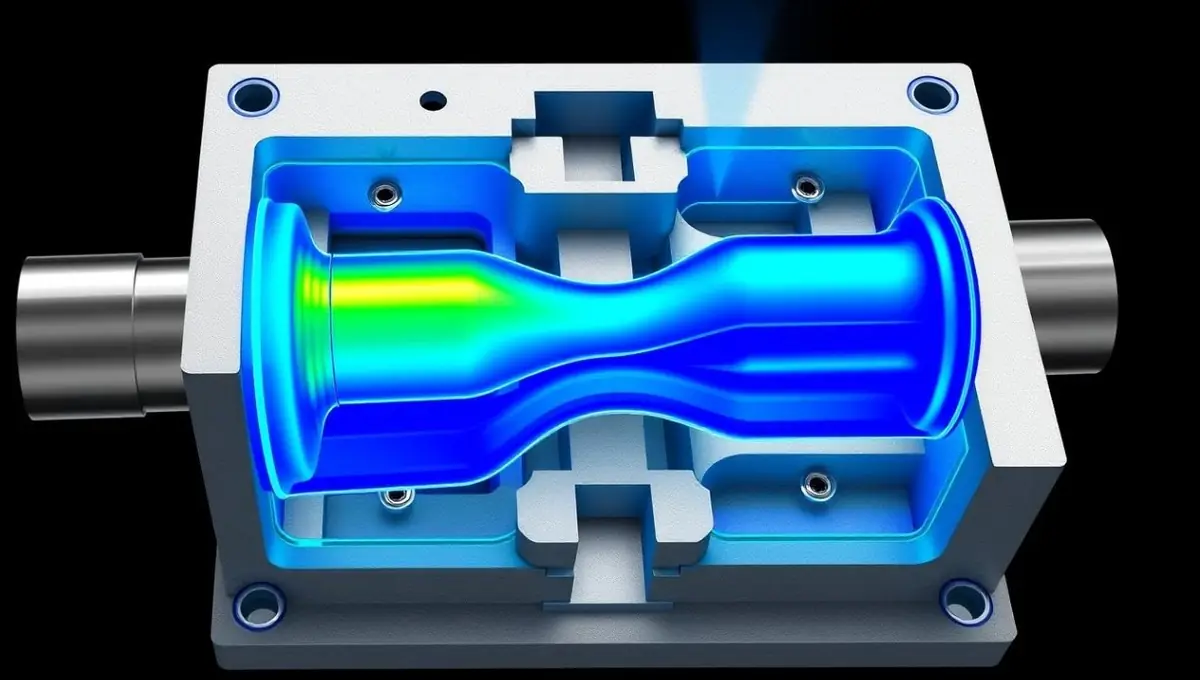
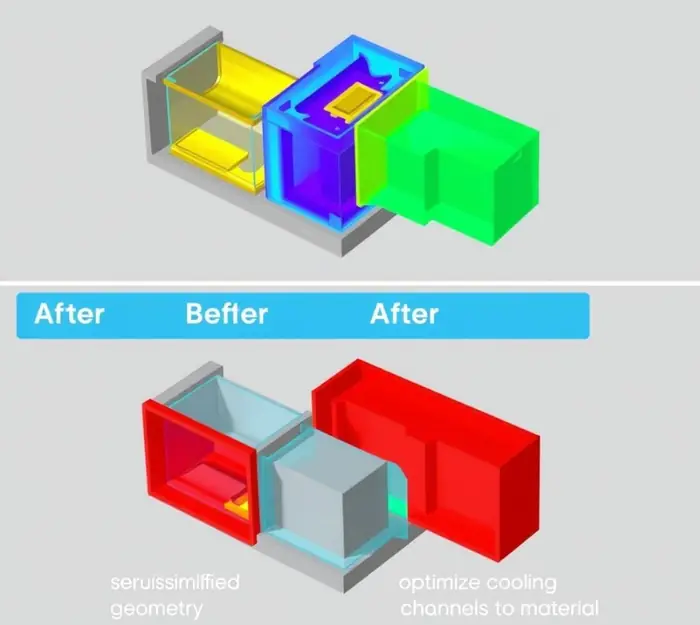
Review filling, cooling, ejection and potential part defects during DFM. Mold-flow simulation may be scoped separately where the project requires it; simulation does not replace physical sampling.

3

Material Selection

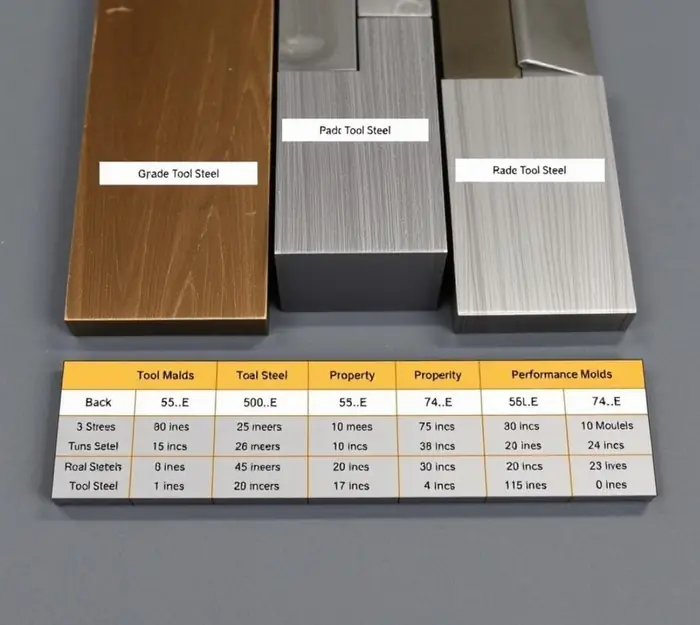
Select mold materials and heat treatment against the resin, expected wear, corrosion exposure and agreed production life.

4

CNC Machining

The tooling partner selects suitable machining processes for the mold base, cavity and core. Critical dimensions and inspection methods are defined in the tool specification.

5

EDM Processing

Wire or sinker EDM may be used where the tool geometry and surface requirements call for it. The process route is confirmed with the tooling partner.

6

Heat Treatment

Heat treatment and hardness verification are specified where required for the selected steel and component function. Not every component needs the same treatment.

7

Surface Finishing

Agree the polish or texture reference and visible part surfaces before finishing. Confirm the result on molded samples in the specified resin.

8

Assembly & Fitting

Review mold alignment, moving components, shut-offs and ejection during assembly and fitting. Record issues that need correction before acceptance.

9

Testing & Validation

Sample the mold with the agreed resin and process conditions. Compare dimensions, function and appearance against the acceptance plan, then document approval or required revisions.

Ready to Start Your Injection Mold Project?

Our engineering team is ready to review your requirements and provide expert guidance.

Discuss Your Project

Injection Mold Capabilities & Specifications

Use these parameters to define a comparable tooling quotation. Materials, tolerances, finish and expected life are confirmed for the specific tool; the table is a review checklist, not a list of guaranteed standard capabilities.

ParameterDefine in the RFQReview AgainstAcceptance Record
Mold materialsGrade, heat treatment and component functionResin, wear and corrosion exposureMaterial and hardness records where specified
Cavities and machine interfaceCavity layout, press and runner-system requirementsShot size, projected area and intended outputApproved tool layout and machine interface
Dimensions and measurementCritical mold and molded-part dimensionsResin conditioning and measurement methodAgreed dimensional report
Finish and gate vestigePolish or texture reference and cosmetic zonesVisible surfaces, release and secondary operationsSample appearance approval
Cooling and ejectionCooling circuit, release and moving-component designGeometry, cycle assumptions and part distortionTrial findings and required revisions
Tool life and ownershipExpected runs, maintenance, storage and transfer termsResin abrasiveness, construction and tool conditionProject-specific tooling agreement

Types of Injection Molds We Manufacture

FECISION reviews these mold configurations with the selected manufacturing partner against your part, demand and budget.
The final construction and acceptance requirements are defined in the quotation.

Two-Plate Molds

Two-Plate Molds

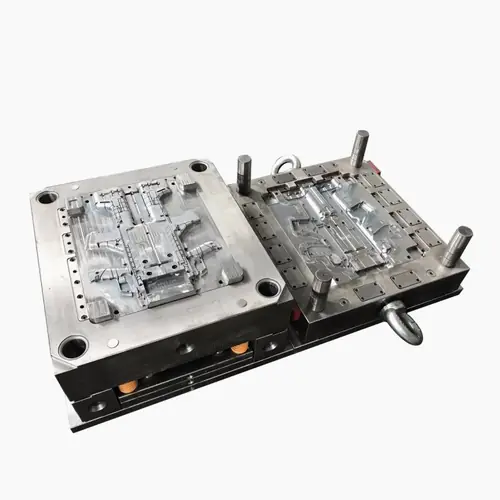
The most common and cost-effective design consisting of two halves (cavity and core). Ideal for parts with simple geometries and standard ejection requirements. These molds offer excellent value for medium to high-volume production runs.

Get Quote
Three-Plate Molds

Three-Plate Molds

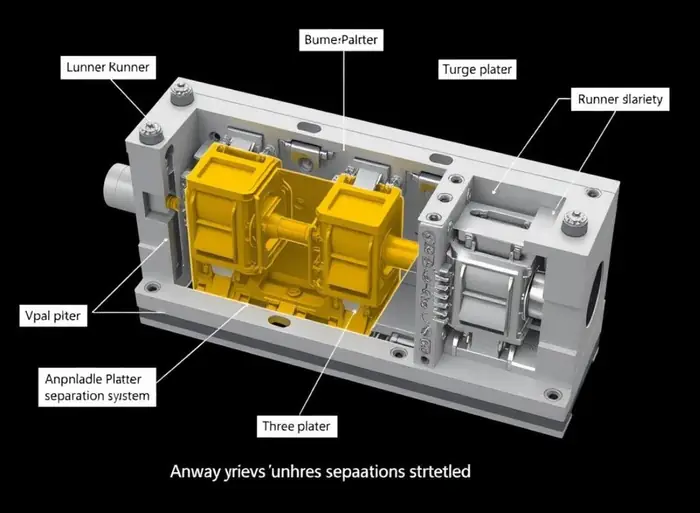
Features an additional plate that separates the runner system from the parts, allowing for automatic separation of runners and parts. Review for suitable gating and runner-separation requirements; gate vestige still needs an agreed acceptance limit.

Get Quote
Hot Runner Molds

Hot Runner Molds

Incorporates heated channels to keep plastic molten until it reaches the cavity. Eliminates runners, reduces waste, and shortens cycle times. Ideal for high-volume production where material savings justify the higher initial investment.

Get Quote
Single-Cavity Molds

Single-Cavity Molds

Produces one part per cycle with maximum control over quality and precision. Perfect for prototyping, low-volume production, or parts with complex geometries requiring tight tolerances.

Get Quote
Multi-Cavity Molds

Multi-Cavity Molds

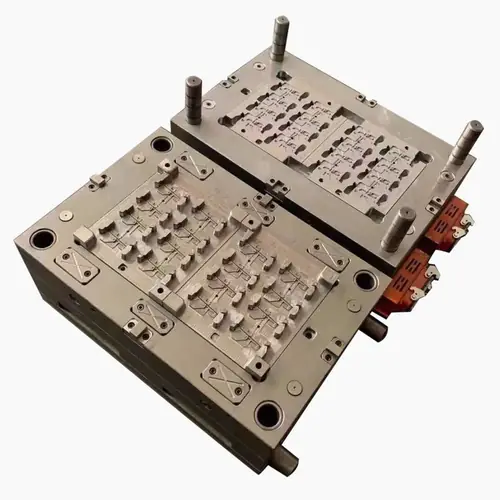
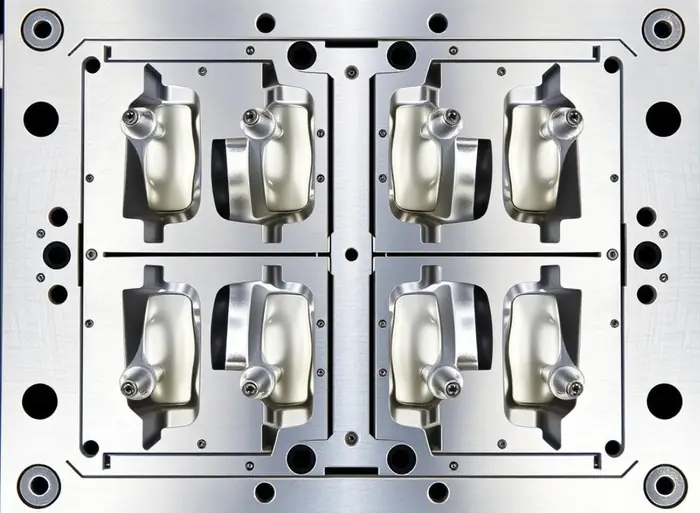
Creates multiple identical parts in a single cycle, dramatically increasing production efficiency. Ideal for high-volume manufacturing where consistent quality across all cavities is essential.

Get Quote
Family Molds

Family Molds

Produces different but related parts in a single cycle. Perfect for manufacturing complete assemblies or product families, reducing setup time and production costs for multi-component products.

Get Quote

Not Sure Which Mold Type Is Right for Your Project?

Our engineering team can help determine the optimal mold design based on your production volume, part complexity, and budget.

Get Expert Recommendation

Manufacturing Ability for Special Types of Injection Molds

Two-Shot/Multi-Component Mold

Two-Shot/Multi-Component Mold

Coordinate first-shot support, material transfer and second-shot interface requirements

Get A Quote
Insert-Ready Mold Systems

Insert-Ready Mold Systems

Review insert positioning, retention and protection during molding

Get A Quote
Micro Injection Mold Engineering

Micro Injection Mold Engineering

Review small features, resin flow, handling and the measurement method needed for acceptance

Get A Quote

Mold Components

Injection Mold Components We Process

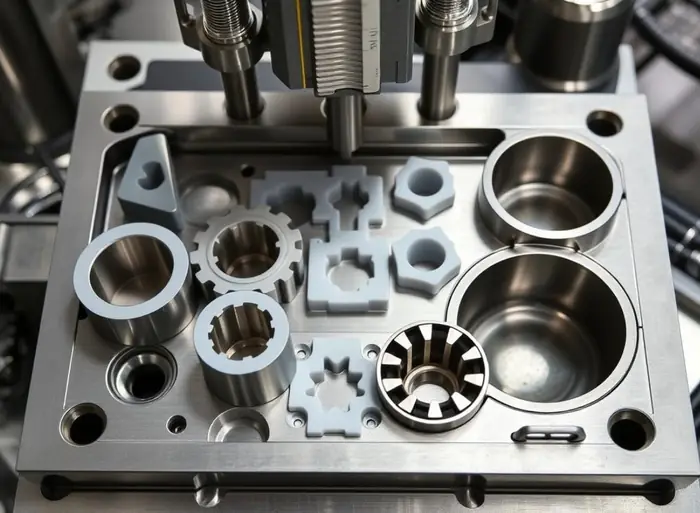
Our injection mold parts are typically manufactured using methods like CNC machining, EDM (Electrical Discharge Machining), and precision grinding for high accuracy and durability.

◆ Injection Mold Cavity◆ Injection Mold Sliders◆ Injection Mold Rings◆ Injection Mold Plates◆ Injection Mold Base◆ Injection Mold Core◆ Injection Mold Pins◆ Injection Mold Inserts◆ Injection Mold Blocks◆ Injection Mold Guide BushingsTake A Detailed Look
Injection mold components

Review Injection Mold Cost Drivers

Review design complexity, material choice and maintainability against the expected production runs. A proposed cost reduction must still meet the agreed part and tool requirements.

Design optimization

Design Optimization

Our engineering team analyzes your part design to identify opportunities for simplification without compromising functionality. We optimize wall thicknesses, eliminate unnecessary features, and design efficient runner systems that reduce material waste and cycle times.

Strategic material selection

Strategic Material Selection

We recommend the most cost-effective mold materials based on your production volume and requirements. For lower volume production, we may suggest aluminum molds or hybrid solutions that deliver excellent performance at reduced cost.

Modular design approach

Modular Design Approach

When appropriate, we implement modular mold designs with interchangeable components. Replaceable elements may simplify later modifications and maintenance. The cost and feasibility of each revision depend on the affected geometry and tool construction.

Injection mold assembly quality inspection

Plan Tooling Delivery and Approval Milestones

At Fecision, we understand that timely delivery of your injection mold is critical to your production schedule and market commitments. The project plan records tooling milestones and the dependencies for each stage. Design changes, material availability and trial results may require the schedule to be revised.

  • Project Contact: Confirm the contact responsible for review questions, drawing approvals and progress updates.
  • Approval Milestones: Record the decisions, required information and customer approvals needed before tooling and sampling can proceed.
  • Schedule Review: Confirm material availability, production scheduling and revision needs with the selected tooling partner before accepting a delivery commitment.

Why Fecision for Injection Mold Tooling?

Why Fecision
✓

Engineering Coordination

FECISION coordinates the part requirements and tooling review with the selected manufacturing partner. The agreed drawing and DFM record define the scope of work.

✓

Defined Acceptance

Specify critical mold and part dimensions, sample quantities, functional checks and required records before the tool is built. Approval depends on the agreed results, not a universal quality claim.

✓

Cost Planning

Compare construction, cavity count, maintenance and expected production runs together. Proposed changes are reviewed against the drawing requirements before they are accepted.

✓

Delivery Milestones

The quotation defines design approval, tool build, sampling and revision milestones. Material availability, design changes and sample approval can affect the schedule.

Advanced Manufacturing Equipment & Quality Assurance Technology

Tooling Project Resources

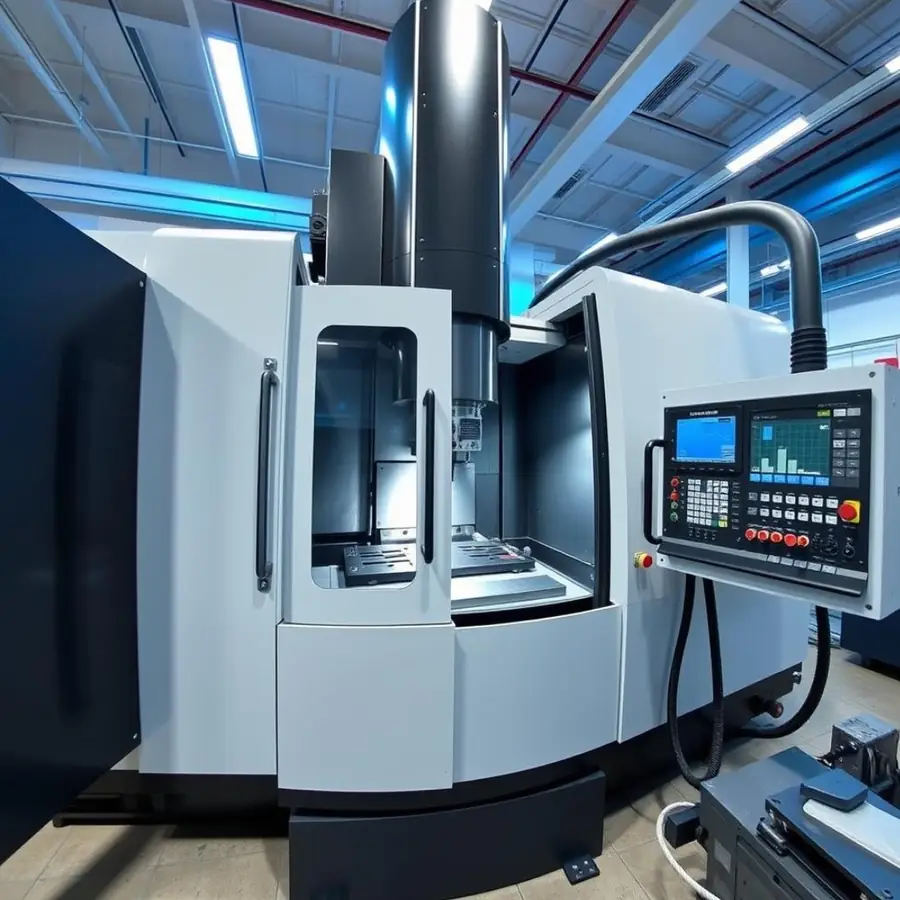
FECISION coordinates mold engineering and manufacture with production partners. Equipment, critical-feature tolerances, sampling and inspection are matched to the specified tool.

CNC Machining

Process and machine suitability reviewed for the specified mold features

Wire and Sinker EDM

Considered where detail, access and surface requirements justify the process

Milling

Tool-component geometry and stock removal included in process planning

Precision Grinding

Used where the component design calls for controlled dimensions or bearing surfaces

Polishing and Texturing

Finish references and cosmetic zones agreed before manufacture

Dimensional Inspection

Measurement methods and equipment matched to the critical features

Surface Inspection

Finish acceptance defined using the specified reference or measurement method

Hardness Verification

Required checks specified for the selected material and heat-treatment condition

Injection Mold Gallery

Request Your Injection Mold Quote

Take the first step toward your next successful injection mold project. Contact us today to discuss your injection mold project and discover the Fecision difference.

Get a Quote Today

Injection Mold Making FAQs

What does your injection mold tooling service include?+

FECISION coordinates mold design, manufacture and sampling through manufacturing partners. The quotation defines the mold construction, cavities, runner and gate system, cooling, ejection, inspection records and delivery scope for your part.

How long does it take to create an injection mold?+

Timing depends on part complexity, mold construction, material availability and the approval process. Request separate milestones for design approval, tool build, first samples and any revisions; the project quotation confirms the schedule.

What quality assurance measures are used for mold making?+

The acceptance plan specifies critical dimensions, cavity identification where applicable, sample quantities, appearance references and functional checks. Request the required measurement and trial records in your RFQ, and resolve deviations before approving the tool.

Can you coordinate multi-cavity molds for high-volume production?+

Yes. Multi-cavity options are reviewed with the tooling partner against part geometry, press capacity, expected demand and acceptance requirements. Filling, cooling and cavity-to-cavity results must be checked during sampling.

What materials are commonly used for injection mold tooling?+

Steel and aluminum are selected according to resin abrasiveness, corrosion exposure, component geometry, maintenance and expected runs. Specify the grade and any heat treatment in the tooling agreement; a material name alone does not establish tool life.

Is mold-flow analysis included before building the mold?+

Mold-flow simulation is a separate scope item when the project calls for it. Discuss the questions the analysis needs to answer and confirm its deliverables and cost before ordering. DFM review and physical sampling remain necessary.

Can I discuss DFM before placing a tooling order?+

Use the quotation form to share CAD, a dimensioned drawing, resin grade and expected quantities. FECISION can coordinate the review of tooling feasibility and proposed changes with you and the manufacturing partner. The review scope and next steps are confirmed directly with your project contact; no account login is required to send an inquiry.

Is DFM feedback free?+

Ask what is included in the initial quotation review. Detailed engineering, simulation or additional revisions may need a separate agreed scope and charge; confirm this before authorizing the work.

What factors influence the cost of injection mold tooling?+

Part complexity, mold construction, cavity count, material and heat treatment, finish, validation, maintenance and transfer requirements all affect the tool quotation. Compare these items against expected production runs, not just the initial tool price.

How should I share confidential design files?+

Discuss confidentiality requirements with your FECISION contact before uploading sensitive files. Ask to agree any NDA and permitted sharing with the selected manufacturing partner first. The inquiry form is a file-submission route, not a customer account portal or a guarantee of confidentiality.

Request A Quote

Tell Us About Your Project

Fields marked with are required.

Before uploading sensitive files, agree any NDA and permitted sharing with your FECISION contact and the selected manufacturing partner. If you need an NDA first, select “NDA before drawings” above and send only a non-confidential overview.

By submitting this form, you agree that Fecision may use the supplied information to respond to your inquiry.