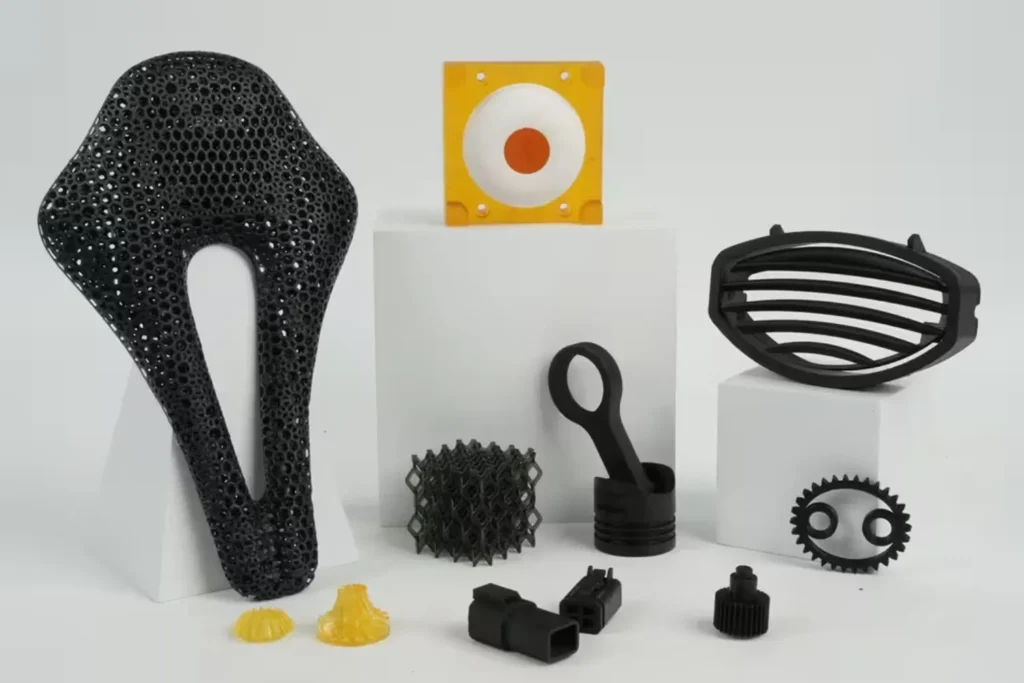
Precision & Accuracy
Accurate tooling is essential for consistent and repeatable production runs.
A documented path from design to samples: Coordinate DFM, tool construction, trial results and customer approval with the selected manufacturing partner.
Application-specific tooling: Critical dimensions, surface finish, material and any controlled-environment molding requirements are reviewed with the selected production partner.
Tool life planned for your volume: Steel selection, wear-critical inserts, coating and maintenance requirements are agreed for the expected production program.
Request Quote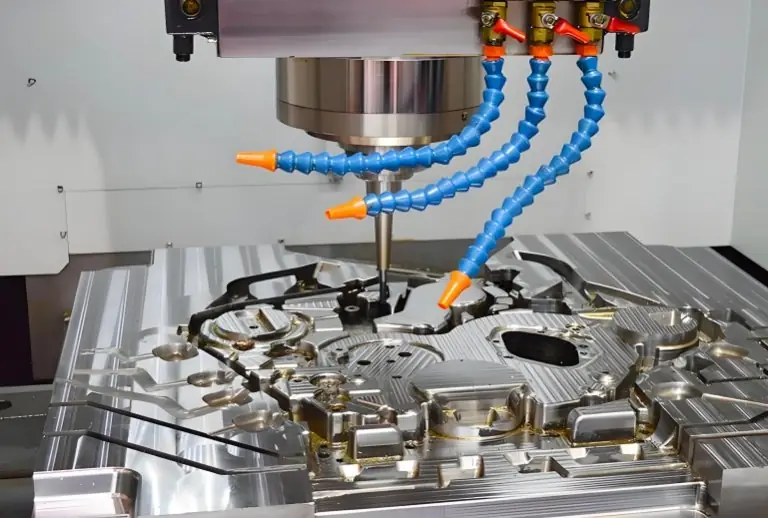
Injection mold quality controls how consistently molten resin fills, cools, releases, and repeats across every production cycle. Gate, runner, venting, cooling, steel, surface, and ejection decisions directly affect molded-part quality.
FECISION specializes in high-precision injection mold tooling. Our mold making services combine DFM, tool design, precision component manufacturing, assembly, trial molding, and validation for rapid and production-grade injection molds.
Accurate tooling is essential for consistent and repeatable production runs.
Material selection for tooling matters a lot in molds' longevity and performance.
Mold tooling can be customized to meet specific requirements.
Fecision follows a systematic approach to mold tooling development, ensuring quality, efficiency, and transparency throughout the project lifecycle. Our proven methodology minimizes risks and delivers exceptional results.
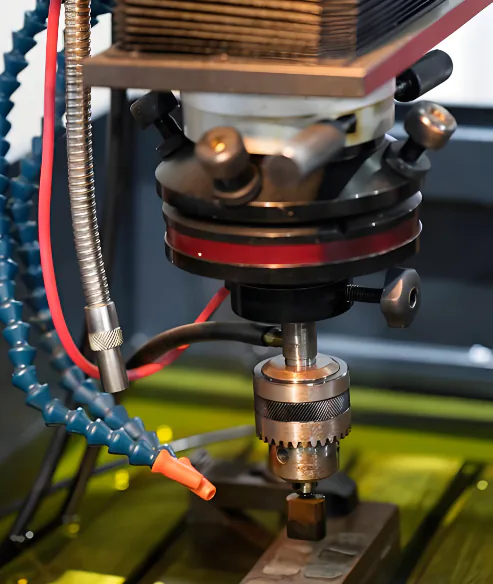
The mold design is evaluated by our experienced mold engineers to ensure manufacturability, suggesting improvements to enhance quality and reduce costs.
Fecision pays much attention to the critical steps including material selection, tolerance analysis, and DFM validation. A dedicated mold-flow study can be scoped to investigate filling, packing and cooling risks where the project requires it.
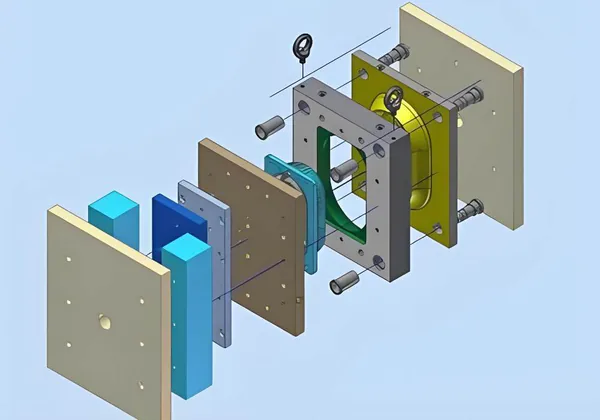
For high-volume production, we typically recommend hardened tool steels, while prototype tooling may utilize aluminum for faster turnaround and lower costs.
Our skilled toolmakers use advanced CNC machining centers, EDM equipment, and grinding machines to fabricate mold components to precise specifications. We maintain tight tolerances throughout the manufacturing process to ensure proper fit and function.
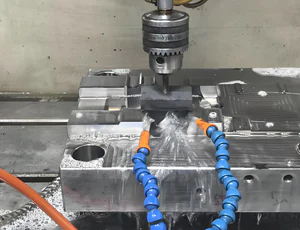
Our experienced technicians assemble the mold components, carefully checking alignments and clearances. We conduct comprehensive testing, including trial runs, to verify mold performance and part quality before delivery.
Agree the inspection report, trial-sample record, drawings and maintenance information required with the mold. Define support, spare parts and later modification responsibilities in the tooling agreement.
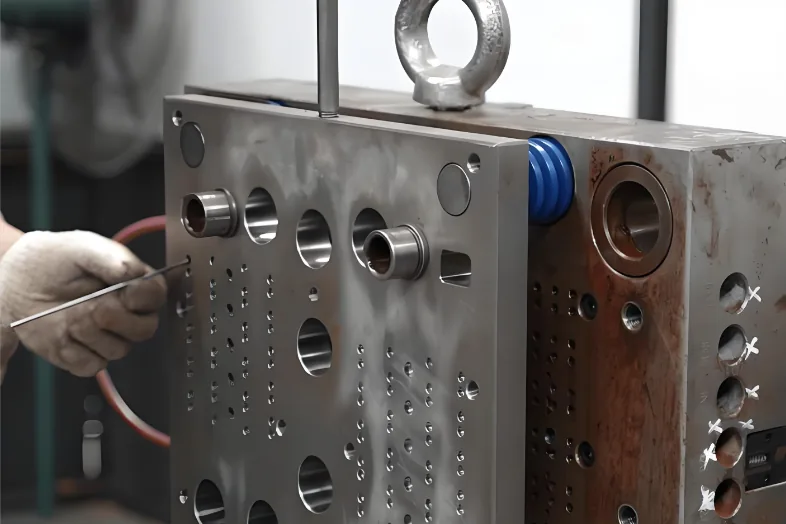
Match machining, finishing and measurement capabilities to the tool design. The selected production site and its responsibilities are confirmed during project review.
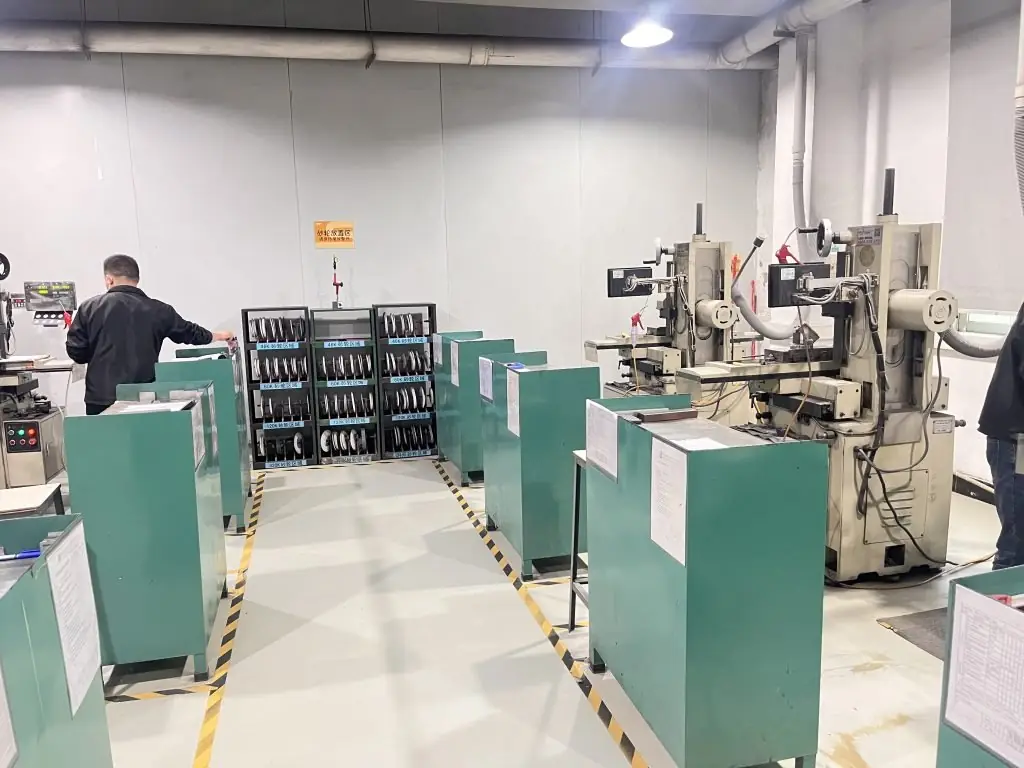
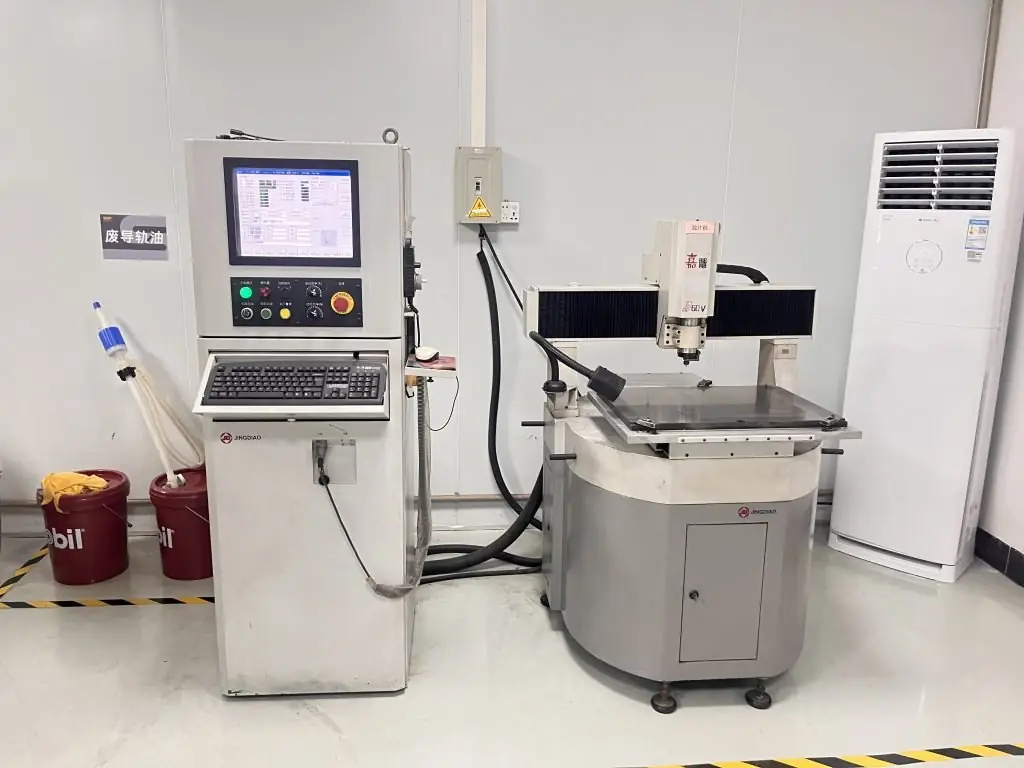
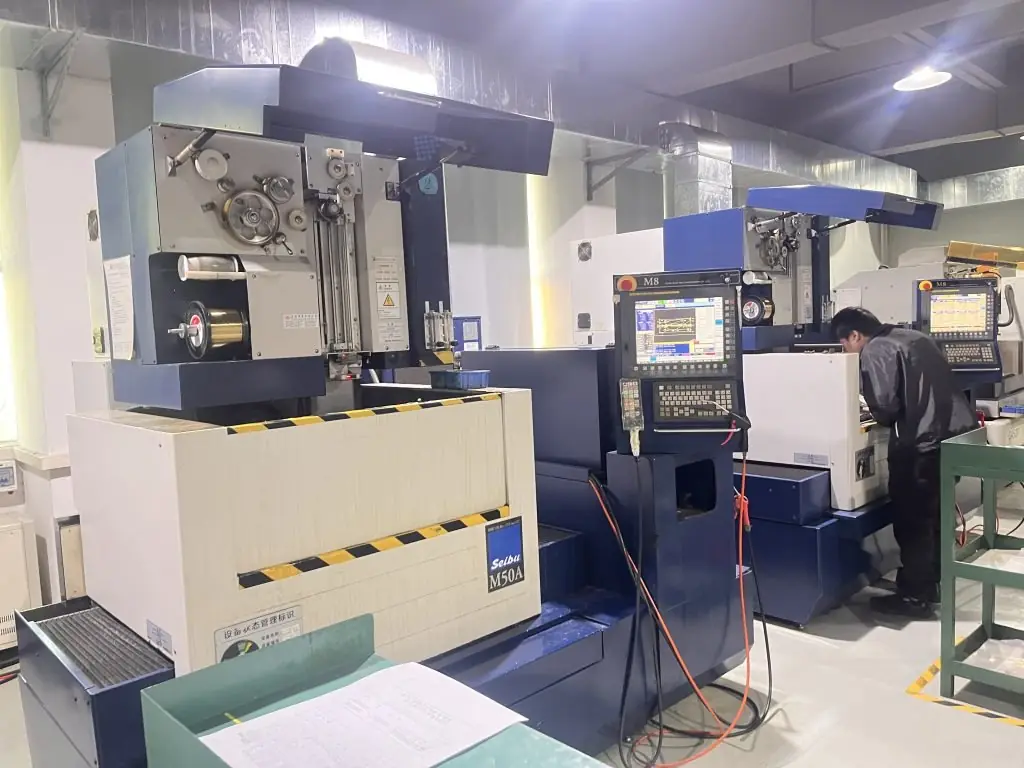
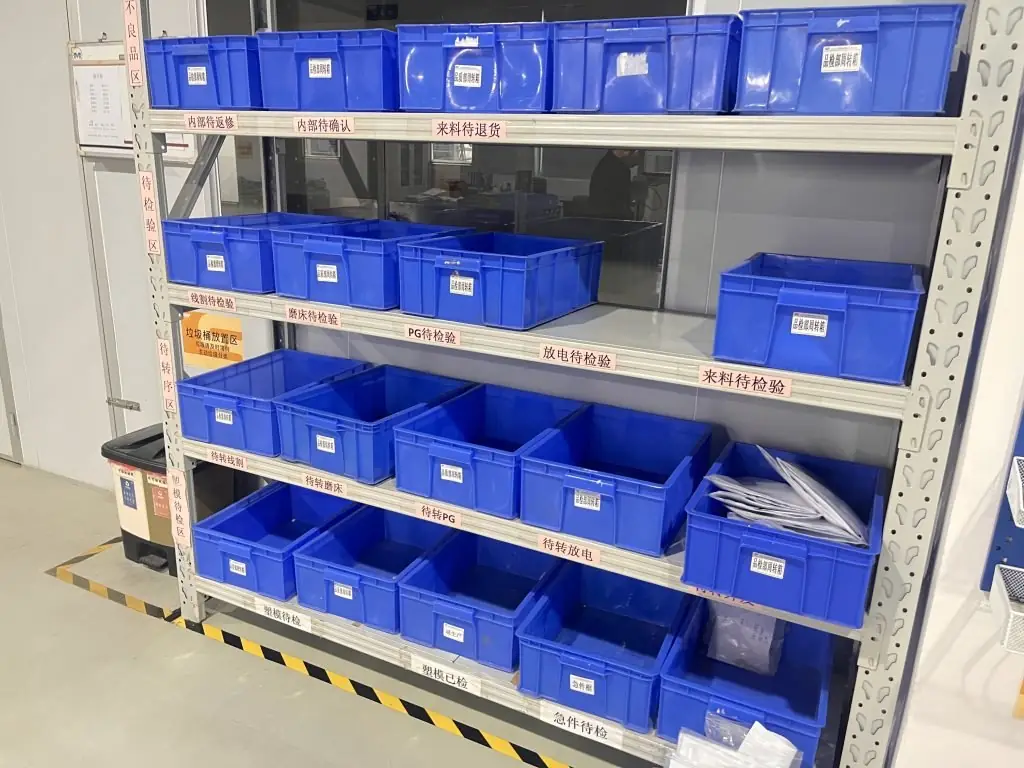
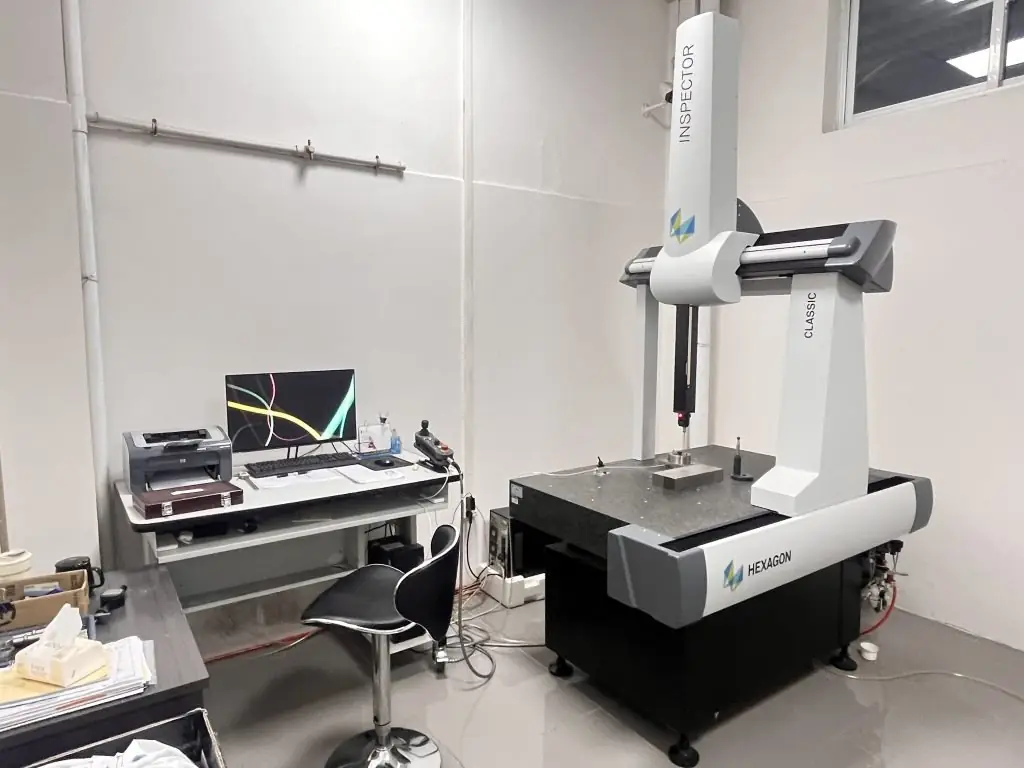
Fecision offers end-to-end mold tooling solutions tailored to your specific manufacturing requirements.
Our expertise spans the entire spectrum of mold development, from initial design consultation to final production and maintenance.
Prototyping
Use rapid tooling to evaluate the specified resin and molded geometry before committing to a longer production program. Compare aluminum and steel against revisions, resin abrasiveness and expected reorders.
Define which questions the first trial must answer: mating fit, shrinkage, sealing or appearance. Keep those results with the drawing revision so the production-tool design can use the findings without treating a prototype approval as a production guarantee.
Production
Production tooling starts with the required molded-part features and annual demand. Evaluate cavity layout, wear inserts, cooling and ejection against the resin and assembly requirements; define critical tool dimensions separately from molded-part tolerances.
Set acceptance around identified trial samples, dimensional results and agreed functional checks. Specify what must be resolved before release and what records travel with the tool or first production order.
The selection of appropriate mold materials is critical to tooling performance, durability, and cost-effectiveness.
Fecision utilizes a wide range of high-quality materials to meet specific application requirements.
A pre-hardened tool steel widely used for plastic injection molds and mold bases. Its machinability, toughness, polishability, and uniform hardness make it a practical choice for precision mold components and medium production runs.
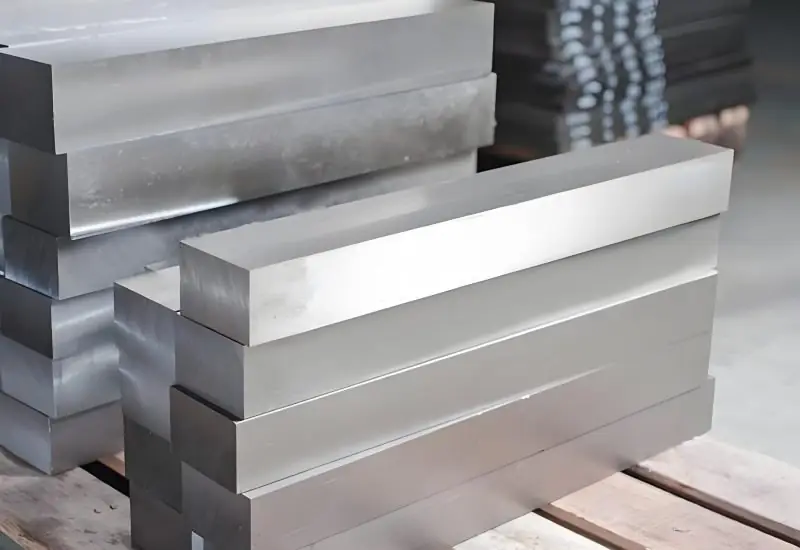
A chromium-molybdenum tool steel with strong toughness, heat resistance, and thermal-fatigue performance. H13 is selected for demanding injection mold inserts, wear areas, and applications that need reliable hardness at molding temperatures.
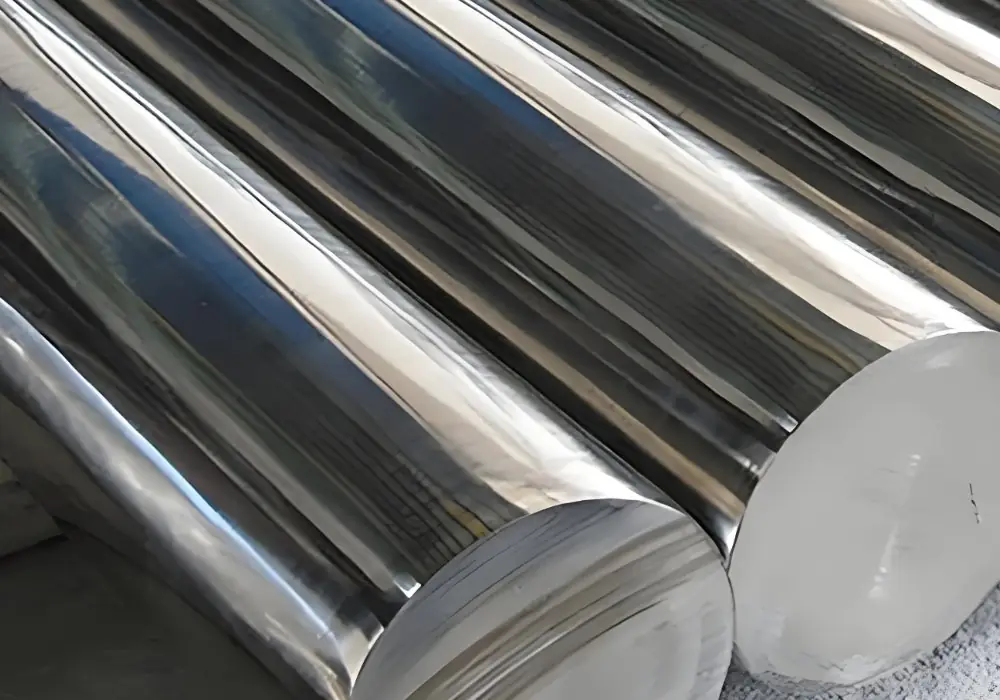
A high-purity, corrosion-resistant martensitic stainless steel commonly used for plastic injection molds requiring superior surface finish and high polishability. With excellent hardness, wear resistance, and minimal risk of corrosion or staining, S136 is ideal for medical, optical, and high-precision molding applications.
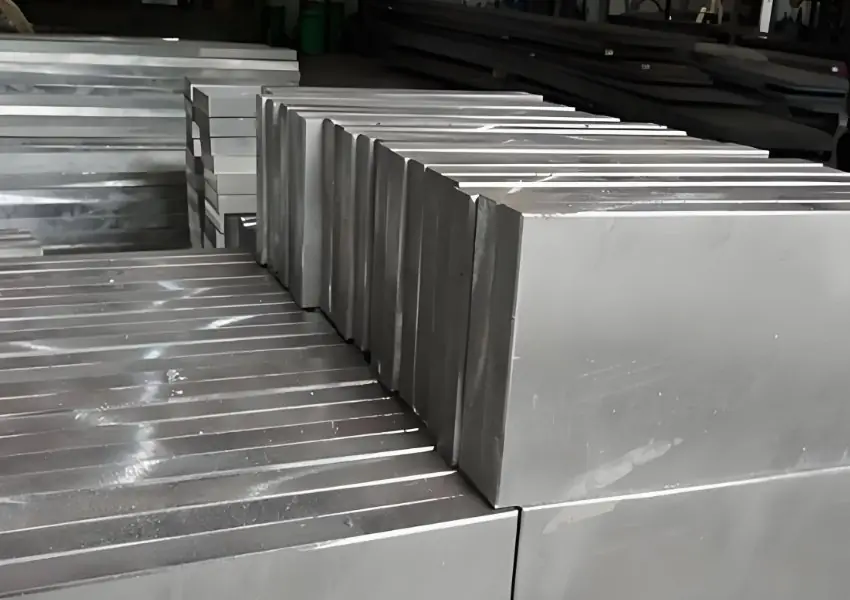
A pre-hardened mold steel known for its excellent machinability, polishability, and EDM performance. With uniform hardness and good wear resistance, it is ideal for plastic injection molds, precision components, and mirror-finish applications. NAK80 also offers superior dimensional stability and is widely used in high-quality mold making.
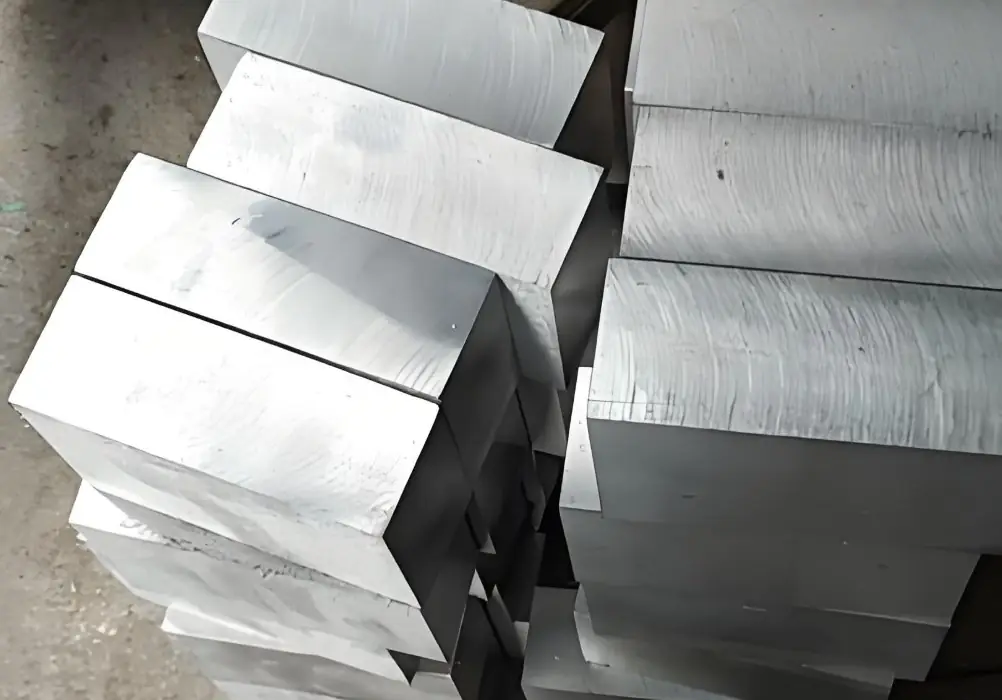
A high-strength aluminum alloy used for prototype and bridge injection molds when fast machining, low tool weight, and good dimensional stability are priorities. It is best suited to controlled production volumes and non-abrasive resins.
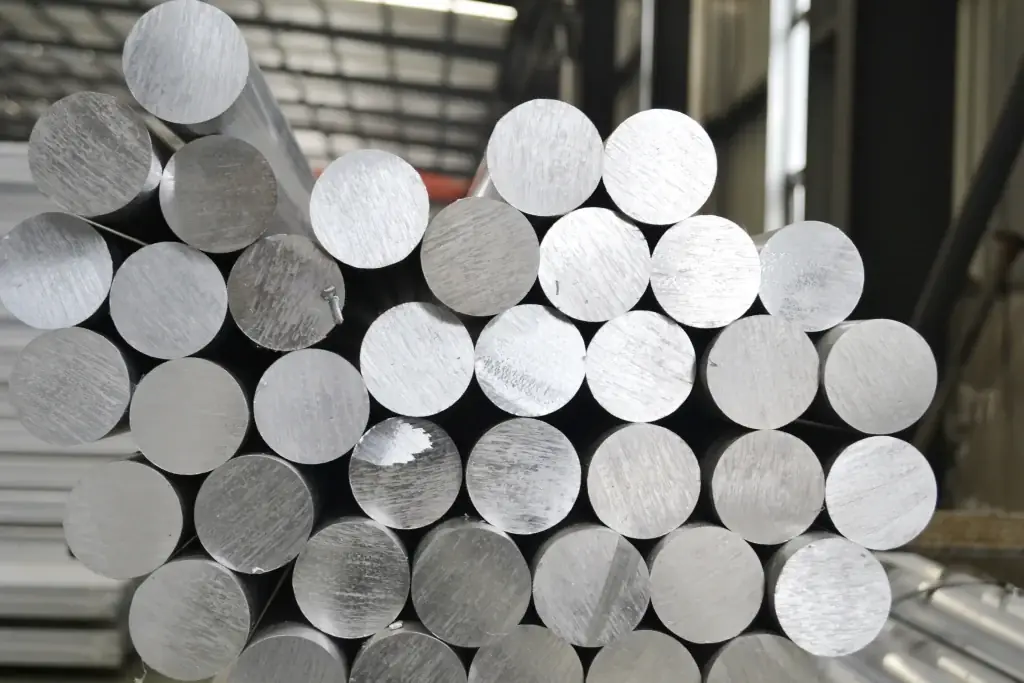
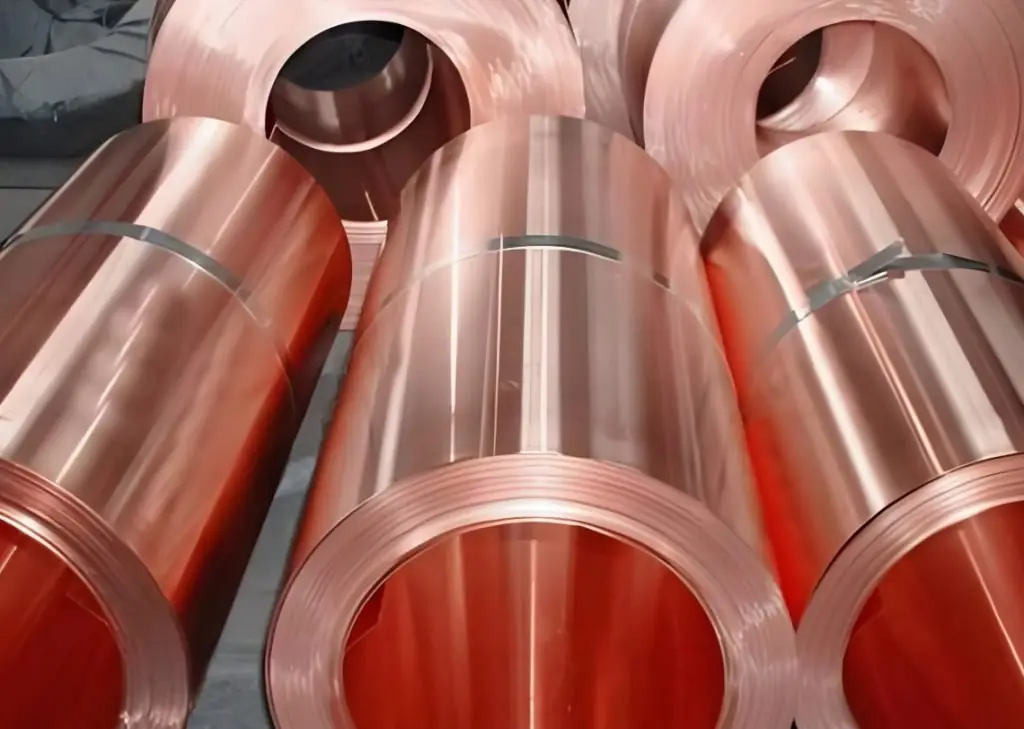
A high-conductivity copper alloy used selectively in injection mold inserts, core pins, and local hot spots where faster heat removal can improve cooling balance and cycle stability.
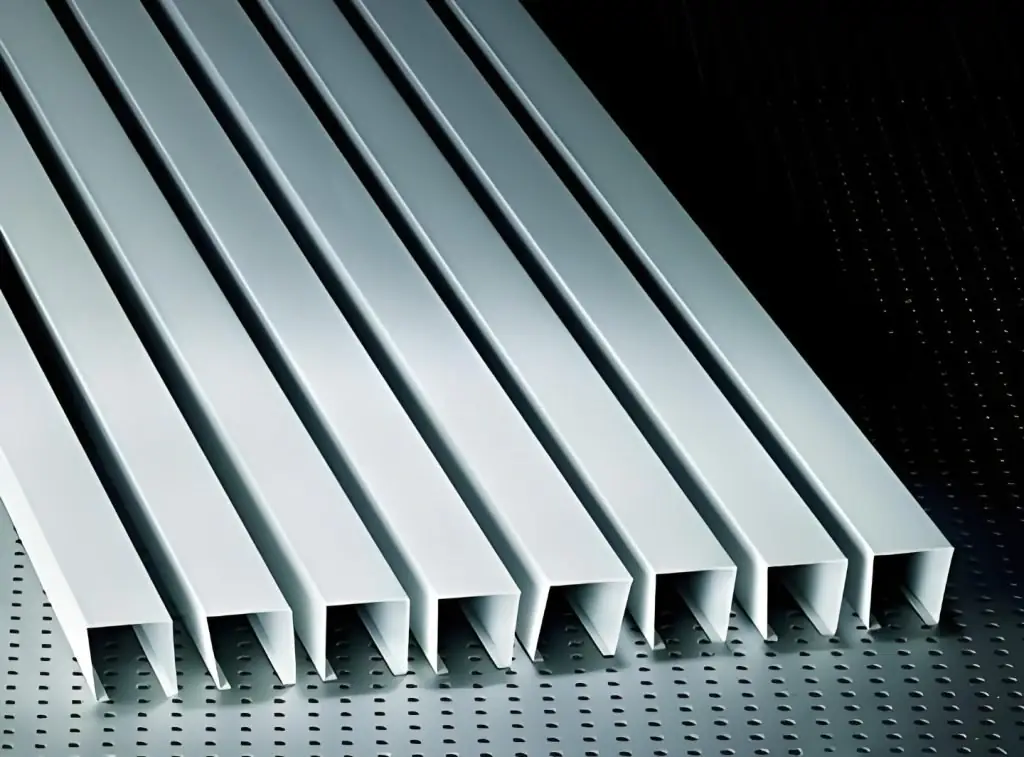
A stress-relieved aluminum mold alloy with good machinability, dimensional stability, and thermal conductivity. QC-10 is commonly selected for rapid and bridge injection molds that need short tooling lead times and controlled production life.
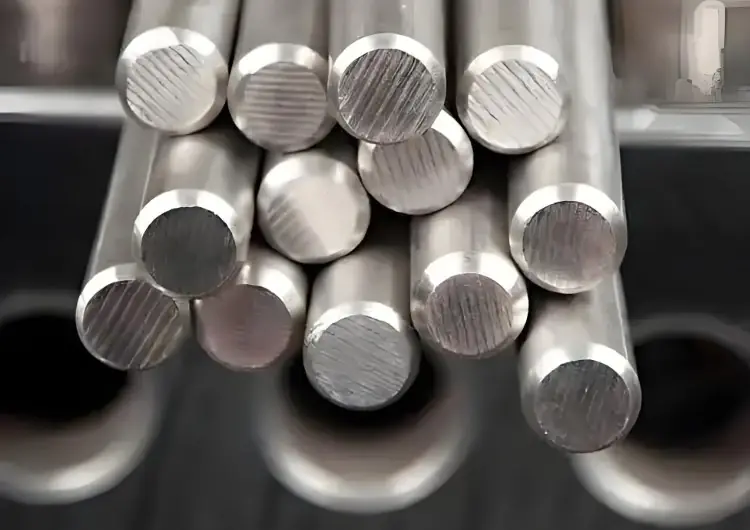
A high-carbon, high-chromium steel used for wear-intensive injection mold inserts, slides, lifters, gate inserts, and other components exposed to abrasive filled resins.
Turn part requirements into an inspectable tool and sample-acceptance plan. Machined-tool accuracy is distinct from molded-part accuracy; resin shrinkage, conditioning and the molding process must be evaluated on trial parts.
| Category | Parameter | Project Review |
|---|---|---|
| Design | Critical dimensions | Separate mold-component dimensions from molded-part acceptance; define datums and measurement conditions |
| Design | Cavity layout | Choose cavity count against forecast, balancing, sampling and replacement needs |
| Design | Cooling and ejection | Review sealing faces, thin features, warpage risk and ejection witness marks |
| Machining | Inspection | Select CMM, optical or other measurement methods for the actual feature and required uncertainty |
| Machining | Surface finish | Identify polished or textured zones and agree the reference finish before tool manufacture |
| Materials | Tool material | Specify steel or aluminum grade, heat treatment and wear-critical inserts |
| Testing | Trial conditions | Record resin grade, cavity identity, process conditions and sample quantities |
| Testing | Acceptance | Review molded-part dimensions, appearance and agreed functional checks before release |
| Handover | Interfaces and records | Agree mold-base standard, machine connections, drawings, spares and open issues |
| Lifecycle | Maintenance and changes | Define ownership, storage, maintenance responsibility, change approval and transfer terms in the tooling agreement |
From requirements to release
Tool design, trial acceptance and production responsibility should be visible in the quotation. The right handoff depends on where the mold will run and who will maintain it.
Approved part data, resin and shrinkage assumptions, expected quantities, target molding machine, cavity plan, sampling requirements and intended production location.
The agreed DFM, mold layout and decisions on gates, cooling, ejection and moving features.
Decision to agreeApprove tool architecture and drawing changes before machining starts.
Identified trial samples, agreed measurements and a tracked correction list.
Decision to agreeSeparate tool corrections from changes to the approved part specification.
The approved sample and the tool documents, settings or spare items specified in the order.
Decision to agreeAgree the acceptance conditions and any receiving-site trial before tool handover.
Defined maintenance, wear-part, storage and revision responsibilities.
Decision to agreePlan how later repairs or engineering changes are authorized and documented.
Fecision’s mold tooling expertise serves a wide range of industries, each with unique requirements and specifications.
Our specialized knowledge ensures that we deliver optimal solutions for every application.
Our automotive mold tooling meets stringent quality and durability requirements for interior components, under-hood parts, and exterior trim. We specialize in multi-cavity molds for high-volume production and complex geometries.
Medical component tooling is reviewed against the specified resin, surface finish, cleanliness and documentation requirements. The production site and validation scope are selected for the application.
Aerospace components demand exceptional precision and consistency. Our aerospace tooling incorporates advanced cooling systems and wear-resistant materials to ensure part quality and dimensional stability.
Our tooling requires high precision, fine detailing, and superior surface finish. It supports the production of connectors, housings, micro components, and chip packaging with strict dimensional tolerances and consistent quality for high-volume manufacturing.
Mold tooling for the robotics industry ensures precision, strength, and durability, producing high-quality components for advanced robotic systems, enhancing performance and reliability in automated manufacturing processes.
For industrial applications, we develop robust tooling solutions that withstand demanding production environments. Our molds support glass-filled materials and deliver consistent performance cycle after cycle.
Selected project records
Explore the problem, manufacturing decisions and reported checks. Each case keeps its test conditions and current project stage in view.
Production supply · 85,000 pieces through September 2026
2,000-piece pilot · endurance validation ongoing
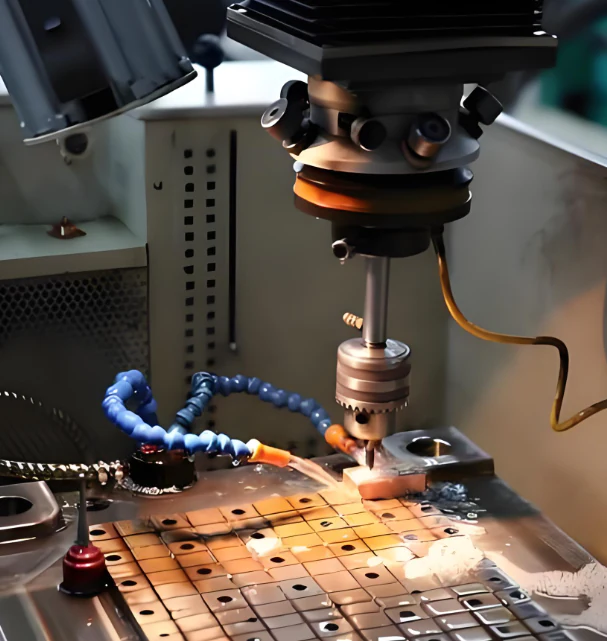
Our skilled engineers and technicians bring years of expertise to the tooling process, from design and prototyping to the final mold production. We focus on optimizing mold design for long-term performance, minimizing downtime, and enhancing production efficiency.
We utilize cutting-edge CNC machines, EDM, and precision grinding technology to ensure every tool is crafted with exceptional accuracy. Our manufacturing partners’ equipment is sourced from leading manufacturers, like Sodick, Trumpf, DMG MORI, etc, ensuring the highest standards in mold production.
FECISION coordinates production through manufacturing partners. The required quality standard, manufacturing scope and inspection records are confirmed for the selected production site before the order is accepted.
Production mold making is a highly intricate process that demands the skill and expertise of seasoned technicians and engineers.
The typical workflow for creating a production mold involves the following key steps:
Review the part, resin, mating interfaces and expected quantities. Record open DFM decisions and obtain approval of the drawing revision and manufacturing scope before work starts.
Agree the gate, parting line, cavity layout, cooling and ejection design. Where a flow study is required, define its assumptions, deliverables and review decision separately.
Build the approved tool and identify samples by revision and cavity. Review measured parts and agreed functional checks; record deviations and any further trial needed.
Release the tool or production batch after the agreed customer approval. Confirm preservation, packaging, mold records, spares and transfer responsibilities before shipping.
Together, we can make something remarkable!
Our engineering team is ready to review your requirements and provide expert guidance on the most efficient tooling solution for your application.
Request a Tooling ReviewAt Fecision, quality control for mold production involves precise measurements, thorough testing, and comprehensive validation to ensure the mold meets all specified requirements and is fully optimized for production.
Services include mold DFM, mold flow review when required, tool design, mold material selection, component manufacturing, assembly, trial molding, dimensional validation, and production handoff.
A schedule is quoted after reviewing tool construction, material procurement, cavities, sampling and acceptance requirements. Separate tool build, first trial, customer review, revisions and delivery so that the next approval decision is visible.
Yes. FECISION designs and builds multi-cavity injection molds for high-volume production, balancing filling, cooling, ejection, and dimensional consistency across cavities.
In many instances, Fecision can modify existing molds to accommodate new parts, depending on the scope of the required changes and the condition of the current mold.
For molds designed for high durability, particularly in high-volume production, Fecision recommends using hardened steel grades known for their superior wear resistance and long-lasting performance.
Expected shots, resin abrasiveness, steel condition, wear areas and maintenance affect the tool plan. Agree the intended service life and any warranty terms in the quotation; steel grade alone is not a tool-life guarantee.
Mold making can support a variety of sizes and complexities. However, exceptionally large parts or complex designs may necessitate specialized tooling and techniques, which could affect both cost and lead time.
Send the CAD, drawing revision and critical requirements. The project review identifies proposed changes, assumptions and open decisions so your team can approve the design before tool manufacture.
Agree the tool design and construction, DFM and analysis scope, trials, sample quantities, inspection records, revisions and delivery milestones. Identify any separately charged work before accepting the quote.
Fecision does not include mold flow analysis as part of the standard DFM for injection molding. However, we can offer this service as an additional option upon request.
Yes—request an NDA discussion before uploading sensitive files. Confirm the permitted recipients, manufacturing-partner access and intended use of the files before disclosure.
Agree ownership, storage location, maintenance responsibilities, permitted production use and transfer conditions in writing before purchase. For a reorder, confirm the approved revision, material, tool condition, quantity and inspection plan before release.