info@fecision.com

Consumer Electronics Injection Molding Services

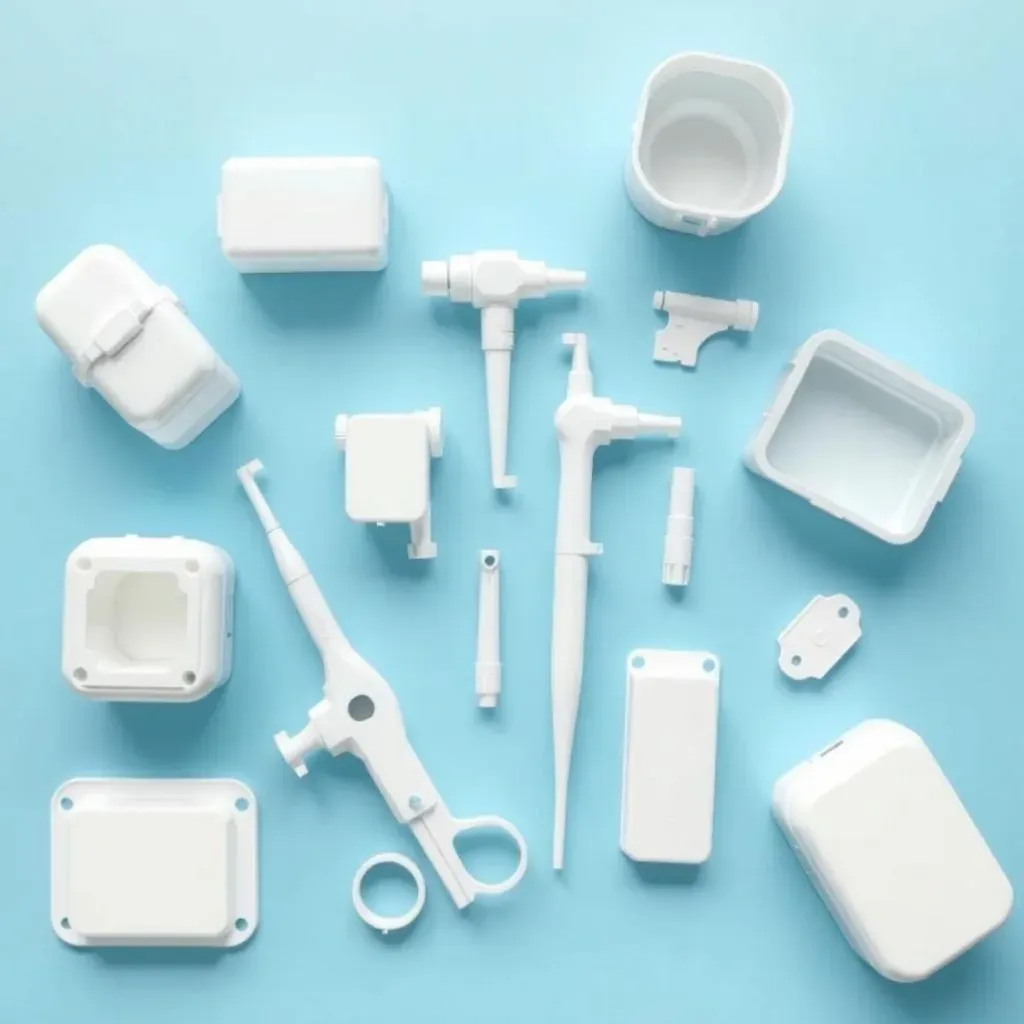
Consumer electronics injection molding at Fecision covers the parts that make up a device's housing, sealing, and internal structure.

Our capabilities combine precision tooling, materials suited to electronics-specific demands, and a production line that scales from validated prototype to volume.

  • Injection mold trials and iterative design validation
  • Precision injection molding at electronics-grade tolerance
  • In-house precision mold manufacturing for tight-tolerance
  • Waterproof sealing and mold-driven surface finish
  • Production scale from validated prototype to 100,000+ pieces
Request A Quote

Capabilities for Consumer Electronics Programs

Fecision's manufacturing capability for a consumer electronics program breaks down into the following areas:

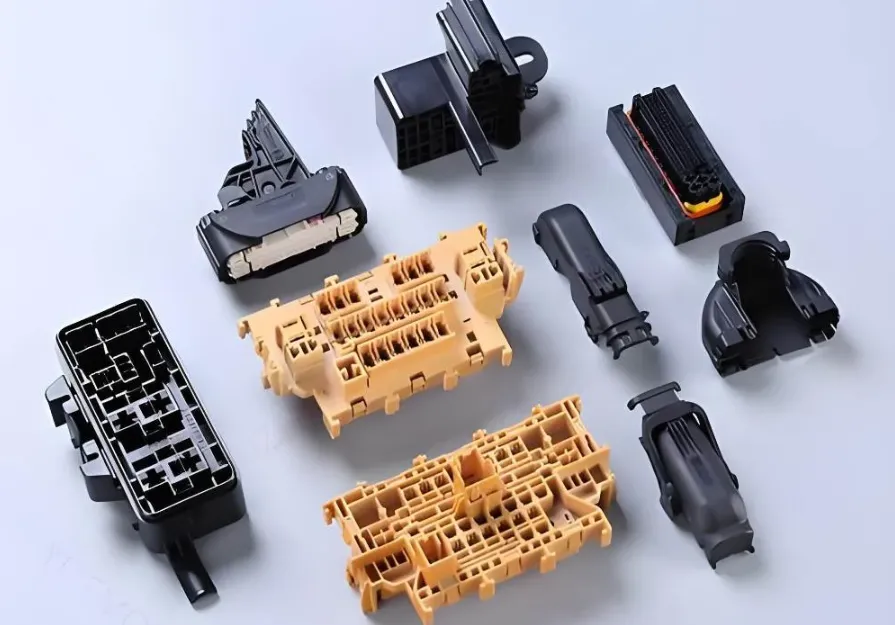
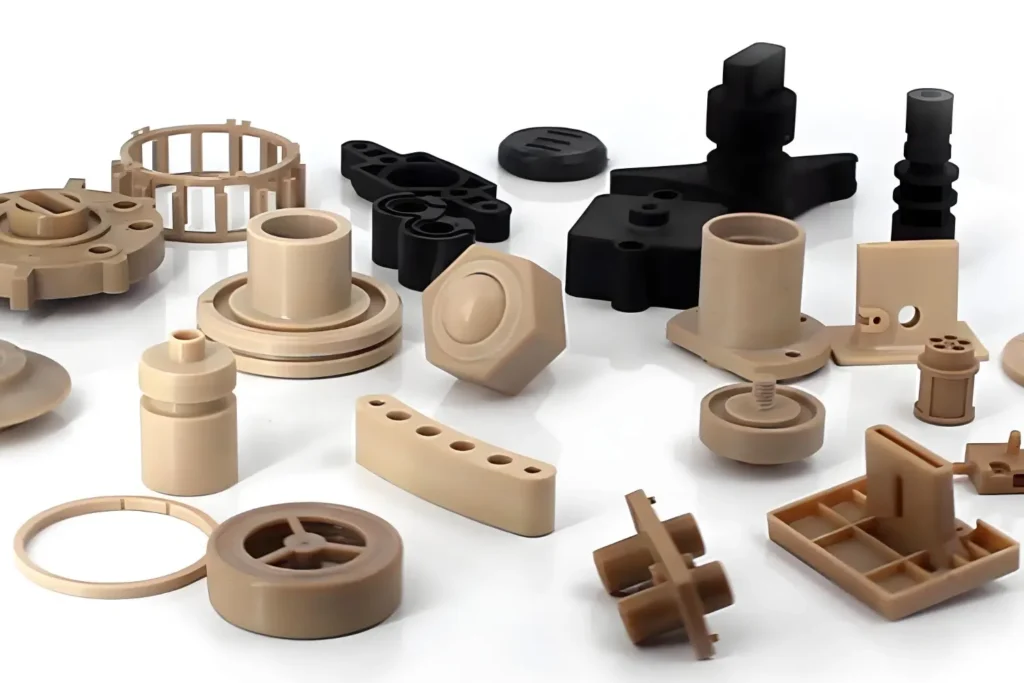
Injection molded production parts for consumer electronics programs

Rapid Tooling and Molding Validation

FECISION supports design validation through rapid tooling, trial molding, and dimensional review before production — confirming resin behavior, filling, shrinkage, assembly fit, and functional tolerance with a production-representative process.

This staged approach is built to catch design issues before they reach an expensive production tool, which matters more in consumer electronics than in most industries given how often a design revises before launch.
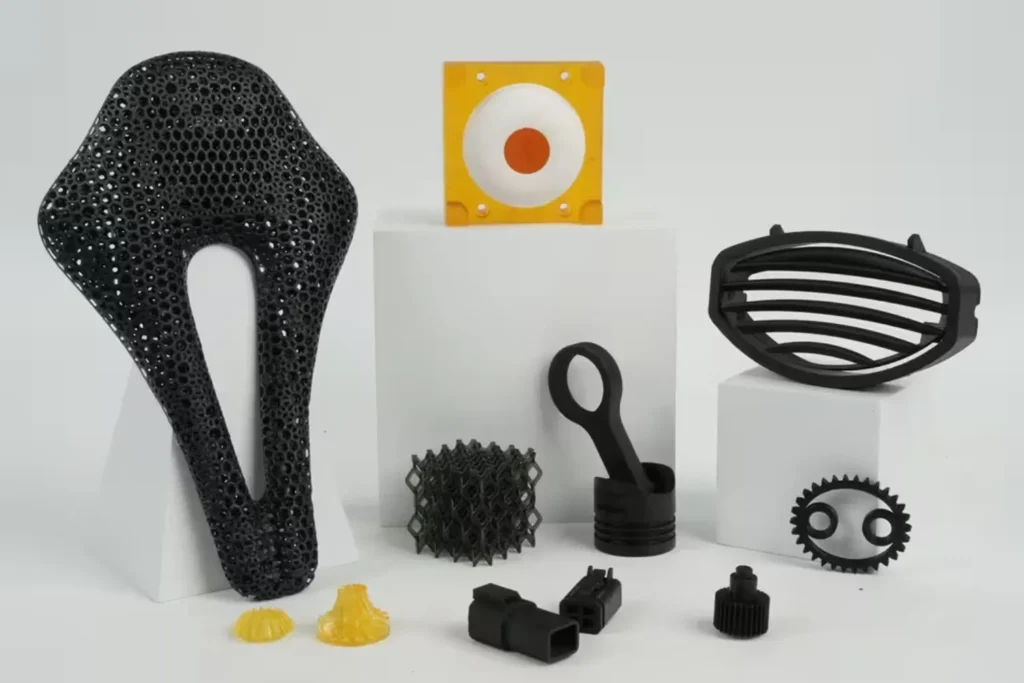
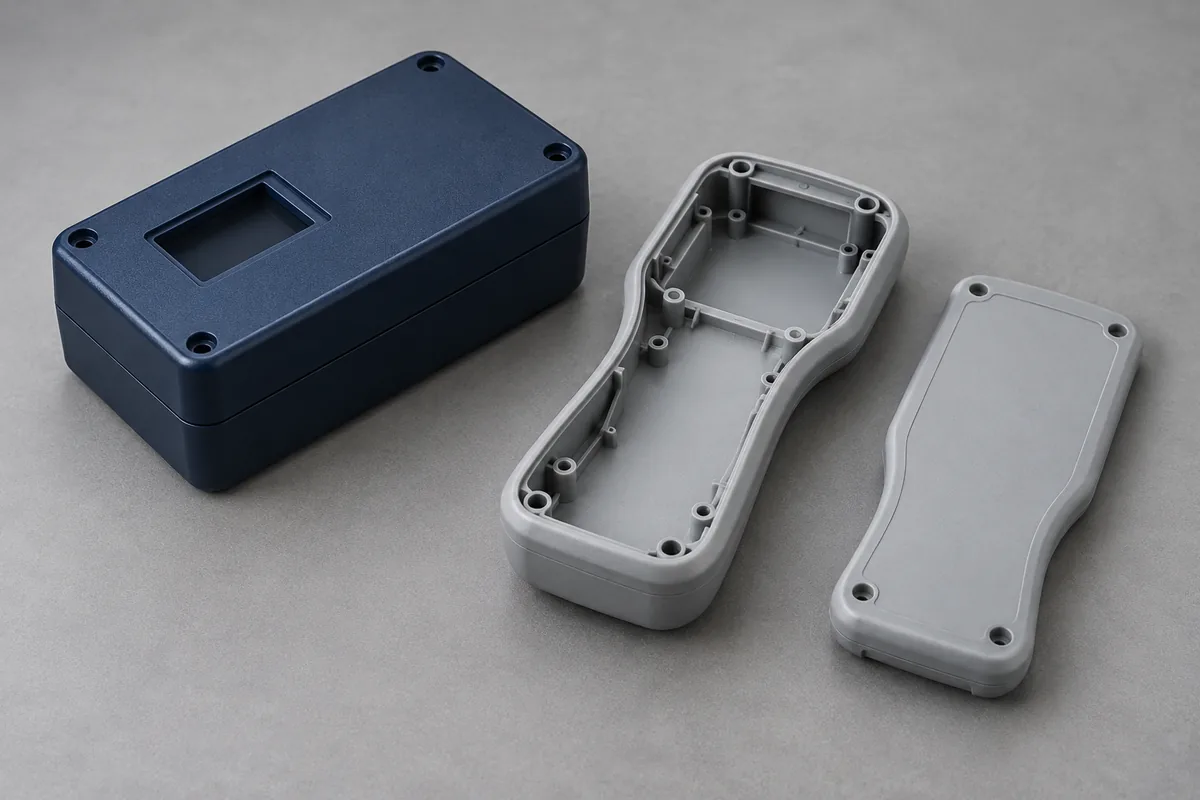
Rapid prototypes for consumer electronics design validation

In-House Precision Mold Manufacturing

High-cavity-count electronics molds — the kind that need to hit a production ramp without a tooling bottleneck — depend on mold-making precision. Fecision's mold shop runs CNC, EDM, and wire-EDM equipment in-house at tolerances down to ±0.002 mm, so tooling for a multi-cavity electronics production run is built, adjusted, and maintained on-site rather than queued at a separate toolmaker.

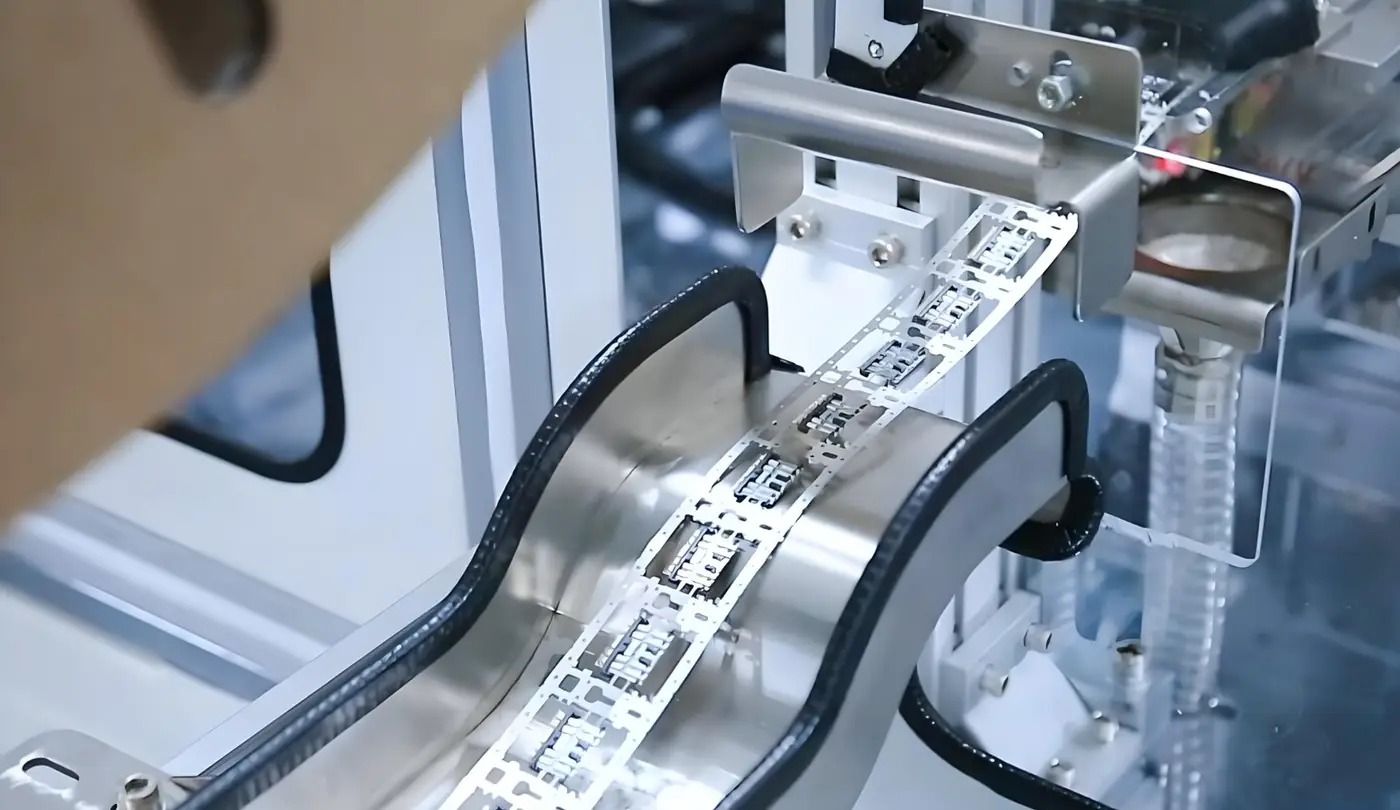
In-house precision manufacturing line for electronics tooling

Precision Connector Molding

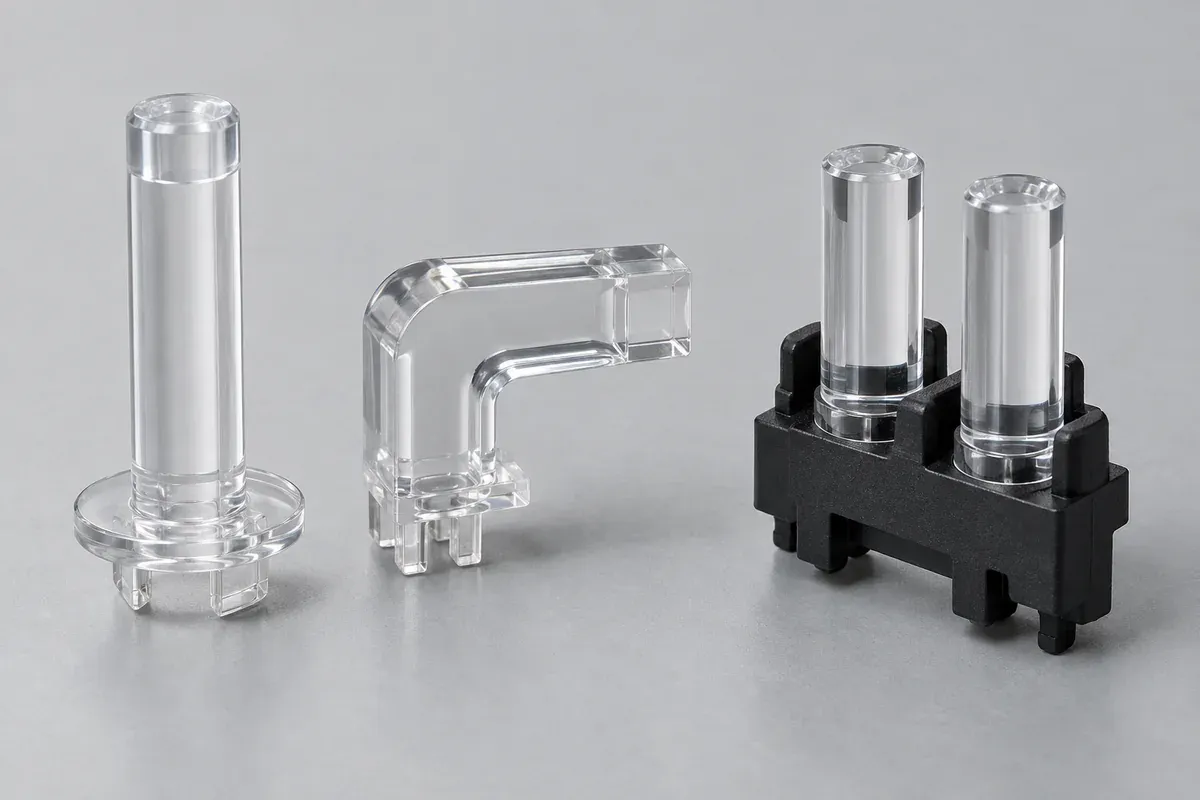
Consumer electronics connector and structural parts carry tight tolerance stacks — an insulator body that doesn't hold dimension under thermal cycling, or a housing that doesn't clear an internal component by the design margin, becomes a field return.

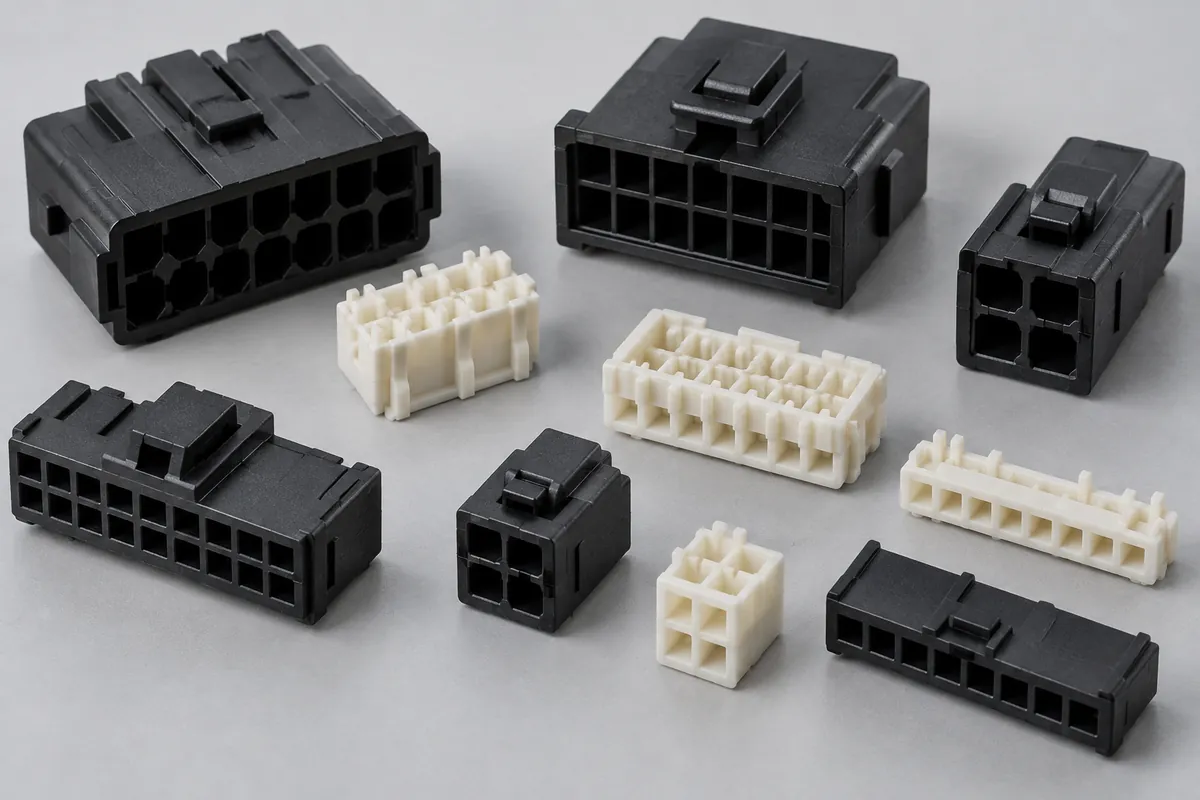
Fecision molds these components in POM or glass-filled nylon, chosen for dielectric stability and dimensional precision, with mold design and part tolerance handled by the same team rather than reconciled after the fact between separate tooling and molding vendors.

Precision molded connector housings

Materials for Consumer Electronics Parts

Material selection for a consumer electronics part has to solve three tensions at once: enough mechanical and thermal performance for the application, a cosmetic finish that matches the brand, and a cost that holds up at volume. Getting it wrong shows up later as warping, a failed drop test, or a part that's over-specified and over-priced for what it actually needs to do.

ABS

Typical use

General housings and enclosures needing impact strength and cosmetic finish

Notes

Standard grades not inherently flame-retardant; FR grades available industry-wide

Learn More

Polycarbonate (PC)

Typical use

Transparent or high-impact housings, lenses, covers

Notes

Higher heat resistance than ABS; FR grades common

Learn More

POM (acetal)

Typical use

Precision structural and dielectric components, gears, latches

Notes

-

Learn More

Glass-filled nylon

Typical use

Load-bearing structural housings and reinforced components

Notes

PA6+GF30, PA66+GF33

Learn More

PBT

Typical use

Connector-adjacent structural parts needing chemical and heat resistance

Notes

UL94 V-0 grade availability industry-wide

Learn More

LSR (liquid silicone rubber)

Typical use

Waterproof seals, gaskets, flexible sealing components

Notes

alone or overmolded

Learn More

Fecision's production range — POM and glass-filled nylon (PA6+GF30, PA66+GF33) for structural and dielectric parts, LSR for sealing — covers the load-bearing and sealing side of that list directly. ABS and PC run through the prototyping stage today; a project specifying either for volume production gets that scoped and confirmed during DFM.

Waterproofing and Surface Finish

Water ingress and finish drift are two of the more common reasons a consumer electronics part fails after it ships — one during a submersion test, the other slowly, as a mold wears and a cosmetic surface stops matching the approved sample. Both get addressed at the tooling and material stage rather than patched afterward.

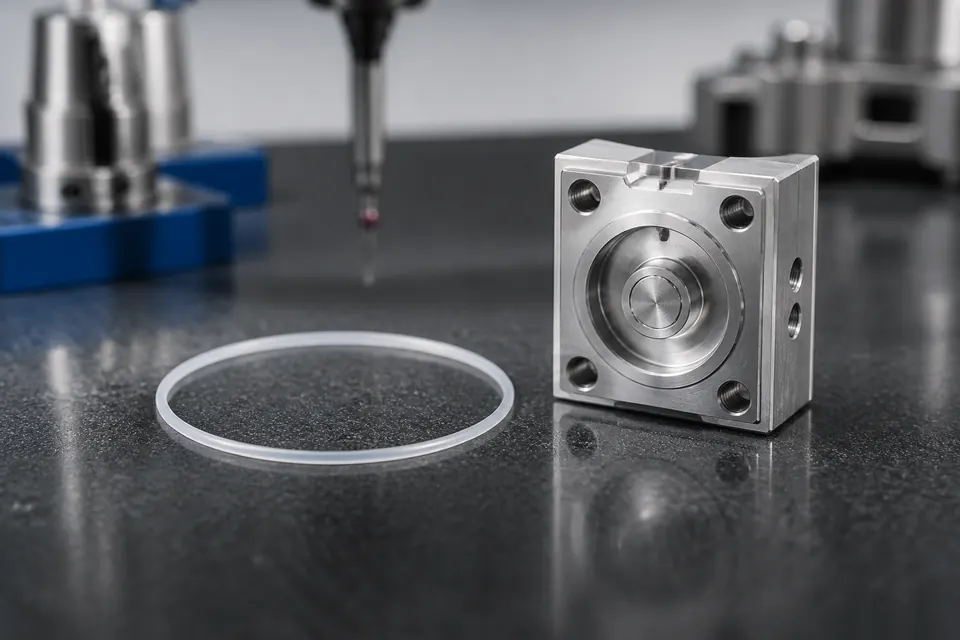
LSR sealing ring with precision mold
Precision electronics tooling production line

Meeting an IP Rating

IP ratings describe two things: the first digit rates protection against dust, the second against liquid ingress. The jump from IP67 (temporary submersion to 1 meter, 30 minutes) to IP68 (deeper and longer, as the manufacturer defines and tests) usually means switching from a compressible O-ring to a molded gasket or full overmold, with tighter tolerance control on the mating surfaces. Fecision's LSR tooling holds ±0.03 mm on that mating surface — the tolerance band IP68 sealing actually depends on.

Controlling Surface Finish at the Mold

A cosmetic surface that looks right on the first article and drifts by the ten-thousandth part is usually a mold problem, not a material problem. Fecision controls finish through cavity polish level and coating applied to the tool itself, which holds a consistent as-molded surface across a full production run without a repeated secondary step — the same coating process that extends mold life on high-wear tooling, since a mold holding its finish is generally also holding its dimensions.

Why Fecision for Consumer Electronics Injection Molding

Fast iteration doesn't mean starting over: rapid and production tooling share the same design data and injection molding team, so lessons from trial molding carry directly into the production mold.

Mold and molding floor are one operation: the same tool that holds a cosmetic finish is built, coated, and maintained in-house, so finish consistency doesn't depend on coordinating a separate toolmaker and molder.

Mold wear is tracked, not assumed: coated inserts are built to hold both dimension and finish across a long production run — relevant for a part that needs to look and fit the same at piece 5,000,000 as it did at piece 1.

Case Studies

Precision connector contacts for consumer electronics

Type-C Connector Waterproofing

A SUS304 stainless-steel connector insert was overmolded with LSR on cold-runner, flash-free tooling holding ±0.03 mm tolerance. The finished assembly reached IP68 performance.

Molded connector components moving from prototype to production

Connector: Prototype to Production

A connector program used rapid tooling and trial molding for assembly-fit and tolerance validation, catching a draft-angle issue before production tooling began.

LSR sealing ring and rapid tooling mold

LSR Sealing Ring Validation

A 0.8 mm cross-section LSR sealing ring for a consumer electronics brand used rapid-tooling trials to lock the gate location before the production mold was built. The production mold reached a 98% first-article pass rate.

Request a Consumer Electronics Manufacturing Quote

Tell us about your project. Our engineering team will review your requirements and provide DFM feedback.

Consumer electronics components and semiconductor manufacturing

Request A Quote

Tell Us About Your Project

Fields marked with are required.

By submitting this form, you agree that Fecision may use the supplied information to respond to your inquiry.