info@fecision.com

Surface Finishes for Injection Molded Parts

Fecision’s surface finishes service cover a diverse range of processes designed to enhance product durability, functionality, and appearance.
With solutions suitable for various materials, we deliver customized finishes that meet performance and aesthetic requirements across industries.

Two stages, one coordinated service

Surface Finishes We Offer

Surface finishes for injection molded parts split into two categories that happen at different points in the process: mold surface treatment, which is built into the tool and transfers to every part molded from it, and secondary finishing, which is applied to the part after it's already molded.

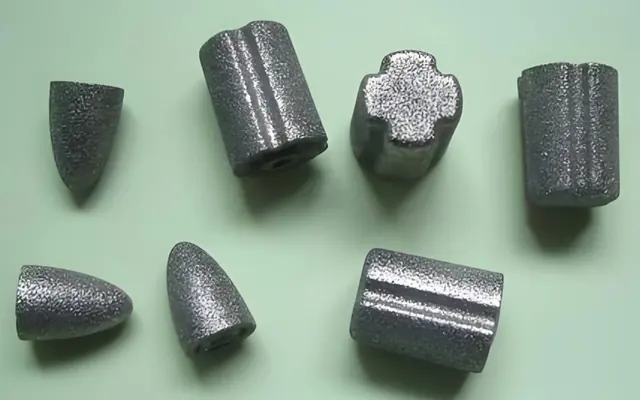
Fecision handles mold surface treatment in-house, through the same mold shop that builds the tooling. Hardening treatments like DLC coating, texture, and polish are part of the mold-making process itself.

Secondary finishing like painting, plating, printing, and similar part-level processes runs through a network of partner suppliers Fecision coordinates on the customer's behalf, so a project doesn't need to manage multiple vendors to get from a molded part to a finished, decorated one.

Built into the tool

Mold Surface Treatment

Three types of treatment cover most of what a mold's surface needs to do: harden and protect the working surface, polish it to the right gloss level, or texture it for grip, appearance, or defect-masking.

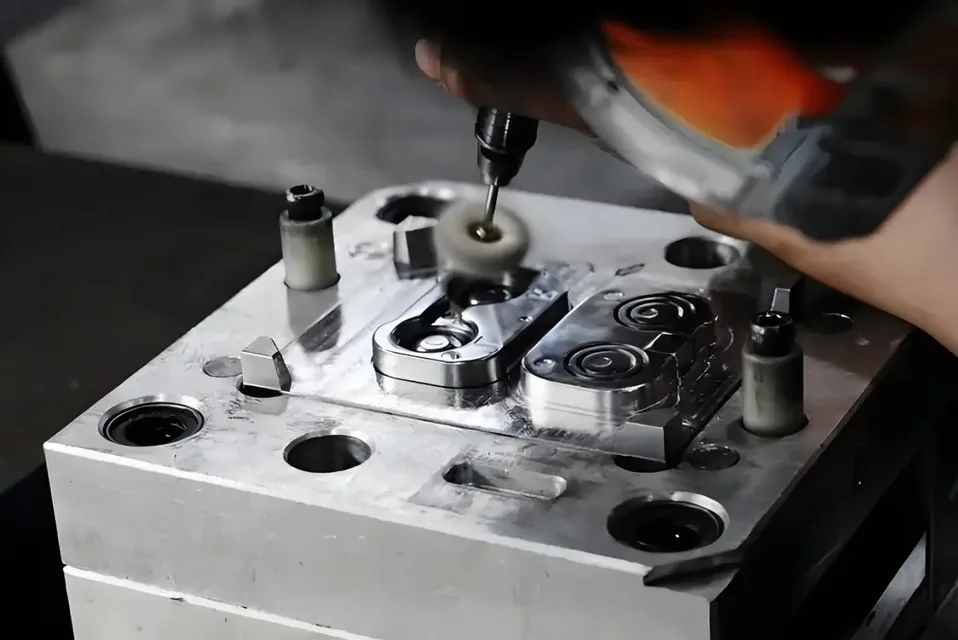
Technician polishing the cavity of an injection mold

02

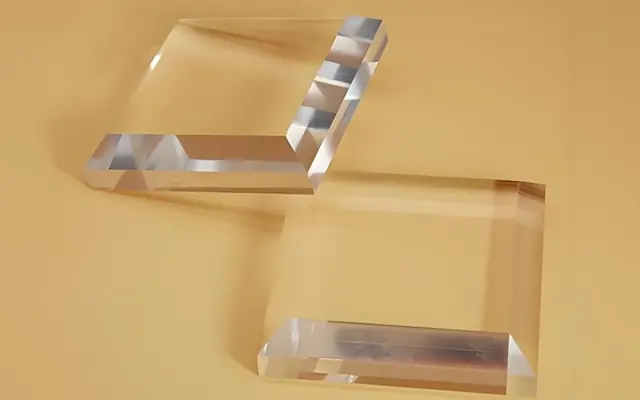
Mold Polishing

Polishing cavity to control gloss level and surface roughness (Ra≤0.2μm on Fecision's production molds). It's the base for high-clarity or high-gloss parts

View Service
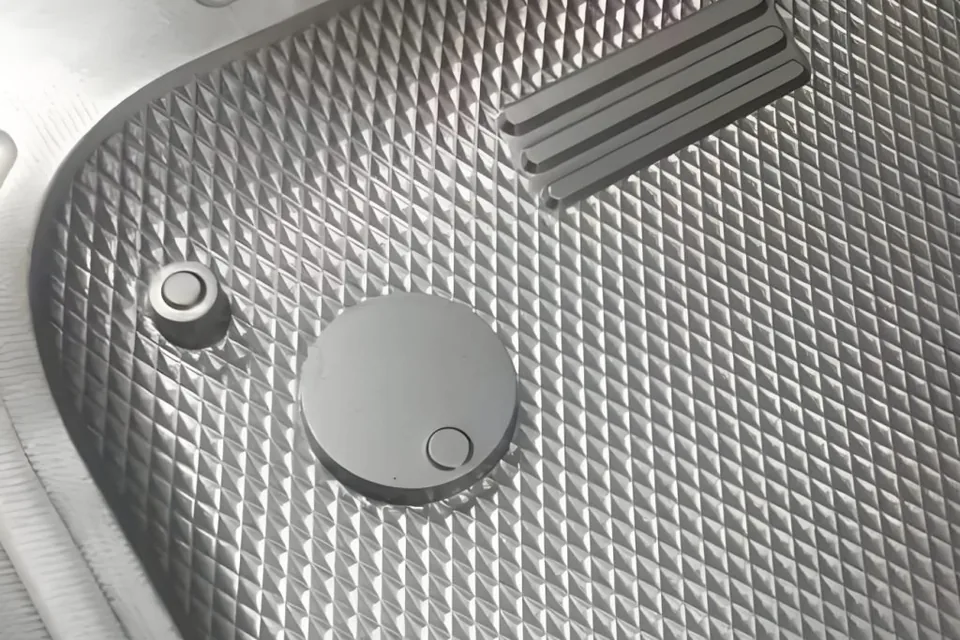
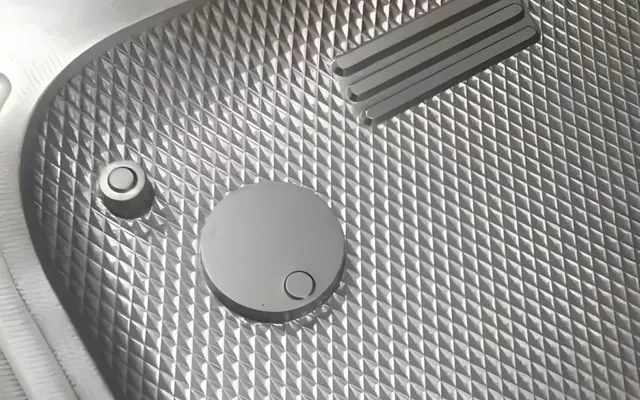
Textured injection molded surfaces with different patterns

03

Mold Texturing

EDM or pattern-based texture cut into the cavity for grip, appearance, or masking minor cosmetic defects in the molded part.

View Service

Applied after molding

Secondary Finishing for Molded Parts

Secondary finishing happens after a part is already molded, as an independent process from tooling or molding. Fecision doesn't run these processes in-house — they're coordinated through a network of partner suppliers we manage on the customer's behalf, so a project gets one point of contact instead of sourcing and qualifying a separate vendor for each finish.

Part with a physical vapor deposition coating

PVD Coating

PVDFunctionalDecorative

Vapor-deposited decorative or functional coating applied to the molded part

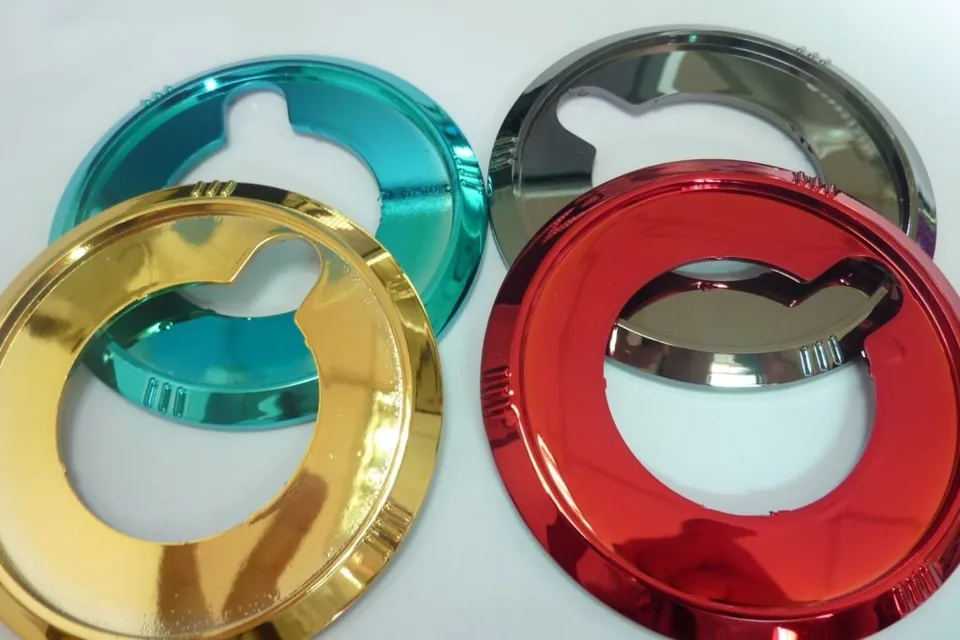
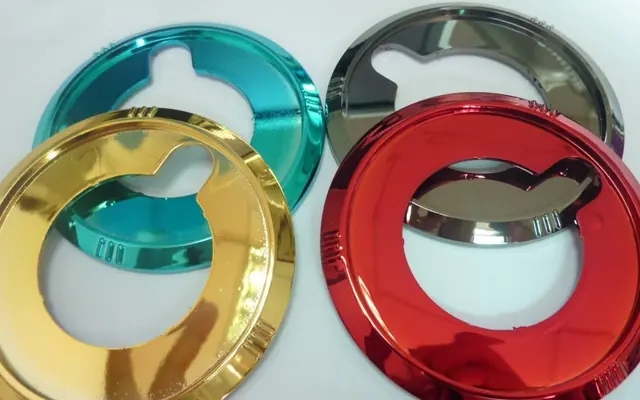
Chrome-like vacuum metallized molded parts

Vacuum Metallization

MetallicLightweight

Thin metallic layer deposited under vacuum for a lightweight chrome-like finish

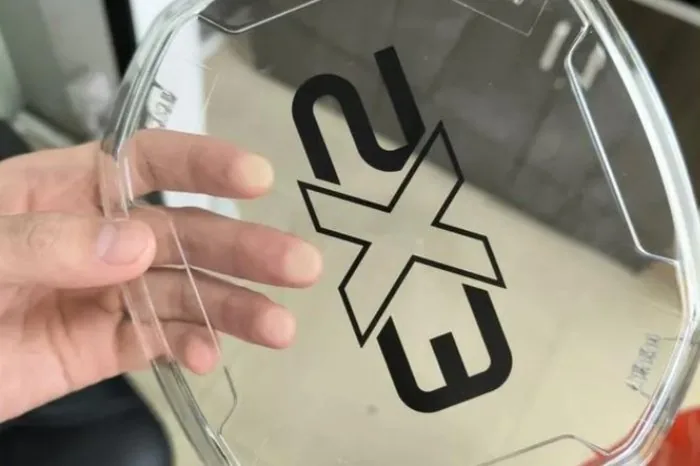
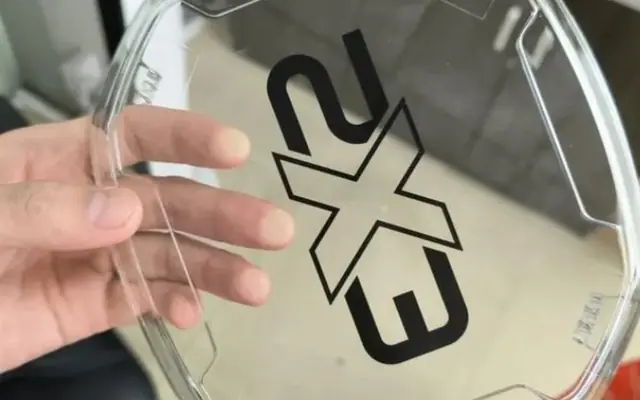
Fine logo printed onto a clear molded part

Pad Printing

Fine detailCurved surfaces

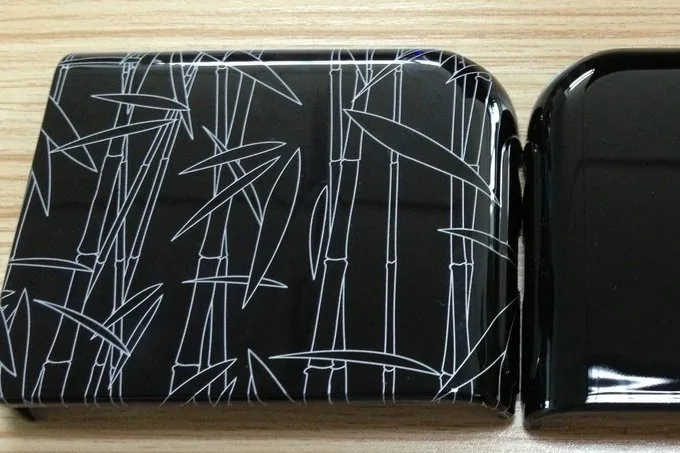
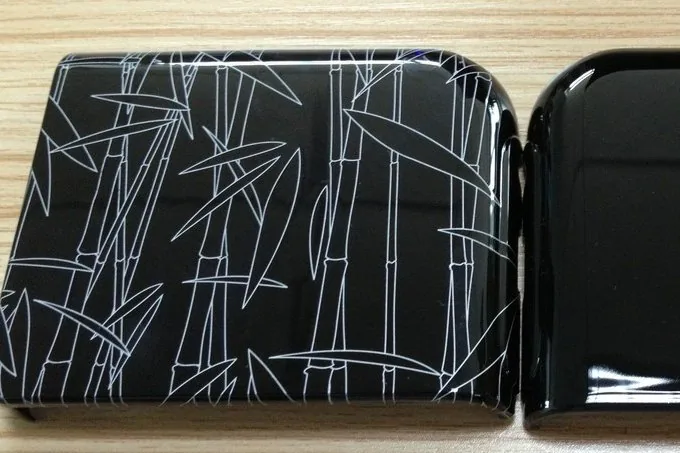
Transfers fine text, logos, or graphics onto curved or irregular surfaces

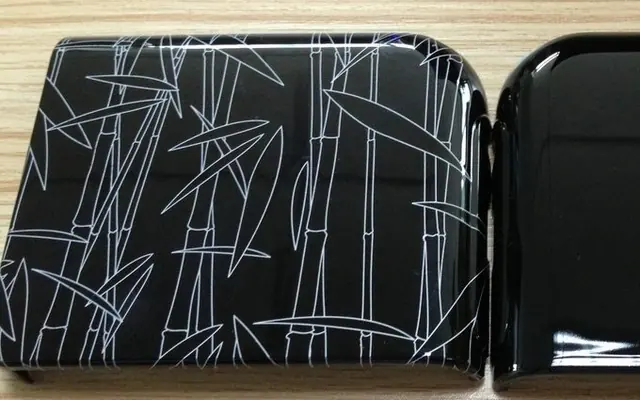
Large graphic printed on a flat molded housing

Screen Printing

Flat surfacesLarge graphics

Ink applied through a mesh stencil, suited to flat surfaces and larger graphics

Hot stamping equipment applying a decorative accent

Hot Stamping

MetallicHigh-gloss

Heat-and-pressure foil transfer for a metallic or high-gloss logo or accent

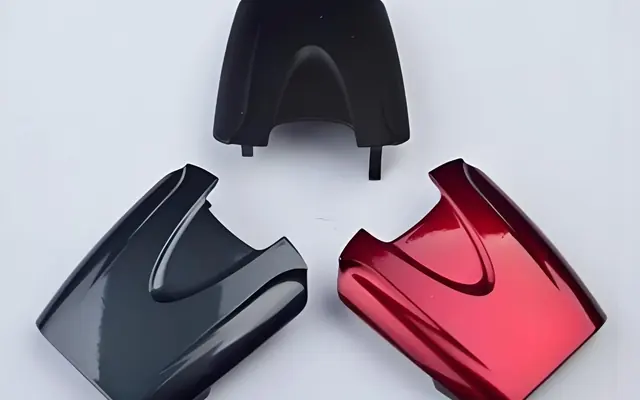
Pattern transferred onto a glossy molded plastic surface

Heat Transfer & Water Transfer Printing

Full-colorPatterned

Full-color image or pattern transfer onto the molded surface

Molded part after edge deburring

Deburring

Burr-freeSmooth

Removes flash or sharp edges left at the parting line, gate, or ejector pin marks

Controlled heat treatment equipment for molded parts

Annealing & Stress Relief

Stress reliefDimensional

Post-mold heat treatment to relieve internal stress in precision or dimensionally sensitive parts

Get in Touch Now!

Find the right process designed to match your material, budget, and requirements.

Request A Quote

Surface Finishing FAQs

Practical answers for planning mold-side and part-side surface finishing.

Can multiple surface finishes be combined on the same part?

Yes — a common combination is a mold-side texture for grip or appearance plus a part-side process like laser engraving or pad printing for branding. Combinations get planned during DFM so the mold finish and the secondary process are compatible, rather than working around a conflict after the part is already molded.

Does adding a secondary finish change the production leadtime?

Yes, secondary finishing adds time beyond the molding cycle itself — how much depends on the process and partner scheduling. This gets factored into the overall project timeline during quoting.

How do I know which surface finish is right for my part?

It depends on whether the part's primary requirement is cosmetic (color, gloss, branding), functional (wear resistance, EMI shielding, corrosion protection), or both. Send the part's use case and any relevant specs, and Fecision's team will recommend mold-side and part-side options that fit.

Can mold surface hardening extend the life of an existing mold?

In some cases, yes — an existing mold can be evaluated for a hardening treatment like DLC coating if wear or sticking has become a production issue. Whether it's a good candidate depends on the mold's base material and current condition, which gets assessed case by case.

Request A Quote

Tell Us About Your Project

Fields marked with are required.

By submitting this form, you agree that Fecision may use the supplied information to respond to your inquiry.