
Material pair
Share the substrate and overmold grades, additives, color and target hardness. Include the substrate supplier and whether parts arrive molded, coated or stored before overmolding.
FECISION coordinates custom overmolding through manufacturing partners for soft grips, seals and multi-material components. We review the substrate, overmold grade, retention design and production quantity before confirming tooling and sampling.
Request QuotePROJECT REVIEW
A resin-family match is only a starting point. The exact grades, substrate condition and acceptance test determine whether a material pair is suitable for your part.
Share the substrate and overmold grades, additives, color and target hardness. Include the substrate supplier and whether parts arrive molded, coated or stored before overmolding.
Chemical adhesion depends on the selected grades and process. Mechanical retention uses features such as holes or undercuts; it can supplement adhesion but is not proof of a sealed interface.
Define the required peel, pull or leak test and any conditioning, chemical exposure or temperature cycling. Agree the test method, sample size and acceptance criterion before sampling.
Provide CAD, critical dimensions, cosmetic zones, first-order and annual quantities. Flag whether a two-shot process or separately loaded substrate is acceptable.
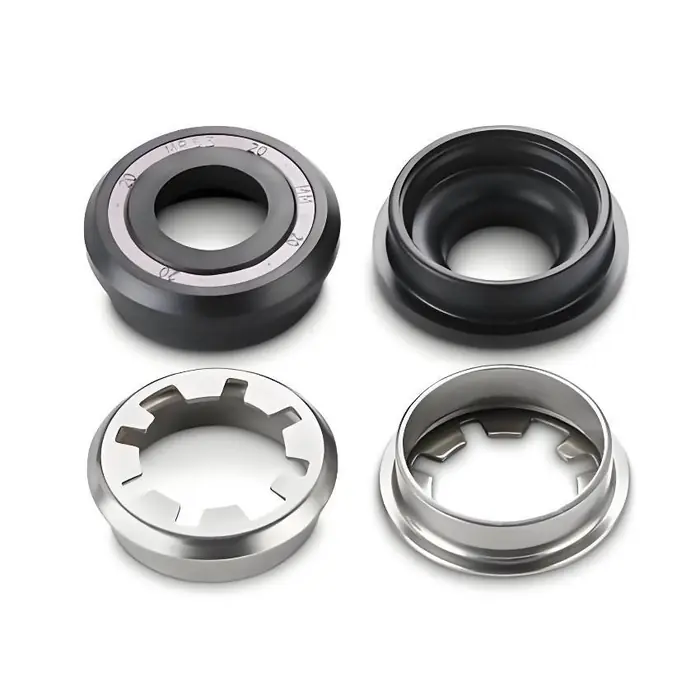
Overmolding is an advanced injection molding process that combines two or more materials into a single, integrated component. The process begins with the creation of a substrate (the base component) through standard injection molding. A second material is then molded over or around this substrate, creating a chemical or mechanical bond between the two materials.
This technique allows for the seamless integration of materials with different properties – such as rigid plastics with flexible elastomers – resulting in parts with enhanced functionality, improved ergonomics, and superior aesthetics. Overmolding can reduce selected assembly steps. Whether it improves cost or durability depends on the material pair, part design, validation and production quantity.
Overmolding adds a second material to a substrate; insert molding describes loading a pre-made component before molding around it. These processes can overlap. Compare the loading method, interface requirements and repeat-order cost for your design.
Process: Injection of second material over first molded part
Materials: Typically plastic over plastic or TPE over plastic
Bonding: Chemical and/or mechanical bonding
Common Applications: Soft-touch grips, seals, multi-color components
Process Route: Integrated two-shot molding or separately loaded substrates
Process: Pre-made insert placed in mold before injection
Materials: Often plastic over metal, but can be other combinations
Bonding: Primarily mechanical bonding
Common Applications: Threaded inserts, electrical components, reinforced parts
Process Route: Loading and locating inserts for the molding operation
The compatibility between substrate and bonding materials determines bond strength, durability, and performance characteristics of the final part.
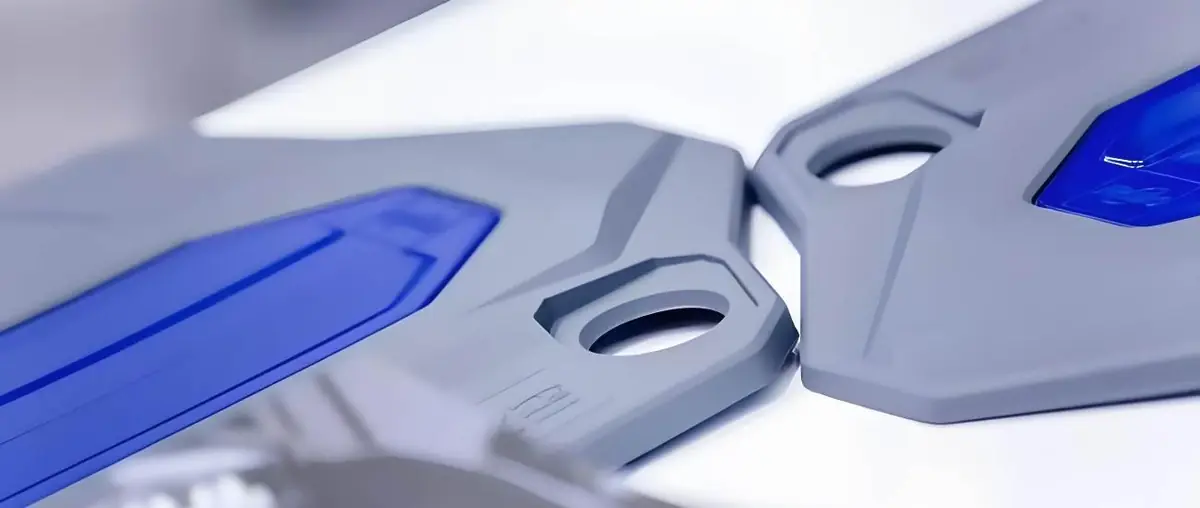
Use the exact resin grades, not a universal yes/no matrix. A supplier-recommended pairing still needs validation for the intended part and service conditions.
| Proposed Pairing | Material Review |
|---|---|
| PP substrate + TPE | Ask for a TPE grade recommended for adhesion to the specified PP grade. A PP-compatible formulation is not automatically suitable for PC or ABS. |
| PC, ABS or PC/ABS substrate + TPE | Review a supplier-recommended adhesion grade for the exact substrate, including fillers and color additives; do not select by hardness alone. |
| Nylon or other engineering substrate | Confirm a compatible overmold formulation, the substrate conditioning and the intended exposure. Material-family names alone do not establish bond performance. |
| Any proposed material pair | Check the supplier guidance, surface condition and molding process, then validate the agreed adhesion or retention requirement on representative samples. |
Material selection reference: Avient TPE overmolding guidance. This is general technical guidance, not a claim of a supplier partnership or approval for your project.
The selected manufacturing partner reviews press capacity, substrate handling, mold design and material compatibility for your part.
Start with the grip, sealing or retention function and use these checks to define the quotation and sample-acceptance scope.

| Project Parameter | Review and Confirmation |
|---|---|
| Part envelope and shot size | Reviewed against the substrate geometry, cavity layout and press selected for the project |
| Material pairing | Exact substrate and overmold grades reviewed with material-supplier compatibility guidance |
| Wall and overmold thickness | Assessed for filling, cooling, retention and the intended grip or sealing function |
| Dimensional acceptance | Critical drawing dimensions, resin conditioning and measurement methods agreed before tooling |
| Cosmetic finish | Texture references, parting lines, gate marks and visible inspection zones defined with the drawing |
| Draft and release | Reviewed against draw depth, surface texture, elastomer flexibility and ejection method |
| Quantity and capacity | Trial quantities, repeat batches and annual demand confirmed with the selected production site |
| Tooling and delivery | Tool build, trials, customer approval and production milestones quoted separately |
| Bond and seal validation | Mechanical retention, peel, pull or leak checks scoped to the intended application |
| Quality documentation | First-article and in-process inspection records defined for the agreed acceptance plan |
Turn the intended grip, sealing or cushioning function into checks your team can approve. Agree the test scope, responsibilities and cost with the quotation, then keep the sample decision linked to the drawing and material revisions.
Agree hardness, texture and visible inspection zones. Use an approved appearance reference and an application-specific grip or retention check where needed.
Specify the test method, load or pressure, conditioning, sample quantity and pass criteria. Passing a pull test does not by itself demonstrate a leak-tight interface.
Identify drawing-critical dimensions and the mating parts used for fit checks. Record the drawing revision, material grades and sample results before approval.
Keep approved samples and the inspection plan as the reference. Review substrate supplier, resin, color, tooling and storage changes before the next batch. Agree tool ownership, maintenance and change-approval responsibilities before purchase.
Send CAD for the substrate and finished part, both material grades, quantities and the checks your team needs for approval. Compare tooling, handling and inspection costs for two-shot molding and separately loaded substrates.
Review My Overmolding ProjectOvermolding adds a functional material layer to a prepared substrate. It can combine grip, sealing or cushioning features with a rigid component, while reducing selected assembly operations.

Reduce assembly costs and improve reliability by combining multiple components into a single overmolded part. Evaluate which fasteners, adhesives or secondary operations can be removed without compromising the required function.

Improve user comfort and control with soft-touch overmolded grips and interfaces. Custom textures and durometers can be tailored to specific applications, reducing user fatigue and improving safety.

Design a sealing interface around the intended environment. Leak, ingress and chemical-exposure requirements need application-specific validation; overmolding alone does not establish an IP rating or eliminate every gasket.

Reduce noise and vibration with strategically placed elastomeric overmolds. Improve equipment performance and longevity while enhancing user comfort and reducing fatigue.

Differentiate your products with multi-color, multi-texture overmolded components. Incorporate branding elements directly into the part while improving visual and tactile appeal.

Compare tooling, substrate handling, material, inspection and assembly costs across expected order quantities. Part consolidation can reduce some costs, but savings depend on the design and production plan.
Our overmolding process combines precision engineering with advanced manufacturing techniques to create seamless, multi-material components.
Depending on your project requirements, we utilize either two-shot molding or insert molding processes.

Durable, aesthetically pleasing components for interior and exterior applications, including handles, knobs, and trim pieces.
See More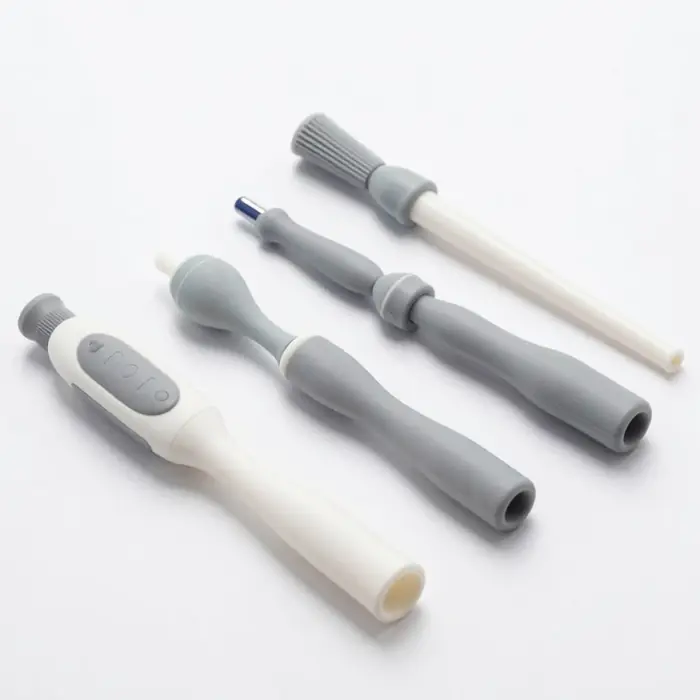
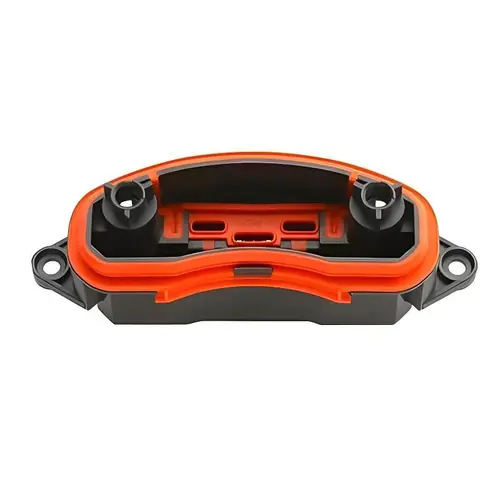
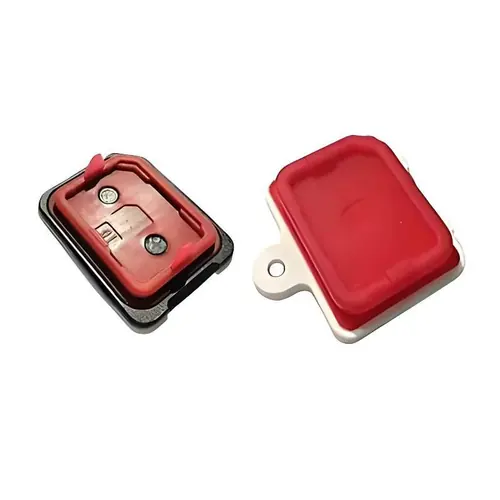
Material documentation, contact requirements and any controlled-environment operations are reviewed for medical and diagnostic components.
See More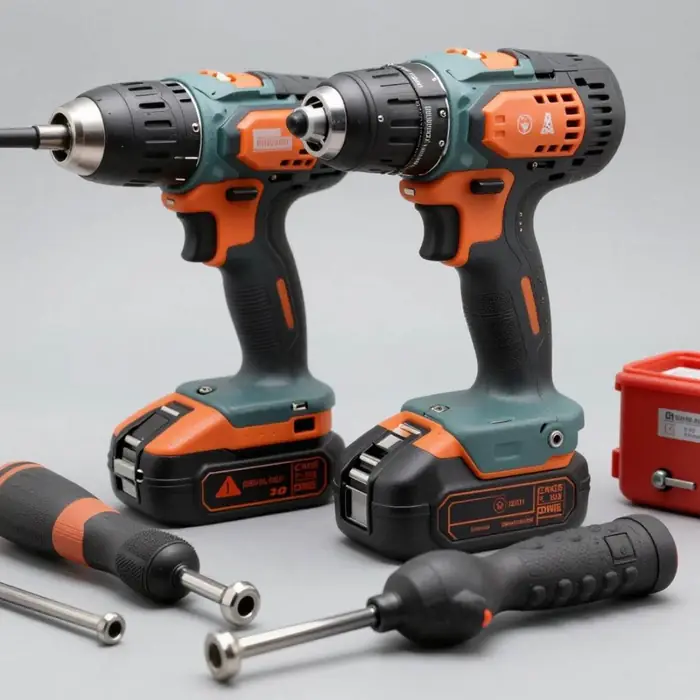
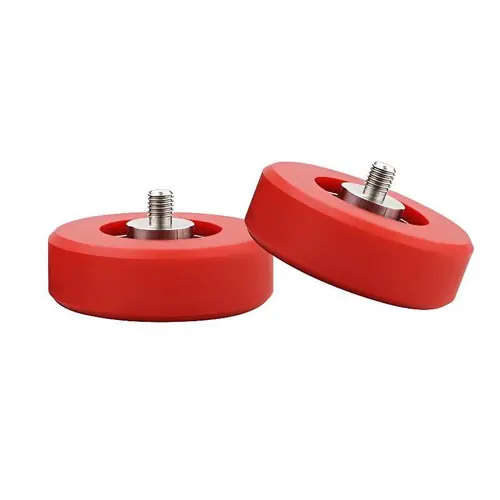
Ergonomic, durable tools and equipment with enhanced grip, vibration dampening, and environmental protection.
See More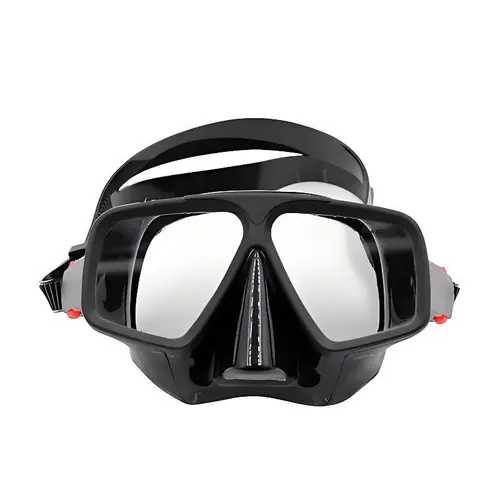
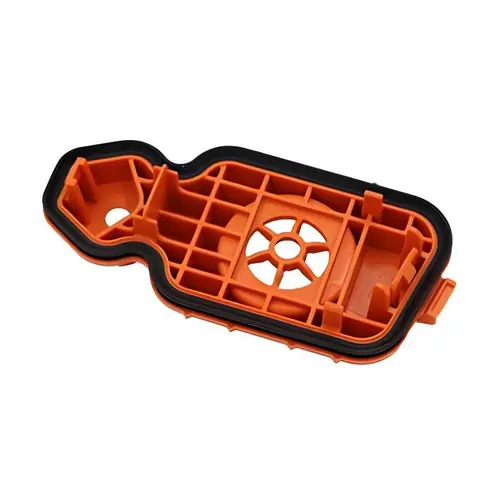
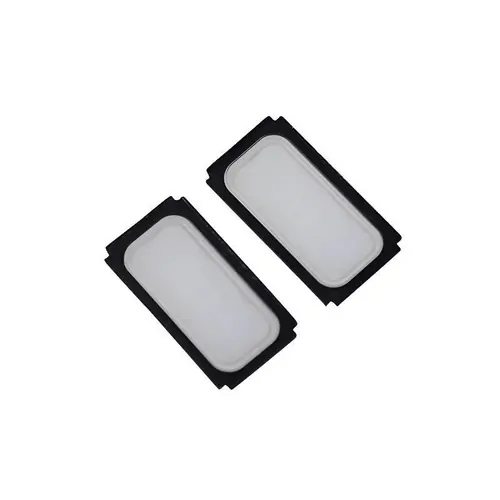
From requirements to release
An overmold quotation should explain what arrives at the mold, how it is located and how the finished interface will be accepted. A material pairing alone is not a bond specification.
Both material grades, substrate CAD and samples, surface and storage history, grip or seal function, environmental exposure and proposed acceptance method.
A review of compatibility, mechanical retention, shutoffs and substrate location.
Decision to agreeConfirm whether the project needs chemical adhesion, geometric retention or both.
Agreed checks for substrate revision, dimensions, contamination and handling.
Decision to agreeDefine responsibility for customer-supplied part variation and rejected incoming pieces.
Identified assembled samples with the agreed appearance, retention or bond-test observations.
Decision to agreeSpecify conditioning, load direction, specimen count and failure criterion before comparing results.
A controlled substrate source, elastomer grade, preparation route and approved sample.
Decision to agreeReview changes in colorant, release agent, cleaning or surface treatment before reuse.
Illustrative RFQ example
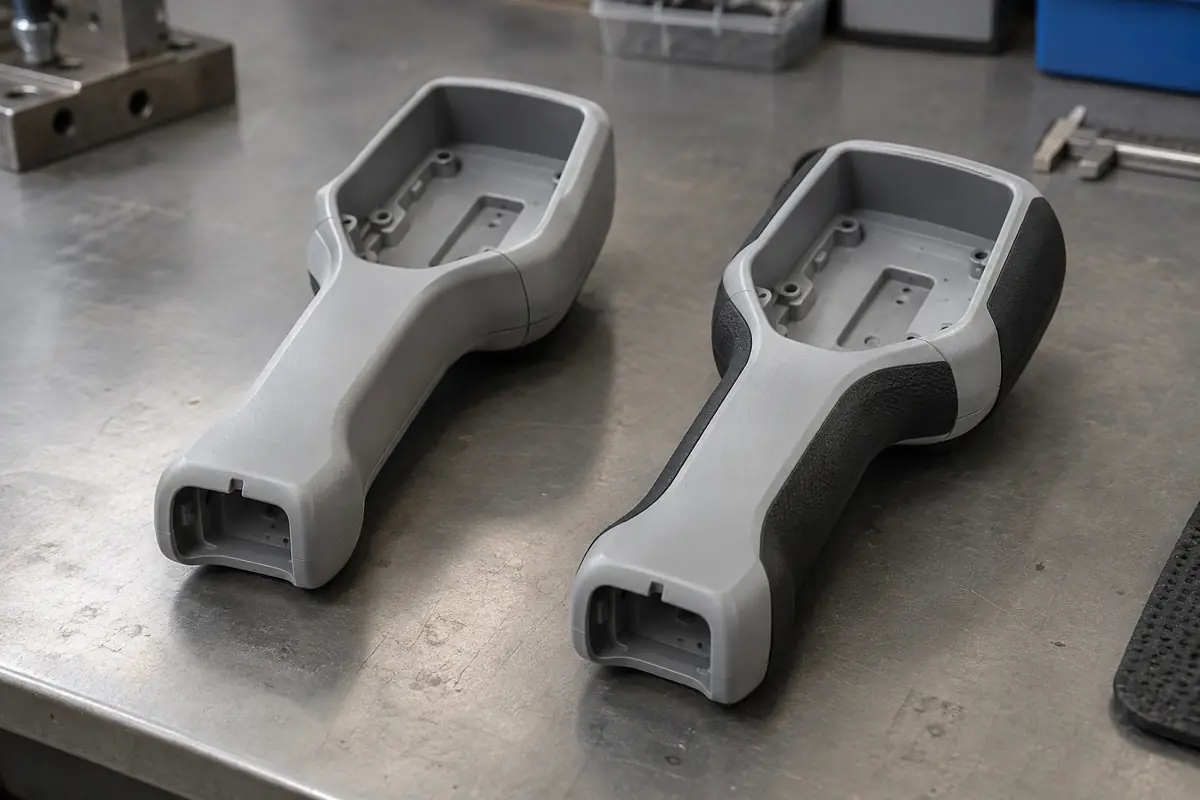
Suppose a handheld instrument needs a rigid housing with a softer grip. This hypothetical brief shows which decisions would shape a quotation before a tool is commissioned.
Ready to enhance your product with custom overmolding?
Contact us today to discuss your project requirements and receive a competitive quote.
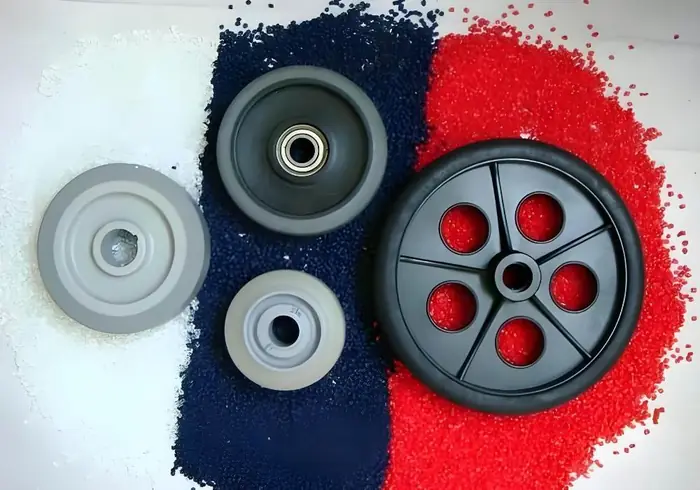
Review the exact substrate, elastomer grade and intended exposure before approving a material pair.
Read More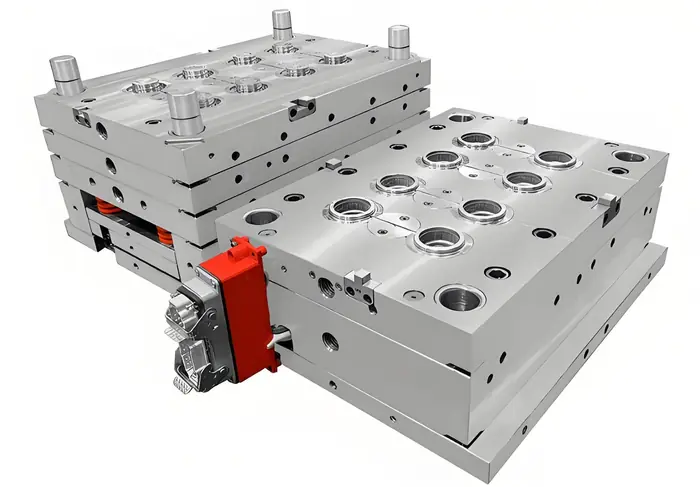
Discover how overmolding works to create multi-material injection molded parts with enhanced functionality and design flexibility.
Read More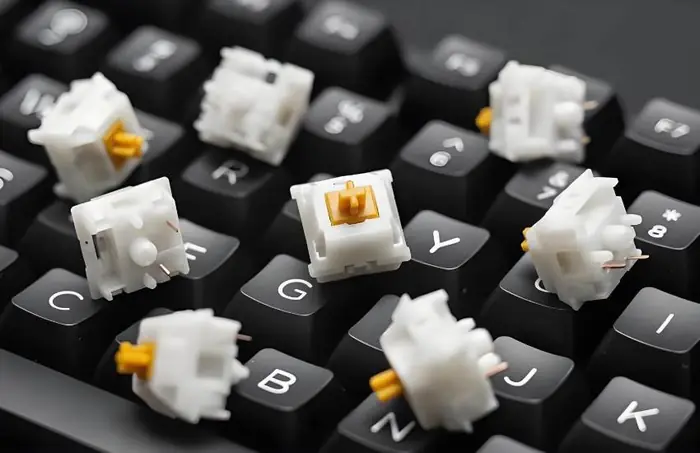
Overmolding adds soft functional layers over a plastic substrate. Insert molding embeds metal or components in plastic. Comparison table, material guide, DFM tips, and decision framework inside.
Read More