info@fecision.com

Injection Molding Materials: Matching Resin and Silicone to Part Function

Injection molding materials at Fecision get selected by what the part has to do, not from one default resin: carry current, hold a dielectric under thermal cycling, take structural load, or seal against water to an IP rating.

Explore Materials
Injection molding production equipment
30material grades organized by part function

Start before the mold is cut

Why Material Selection Matters

Material choice determines more than whether a part is strong enough. It sets the balance between mechanical performance, appearance, production cost, and how long the part lasts in the field. The wrong resin for the job shows up as warping, brittleness, or dimensional drift — problems that are expensive to trace back to a material decision once a mold is already cut and a production run is underway. Getting it right starts with weighing the same handful of factors any molded part gets evaluated against, regardless of industry or application.

Key Factors in Injection Molding Material Selection

01

Mechanical Properties

Strength, stiffness, and impact resistance determine whether a part survives its intended use. The common mistake here is using a lower-strength or brittle material on a load-bearing feature because it molds more easily or costs less, which shows up later as cracking or premature failure under real-world stress rather than in a lab test.

02

Chemical and Environmental Resistance

Parts exposed to solvents, oils, moisture, or UV light need a resin that resists degradation rather than swelling, yellowing, or turning brittle over time. A material specified without accounting for its actual operating environment (outdoor UV exposure, repeated contact with cleaning chemicals, high humidity) tends to fail on the shelf or in the field.

03

Temperature Tolerance

A material has to hold its shape and mechanical properties across whatever temperature range the part sees in use, not just at room temperature. High-temperature environments call for engineering resins with a higher heat deflection point; cold environments call for materials that don't turn brittle at low temperatures.

04

Dimensional Stability and Shrinkage

Reinforced resins in particular don't shrink uniformly, so the shrinkage rate needs to get locked in consideration of data like wall thickness or glass-fiber content during DFM.

05

Surface Finish and Aesthetics

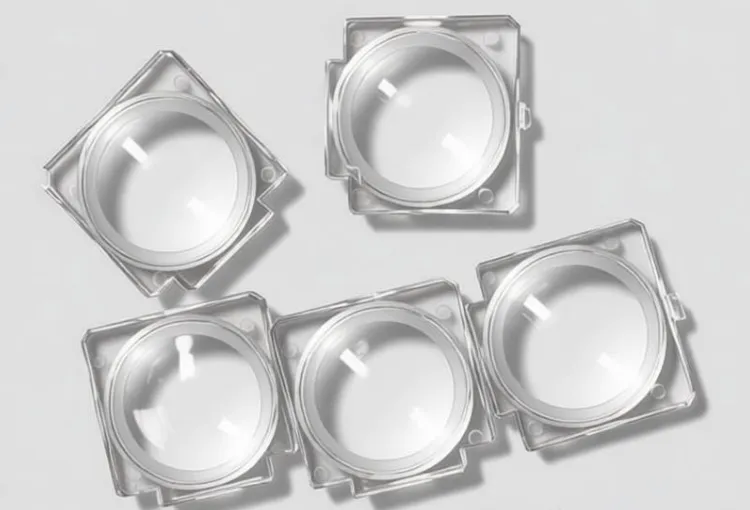
Gloss level, colorability, and transparency vary significantly by resin family, and surface appearance affects both brand perception and functional issues like light transmission or glare.

06

Regulatory Compliance

Materials headed for medical, electronics, or food-contact applications need to meet the relevant standard before a mold gets cut, not after.

Browse by performance tier

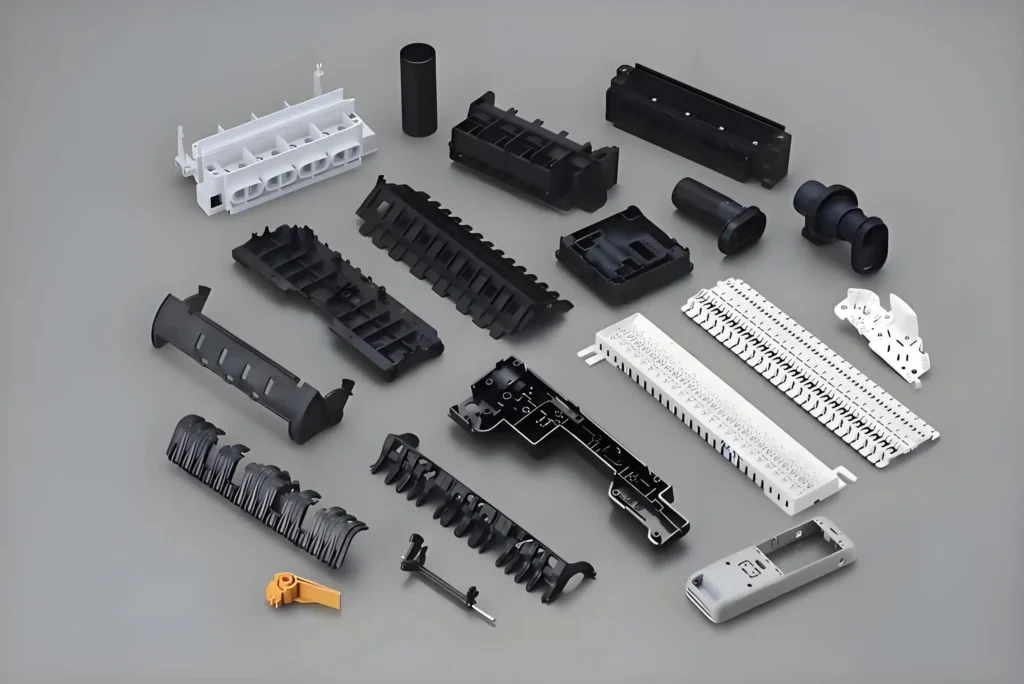
Materials Fecision Works With

01

Commodity Plastics

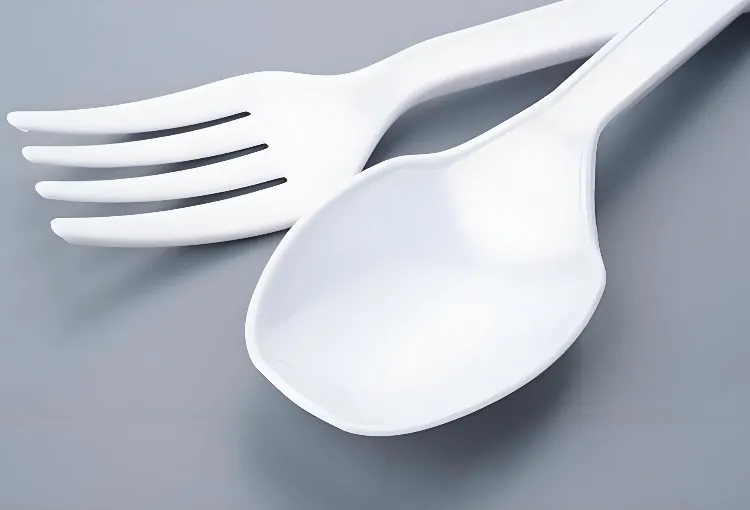
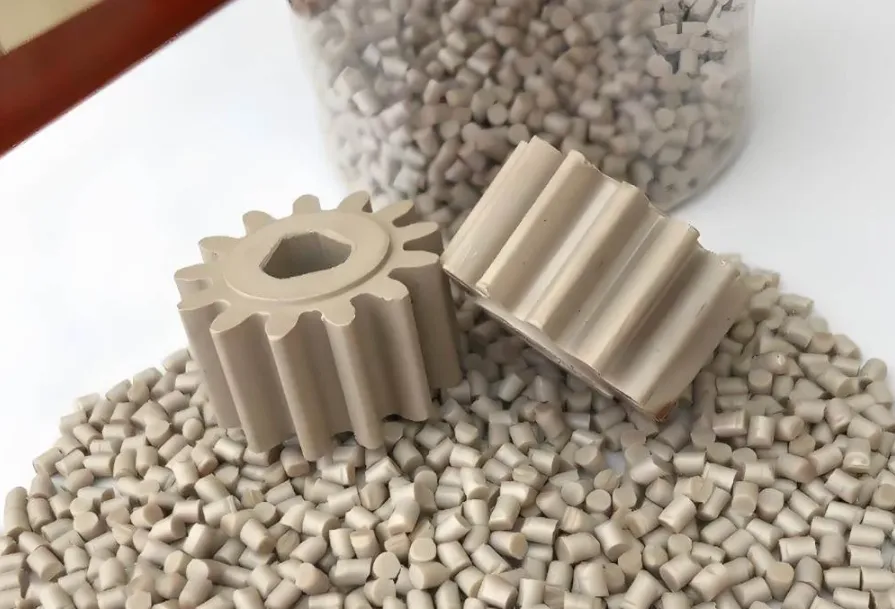
Commodity plastics are the workhorses of the injection molding industry — low-cost resins produced at massive scale, easy to process, and suitable for the vast majority of consumer, packaging, and general industrial parts. They offer good (not extreme) mechanical, thermal, and chemical performance, with continuous service temperatures generally below 80–100°C.
ABS

Acrylonitrile Butadiene Styrene

  • High impact strength & toughness; good surface finish (easy to plate/paint); good dimensional stability; easy to process & machine
Typical applications

Automotive interior trim; electronics housings; consumer products & toys (LEGO); appliance parts

Price level

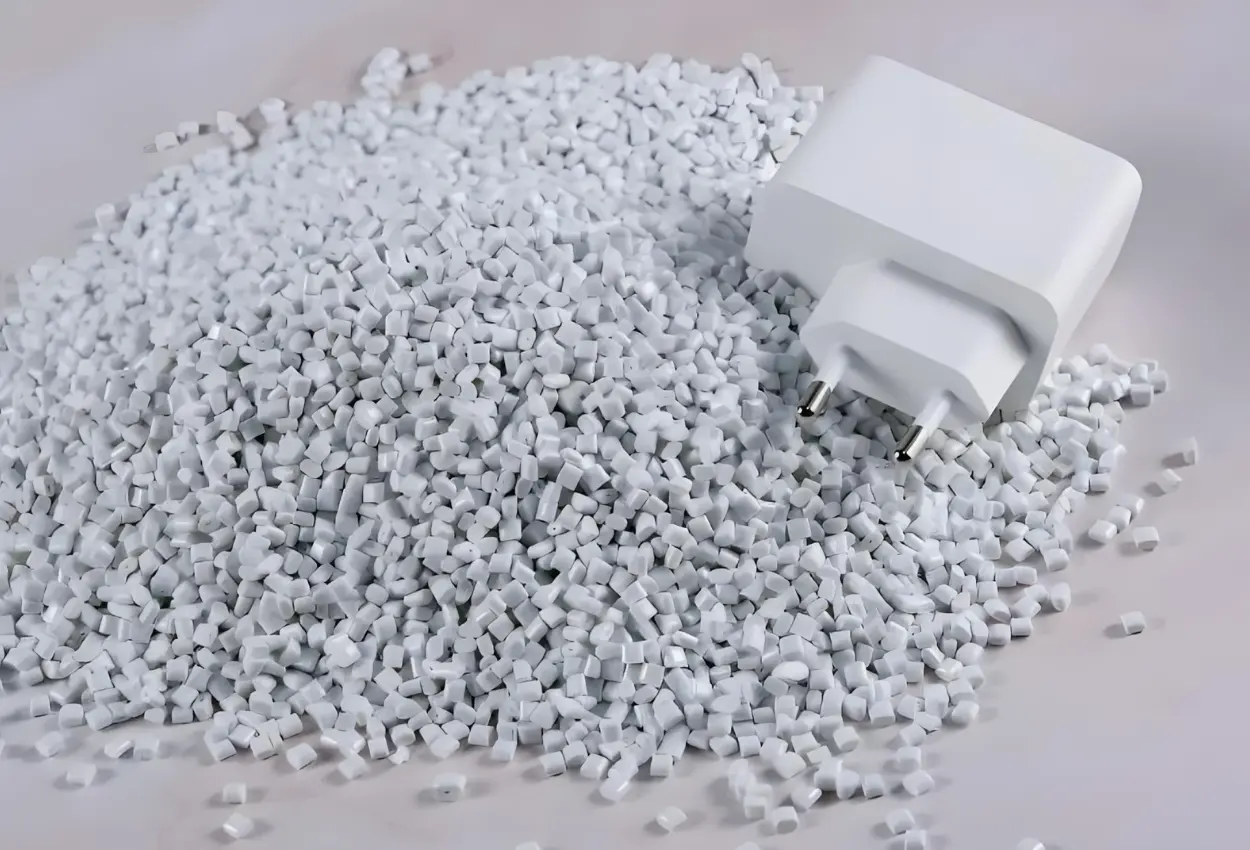
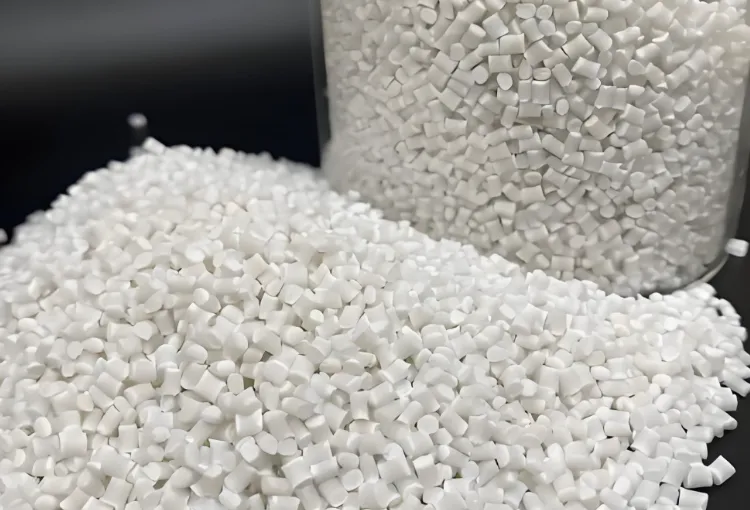
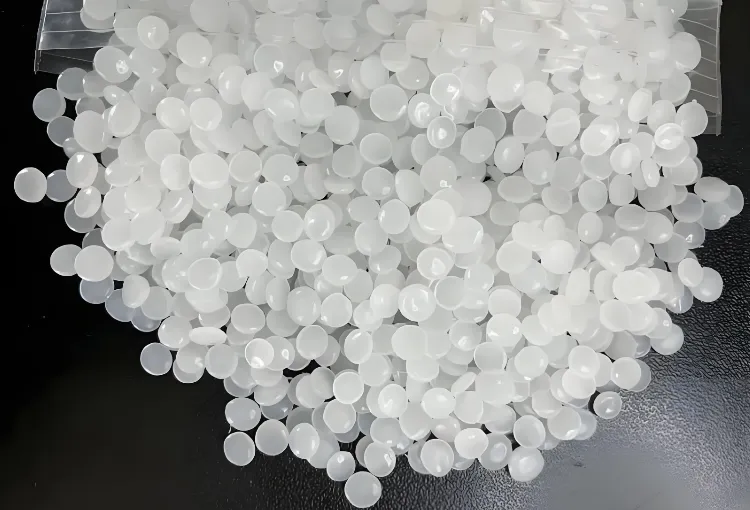
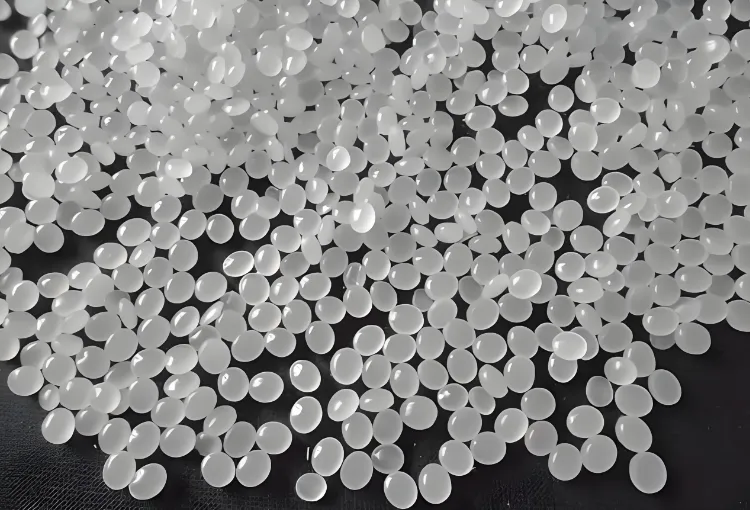
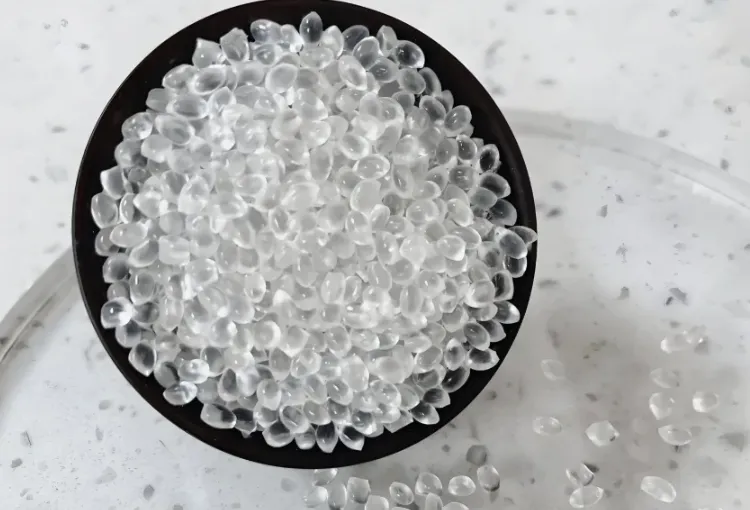
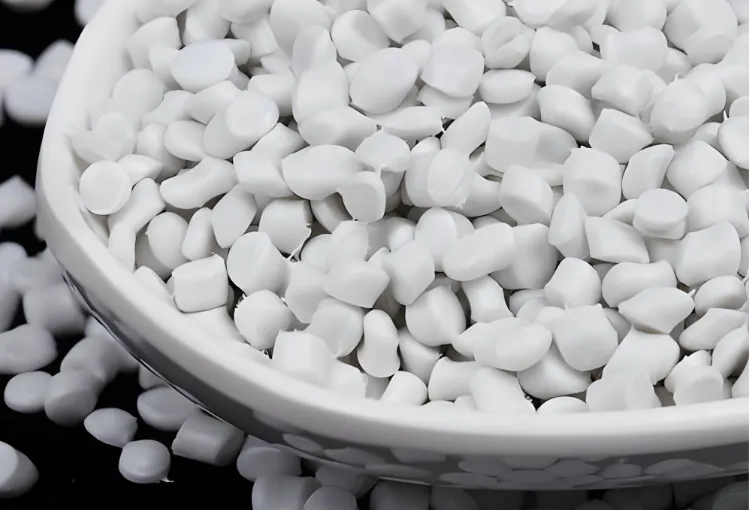
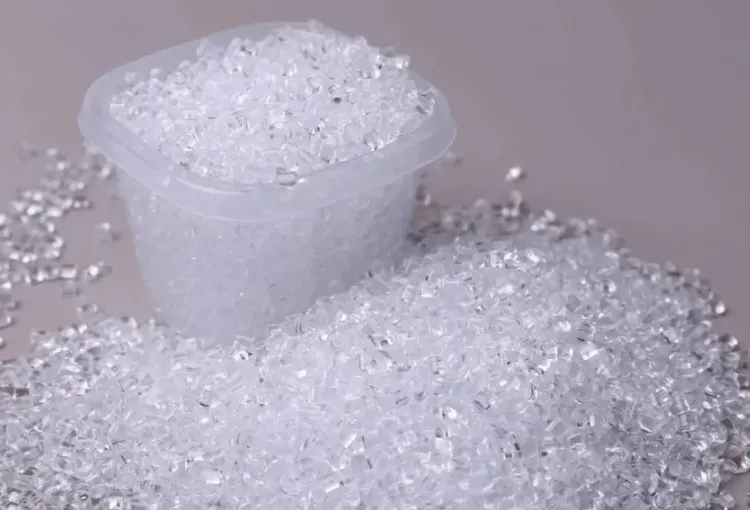
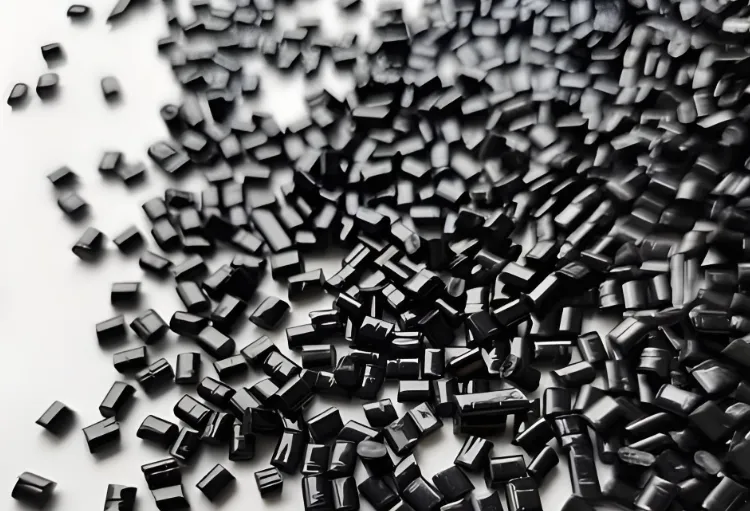
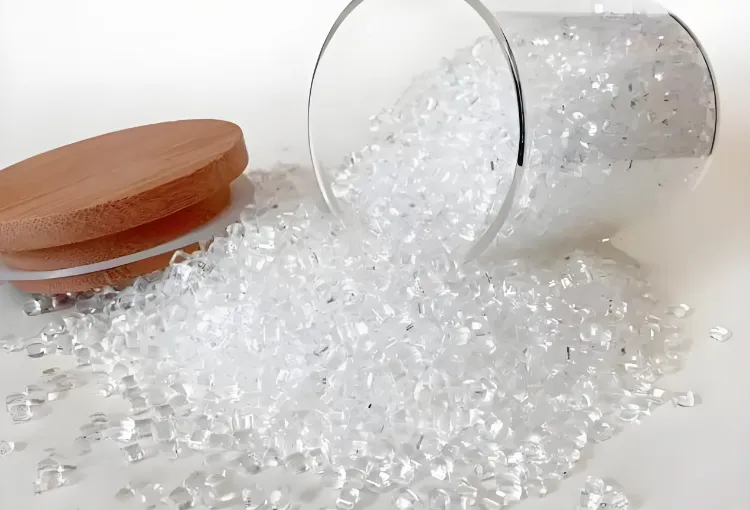
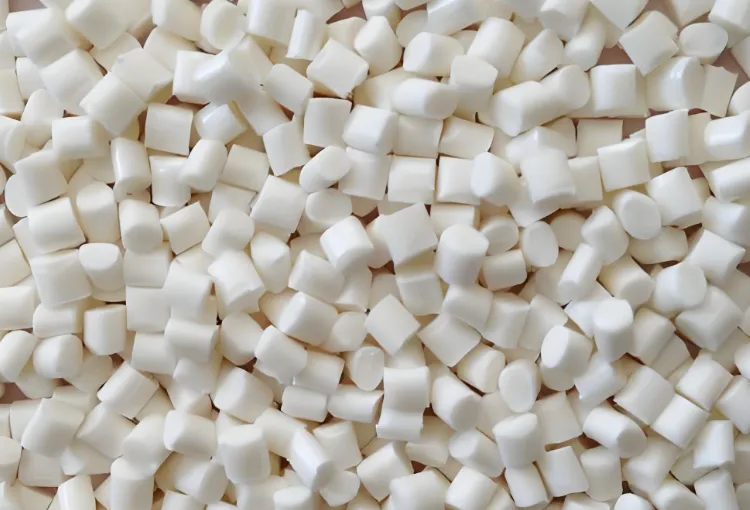
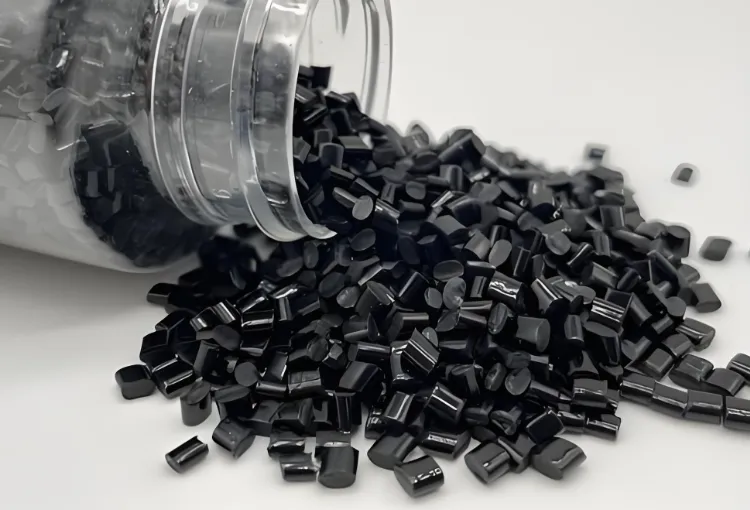
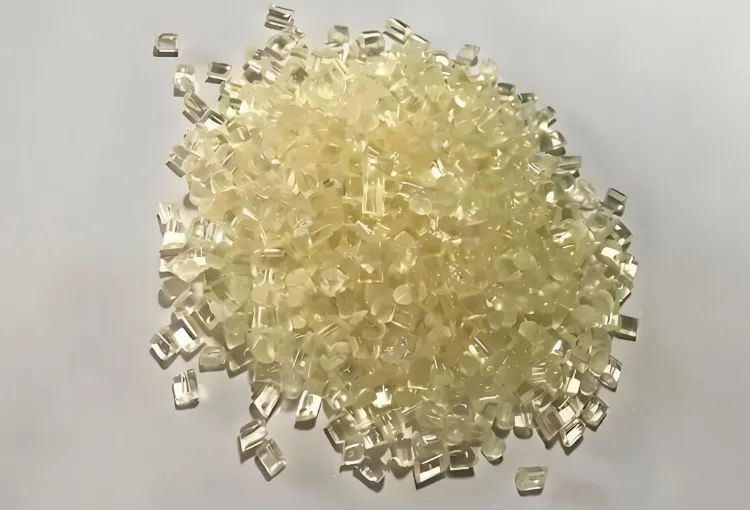
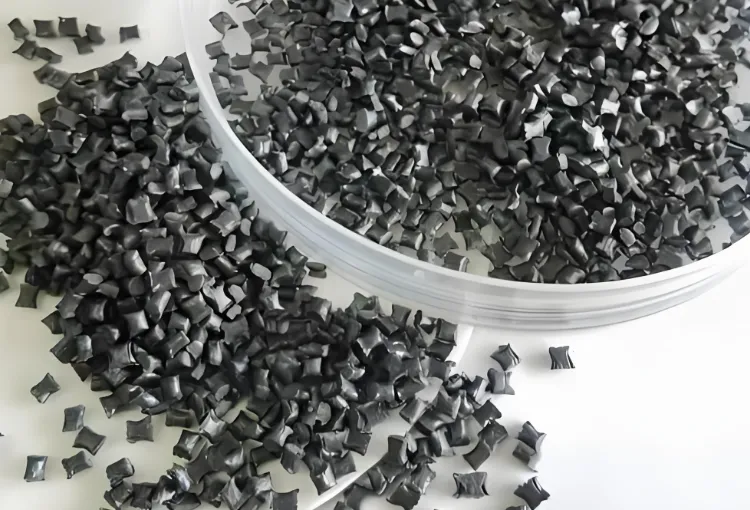
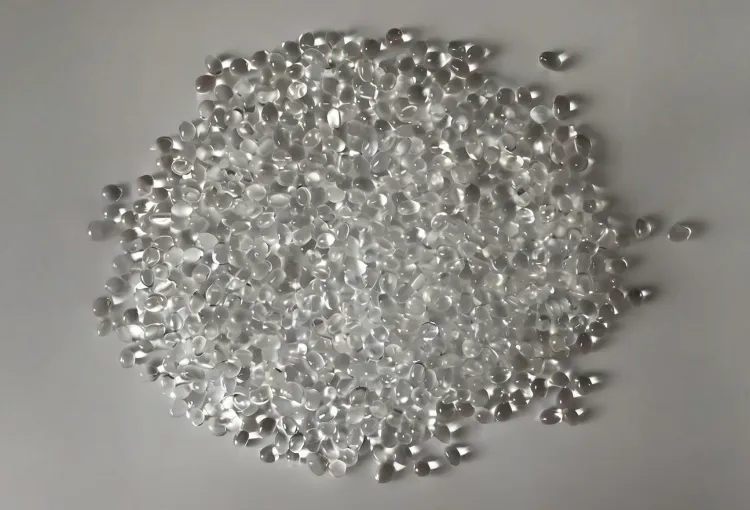
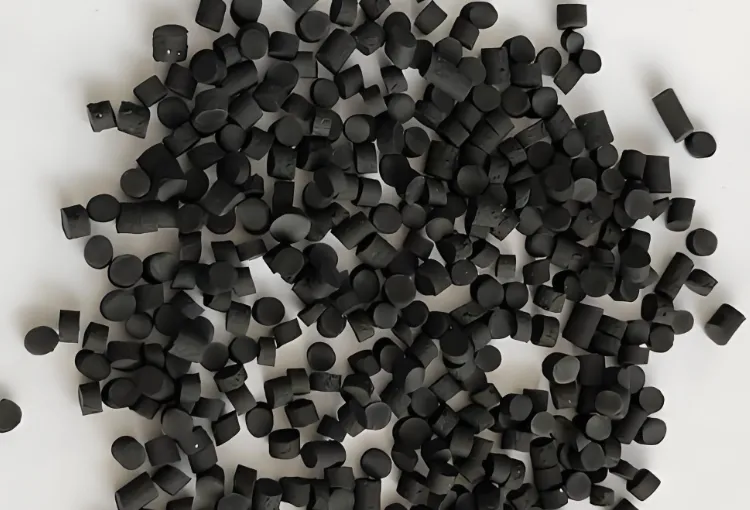
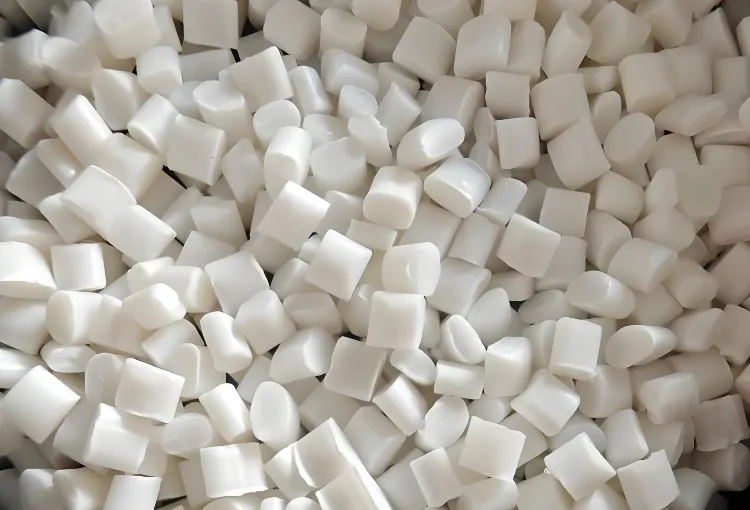
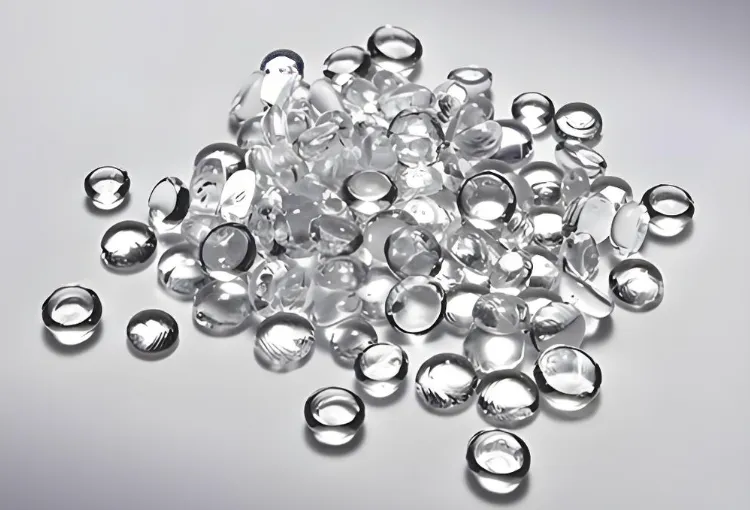
Acrylonitrile Butadiene Styrene resin
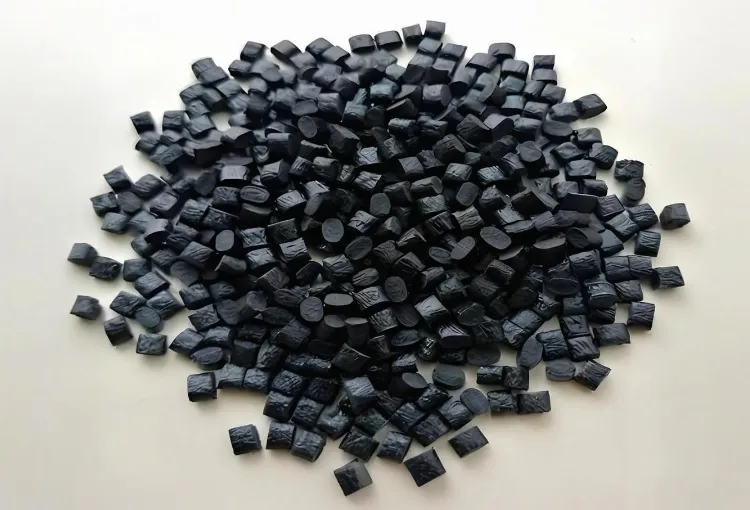
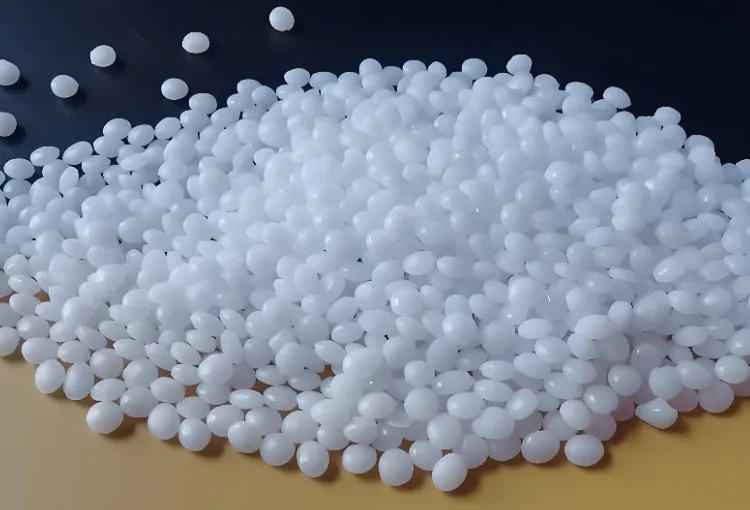
Material resin
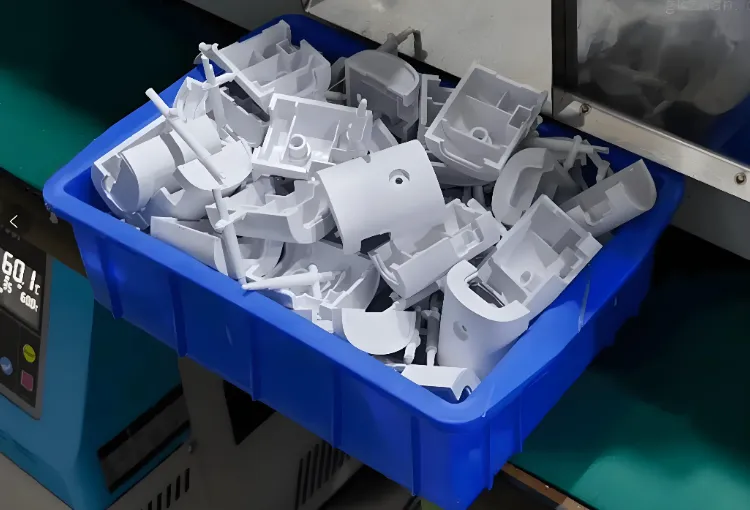
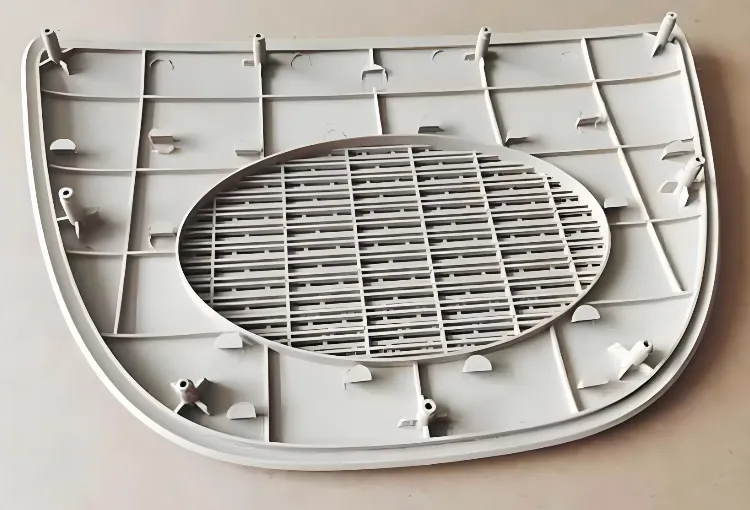
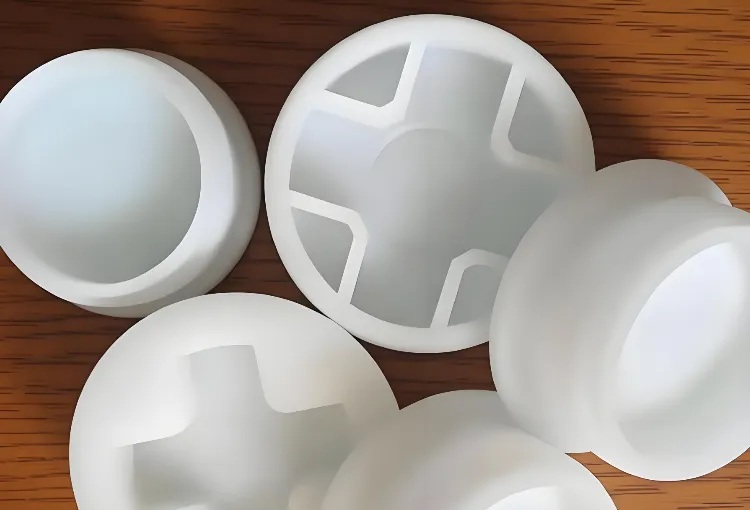
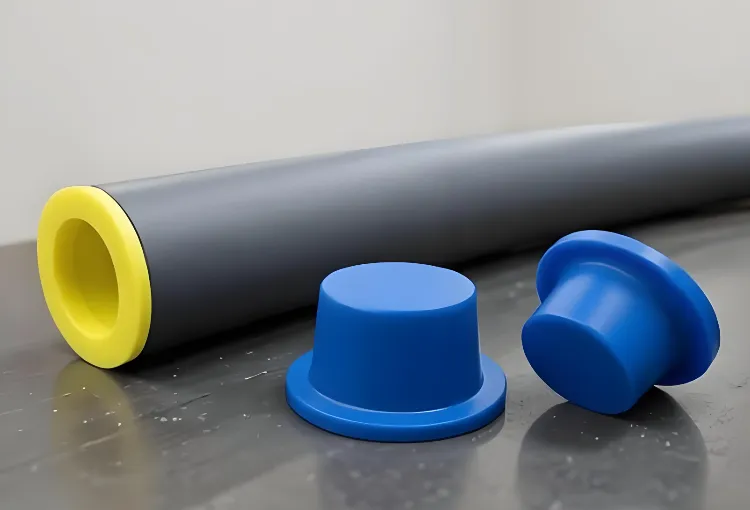
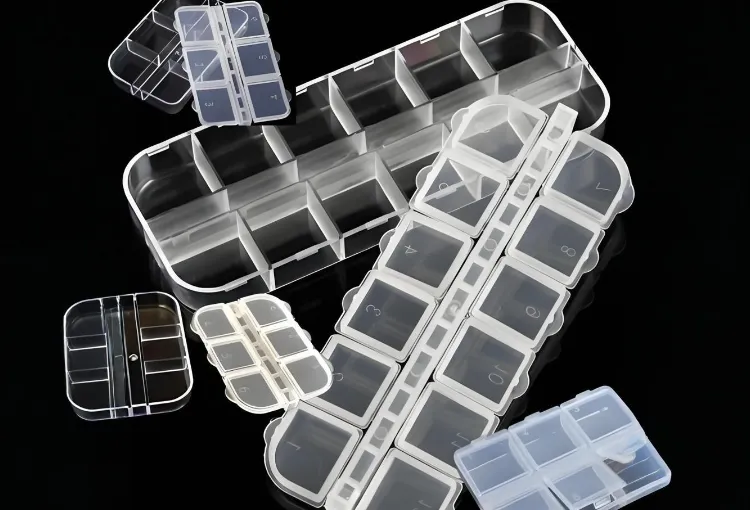
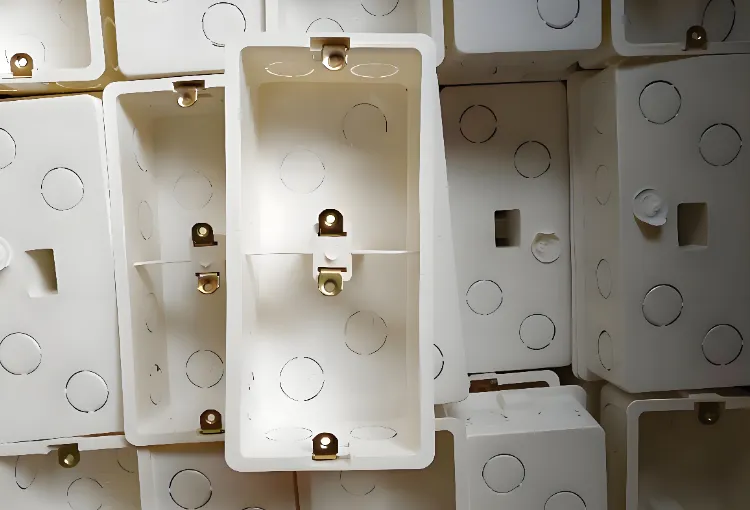
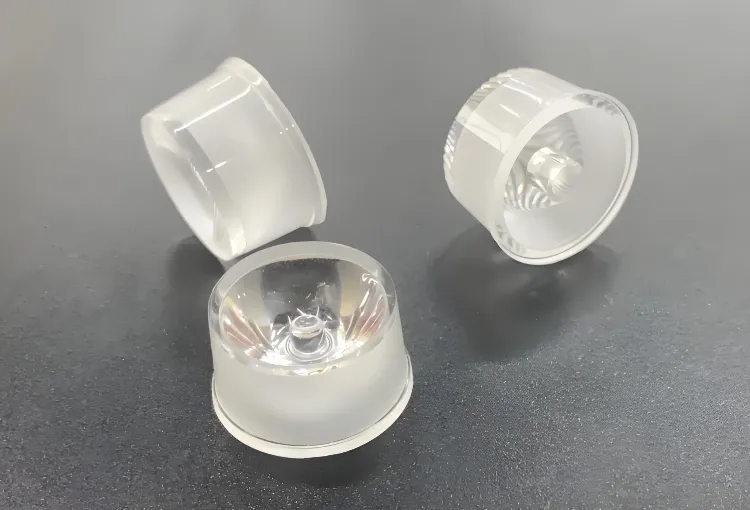
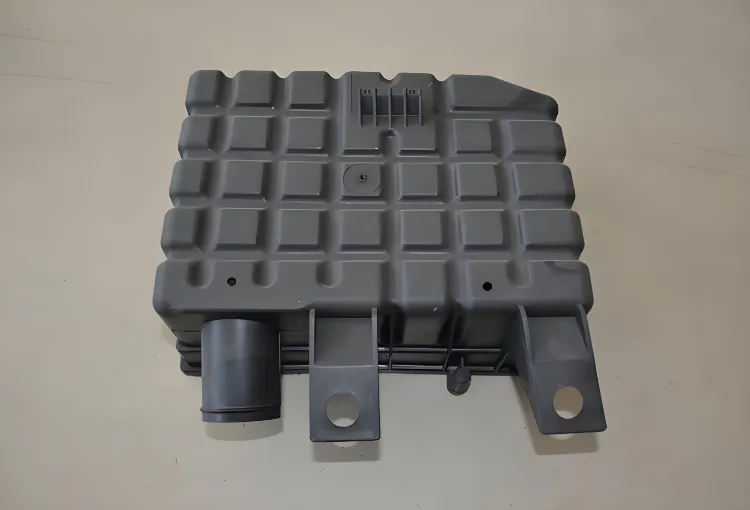
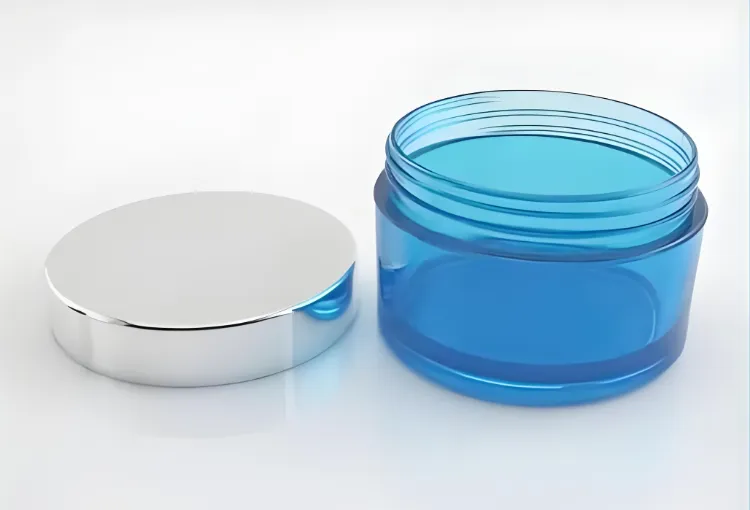
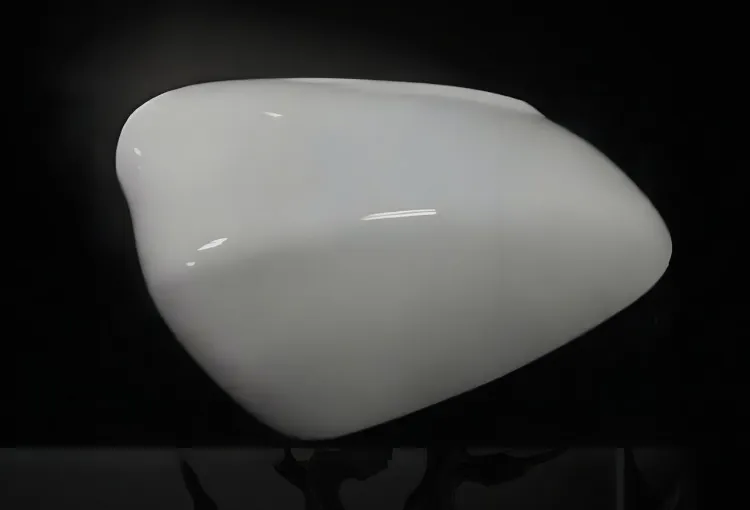
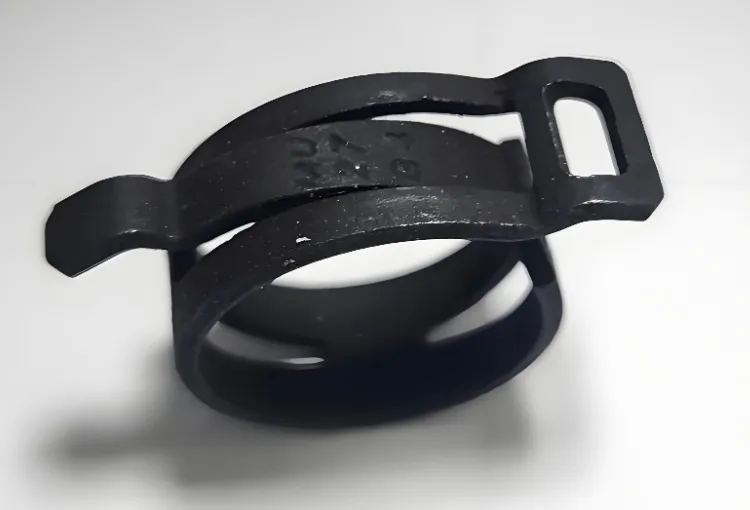
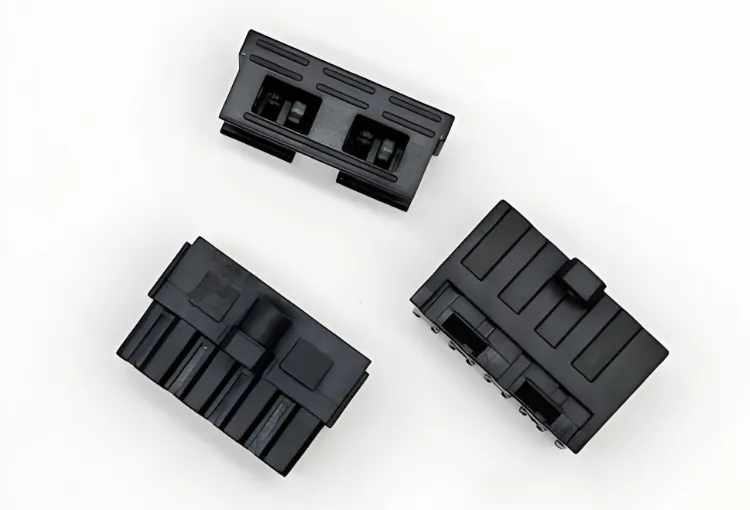
Acrylonitrile Butadiene Styrene injection molded parts
Injection molded parts

Core molding experience

Injection Molding Materials
Fecision Specializes in

Injection molding production
Prototype injection molded parts

From validation to production

How Prototype Material Choices Carry Into Production

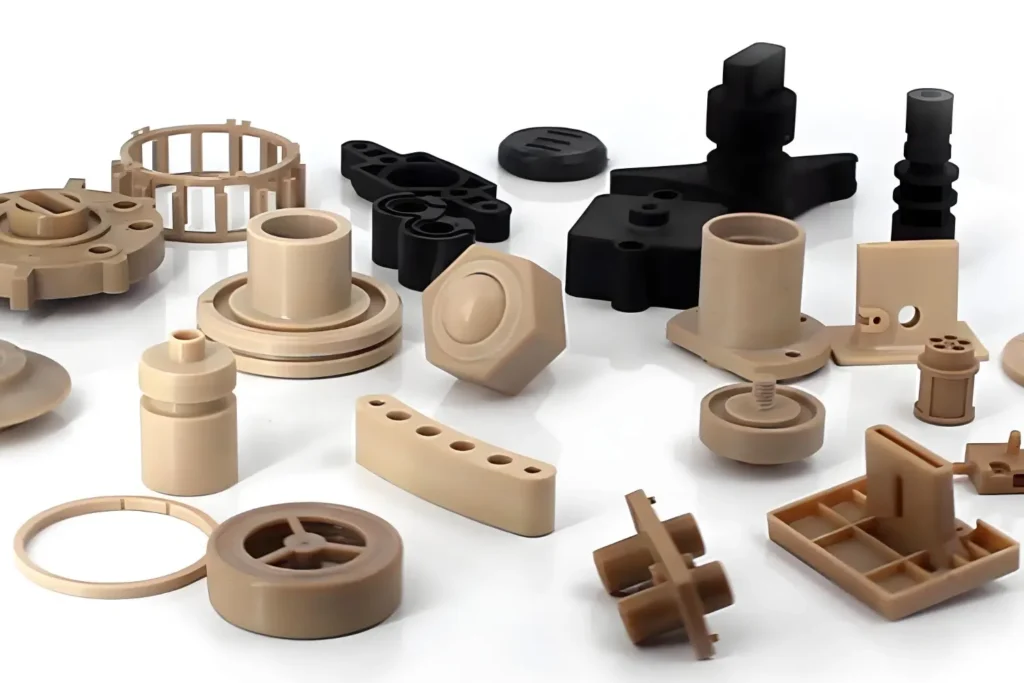
Validation-stage prototypes don't always run on the final production resin. 3D printed parts use light-curing resin, nylon, PLA, or ABS; CNC prototypes add PC, PEEK, or POM. Trial-production runs on rapid tooling switch to the customer's specified production material — or a documented equivalent — so the material behavior carries forward correctly once the design reaches a production mold.

Discuss Your Material

Request A Quote

Tell Us About Your Project

Fields marked with are required.

By submitting this form, you agree that Fecision may use the supplied information to respond to your inquiry.