
Custom molded parts · Made to your design
Custom Injection-Molded Protective Caps and Plugs
Protect the right surface, stay attached through the required route, and remove in the intended way.
Discuss custom thermoplastic caps and plugs for temporary component protection. We review the mating interface, exposure and handling sequence before confirming resin, tooling and acceptance. This is made-to-design supply, not a universal fit or pressure-seal catalog.
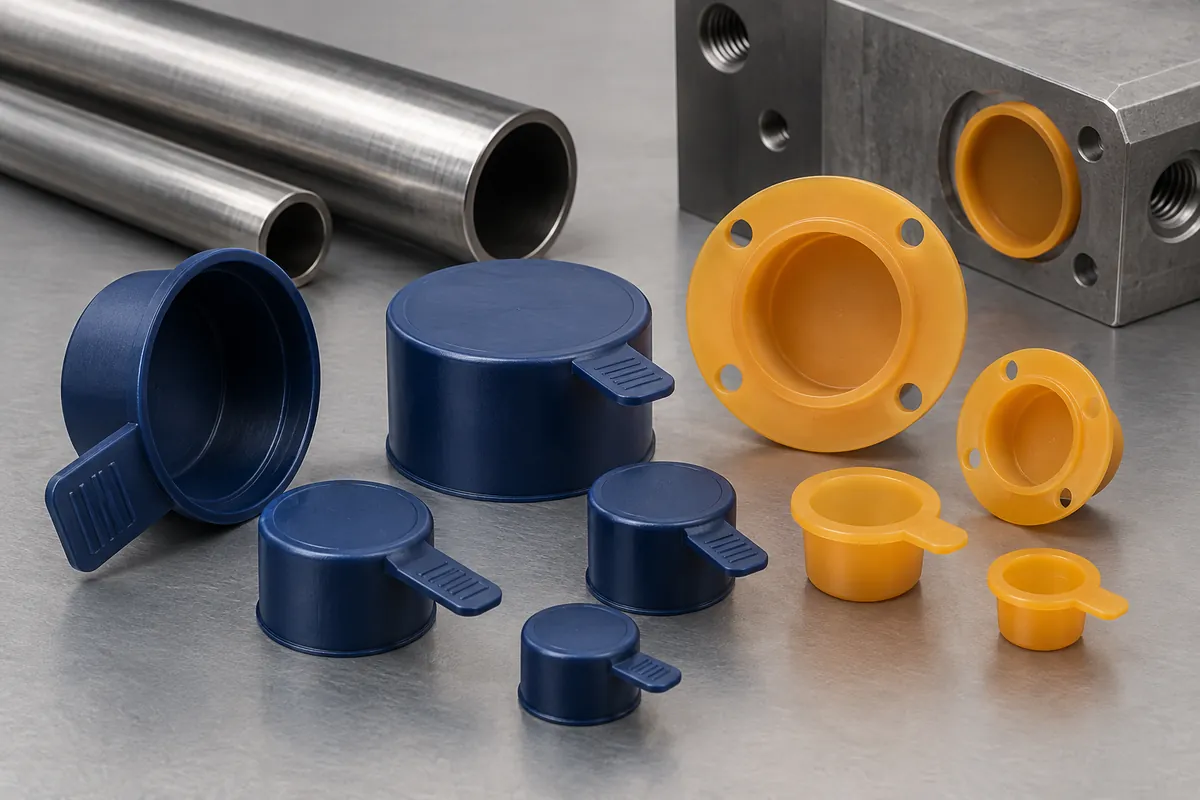
Product details
Contact surfaces, retention details and removal access
Explore industrial protective-part configurations and the geometry that makes their intended function clear.
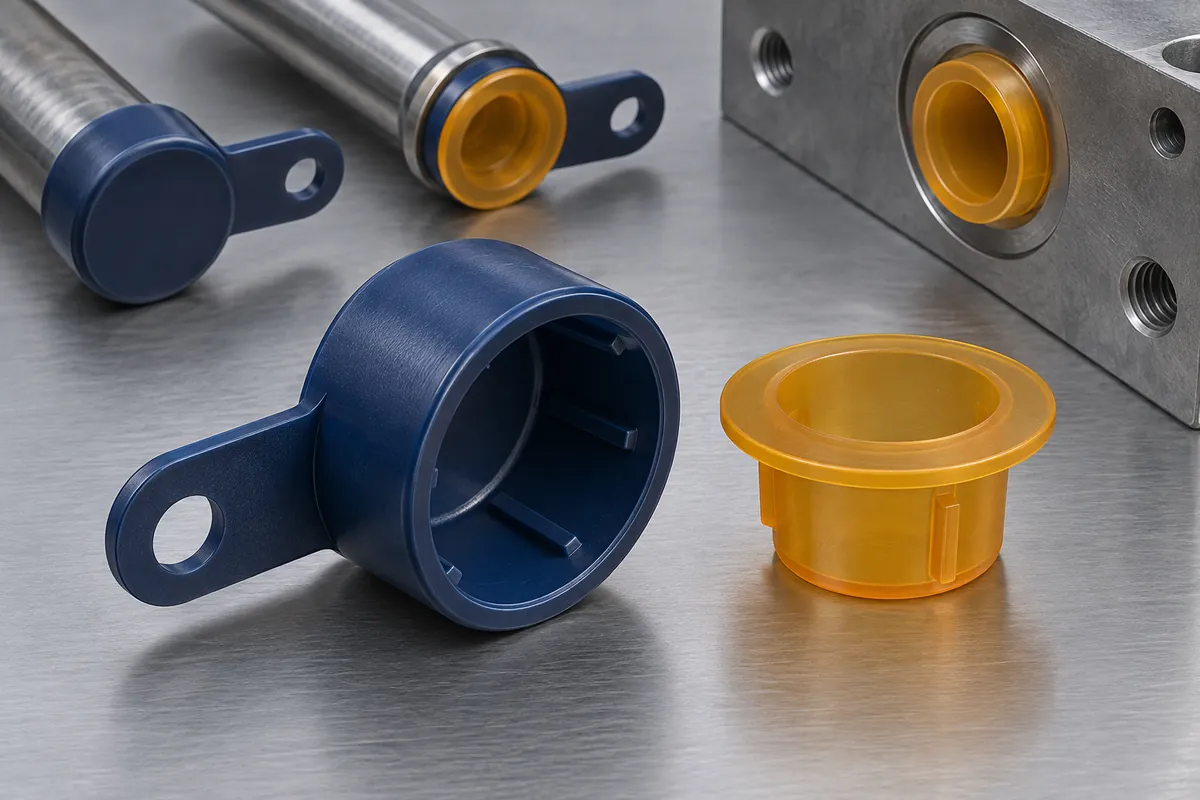
Cap and plug forms
Choose the external or internal interface that fits the actual protection requirement.
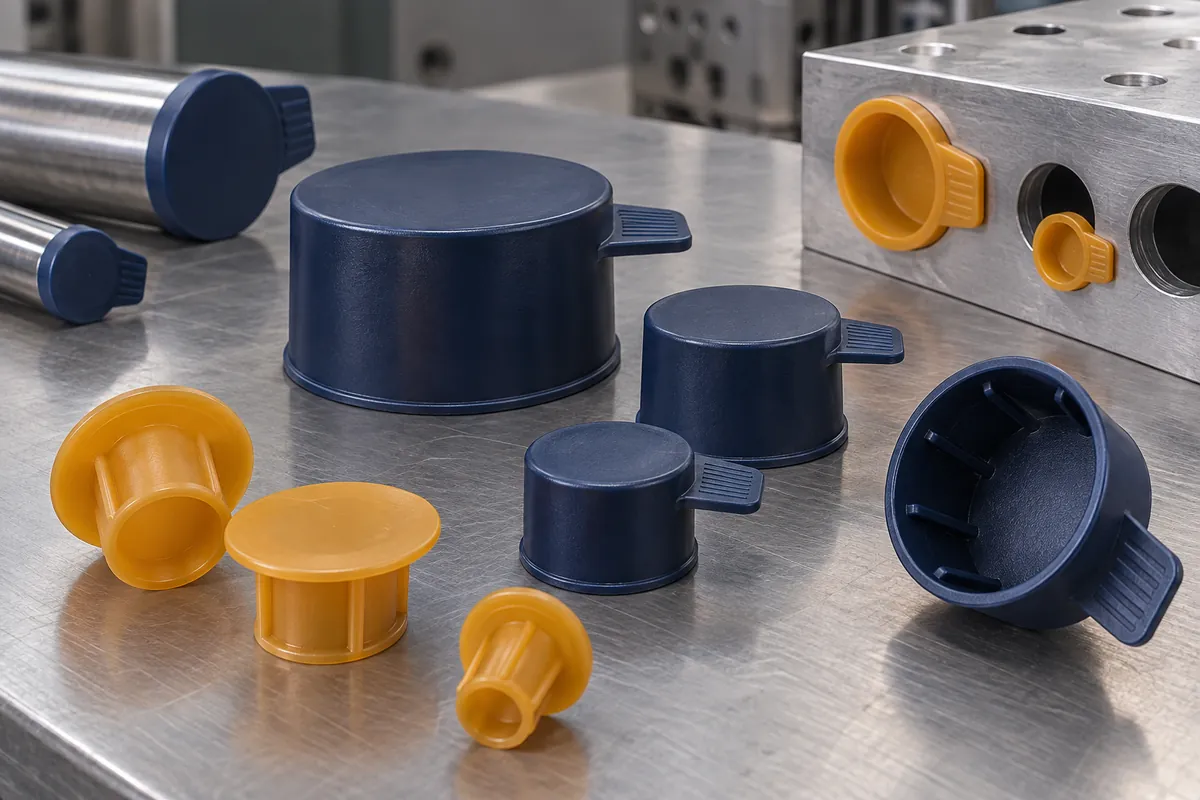
Internal retention ribs
Review engagement with the counterpart tolerance range and surface condition.
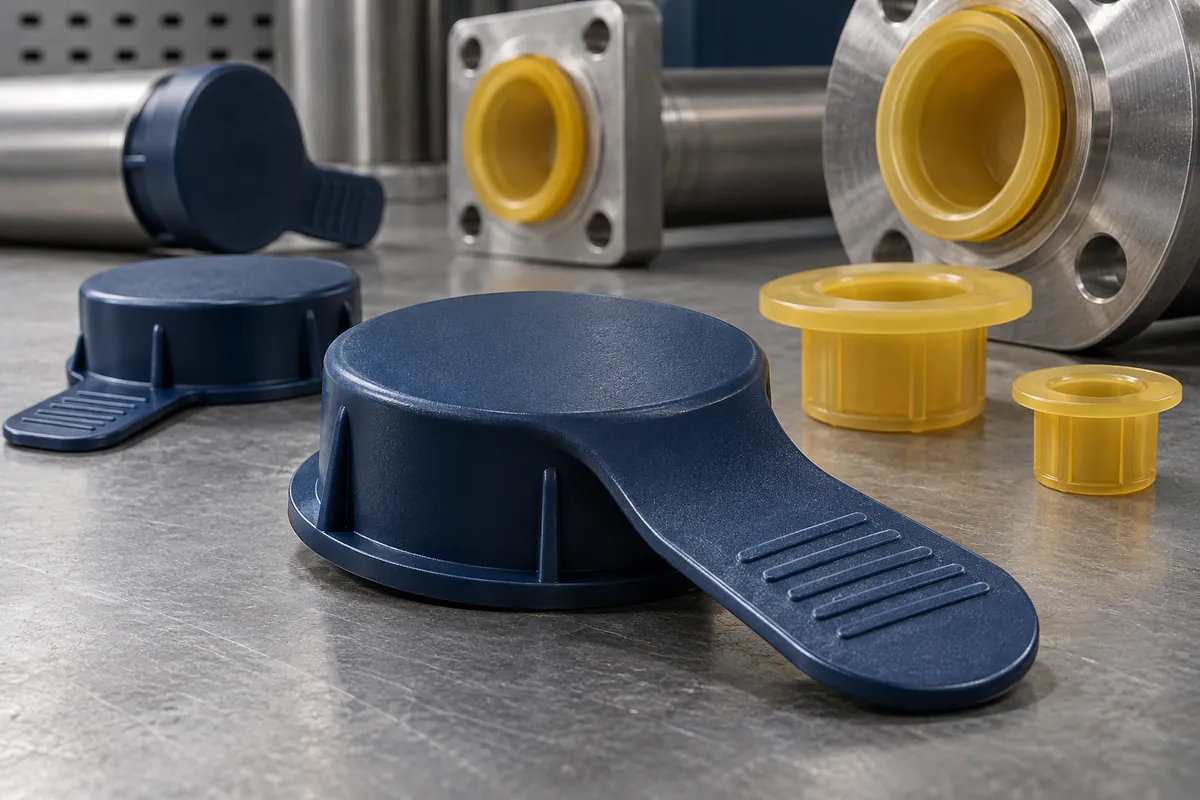
Removal tab
Provide access and a defined removal action without overlooking handling interference.
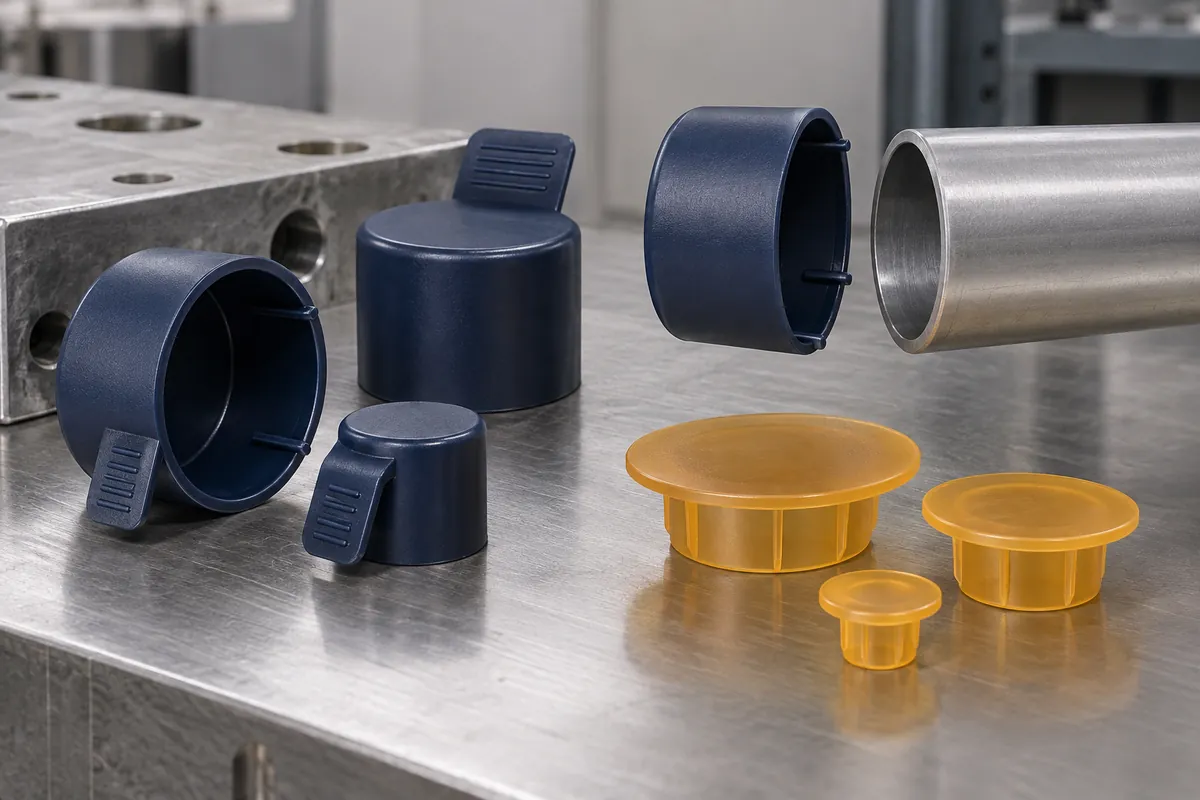
Mating interface
Send the component drawing, not only a nominal diameter.
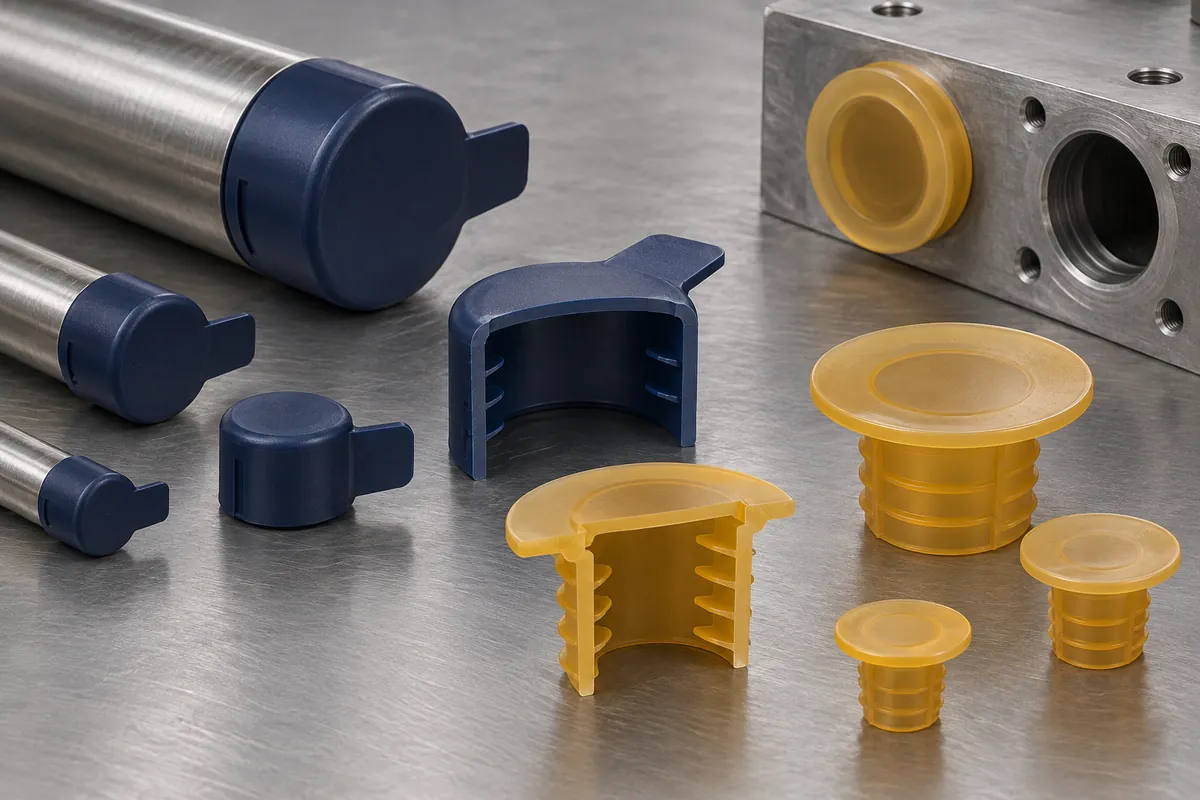
Section details
Compare outside-cover and inside-bore configurations with their actual contact restrictions.
Illustrative configurations. Final specifications follow your approved drawings.
Application fit
Temporary protection designed around your component
A cap may protect an external edge, while a plug may cover an opening. The correct design depends on the route from installation to removal and the surfaces that must remain unchanged.
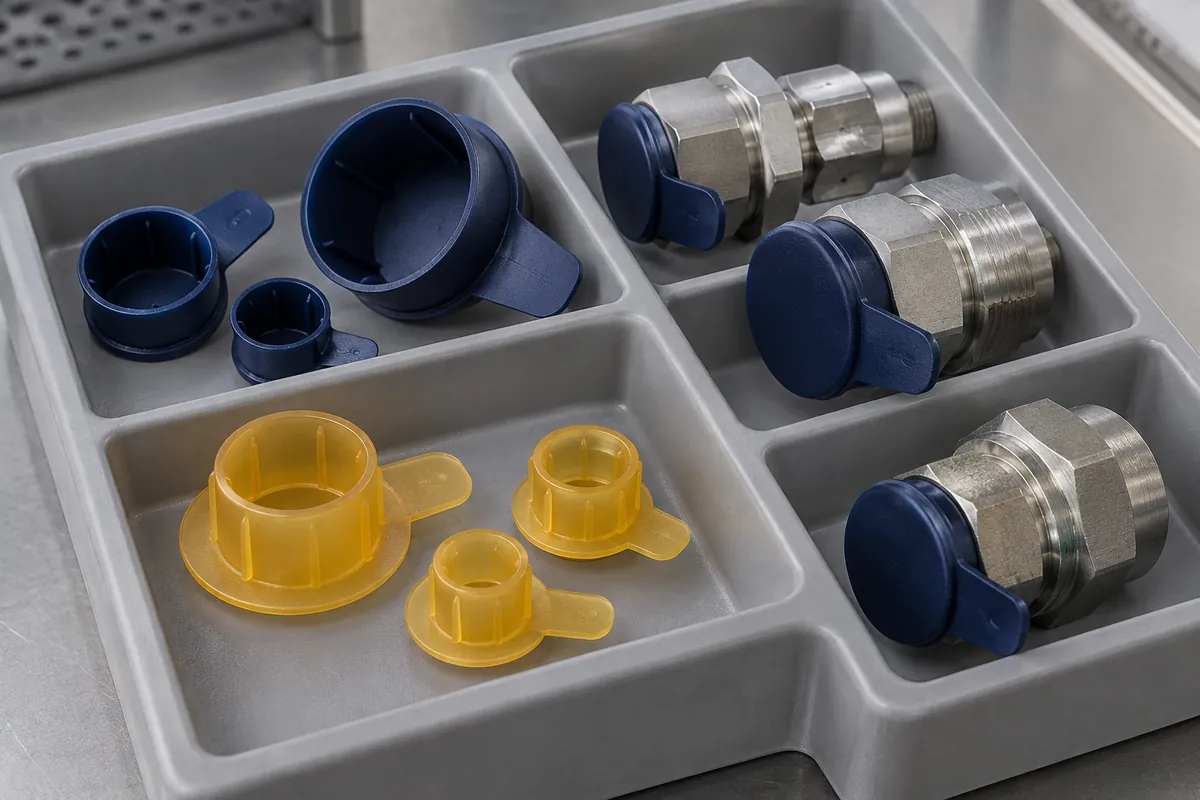
Tube and fitting end caps
Custom external covers for defined handling and storage needs. Review edge geometry, engagement length, packaging contact and removal access.
Port and bore plugs
Custom internal protectors for drawing-defined openings. Identify seating, contact restrictions and the permitted removal method.
Special interface protectors
Unique shapes, tabs or locating features where standard catalog parts do not meet the verified requirement. Process masking needs a separate exposure review.
Quote-ready inputs
What to send for a meaningful quotation
Use the same drawing and requirements for every proposal. Mark open decisions explicitly so that a low price does not conceal a different deliverable.
| Area | Please provide | Review before release |
|---|---|---|
| Counterpart | CAD, drawing, tolerance range, surface and edge condition. | External cap versus internal plug, contact and keep-out surfaces. |
| Protection job | Handling, storage, transport or defined process sequence. | Specify the threat and the required condition after removal. |
| Fit and handling | Installation, seating, retention and removal requirements. | Access, dwell, counterpart variation and repeatable test method. |
| Material and exposure | Grade if chosen, temperature history, chemicals and restrictions. | Review exact-grade suitability; separate shipping from masking. |
| Quality | Critical features, loose-material limits, cleanliness and packaging. | Agree evidence and acceptance rather than a vague clean-parts claim. |
| Supply | Trial quantity, firm order, repeat demand, color and packing. | Custom tooling scope, sample approval and release conditions. |
From drawing to approval
Validate the protection and the removal
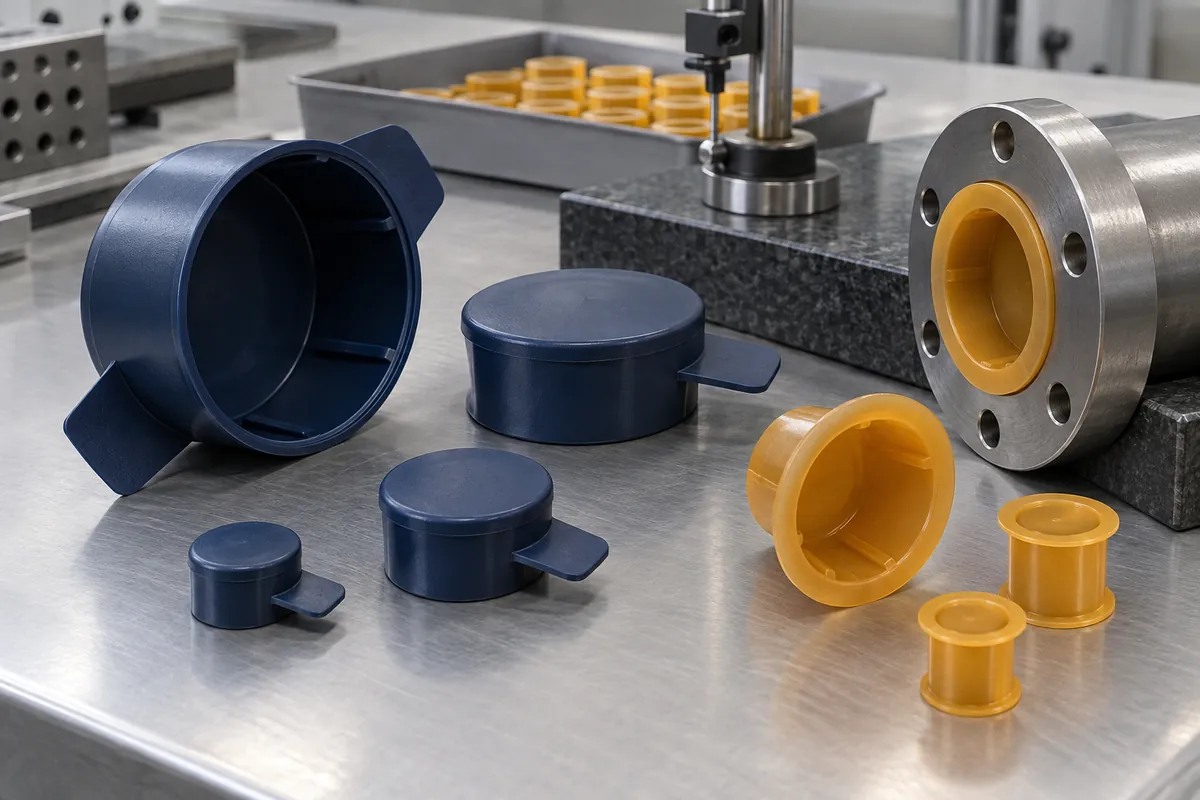
Map the route
Identify the component state and each step between fitting the protector and removing it.
Review geometry and grade
Assess engagement, tab access, contact restrictions and a feasible molding route.
Check trial specimens
Inspect identified samples and evaluate the agreed installation, exposure and removal sequence.
Release supply and packing
Approve the configuration, lot identification, handling and change-notification requirements.
Practical engineering and buying guides
Six decisions to make before production
- Custom Plastic Caps and Plugs: Build a Quote-Ready RFQSpecify custom protective caps and plugs with mating geometry, protection purpose, fit, removal, material, packaging and acceptance requirements.
- Protective Cap Fit and Retention: Specify More Than DiameterReview cap and plug fit with engagement length, mating tolerances, material condition, installation and removal. Define a repeatable retention check.
- LDPE, PP or TPE for Protective Caps? A Selection FrameworkCompare LDPE, PP and TPE cap candidates using fit, stiffness, removal, temperature, chemicals and cleanliness. Use exact-grade data and application testing.
- Shipping Caps vs Masking Plugs: Different Protection JobsSeparate shipping protection from process masking when specifying molded caps and plugs. Review exposure, protected surfaces, residue and removal requirements.
- Protective Cap Pull Tabs: Design for Access and RemovalReview pull-tab geometry, access, load path, molding and removal testing for custom protective caps. Keep tab strength separate from the retention requirement.
- Custom Protective Caps: Quality and Inspection ChecklistCreate a protective-cap inspection plan for critical fit surfaces, loose material, removal, packaging and lot records. Define acceptance before ordering.
Before you request a quote
Do you sell standard pipe caps from stock?
This page covers custom injection-molded parts. If a verified standard protector meets your need, custom tooling may not be necessary. Send the interface and the reason for customization.
Can a shipping cap be used for powder-coating masking?
Not automatically. The actual process, temperature history, chemicals, material and removal requirements need a separate review. A shipping application does not establish masking suitability.
Can you guarantee fit from nominal diameter alone?
No. Counterpart tolerances, engagement, material, surface condition and the intended action need to be reviewed together.
What makes the quotation complete?
A controlled counterpart drawing, protection purpose, exposure and handling sequence, material requirements, quantities and the evidence needed for approval.
Your next step
Discuss the part with its intended function.
Send the protected component drawing and the complete installation-to-removal sequence. We can discuss a cap or plug design with clear molding, inspection and packing requirements.
Explore our injection molding service or review other custom molded applications.