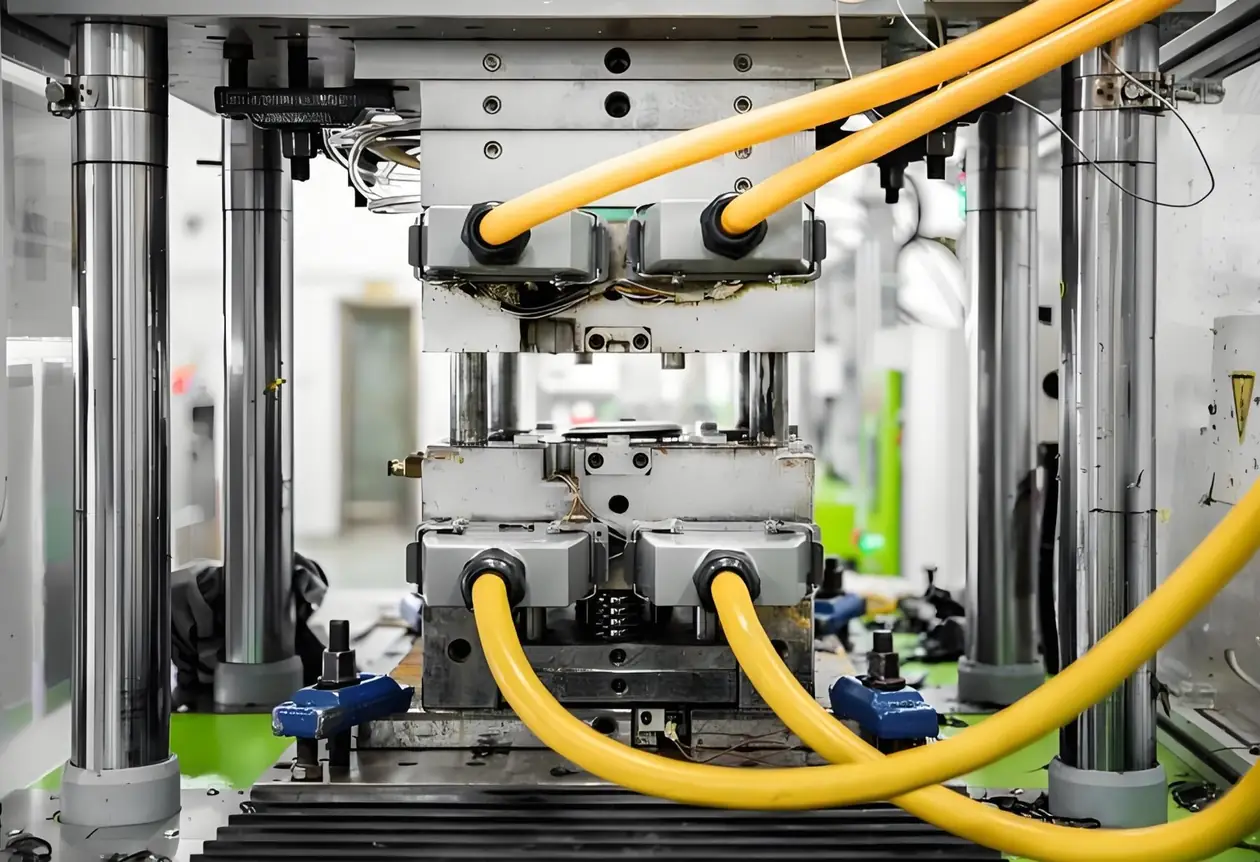
FECISION coordinates LSR injection molding through manufacturing partners for medical, electronics and industrial components. The selected site, material grade, production environment and acceptance records are matched to each project.
✣
What Is LSR Injection Molding
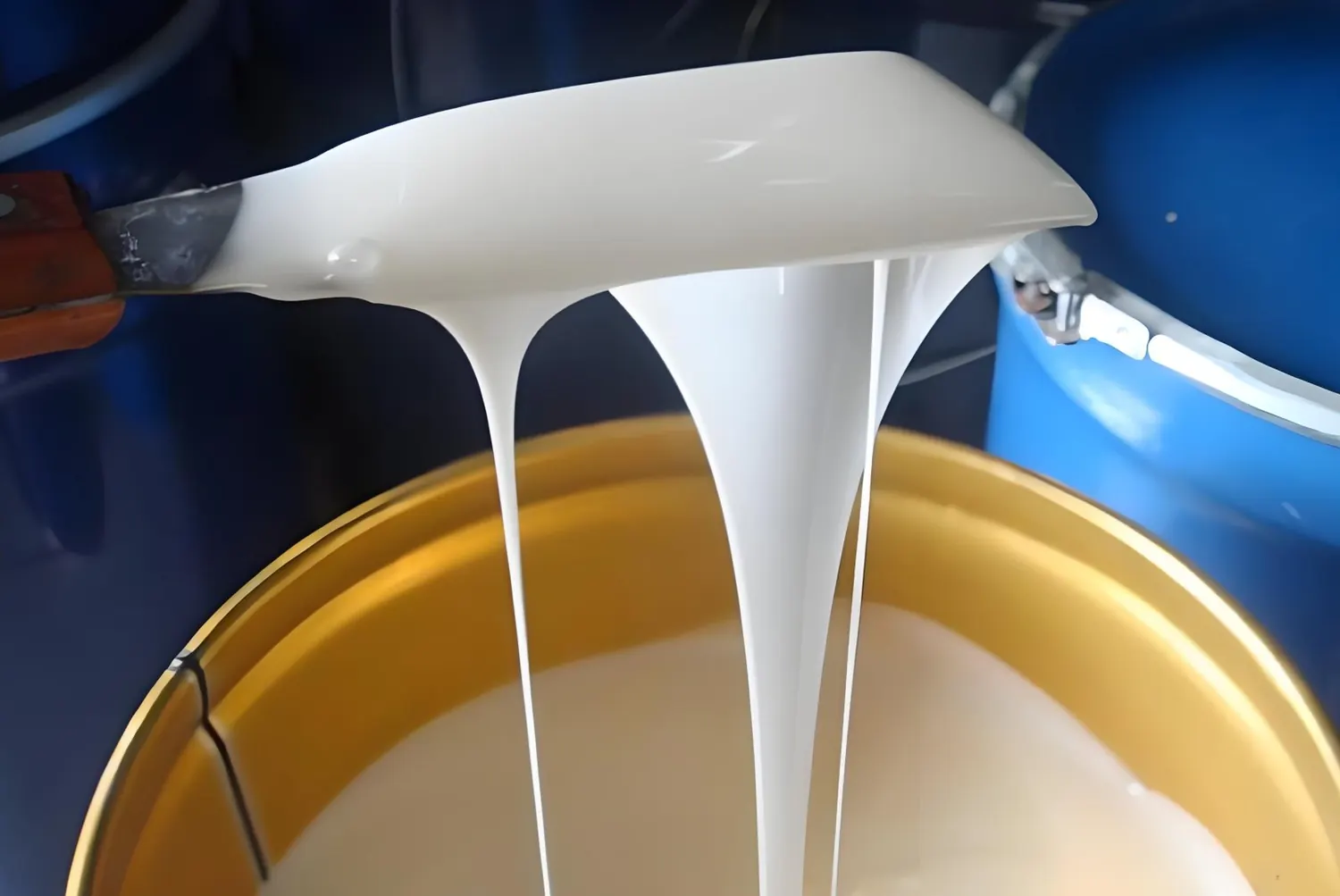
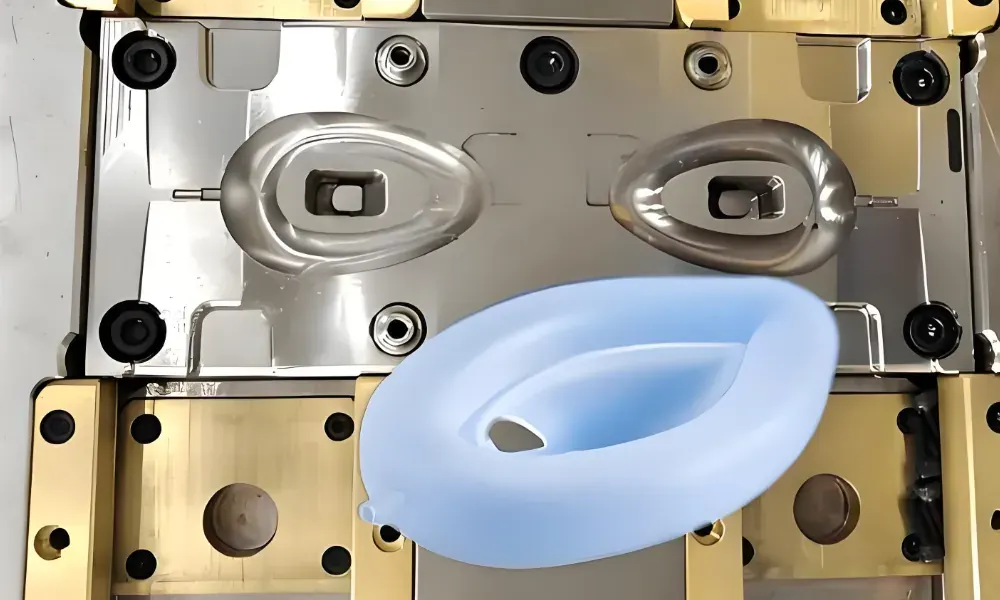
LSR injection molding injects a two-part liquid silicone compound (base + catalyst in 1:1 ratio) into a heated mold where it vulcanizes into a permanent, cross-linked elastomer. Unlike thermoplastics that can be remelted, LSR's thermoset nature ensures dimensional stability and performance retention across extreme temperatures (-60°C to 230°C).
◇
Fecision's Service
FECISION reviews the applicable production-site quality system and project documentation with the manufacturing partner. Medical programs specify the component use, material records, traceability and validation requirements before the order is accepted.
What is Liquid Silicone Rubber (LSR)
LSR Materials for Injection Molding
Liquid Silicone Rubber (LSR) is a high-purity, versatile thermoset elastomer renowned for its exceptional performance characteristics. It is a two-part, platinum-cured silicone system (typically an A component and a B component mixed in a 1:1 ratio) that, once cured, offers a unique combination of properties making it an ideal choice for a vast array of demanding applications.
Outstanding thermal stability
Excellent chemical resistance
Grades with application-specific biocompatibility data
Superior durability and tear strength
Electrical insulation properties
Can be easily pigmented for color-coding or aesthetic purpose
Property
Typical Range
Standard
Hardness (Shore A)
10 – 80
ISO 7619-1
Tensile Strength
7 – 12 MPa
ISO 37
Elongation at Break
400% – 800%
ISO 37
Tear Resistance
17 – 47 kN/m
ISO 34-1
Density
1.11 – 1.20 g/cm³
ISO 2781
Temperature Range
-60°C to +230°C
–
LSR Injection Molding Expertise
Fecision's LSR Injection Molding Capabilities
We are equipped to handle projects of varying complexity and scale, ensuring optimal outcomes that meet your specific application needs.
LSR Molding Equipment
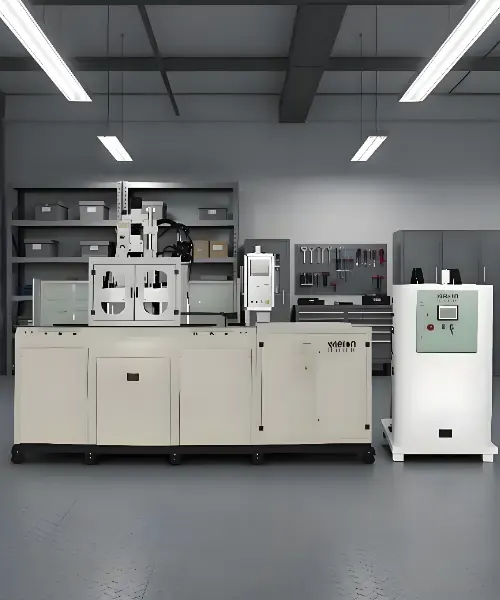
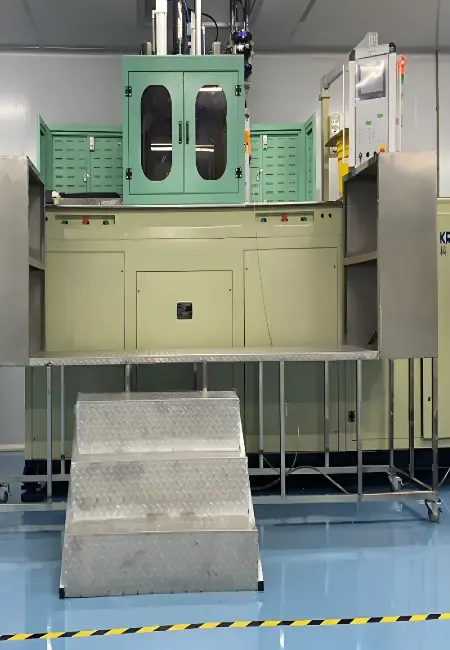
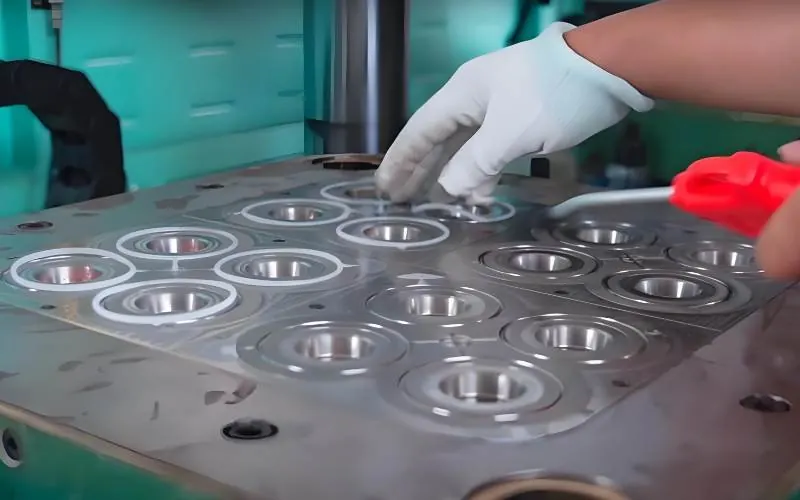
The selected manufacturing partner matches the liquid silicone injection cell, metering system, mold and part-removal method to the project. Press size, shot weight and capacity are confirmed for the actual part.
Material Selection
We review the silicone grade, hardness, color, service temperature and contact requirements with you. Medical or food-contact applications require documentation for the exact material and intended conditions of use.
Coordinated Tooling
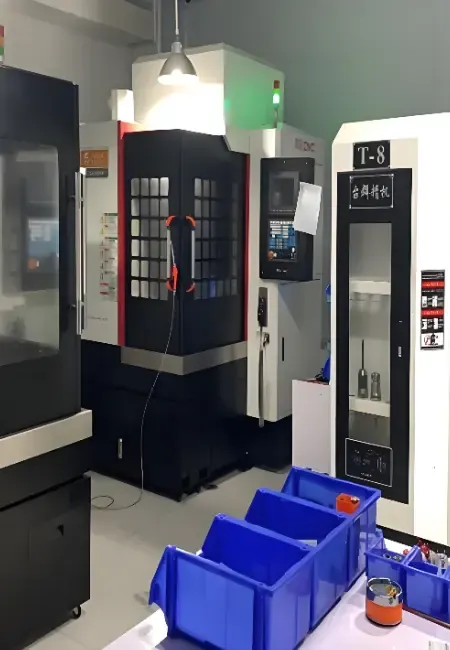
LSR mold design and manufacture are coordinated with the production partner. Gate placement, venting, runner design, flash limits and drawing tolerances form part of the tooling review.
Post-Molding Operations
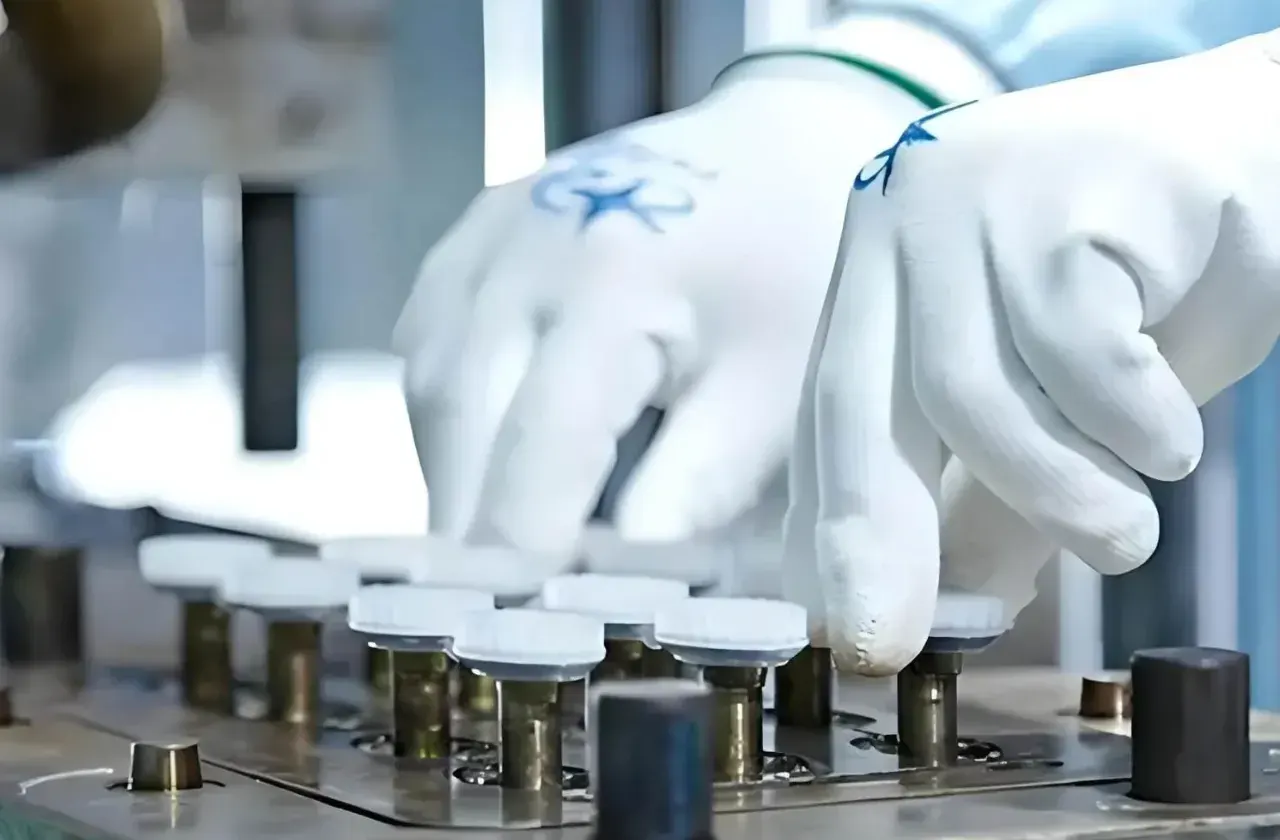
Post-curing, deflashing, marking, assembly and packaging can be included in the quotation. The agreed process defines which operations are performed and how finished parts are accepted.
Supplier Qualification Support
If controlled packaging or sterilization compatibility is required, specify it with the RFQ so the production and testing scope can be reviewed.
Sterilization compatibility: The silicone grade and finished component must be evaluated for the intended sterilization method. Required testing and acceptance criteria are agreed for the project.
Packaging options: Define the bagging, sealing, cleaning and transfer requirements. Sterile-barrier, aging or transport validation is a separate project requirement and is included only when specifically agreed.
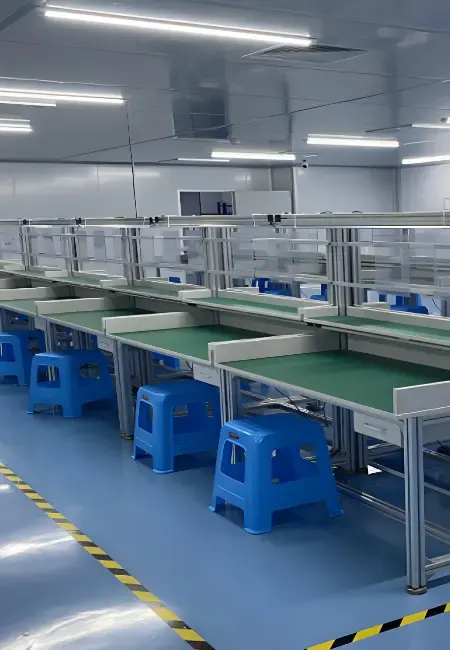
Cleanroom Packaging and Sterilization Support
FECISION helps coordinate production-site qualification for the agreed manufacturing scope.
The relevant records depend on the selected site and process. A project review can establish which of the following records are required:
Applicable production-site certificate and scope review
Quality Manual and relevant SOPs
IQ/OQ/PQ reports for customer-specific processes (under NDA if required)
Equipment calibration and preventive maintenance records
Environmental monitoring data (cleanroom particle counts, temperature/humidity logs)
LSR Overmolding and Multi-Material Components
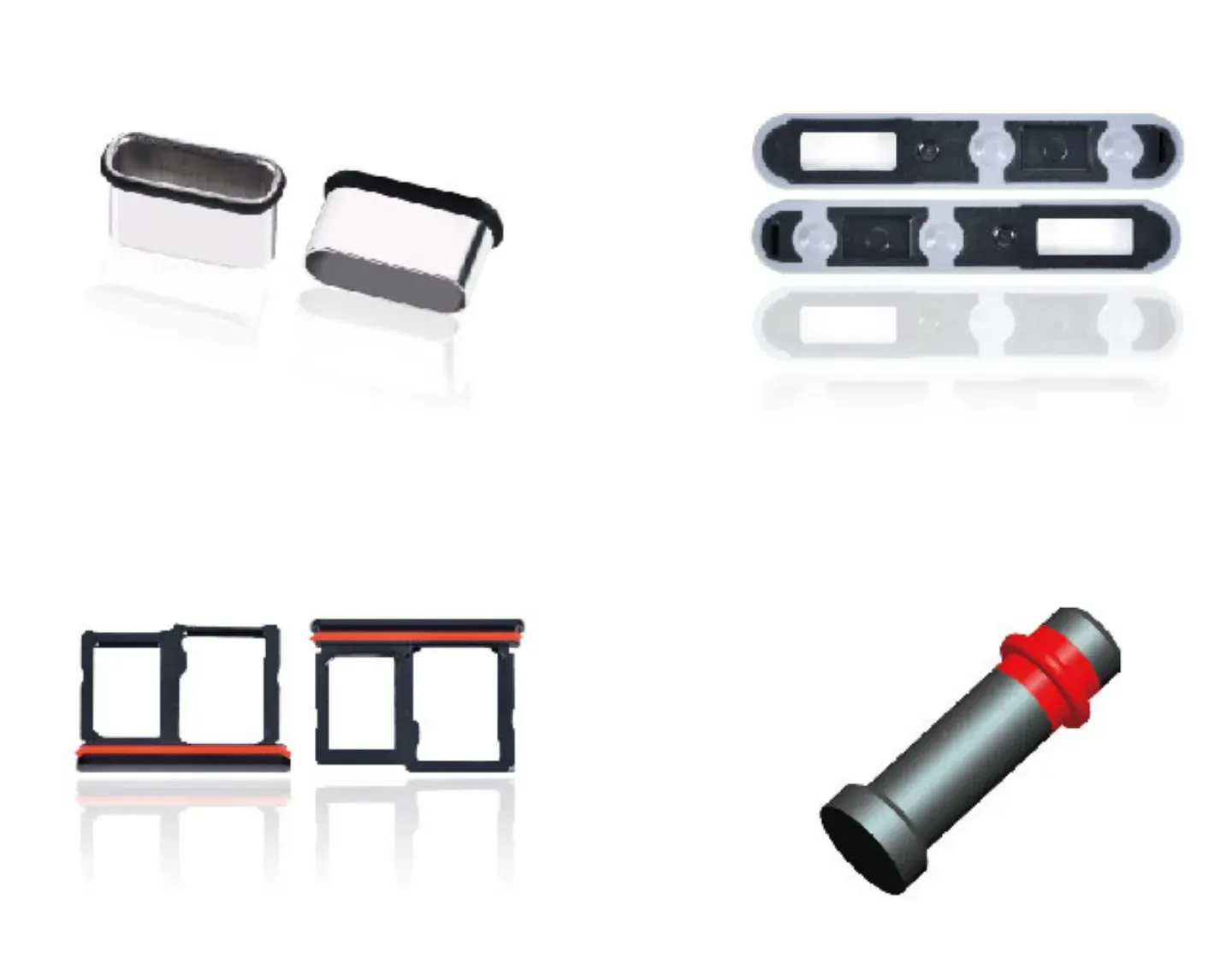
FECISION coordinates LSR molding onto suitable plastic or metal substrates. The manufacturing partner reviews the material pairing, substrate heat resistance, tooling sequence and retention features before recommending insert overmolding or another suitable process.
Candidate substrates include suitable engineering plastics and metals. Adhesion depends on the exact LSR and substrate grades, surface condition and molding process.
Substrate surface activation is specified based on the material pairing and validated before production release.
Strength
Overmolding can reduce assembly operations. Chemical adhesion must be confirmed with the selected grades and process; mechanical interlocks may be needed where the bond alone does not meet the requirement.
Applications
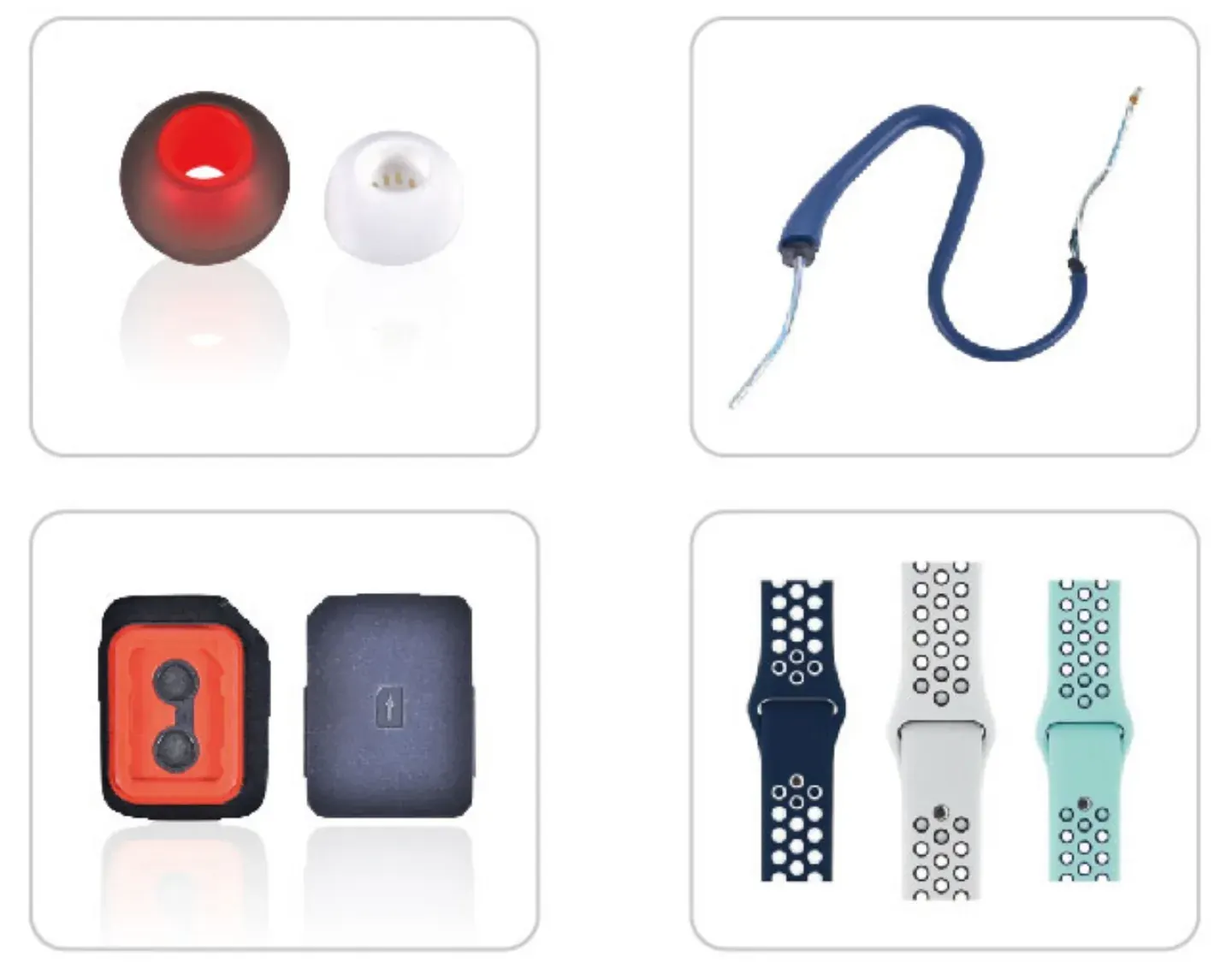
Soft-seal medical connector housings where silicone seals onto rigid PC or PA bodies
Wearable medical device interfaces with LSR skin-contact layer on rigid thermoplastic backing
Audio and tactile button assemblies for medical devices and electronics.
Partner Resources for Silicone Component Production
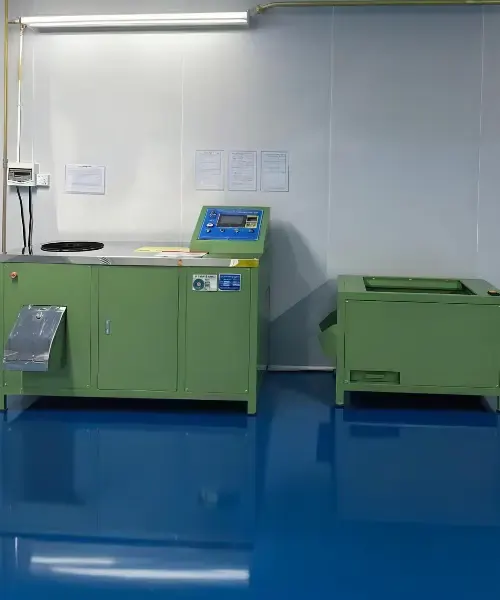
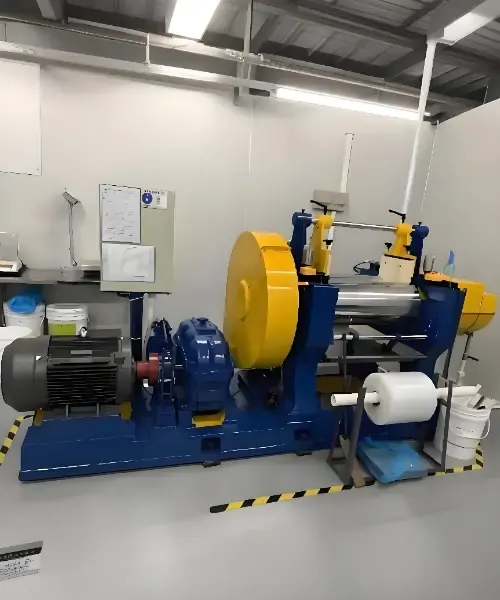
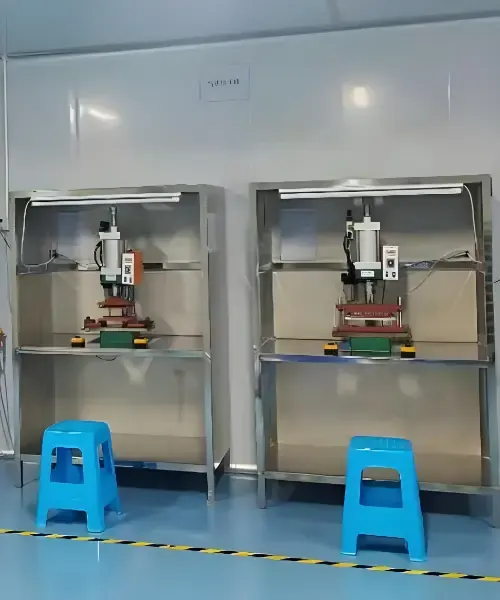
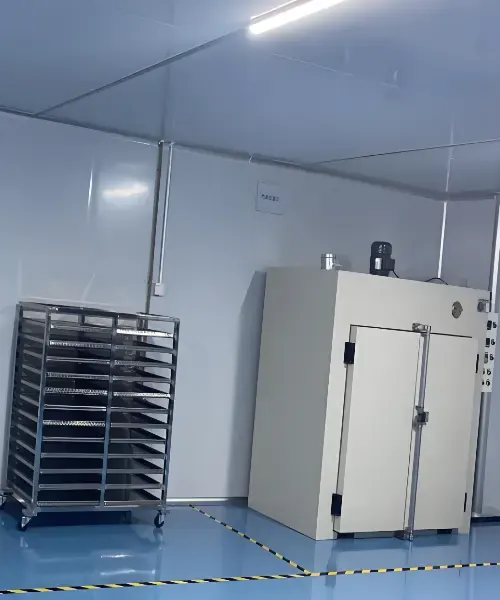
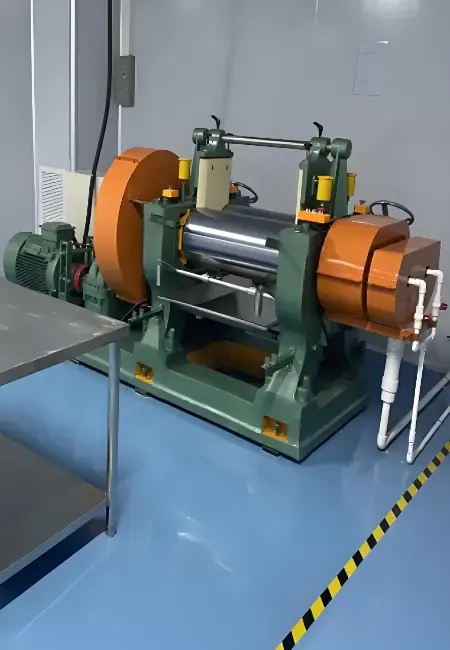
Examples of partner equipment used across silicone preparation, molding and finishing. The production plan identifies the equipment and operations selected for your part.
Silicone Material Preparation
Partner production resources
Preparation matched to silicone process
Liquid Injection Molding
Partner LSR injection equipment
Shot size and capacity reviewed per project
Trimming Equipment
Partner finishing resources
Trim method matched to part geometry
Deflashing Equipment
Partner finishing resources
Flash acceptance defined on the drawing
Post-Curing Oven
Partner thermal-processing resources
Cycle specified for the selected grade
Applications & Industries Served
LSR can support medical, electronics and industrial components when the material and production process match the intended use. We review part requirements, supplier material data and the selected production-site qualifications before confirming the manufacturing scope.
Medical & Healthcare
The inherent properties of LSR, such as its biocompatibility, chemical inertness, sterilizability, and durability, make it an ideal material for a wide array of medical devices and components. We manufacture parts that come into direct patient contact, as well as components for diagnostic and surgical equipment.
Applications
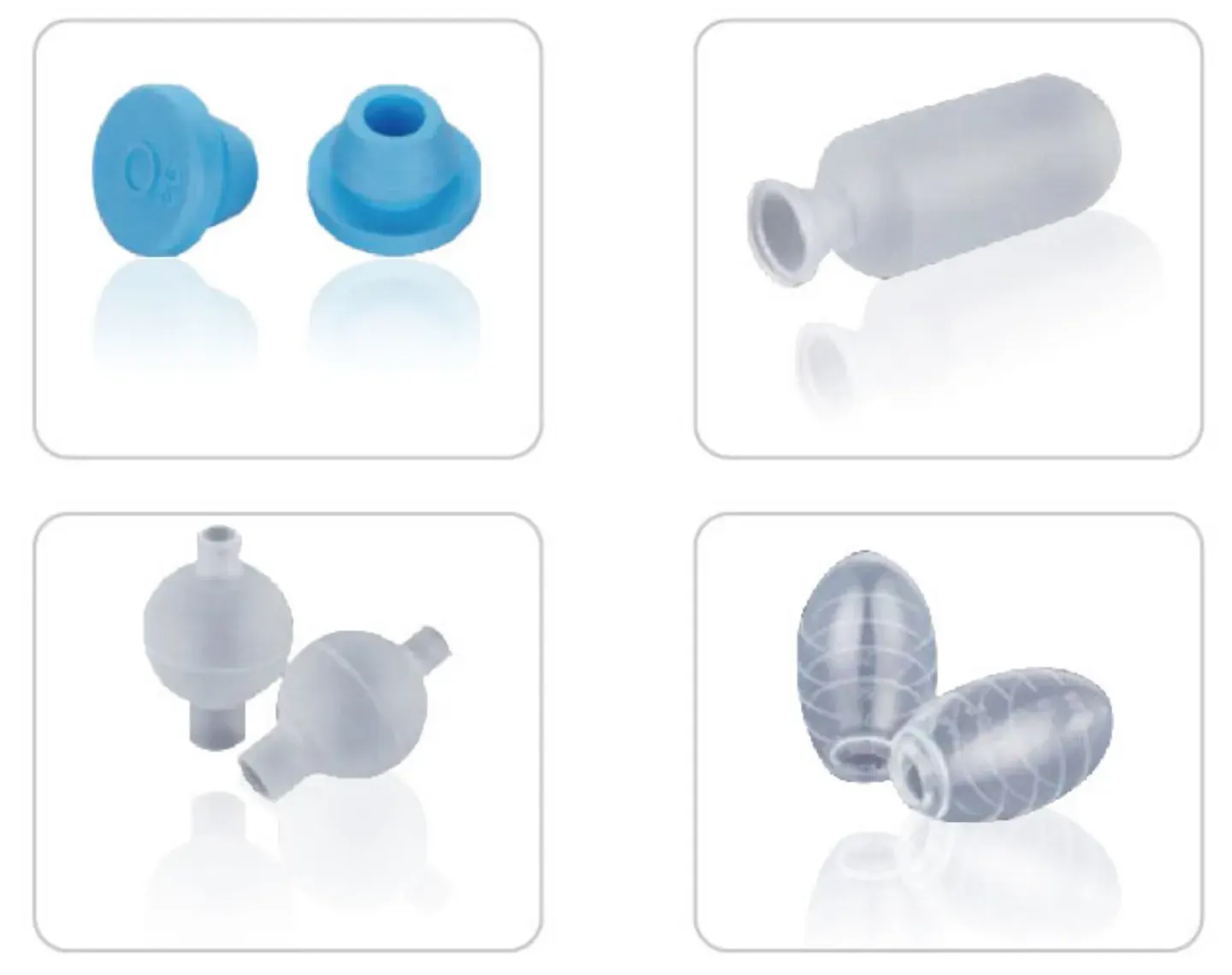
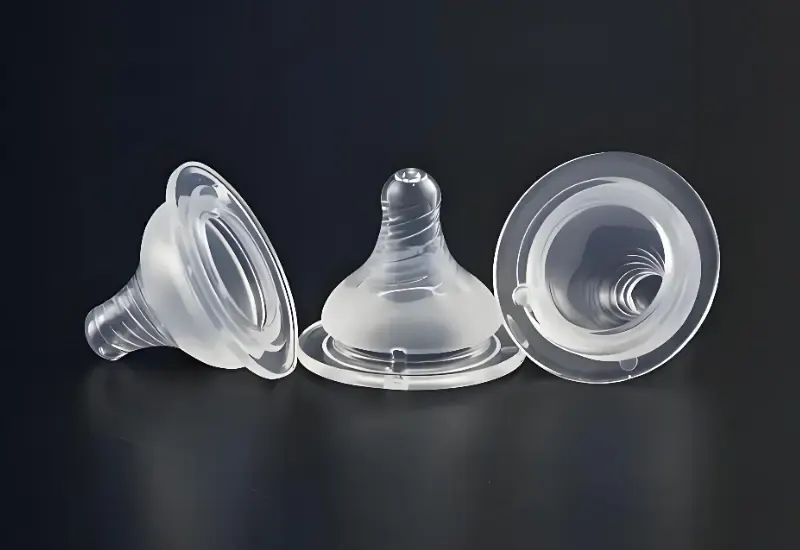
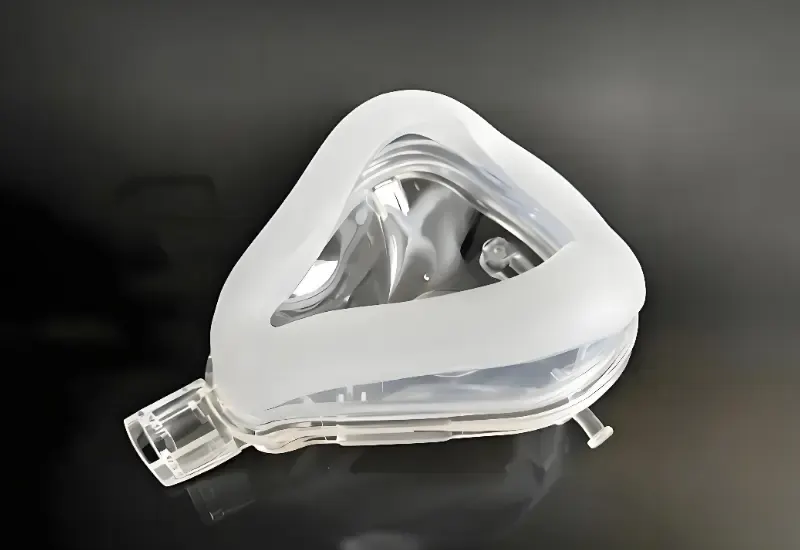
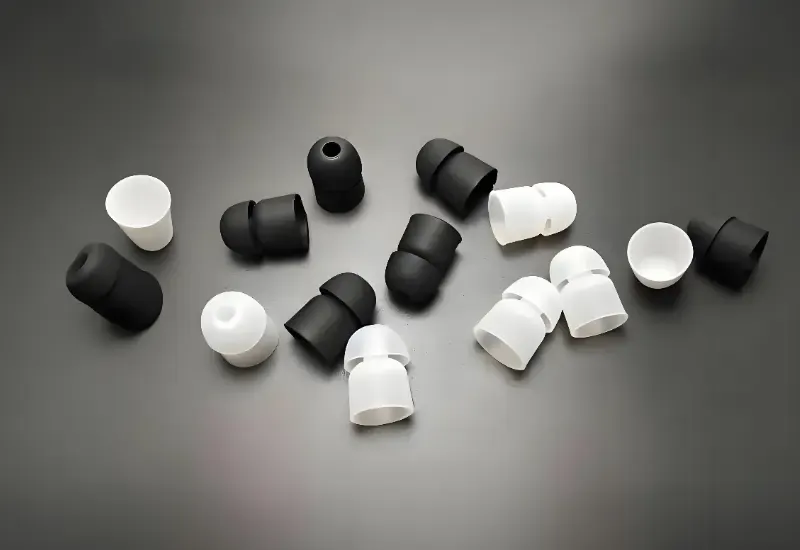
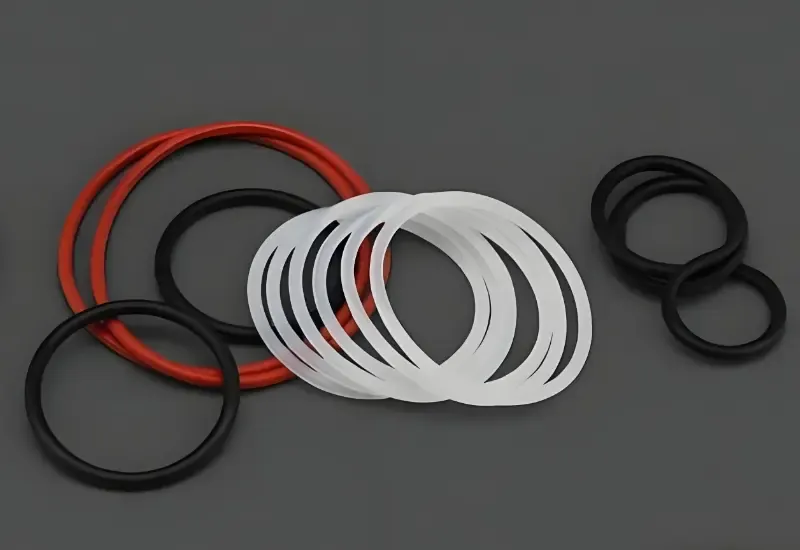
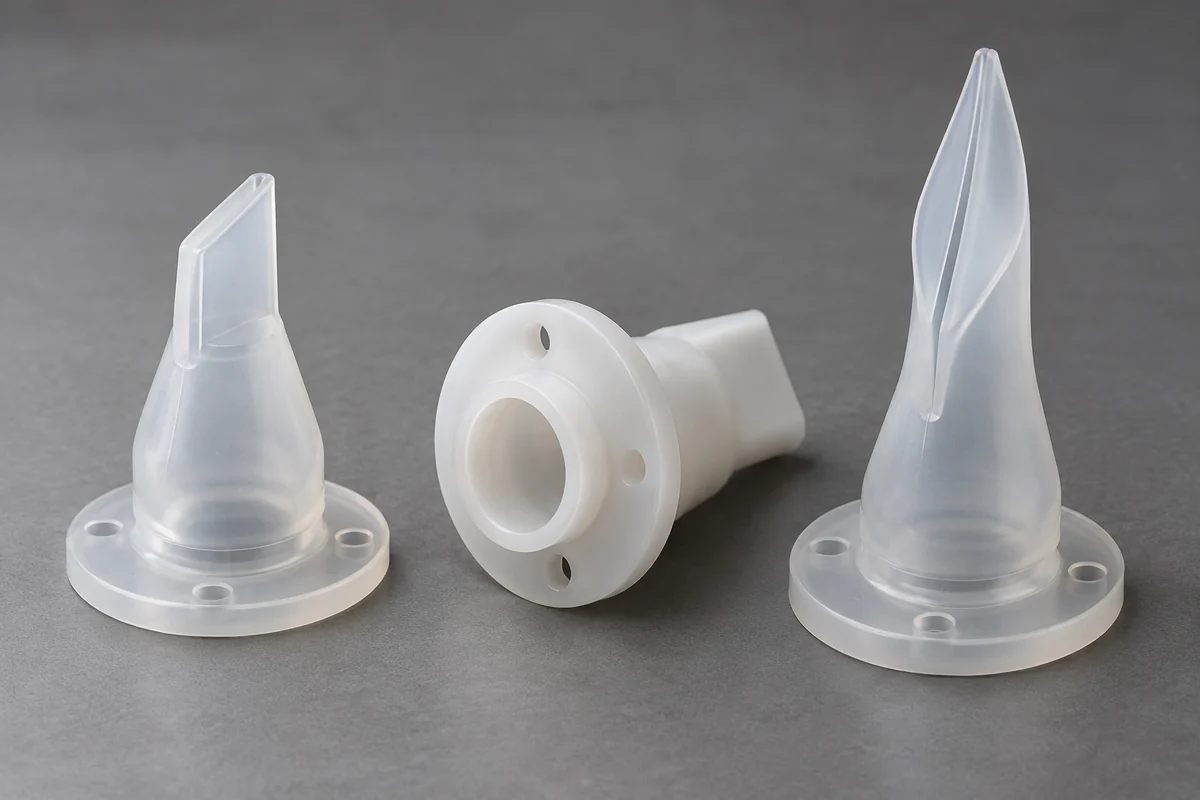
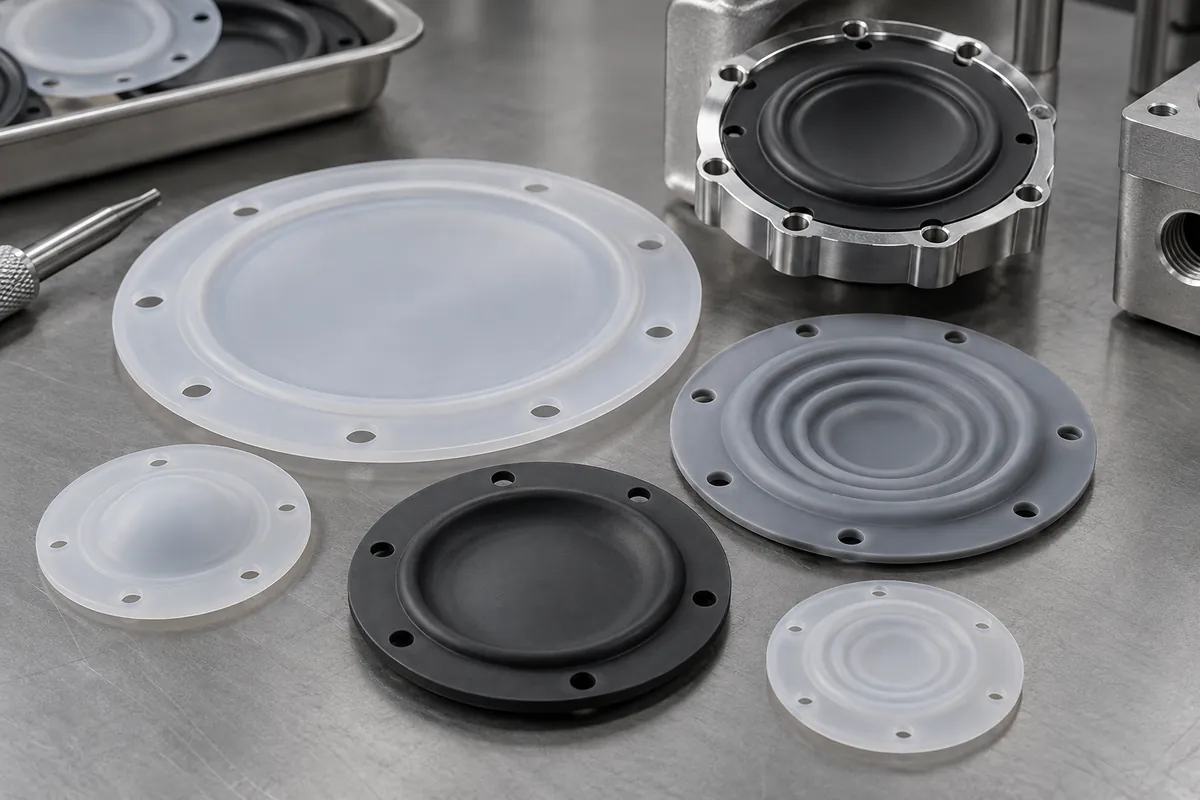
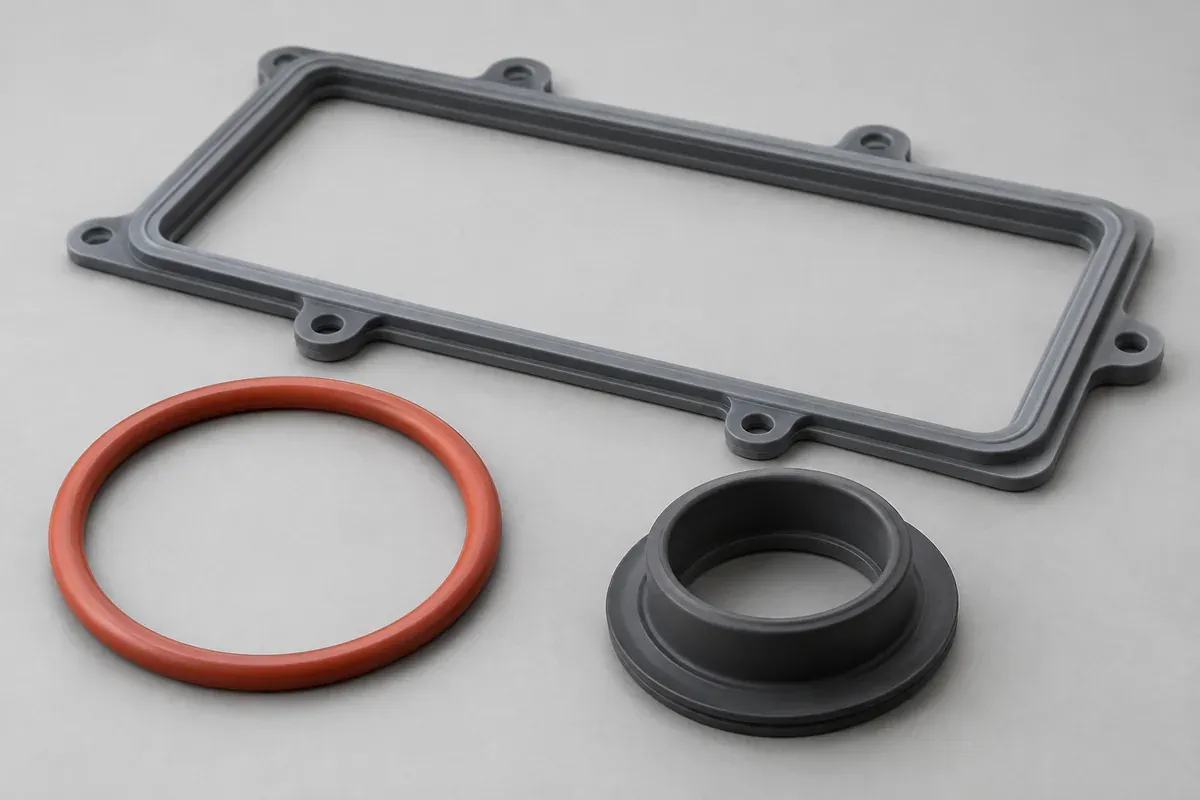
Seals, Gaskets, O-rings for diagnostic equipment, infusion pumps and respiratory devices; Diaphragms and Valves for fluid management systems, drug delivery devices and medical pumps. Parts for wearables, catheters, respiratory masks and dental applications; Surgical Instrument Components like Handles and Grips; Drug Delivery Components like Plungers and Stoppers.
LSR is increasingly used in electronics due to its soft-touch feel, durability, water resistance, and ability to be molded into intricate designs.
Applications
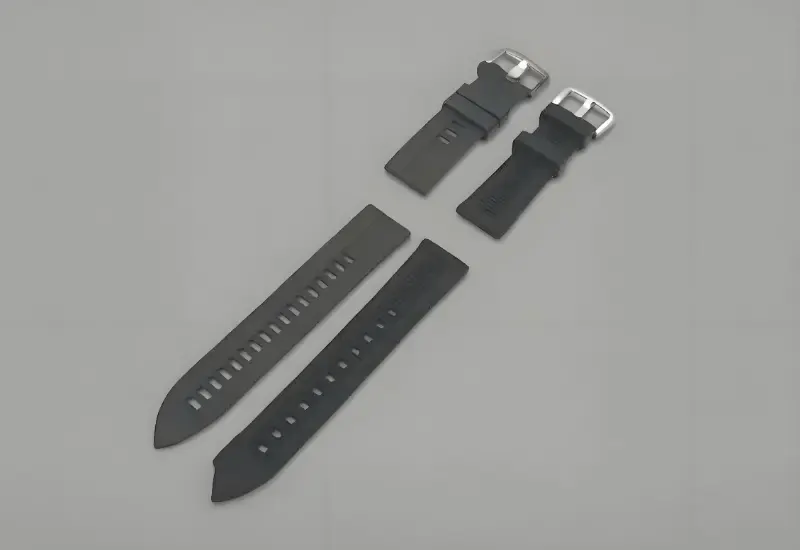
Keypads and Buttons for remote controls, mobile phones and other electronic devices; Seals and Gaskets for portable electronics, wearables and outdoor equipment; Protective Coverings and Casings for smart devices; Components for Wearable Technology like Wristbands Seals and Sensor Housings
Fecision serves various industrial sectors with LSR components designed for reliability and performance in demanding operational environments. These applications often require resistance to chemicals, extreme temperatures, and mechanical stress.
Applications
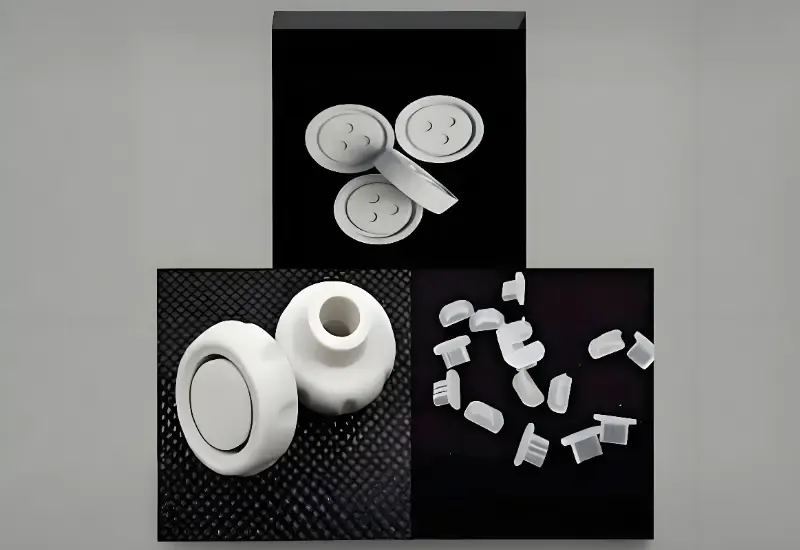
Seals, Valves, Membranes for industrial equipment, pumps and fluid handling systems; Gaskets and O-rings for a wide range of industrial machinery and processing equipment; Electrical Insulators and Connectors
Production-site scope reviewed for the medical application
Surface finish and visible-defect limits agreed on the drawing
Exact silicone grade and contact requirements reviewed
Handling, cleanliness and validation records specified per project
Wearable Silicone Parts
Skin-contact requirements reviewed against material documentation
Hardness, color and tactile finish matched to the design
Printing, marking and coating considered during DFM
Aging and wear tests agreed for the intended use
Waterproof Silicone Components
LSR molding and substrate-overmolding review
Critical dimensions and flash limits defined per feature
Bonding and mechanical retention evaluated together
Ingress protection validated on the finished assembly when specified
Silicone Seals and Fittings
Material selected for temperature and fluid exposure
Automotive production-site requirements reviewed at RFQ
Hardness and compression behavior matched to the seal design
Sampling and functional testing agreed before production
Your Strategic Partner for LSR Injection Molding Success
The Fecision Advantage: Why Partner With Us?
1
Production-Site Qualifications
Medical and automotive requirements are matched to the selected partner site and its certified scope. ISO 13485, IATF 16949 and other applicable standards are reviewed alongside the actual process and material requirements.
2
Engineering Coordination
FECISION coordinates the drawing review, silicone selection, tool design and sampling plan with the manufacturing partner. Critical dimensions and acceptance criteria are agreed before tooling begins.
3
Process and Environment Matching
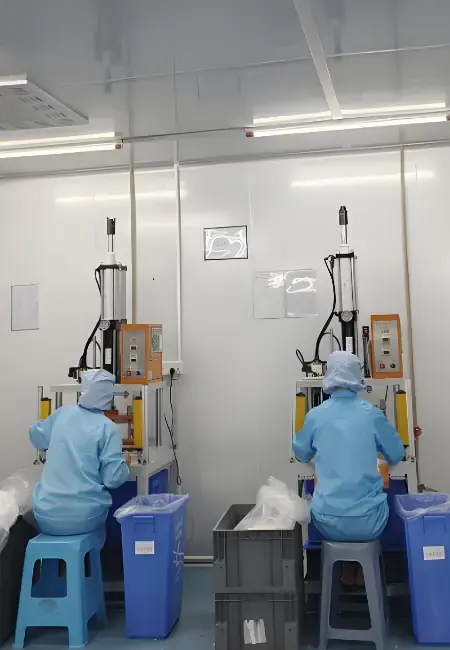
The production cell and any controlled-environment operations are selected for the application. Cleanroom classification, monitoring records and packaging scope are reviewed when the project requires them.
4
Defined Project Deliverables
The quotation identifies tooling milestones, sample quantities, inspection reports and any additional validation work. Lead time depends on geometry, material availability and the agreed qualification program.
Rubber Mixing Dept
Partner Liquid Molding Workshop
Mold Workshop
Punching Trimming Dept
Quality Inspection Dept
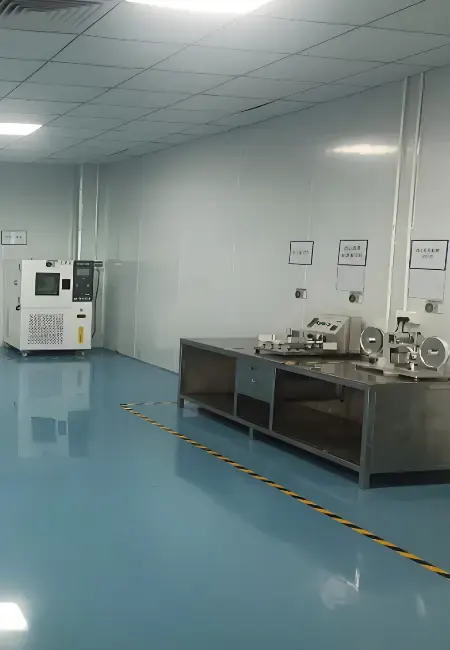
Reliability Test Lab
Project Quality Planning
Manufacturing Standards & Scope
Project quality planning connects the drawing, material, production-site scope and inspection records. Applicable partner standards are reviewed for the work being quoted.
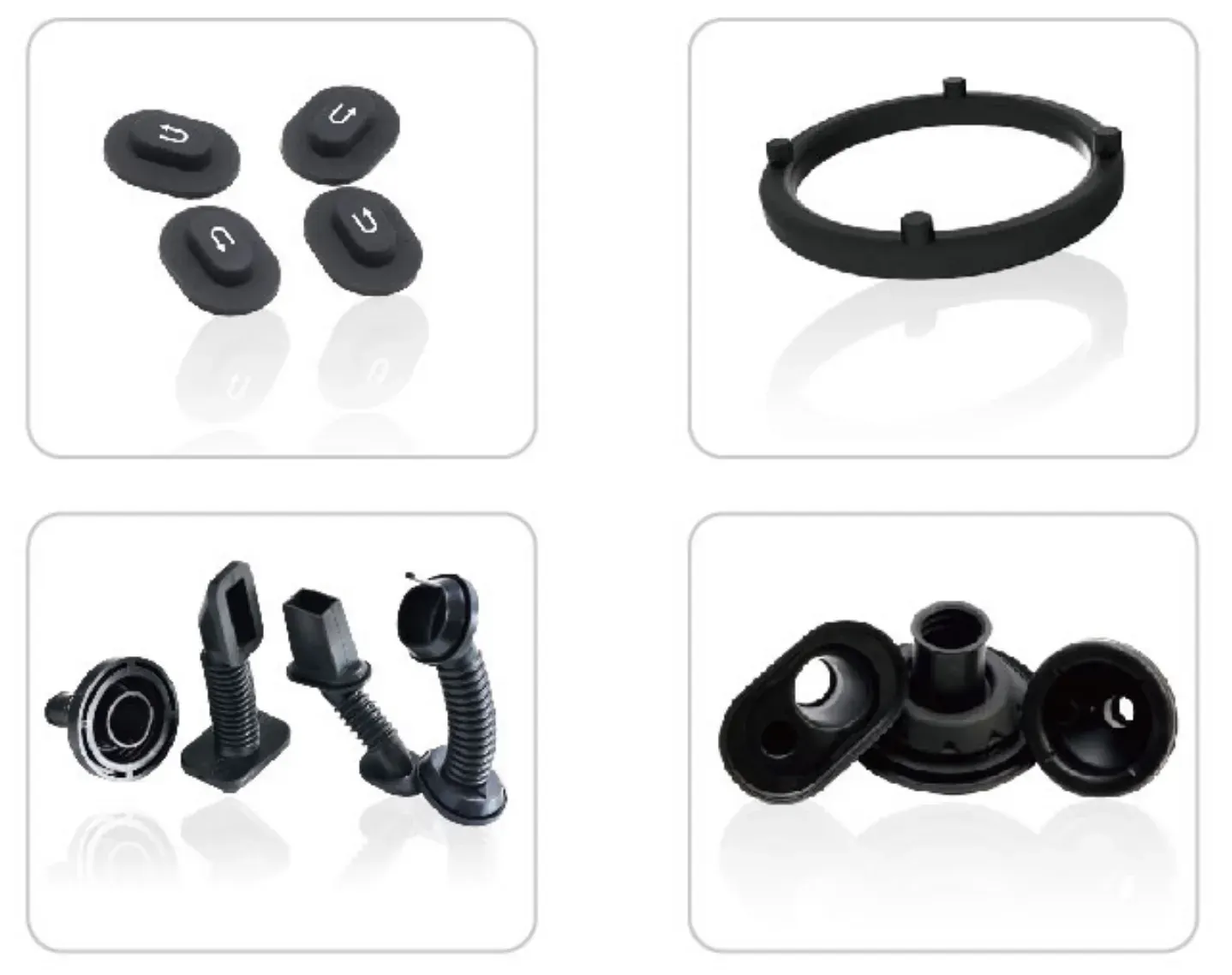
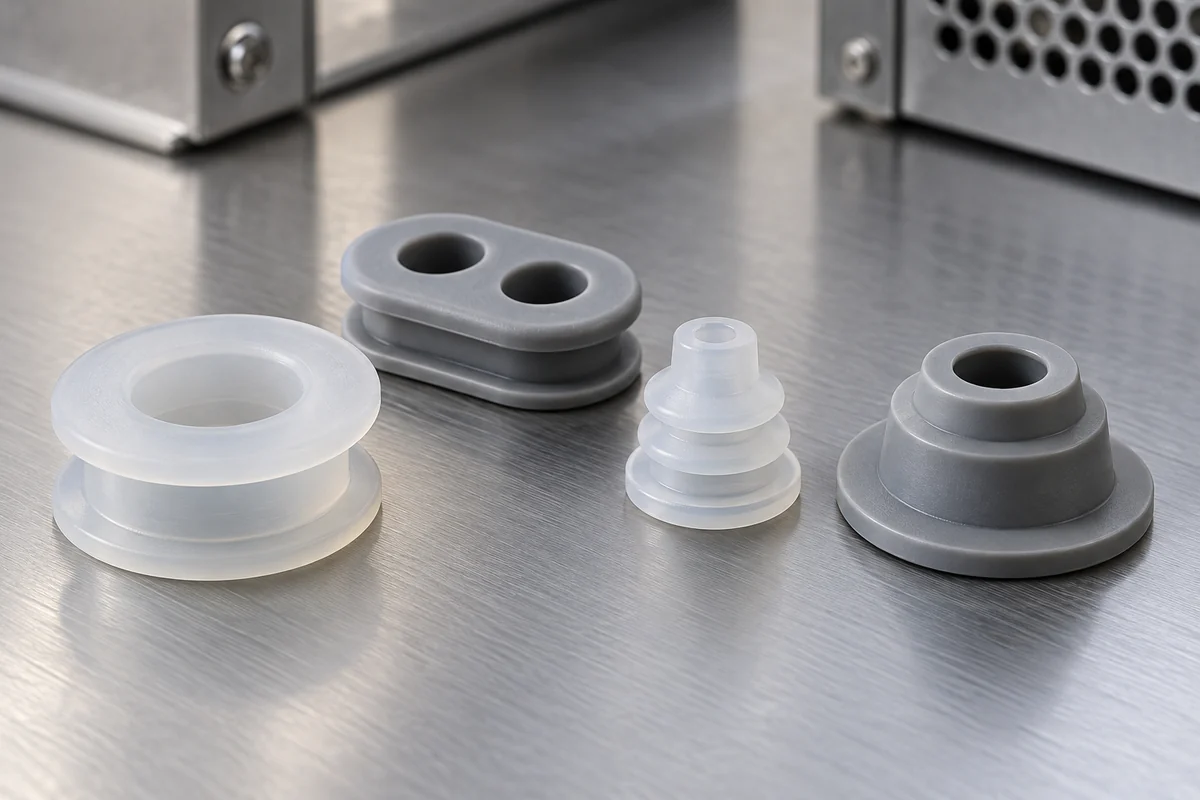
A closer look at the tooling questions behind a silicone component. This electronics example is not evidence of medical-device validation or cleanroom qualification.
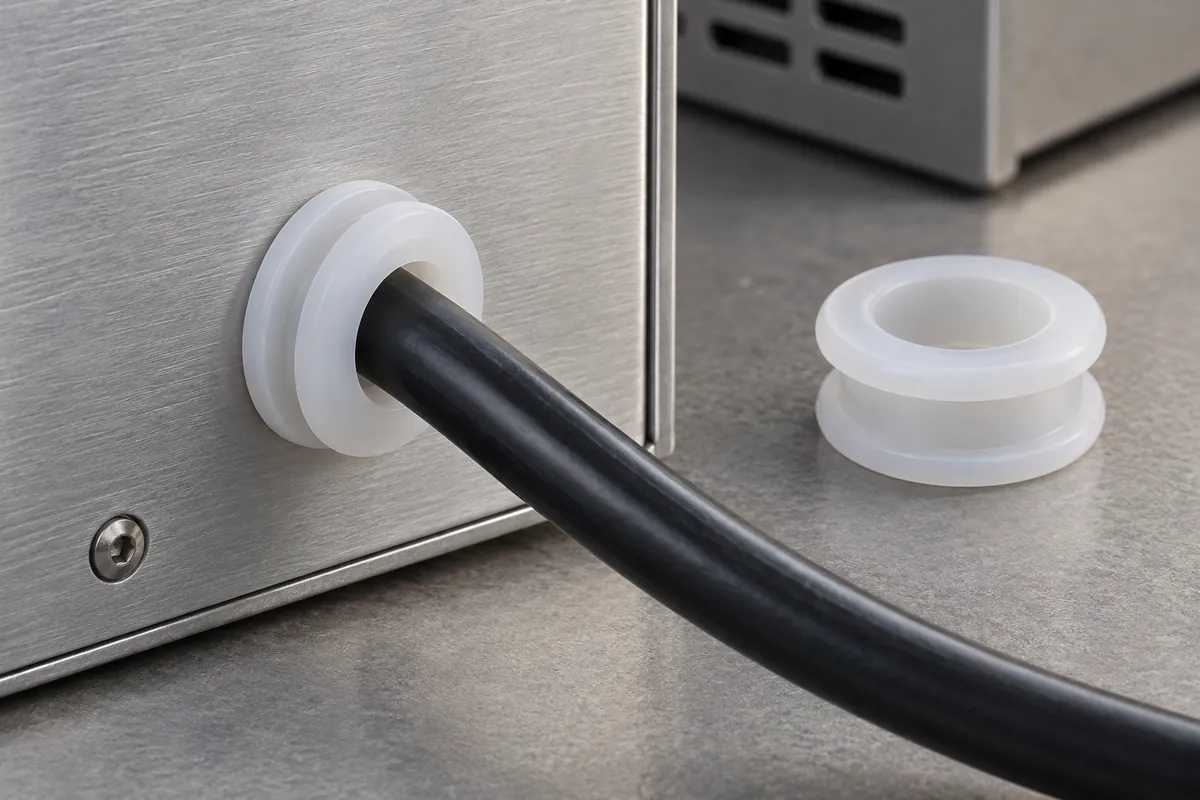
The project review covers a connector seal and cable grommet concept. The DFM discussion focuses on undercut release, flash at the plastic interface, corner radii and shrinkage compensation.
Material decision: match the LSR grade and substrate to the assembly requirements.
Tooling review: compare gate, shut-off and part-removal options.
Acceptance plan: define flash limits, dimensions and functional checks before sample approval.
Take the next step towards realizing your high-performance Liquid Silicone Rubber components. We are committed to providing tailored solutions that meet your specific application needs and project timelines.
What documentation can be included for a medical LSR project?+
The documentation package is agreed during quotation. It can include material lot records, dimensional inspection, traceability and specified validation deliverables. IQ/OQ/PQ scope and acceptance criteria are reviewed with the selected production site when required.
How long does tooling and sampling take?+
Tooling and sampling dates are confirmed after the part, silicone grade, cavity count and validation requirements have been reviewed. Share your target launch date so the quotation can identify the relevant milestones.
Can you support production-site qualification?+
We coordinate a review of the relevant site qualifications, manufacturing scope and project quality records. Any further document sharing or site review is arranged according to supplier authorization and the agreed confidentiality scope.
Is LSR injection molding suitable for my production volume?+
Send your trial quantity, expected annual volume and part drawing. We assess the tooling investment, material purchase, cycle and finishing requirements to recommend a practical batch size and production approach.

You Might Also Be Interested In
Silicone Molding for Medical Devices: The Complete Manufacturing Guide