TPU Injection Molding Service for Flexible, Abrasion-Resistant Parts
ISO 9001:2015
ISO 13485:2016
AS 9100 Certified
DFM Review
Elastic Performance
Thermoplastic Processing
TPU's block copolymer structure alternates hard and soft segments, delivering a hardness range no single elastomer or rigid plastic can match on its own. That's what makes it useful from Shore A 60 soft grips to Shore D 70 structural components — all within the same processing window.
Polyester-based TPU resists oils, chemicals, and abrasion — right for industrial seals and mechanical parts. Polyether-based TPU stays flexible below −40°C and resists hydrolysis — preferred for wearables, medical tubing, and outdoor applications.
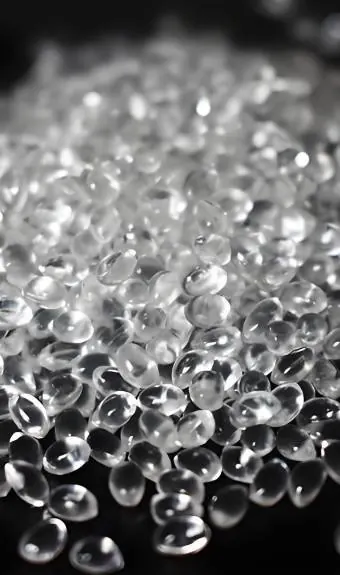
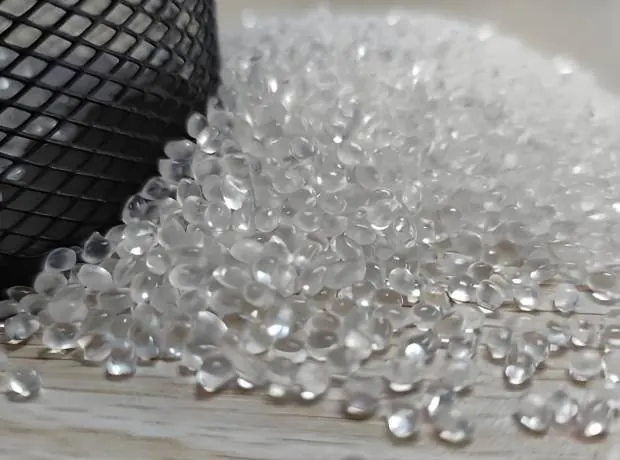
The one non-negotiable in processing: moisture control. TPU absorbs atmospheric humidity within hours of drum opening. Undried pellets flash to steam at barrel temperatures, causing splay and degraded mechanical properties. Desiccant drying to below 0.02% is required before every run.
Full materials library →Four TPU Grades - Every Application Covered
Grade selection drives chemical resistance, low-temperature behaviour, UV stability, and regulatory status. We specify based on what the part actually does — not what is simply available.
Polyester TPU
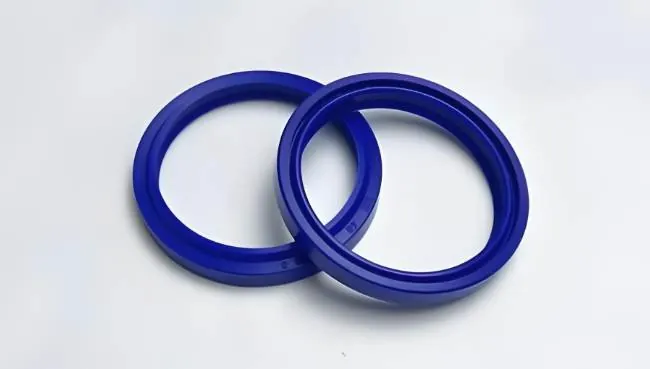
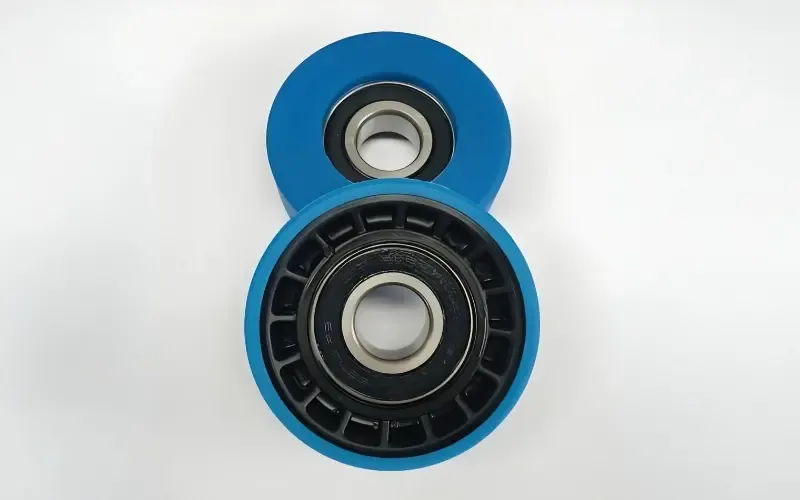
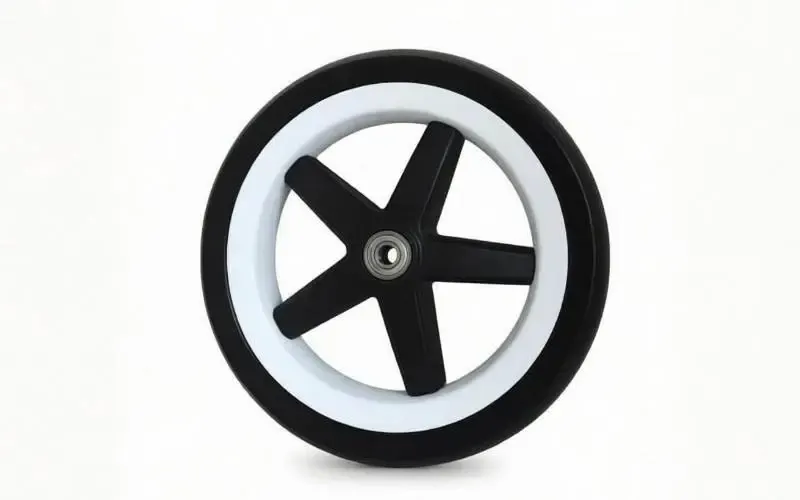
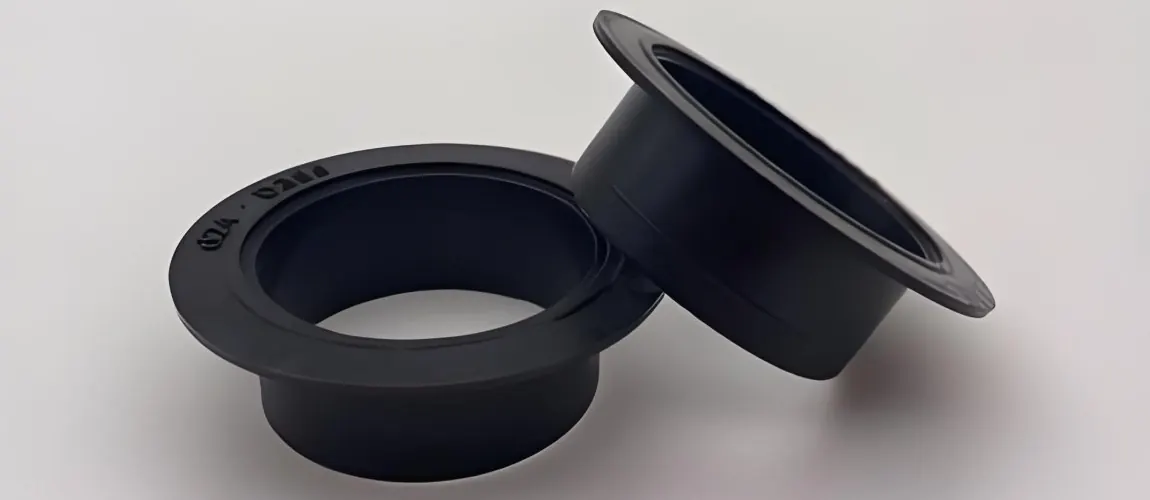
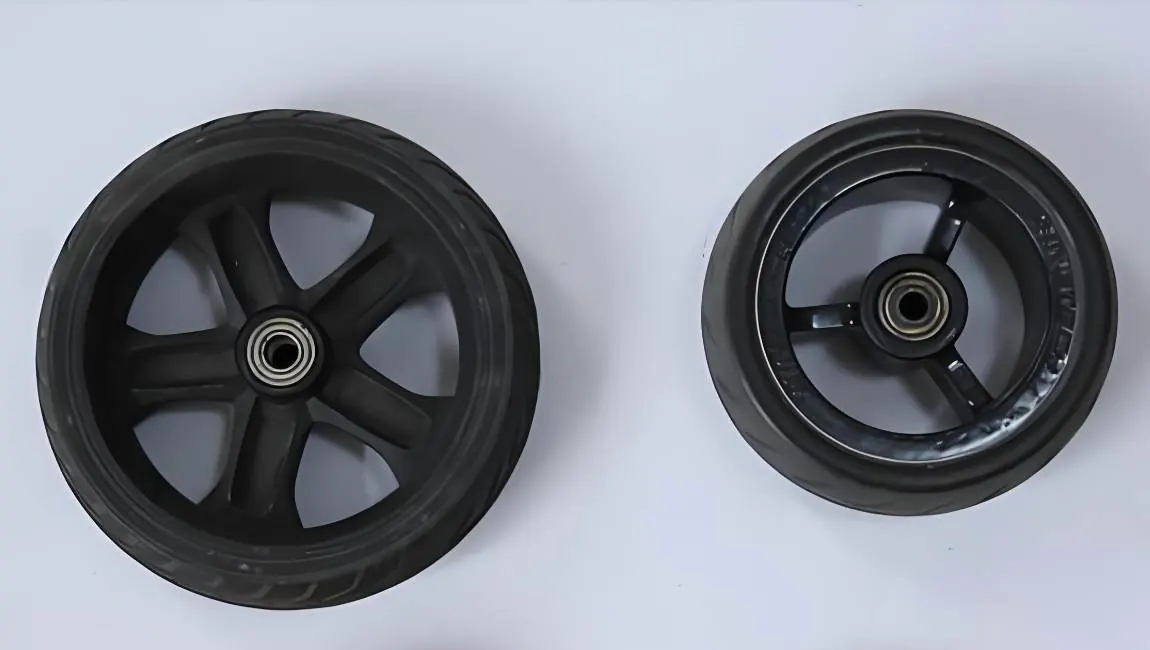
IndustrialSuperior resistance to oils, greases, and aliphatic solvents. Preferred for mechanical seals, wheels, and industrial components with high wear demands. Harder durometer range.
Polyether TPU
Medical · WearableStays flexible below −40°C. Resists hydrolysis and microbial degradation. Available in USP Class VI and ISO 10993 grades for medical device components and wearables.
Aromatic TPU
Electronics · CableHigh tensile strength and elongation at break. Cost-effective for cable jacketing, connectors, and electronics housings where UV stability is not a primary requirement.
Aliphatic TPU
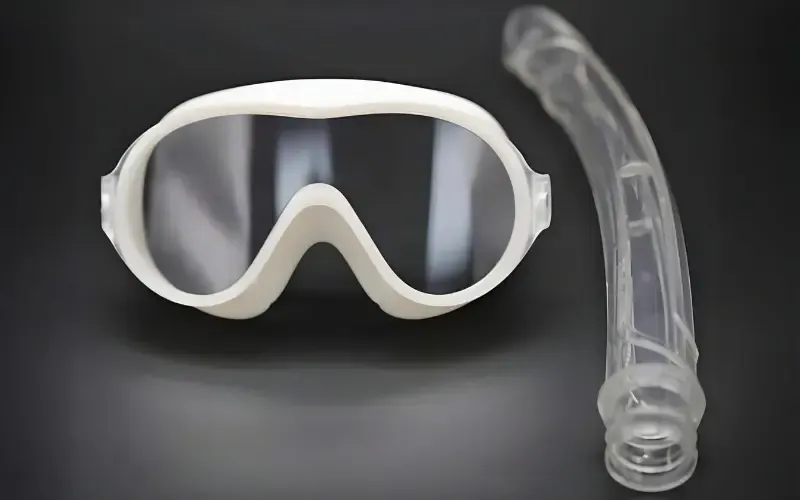
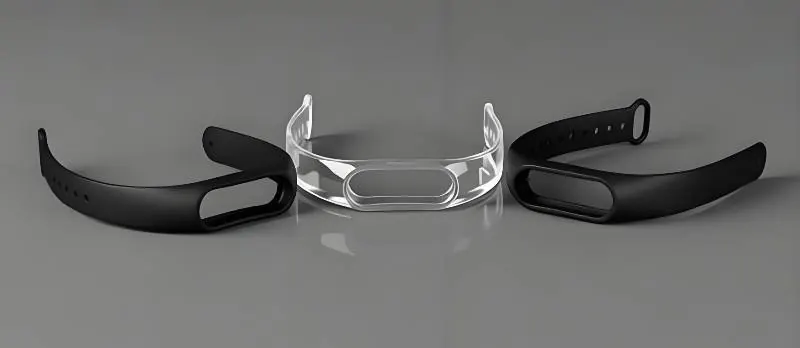
Outdoor · OpticalNo UV-induced yellowing. Correct choice for transparent windows, outdoor wearables, and clear covers where colour stability matters over the product's service life.
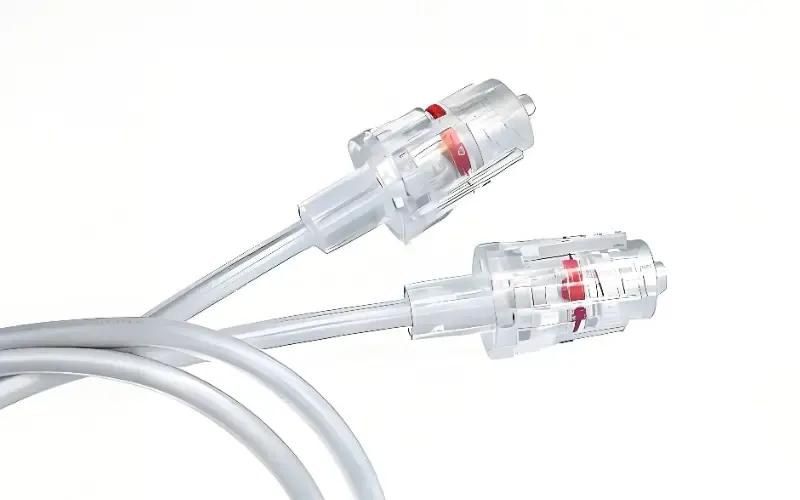
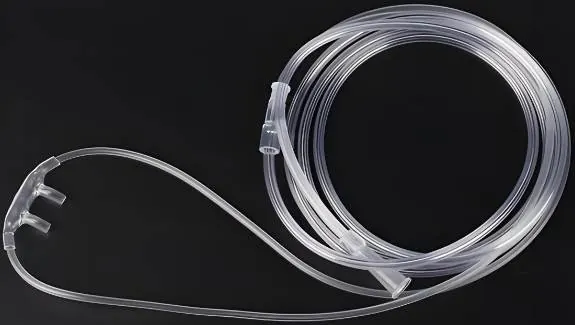
- TPU (Thermoplastic Polyurethane) offers the flexibility, abrasion resistance, and biocompatibility essential for catheters, tubing connectors, and wearable medical devices. Its ability to bond with rigid substrates makes it ideal for multi-material medical assemblies.
- At Fecision, we leverage advanced TPU molding techniques to produce soft-touch, sterilization-resistant components. Learn more about how our medical injection molding services ensure consistent quality for patient-contact applications.
Six Controlled Stages
TPU is less forgiving than commodity plastics — moisture, shear rate, and cooling speed all directly affect surface finish and mechanical performance.
DFM Review
Wall thickness, gate location, draft angles, and overmold interface checked before steel is cut. TPU minimum draft: 0.5° – 1° for Shore A <80.
Free with quoteMaterial Drying
Desiccant drying 80–110°C for 2–4 hr. Dewpoint monitored continuously. Target moisture <0.02% verified before barrel loading.
<0.02% moisture targetTooling
Cavities machined to ±0.01mm via slow-wire EDM. Vented parting lines and polished ejection surfaces prevent sticking on soft grades.
±0.01 mm cavityInjection & Cure
Barrel 175–230°C, mold 20–60°C. Moderate injection speed — high shear causes thermal degradation in TPU. Scientific molding DOE on first article.
Scientific moldingInspection
First article on CMM (±0.002mm). Shore hardness verified per batch. Flexible parts measured under defined load to avoid deformation error.
CMM ±0.002 mmDelivery
Parts individually wrapped to prevent surface deformation in transit. Full dimensional report and material COA shipped with every order.
COA + dimension reportIndustries We Serve with TPU
TPU's combination of flexibility, abrasion resistance, and processability spans four major sectors — each with distinct hardness and regulatory requirements.
Medical & Healthcare
Catheter shafts, IV connectors, wearable monitor housings, patient-contact overmolds. Polyether grades with USP Class VI and ISO 10993 data.
Wearables & Consumer Electronics
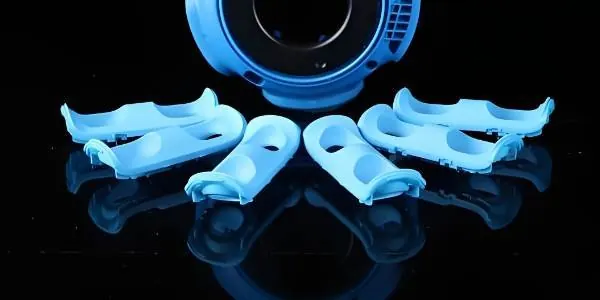
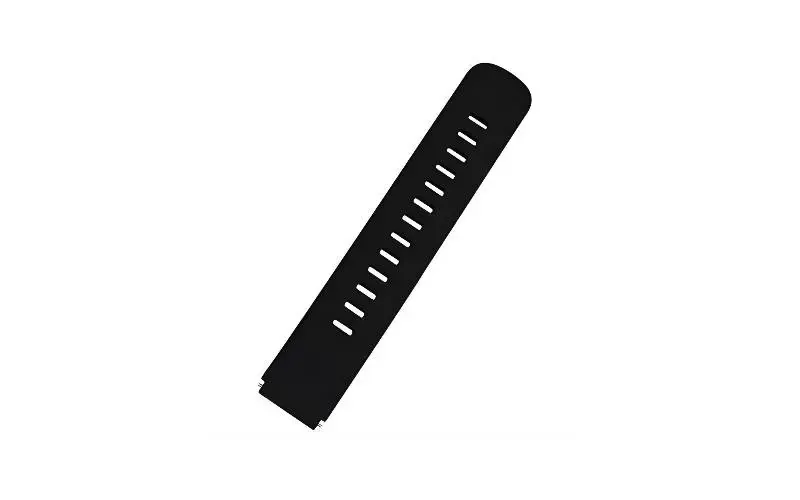
Watch straps, earphone sleeves, camera grips, case overmolds. Aliphatic TPU for UV-stable transparent covers. Shore A 70–85 for comfort ergonomics.
Cable & Connector Jacketing
USB cable overmolds, strain reliefs, waterproof connector boots, industrial plug seals. Aromatic TPU for cost-effective high-volume cable runs.
Industrial Seals & Mechanical
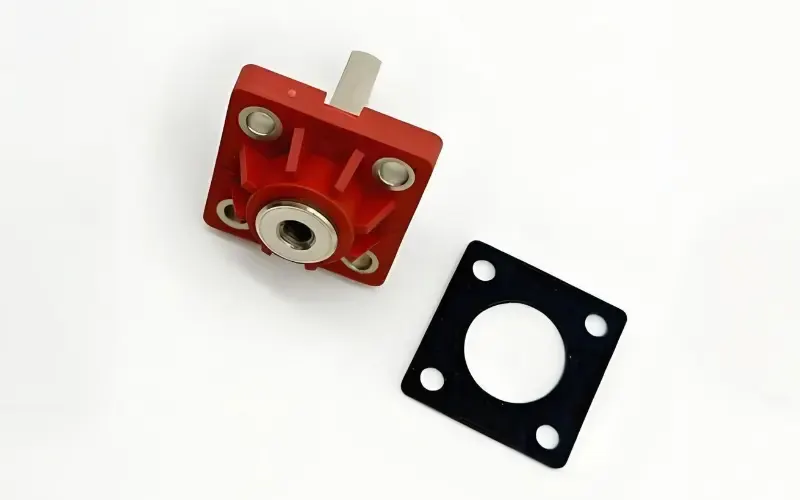
Oil seals, conveyor elements, pneumatic actuator seals, protective boots. Polyester grades for oil and abrasion resistance in harsh environments.
Footwear & Sports Equipment
Midsole inserts, binding components, protective padding. Shore D 40–55 for structural rigidity with impact absorption.
DFM for TPU Injection Molding
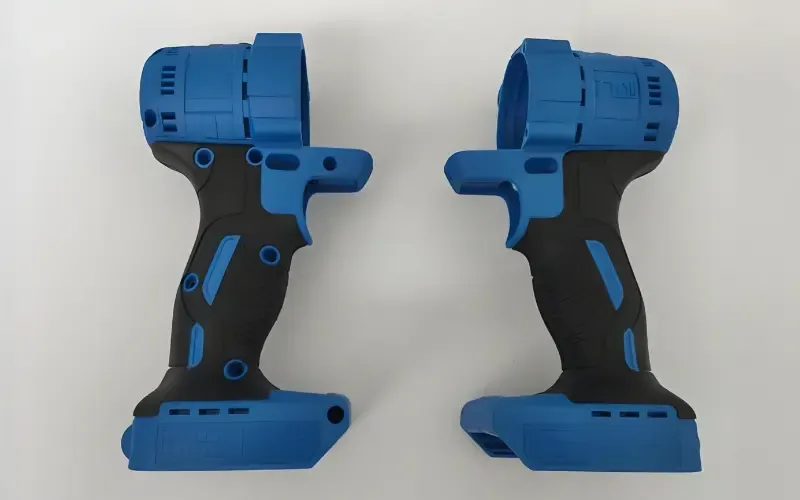
TPU requires different ejection strategies, draft angles, and gate geometry compared to rigid thermoplastics. Flexible materials grip polished steel harder — parts that eject cleanly at first article can stick after 5,000 cycles as micro-roughness accumulates.
The most common DFM failure we catch: insufficient draft on deep features combined with an overly polished cavity surface. For Shore A grades below 80, we routinely recommend VDI 18–24 texture instead of mirror finish.
- ✓ Minimum draft 0.5° on all walls — 1° preferred for Shore A <80
- ✓ Wall thickness 1.0–4.0mm; avoid transitions >25% per step
- ✓ Gate at thickest section — fan or edge gate preferred over pin-point for soft grades
- ✓ Ejector pins on non-cosmetic faces only; sleeves for cylindrical features
- ✓ Overmold substrate: PA bonds direct; PC needs primer or plasma treatment
- ✓ Vent parting line 0.02–0.03mm — TPU fills fast and traps gas at end-of-fill
Common Issues We Catch at DFM Stage
Sticking During Ejection
Soft-grade TPU (Shore A 60–75) grips polished cavities. Add VDI 18–24 texture or increase draft to 1.5°+ on deep pull surfaces. Reduce ejection speed on first-article trials.
Draft ≥1° · VDI texture recommendedSurface Splay / Silver Streaks
Almost always underdried material. Verify with Karl Fischer titration on medical-grade runs — not timer-based drying alone. Target <0.02% moisture before every barrel loading.
Target <0.02% moistureWarpage on Flat Parts
Differential cooling between cavity and core sides causes TPU to bow. Balance cooling channels within 15mm of cavity surface and hold uniform wall thickness across the geometry.
Balanced cooling · uniform wallsOvermold Delamination
TPU bonds reliably to PA6 and PA66 without primers. PC requires plasma treatment or primer. ABS needs mechanical interlocks — chemical adhesion alone is unreliable for peel strength.
PA6/PA66 best · PC needs primeTPU Injection Molding FAQs
Questions from engineers and procurement teams before sending a drawing.
Answered with actual process data from our production floor.
+
+
+
Want to discuss TPU injection molding project?
Our expert engineers can analyze your application requirements and recommend the optimal solution.