
Incoming material and components
Identify the resin grade, lot-traceability requirements and any supplied inserts. State how materials must be stored, unpacked or prepared before they enter the agreed production area.
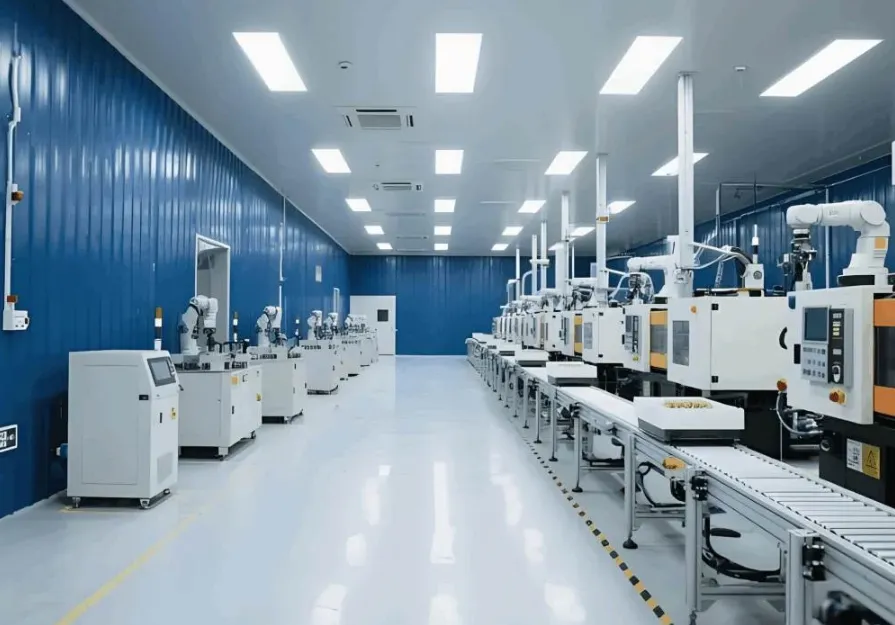
FECISION coordinates cleanroom injection molding through manufacturing partners for plastic components and LSR seals. Bring us your drawing, material and cleanliness requirements so we can match the production location, tooling, inspection and packaging to the project.
PROJECT REVIEW
A cleanroom molding quotation needs an operational boundary, not just a room-class label. Define the controls that matter to the finished component and its next manufacturing step.
Identify the resin grade, lot-traceability requirements and any supplied inserts. State how materials must be stored, unpacked or prepared before they enter the agreed production area.
Separate the required air classification from the contamination limits on the part. Specify critical dimensions, visual inspection conditions and the records needed to release a production lot.
Define counting, bagging, labeling and transfer conditions, including any downstream cleaning or sterilization. Confirm which operations the selected manufacturing site will perform.
Agree trial quantities, required site documents, sampling and packaging checks. FECISION reviews the proposed production scope with the manufacturing partner before confirming the quotation.
Cleanroom injection molding runs the molding, and in some cases the packaging, inside a controlled environment that limits airborne particles — protecting parts that can't tolerate contamination from dust, fibers, or other debris during production.
Use our cleanroom molding guide to understand classification terminology, then define the controls your part actually needs. For silicone components, the LSR injection molding service covers the underlying material and molding process.
| Attribute | Specification |
|---|---|
| Molding scope | Precision thermoplastic components and LSR sealing parts; suitability reviewed against the drawing and intended use |
| Environment | Required air cleanliness, operational state and monitoring scope agreed during project review |
| Materials | Specify the resin or silicone grade, contact conditions, color and any required material documentation |
| Inspection | Identify critical dimensions, visible contamination limits and sampling or test requirements before tooling |
| Handling and packaging | Define post-molding handling, cleaning, bagging and labeling to protect the part through shipment |
| Order planning | Trial quantity, annual demand, tooling, validation scope and delivery schedule confirmed in the quotation |
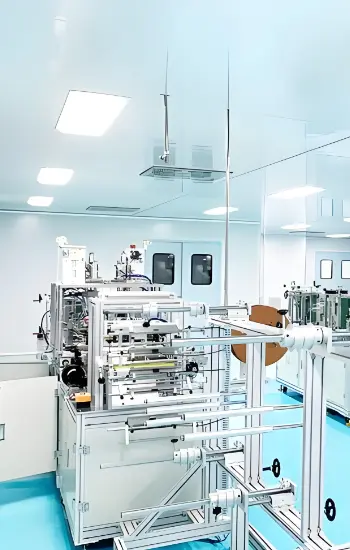
Define how a molded part will be accepted before the tool is cut: critical dimensions, cosmetic zones, contamination limits and the inspection method for each requirement.
Where a program requires IQ, OQ and PQ, agree the protocols, responsibilities, sample quantities and acceptance criteria in the project scope. Material lot records and agreed process records support traceability; the required records should be listed in the quotation.
Air cleanliness is one part of contamination control. Part removal, transfer, secondary operations and packaging also need review. For regulated applications, discuss your documentation needs alongside the medical molding requirements.
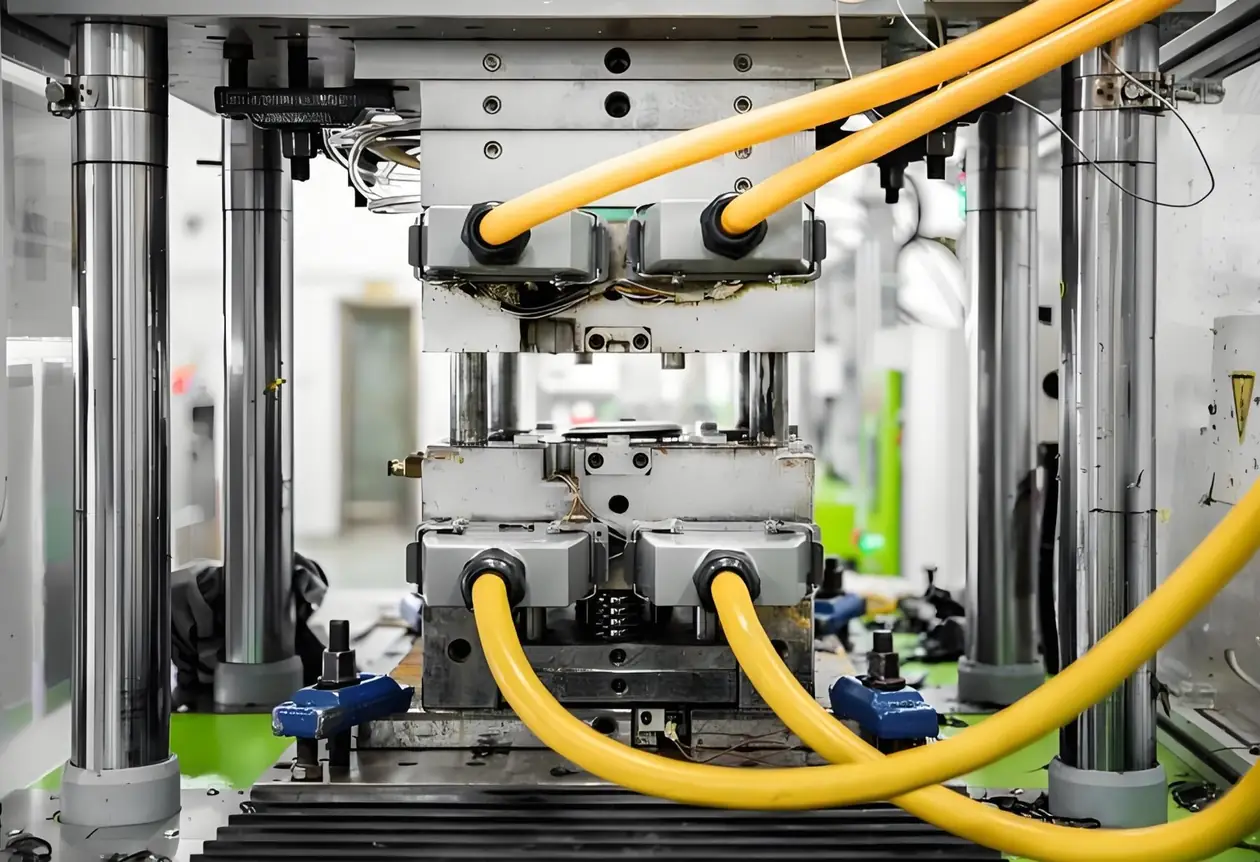
A few design habits carry over from general cleanroom manufacturing best practice, whether the end application is medical or high-end electronics:
Where biocompatibility applies, material selection needs to account for it early — patient or user contact type and duration affect which material grades are appropriate, and switching materials late in development can mean re-validating from scratch.
Design for clean surfaces: eliminate dead spaces and crevices where particles or residue can collect, and favor smooth, easily cleanable geometry over features that are hard to inspect or wipe down.
Confirm material compatibility with the part's intended sterilization method (if any) during design, not after — not every resin holds up the same way to gamma, EtO, or autoclave exposure.
Plan for regulatory documentation from the start if the part is headed toward a regulated application — design history, risk management records, and traceability data are much easier to assemble when they're built in from the beginning rather than reconstructed later.
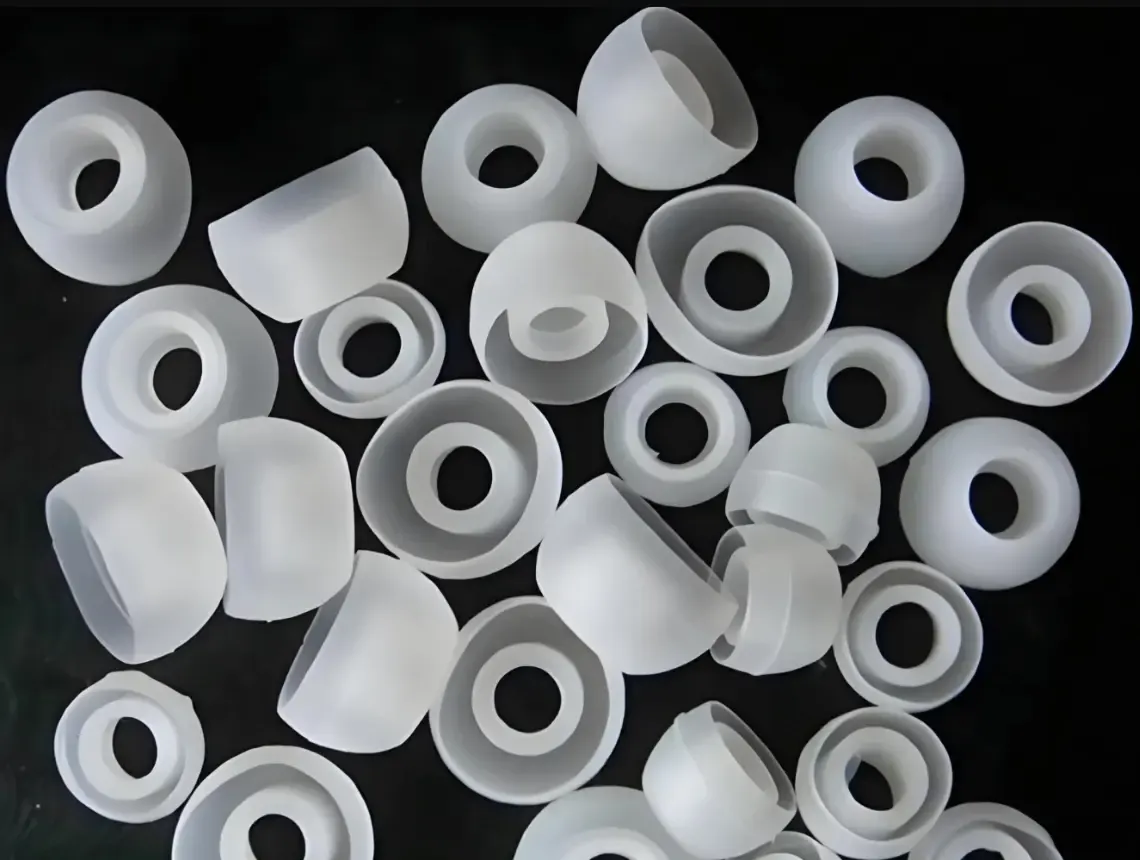
LSR seals and precision interfaces. Share the sealing geometry, mating part, compression and particle limits. Our review considers flash on the sealing face, removal from the mold and handling before assembly; the finished assembly's sealing performance needs its own agreed test.

Electronics and medical components. Connector housings, device enclosures and other sensitive parts can have different cleanliness needs. Specify contact conditions, critical surfaces and documentation so the injection molding process can be reviewed against the application.
Match the required production scope to the applicable facility and quality records during supplier qualification.
Confirm the tested production area, ISO class, particle sizes, test date and occupancy state against the environment required for your part.
Review the certificate holder, manufacturing location, covered activities and validity dates. A quality-system certificate alone does not establish a cleanroom classification.
Agree the inspection plan, material lot records, validation deliverables and packaging checks required for acceptance of your order.
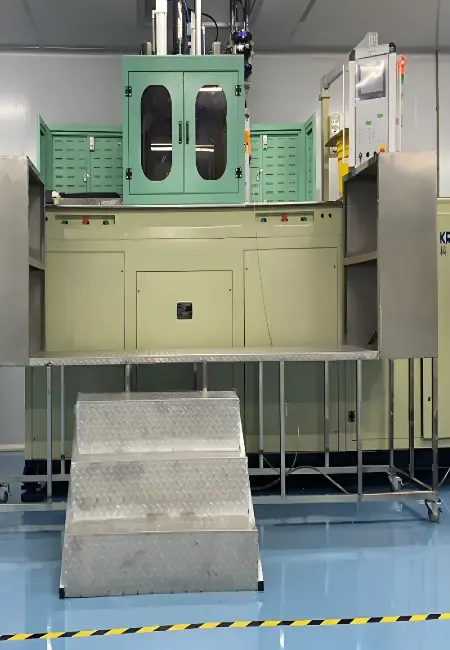
As a general reference at particle sizes of 0.5 micrometers and above, the legacy Class 1000 and Class 10,000 limits approximately correspond to ISO Class 6 and ISO Class 7. This comparison is not a facility certification: the current classification report must identify the tested area and operating state.
Start with the contamination limits for the finished part, its intended use and subsequent handling. Share the required ISO class, if specified, with the drawing. We review the environment and documentation requirements with you before accepting the production scope.
Cleanroom molding controls contamination during manufacture; it does not by itself make a part sterile. If sterility is required, sterilization, packaging and validation must be separately specified and agreed for the finished product.
Include your bagging, sealing, labeling and transfer requirements in the RFQ. The quotation needs to define where molding ends, how parts are handled and which packaging operations are included.
Send 3D CAD and a dimensioned drawing, material grade, trial and annual quantities, critical features, intended application, contamination limits and required inspection or validation records. Include any cleaning, sterilization compatibility and packaging specifications.
Upload drawings, material grades, order quantities and cleanliness requirements. Include critical dimensions and the inspection, validation and packaging documents you need with delivery.
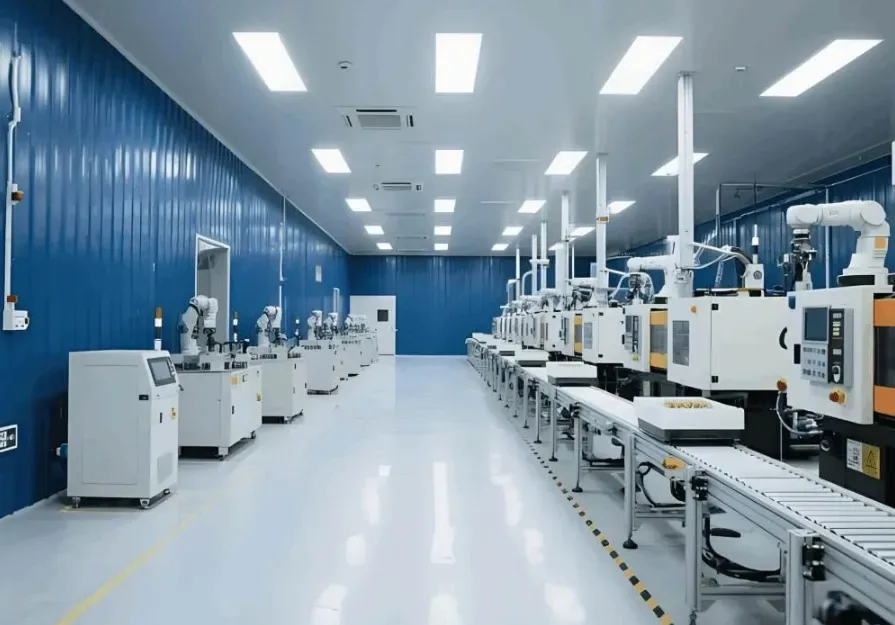
Learn clean room injection molding requirements, ISO 14644-1 classifications and compliance standards essential for medical device and optical part production.
Read More
Review medical injection molding materials, dimensional inspection, documentation and cleanroom requirements for healthcare components.
Read More
Learn how liquid silicone rubber material behavior, tooling, cleanroom controls, and validation affect medical molded components.
Read More