High Strength
Exceptional tensile strength and toughness
PA (Nylon) injection molding delivers exceptional strength, durability, and versatility for critical components across industries. Our specialized services transform this remarkable engineering thermoplastic into precision parts that outperform and outlast alternatives. Whether you need automotive components, industrial machinery parts, or consumer products, our expertise in nylon injection molding ensures optimal results for your most demanding applications.
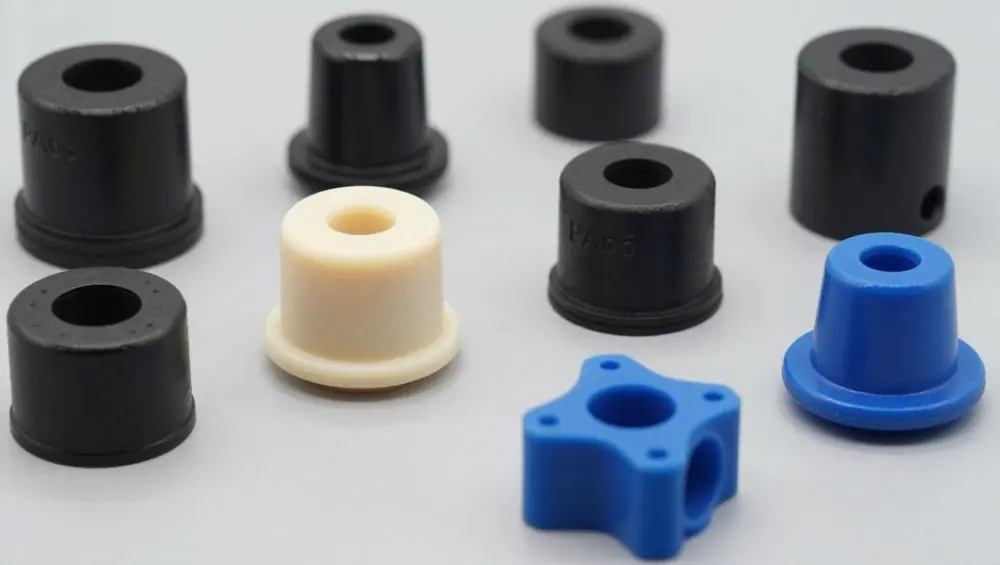
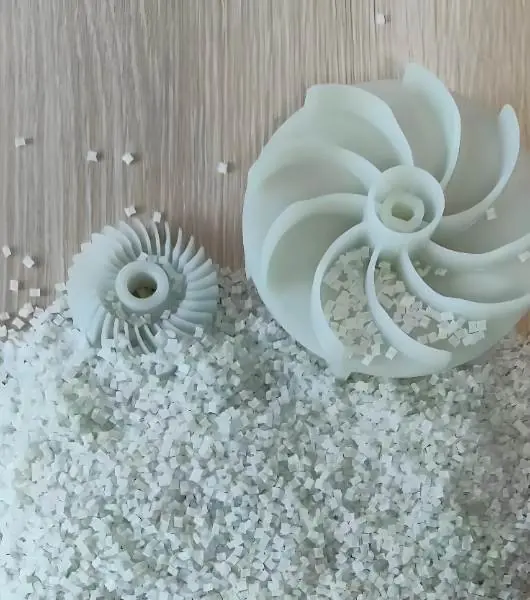
Overview of PA Material
Nylon, technically known as polyamide (PA), is a semi-crystalline thermoplastic polymer characterized by amide bonds (-NH-CO-) in its molecular structure. First developed by DuPont in the 1930s, nylon has evolved into one of the most versatile engineering plastics available today.
This remarkable material bridges the gap between conventional plastics and metals, offering an ideal balance of mechanical strength, chemical resistance, and processability. Its unique properties make it particularly well-suited for injection molding processes, where complex geometries and precise dimensions are essential.
Exceptional tensile strength and toughness
Excellent abrasion and friction resistance
Self-lubricating with smooth sliding properties
| Nylon Type | Key Properties | Best Applications |
|---|---|---|
| PA6 (Nylon 6) | Good toughness, lower melting point (220°C), higher moisture absorption | Gears, bearings, automotive parts, electrical components |
| PA66 (Nylon 66) | Higher strength and heat resistance (260°C melting point), better dimensional stability | Under-hood automotive components, electrical housings, industrial parts |
| PA6 + GF30 | 30% glass fiber reinforcement, increased rigidity and dimensional stability | Structural components, load-bearing parts, metal replacements |
| PA12 | Lower moisture absorption, excellent chemical resistance, more flexible | Fuel lines, pneumatic tubing, cable ties, sporting goods |
| PA11 | Bio-based option, excellent impact resistance, low moisture absorption | Sporting goods, consumer products, flexible components |
Our material experts can help you select the optimal PA (Nylon) formulation for your specific application.
Contact Our Material SpecialistsNylon's exceptional combination of properties makes it an ideal choice for demanding applications where other plastics might fail.
Understanding these characteristics is crucial when considering PA (Nylon) injection molding for your projects.
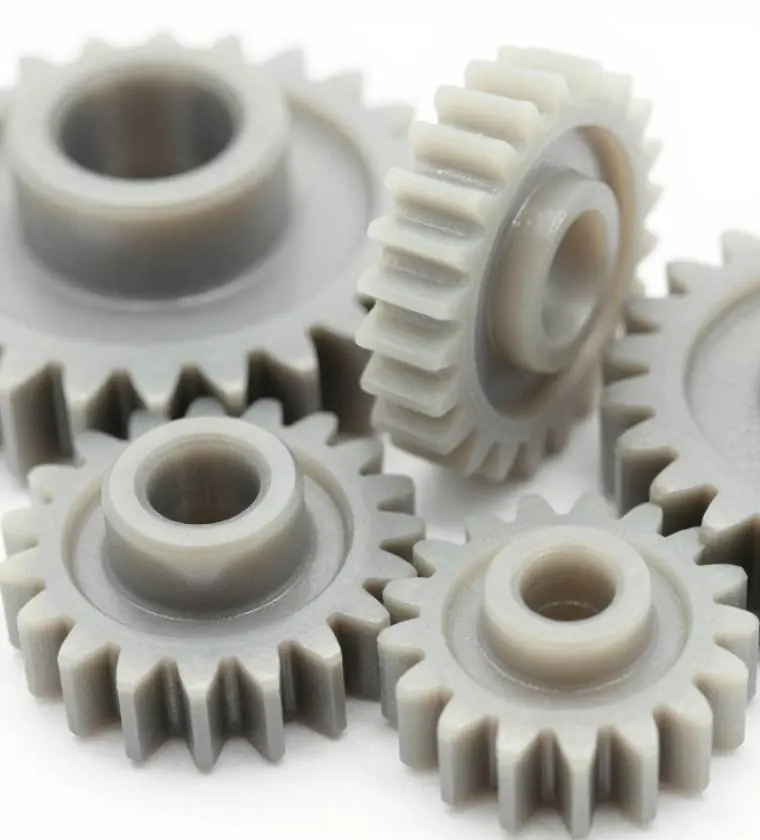
The PA (Nylon) injection molding process requires specialized knowledge and equipment to achieve optimal results.
Our proven methodology ensures consistent, high-quality parts that meet your exact specifications.
Nylon pellets are thoroughly dried (typically at 80-100°C for 2-4 hours) to remove moisture that could cause hydrolysis during processing.
The dried pellets are fed into the injection molding machine where they're heated to 230-290°C (depending on the specific nylon type).
The molten nylon is injected into the mold cavity at controlled pressure and speed to ensure complete filling.
Additional material is packed into the mold to compensate for shrinkage as the part cools.
The part cools within the mold until it solidifies, with mold temperature typically maintained between 80-120°C for optimal crystallinity.
The finished part is ejected from the mold. If required, parts undergo secondary operations such as trimming, assembly, or surface treatments.
Various additives can enhance nylon's properties for specific applications. Our material expertise helps you select the optimal formulation for your unique requirements.
| Glass Fibers (15-50%) | Increases strength, stiffness, dimensional stability, and heat resistance | Structural components, metal replacements, under-hood automotive parts |
| Carbon Fibers | Enhances strength, stiffness, and provides electrical conductivity | EMI shielding components, high-performance structural parts |
| Flame Retardants | Improves fire resistance and reduces flammability | Electrical housings, connectors, consumer electronics |
| UV Stabilizers | Protects against degradation from sunlight exposure | Outdoor equipment, automotive exterior parts |
| Impact Modifiers | Enhances toughness and low-temperature impact resistance | Safety components, consumer products, cold-environment applications |
| Lubricants (PTFE, Silicone) | Reduces friction and improves wear resistance | Gears, bearings, sliding components |
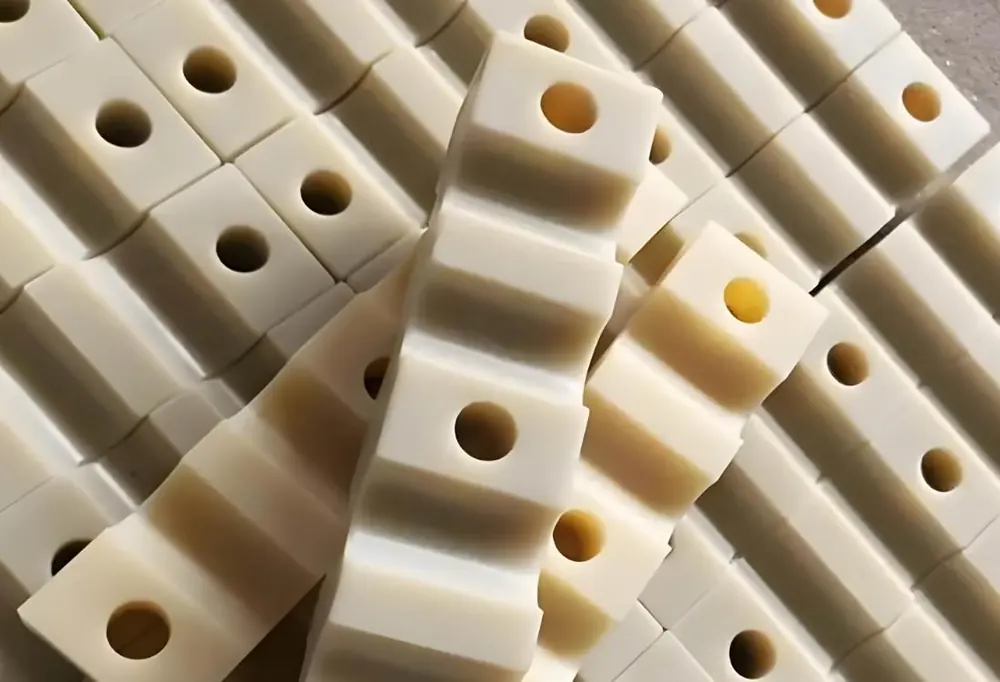
PA6 typically requires barrel temperatures of 220-260°C, while PA66 needs higher temperatures of 260-290°C. Mold temperature affects crystallinity, surface finish, and mechanical properties.
Nylon's hygroscopic nature necessitates thorough drying before processing. Moisture content should be below 0.2% to prevent surface defects, voids, and degradation of mechanical properties.
Nylon Injection Molding Applications
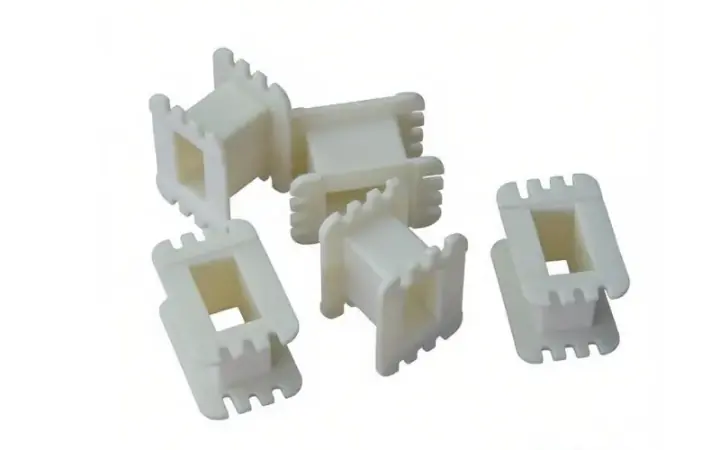
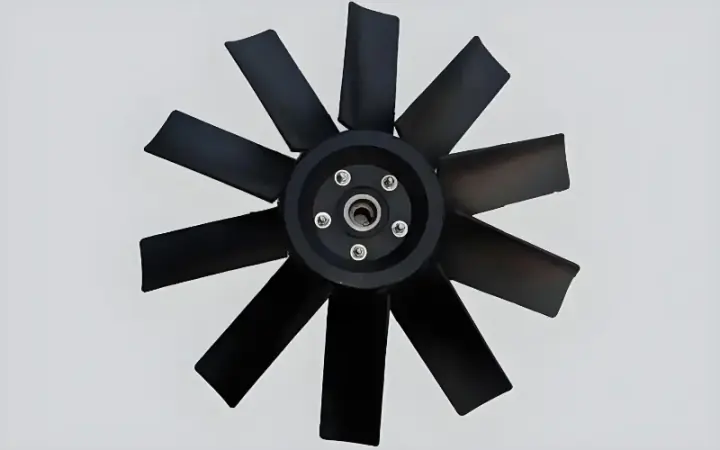
PA (Nylon) injection molded components excel across diverse industries due to their exceptional combination of properties. Our expertise spans all these applications, ensuring optimal material selection and processing for your specific needs.
Fuel system components
Under-hood parts
Interior trim components
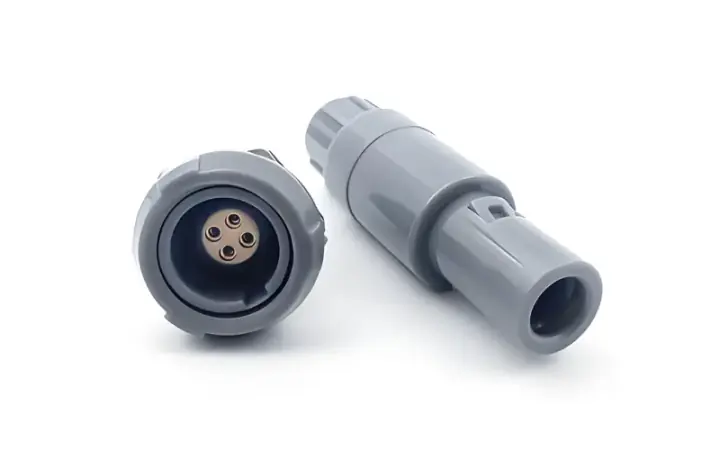
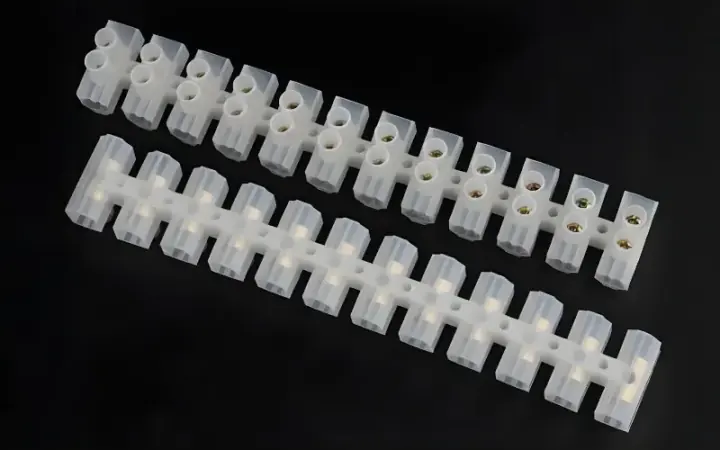
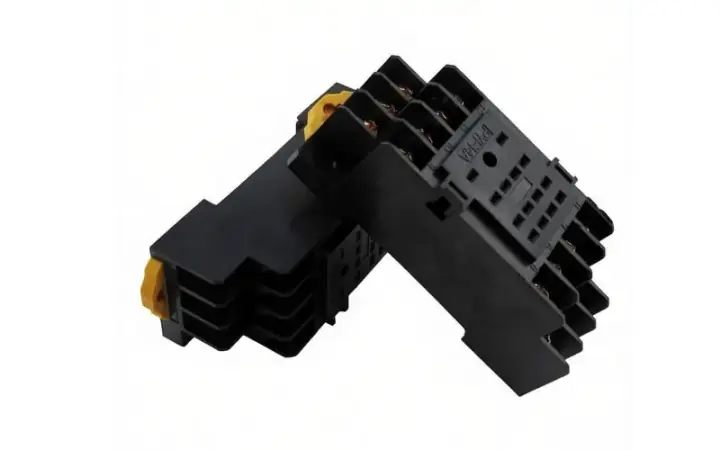
Electrical connectors
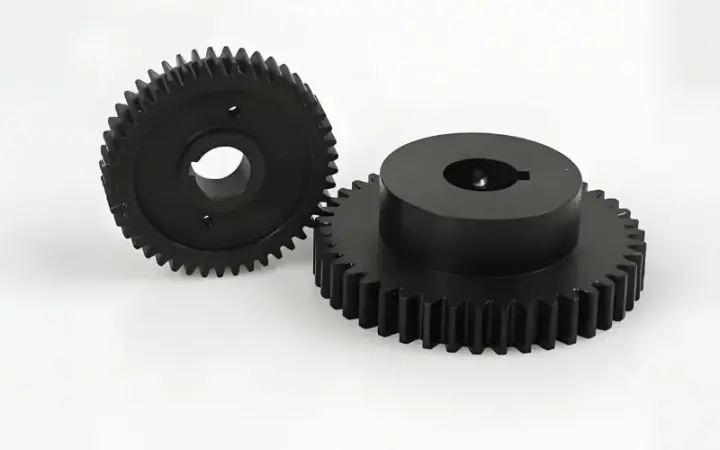
Gears and bearings
Appliance components
Tool housings
Sports equipment
Furniture components
Electronic device housings
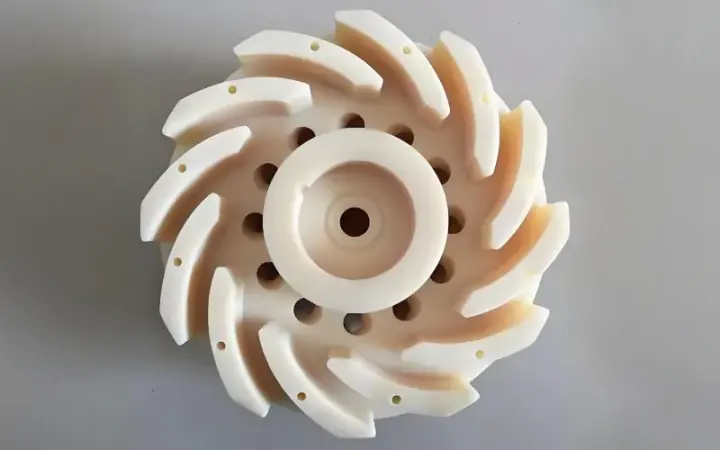
Pump components
Conveyor parts
Electrical housings
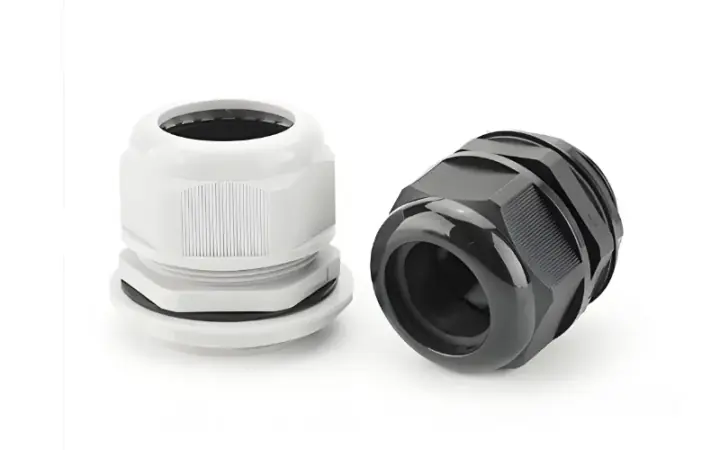
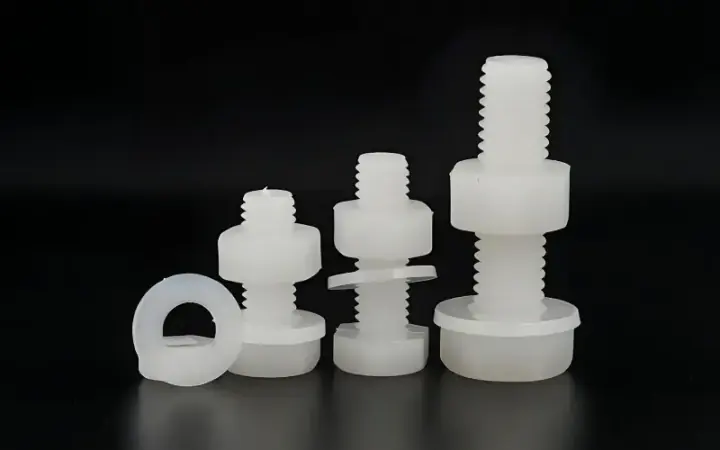
Fasteners and fittings
Machinery components
Surgical instruments
Device housings
Laboratory equipment
Sterilizable components
Robot joint gears
Actuator housings
Bearing cages
Cable guides
Interior components
Lightweight brackets
Wire management systems
Non-structural elements
Our comprehensive PA (Nylon) injection molding services deliver exceptional quality, consistency, and value for your most demanding applications. With decades of specialized experience and state-of-the-art equipment, we transform your designs into high-performance nylon parts that meet or exceed your expectations.
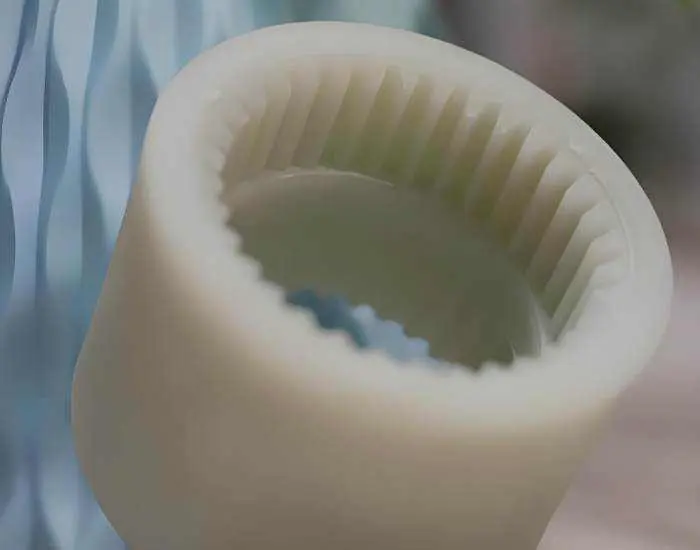
Our materials specialists help you select the optimal nylon formulation for your specific application requirements, balancing performance, processability, and cost considerations.
Our engineering team provides design for manufacturability (DFM) feedback to optimize your parts for nylon injection molding, ensuring quality while minimizing costs.
We design and manufacture high-precision molds specifically optimized for nylon processing, with proper venting, cooling, and ejection systems for flawless parts.
Our comprehensive quality control system includes in-process monitoring, dimensional verification, and performance testing to ensure every part meets your specifications.
From prototypes to high-volume production, our flexible manufacturing capabilities scale to meet your changing needs without compromising quality.
We offer assembly, secondary operations, custom packaging, and logistics support to provide a complete manufacturing solution for your nylon components.
PA66 offers higher tensile strength, better heat resistance (melting point ~260°C vs. ~220°C for PA6), and improved dimensional stability. PA6 provides better impact resistance, easier processing due to lower viscosity, and typically costs less. PA66 is preferred for high-temperature applications, while PA6 is often chosen for parts requiring toughness and complex geometries.
The recommended wall thickness for nylon parts is typically between 0.8mm and 3mm. Thinner walls (0.8-1.5mm) are possible due to nylon's good flow properties but may require higher injection pressures and careful process control. Thicker walls (above 3mm) can lead to longer cycle times, sink marks, and internal voids. Maintaining uniform wall thickness throughout the part is crucial to minimize warpage.
Glass fiber reinforcement significantly enhances nylon's mechanical properties. Adding 30% glass fibers (GF30) typically increases tensile strength by 200-300%, improves heat resistance by 20-40°C, reduces shrinkage by 50-60%, and enhances dimensional stability. However, it also increases density, reduces impact resistance, creates a rougher surface finish, and makes the material more abrasive to processing equipment.
Standard tolerances for nylon injection molded parts typically follow ISO 2768-m (±0.2mm for dimensions up to 30mm). Tighter tolerances (±0.1mm) are achievable with optimized tooling and process control, particularly for glass-filled grades which exhibit less shrinkage. Factors affecting tolerance capabilities include part geometry, material grade, mold design, and process stability.
Contact our team to discuss your requirements and discover how our expertise can bring your designs to life with precision and efficiency.
Get Your Quote