PET Injection Molding FAQs
Is PET suitable for food packaging applications?⊙
Selected PET grades have documentation supporting specified food-contact uses. It's widely used for food and beverage packaging due to its excellent clarity, barrier properties, and safety profile. For food applications, virgin or food-grade recycled PET (rPET) should be used with appropriate processing conditions to maintain compliance with regulatory requirements.
What are the main differences between PET and PETG for injection molding?⊙
The main differences are in processing and mechanical properties. PETG (glycol-modified PET) offers easier processing with less crystallization, better impact resistance, and improved clarity. Standard PET has higher temperature resistance, better chemical resistance, and greater stiffness. PETG is preferred for applications requiring high clarity and toughness, while standard PET is better for applications requiring thermal stability.
How does moisture affect PET injection molding?⊙
Moisture is critical in PET processing. Even small amounts (>0.005%) can cause hydrolytic degradation during melting, resulting in reduced molecular weight, decreased mechanical properties, and visual defects like streaks and bubbles. Proper drying (4-6 hours at 160-180°C) in a dehumidifying dryer is essential before processing PET to achieve optimal results.
What are the environmental benefits of using PET?⊙
PET offers several environmental advantages. It's 100% recyclable (resin identification code #1) and widely accepted in recycling programs globally. It has a lower carbon footprint compared to glass or metal alternatives due to its lightweight nature, reducing transportation emissions. Additionally, recycled PET (rPET) can be used in many applications, creating a circular economy opportunity while maintaining material properties.
What surface finishes can be achieved with PET injection molding?⊙
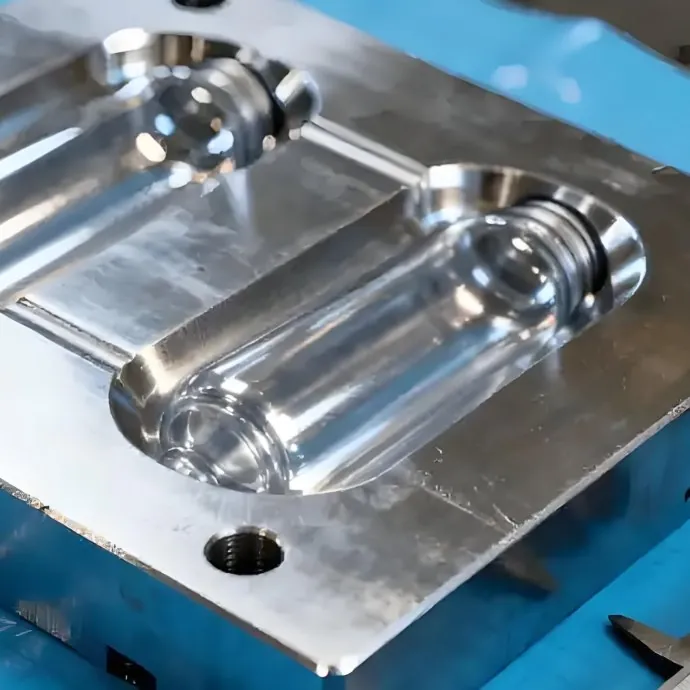
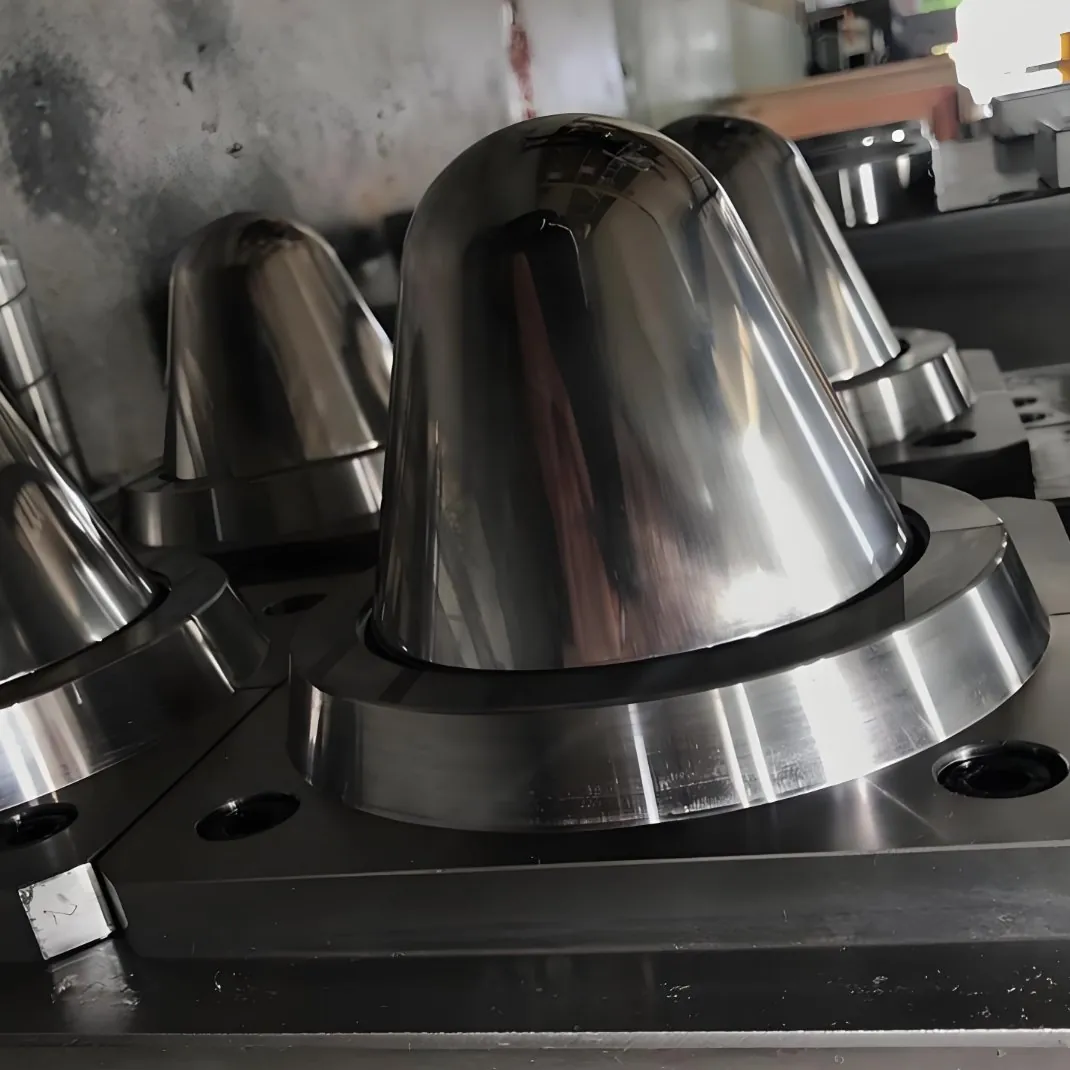
PET can achieve a wide range of surface finishes, from high-gloss to matte textures. It's highly polishable, allowing for optical-quality surfaces (SPI-A1) when required. Textured surfaces can be created through mold texturing techniques. For transparent applications, proper mold temperature control and processing parameters are essential to prevent crystallization that could affect clarity.