info@fecision.com

Surface FinishesMold Texturing

Mold Texturing

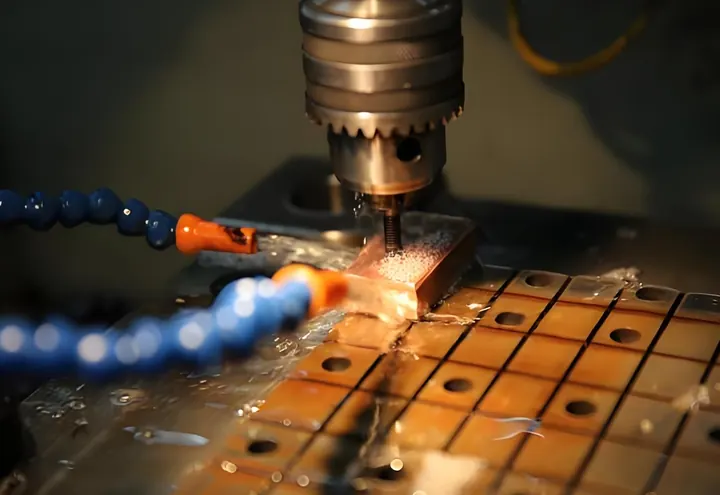
Mold texturing at Fecision runs on the same EDM equipment built into the mold shop — EDM units at ±0.01 mm, wire-EDM units at ±0.002 mm — to cut matte, grain, or pattern textures directly into the cavity surface.

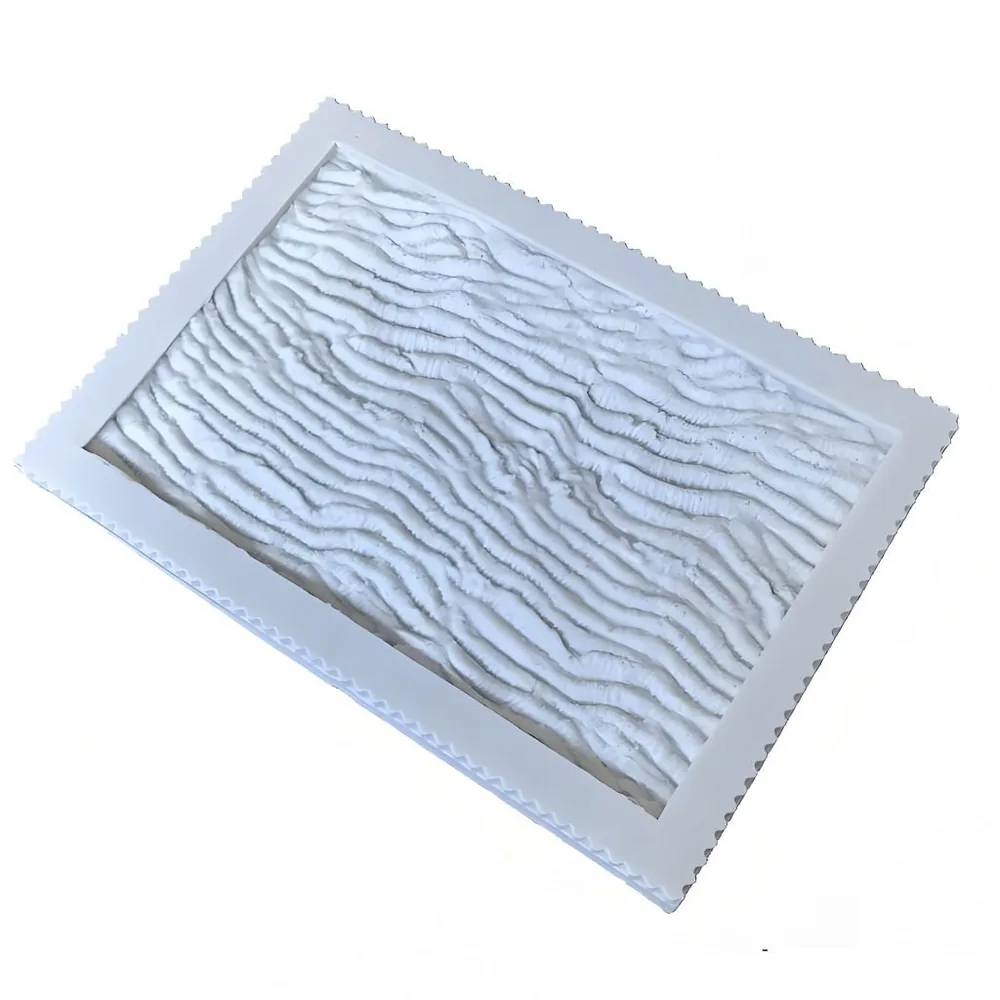
Textured injection molded surfaces with different patterns
EDM units
±0.01 mm
wire-EDM units
±0.002 mm

What Mold Texturing Does

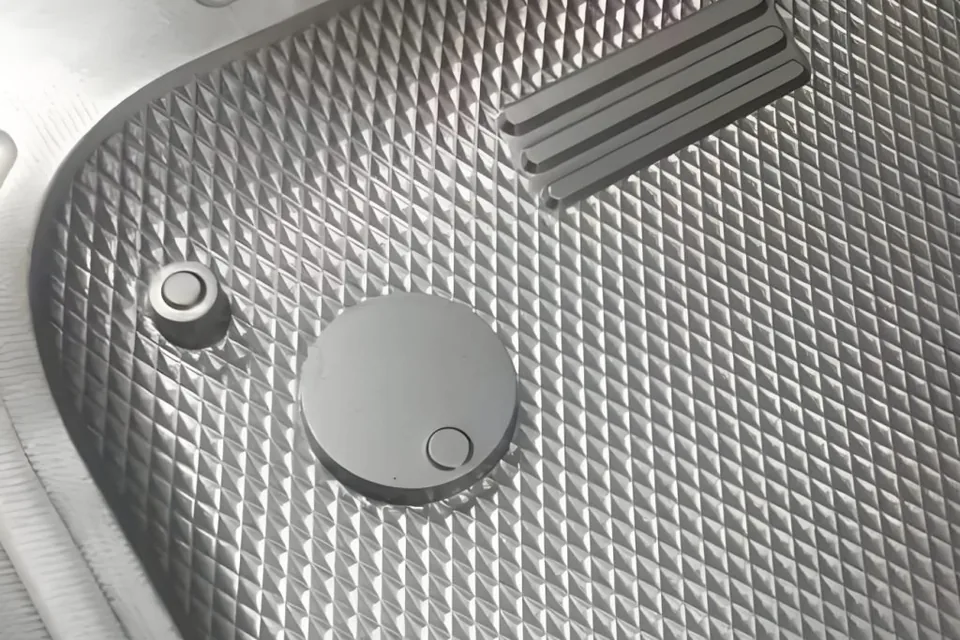
Texture cut into a mold cavity transfers directly to every part molded from it, the same way polish does — a raised or recessed pattern on the tool becomes the inverse on the plastic part. Beyond appearance, texture does several practical jobs: it masks minor flow lines, weld lines, and other small cosmetic defects that a glossy surface would show; it improves grip on a handled surface; it reduces visible fingerprints on a consumer-facing part; and in some cases, it replaces a secondary finish entirely — a textured surface can deliver the matte, non-reflective look a project might otherwise get from painting or coating.

VDI and Mold-Tech Texture Standards

Two standards cover most texture specifications used across the industry.

Mold texture standard samples

VDI 3400

VDI 3400, the German engineering standard, defines roughly 45 grades of matte texture created by EDM (spark erosion) — an electrical discharge process that erodes the mold surface to a controlled, consistent roughness. VDI grades run from fine to coarse and are widely used as a baseline reference even outside Germany.

Some VDI and Mold-Tech textures have rough equivalents — SPI D-3, VDI 33, and MT-11020 all produce a visually similar coarse texture — but the three systems aren't interchangeable one-to-one.

Mold Texturing at Fecision

Fecision cuts standard EDM textures in-house using the same spark-erosion equipment applied to complex cavity geometry during mold-making — EDM units at ±0.01 mm precision and wire-EDM units at ±0.002 mm for finer detail work. That covers the matte, sand-like finish EDM naturally produces, without needing to reference an external pattern library.

A specific VDI grade callout, a Mold-Tech catalog pattern, or a custom logo/pattern texture gets scoped and coordinated through outside resources on a project basis, since matching a named commercial texture — or a decorative pattern beyond a standard matte finish — usually calls for a specialized photo-etching or laser process outside standard EDM work.

EDM process used for mold texturing

Texture Depth and Draft Angle

Texture depth is a design constraint, not just a cosmetic choice. A deeper or coarser texture grips the mold cavity wall more than a smooth or lightly textured surface does, which means a textured part typically needs more draft angle to release cleanly — skipping this adjustment shows up as drag marks, white stress marks, or a part that doesn't eject cleanly at all. This is why texture gets specified during DFM alongside draft angle, not chosen after the mold geometry is already locked.

The texturing process itself follows a set sequence:

  1. 01

    the cavity is cleaned

  2. 02

    areas that shouldn't be textured are masked

  3. 03

    the surface gets prepped (polished or ground as needed before texturing)

  4. 04

    the texture is applied

  5. 05

    the finished surface is inspected for consistency before the mold goes into production

Frequently Asked Questions

Can Fecision match a specific VDI grade or Mold-Tech pattern?

Standard EDM/spark-erosion textures are produced in-house. A specific VDI grade callout or a named Mold-Tech catalog pattern gets scoped and coordinated through outside resources, since matching a commercial texture library usually requires a specialized photo-etching or laser process.

Does texture affect the draft angle my part needs?

Yes — a deeper or coarser texture grips the mold cavity more than a smooth surface, so it typically needs more draft angle to release cleanly. This gets addressed during DFM, alongside the rest of the mold geometry, not after the tool is cut.

Can texturing replace a secondary finish like painting?

Sometimes. A matte, non-reflective texture can deliver a similar look to a painted or coated surface without the added process, which can simplify the project. Whether it works depends on the part's exact cosmetic and functional requirements.

Does a textured mold cost more than a polished one?

It depends on the texture's complexity. A standard EDM matte finish is a routine part of mold-making; a specific commercial pattern or a custom logo texture adds cost and leadtime beyond that, since it requires coordinating a specialized process.

When does texture need to be decided?

During DFM, at the same time as draft angle and mold geometry. Texture and draft angle are directly connected, so specifying texture after the mold is built usually means reworking the cavity rather than adjusting a spec on paper.

Start Your Mold Texturing Requirement

Send the part's cosmetic and functional requirement (grip, defect-masking, a specific pattern reference) along with material, and Fecision's team will evaluate during DFM.

Request a Quote

Request A Quote

Tell Us About Your Project

Fields marked with are required.

By submitting this form, you agree that Fecision may use the supplied information to respond to your inquiry.