
SPI grade
A (A1-A3)
- Finishing method
- Diamond buffing
- Typical result
- Glossiest finish; used for optical lenses, mirrors, clear housings
Mold polishing controls the working-surface finish transferred to every part molded from the tool. Polish grade gets set during DFM, before the mold is cut, and higher-gloss or specific SPI/VDI callouts are scoped project by project.
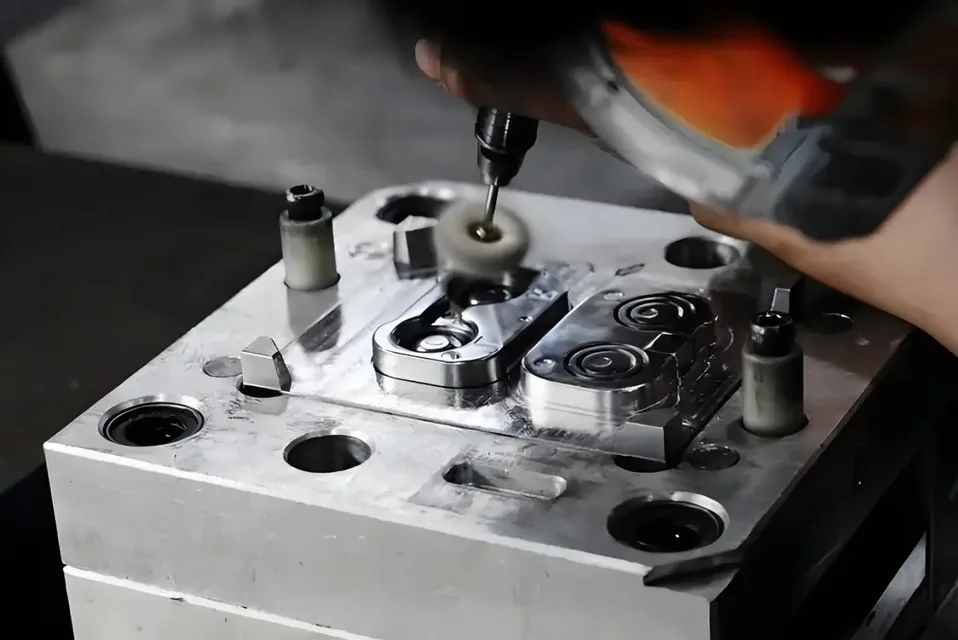
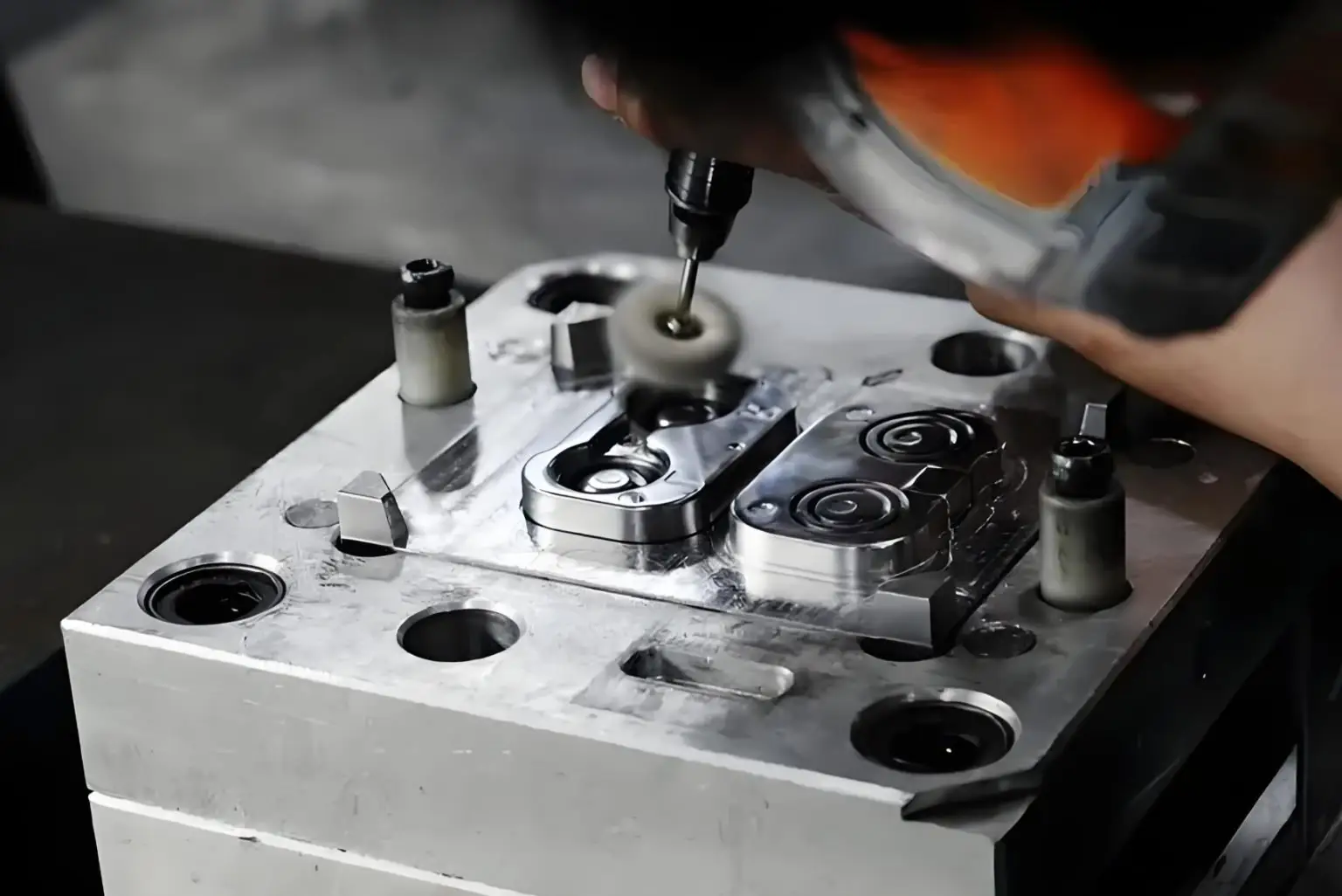
Mold polishing removes the tool marks left by machining and controls how light interacts with the molded surface — the difference between a clear optical lens and a part with visible machining lines comes down entirely to how the cavity was finished.
It also affects two things beyond appearance: how easily a part releases from the mold (a rougher surface can grip the part during ejection) and how visible minor process defects become (a high-gloss surface reveals flow lines and sink marks that a textured surface would hide).
Two standards cover most of the mold-polish specifications used across the industry. SPI (set by the Society of the Plastics Industry, now the Plastics Industry Association) defines 12 polish grades across four categories, each using a different finishing method:
SPI grade
SPI grade
SPI grade
SPI grade
VDI 3400, the German EDM-based texture standard, is sometimes referenced alongside SPI, but it's fundamentally a texturing standard rather than a polish standard — see Mold Texturing for the full VDI and Mold-Tech texture standards.
FECISION coordinates cavity polishing with the selected tooling partner. The required surface depends on mold steel, resin, part geometry, cosmetic zones and any subsequent coating or decoration. Specify the finish and inspection method in the drawing or mold specification.
For an optical surface or a particular SPI finish, the partner reviews the tooling requirements and sample approval criteria during DFM. Textured surfaces are planned separately through the mold texturing process.
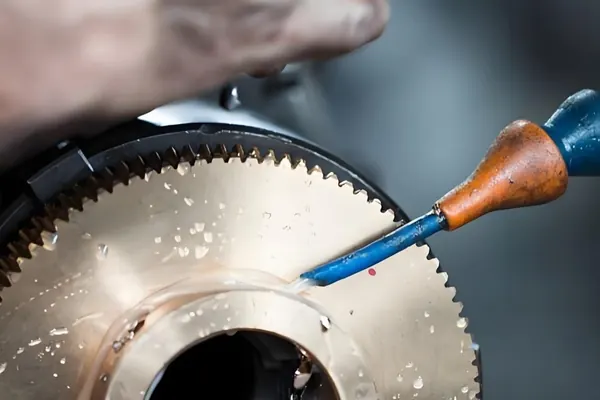 Project-specific Finish
Polish grade is a tradeoff, not a simple “higher is better” decision.
A glossy A-grade finish looks best on a clear or cosmetic part, but it also shows every flow line, sink mark, and mold defect — and it usually needs more draft angle to release cleanly, since a smooth surface grips a part harder on ejection than a textured one does.
A textured or matte finish is more forgiving on both counts, and it's useful for masking minor cosmetic inconsistencies or adding grip on a handled surface, but it works against certain secondary processes: pad printing and fine labeling can skip or distort on a heavily textured surface.
The finish also needs to match the mold steel and part material — some engineering resins simply won't take a mirror finish well regardless of how the mold is polished.
Generally, yes. Glossier finishes take more manual polishing time and are less forgiving of any underlying tool marks, which adds both cost and leadtime compared to a semi-gloss or matte finish. This gets factored into the mold quote once the target finish is specified.
It can. A high-gloss surface can make paint or ink adhesion harder without a primer step, and a heavily textured surface can cause pad printing or fine labeling to skip or distort. Mentioning any planned secondary finish during DFM lets both be planned together instead of conflicting.
In some cases, yes, depending on the mold's current condition and steel type. It's assessed case by case rather than assumed — a mold with significant wear or a prior coating may not be a good candidate.
Send the part's cosmetic requirement (optical clarity, semi-gloss, matte, textured) along with material and any secondary finish plans, and Fecision's team will confirm achievable grade and process during DFM.
Request a Quote