
Color/finish options
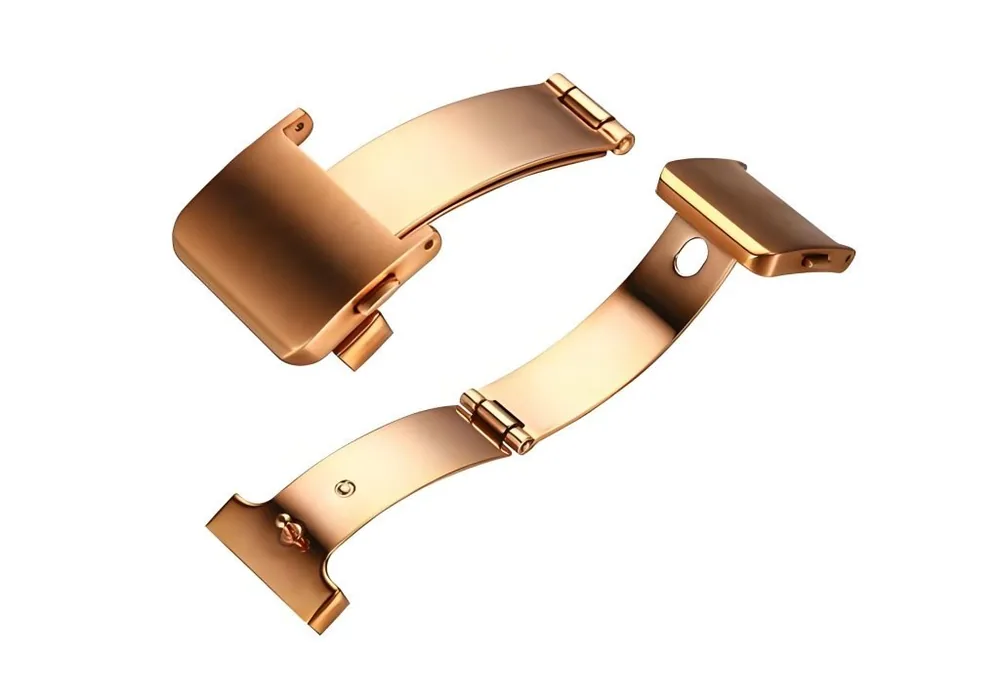
Metallic tones (silver, gold, gunmetal, rose gold), tinted or clear protective coatings, depending on target compound
PVD (physical vapor deposition) coating applies a thin, durable metal or compound layer to a plastic part using sputtering or ion plating inside a vacuum chamber. It covers a broader material and performance range than vacuum metallizing, and can serve a functional purpose — scratch or wear resistance — in addition to appearance.
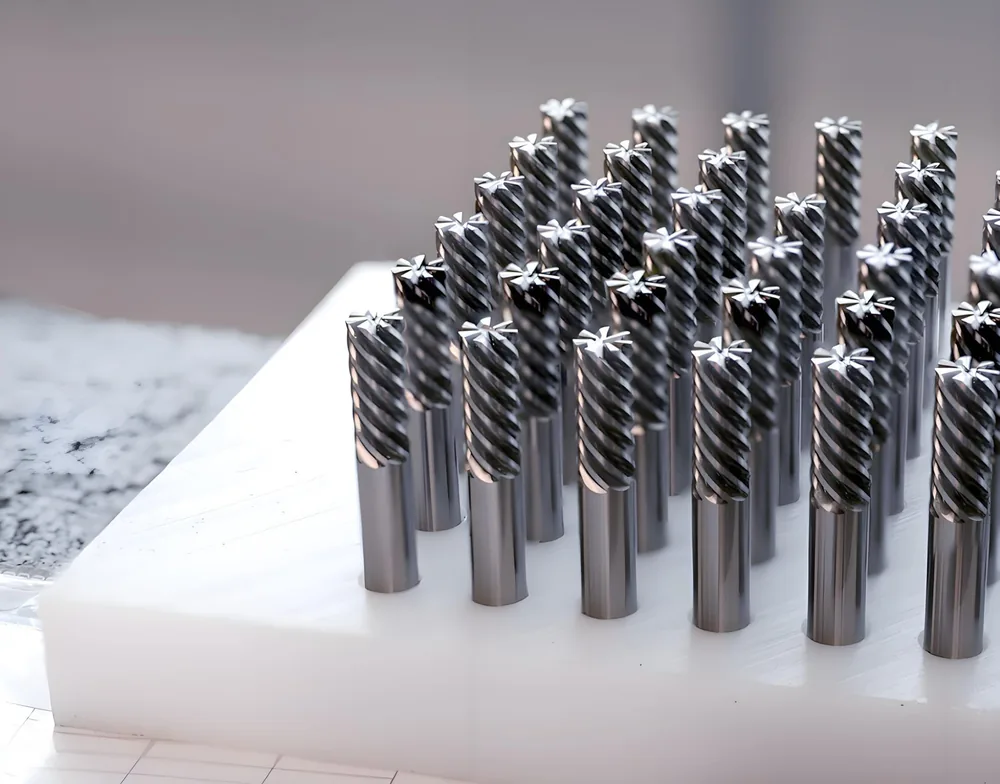
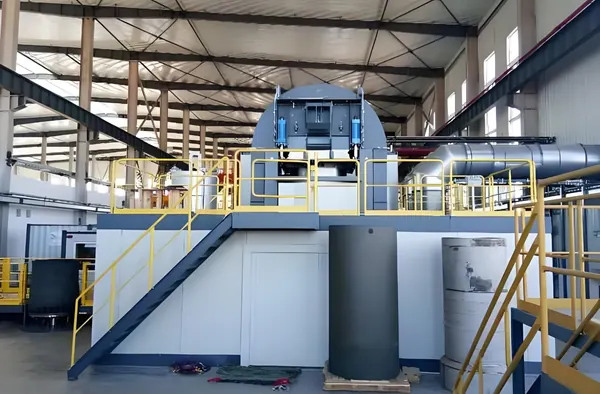
PVD coating works by bombarding a solid target material with ions inside a vacuum chamber, knocking atoms loose so they travel across the chamber and bond to the part's surface as a thin film. Unlike vacuum metallizing's evaporation process, sputtering and ion plating can deposit a much wider range of materials — not just aluminum, but compounds like titanium nitride (TiN), chromium nitride (CrN), and titanium aluminum nitride (TiAlN) — which is what gives PVD coating both a broader color range and meaningfully better hardness and wear resistance.
For a molded part, that means PVD can deliver a premium metallic or tinted appearance, a clear protective layer, or a functional scratch- and wear-resistant surface, depending on what the part needs.
Metallic tones (silver, gold, gunmetal, rose gold), tinted or clear protective coatings, depending on target compound
ABS and similar smooth, heat-stable plastics
Typically 0.1-5μm depending on compound and application
Meaningfully higher than vacuum metallizing; compounds like TiN, CrN, and TiAlN add wear resistance beyond appearance alone
Food-safe and clear-coat variants available for applications like cutlery or hygiene-sensitive products
Line-of-sight process — part geometry and orientation in the chamber affect coating coverage and uniformity
Vacuum metallizing and PVD coating are technically part of the same broader vapor deposition family, but they use different methods and land in different places on material range and durability.
Vacuum metallizing uses thermal evaporation — heating a metal until it vaporizes — which works well but is largely limited to low-melting-point metals, mainly aluminum. PVD coating, in the narrower sense used here, refers to sputtering or ion plating: bombarding a target material with ions rather than simply heating it, which allows a far wider range of materials, including hard compounds that evaporation can't produce. That's the practical difference that matters for a project — not the deposition physics, but what it means for color options and how much wear the finish can take.
PVD is a line-of-sight process — the coating only builds up where the vapor or ions can reach in a relatively direct path, which makes part geometry and chamber orientation real design considerations, not just a production detail.
Deep recesses, tight internal features, and areas shadowed by the part's own geometry may get thin or uneven coating; flagging these features early lets the coating supplier plan part orientation or fixturing around them.
Areas that shouldn't be coated — threads, bores, sealing faces, electrical contacts — need masking, and masking failure causes functional problems, not just cosmetic ones. Specify masked areas on the drawing rather than leaving them to be worked out later.
Coating adds real, if thin, thickness — tight-tolerance mating features need that thickness accounted for in the part's dimensions, or masked if the feature can't tolerate any buildup at all.
The substrate needs to be clean and defect-free before coating; oil, fingerprints, and dust all block adhesion, and PVD doesn't hide a poor-quality molded surface any better than electroplating or vacuum metallizing does.
Sharp edges, deep recesses, and parting line location all affect how evenly the coating deposits, similar to the considerations that apply to painting or electroplating the same part.
PVD coating quality gets checked with a handful of standard tests:
Adhesion testing (often a tape or scratch test) confirms the coating actually bonds to the substrate rather than sitting loosely on top of it;
Scratch testing measures how much force the coating can take before it's damaged;
Corrosion testing (commonly salt spray) checks how the coating holds up in a corrosive environment when that matters for the application.
Coating thickness gets monitored during deposition and verified afterward, since even a coating that looks even can vary in thickness in ways that aren't visible without measurement.
Covers a wider material and color range than vacuum metallizing, including hard compounds not available through simple evaporation.
Can serve a functional purpose — scratch and wear resistance — in addition to a decorative finish, unlike vacuum metallizing's primarily cosmetic role.
A dry, chemical-free process compared to electroplating, without the electrolyte and heavy chemistry involved in a plating bath.
Food-safe and clear-coat variants extend PVD's use beyond purely decorative metallic finishes.
Costs more than vacuum metallizing, since sputtering and ion plating are more complex processes than simple thermal evaporation.
Line-of-sight deposition means complex geometries need careful part orientation and fixturing to avoid thin or uneven coverage.
Maintaining consistent color across production batches takes tight process control — small parameter shifts between runs can produce a visible color difference.
Like electroplating and vacuum metallizing, PVD reveals rather than hides surface defects, so the as-molded part needs a clean, high-quality surface to start.
It depends on the application. PVD covers a wider material and color range and offers meaningfully better wear resistance, which matters for parts that need durability as well as appearance. Vacuum metallizing costs less and is a reasonable choice for low-contact cosmetic surfaces where budget matters more than durability.
Yes — clear protective PVD coatings and food-safe variants are available, extending its use beyond decorative metallic finishes to applications like cutlery or hygiene-sensitive products.
ABS and similar smooth, heat-stable plastics are the standard substrate choice. The part needs a clean, defect-free surface, since PVD reveals surface flaws rather than hiding them.
Coating thickness is typically in the 0.1-5μm range — thin but real. Tight-tolerance mating features need that thickness accounted for in the design, and masking is used for features that can't tolerate any buildup.
Color consistency depends on tight process control — small shifts in coating parameters between production runs can produce a visible difference. This is a known consideration in PVD decorative coating, and tighter process control reduces, but doesn't fully eliminate, batch-to-batch variation.