Higher production efficiency with shorter cycle times
Precise dimensional control for complex geometries
Minimal material waste compared to other processes
Excellent part-to-part consistency
Ability to produce intricate details and thin walls
Lower labor costs through automation
Custom Rubber Injection
Molding Services
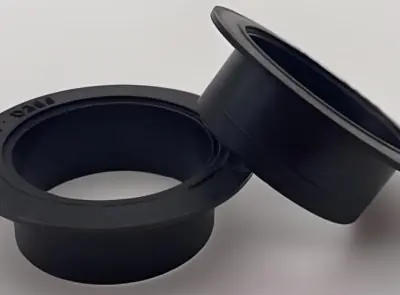
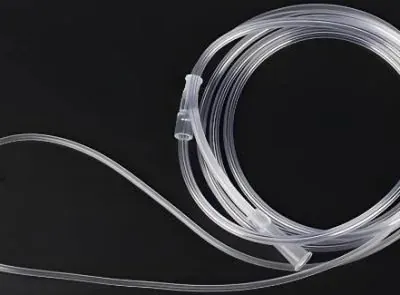
Rubber injection molding delivers unmatched precision and efficiency for creating complex rubber components. This advanced manufacturing process combines speed, accuracy, and cost-effectiveness, making it ideal for producing high-volume, consistent parts across industries. Our comprehensive rubber injection molding services provide tailored solutions for your most demanding applications.
Precision
Durability
Versatility
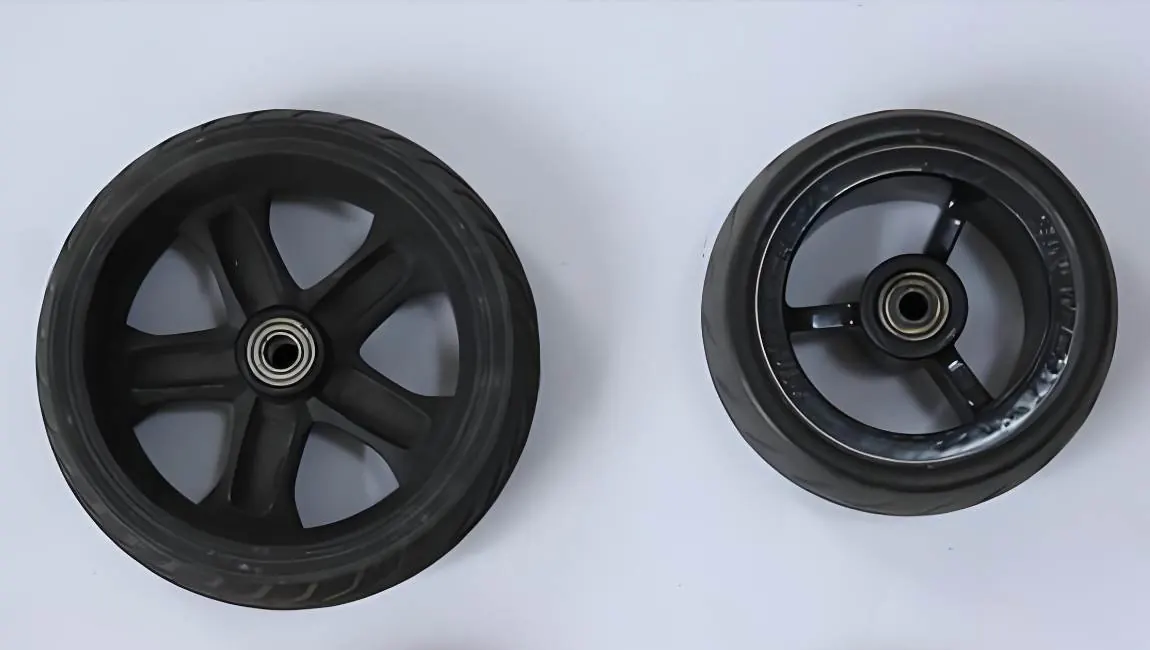
Rubber Injection
Molding for Custom
Components
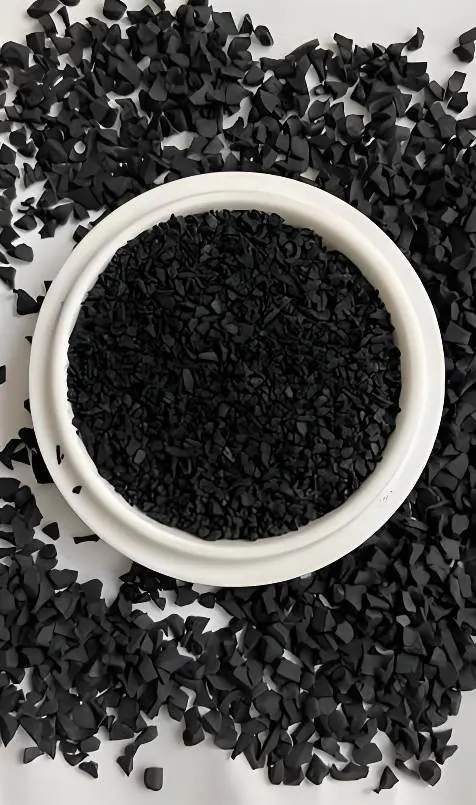
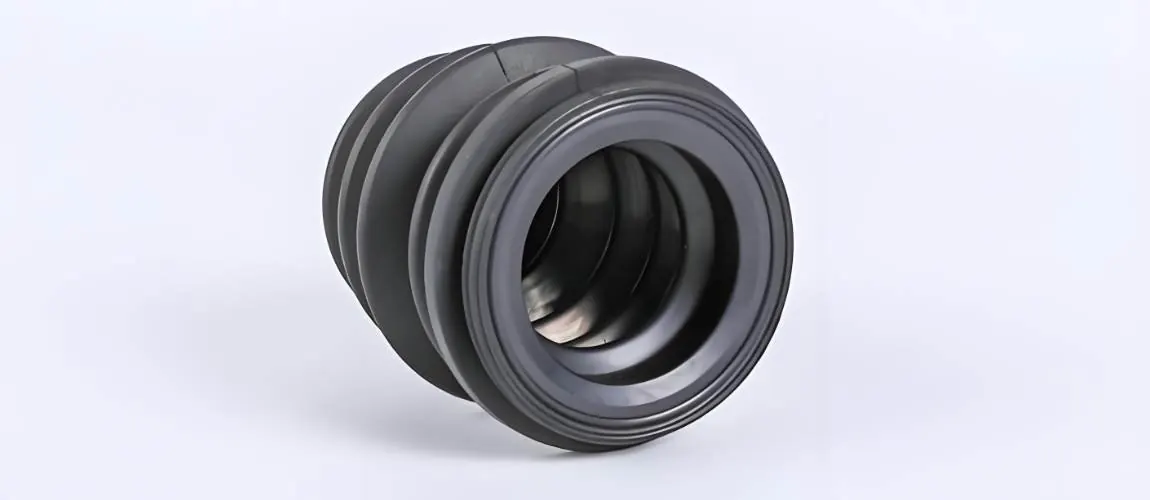
Rubber injection molding is a manufacturing process where heated rubber compound is injected into a closed mold under pressure. Once cured, the mold opens to release the finished part. This method excels at producing complex geometries with tight tolerances and exceptional consistency, making it superior to traditional compression molding for many applications.
Automotive seals, gaskets, and vibration isolators
Medical device components and seals
Industrial equipment parts and protective covers
Consumer product components
Electrical insulation and connectors
Aerospace and defense components
Common Applications
Rubber Injection Mold Tooling
The quality of your rubber parts begins with superior mold design and construction.
Our comprehensive tooling services ensure optimal performance and longevity for your rubber injection molding projects.
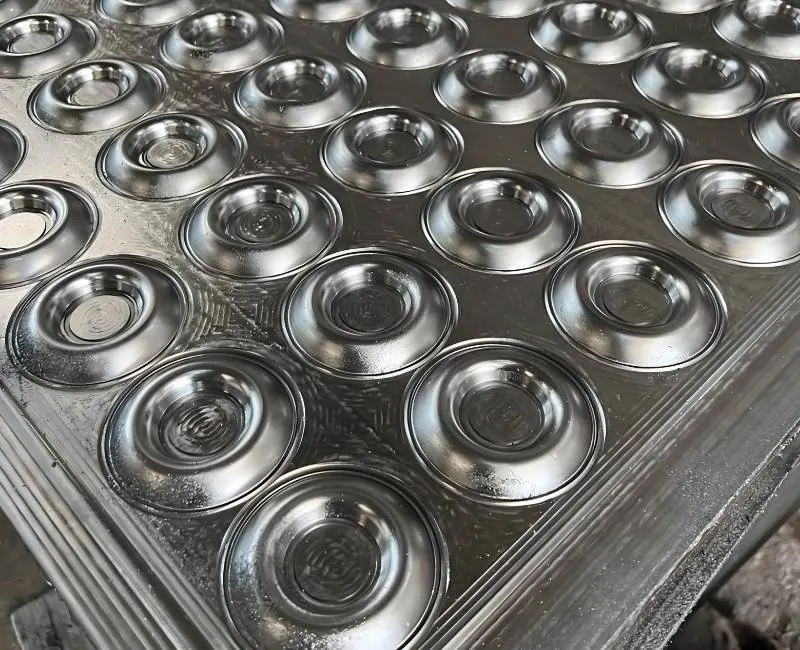
Mold Materials
P-20 Tool Steel: Excellent for medium to high-volume production with good wear resistance
H-13 Tool Steel: Superior heat resistance for high-temperature rubber compounds
Stainless Steel: Corrosion resistance for specialized applications
Aluminum: Cost-effective for prototyping and low-volume production
Mold Design Support
Material selection guidance based on performance requirements
Design for manufacturability (DFM) analysis
3D modeling and prototyping
Mold flow analysis to optimize part design
Injection Molded Rubber Material
We work with a comprehensive range of elastomers to meet your specific performance requirements.
Silicone (VMQ)
- Temperature range: -100°F to 500°F
- Excellent UV and ozone resistance
- Good electrical insulation properties
- Biocompatible for medical applications
- Available in liquid injection molding (LSR) formulations
EPDM
- Temperature range: -65°F to 300°F
- Outstanding weather and ozone resistance
- Excellent water and steam resistance
- Good electrical insulation properties
- Cost-effective for many applications
Nitrile (NBR)
- Temperature range: -40°F to 250°F
- Excellent oil and fuel resistance
- Good abrasion resistance
- Moderate compression set
- Available in various hardness ranges
Natural Rubber
- Temperature range: -60°F to 180°F
- Excellent tensile strength and elasticity
- Superior tear resistance
- Good abrasion resistance
- High resilience and low compression set
Neoprene (CR)
- Temperature range: -40°F to 250°F
- Good weather and ozone resistance
- Moderate oil and chemical resistance
- Flame retardant properties
- Excellent balance of properties
Fluoroelastomer
- Temperature range: -15°F to 450°F
- Outstanding chemical resistance
- Excellent heat resistance
- Superior oil and fuel resistance
- Low gas permeability
Rubber Injection Molding Process
Our rubber injection molding process follows a precise sequence to ensure consistent, high-quality parts.
Each step is carefully controlled to maintain optimal material properties and dimensional accuracy.
Material Preparation
Rubber compound is carefully formulated with specific additives to achieve desired properties. The material is then preheated to achieve optimal flow characteristics.
Mold Clamping
The precision-engineered mold is securely closed and clamped under high pressure to prevent leakage during injection.
Injection
Preheated rubber compound is injected into the mold cavity under controlled pressure and temperature conditions.
Curing
The rubber material cures within the heated mold, creating cross-linking between polymer chains for optimal physical properties.
Part Ejection
Once curing is complete, the mold opens to reveal the finished part. The cured rubber component is ejected from the mold, either manually or through automated systems.
Post-Processing
When required, parts undergo finishing operations such as deflashing, trimming, or surface treatments.
Critical Process Controls
Successful rubber injection molding requires precise control of multiple parameters to ensure consistent part quality:
| Parameter | Function | Impact on Final Part |
|---|---|---|
| Temperature | Controls material flow and curing rate | Affects surface finish, dimensional stability, and physical properties |
| Pressure | Ensures complete mold filling and compaction | Determines density, strength, and dimensional accuracy |
| Cycle Time | Balances production efficiency with proper curing | Ensures complete vulcanization and optimal mechanical properties |
| Injection Speed | Controls material flow pattern into the mold | Prevents defects like air traps and flow lines |
Rubber Injection Molding Tolerances
| Dimension | Standard Tolerance | Precision Tolerance |
|---|---|---|
| 0-1 inch (0-25.4mm) | ±0.010 in (±0.25mm) | ±0.005 in (±0.13mm) |
| 1-2 inches (25.4-50.8mm) | ±0.015 in (±0.38mm) | ±0.008 in (±0.20mm) |
| 2-4 inches (50.8-101.6mm) | ±0.020 in (±0.51mm) | ±0.012 in (±0.30mm) |
| 4+ inches (101.6mm+) | ±0.030 in (±0.76mm) | ±0.020 in (±0.51mm) |
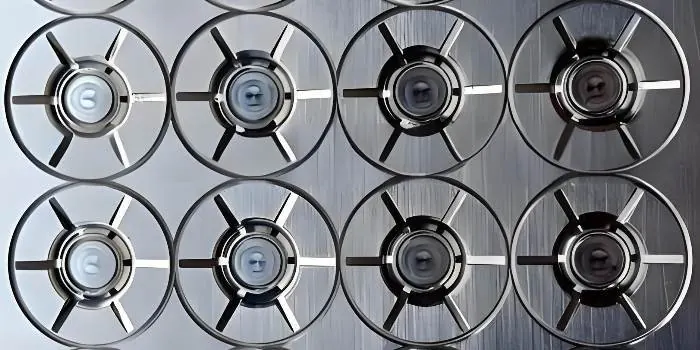
Rubber Injection Molding Surface Finishing
We offer comprehensive surface finishing options to enhance the appearance, functionality, and performance of your rubber injection molded parts.
Surface Texture Options
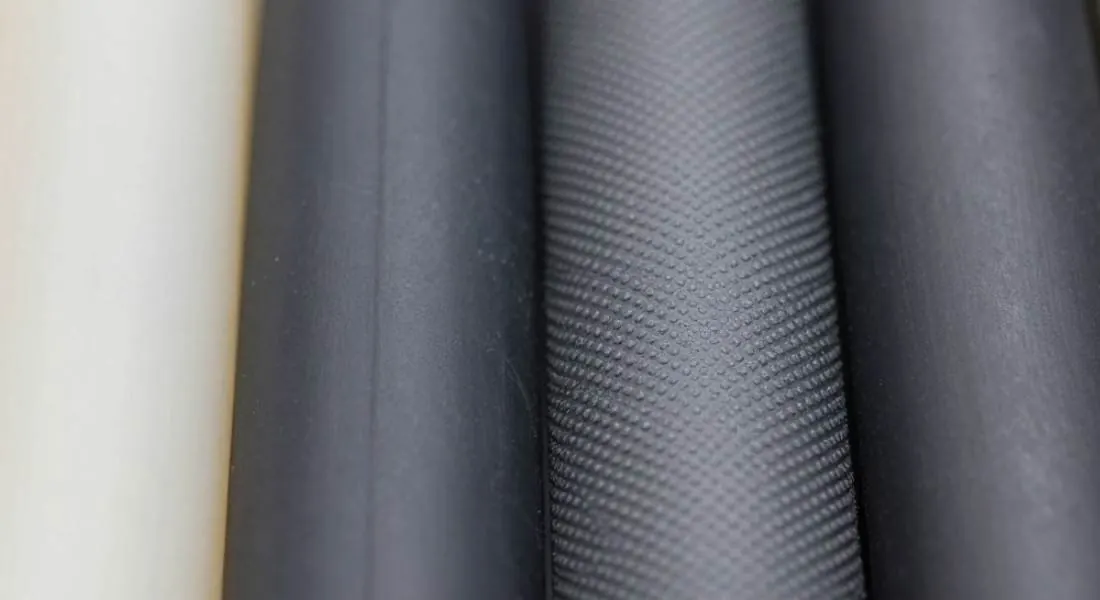
Standard Textures
High polish (glossy)
Matte finish
Fine texture
Medium texture
Coarse texture
Custom Textures
Leather grain
Wood grain
Geometric patterns
Custom branding elements
Functional grip surfaces
Post-Molding Operations
- Deflashing – Precision removal of excess material using cryogenic, tumbling, or manual methods
- Trimming – Accurate removal of gates, runners, and parting lines
- Surface Treatment – Chemical treatments to modify surface properties
- Coating – Application of specialized coatings for enhanced performance
- Printing – Pad printing, silk screening, or laser marking for branding and identification
- Assembly – Integration with other components to create finished assemblies
Rubber Injection Molding Applications
Industries We Serve
Our comprehensive rubber injection molding capabilities allow us to produce custom parts that precisely meet your specifications.
From concept to production, we partner with you to deliver superior rubber components.
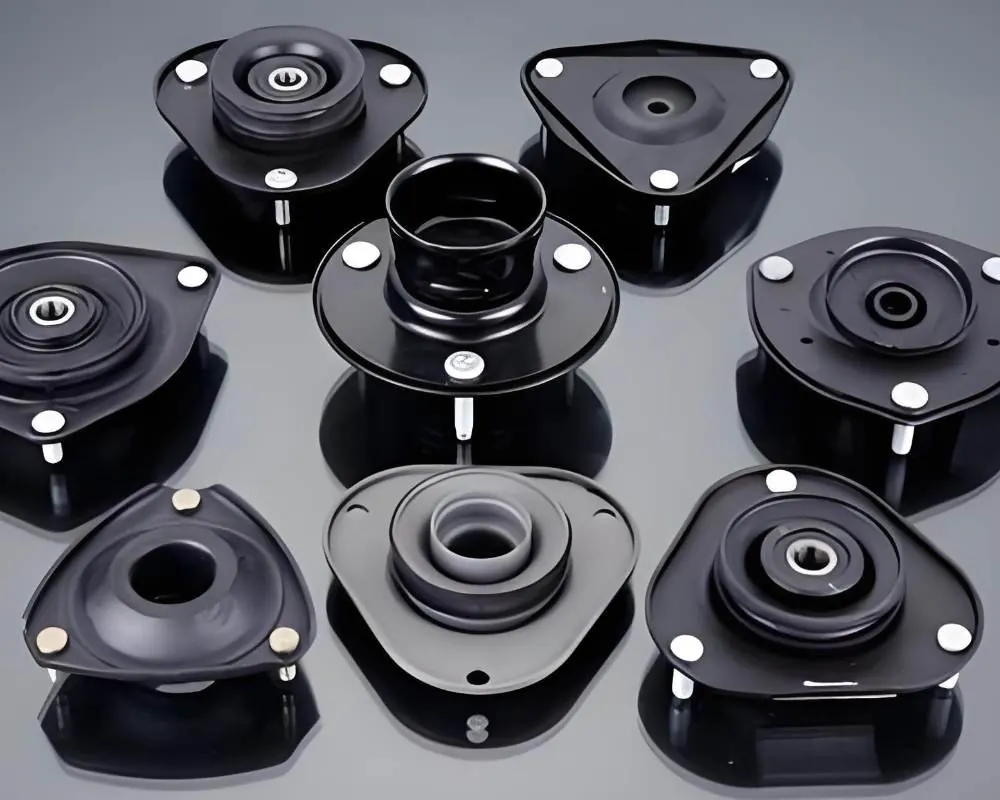
Automotive
Seals and gaskets
Vibration isolators
Fluid handling components
Interior trim pieces
Under-hood components
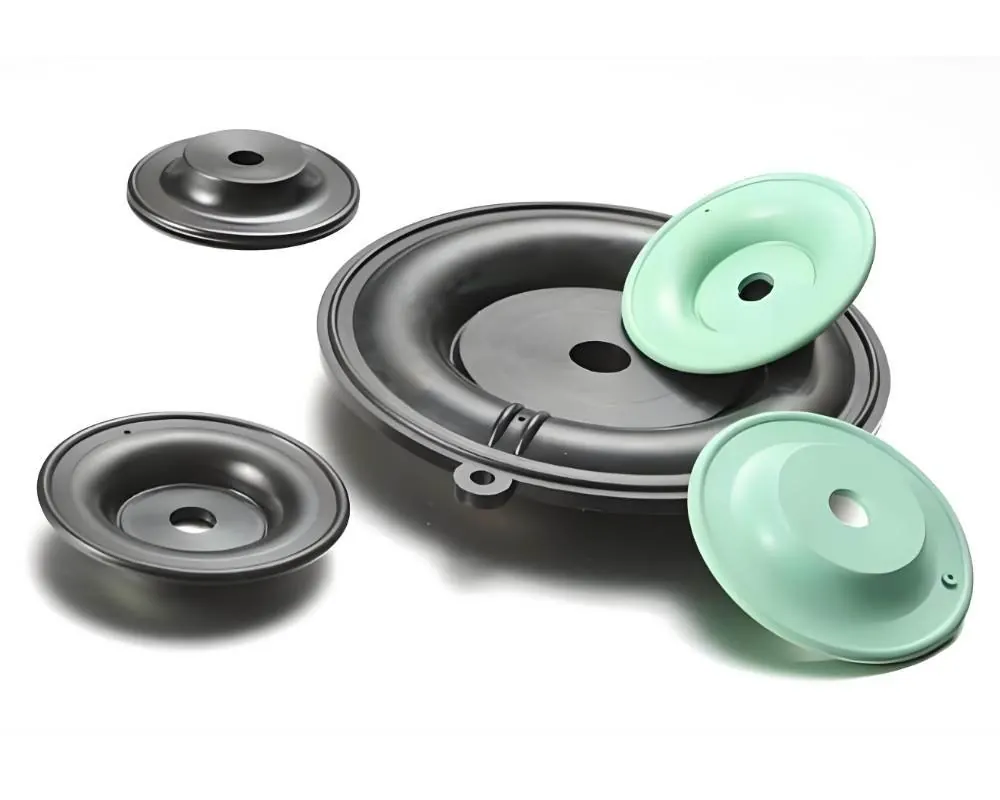
Medical
Surgical instrument components
Fluid delivery systems
Seals and diaphragms
Device housings
Biocompatible interfaces
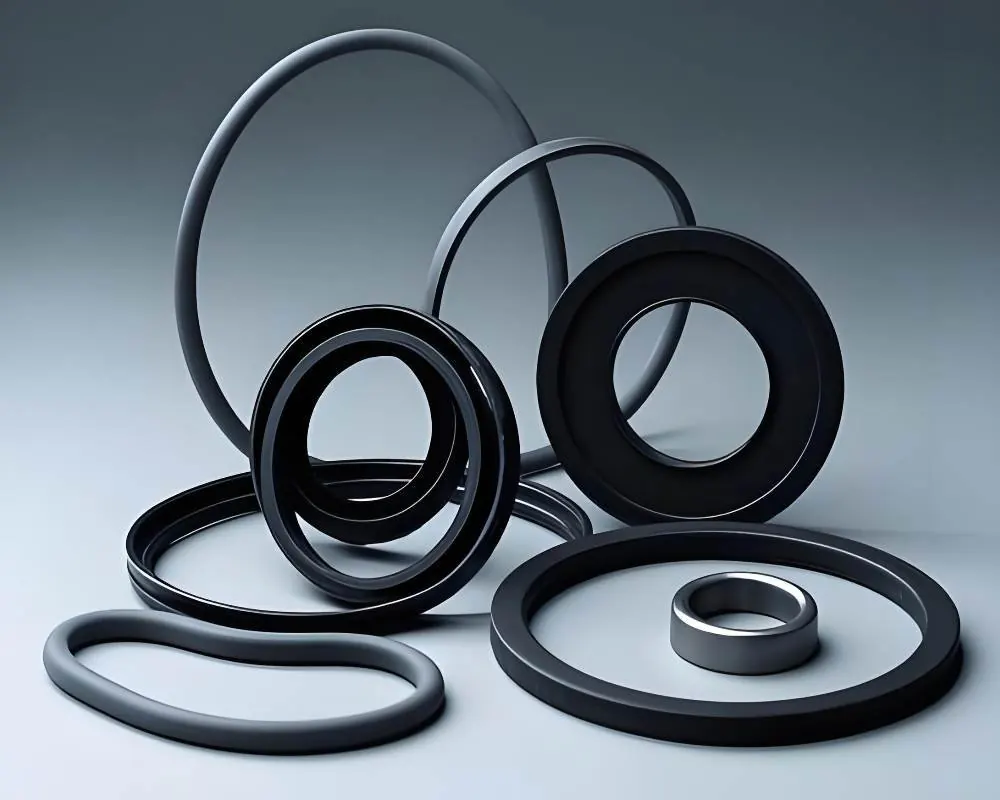
Industrial
Pump and valve components
Sealing systems
Vibration dampeners
Protective covers
Electrical insulators
Rubber Injection Molding FAQs
What are the main advantages of rubber injection molding compared to compression molding?⊙
Rubber injection molding offers several advantages over compression molding, including faster cycle times, reduced material waste, greater automation potential, better dimensional accuracy, and the ability to produce more complex geometries with thinner walls and intricate details. While compression molding remains valuable for certain applications, injection molding typically delivers higher productivity and consistency for medium to high-volume production runs.
What is the typical lead time for a new rubber injection molded part?⊙
Lead times vary based on part complexity, material requirements, and mold design. Typically, new projects follow this timeline: design and engineering (1-2 weeks), mold fabrication (3-6 weeks), initial sampling and approval (1-2 weeks), and production (1-3 weeks). Simple projects may complete in 6-8 weeks, while complex projects might require 10-14 weeks. We offer expedited services for time-sensitive projects.
Can you produce rubber parts with metal inserts or multiple materials?⊙
Yes, we specialize in insert molding and multi-material rubber injection molding. We can incorporate metal inserts, plastic components, or other materials directly into the molding process to create integrated assemblies. This capability reduces assembly steps, improves bond strength, and enhances overall part performance. Our engineering team can help design optimal insert geometries and material combinations to meet your specific requirements.
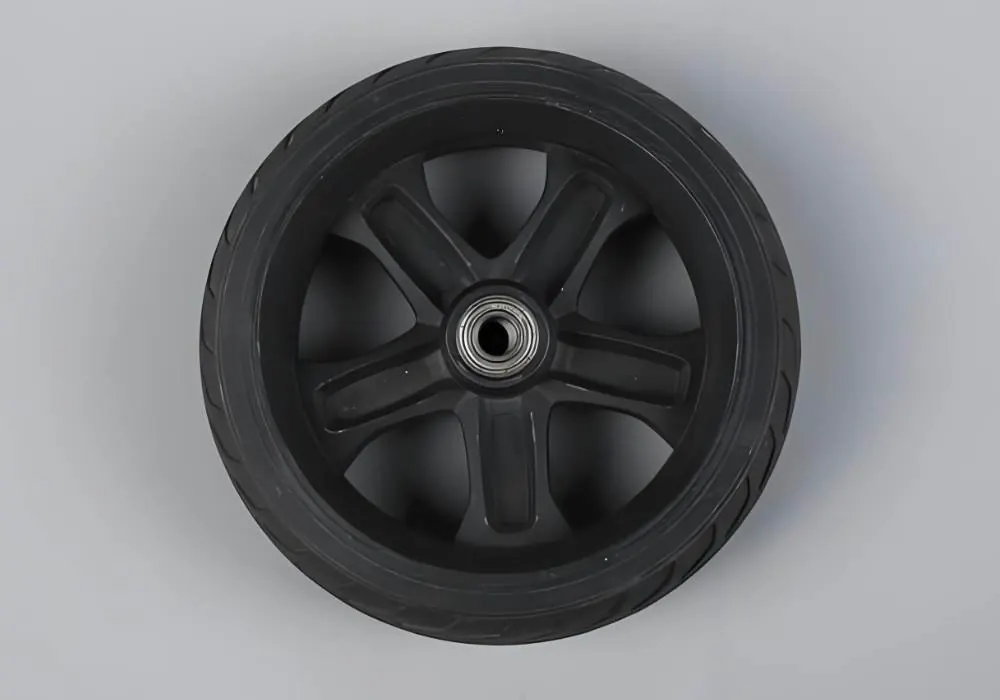
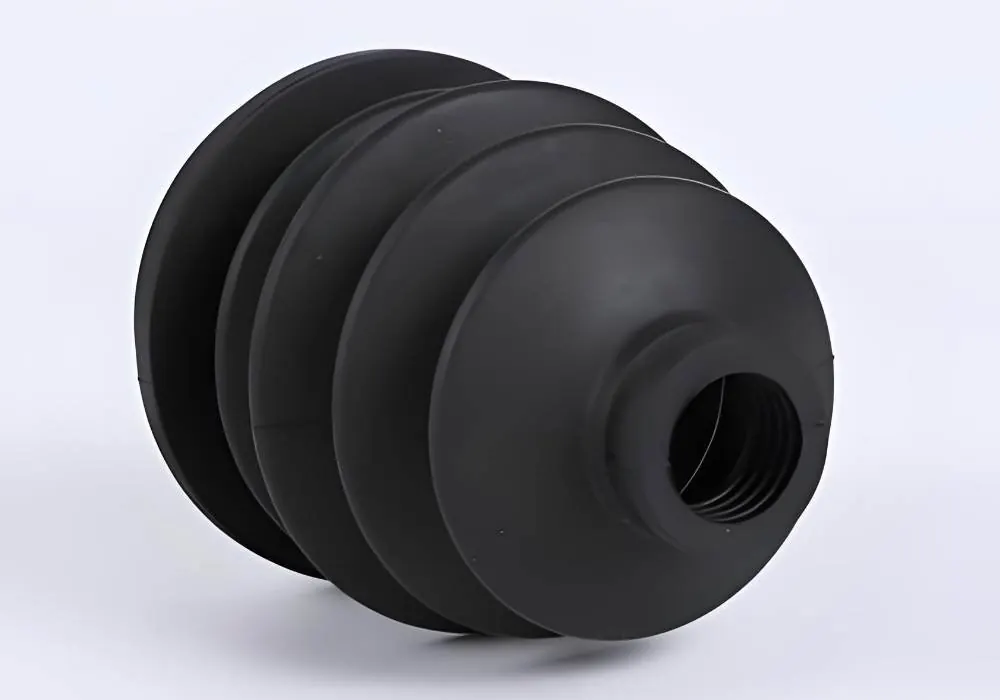
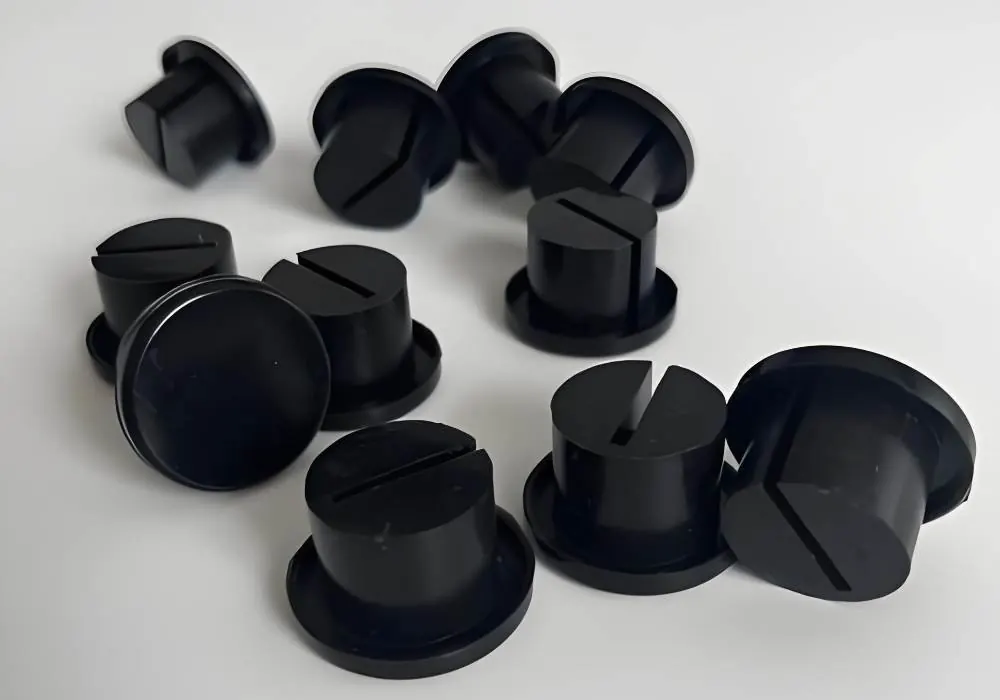
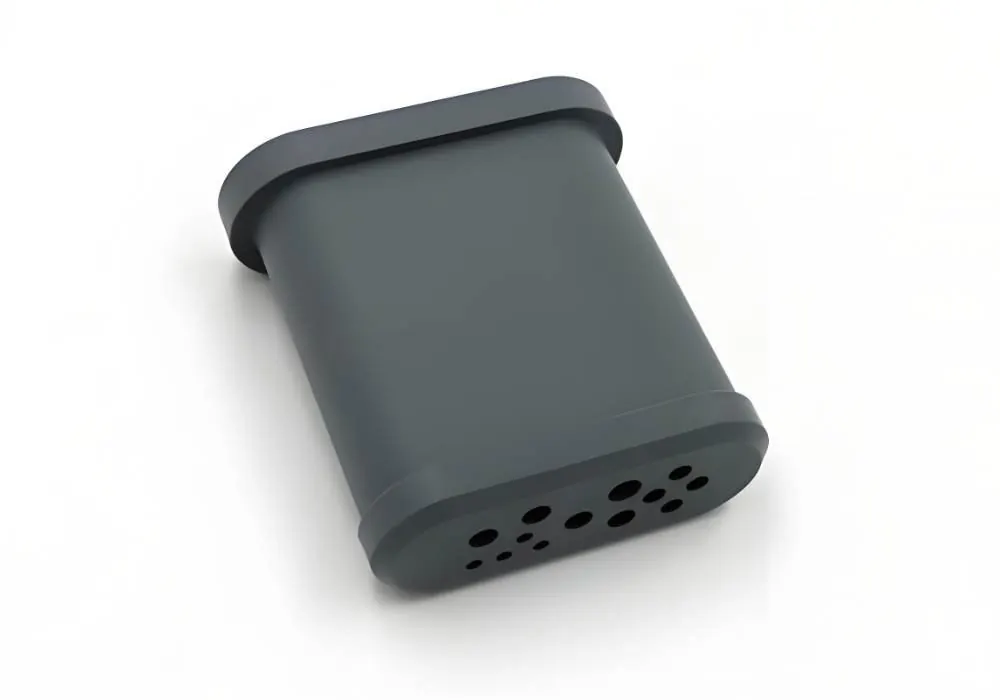
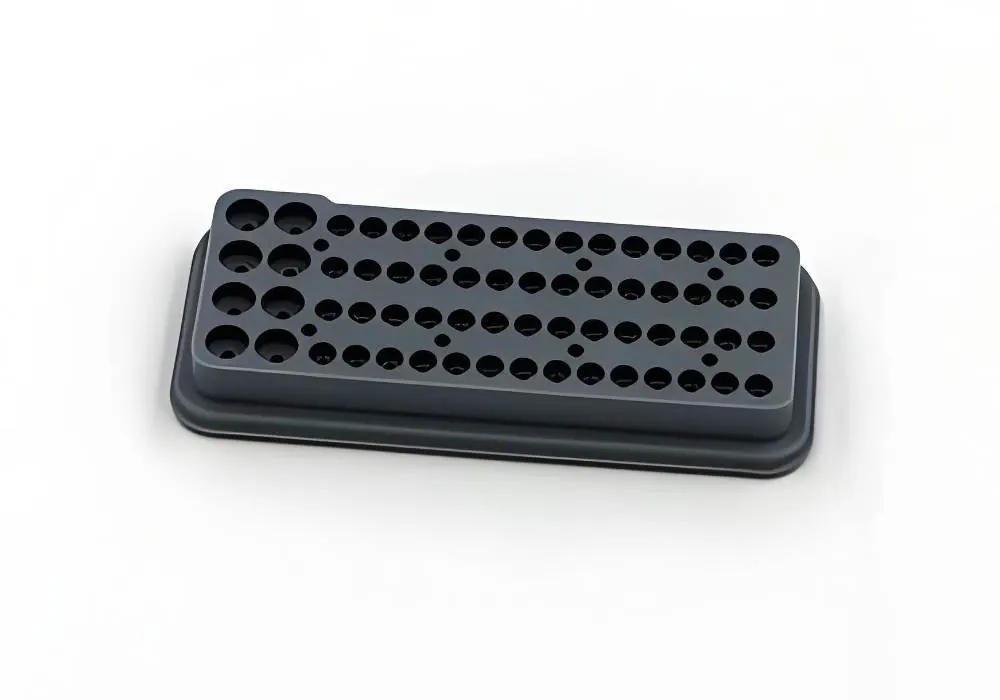
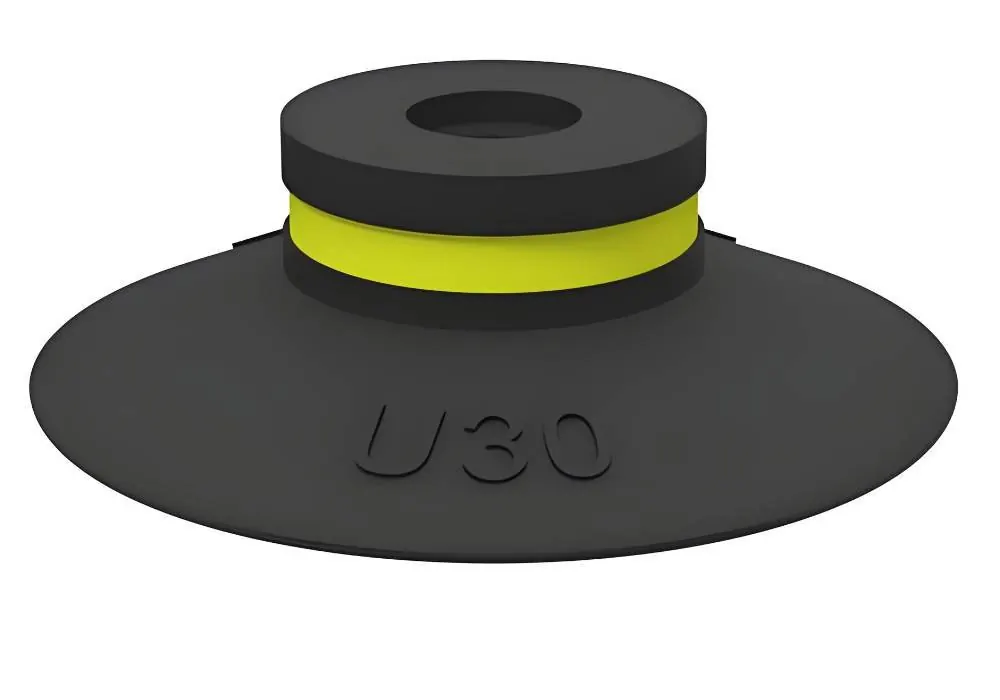
Injection Molded Rubber Parts
Partner With Us for Your Rubber Injection Molding Needs
Our technical team is ready to answer your specific questions about rubber injection molding.
Contact us to discuss your project.