
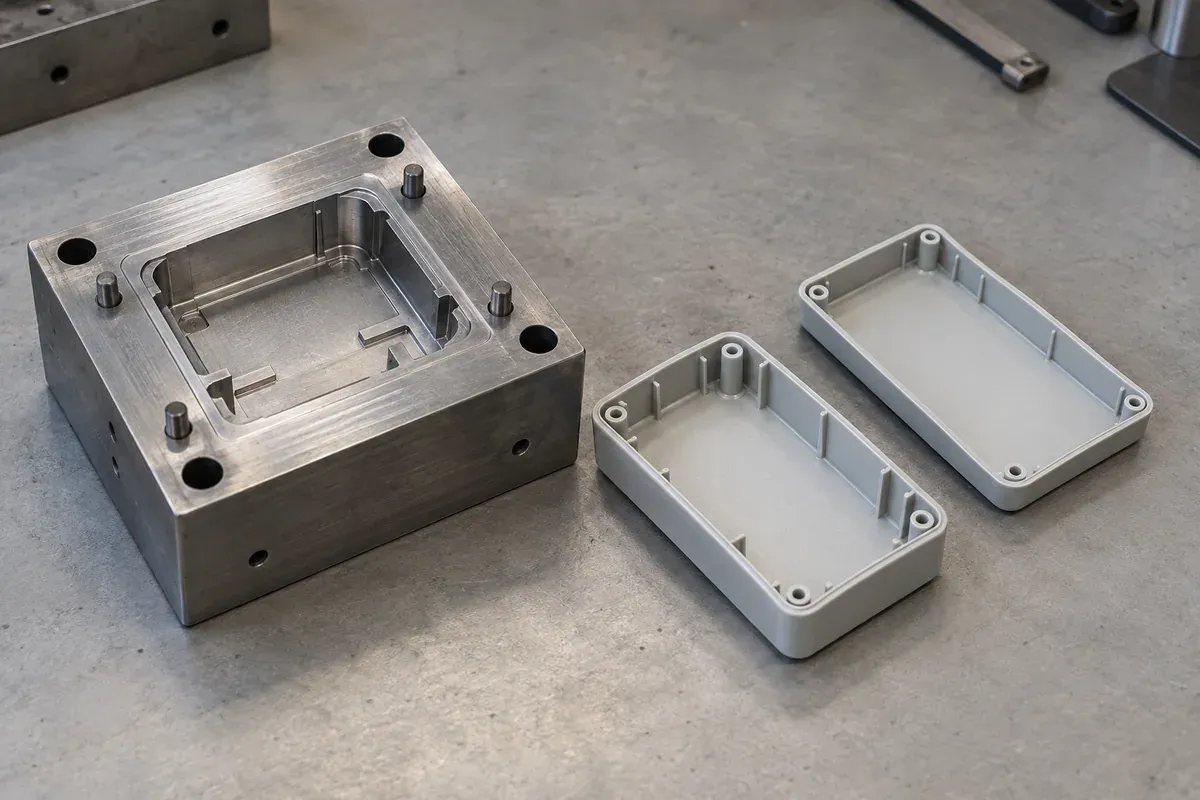
Two injection molding quotes can describe the same CAD model yet offer different things. One may include a tool, trial samples and an inspection package; another may show an attractive unit price while assuming a larger order and separately charged approval work. Looking only at the total turns those scope differences into an apparent price advantage.
A fair comparison starts by making the promised deliverable the same. That does not mean every supplier must choose identical equipment or disclose internal margins. It means purchasing can explain what will be delivered, what remains outside the price and what must happen before production is released. This is particularly useful for rapid tooling and low-volume molding, where the first order and the eventual production program may be different decisions.
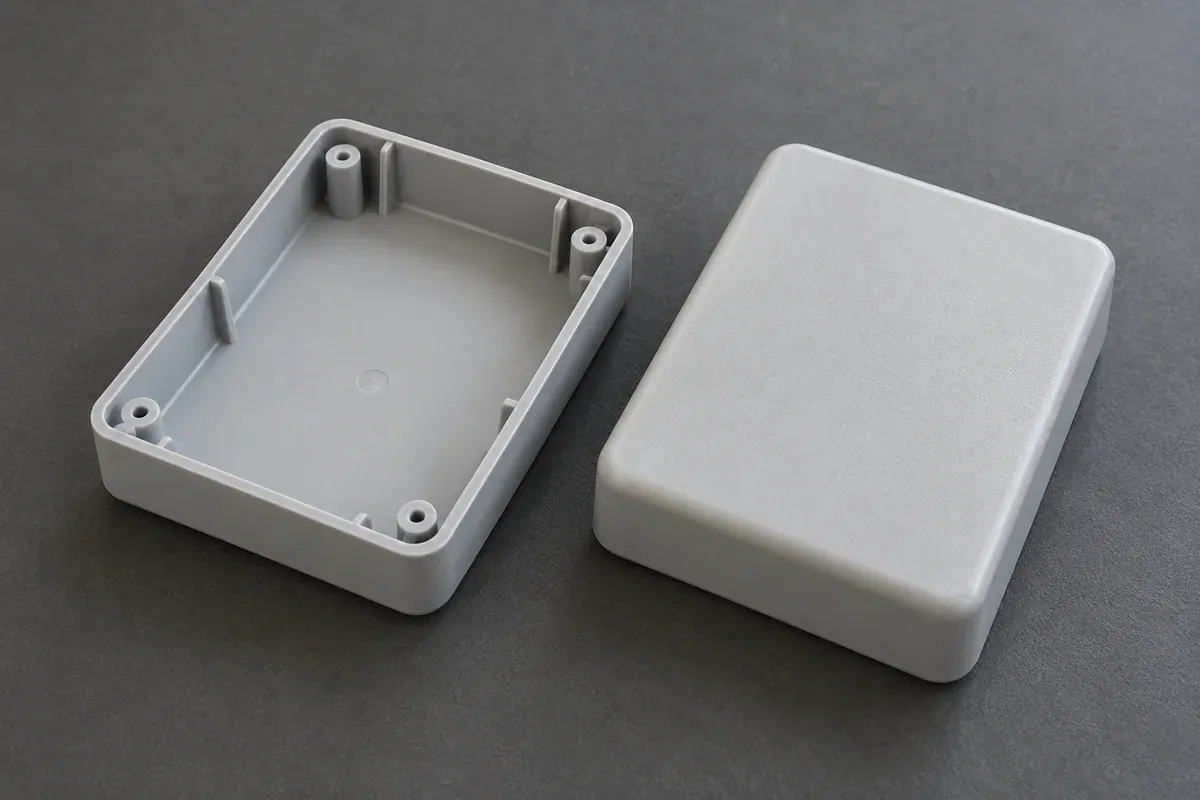
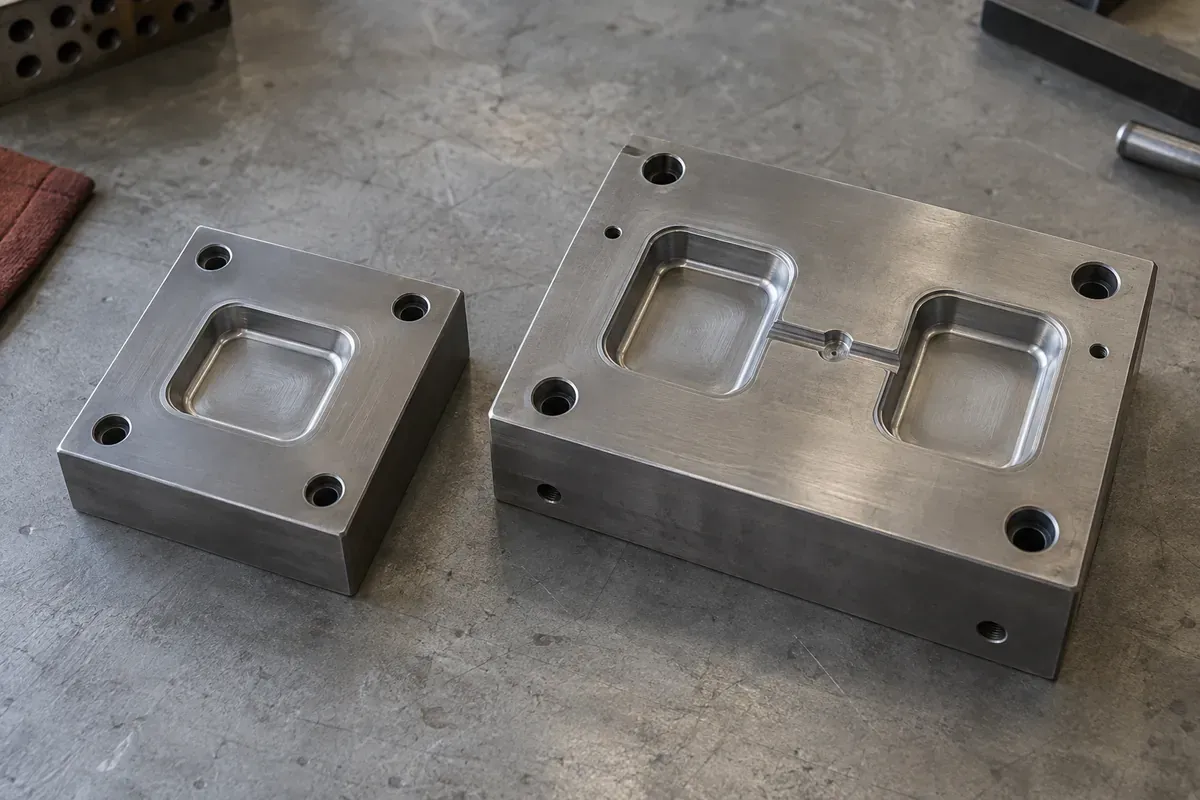
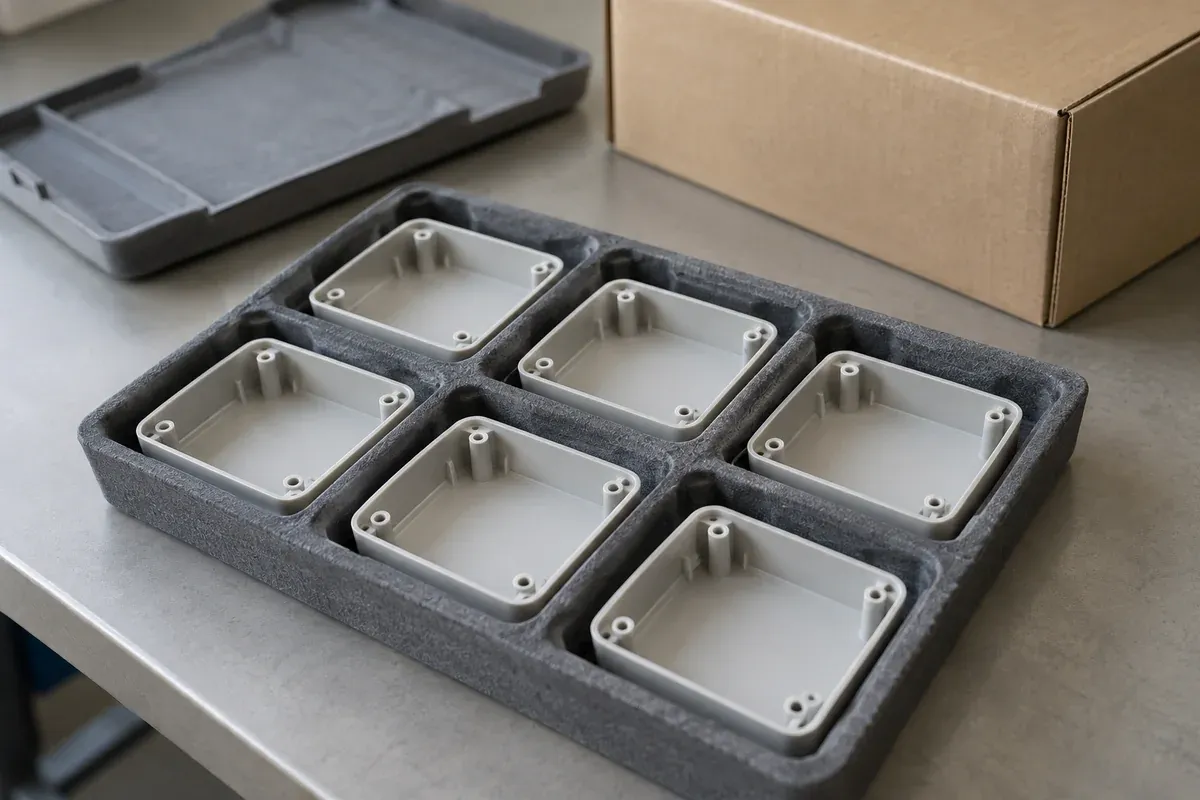
All images in this article are newly AI-generated illustrations of engineering concepts, not photographs of a customer project or evidence of completed testing.
One Drawing Revision Creates the Starting Line
Create a short cover sheet that identifies the CAD filename and revision, drawing revision, resin grade, color, finish, critical features and delivery location. Give every supplier the same sheet. If a supplier proposes a different resin or geometry, keep that alternative separate from its response to the original requirement.
Separate the quantity needed for evaluation from the first production order and the annual forecast. Mark the forecast as a planning estimate unless you intend to commit to it. A quotation for the forecast volume does not answer what the first release will cost. Our order quantity planning checklist helps organize these quantities.
For a housing and lid, clarify whether a quoted quantity means individual components, matched sets or an assembled item. The distinction affects how the proposal is read even before any manufacturing alternative is considered. An apparently cheaper response may simply be quoting the base without its mating cover, or molded components without the finishing operation the buyer expected.
Missing Scope Is Not the Same as Lower Cost
The most useful clarification is often a short question about a deliverable, not a request to discount the price. Does the trial include the intended resin? Does inspection cover the features the customer must approve? Is packaging suitable for the surfaces that need protection? These answers distinguish a lean but complete proposal from one that leaves important work for someone else.
| Compare | Record for both proposals | Clarify before selection |
|---|---|---|
| Tooling and trials | Configuration, revision, sample material and included trial work. | Which changes or additional trials require another charge? |
| Acceptance and production | Required evidence, release quantity and finishing scope. | Is the quoted deliverable ready for the intended use? |
| Delivery and repeat orders | Packing, destination, reorder assumptions and price validity. | Which costs and responsibilities remain outside the quote? |
Use three statuses in the matrix: included, separately priced and unanswered. Do not convert an unanswered item into an assumed zero. Ask for clarification, then revise the comparison. A proposal with several unanswered items may simply be at an earlier stage of technical review.
Not every difference is a defect in the proposal. A supplier may suggest a configuration that changes the balance between initial investment and later supply. The right response is to preserve it as an identified alternative. Comparing that alternative against the original scope makes its tradeoff explicit rather than blending assumptions from both into a price neither supplier has actually offered.
The First Release and the Repeat Order Have Different Economics
Build a first-release total from tooling, agreed samples and reports, the released production quantity, separately charged setup, finishing, packaging and delivery items. Only add a line if it is not already included elsewhere. This avoids counting tooling twice when a supplier has included its recovery in the part price.
Then prepare a repeat-order scenario using the same batch quantity and deliverables. Keep tooling recovery visible instead of hiding it in an attractive annual average. The broader injection molding cost model explains why a tool price and a delivered-part price answer different purchasing questions.
If alternatives use different cavity counts or tooling approaches, compare them as separate scenarios. Ask the supplier to explain the assumptions that make its alternative suitable. Do not treat a higher cavity count or a particular tool metal as an automatic cost advantage.
The comparison also needs a consistent boundary. A price at the supplier's dispatch point and a price that includes delivery to your receiving site answer different questions. Where the buyer arranges shipping or other services, keep those estimated costs visible and label them as buyer assumptions rather than silently adding them to a supplier's commitment. This preserves both a fair comparison and a clear purchase record.
A Quoted Schedule Needs a Starting Event and an Approval Gate
A quoted duration is ambiguous without its starting event. Ask whether it begins after purchase order, deposit, final DFM approval, resin availability or another condition. Record customer review time and any sample approval hold point separately. This gives purchasing a sequence it can manage without promising a delivery date that has not been agreed.
Inspection terminology needs the same care. Xometry's published inspection options distinguish a report produced with a full lot from a custom stop-for-approval arrangement. The practical lesson is to specify your required hold point; do not assume the words “first article” automatically stop production. See the manufacturer's inspection options and our first-article approval checklist.
Packaging belongs in that final release conversation as well. It is part of the finished shipment, not a decorative afterthought. The buyer and supplier should agree what must be protected and whether the proposed packing is included. For appearance-sensitive parts, an acceptable molded surface at dispatch and an acceptable received surface are connected by that practical handling decision.
Choose a Proposal You Can Trace Back to Its Assumptions
The final decision record should connect the selected proposal version to the drawing revision, accepted alternatives, exclusions and approval responsibility. Open questions need an owner rather than a silent assumption. Keep the other offers for context, but do not mix their favorable terms into the selected order: the final purchase must describe one coherent agreement.
Need a comparable proposal? Send FECISION the drawing revision, resin, sample need, first order and forecast. We coordinate the tooling and molding review with the assigned manufacturing partner. Request a scoped low-volume molding quote.