
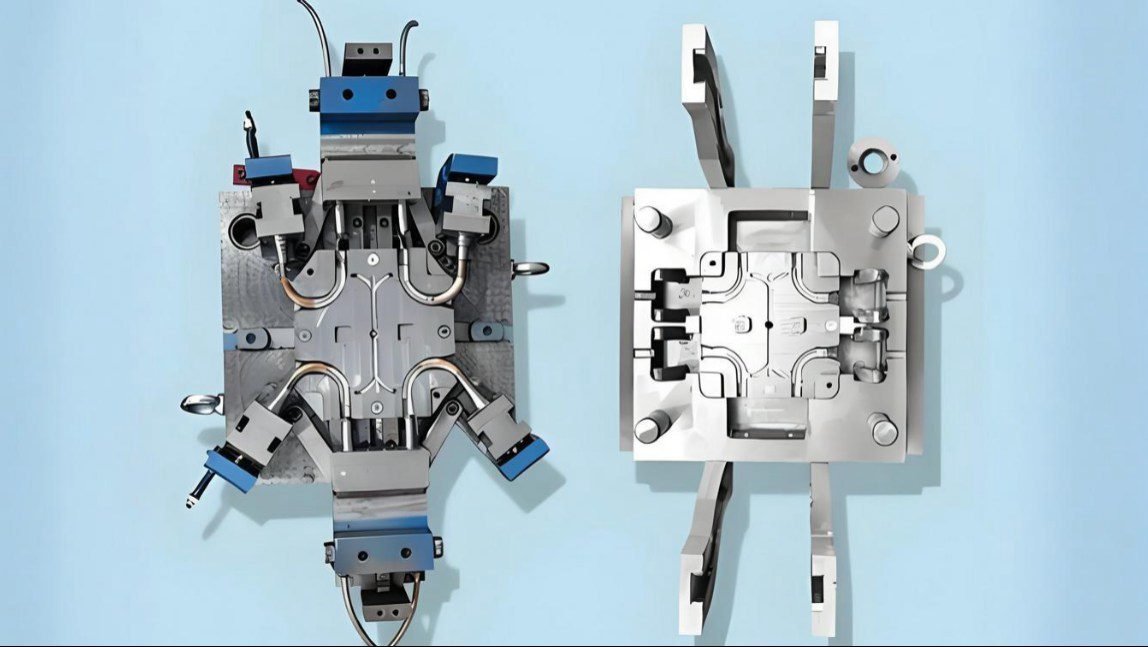
A prototype injection mold is tooling built to produce molded samples or a limited production batch before the final production-tool design is committed. This guide focuses on mold materials, construction and change strategy, so you can choose a tool that answers your engineering questions.
FECISION's rapid tooling service covers project review for prototype and bridge molds. If you are deciding what the sample parts should validate, start with our prototype injection molding process guide.
What Are Prototype Molds?
A prototype mold produces a limited batch of parts in the selected molding resin. The batch can support fit checks, functional testing and a defined validation plan before production-tool investment. The required quantity and tests determine the tool specification; molded samples do not automatically establish regulatory approval.
Prototype molds are usually made from softer metals, most often aluminium or mild steel. Choosing this material lets manufacturers make the tool much faster and greatly cuts the initial cost compared to making a full-scale production tool. The main goals are speed and keeping costs low while still achieving a great quality part.
Using the intended production resin makes molded prototypes useful for evaluating fit, function and appearance. However, different tooling, gates, cooling and processing can change shrinkage, residual stress and mechanical performance. Confirm which production conditions the prototype represents, and verify critical requirements again on parts from the production process.
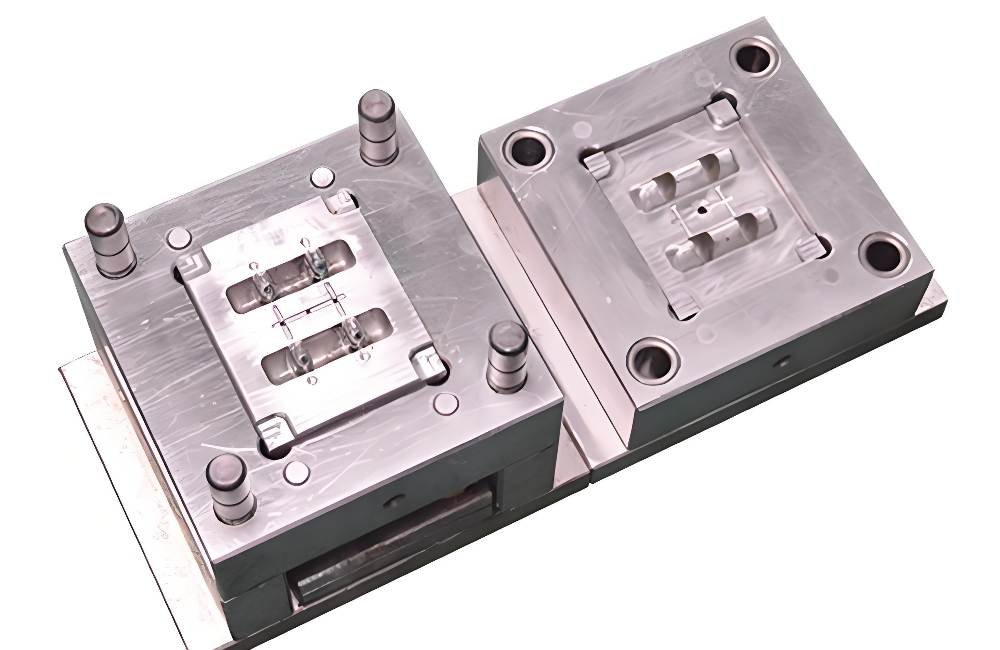
Aluminium vs. Steel for Prototype Molds
Choosing the right metal for your mold is key. It controls speed, part volume, and part finish. The wrong choice costs you time and money.
Thermal Conductivity Gap
Aluminium alloy 6061 conducts heat several times faster than P20 tool steel. This massive difference in heat transfer capacity significantly cuts the overall cycle time in prototype mold making. Faster cooling also helps in reducing sink marks, especially in parts that have thick ribs or bosses. This leads to better part quality much faster.
Durability & Shot Count
Aluminium prototype injection molds are comfortably able to deliver hundreds up to a few thousand shots. For projects needing higher volumes, steel tooling is necessary, as it can jump to high-thousands or more parts. However, opting for steel tooling adds several extra weeks to the manufacturing and machining lead time.
Machinability & Design Changes
Soft aluminium is much easier and quicker to machine, meaning it can accept design tweaks and modifications almost overnight. In contrast, reworking and adjusting steel tooling burns significant budget and requires many more spindle hours on the CNC machine. Aluminium allows you to iterate quickly and cheaply.
Surface Finish Reality
When they are brand new, both aluminium and steel can achieve a very high gloss surface finish. The reality is that aluminium tooling degrades faster over time and with repeated shots. The good news is that a professional diamond polish can easily restore the gloss for hundreds of additional prototype shots, extending the tool’s life.
Cost per Cavity
The cost is largely dominated by the CNC machining time required. An aluminium core and cavity pair costs noticeably less due to the easier machining. Using an identical P20 steel set raises the price significantly. You must factor this critical cost difference when selecting your prototype & plastic mold company.
| Feature | Aluminium (e.g., 6061) | Steel (e.g., P20) |
| Lead Time | Faster (Days to 2 Weeks) | Slower (Weeks) |
| Max Shot Count | Hundreds to Low Thousands | High Thousands and up |
| Cost | Lower | Higher |
| Machinability | Excellent (Easy Tweaks) | Difficult (Expensive Tweaks) |
| Thermal Mgmt. | High Conductivity | Low Conductivity |
Need help choosing? Let Fecision experts guide you on the best material—Aluminium or Steel—for your specific part volume and budget. Get a fast, no-obligation material consultation today.
The Prototype Mold Making Process: From Design to First Shots
The workflow is designed to compress a traditional tool build into just a couple of weeks, without sacrificing the crucial accuracy of the injection mold prototyping. This fast process gets your part in your hand quicker for key testing and verification.
Step 1: Requirements Lock & Material Choice
The process begins by finalizing part geometry, resin selection, and critical dimensions. Following this, you must pick your tool material: aluminium for the fastest speed or steel if you absolutely need a higher shot count and more part volume. Making this decision early is very important.
Step 2: Moldflow & Cooling Strategy
Engineers then use advanced simulation tools like Moldflow to predict the fill, pack, and potential warp of the part. Then, a straightforward but effective network of drilled cooling channels is laid out in the mold design. This ensures the parts cool evenly enough for accurate testing, while keeping the mold fabrication fast and affordable.
Step 3: CNC Machining & Polishing
The mold block is hard-milled to a very tight dimensional tolerance band. Micro-EDM technology is used for creating small, complex ribs or sharp features. Finally, the mold is polished in-house to achieve the precise target SPI finish you require. All these steps are performed under one roof for quality control.
Step 4: Assembly & Dry Cycling
Once the components are machined, the mold is carefully assembled. A ‘dry cycle’ test will be performed to verify critical functions like ejector travel, the interlock seal, and the clamp pressure before any hot resin is ever allowed to enter the cavity. This checks for mechanical perfection beforehand.
Step 5: Injection Parameter Matrix
To establish a process quickly, the operator will adjust barrel temperature, injection speed, and pack pressure to find the core settings that yield a sound part for testing. This process focuses on getting an acceptable part quickly, not complex mass-production optimization.
Step 6: First-Shot QA & Refinement
The very first shots are subjected to stringent quality assurance. This involves CMM scanning, tensile tests, and functional tests to confirm the injection mold prototype meets your exact specifications. If necessary, steel-safe features can be adjusted and refined almost overnight to achieve perfection.
Step 7: Sign-Off & Production Bridge
Upon final approval, all critical data will be exported and documented, including cooling coordinates, the proven injection parameters, and full inspection data. This crucial step means that the full production tool can start with minimum learning loss, ensuring a smooth and rapid transition to full-scale manufacturing.
Key Benefits of Using Prototype Injection Molds Before Full-Scale Production
A fully validated prototype injection mold acts as an inexpensive but critical insurance policy against facing late-stage, extremely costly disasters. This early investment minimizes the risk of finding major, expensive design flaws much later in your development cycle.
Risk Reduction
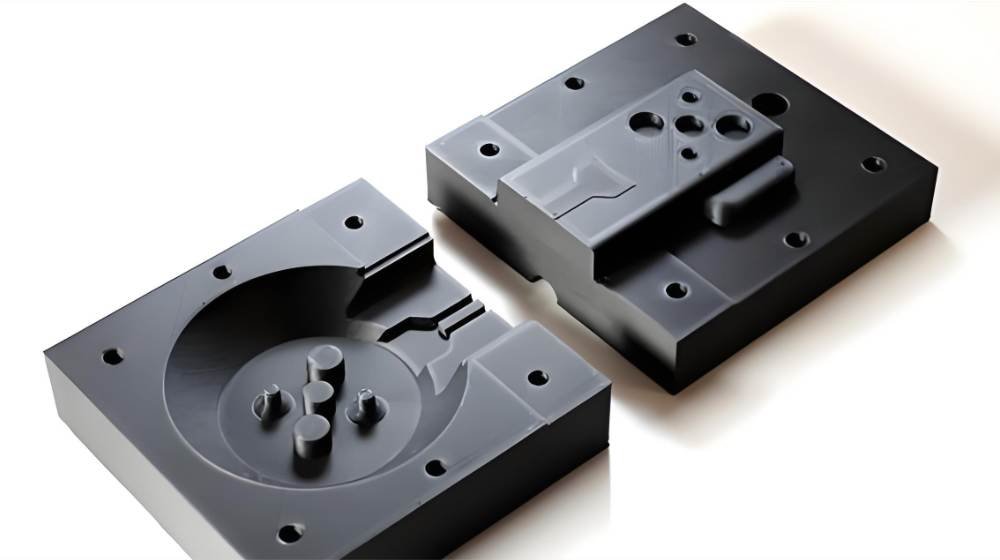
Using a prototype mold allows you to expose and identify weak features or potential failure points in the design early on. At this stage, fixing these issues costs only a few hundred dollars, as opposed to hundreds of thousands of dollars if a flaw is found after the hardened steel production tool has been fully cut.
Design Validation with Real Resin
Using real, finished-product plastic is a must. Plastics like those with glass filling or medical-grade resins act very differently inside the mold than simple 3D printing materials. Only by making a prototype mold will you truly see the actual shrink, warping, and inner stress that your final part will have.
Market Testing & Early Revenue
You can use the parts from the prototype mold to ship pilot units to your early adopters and key customers. This lets you collect valuable, real-world user feedback and refine the User Experience (UX) while the expensive, high-cavitation steel tool is still being machined on the CNC table.
Cost Savings Across the PLC
Industry data consistently demonstrates that the spending dedicated to injection mold prototyping tooling saves you multiples of that cost down the line. These savings come from eliminating expensive engineering-change orders and the need for costly production-tool re-cuts after launch.
Regulatory Dry-Run
Many certification and compliance tests, which are essential for market entry, can be successfully completed using prototype parts. This is a huge advantage as it effectively removes the final approval and testing from the critical path of the final product launch timeline.
Faster Funding & Stakeholder Buy-in
Nothing sells your idea better to potential investors or key team members than a real, high-quality plastic part they can hold and check out. Prototype molds quickly turn computer drawings and presentation slides into solid proof that your product is ready to go.
Applications of Prototype Molds
Almost any industry or sector that needs to get real plastic parts in their hands quickly and for a low volume relies heavily on prototype injection molds. The speed and material fidelity are simply unmatched by other processes.
Medical Devices & Surgical Instruments
Complex micro-fluidic manifolds and surgical instrument handles are validated early in autoclavable resins. Aluminium prototype mold is used for these critical parts before they are transitioned to high-volume, multi-cavity steel tools for final production and deployment.
Consumer Electronics Housings
Prototype housings, grips and thin-wall features can support assembly, drop and environmental testing for consumer electronics. The product-specific safety and compliance plan determines the applicable test methods and required samples. Passing one prototype test does not establish compliance for every production unit or every market.
Automotive Connectors & Sensors
Under-hood nylon parts, such as critical connectors and sensors, must survive grueling heat-age testing. Prototype injection mold tooling is used to confirm seal integrity and mechanical performance before the final PPAP (Production Part Approval Process) can even be initiated.
Aerospace Ducts & Clips
For aerospace applications, prototype parts may support material screening, dimensional reviews and defined qualification tests. Flame-performance requirements and test conditions must be established by the responsible customer or approval authority. A prototype molding batch is not automatically approved for flight use.
IoT & Wearables
Miniature shells for IoT devices and wearables that feature complex mechanisms, such as living hinges, are quickly produced. They pop out of prototype injection molds in short, fast sprints, enabling engineering teams to perform nightly firmware-hardware fit checks and design iterations.
Choosing the Right Prototype & Plastic Mold Company: A Partner Checklist
Selecting the right company is key for your product’s success. You need a partner who can quickly make rapid prototype molds and also handle the big, complex production tools later on. Use this checklist to screen potential partners:
Factory Capabilities (Can They Make It?)
- In-House Experts: Check if they do their design analysis (like Moldflow simulations) right there in their own office. If they send this key work to another company, your project will slow down a lot.
- Handle Both Metals: The best factories can machine both aluminium (for fast prototypes) and steel (for high-volume parts). If they can do both, it makes the switch from testing to mass production easy and smooth.
- Lead-time evidence: Ask for schedules from comparable projects and confirm the current mold-design, machining, trial and inspection plan. Geometry, material, tool changes and required testing determine a realistic delivery date.
Materials & Quality (Will It Be Right?)
- Big Resin Stock: A great partner keeps tons of different plastic materials on hand—from cheap basic plastics to super strong, special plastics like PEEK. If they have the material ready, you won’t waste time waiting.
- Applicable quality scope: Review the assigned manufacturing site's certificate identity, scope and validity against the customer's requirements. A quality-management certificate is one part of supplier evaluation; part conformity also depends on the agreed validation, traceability and inspection plan.
Reports & Honesty (Will They Be Clear?)
- Clear DFM Reports: After you ask for a price quote, they should send you a detailed “Design for Manufacturing” (DFM) report very quickly. This report must clearly show where the plastic goes in (gate location) and how much the part will shrink.
Your Next Step: From Prototype Validation to Production Tooling
Define the resin grade, expected sample quantity, critical dimensions, finish and likely design changes before choosing a prototype mold. Confirm which tests the samples must support and which production conditions the prototype will not replicate.
Our injection mold tooling team can review the cavity layout, tool material and change strategy with you. Once the design is validated, agree the mold life, inspection plan and production requirements with the injection molding team.
Lead time, tool cost and the achievable sample specification are confirmed against the individual project.