
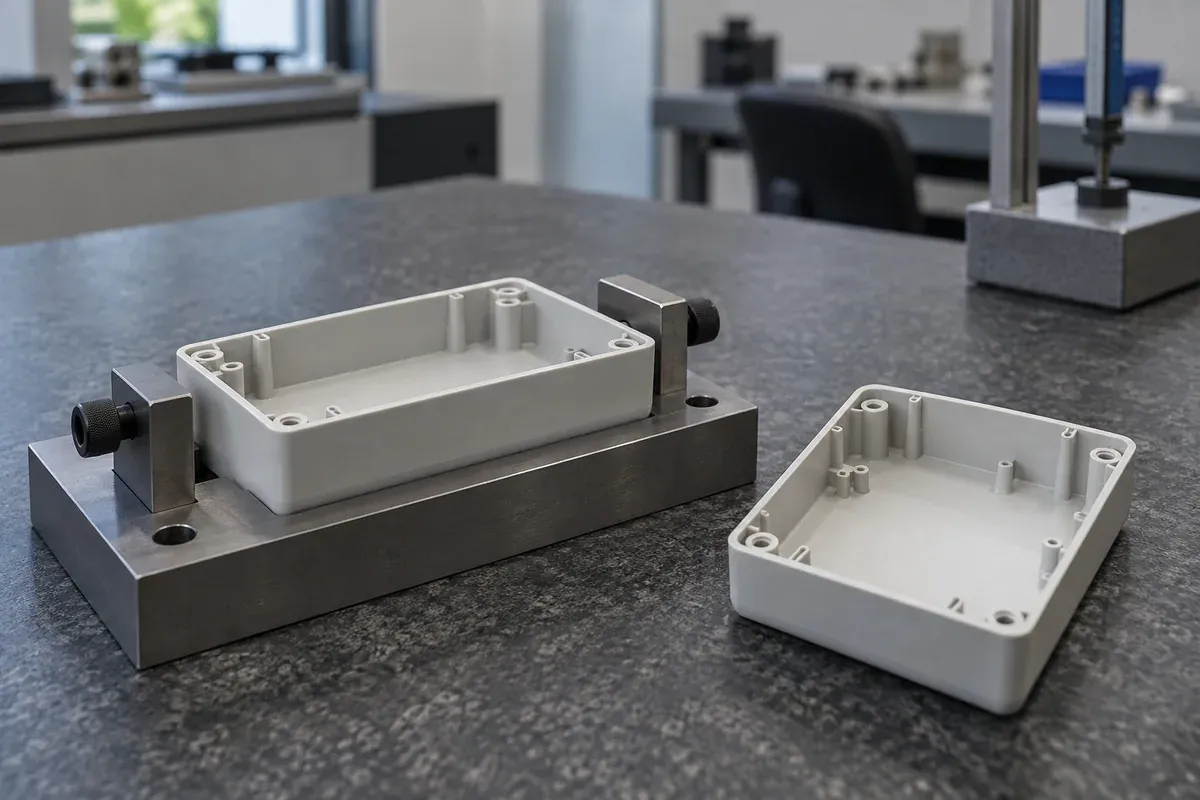
The arrival of the first molded samples is an important project moment, but it is not a release decision by itself. A part can look promising while its material record is incomplete, its mating component has not been checked or a drawing requirement remains unanswered. The purpose of first-article approval is to turn those separate questions into a traceable decision about what may happen next.
Approval connects an identified sample, an agreed requirement and an authorized production scope. Without that connection, “sample accepted” can mean different things to engineering, purchasing and the molder. The principles below help align those meanings; they do not replace a customer quality specification, a required PPAP submission or an industry-specific approval procedure.
All images in this article are newly AI-generated illustrations of engineering concepts, not photographs of a customer project or evidence of completed testing.
The Inspection Starts with a Clear Product Definition
Provide the released CAD model and a dimensioned drawing with matching revisions. Identify the features that control assembly or function, the material grade and color, visible surfaces, and any application tests. Resolve contradictory dimensions or notes before sampling; an inspector should not have to choose which requirement the buyer intended.
Specify the inspection scope explicitly. Protolabs describes partial, full and custom inspection options rather than a single universal report. Its injection molding quality overview is useful background on why feature coverage matters. Those service options are provider-specific, not a statement of FECISION's default inspection package.
A conceptual housing makes the distinction easy to see. Its external outline may be satisfactory while a locating boss or joint edge still determines whether the assembly works. The product team must identify which requirements control that assembly; the supplier cannot infer every functional priority from an attractive CAD rendering. Agreement before sampling gives the report a clear purpose and reduces arguments about what should have been checked.
Different Questions Need Different Evidence
| Approval question | Evidence to request | Decision owner |
|---|---|---|
| Is this the specified part? | Revision, sample identity, grade and available lot-linked material records. | Engineering and quality. |
| Does it meet the requirements? | Agreed dimensional, appearance and application-check evidence. | Owners of the respective requirements. |
| May production proceed? | A written decision naming the permitted configuration and release scope. | The customer's authorized approver. |
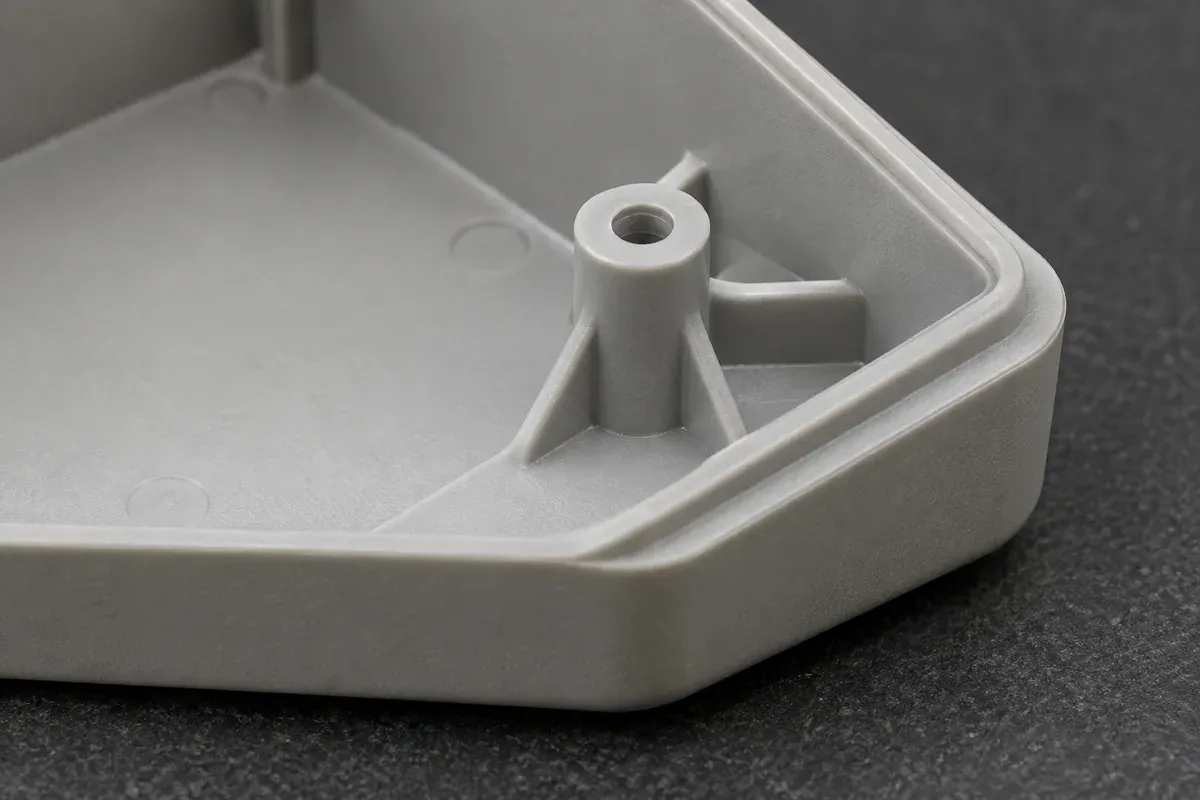
A material certificate does not by itself demonstrate finished-part function. Similarly, a fit check does not establish that every drawing feature was measured. Keep these evidence types separate so a missing requirement is visible instead of being hidden behind an overall “passed” label.
The reverse is important too: a report should not be criticized for failing to establish something outside its agreed scope without first recognizing that gap. If an assembly check becomes necessary after dimensional inspection was ordered, it is new work to define and coordinate. The objective is a complete approval basis, not the assumption that any document called a first-article report contains every kind of evidence.
The Report Must Follow the Actual Samples
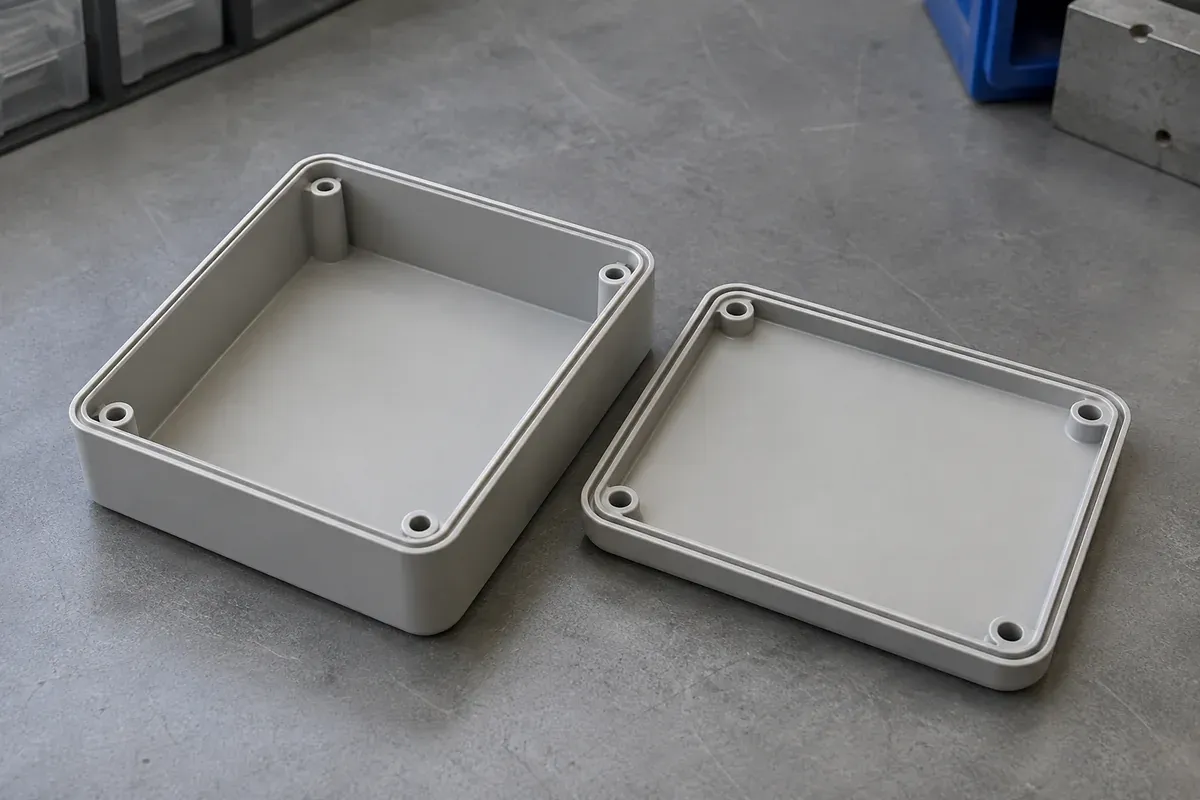
State how samples will be chosen and how many are required for each activity. Account for the applicable cavities and the purpose of the evaluation. Parts consumed by destructive testing should not also be counted as retained reference samples. There is no universal sample quantity that this article can prescribe for every component.
Ask the supplier to keep part identifiers consistent between the package and the inspection report. Where measurements depend on conditioning, time after molding or another agreed condition, record that condition rather than comparing unexplained numbers from different setups. If the buyer and supplier use different fixtures or methods, resolve the comparison before treating a mismatch as a tooling defect.
Traceability becomes especially useful after a correction. If the reviewer cannot distinguish the earlier sample from the revised one, a photograph or measurement can accidentally be attributed to the wrong state of the project. A simple, consistent identity linking part, drawing and report is more valuable than a polished presentation with an uncertain sample history.
Inspection and Permission to Produce Are Not the Same Event
Specify whether the supplier may produce only the trial quantity, a separately authorized evaluation batch or the full order before review. Xometry explicitly distinguishes a stop-for-approval request from some standard reporting arrangements in its inspection guidance. A report title alone is not a purchasing instruction to stop the machine.
Include the hold point when you compare injection molding quotations. Testing, report preparation, shipping and customer review should be visible activities in the proposed sequence. Sample acceptance should not silently authorize additional quantities or a new drawing revision.
This separates technical readiness from commercial authorization. Engineering may conclude that the reviewed configuration meets the agreed requirements while purchasing is still deciding the first release quantity. Conversely, an urgent purchase requirement does not resolve a missing technical approval. A clear hold point lets both functions coordinate without asking a supplier to interpret an ambiguous email as permission to run the whole order.
An Approval Decision Needs a Boundary
An approval should state the accepted revision, evidence reviewed and exact production scope released. If the responsible customer authority permits a limited or conditional release, the record must explain the deviation, allowed quantity or use, conditions and expiry. If the sample is not approved, identify the unmet requirements and the evidence needed for resubmission. These are different decisions, not interchangeable labels for keeping a project moving.
After changes, identify what was changed and which checks must be repeated. Keep previous sample records so the team can see what each approval actually covered. One accepted sample set does not establish future process capability or replace an agreed production inspection plan.
The First Production Order Should Inherit the Decision, Not Reinterpret It
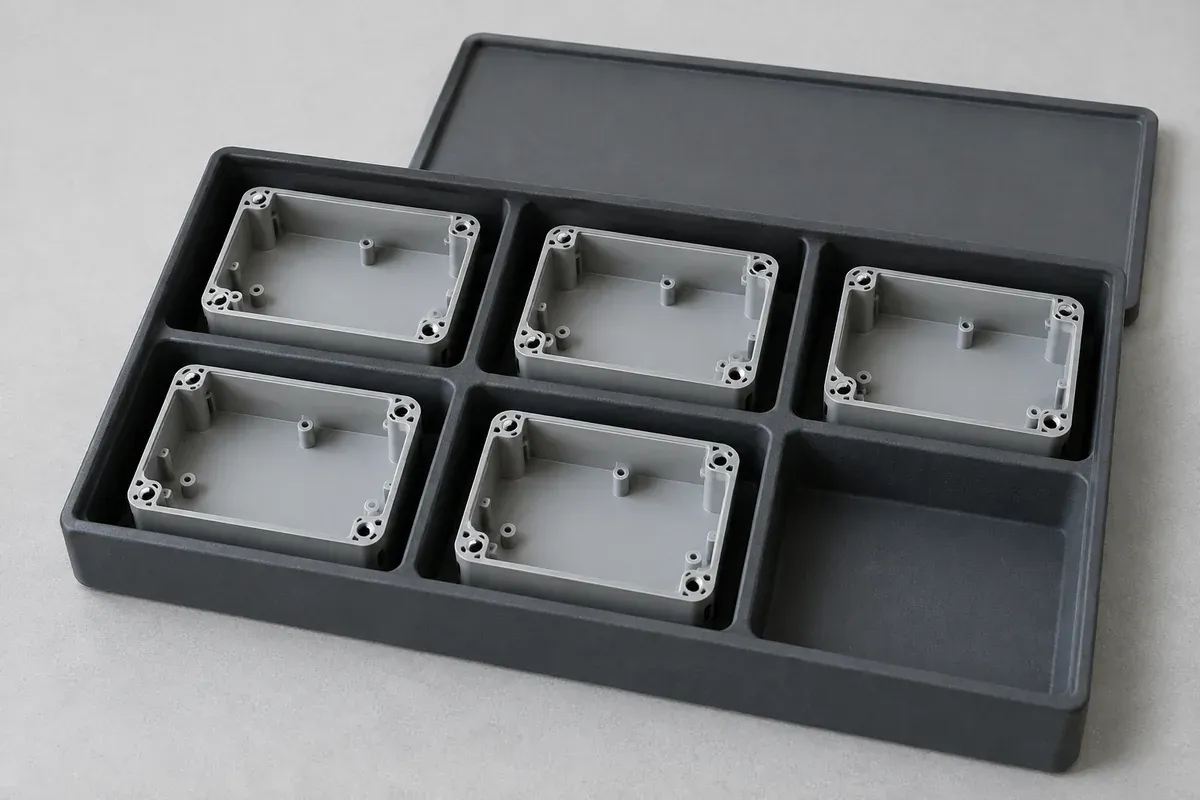
Attach the approval record to the first-order package, together with packaging, traceability and receiving requirements. Decide who will keep reference parts and what events require another review. This creates a practical bridge between trial samples and a purchase order without inventing a universal approval standard.
For a prototype-to-production program, start with rapid tooling and low-volume molding. Include the selected reports and trial scope in the tooling investment, rather than discovering them after tool release. Discuss the sample approval requirements for your part.