
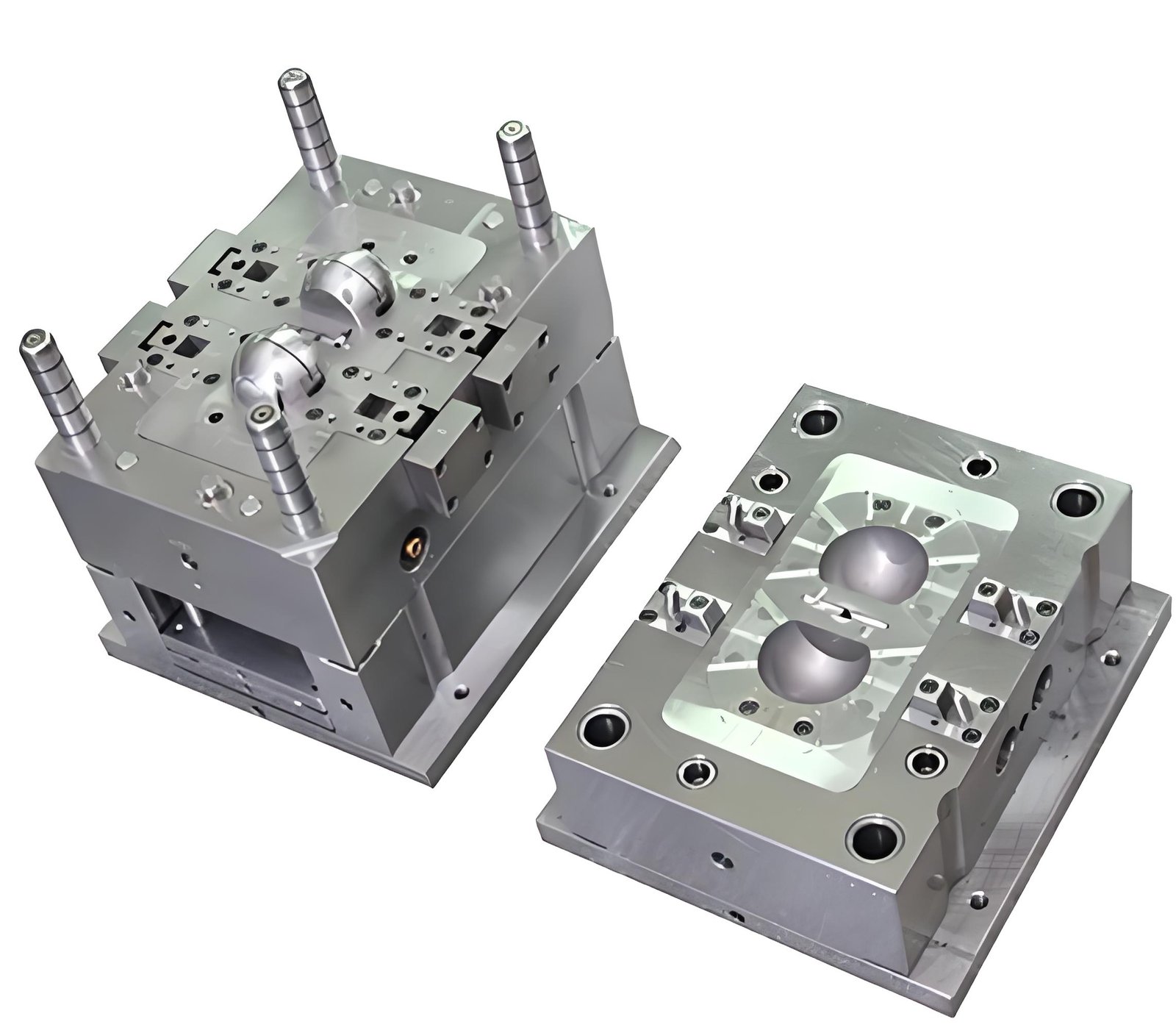
Injection mold cost is the upfront investment in designing, building and approving the tool—not the complete cost of producing and delivering plastic parts. A useful quotation starts with the part model, resin, cavity count, expected tool life and acceptance requirements. There is no reliable single price for every “small” or “simple” mold.
This guide focuses on the mold purchase. For resin, machine time, batch setup, inspection and delivered-part economics, use our separate complete injection molding cost estimate.
What Should an Injection Mold Quotation Include?
| Quote item | What to confirm |
|---|---|
| Part DFM and mold design | Approved part revision, draft, gates, parting lines, tolerances and the design-review deliverables. |
| Mold base, inserts and components | Steel or aluminum specification, heat treatment where needed, cavities, spare inserts and standard-component sourcing. |
| Machining, EDM and finishing | Cavity geometry, fit, texture or polish, and access for the required manufacturing operations. |
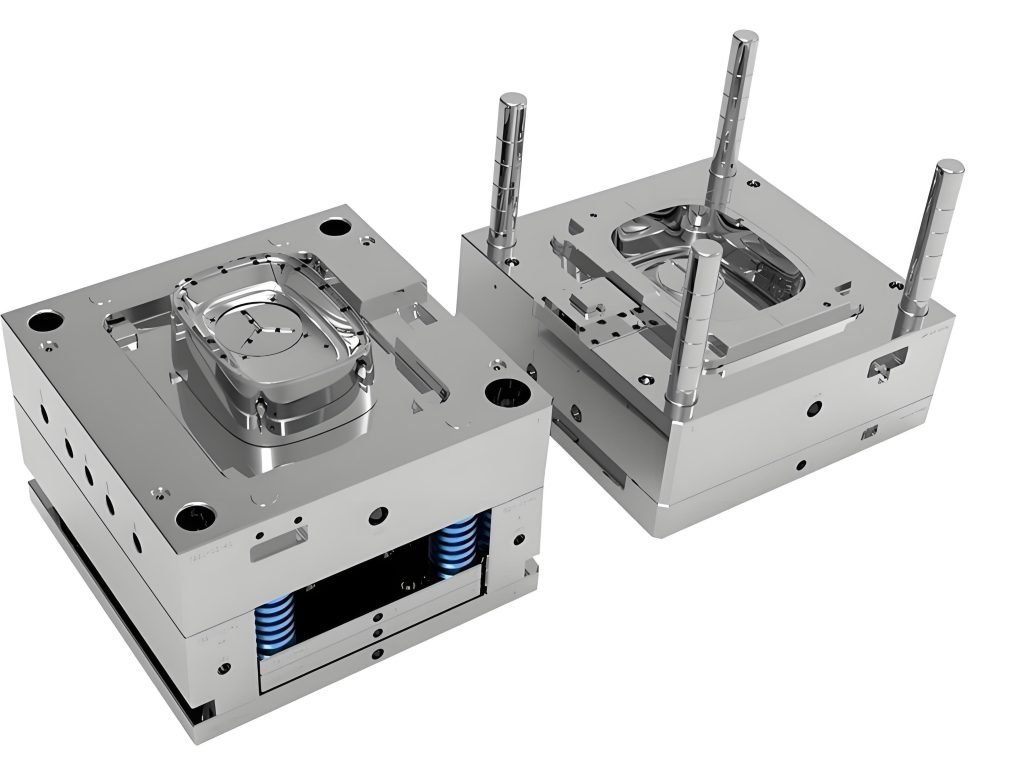
| Runner, cooling and release systems | Cold or hot runner, controller responsibility, cooling connections, ejectors and side actions. |
| Trials and acceptance | Resin and quantity for trials, sample rounds, agreed dimensional reports, cosmetic references and revision scope. |
| Delivery and ongoing responsibility | Tool location, ownership terms, shipping, storage, maintenance, spare parts and any transfer documents. |
These line items make quotations comparable. Ask which are included, optional or excluded before comparing the headline price. CNC machining and EDM here are mold-building operations, not separate finished-part service offers.
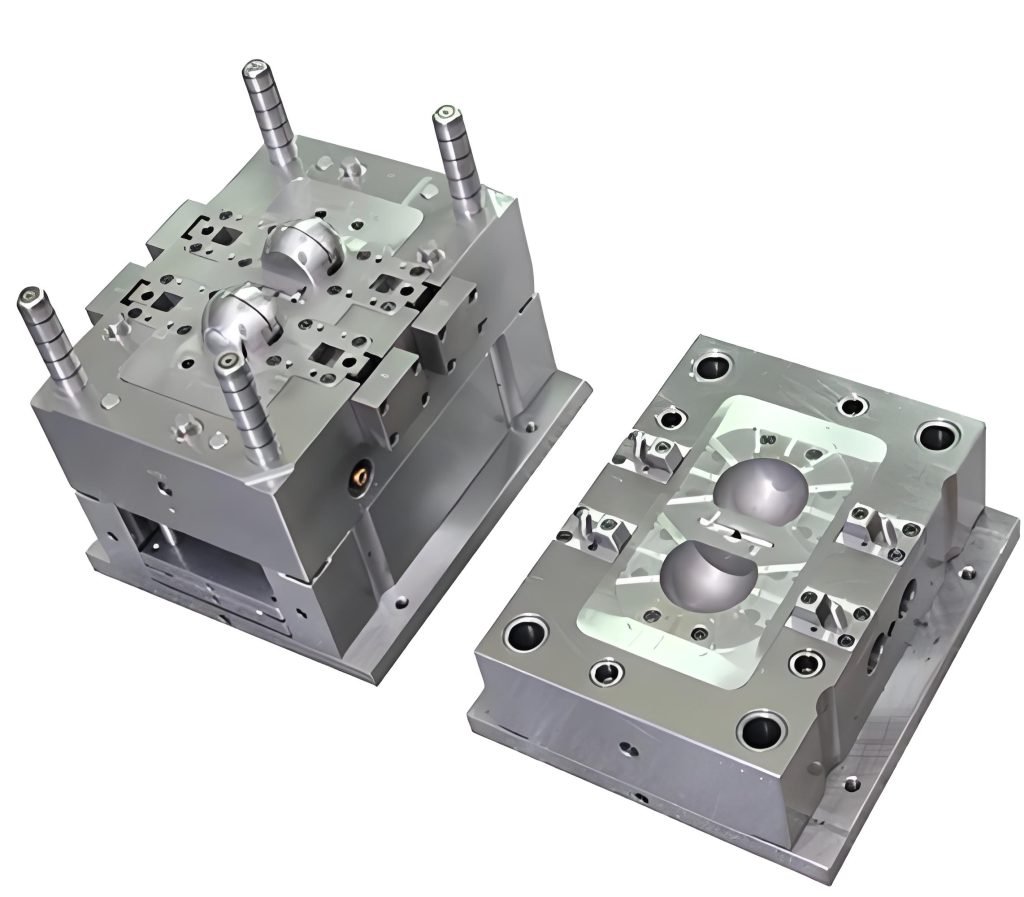
What Drives Injection Mold Price?
Cavity count and layout
More cavities add tooling work, but may produce more parts per cycle. The right count depends on demand, fill balance, press capacity and cycle time. A family mold also needs a compatible resin and balanced part layout; it is not automatically cheaper for every group of parts.
Geometry and release mechanisms
Undercuts, side holes, threads and deep ribs can require slides, lifters or other mechanisms. Review whether a functional design change can simplify release before committing to the tool. Tight tolerances and difficult cosmetic zones need explicit acceptance criteria.
Resin and expected production life
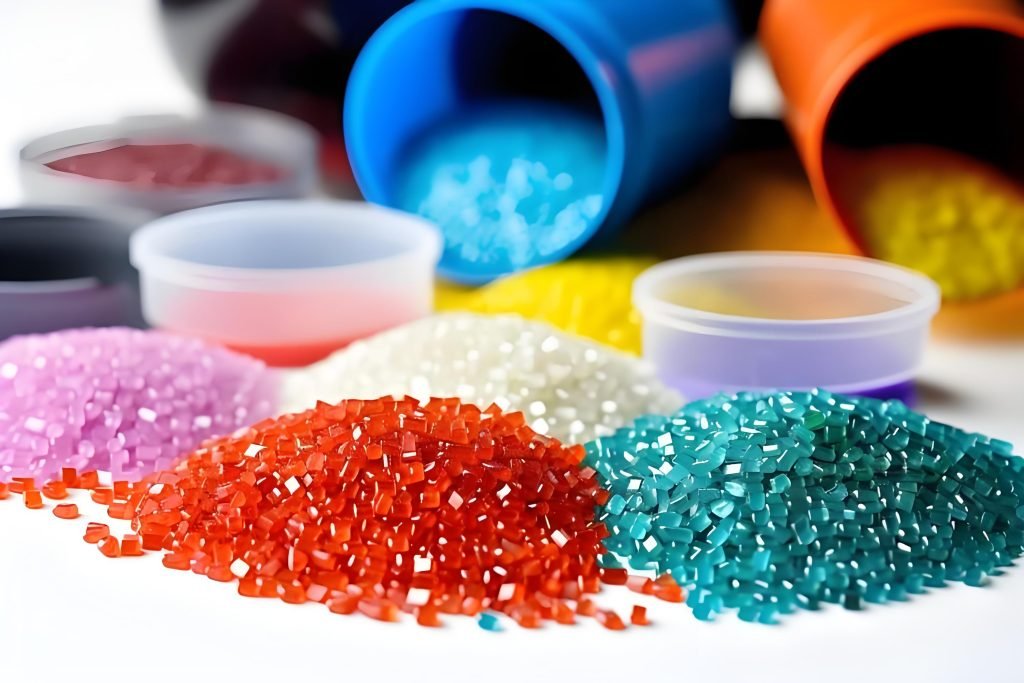
The selected resin, fillers, corrosion risk, maintenance plan and total expected cycles influence mold-material and component choices. Aluminum and different steel grades are options to assess, not universal low-volume or high-volume rules.
Runner, cooling and finish
A manifold-based hot runner has a different investment and maintenance scope from a cold runner or single heated drop. Compare the actual layout using our hot runner and hot sprue guide. Cooling access, surface texture and polishing also affect the work needed.
Prototype or Production Tool?
For design validation and a limited batch, discuss rapid tooling and low-volume molding before specifying a long-life production tool. Define which requirements the trial must prove, including the production resin, cosmetic surfaces and critical dimensions.
For a stable design and repeat orders, compare the tooling investment with capacity, maintenance and cost per accepted part. Do not select only the lowest mold price if later part costs or transfer limitations offset the initial saving.
How to Compare Mold Quotes Fairly
- Send the same CAD revision, resin grade and drawing to each quotation review.
- Specify initial quantity, batch sizes, annual demand and expected tool life separately.
- Compare cavity count, runner type, mold material, finish and included trials line by line.
- Identify responsibility for design changes, replacement inserts, maintenance and trial resin.
- Agree sample acceptance and payment milestones in writing before releasing the tool.
Tool amortization is only one part of the decision: allocated tooling cost per accepted part equals the tooling investment divided by the accepted quantity it is allocated over. Using a forecast that never materializes makes that allocation misleading. Evaluate conservative and expected demand scenarios.
Injection Mold Cost FAQ
Does paying for the mold include plastic parts?
Not necessarily. The quote should distinguish tool design and build, trial samples, production batches and shipping. Ask for an explicit scope rather than assuming they are bundled.
Who owns the mold and can it be transferred?
Ownership, storage, maintenance, release conditions and transfer deliverables must be agreed in the project contract. A tooling payment alone does not establish every operational or documentation term.
Can DFM reduce the mold investment?
It can identify changes to draft, parting lines, undercuts and unnecessary detail before machining starts. Savings depend on which changes are functionally acceptable; do not trade away required performance or inspection criteria.
What does FECISION need for a mold quote?
A 3D part file, dimensioned drawing where available, resin requirements, quantities, cosmetic surfaces and target acceptance criteria. FECISION coordinates the injection mold making review with the assigned manufacturing partner.
Have a design ready? Request a scoped mold quotation and identify any assumptions that still need engineering review.