
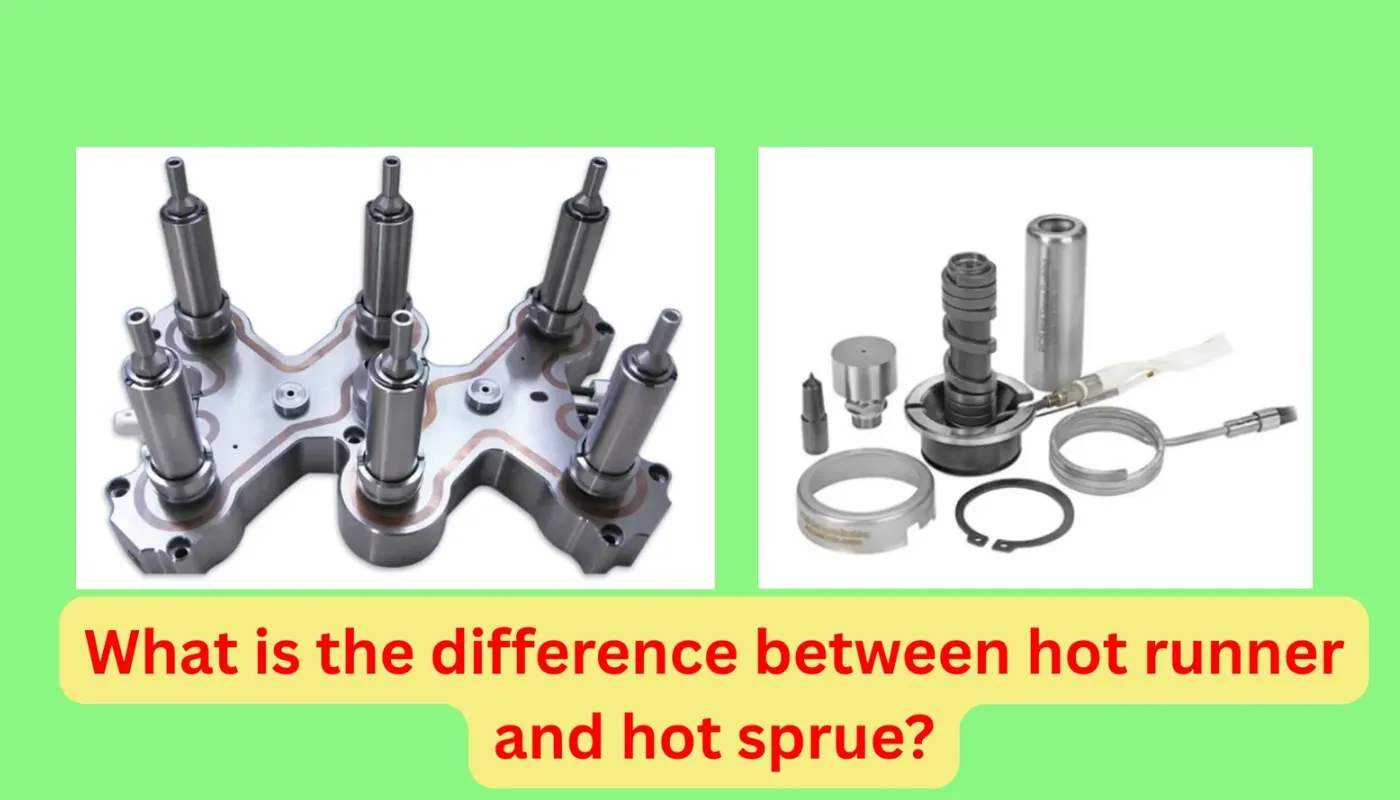
A hot sprue is usually a single heated sprue bushing or nozzle; a hot runner is the wider heated melt-delivery system, often with a manifold feeding several nozzles. The terms overlap: a single-drop hot sprue can be a simple hot runner system. The useful comparison is a single heated drop versus a manifold with multiple drops, and whether either design feeds the part directly or leaves a cold sub-runner.
This distinction matters when comparing mold quotations. A hot sprue does not automatically mean one cavity, and a hot runner does not automatically eliminate every runner or gate-trimming operation.
What Is a Hot Sprue?
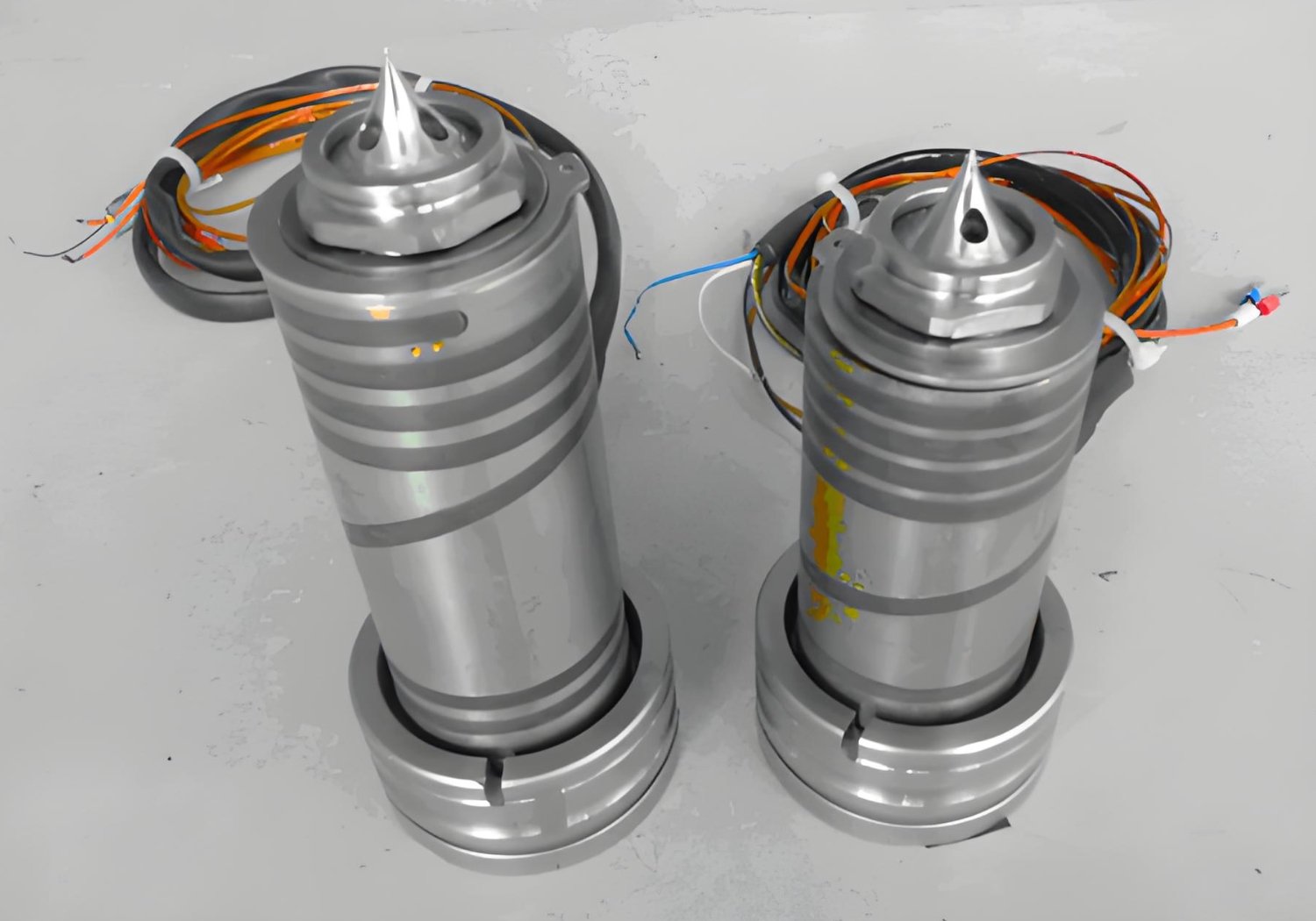
A hot sprue replaces a conventional cold sprue passage with a temperature-controlled melt channel. Melt passes from the molding machine nozzle through the heated bushing toward the gate. Depending on the layout, it enters a cavity directly or feeds an unheated runner that distributes material to several cavities.
A supplier may call the same arrangement a heated sprue bushing, single nozzle, single drop, or hot sprue. For example, DME describes its EcoONE as a single nozzle/hot sprue bushing. Always check the melt-path drawing and material compatibility rather than choosing from the label alone.
What Is a Hot Runner?
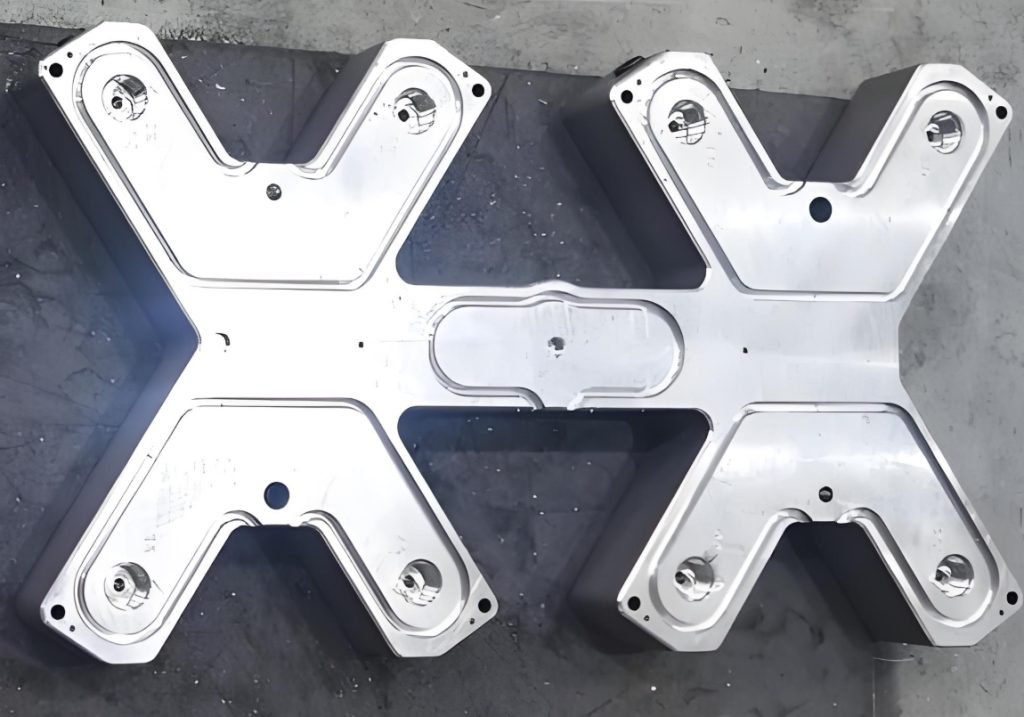
A hot runner maintains molten thermoplastic within heated mold passages between shots. In a multi-drop system, a manifold distributes melt to several nozzles. Those nozzles may feed separate cavities or several locations on one large part. Heaters, thermocouples and a controller maintain the required temperature zones.
Synventive's nozzle documentation distinguishes direct gating from feeding a sub-runner. This is why the complete runner layout, gate design and resin grade must be considered together. A valve gate controls opening and closing with a pin; it is a gate option, not a synonym for every hot runner.
Key Differences Between Hot Runner and Hot Sprue
| Decision | Single-drop hot sprue | Manifold-based hot runner |
|---|---|---|
| Melt distribution | One heated outlet; may feed a part or a cold runner. | A heated manifold feeds multiple nozzle positions. |
| Typical use | A suitable single gate or a compact feed into a small runner network. | Multiple cavities or multiple gates on a large part. |
| Runner waste | The heated sprue stays molten; a downstream cold runner still needs removal. | Direct gating can avoid cold runners; hybrid layouts still produce sub-runners. |
| Tool complexity | Fewer heated components and connections in a comparable application. | More melt channels, thermal interfaces and control zones to manage. |
| Maintenance | Access to the nozzle, heater, thermocouple and tip still matters. | Also plan manifold access, leak prevention, balancing and replacement components. |
| Part quality | Depends on gate location, temperature control and the downstream flow path. | Can distribute flow across more gates; balance and gate sequencing require engineering. |
Benefits of Hot Runner Systems: Check the Whole Cycle
Eliminating a cold runner can reduce the material molded and handled in each shot. It can also remove runner cooling or separation from the cycle. These benefits depend on the starting layout: if the part itself controls cooling time, changing the runner may not shorten the cycle by the amount expected.
Compare cost per accepted part, including mold investment, resin consumed by parts and runners, regrind restrictions, cycle time, rejects, energy, color changes and maintenance. A lower runner weight alone is not a complete payback calculation. For the wider tooling choices, see our injection mold tooling service.
When to Choose Hot Runner vs. Hot Sprue
- Define the part and resin. Supply the actual grade, fillers, color changes, part weight, wall sections and cosmetic surfaces. A nozzle suitable for unfilled PP may not be suitable for an abrasive or temperature-sensitive grade.
- Set the cavity and gate layout. Review gate access, flow length, weld-line locations and whether a single drop can feed the design effectively.
- Draw the entire material path. Mark which sections remain molten and which leave the mold with each shot. Identify any runner or gate removal operation.
- Compare the production assumptions. Use expected annual demand and batch sizes, including startup losses and color-change frequency, rather than a universal volume cutoff.
- Plan maintenance before approving the mold. Agree on component availability, temperature-controller compatibility, access and trial acceptance criteria.
For a validation program, rapid tooling can help establish gate and part-quality requirements before a larger production tool is specified. The resulting cavity and processing plan should feed into the injection molding production review.
Hot Sprue and Hot Runner FAQ
Is a hot sprue the same as a hot runner?
A hot sprue is commonly a single heated nozzle or bushing. It can be a simple hot runner arrangement; the phrase hot runner is also used for a larger manifold-and-nozzle system. Ask whether the quoted tool has a manifold, how many drops it has and whether it uses cold sub-runners.
Can a hot sprue mold have multiple cavities?
Yes. A single heated sprue can feed a cold runner serving multiple cavities. That arrangement retains cold-runner material and requires an appropriate runner balance.
Does a hot runner leave no gate mark?
No. Gate vestige depends on the gate style, resin, part geometry and processing. A valve gate may provide a different gate appearance from an open thermal gate, but the acceptance criterion still needs to be specified.
Which is cheaper?
For a comparable simple layout, a single-drop system usually has fewer components. The better production choice depends on total cost per accepted part, not only the initial mold price.
Have a runner layout to review? Send the part model, resin grade and annual quantity with your mold quotation request.