
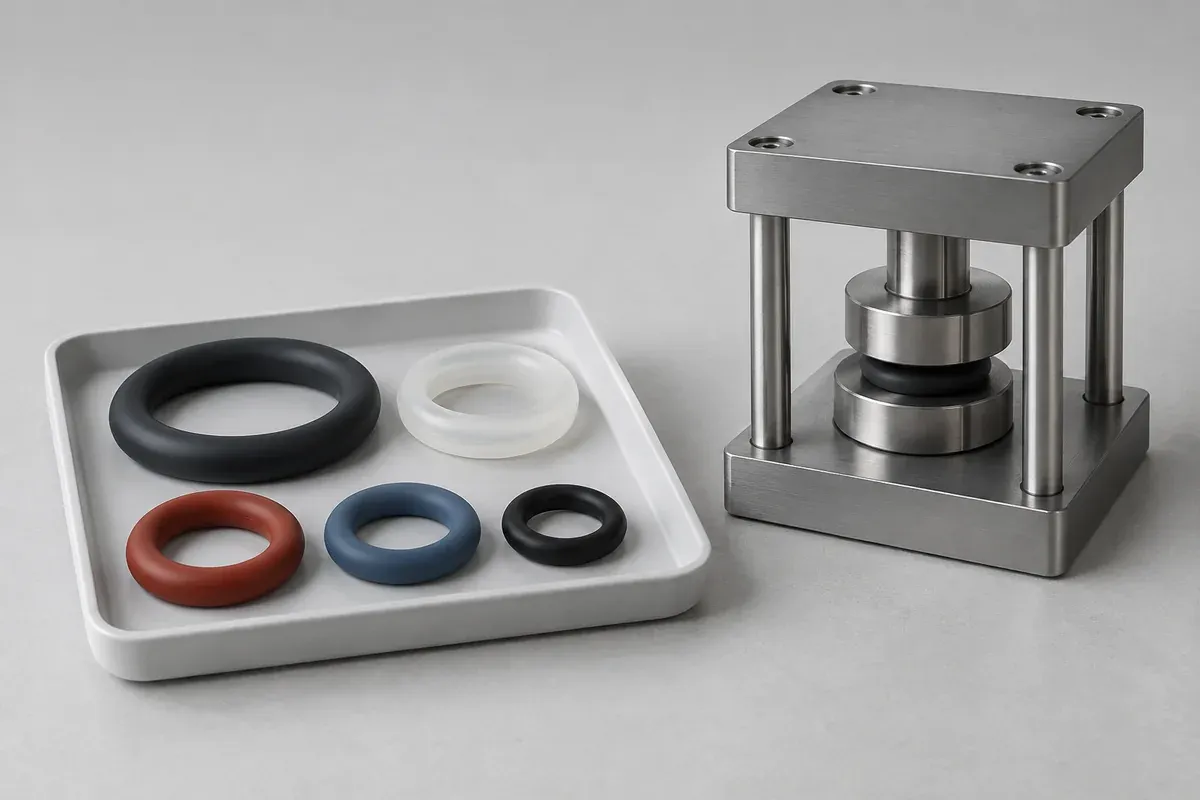
Product design illustrations. Final geometry, materials and acceptance criteria are project-specific.
Two silicone datasheets show different compression-set values. It is tempting to select the smaller number and assume the seal will last longer. Before doing so, check whether the values describe comparable specimens, temperatures, durations, deflections and recovery conditions.
Compression set concerns the deformation remaining after a specified compression and recovery procedure. It is not a direct measurement of leakage in your enclosure, and it does not by itself specify how much sealing force remains in service. Keep material screening and assembly qualification distinct.
Read the entire test entry
Record the test method and the conditions accompanying the result, not only the percentage. Identify specimen preparation and whether post-curing was used. If information is absent, ask the material supplier rather than silently treating two numbers as equivalent.
WACKER's silicone processing guide shows that compression-set behavior can depend on formulation and post-curing. That is a reason to keep processing state with the result, not a reason to assign one published value to every silicone seal.
Use the current technical information for the exact proposed grade. A general family brochure can explain mechanisms but may not establish the acceptance requirements for a specific product. Include the document revision in the material-review record when it governs a decision.
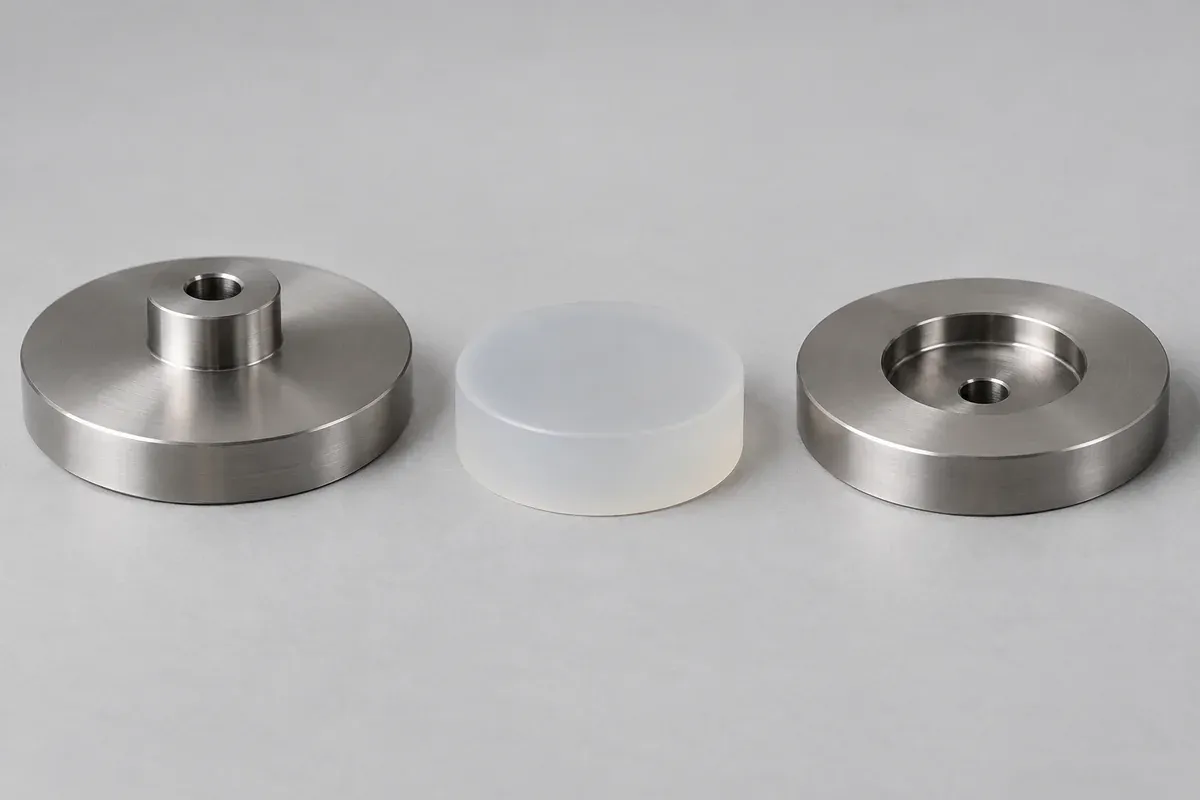
Distinguish residual shape from the joint's behavior
An enclosure seal functions while constrained by its groove and mating faces. Its profile, compressed state, exposure and the movement of those faces matter to performance. A standardized material specimen is useful for comparison, but it is not a miniature version of every possible joint.
Do not convert a compression-set percentage into an assumed leakage rate or service lifetime. Such a claim requires an applicable model or test evidence for the actual assembly. Similarly, a visually recovered sample does not prove that it meets a specified sealing requirement.
Review closure stops and tolerance with the groove-design guide. If the housing relaxes or the joint opens, an otherwise promising material result cannot establish the final compressed condition on its own.
Define the relevant exposure
Describe the temperature history, chemicals, cleaning, opening cycles and loaded duration that the product must withstand. An accelerated material test can be useful screening evidence, but its relationship to service must be justified rather than assumed from a higher temperature alone.
Consider whether the seal remains compressed continuously or is periodically released. If it is removed for maintenance, decide whether reinstallation is intended and whether replacement is required. That service policy changes the practical question being evaluated.
Separate normal use from exceptional exposure. A one-time assembly heat step and years of operation at a lower temperature are different conditions. Include both if they matter, without adding an unsupported blanket temperature rating to the finished component.
Control the candidate comparison
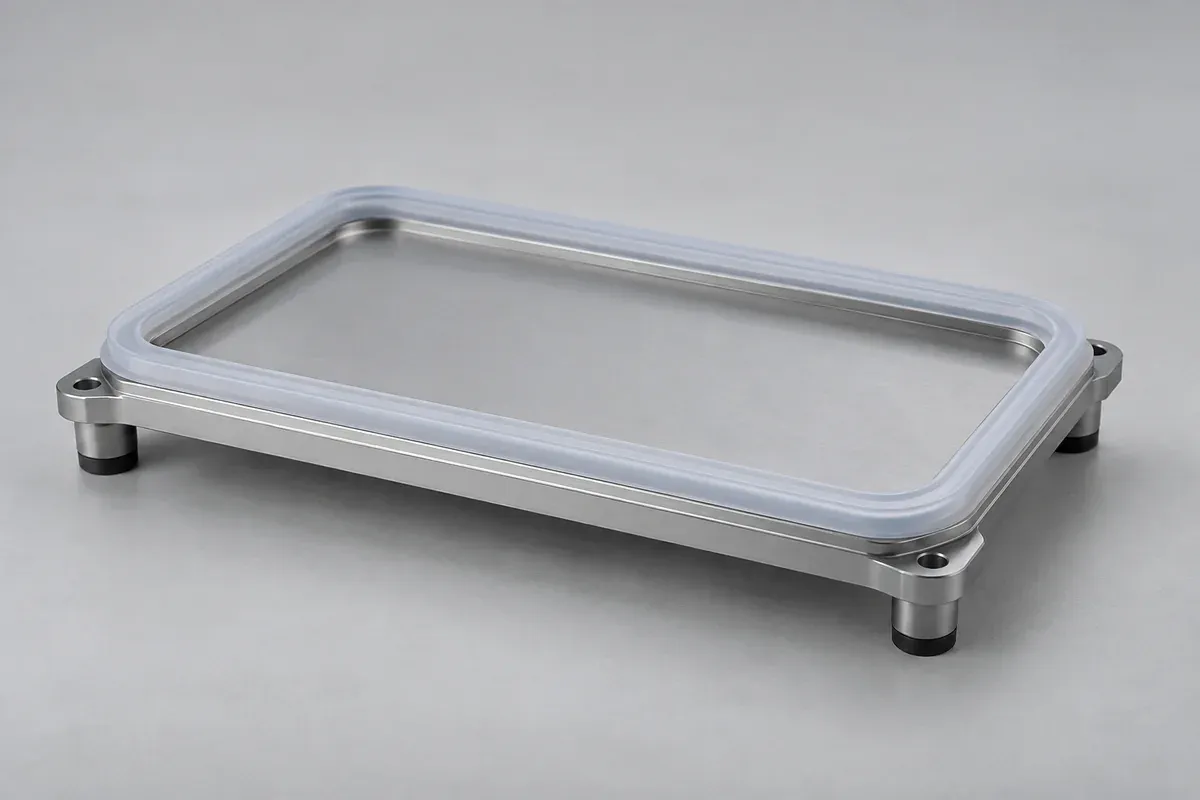
Keep part geometry and test setup consistent when comparing materials. If one candidate uses a different bead profile, describe the comparison as two seal configurations. That may be a useful engineering exercise, but it cannot isolate the contribution of the compound.
Track material lot, molding conditions relevant to release, curing state and sample identity. If a candidate requires post-curing, include the operation in the quote and traceability plan. Omitting it from production changes the configuration that generated the screening evidence.
Where the intended seal is too small or irregular for a material test, agree how representative specimens and finished components will be used. The material test and the assembly test may need separate samples and separate reports. Do not force one result to serve both purposes.
Turn the evidence into an approval scope
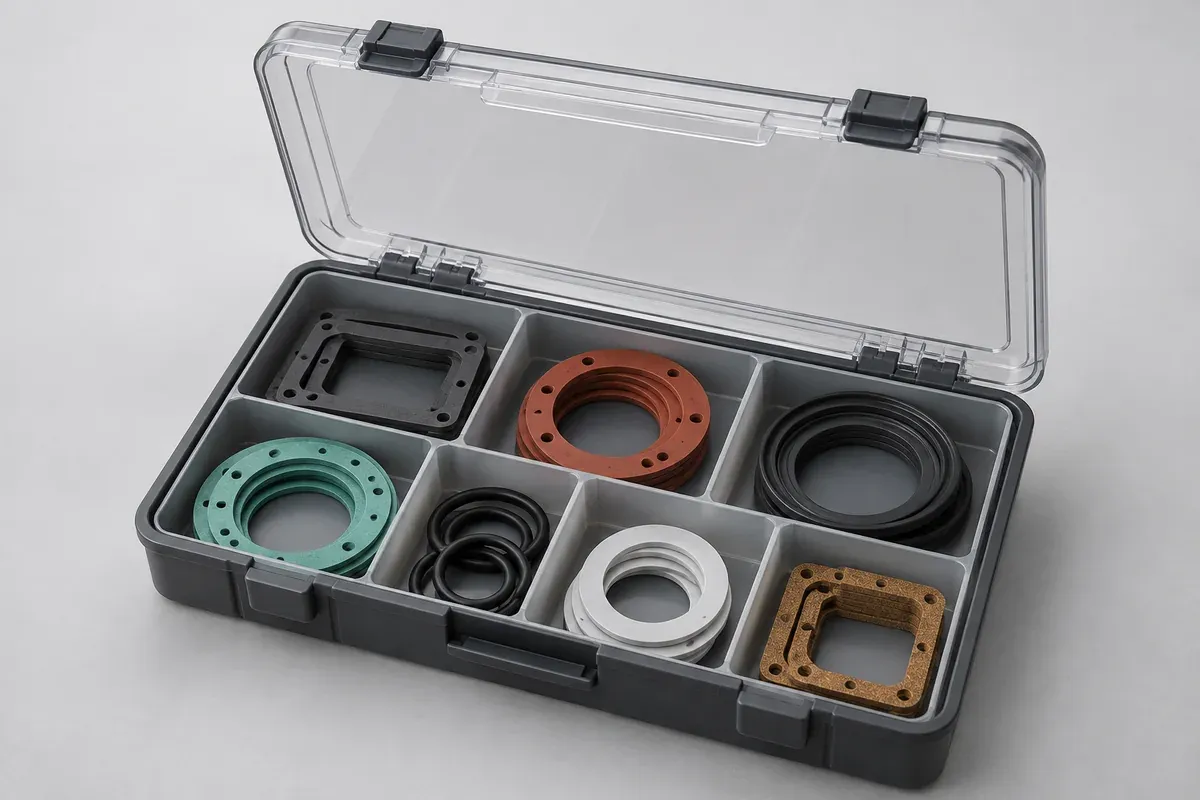
State which material property is required, how it will be documented and which assembled checks remain necessary. Assign responsibility for finished-enclosure testing and define the relevant criteria before evaluating production samples. A supplier certificate should not be asked to certify a joint it never tested.
For an unresolved design, request a development proposal with explicit assumptions. Use the custom seal RFQ guide to separate material selection, tooling, sample review and production release. The goal is a traceable decision, not the lowest isolated number in a datasheet.
Turn the review into a defined molding scope
Explore our custom LSR injection-molded gaskets and seals and the related illustrative engineering study. Send the drawing revision, counterpart details, intended use and the decisions still open. Development samples and production approval should have separate, agreed deliverables.