
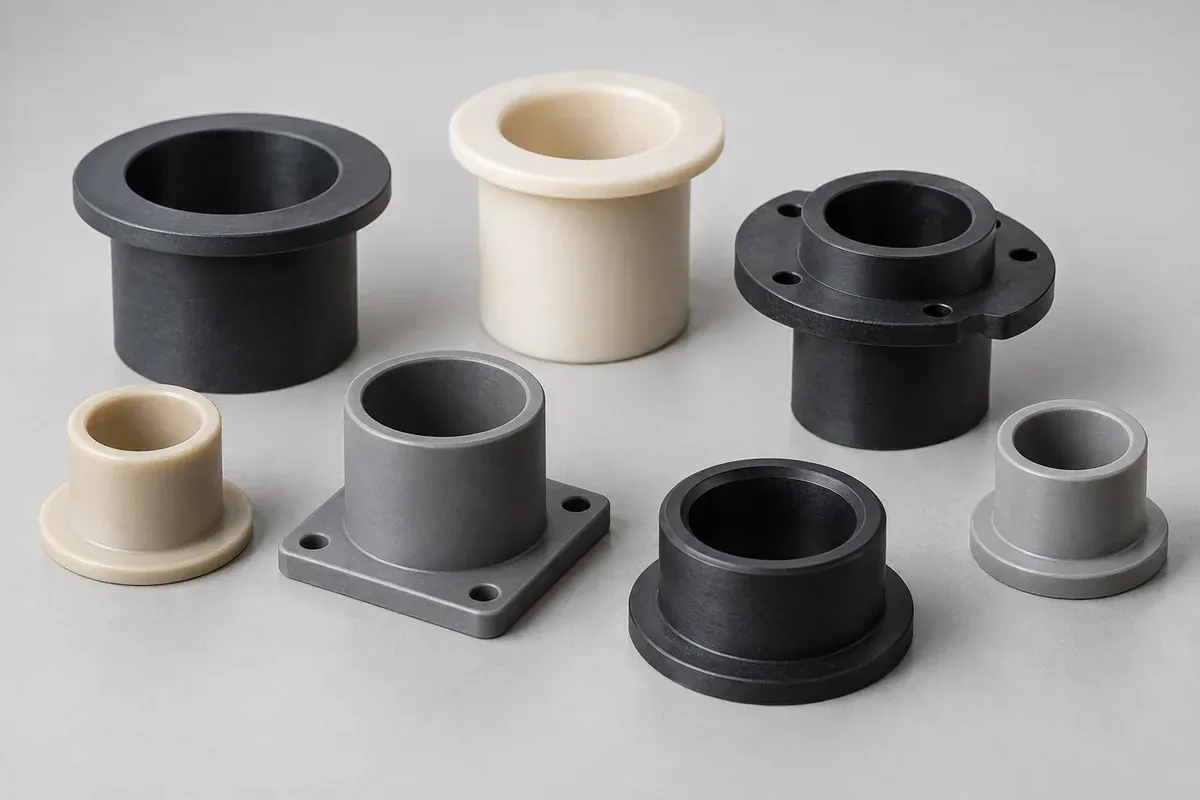
Product design illustrations. Final geometry, materials and acceptance criteria are project-specific.
A small cylindrical bushing can be easy to recognize and surprisingly difficult to scope. Before commissioning a mold, ask why an existing part will not meet the requirement. A nonstandard flange, integrated locating feature or repeat production need may justify customization; a different color alone may not.
This comparison is for buyers defining a custom molded component, not for someone seeking a single replacement bearing. There is no universal quantity at which injection molding becomes the correct choice. Tooling scope, material, geometry, design changes and the approval work all affect that decision.
Start with the reason for customization
Identify the feature that a catalogue part cannot provide. It might be a shaped flange, an anti-rotation interface, a particular assembly envelope or a controlled material requirement. Keep that reason visible so the project does not add custom geometry without adding useful function.
Compare an available standard part against the complete application, including fit and operating conditions. A catalogue sleeve with a separate spacer or washer may be a viable alternative. Conversely, several extra assembly pieces may make a custom integrated geometry worth reviewing.
For material screening, use the POM, nylon and filled-grade guide. A material offered in a stock bearing is not automatically available or suitable as the same compound in a custom molding proposal.
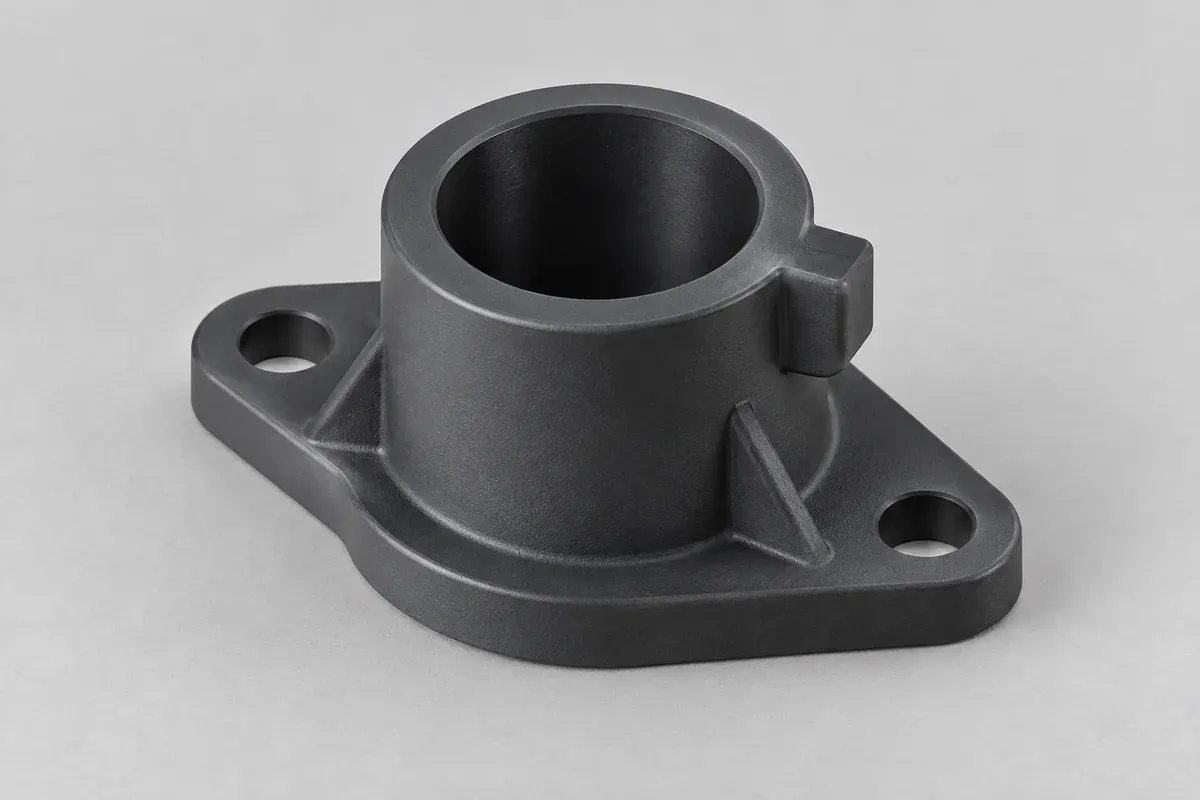
Separate prototype purpose from production method
A machined sample can help evaluate envelope, installation access and an initial fit concept. It does not reproduce every characteristic of a molded part. Record differences in material form, process and geometry before using the prototype as an approval reference.
If the bore will require a secondary operation in production, include that operation in the quotation and inspection plan. Do not compare a fully finished prototype price with an as-molded production price as though the delivered scope were identical.
A design still changing at the shaft or housing interface may benefit from further development before dedicated tooling. The relevant decision is which evidence must be obtained now and which must wait for representative molded samples.
Review the proposed mold with the functional surfaces
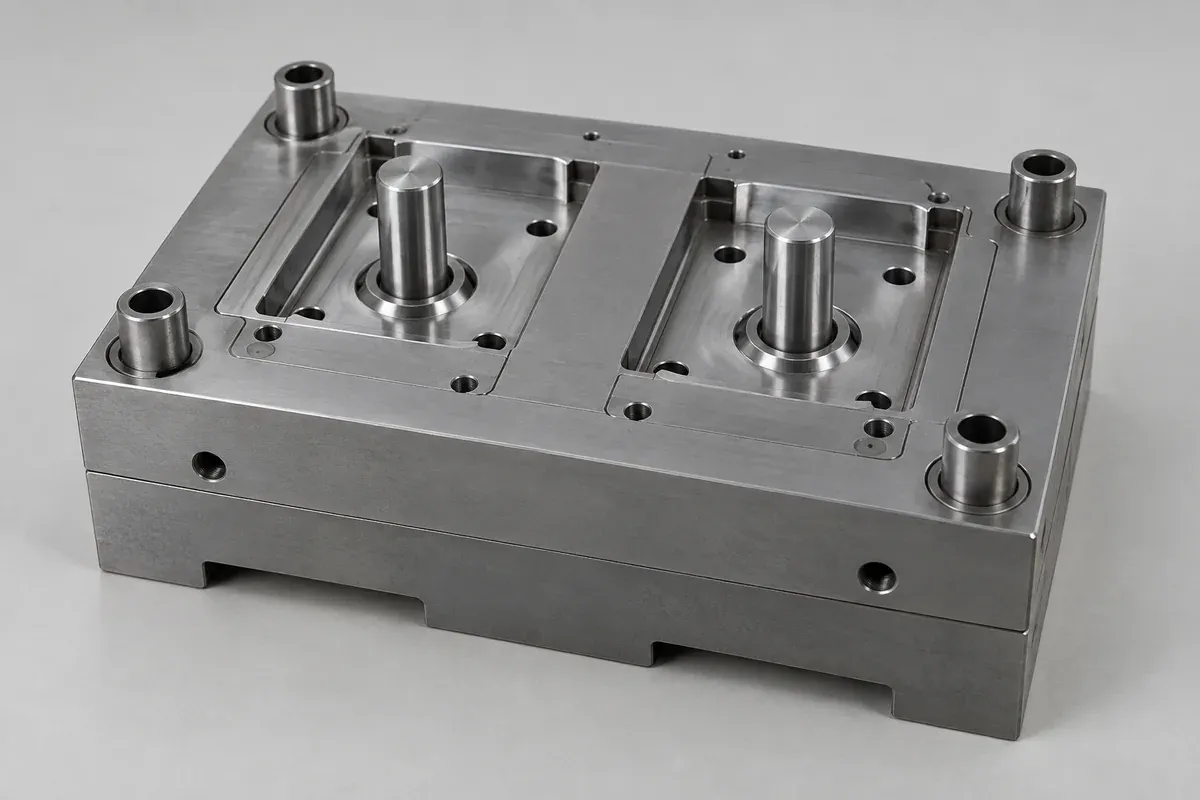
Mark the bore, outer fit, flange face and any locating feature that cannot move during DFM. Discuss gate location, parting line, core support and release. A tool proposal that preserves the outside shape while moving a functional reference has changed the design.
Celanese's acetal processing guide discusses gating considerations for cylindrical components. Such guidance is material- and geometry-dependent; it supports a tooling discussion rather than proving the concentricity of a future custom bushing.
Compare demand without inventing a break-even quantity
Provide trial quantity, first order, likely repeat demand and the period over which that demand is expected. A forecast is not a committed order. Ask quotations to distinguish tooling, samples, production, secondary operations, inspection and packing.
Discuss ownership, maintenance, storage and change control for the tool. Include any customer-specific gauges or assembly counterparts required for approval. A low unit price can conceal a different evidence package or an omitted finishing operation.
If the demand is uncertain, compare clearly stated scenarios. Avoid treating an optimistic forecast as guaranteed savings. The buyer should understand what cost or timing assumption changes when the order pattern changes.
Approve installed function as a separate deliverable
Specify loose-part dimensions and installed checks distinctly. The press-fit bore review explains why a sleeve that passes inspection on the bench can behave differently in its housing. Supply the relevant counterpart revisions and define who provides them for testing.
Plan sample identity, material condition and cavity-level records as appropriate. An attractive handful of loose parts is not the same deliverable as a dimensional report and agreed assembly evaluation. Make that distinction before approving the sample order.
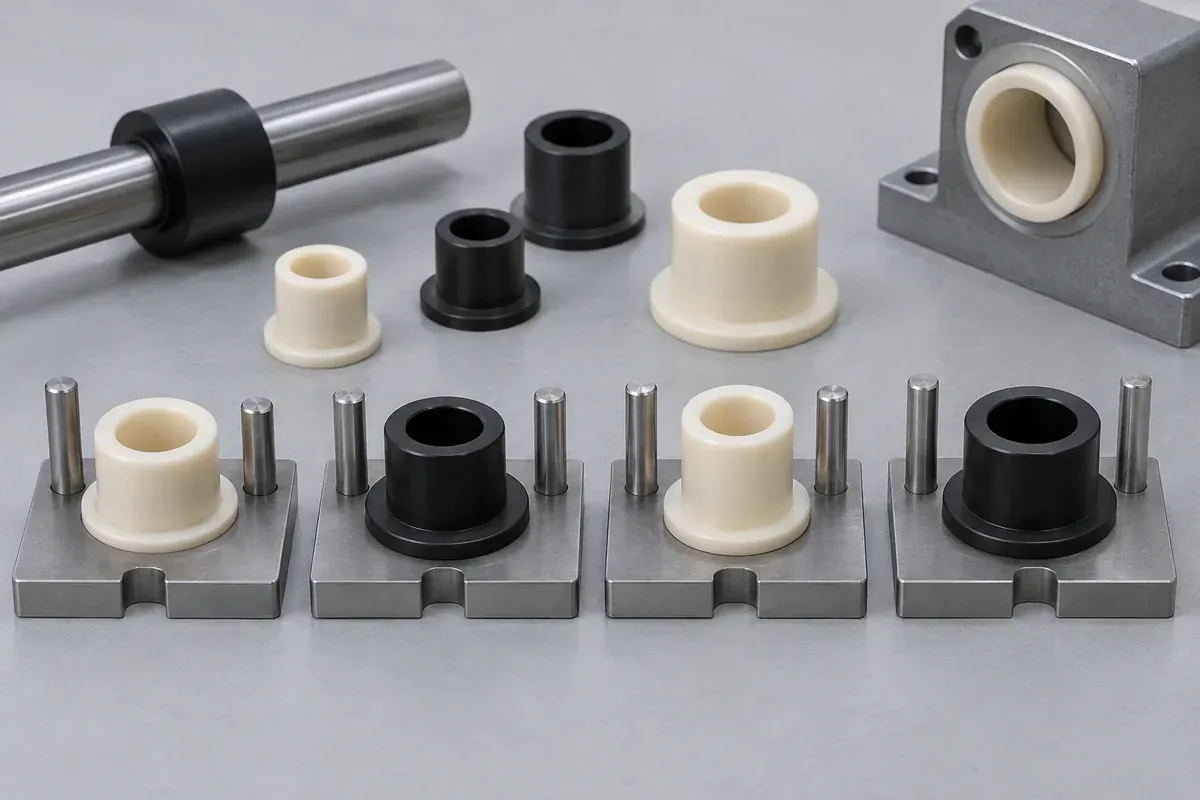
Injection molding becomes a credible choice when the application, design maturity, repeat demand and validation plan support it together. If a standard or machined solution remains more suitable, keep it in the comparison. A useful custom quotation explains the manufacturing scope and unresolved assumptions rather than promising that molding always wins.
Turn the review into a defined molding scope
Explore our custom injection-molded plastic bushings and the related illustrative engineering study. Send the drawing revision, counterpart details, intended use and the decisions still open. Development samples and production approval should have separate, agreed deliverables.