

For plastic injection molding, soft and hard tooling describe different approaches to mold construction and the production program. Compare the tool material, expected wear, design stability and repeat-order requirements together; the label alone does not establish part quality or mold life.
This guide focuses on injection molds for prototype, bridge and repeat production. For an early batch in the intended resin, review the sample quantity, likely design changes and acceptance checks with our rapid tooling and low-volume injection molding service.
What is Soft Tooling?
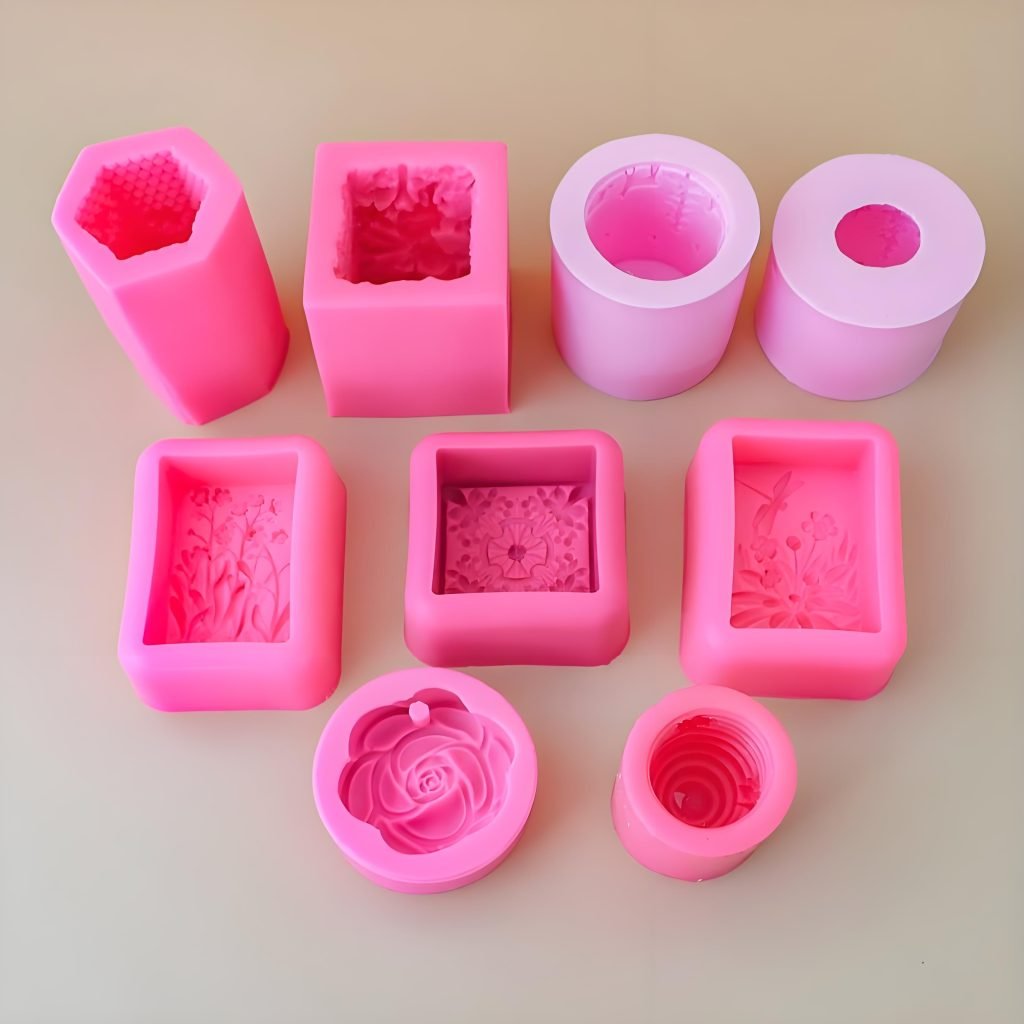
In injection molding, soft tooling commonly refers to aluminum or comparatively easy-to-machine steel molds scoped for sampling, bridge production or a defined run plan. Specify the actual alloy, construction and expected duty with the mold maker; a soft-tooling label is not a material specification.
Molded samples let engineers evaluate the intended resin, fit and function before committing to the production-tool design. Establish which tests the trial must support and which conditions will change in production. A different cavity count, cooling layout or processing setup still needs its own qualification.
Advantages of Soft Tooling
- Quick production: Due to the employment of easy-to-machine materials and processes such as 3D printing or CNC machining, molds can be created rapidly, usually within hours or days.
- Cost-effective for low volumes: It’s ideal for prototyping and small batch manufacturing since it lowers initial costs and lowers financial risk during early development.
- Design flexibility: Create soft materials that facilitate creative and iterative design by enabling delicate shapes and complex geometries difficult to produce with rigid tooling.
- Easy modifications: Simple adjustments allow for fast design changes and less time spent on reworking by means of quick and inexpensive changes.
- Supports early validation: By assisting in checking the market viability, function, and design of a product before making a costly commitment to hard tooling.
Disadvantages of Soft Tooling
- Limited durability: Since softer materials wear out more quickly, the molds are inappropriate for long production runs.
- Lower material resistance: Less qualified than hard tooling materials to withstand high temperatures, strong chemicals, or mechanical stress.
- Dimensional instability: Under continuous usage, particularly over time, prone to warping, deformation, and loss of accuracy.
- Not appropriate for large volumes: Designed for small to medium-sized batches. Large-scale production requires hard tooling for economic efficiency.
- Higher cost per unit at scale: Although starting costs are cheap, in bigger volumes, the cost per part can go up as mold replacement and upkeep are needed.
What is Hard Tooling?
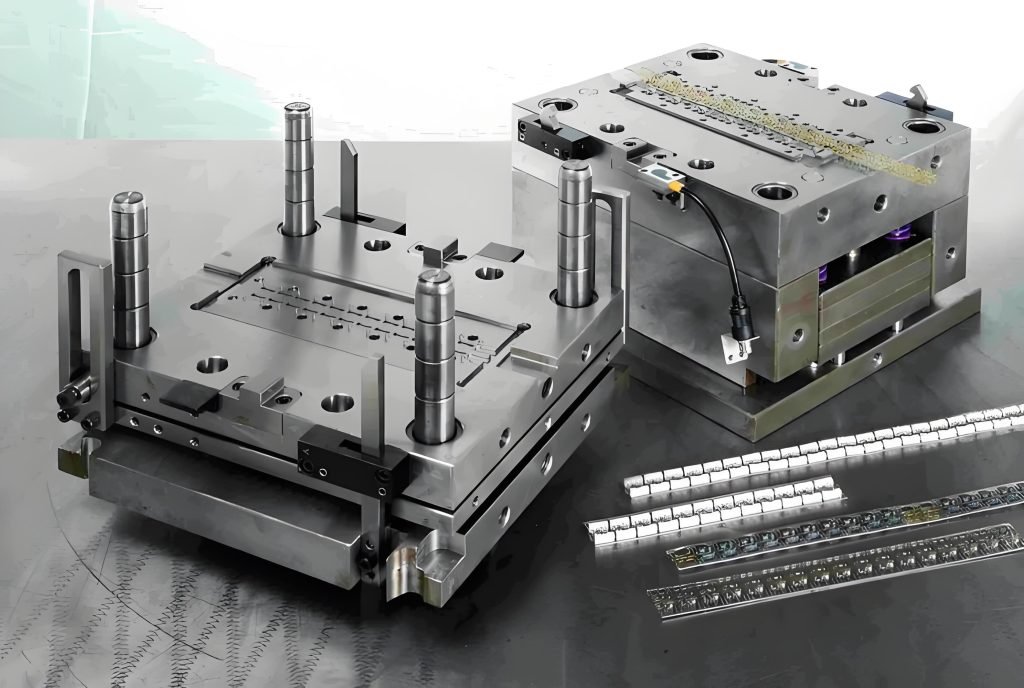
For injection molding, hard tooling generally refers to a production mold built for repeated runs, commonly using hardened tool steel where the resin and wear requirements call for it. The mold specification should define the steel grade, heat treatment, wear components and maintenance plan.
Production mold construction is selected around the approved part design, resin, demand and acceptance requirements. Heat treatment, precision machining, cooling and qualification affect both the build schedule and cost. Confirm those requirements through the injection mold making review; material hardness alone does not guarantee repeatable parts.
Advantages of Hard Tooling
- Superior durability: Made of robust metal alloys, hard tooling can withstand heat, pressure, and wear. They have a long lifespan (usually millions of cycles) and reduced long-term maintenance needs in contrast to soft tooling.
- High precision and repeatability: It achieves tight tolerances to guarantee almost identical parts with each manufacturing cycle, which is essential for putting together complicated components that need dependability.
- High production capacity: During large runs, several cavities in hard tooling molds enable the simultaneous manufacture of multiple parts, therefore increasing efficiency and reducing material waste.
- Long-term cost efficiency: Although first expenditures are considerable, the per-unit cost is drastically reduced with high-volume manufacturing. Therefore, it is more cost-effective than soft tooling for large quantities.
Disadvantages of Hard Tooling
- Expensive to start: Hard tooling involves a large capital investment upfront in time and money, because materials are expensive and methods of manufacturing are complex.
- Limited flexibility: Deviations in the design are less easy or more expensive once created from the mold. The creation of a new tool is often required for changes, leading to reduced adaptability in production. However, there are exceptions.
- Long lead time: A prolonged delay in production start-up is caused by the time-consuming process of designing, machining, and treating hard tools through CNC and heat treatment.
- Design constraints: The limitations of traditional manufacturing methods create constraints on the use of hard tooling. It is not suitable for new processes like 3D printing and may not support all materials or complex design iterations.
Soft Tooling vs Hard Tooling
Choosing between soft tooling vs hard tooling is an essential decision, as the manufacturing method used directly affects cost, production time, and product quality. To help guide your selection, here is a comparison across key factors.
Material
Soft Tooling: Review aluminum or suitable steel for the planned injection molding trial. Resin abrasiveness, processing temperature, surface requirements and the number of repeat runs determine whether the proposed material is suitable.
Hard Tooling: Specify the production tool steel and its treatment against resin wear, corrosion and maintenance requirements. Define replaceable wear components where appropriate.
Production Volumes
Soft Tooling: It is most appropriate for low to medium production volumes, including market testing and prototypes. It provides an economical solution when full-scale manufacturing is not justified yet.
Hard Tooling: Designed for high-volume production where high volumes would justify the increased first cost, hard tooling is suited. It guarantees uniform production across long manufacturing runs.
Lead Time
Soft Tooling: Owing to simpler design and machining methods, it features lower lead times. This is perfect for projects with quick turnaround times or often changing designs.
Hard Tooling: Because of complex machining and demanding quality controls, hard tooling needs longer lead times. Long run, though, it provides greater durability and performance.
Cost
Soft Tooling: Lower initial costs translate into less financial risk during product development. Small production volumes are economical but can add up to more per-part costs over time.
Hard Tooling: Requires a bigger initial investment, but with high volumes, the cost per part drops dramatically. Mass manufacturing then becomes more cost-effective.
Flexibility
Soft Tooling: Because of their softer materials and basic architecture, soft tooling is quite flexible to accommodate design changes. Changes can be made fast and affordably.
Hard Tooling: Less flexible once produced; design modifications typically necessitate tool replacement. It is best used for finalized designs with stable requirements.
Durability
Soft tooling: Only appropriate for small production cycles, as it is less robust and more prone to wear. To prolong its lifespan, routine maintenance may be required.
Hard Tooling: It’s really strong and can handle high-pressure production settings. It guarantees long-term dependability and demands little maintenance.
Summary Table:
| Factor | Soft Tooling | Hard Tooling |
| Material | Aluminum or suitable steel, specified for the resin and planned runs | Production tool steel with grade and treatment specified |
| Production Volumes | Low-to-medium | High |
| Lead Time | Short | Long |
| Cost | Lower initial investment | Higher initial, lower per unit at volume |
| Flexibility | Easy and inexpensive to modify | Difficult and costly to change |
| Durability | Less durable, suited for short runs | Highly durable, made for long-term use |
Applications: When to Use Which Tooling?
Choosing the right tooling approach is a critical decision in production since it balances aspects such as cost, timeline, and volume. Understanding the best use for these two types of tooling ensures the best product quality and efficiency. Here are the key scenarios for employing soft and hard tooling.
When to Use Soft Tooling
Consider a prototype or bridge injection mold when the design may change or the initial order is limited. Compare the cost and time of planned modifications as well as the first tool quotation.

Prototyping and Product Development
It works well for testing designs that may change. Modified or rebuilt quickly, it keeps development agile without repeated tool investments.
Low-Volume Production
For small batches of parts like custom machinery components, it avoids the high upfront costs of hard tooling with minimal setup expenses.
Fast Turnaround Times
Made quickly, ideal for short lead time, such as urgent changing parts or trade show prototypes.
Budget-Conscious Projects
When strict surface finishes or tight tolerances aren’t critical, it reduces costs significantly while meeting basic functionality needs.
When to Use Hard Tooling
Consider production tooling when the design is stable and repeat demand, resin wear or the required cavity layout supports that investment. Agree the inspection and maintenance scope alongside the mold construction.
Mass Production
For large batches of identical parts like phone or car components, it maintains consistent precision across many production cycles, handling high-pressure processes that soft tooling can’t.
Long-Term Use
A well-maintained steel hard tool lasts for far more production cycles than soft tools, making it cost-effective for ongoing production over extended periods.
High Precision and Quality
For tight tolerance components, such as medical devices or aerospace parts, advanced machining is so important to produce ultra-smooth finishes and other accuracy results.
Durable Materials
It withstands abrasive materials (glass-filled plastics, carbon fiber) and high-heat processes, preventing wear that would damage soft tooling.
Injection Mold Tooling Decision Checklist
Compare quotations against the same drawing revision, resin grade, quantity and acceptance plan. A small order does not automatically require an aluminum mold, and a steel mold does not automatically need to be replaced when the part changes.
| Decision | Prototype or bridge tooling | Production tooling |
|---|---|---|
| Resin and wear | Check the specified grade, fillers and processing conditions against the proposed tool material. | Specify steel, treatment and wear components for the expected resin and repeat runs. |
| Design changes | Identify likely revisions and ask where inserts or machining allowances can support them. | Review the cost and feasibility of insert changes before assuming that a new mold is required. |
| Quantity and cost | Separate validation samples, the initial order and possible reorders. | Compare tool investment, setup, maintenance and accepted-part cost against the demand plan. |
| Sample acceptance | Agree the dimensions, assembly checks and cosmetic references needed for the trial. | Qualify the production mold and process against the approved drawing and inspection plan. |
| Handover | Keep the approved revision, resin records, measured samples and open issues. | Recheck results when cavity count, cooling, construction or processing conditions change. |
For the material and construction choices, see the prototype injection mold guide. For the trial itself, use the prototype injection molding validation guide.
Conclusion
Choose the injection mold around the resin, drawing, expected orders and evidence needed to accept the parts. Confirm tool life, achievable dimensions, finish, schedule and cost for the individual project rather than treating soft or hard tooling as a fixed performance guarantee.
FECISION coordinates tooling and molding requirements with manufacturing partners. Share the CAD and drawing revision, resin grade, initial quantity, repeat forecast and inspection needs with our rapid tooling team for a prototype or bridge program, or review production injection mold making for an established design.