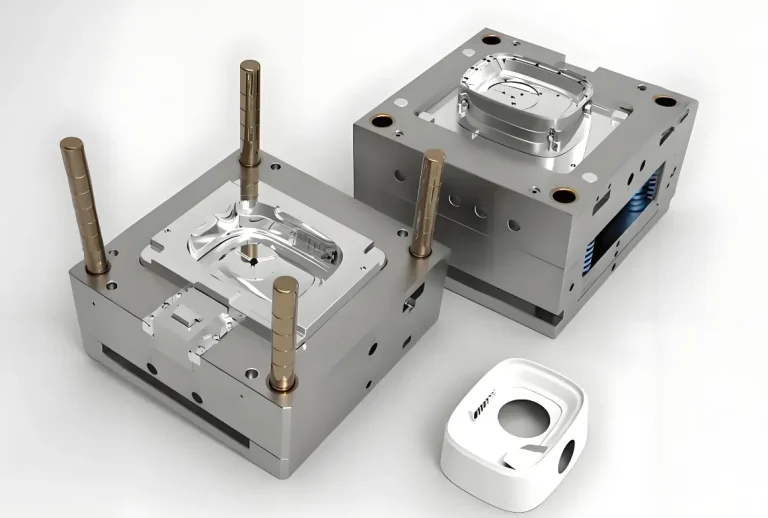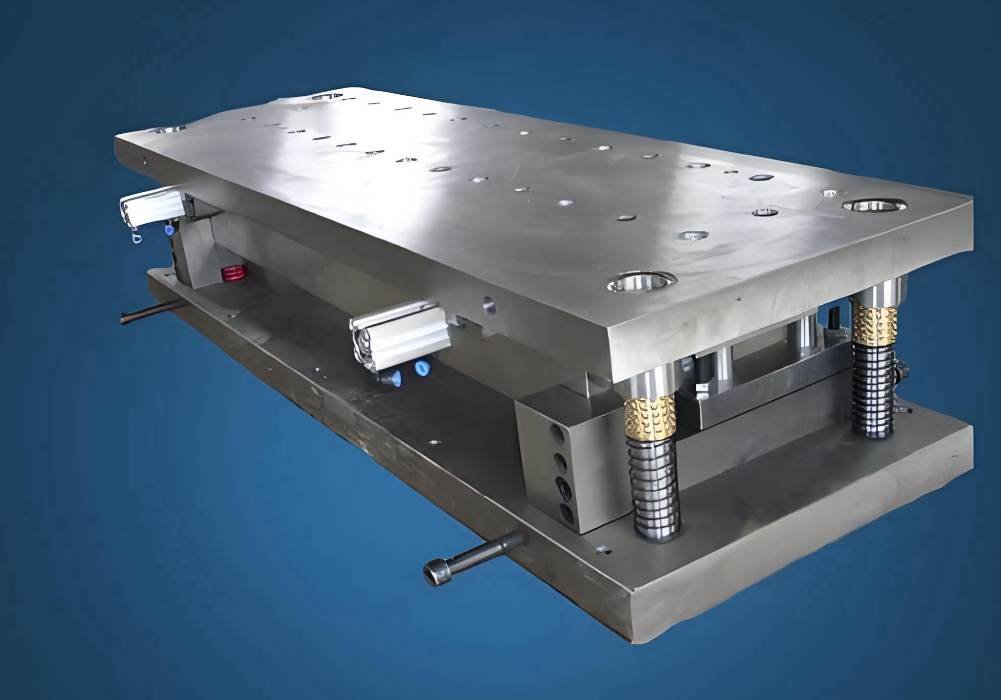
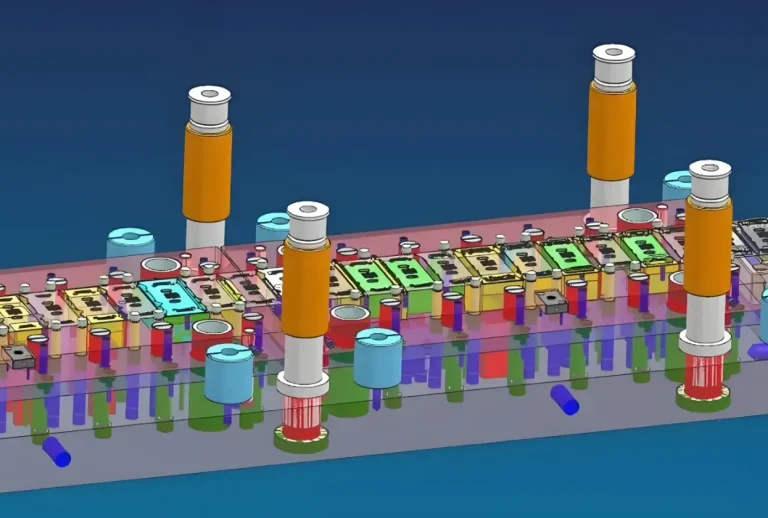
Precision Connector Mold Manufacturing
Engineer the Future with Connector Molds Built for Precision, Durability, and Performance.
- Micro-tolerance molded: WEDM-cut cavities to ±0.002mm, holding tight pin-to-pin consistency across multi-cavity runs.
- Built for high-temp resins: Proven tooling for LCP, PBT, PA66, and PEEK-based connectors that standard molds can’t handle.
- 50,000+ cycles, less downtime
- DFM-locked before cutting steel
----Who We Are
Your Trusted Partner for Precision Connector Mold Tooling
FECISION coordinates injection mold tooling for plastic connector housings, insulators and parts molded around project-specified inserts. Part DFM, resin selection, mold construction, trials and inspection requirements are reviewed with the selected manufacturing partner.
Complete Manufacturing Capability
Comprehensive CNC Machining and Post-processing Techniques
20-year Experienced Engineer Team
Professional Engineers Support DFM and Mold Flow Analysis Needs
Quality Traceablility System
In-Process Inspection with CMM (Coordinate Measuring Machine)
Partner with First-Tier OEMs
Long-term Supplier for Top-tier Enterprises in Connetor Industry
——————————————————————————————————————————————————————————————————————————————————————————————————————
Precision Molds for High-Performance Connectors
Connector, which usually refers to an eletronic connector, is a device that temporarily connects conductive paths to transmit current or signals. Its main parts include plastic or metal housing, terminals/contacts, and some inserts such as insulators or seals.
The molded plastic housing locates and insulates the connector contacts. For insert-molded designs, customer-supplied or project-specified metal contacts are reviewed as inputs to the injection mold: their position, retention features, shut-off surfaces and compatibility with the selected resin matter.
Fecision is deeply involved in the field of precision mold tooling. Based on our years of experience in the connector industry, we can provide customers with customized connector molds to meet their connector production needs.
Plastic Connector Parts and Insert Interfaces
Review the plastic connector part together with its mating components. The examples below distinguish molded plastic parts from customer-supplied or project-specified metal inserts and assembly interfaces; they guide the injection mold design and trial plan.
Fecision has the ability to process different types of molds and can meet the needs of various connector mold generation.
Prepared Terminal Inserts
Customer-supplied or project-specified contacts
Review retention and plastic shut-off surfaces
Plastic Housing to Shell Fit
Customer-supplied or project-specified mating shell
Review plastic clearances and locating features
Plastic to Metal Interfaces
Customer-supplied or project-specified mating housing
Review polymer shrinkage and assembly datums
Terminal Blocks
components for eletrical connection
manufactured through injection mold
End Cap
cold runner mould
manufactured through injection mold
Backplane Connector
insert molding
manufactured through injection mold
Connector Cage Clearances
Customer-supplied or project-specified mating cage
Review plastic housing envelope and retention
Terminal Strip Location
Customer-supplied or project-specified terminal strip
Agree insert location and loading method
Socket Insert Retention
Customer-supplied or project-specified socket contacts
Review retention features and polymer flow
Pin Insert Position
Customer-supplied or project-specified pin contacts
Review pin position and shut-off geometry
Cable and Terminal Interfaces
Customer-supplied or project-specified cable assembly
Review strain relief and overmolding clearances
Injection Tooling for Plastic Connector Components
Our Connector Mold Manufacturing Services
FECISION coordinates design review, injection mold manufacture and sampling with manufacturing partners for plastic electronic connector components.
The tooling scope covers plastic housings, insulators and injection molds built around customer-supplied or project-specified inserts.
Mold Design & DFM
Prototyping
Precision Injection Mold Making
Connector Insert Molding
Materials Used in Mold Construction
Connector products are precision parts that require very high precision. Therefore, when selecting mold materials, it is necessary to comprehensively consider the material’s heat resistance, stability, hardness and other properties.
Different connector products require different mold materials, and the following types are usually selected:
Injection Molding Process for Cable Connectors
The Process of Manufacturing Molded Cable Connectors
Molded cable connectors are devices that provide safe and efficient connections for power and signal transmission, and are widely used in a variety of industries such as automotive, aviation, and industrial equipment. These connectors are usually manufactured using injection molding to ensure tight tolerances, complex geometries, and consistency in mass production.
The key steps of the cable connector injection molding process are summarized below:
1. Material Selection
Choose the right connector material, usually TPE, TPU or polycarbonate, to ensure insulation, durability and flexibility.
2. Mold Design
The mold is usually made of steel or aluminum, and the cavity needs to be designed to correspond to the shape of the cable connector.
3. Heating & Injection
The selected material is heated to a molten state and then injected into the mold cavity under high pressure to completely fill the mold cavity. The mold is usually held under pressure for a few seconds to allow the material to solidify before cooling.
4. Cooling
This step allows the material to harden and form the desired material. The cooling time depends on factors such as material thickness and mold design.
5. Ejection
An automatic ejection system is usually used to eject the cooled molded connector from the mold cavity, and trimming or deburring may be required.
6. Quality Control & Inspection
After the molded cable connector is produced, it needs to undergo a series of quality control tests such as dimensional inspection, mechanical testing and electrical performance testing to ensure that it meets the specification requirements.
For customer-supplied or project-specified metal inserts, document the surface condition before the molding trial. Review resin compatibility, areas that must remain free of plastic and the acceptance criteria for the completed molded assembly.
Insert Surface Condition
Resin Compatibility
Contact-Area Protection
Key Features of Fecision Connector Molds
Electronic Connector Molds: Engineered for Excellence
Our molds are not just tools; they are precision instruments engineered to deliver superior performance, reliability, and efficiency in your connector production.
Precision & Micro-Tolerance Capability
Our molds are manufactured using state-of-the-art CNC (±0.005mm) and EDM technology, consistently achieving micro-tolerances essential for fine-pitch connectors, complex interfaces, and ensuring perfect part interchangeability across millions of cycles.
Capability for Complex Geometries
From intricate locking mechanisms and ultra-thin walls to micro-scale features and complex core pulls, our advanced mold design and manufacturing capabilities turn your most challenging connector designs into reality. We excel at molds requiring complex sliders, lifters, unscrewing mechanisms, and precision inserts.
Exceptional Durability & Extended Mold Life
Maximize your production uptime and minimize costs. We utilize premium mold steels (e.g., H13, S136, Stavax) selected for your specific application, combined with expert heat treatment and optional PVD coatings.This ensures exceptional wear resistance and corrosion protection.
Advanced Molding Processes
Our molds are expertly designed for insert molding, ensuring precise placement and secure bonding of metal terminals or other components. We also provide robust solutions for overmolding (e.g., sealing gaskets, strain reliefs) and two-shot molding, enabling multi-material or multi-color components.
Mastery of High-Performance
We have extensive experience building molds optimized for difficult-to-mold resins common in connectors (LCP, PPS, PBT, PEI, PEEK, thermosets). Our designs address high melt temperatures, precise temperature control, optimal venting, and specific gate/runner configurations to ensure consistent filling and defect-free parts.
Optimized Production Efficiency
We incorporate advanced cooling channel designs (including conformal cooling options) for reduced cycle times. Precision surface finishes and coatings enhance part ejection and reduce maintenance. Our molds are designed for ease of maintenance and efficient setup.
Key Advantages of Using Molded Connectors
Connectors play an important role in realizing complex functions of electronic devices. They often need to withstand harsh environments and support ease of use, durability and cost-effectiveness. Therefore, it is particularly important to ensure the quality of connector manufacturing.
Compared with other production methods, molded connectors have significant advantages in terms of precision, life, cost and other aspects.
Durability & Longevity
Molded connectors are rugged and highly durable to withstand harsh environments such as extreme temperatures, moisture, and exposure to chemicals.
Consistency & Precision
Review molding shrinkage, insert location and critical dimensions together. Molded samples are checked against the drawing and agreed inspection plan.
Compact & Lightweight
Molded connectors are compact and lightweight, and their design can be optimized, making them ideal for applications with limited space.
Cost-Effectiveness
Compare tooling investment, cavity layout, resin usage, inspection and expected order quantities when planning repeat production of the molded connector.
Versatility
Molded connectors can be designed and applied in a variety of scenarios, from simple power connections to complex data transmission systems. Different design solutions can meet diverse product application needs.
Electrical Performance
Molded connectors provide excellent electrical performance based on the high-quality performance of their component materials and manufacturing consistency, providing safe and stable connections even under harsh conditions.
Fecision Mold Manufacturing Network
FECISION coordinates injection mold tooling through manufacturing partners. The selected site, mold-building operations, trial requirements and inspection records are reviewed for the project.
Delivering Precision Molds Across Key Electronics Sectors
Industries We Serve
We provide high-performance connector molds for critical applications in:
Your Strategic Partner for Connector Mold Success
The Fecision Advantage: Why Partner With Us?
Project-Specific Tooling Acceptance
Commitment to Quality & Validation
Agree on the mold trial plan, dimensional inspection, material records and acceptance criteria with the selected manufacturing partner. Tooling revisions and subsequent trials are reviewed against the project requirements.


Start Your Project Now
Request a Proposal
Let us bring your vision to life.
Share your project details, and we’ll craft a tailored proposal just for you.
Send your drawings and project requirements through our current inquiry form.
Request an Injection Molding Quote