info@fecision.com

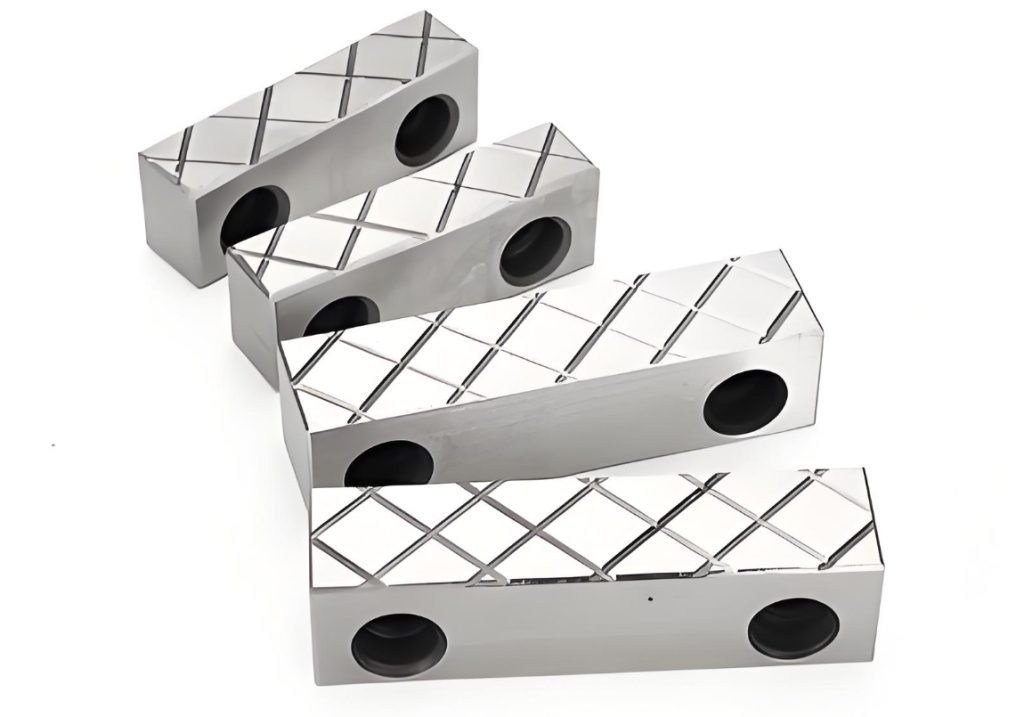
Wear Plate

  • Wear Surfaces: Replaceable contact surfaces for injection mold slides and other moving interfaces.
  • Mating Fit: Plate thickness, flatness and contact geometry are reviewed against the mold drawing.
  • Material Selection: Review the mating material, load, lubrication and operating environment.
  • Maintenance Access: Agree mounting details and replacement requirements with the toolmaker.

Expert Craftsmanship

20+ Years of Expertise

Tailored Solutions

Custom designs

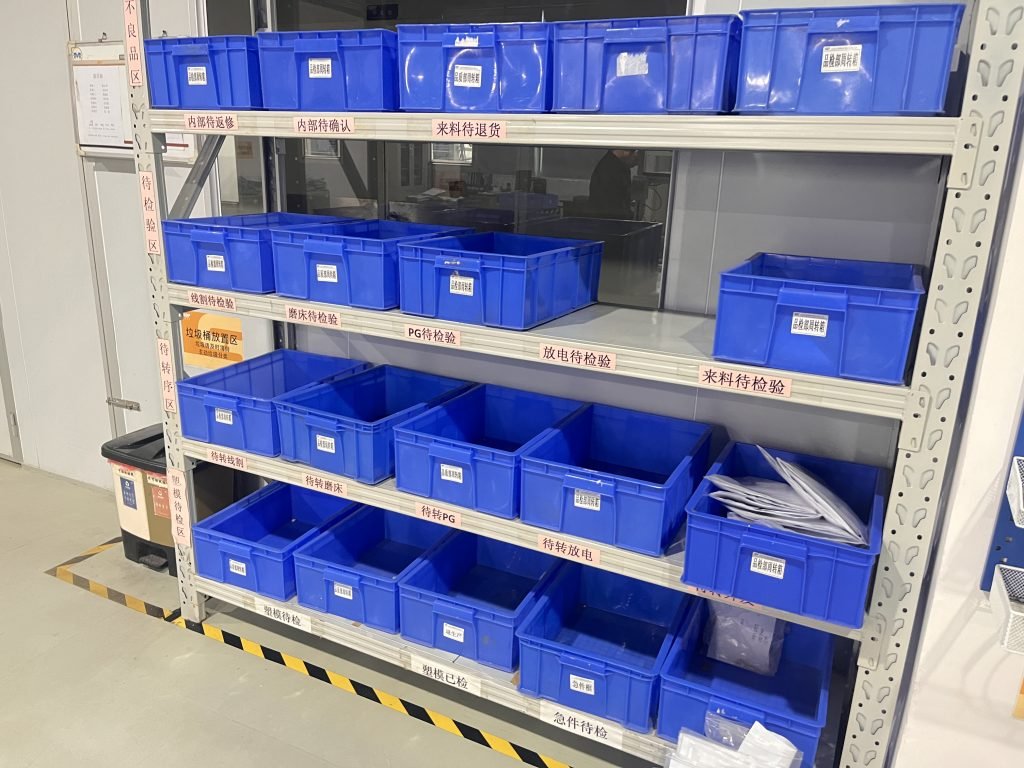
Rigorous Quality Control

Partner Quality-System Review

Competitive Pricing

Cost-effective solutions

Global Support

Reliable delivery & technical assistance

Production Partner Qualifications

Project-Specific Documentation

Application Requirements

No Minimum Order Quantities

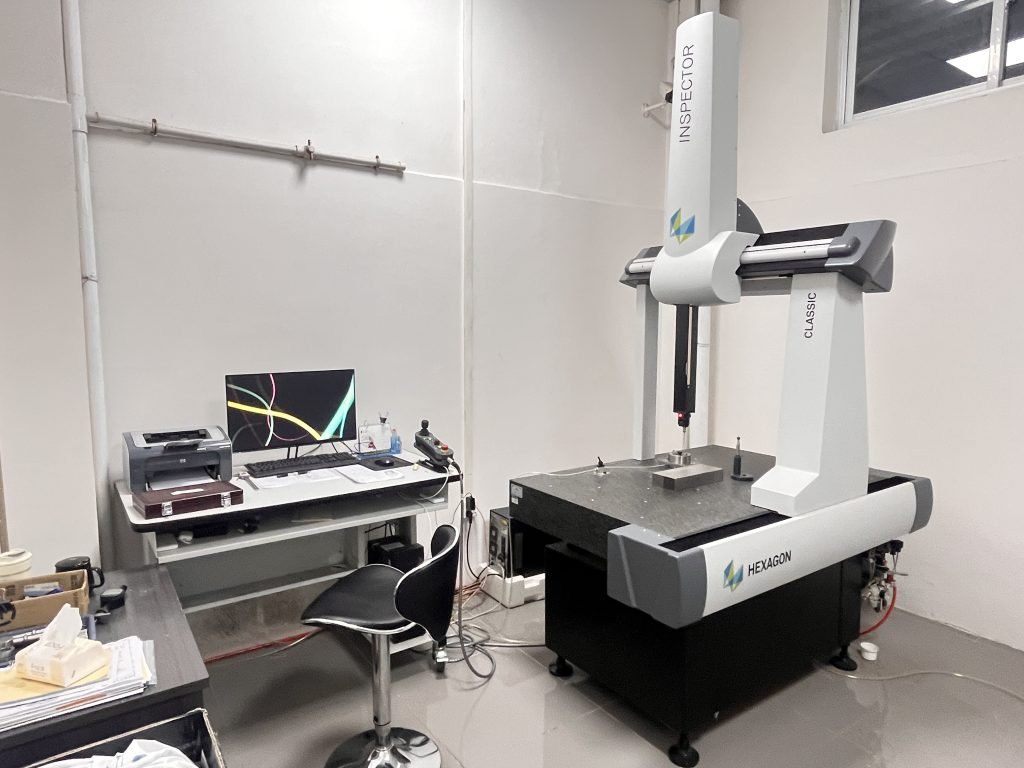
In-Process Inspection with CMM

Wear Plates for Precision Injection Molding

Wear Plates are essential components in injection molds, engineered to reduce friction and wear in high-stress areas such as slides, ejector systems, and guide mechanisms.
 
By absorbing mechanical stress and distributing it evenly, our Wear Plates protect critical mold parts, extending operational life and minimizing maintenance costs. Designed for precision and durability, they ensure your molds remain efficient and reliable, even in the most demanding production environments.

Key Features

✔️ Reduces wear and friction in high-contact mold areas
✔️ Precision-engineered for seamless integration
✔️ Customizable to suit specific mold designs and applications

Processing Materials

Our Wear Plates are crafted from premium materials chosen for their outstanding wear resistance and strength.
We tailor the material selection to meet your specific mold requirements:

Tool Steel (D2)

  • Offers high hardness and exceptional wear resistance, perfect for heavy-duty applications.

Bronze with Graphite Plugs

  • Features self-lubricating properties to reduce friction and prolong the life of moving parts.

Stainless Steel (420)

  • Provides corrosion resistance, ideal for molds exposed to moisture or corrosive substances.

Custom Alloys

  • Provides corrosion resistance, ideal for molds exposed to moisture or corrosive substances.

Surface Treatments and Post-Processing

To enhance the durability and performance of our Wear Plates, we provide a range of surface treatments and post-processing options:

Heat Treatment

Boosts hardness and wear resistance for tough applications.

Nitriding

Creates a hardened surface layer for improved longevity.

PVD Coating (TiN, CrN)

Adds a protective layer to resist wear and corrosion.

Technical Specs for Mold Wear Plates

At Fecision, we design and create precise custom mold components from high-quality materials.
Our processes ensure unmatched consistency and repeatability at fast lead times and affordable pricing.
ParameterSpecification
Surface Finish
Ra 0.4μm (Precision ground)
Hardness
58-62 HRC (D2), 45-50 HRC (Bronze), 48-52 HRC (420 SS), Custom Hardness
Tolerance
±0.01mm (Custom tolerances available)
Thickness Range
5mm to 20mm (Custom thicknesses available)
Standard Sizes
100x50mm, 150x75mm, 200x100mm (Custom sizes upon request)
Lead Time
2-4 weeks for standard sizes; 4-6 weeks for custom configurations
Specifications can be adjusted to your requirements. Contact us for technical drawings and bespoke solutions.

How to Choose

Review the wear plate and its mating mold components with these points:

Mold Size

Ensure it fits the mold; custom sizes or pre-drilled holes help.

Wear Type

Choose based on wear type—hard steel for heavy loads, self-lubricating bronze for high speeds.

Environment

Select materials that handle the setting, like stainless steel for moisture or chemicals.

Cost & Durability

Durable options may cost more now but save later.

Need help? Our experts are ready to assist with tailored advice.

Fecision Mold Component Tooling Network

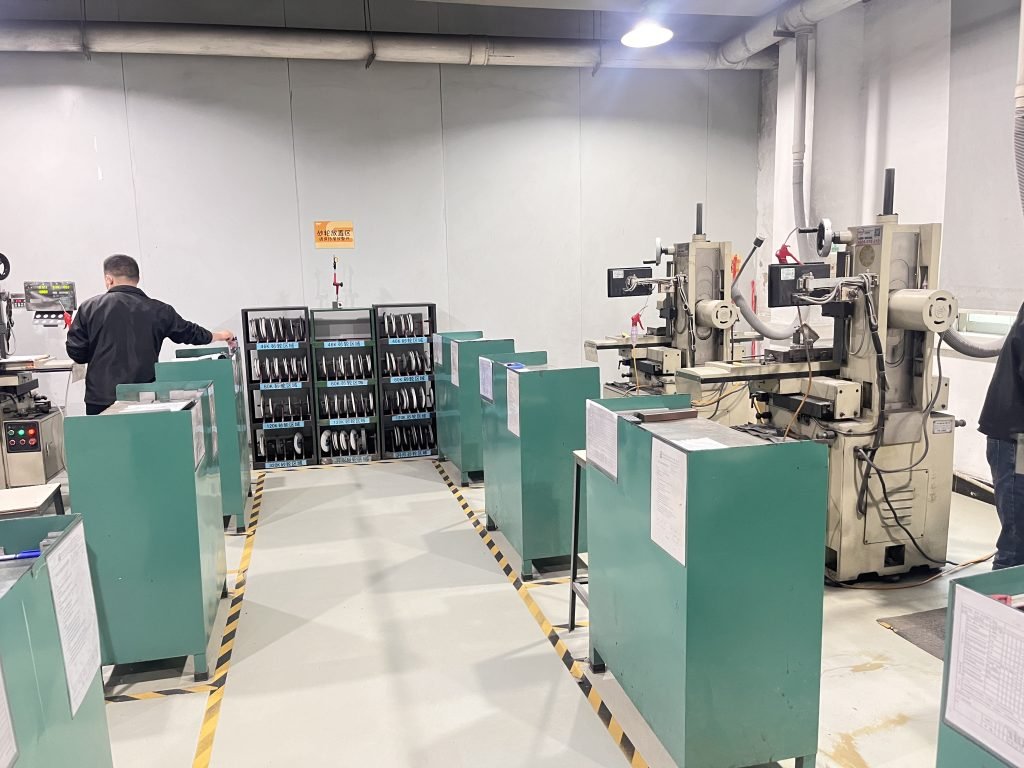
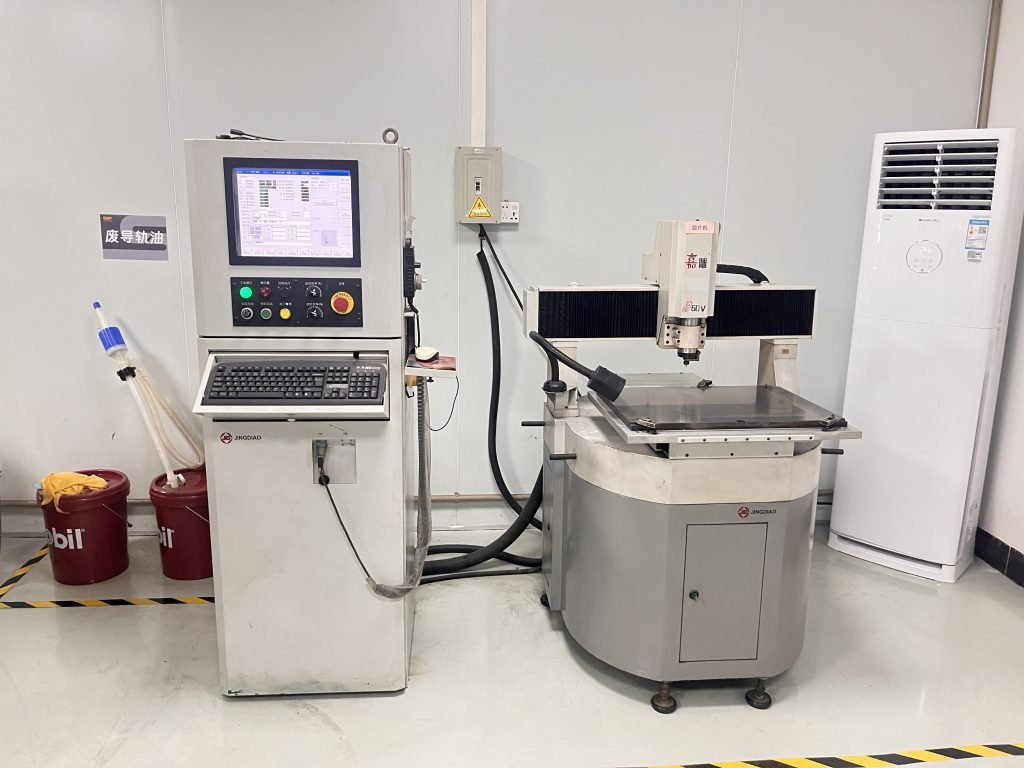
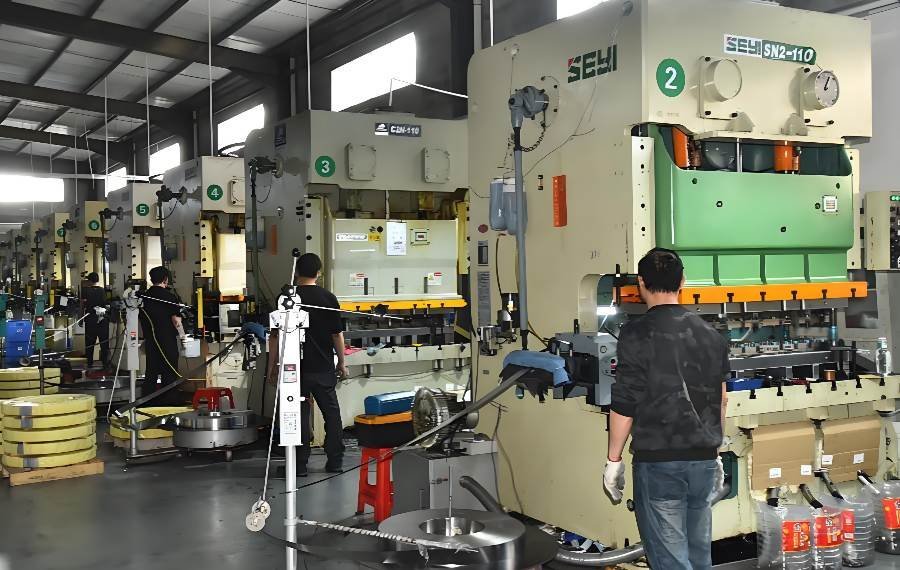
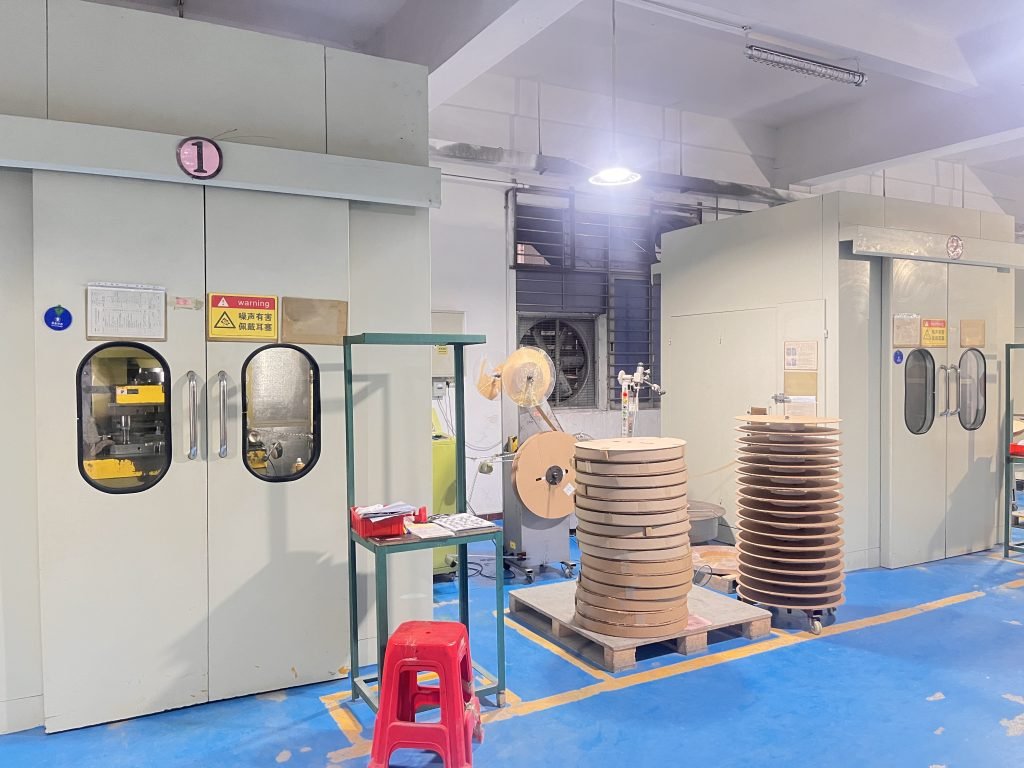
In response to different service types and diverse business needs, we have deployed suppliers with different manufacturing capabilities.

Why Fecision for Mold Components?

Precision and Accuracy

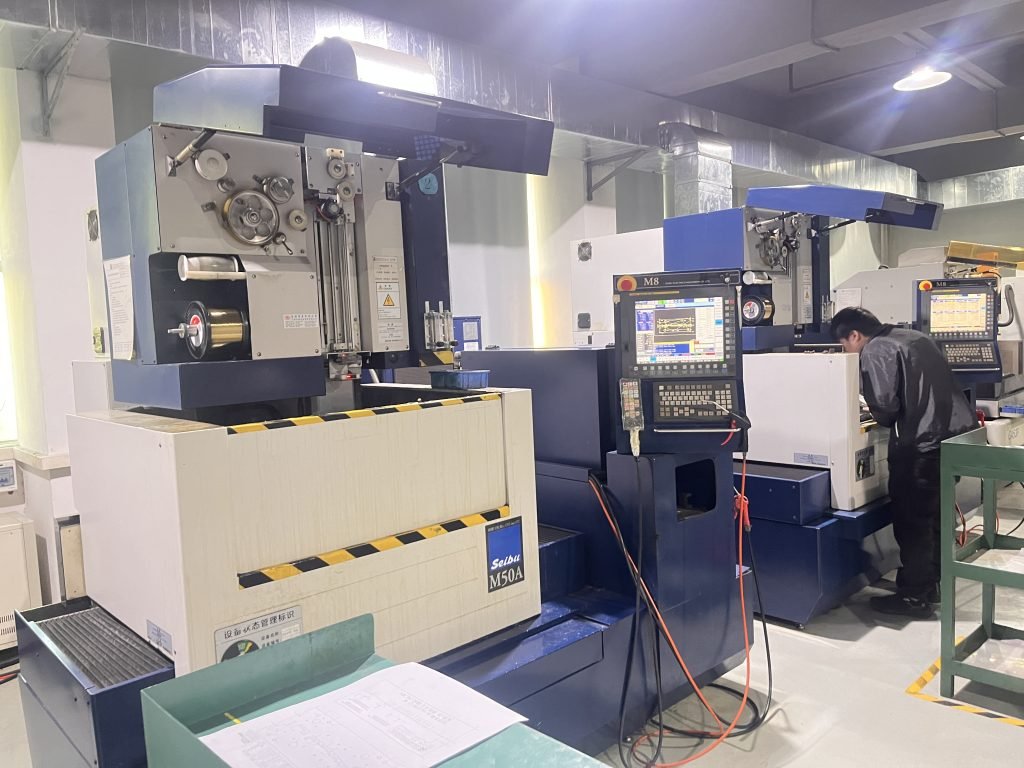
Using state-of-the-art CNC machining, EDM, and other advanced manufacturing techniques, Fecision ensures all mold components meet tight tolerances and high-quality standards.

Customization

Fecision understands the unique needs of each project. Our team works closely with customers to provide tailored solutions, ensuring that each component fits perfectly within the target mold system.

Rapid Prototyping

Fecision offers rapid prototyping for mold components, enabling customers to test and refine designs quickly before moving into full production.

End-to-End Services

From initial design and DFM (Design for Manufacturability) analysis to final mold assembly and testing, Fecision handles every aspect of the mold component manufacturing process.

Process for Manufacturing Mold Components

The process of making a mold component involves several stages, from design to manufacturing and finishing.
The specific steps can vary depending on the type of mold component being created, but the general steps remain consistent across most types of mold components.
 

Manufacturability Evaluation

The initial step involves assessing the manufacturablity of the mold component. If it's deemed feasible, we proceed with production immediately. If not, we will provide a detailed DFM (Design for Manufacturability) report to the customer. If necessary, mold flow analysis is performed to simulate the flow of molten material within the mold.

Material Selection

Next, choose the right material for mold parts. Common materials for mold components include steel alloys, aluminum, stainless steel, specialty alloys, etc. If needed, a prototype may be made using rapid prototyping techniques (e.g., 3D printing, CNC machining) to test the design for fit, function, and manufacturability.

Mold Components Manufacturing

Once the design and materials are finalized, the mold component undergoes CNC machining. If required, the mold component may undergo heat treatment, depending on the material and intended application. For certain components, surface hardening methods such as nitriding or carburizing are applied to increase wear resistance.

Shipping

For molds with multiple components, such as multi-cavity molds or molds with inserts, the individual components are carefully assembled into the final mold system. Once our engineers confirm the product meets all requirements, it will be shipped. We maintain ongoing communication to ensure the customer is fully satisfied with the product they receive.

Get Started Today!

Upgrade your mold components with our precision wear plates.

Contact us now for a quote or expert consultation!

Other Services

Injection Mold Tooling

Injection Mold Tooling

Injection Molding

Injection Molding

Molded Part Finishing

Molded Part Finishing

Rapid Injection Tooling

Rapid Injection Tooling

Request A Quote

Tell Us About Your Project

Fields marked with are required.

By submitting this form, you agree that Fecision may use the supplied information to respond to your inquiry.