Nylon Application in Rail Transit Industry: PA66 Injection Molding Difficulties Addressed
Project Background
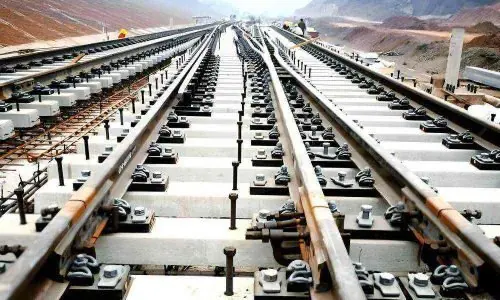
The rapid evolution of the global rail transit industry has spurred an increasing demand for advanced materials, particularly nylon materials, within railway fastener systems.
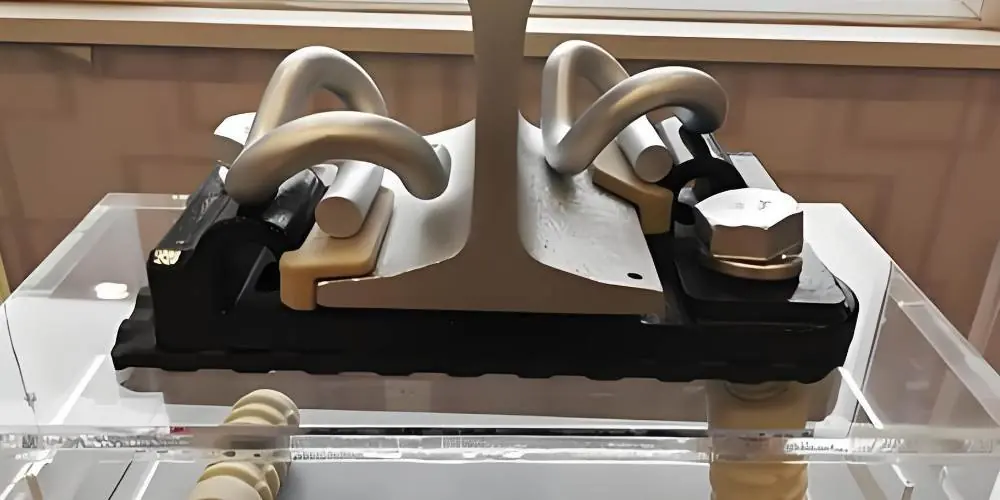
High-speed railways, for instance, utilize an average of 8 tons of nylon materials per kilometer, while urban rail transit systems, including subways, light rails, and trams, consume 4-5 tons per kilometer. These critical components, such as insulators and gauge blocks, are integral to ensuring the safety, stability, and longevity of railway infrastructure.
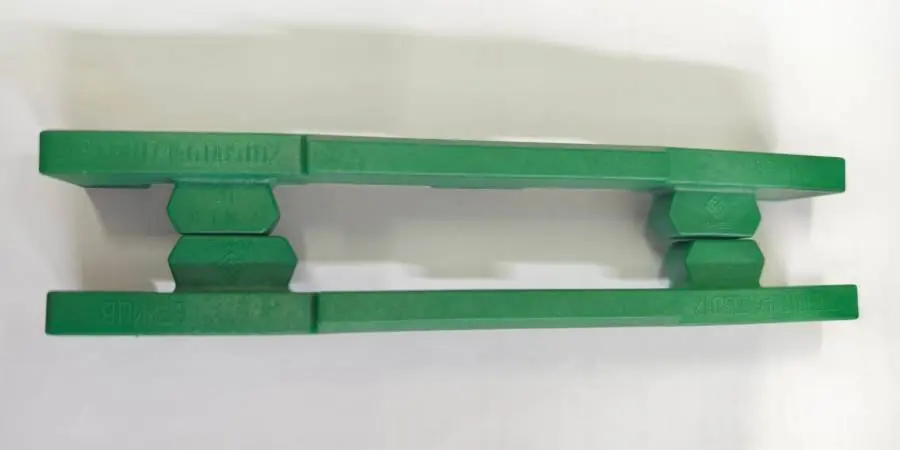
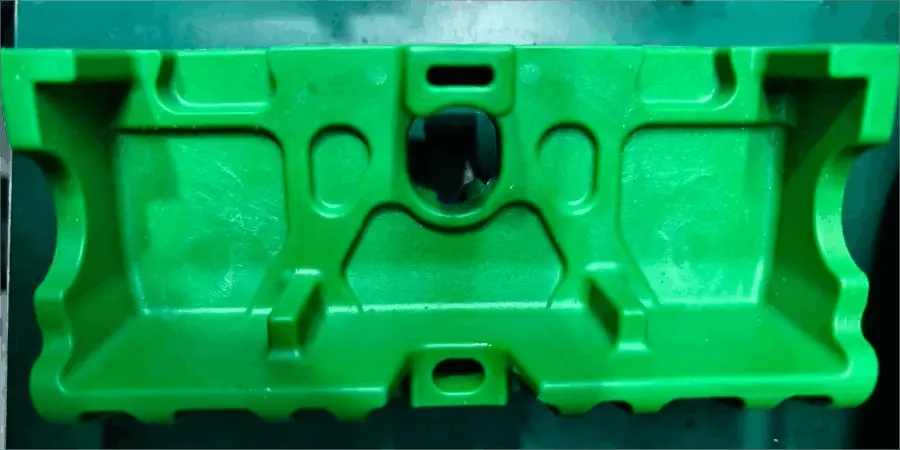
Key Technical Challenges in Nylon Molding
The application of nylon materials in railway fastener systems presents several significant technical difficulties that require specialized expertise to address.
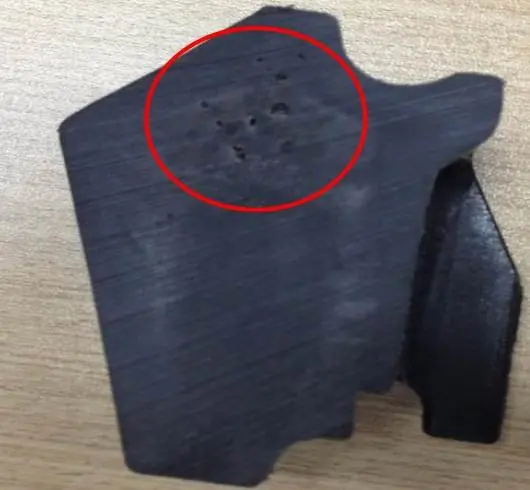
Shrinkage Holes in Thick-Walled Parts
High-Speed Rail
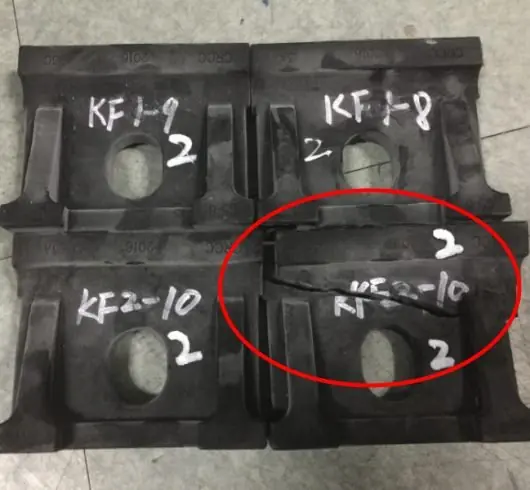
Low-Temperature Impact Cracking Resistance
-50°C, Alpine Regions
Insulation Resistance Failure After Boiling
Urban Rail – Like South China
Evolution of Technical Requirements
The development of the rail transit industry has driven changes in material performance requirements.
1st Generation
Meet basic railway standards
2nd Generation
No visible holes (hole diameter < 0.5 mm), resistivity ≥ 10⁸ Ω
3rd Generation
Excellent low-temperature impact resistance at -50°C
(no cracking after multiple heavy impacts)
Fecision’s Solution
Advanced Injection Molding Expertise
Leveraging deep material science knowledge and advanced precision injection molding capabilities, we developed tailored solutions to address each technical difficulty, ensuring the production of robust and reliable nylon railway components.
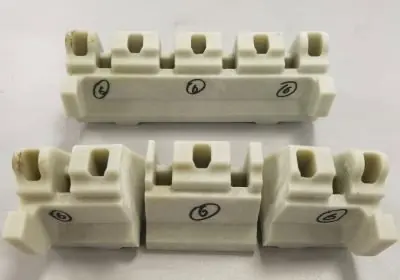
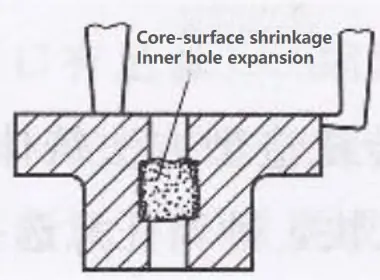
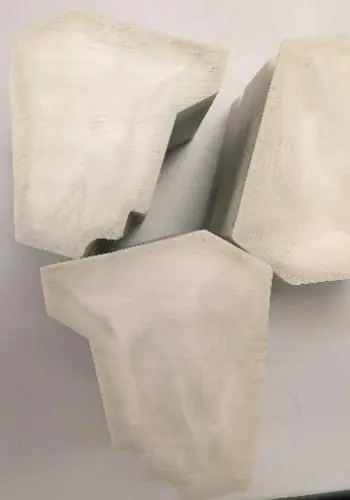
Solution for Thick-Walled Shrinkage Holes
Root Causes
▲ Insufficient thermal stability → excessive small-molecule gas generation
▲ Uneven cooling → outer solidification before inner shrinkage
Engineering Solutions
- High-efficiency thermal stabilizing additives
- Heat-resistant processing additives to reduce gas formation
- Increased molecular chain entanglement
- Extended holding pressure and holding time
- Optimized cooling water channels for uniform heat dissipation
Solution for Low-Temperature Impact Cracking Resistance
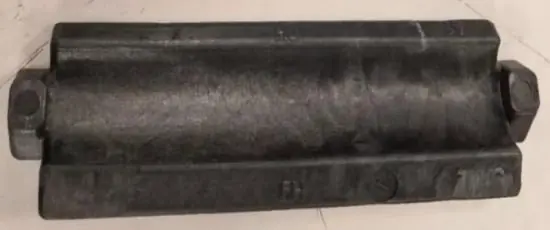
To enhance the low-temperature performance of nylon components, Fecision focused on material formulation and process refinement.
Railway fastening systems in cold regions require a defined low-temperature qualification plan. For an application specifying -50°C, impact cracking and flexural deformation must be evaluated for the selected material grade, part geometry and conditioning state.
Optimization strategy for solving the pain points of our customer:
- Fine-tuning resin viscosity
- Selecting appropriate glass fiber type
- Balancing toughening agent type and content
Solution for Enhanced Insulation Resistance
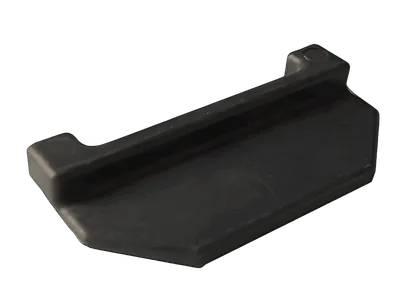
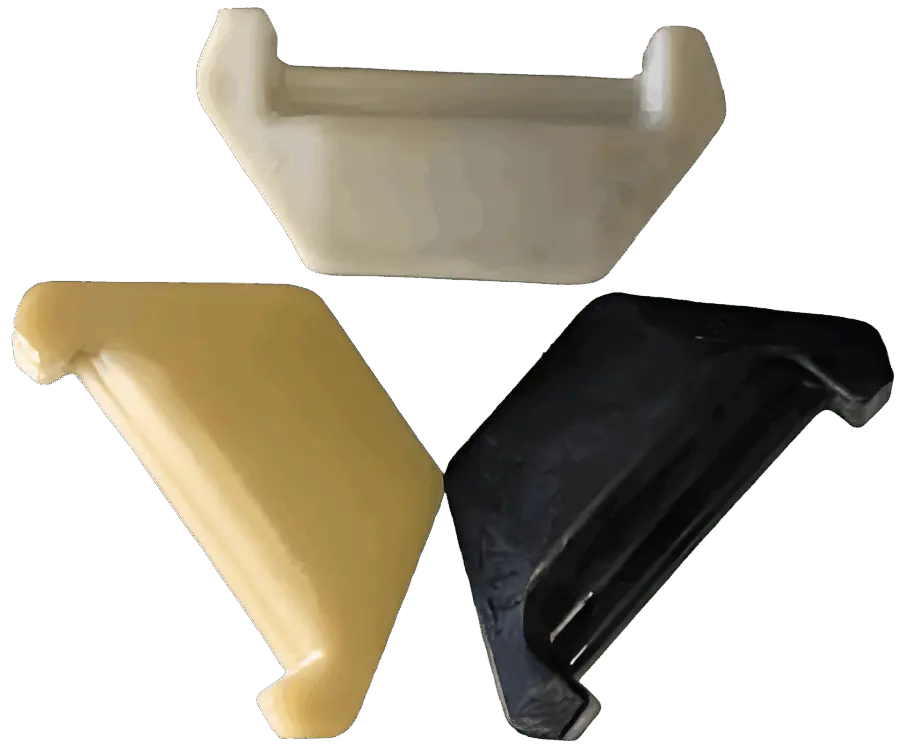
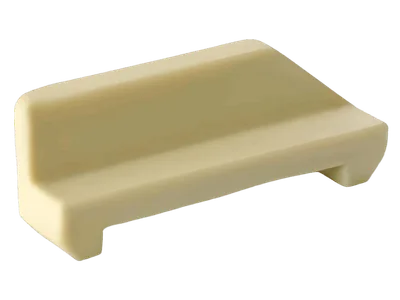
Application: Insulated gauge blocks in humid urban rail environments
Pain Points: Volume resistivity drops significantly after boiling
Key Evaluation Metric: Volume resistivity after boiling
Optimization Approach:
- Reducing water absorption rate of nylon resin
- Optimizing glass fiber selection
- Balancing toughening agents
Performance Requirements for Raw Materials of Insulated Gauge Block
| Item | Unit | Requirements |
|---|---|---|
| Density | g/cm³ | 1.33~1.42 |
| Melting Point | °C | 255~270 |
| Tensile Strength | MPa | ≥150 |
| Flexural Strength | MPa | ≥200 |
| Unnotched Impact Strength | kJ/m² | ≥80 |
| Volume Resistivity | Ω·cm | ≥1×10¹⁴ (Dry Condition) ≥1×10¹¹ (Wet Condition) |
| Glass Fiber Content | 33%-35% |
Validation and Acceptance Plan
High-Reliability Railway Components
The following are qualification objectives for the proposed material and process, not a declaration of certified railway performance. Acceptance requires traceable test results for the selected grade, geometry and operating conditions:
- Shrinkage assessment: Inspect thick-walled regions for voids and shrinkage, and verify critical dimensions using the agreed sampling plan.
- Low-temperature validation: Test impact and deformation at the specified operating temperature and conditioning state before accepting the component for use.
- Insulation validation: Agree moisture conditioning, electrical test methods and acceptance limits for the intended environment, then review the measured results.
- Durability assessment: Define the loads, environmental exposure and test evidence required for the intended service conditions; no service-life guarantee is established by this review.
Fecision-Your Partner for Advanced Railway Plastic Solutions
Our Manufacturing Capability
With extensive experience in nylon injection molding for railway applications, we deliver:
- Advanced material formulation support
- Precision mold design for thick-walled parts
- Process optimization for shrinkage, insulation, and impact resistance
- Consistent quality for both high-speed rail and urban transit systems
Your Success Story Could Be Next!
Want results like these for your own production?
Reach out — let’s talk about what we can achieve together.