
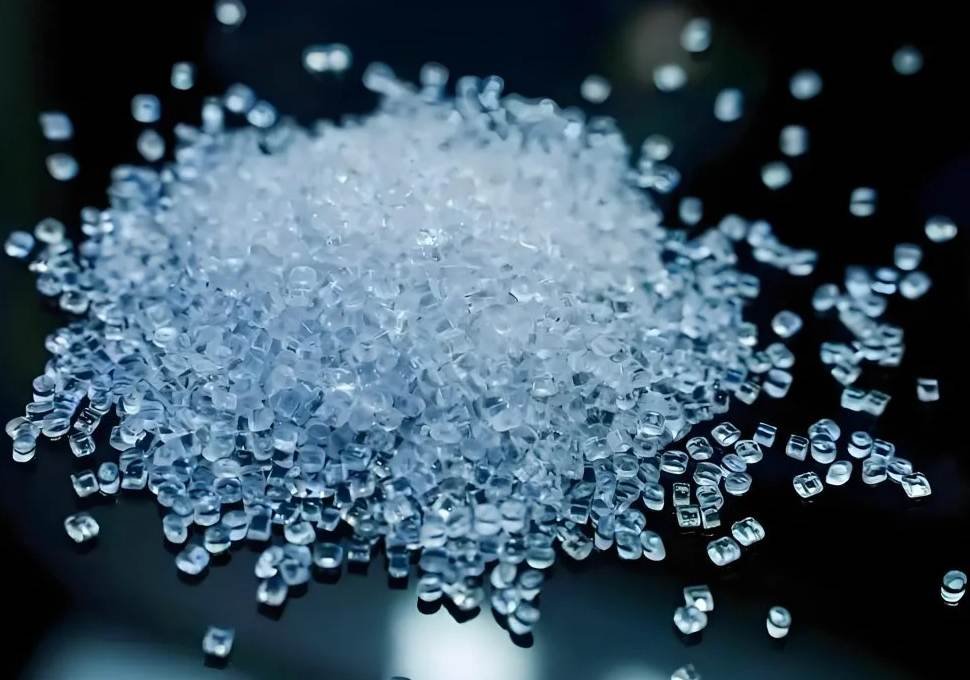
PETG does not have one sharp, crystalline melting point. Common PETG grades are amorphous: they soften through a glass-transition region, then become suitable for melt processing at a much higher, grade-specific temperature. A printer nozzle setting or an injection-molding melt temperature is therefore not the temperature a finished PETG part can withstand in use.
If you searched for “PETG melting point,” first decide which number you need: glass-transition temperature (Tg), processing melt temperature, heat-deflection temperature (HDT), or a validated service-temperature limit. They answer different questions.
PETG Melting Point vs. Tg, Processing Temperature and HDT
| Term | What it describes | What it does not establish |
|---|---|---|
| Glass transition, Tg | A change in molecular mobility and stiffness in the amorphous polymer. Use the grade's reported value and test method. | A sharp melting point or a safe continuous-use temperature. |
| Processing melt temperature | The resin supplier's target temperature range for the flowing material during a specified process. | The heat resistance of the cooled part. |
| Nozzle or barrel setting | An equipment setpoint used to achieve the required melt condition. | The measured temperature everywhere in the melt; shear and residence time also matter. |
| Heat-deflection temperature, HDT | A standardized deflection result under a stated load and test procedure. | A universal long-term service limit, sterilization approval or melting point. |
| Service-temperature limit | An application requirement verified for the part, load, exposure time and environment. | A value that can be inferred from a processing temperature alone. |
Why PETG Softens Rather Than Having One Universal Melting Point
PETG is glycol-modified polyethylene terephthalate, a copolyester. The modification changes its structure and crystallization behavior. The commonly used clear, amorphous grades do not exhibit the same sharp crystalline melting transition associated with a semicrystalline PET grade. PET and PETG are related materials, not interchangeable names or processing specifications. SK chemicals describes its PETG copolyester as an amorphous thermoplastic.
Published general guides sometimes give a single Tg number. For example, Autodesk's PETG material guidance lists 88°C, while explicitly identifying melt temperature as grade specific. That generic Tg value is not a specification for every PETG formulation. Ask for the selected resin's current technical data sheet rather than combining numbers from different grades, filaments or test methods.
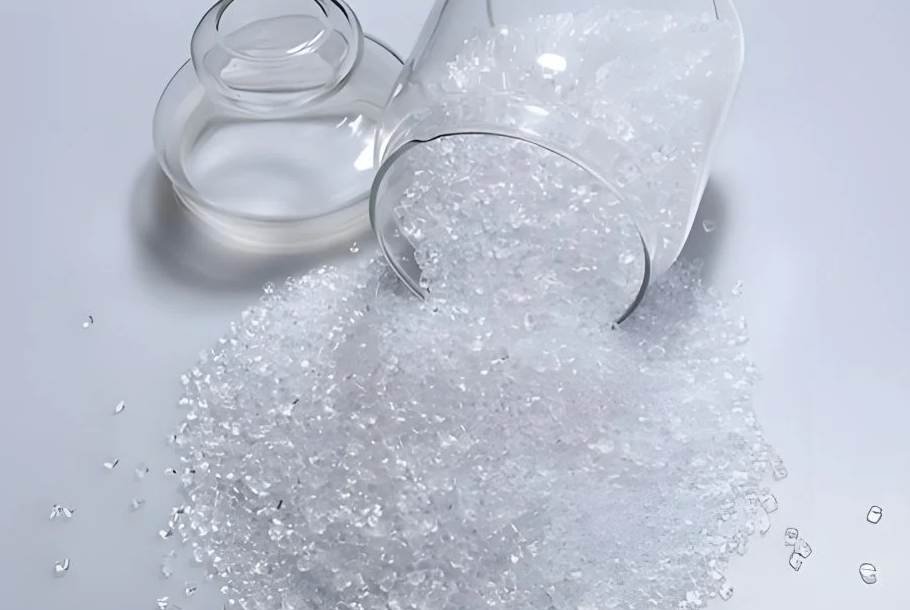
A Grade-Specific Injection Molding Example
Eastman identifies Eastar GN119 as a PETG grade. Its technical data sheet separates processing conditions from thermal test properties:
| Data-sheet item | Reported value | Interpretation |
|---|---|---|
| Processing melt temperature | 249–271°C | A processing range for this grade, not a service-temperature rating. |
| Mold temperature | 16–38°C | Distinct from the melt temperature. |
| Drying | 71°C for 6 hours | Confirm the current supplier guidance and actual drying conditions. |
| HDT, ASTM D648 at 0.455 MPa | 68°C | A deflection result at this test load. |
| HDT, ASTM D648 at 1.82 MPa | 60°C | The different load produces a different result. |
These are the manufacturer's typical values, not guaranteed part performance. They illustrate why molding a resin above 249°C does not mean the finished component can operate at that temperature. Confirm the current data sheet and validate the actual part before approving a material or process.
Setting PETG Process Conditions for a Molded Part
- Identify the exact material. Record the producer, grade, colorant and permitted recycled content. A filament product, sheet grade and injection-molding grade may need different conditions.
- Check moisture and drying requirements. Follow the grade supplier's limits, and verify the dryer and handling arrangement. Do not assume that a visually dry pellet is ready to process.
- Review the mold and part together. Wall thickness, gates, venting, flow length and cooling affect the process window. Use the intended resin in the injection mold design review.
- Confirm actual melt conditions. Use the approved machine procedure to check the process. Barrel setpoints, shear heating and time in the barrel can produce different melt conditions.
- Validate the component. Check the drawing, appearance, dimensions and function using representative molded samples. For heat exposure, include load, duration, cycling and any chemicals or moisture present in service.
Heat Resistance and Application Limits
Clarity and toughness can make a suitable PETG grade a candidate for transparent molded covers, packaging components or housings. Selection still depends on the intended application. Do not treat all PETG as UV resistant, dishwasher safe, suitable for steam sterilization or approved for food contact. Those claims require grade-specific documentation and relevant finished-part validation.
A part can deform under load well below its processing temperature. Geometry, residual stress and exposure duration also affect performance. Increasing wall thickness does not change the polymer's Tg, and an unvalidated annealing schedule is not a reliable way to turn PETG into a high-temperature material.
For clear parts, compare PETG with appropriately specified polycarbonate or PMMA against the same optical, impact, chemical and temperature requirements. Avoid choosing from material-family names alone.
PETG Temperature FAQ
What is the melting point of PETG?
Common amorphous PETG grades do not have a single sharp crystalline melting point. Use the resin supplier's grade-specific processing range for manufacturing, and Tg, HDT and application testing for heat-performance decisions.
Is 230–250°C the heat resistance of PETG?
No. A temperature in that region may be a processing or printer setting for a particular product. It does not describe the temperature at which a finished part remains dimensionally stable under load.
What is PETG's glass-transition temperature?
Use the selected grade's reported Tg and measurement method. General references can be useful for orientation, but one value cannot cover all PETG formulations, additives and thermal histories. Tg is also not a continuous-use approval.
Can a PETG printing temperature be used for injection molding?
Not without checking the resin and process. Filament extrusion and injection molding differ in feedstock, equipment, melt history and product requirements. Start from the relevant grade manufacturer's guidance.
Can PETG be used outdoors or sterilized?
Only where the selected grade and finished-part validation support the specific UV exposure or sterilization method. A generic PETG label does not establish either suitability.
Planning a clear injection-molded part? Share the resin grade, drawing, quantity and heat-exposure conditions for a material and molding review. FECISION coordinates the requirements with the assigned manufacturing partner.