
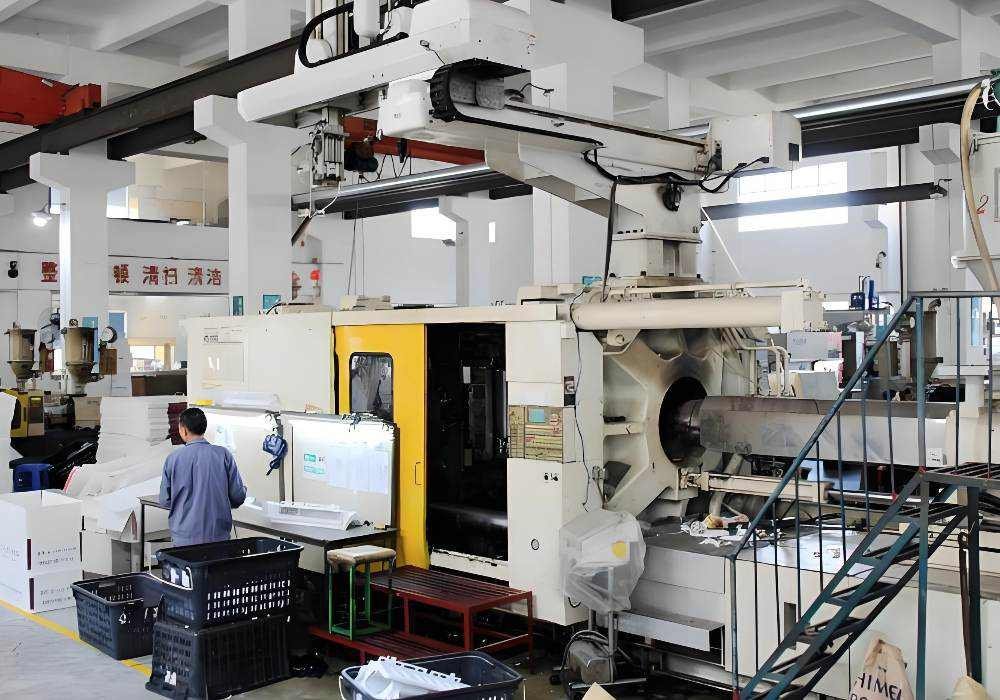
We’ve all heard about molding machines and how important they are in an industrial setting. But the thing we don’t know is what they are used for, how do they work, and which injection molding machine brand you should go for. With that in mind, here’s everything you need to know about injection molding machines and the way they operate!
What Is an Injection Molding Machine?
The injection molding machines are a powerful equipment piece found in a multitude of industrial production settings. The main role of these machines is to inject molten plastic into a mold. Once the mold gets cooled, you get to create molded plastic parts. Since many different items are made out of plastic, an injection molding machine is crucial for creating those plastic parts.
An injection molding machine will use thermosetting or thermoplastic materials to create plastic products with all kinds of shapes. There are different injection molding machines, from horizontal to vertical or vertical-horizontal options. The orientation will differ based on how the clamping and injection devices are arranged. Additionally, you can find hydraulic, electric, or hybrid injection molding machines as well, depending on your needs.
How Does an Injection Molding Machine Work?
First, it must be ensured that the machine is set up correctly based on the materials that customers want to use. And then, the operators have to go through the following steps:
- Engineers will need to use CAD software in order to create the design of whatever plastic product they’re looking to create.
- After that, operators need to load the plastic material into the injection molding machine. Normally, this is inserted in pellet form.
- The machine will start heating the plastic. It will melt the plastic until it reaches a liquid state.
- At that point, the molten plastic gets injected into the mold tool, a process that takes place at a very high pressure.
- Then, the mold tool gets cooled with water. The process is designed with the idea of solidifying the plastic.
- Once it’s solidified, you will need to eject the product from the mold tool.
- Lastly, the process gets repeated until multiple copies of the product are created. Of course, every product made using the injection molding machine will need to be inspected, just in case there are any defects.
Main Components of Injection Molding Machine
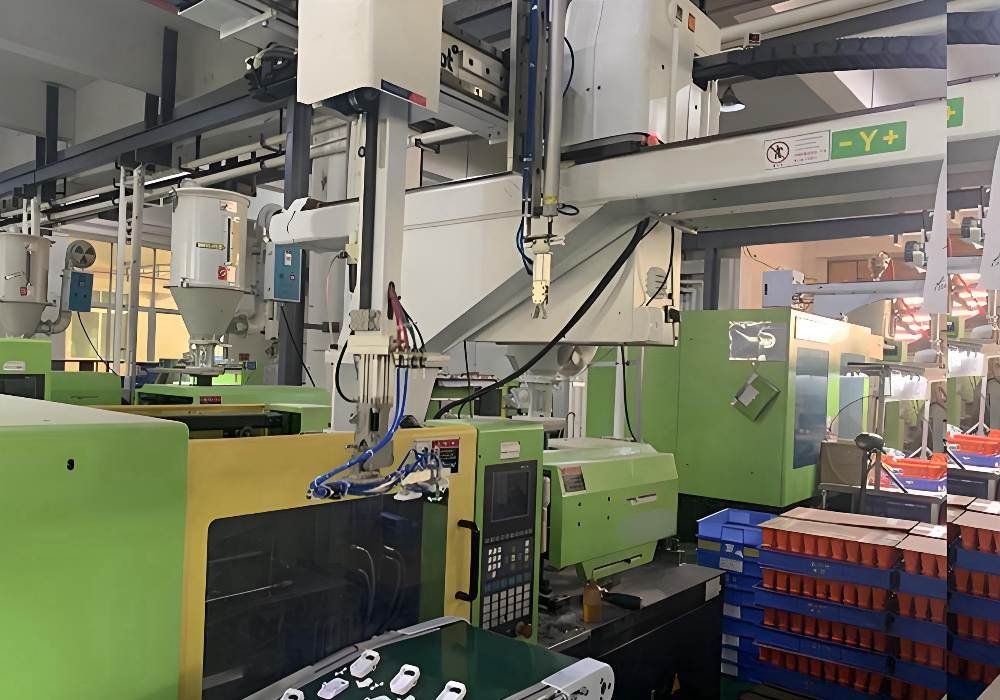
Since the injection molding process is very complex, such a machine will require a multitude of components to finalize everything. And that’s the reason why it’s crucial to learn more about injection molding parts, and here are the most important ones:
Hopper
The hopper is a main component, and it’s the place where the plastic material is stored before being added into the injection unit.
Barrel
The barrel or the material tube is designed to heat the plastic and bring it into a molten state. It has a screw inside that helps inject plastic into cavities and molds found in the clamping unit. The temperature inside the barrel can be very hot, but operators need to adjust it according to the type of material that customers want to use.
Reciprocating screw
A reciprocating screw is used to move plastic through the barrel. Its main role is to provide heat to thermoforming plastic. The screw diameter will decrease as it approaches the tip. During the process, plastic pellets get pulled by flights, and they get compressed, then cut with turning flights.
Heater
Heaters are a crucial part of the injection molding machine since they need to maintain the temperature of nozzles and conduits, along with platens and heating molds. Most machines have a heating element attached to the barrel. However, depending on the machine, there will be different types of heaters. These can be cartridge and strip heaters, coil/nozzle heaters, or band heaters.
Nozzle
The nozzle is a very important injection component. Normally, it’s found at the bottom of the machine’s ejector system. It pushes liquified plastic from the barrel and then it goes into the mold. Sometimes, nozzle filters are used in order to prevent clogging. There are also special mixing nozzles that will help mix additives, which can be necessary in the case of certain molding parts.
Ejector pins
Ejector pins are mandatory for any injection molding machine, and they are the ones that help eject the mold out of the unit when the injection process is finished. You can find many types of ejector pins, from through-hard options to case-hardened ejector pins or black ejector pins.
Split molds
Split molds are necessary because they are a 2-part mold where the jaws are creating the cavity of that mold. Those jaws are injected with the nozzle diagonally.
Clamping unit
Clamping units are important because they help the machine hold an injection mold. Usually, this system is hydraulic, and it includes tie bars, a stationary platen, along with a moveable platen, and machine injectors.
Injection unit
The injection unit has a screw, barrel, and hopper. The polymer granules are firstly dried, and then they are added into the hopper where they get mixed with pigment, and then they go into the barrel. Those are heated and mixed while also moving to the mold.
Electric motor
Injection molding machines will have an electric motor, which is the primary source of energy for all the mechanical components of the machine. Computer systems control the motors, so they can achieve great precision and efficiency.
Control unit
Most injection molding machines will have a control unit, usually in the form of a screen, or it could have a direct connection to a computer. The role of a control unit is to make all necessary, precise adjustments that will help improve the product quality.
Each part of the injection molding machine plays an integral role when it comes to the results you can get from the unit. That’s why it’s important to know what each part of the machine does and how it all adds up together to deliver a stellar plastic part/product.
Types of Injection Molding Machines
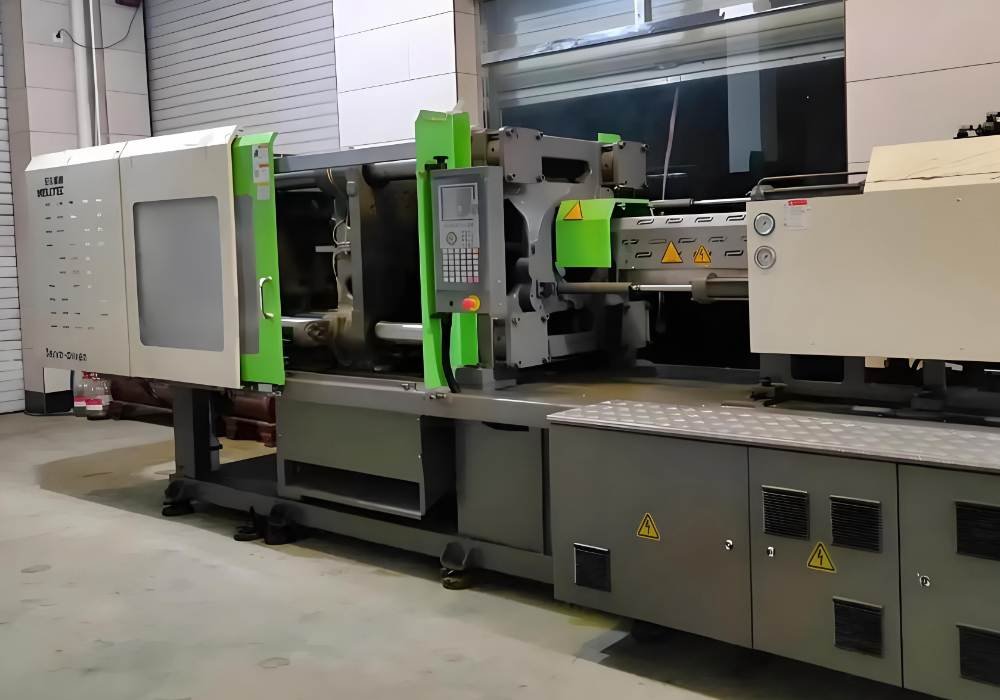
One of the things to note about injection molding machines is they come in different types, each with its own approach when it comes to the process they use.
Types based on the switching mode
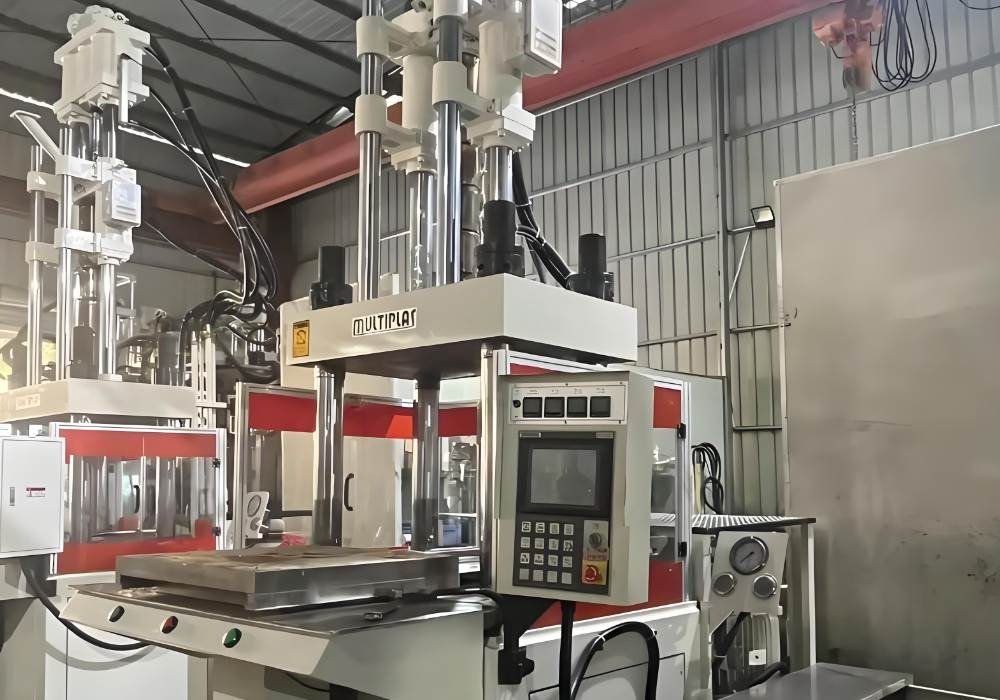
In this case, we have horizontal and vertical machines. Horizontal injection molding machines are very common because they are user-friendly, have rapid molding, and a low body. Vertical machines are great for creating smaller molds. However, manufacturers can reduce the amount of space needed while have the option to inject a wide range of plastic items.
Drive methods
Based on the drive methods, there can be all-electric machines or hydraulic machines, along with hybrid ones. Hydraulic machines use hydraulic power for the injection force, and the operators need to control the temperature, not to mention the hydraulic nature requires consistent operation. All-electric machines are more expensive, they don’t require continual operation and can avoid liquids spilling out.
In this category, we also have hybrid injection machines that incorporate both hydraulic and electric components. Servo hybrid injection molding machines are the most popular ones in this niche. They have very good pressure holding and stellar injection accuracy, not to mention they can help save money as well.
Based on raw materials
If we categorize injection molding machines based on raw materials, there can be thermoplastic, thermosetting, or powder injection molding machines. Each one is designed to work with that specific type of material. Because of that, the internal components can vary since they are optimized for a specific type of material. We can also categorize these machines based on clamping structure. In that case, we would have toggle type, composite direct pressure, and 1/2/4 cylinder direct pressure injection molding machines.
Key Technical Parameters of Injection Molding Machine
There are certain key parameters to consider about an injection molding machine. It’s imperative to select the right machine for your use case, so checking these parameters will help quite a bit.
- What’s the lifespan of the injection molding machine? Life expectancy, on average, is from hundreds to a million cycles or more. The way operators use the machine, maintenance, materials, molding conditions, all can affect the lifespan.
- The cooling time shows how much the machine will spend in the mold to cool down once the material is filled.
- Temperature control is another technical aspect to think about, which is for checking the plastic temperature and the mold temperature as well.
- What’s the injection speed of the unit? The filling speed will affect the workflow, but also the quality of the product.
- What type of plastic material can be used with the machine?
- It’s also important to check the screw speed and back pressure.
- Checking the monitoring and controlling system that comes with the machine can help, too, since it shows what prompts and adjustments are available for adequate machine use.
What Are the Maintenance and Safety Protocols for Injection Molding Machines?
Performing adequate maintenance for the injection molding machine is crucial for boosting its lifespan and increase its durability. Here are some maintenance tips to consider:
- Regular inspection will allow us to check the machine for any signs of leaks, wear and tear, along with loose connections.
- Lubricating the machine adequately and keeping the lubrication level consistent is very important since it can prevent friction damage.
- Regularly cleaning the surfaces and molding equipment will ensure there is no buildup, which could lead to uneven/damaged products.
- Make sure that the temperature is always under control and changed according to each project.
- Replacing any of the worn components is mandatory, especially when it comes to heating elements, nozzles, O-rings, or seals.
What about safety protocols? It depends on the machine, but in general:
- Make sure that the operator is very well trained and that the machine is installed properly. Operators need to wear protective equipment.
- It’s imperative to perform pre-use checks for electric and hydraulic tools.
- The safety door should always be closed when using the injection molding machine.
- If the equipment is triggering any alarm, the operators need to switch to manual mode and the machine’s vicinity needs to be evacuated. Using the emergency stop button can be mandatory here.
- Removing the nozzle requires attention because it’s very hot, and thus, special equipment needs to be used.
- If any products are made at temperatures over 120 degrees Celsius, the operator needs to wear thick gloves made out of cotton.
- We need to turn off the oil pump when the upper body enters between 2 mold plates.
How to Choose the Right Injection Molding Machine for Your Project?
Every project type might require a different injection molding machine. That’s why it’s very important to ensure you always select the right machine to fit your needs. With that in mind, here’s what you want to focus on.
- First, you need to know the project requirements, what kind of material you use, the weight of that material, and what product dimensions are expected.
- Then, you have to narrow down what machine is better: an electric one, a hydraulic one, or a hybrid option. Sometimes, focusing on a machine that works with a specific material is also necessary.
- Identify the necessary clamp tonnage that will help you narrow down the quality of those molded parts.
- Check the injection unit and ensure that it fits the project’s requirements.
- Assess the control systems used by the machine. Additionally, you want to see if you can obtain precise manipulation of the temperature, pressure, and injection speed.
- Is the machine energy-efficient or not?
- It also helps if you check mold compatibility to ensure that the machine accommodates the mold height, platen size, or tie-bar spacing.
Top 10 Injection Molding Machine Brands
Now that you know what you should be looking for when it comes to injection molding machines, what brand should you go for? Multiple brands create very good injection molding machines, and here are some of the best:
- Milacron
- Husky Injection Molding
- Arburg
- Nissei
- Sumitomo
- Engel
- Shibaura Machine
- Fanuc
- Chuangji Machinery
- Chen Hsong
Conclusion
Injection molding machines are essential for producing high-precision, high-volume plastic parts efficiently and consistently. Their versatility allows manufacturers to create complex geometries, achieve tight tolerances, and maintain excellent surface finishes across industries such as automotive, electronics, medical devices, and consumer products. Selecting the right material and machine type is key to maximizing quality and performance.
At Fecision, we offer professional injection molding services that combine advanced machinery with expert engineering to deliver custom, high-quality plastic components tailored to your specifications. Contact us today to bring your injection-molded designs to life with precision and reliability.