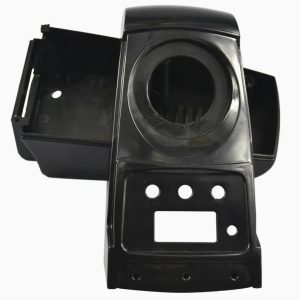
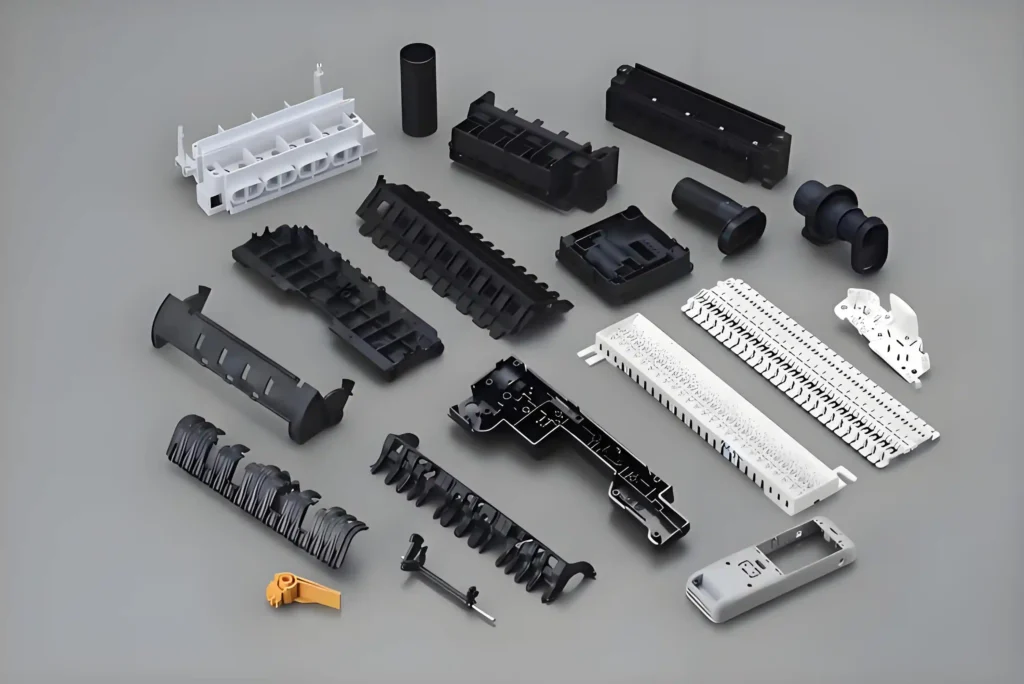
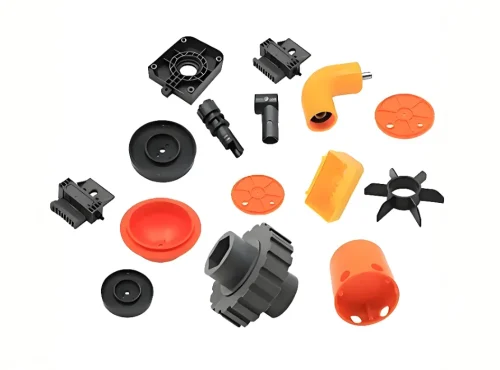
Plastic Injection Molding Services

We ensure your project is delivered on time, within budget, and to the highest standards. Whether you need rapid prototyping or high-volume production, our team provides custom mold design, efficient cycle times, and tight tolerances for complex parts.
 
With a focus on quality control, we deliver precision-molded parts tailored to your specific project requirements.

Start Your Project Now

ISO 9001:2015 Certified Processes

ISO 13485: 2016 Medical Device

AS9100 Aerospace Quality Mangament

Faster Lead Time for Production Needs

In-Process Inspection with CMM

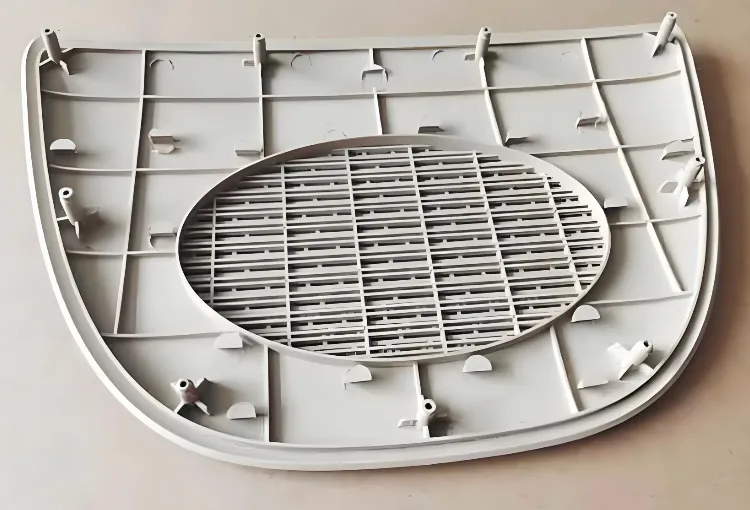
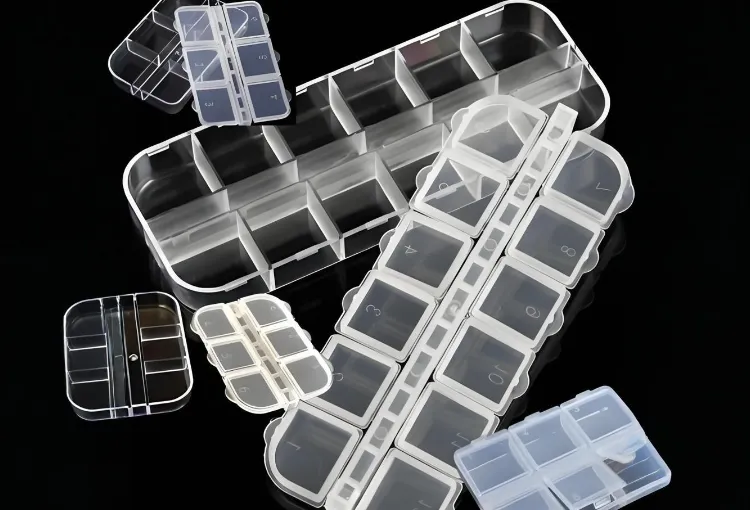
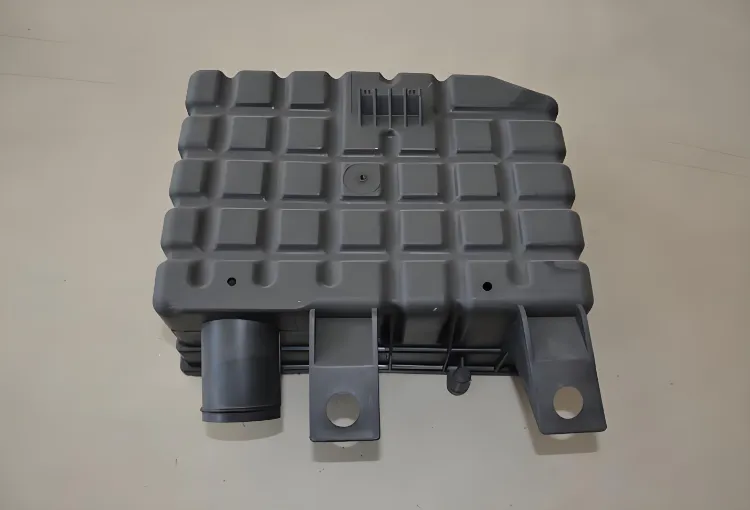
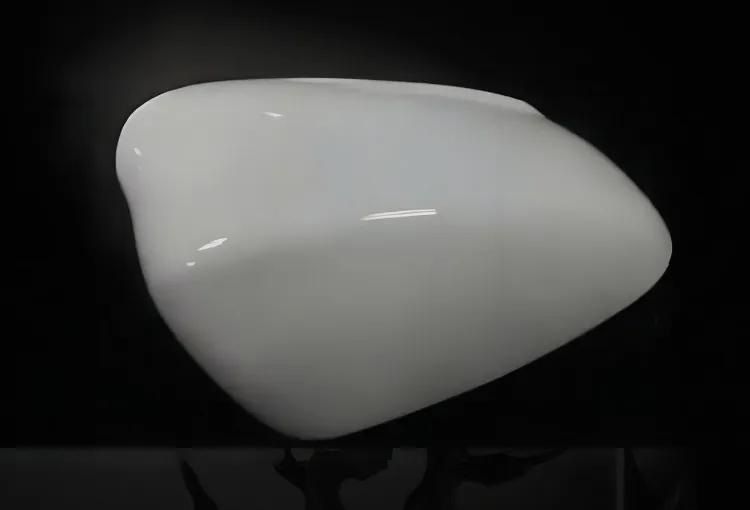
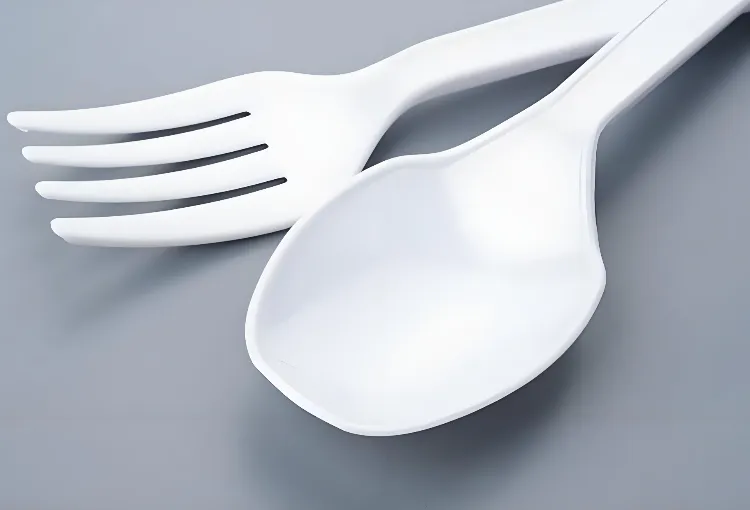
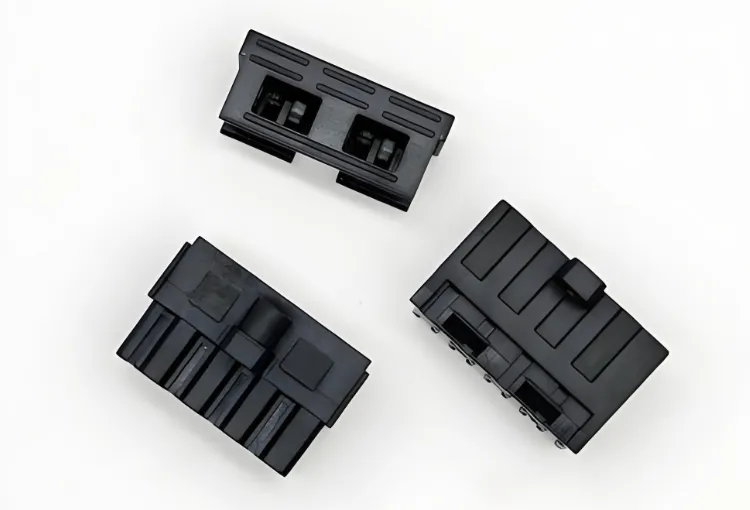
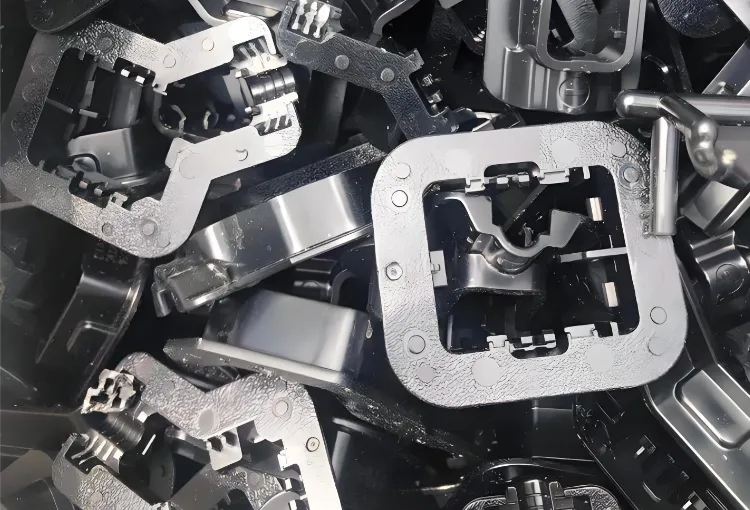
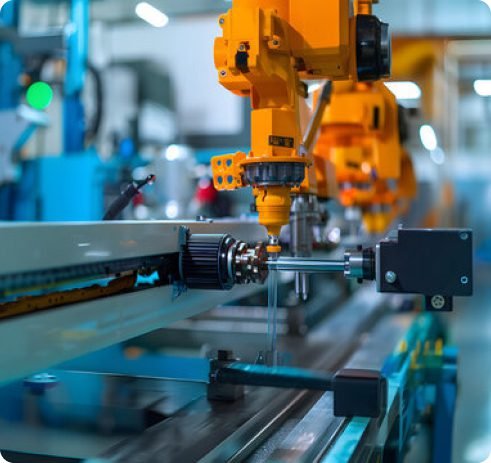
plastic part production-injection molding

Plastic Injection Molding Manufacturer

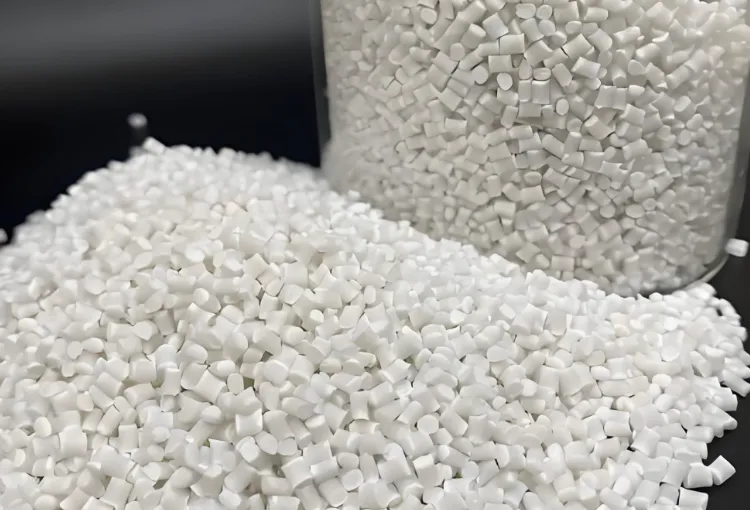
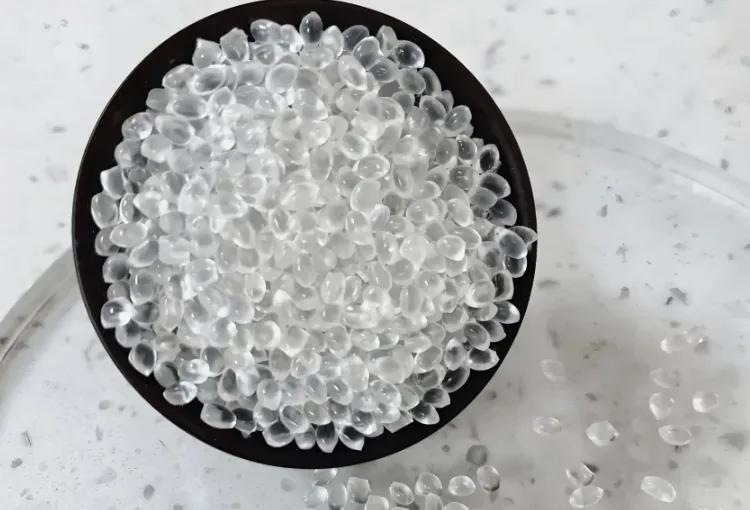
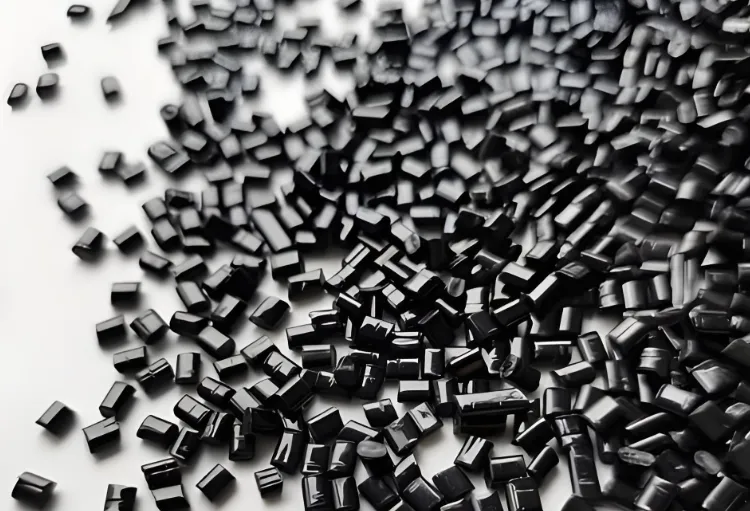
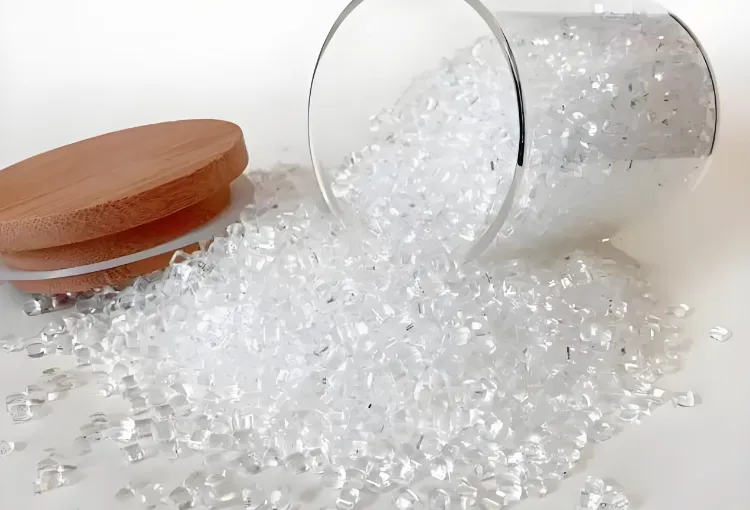
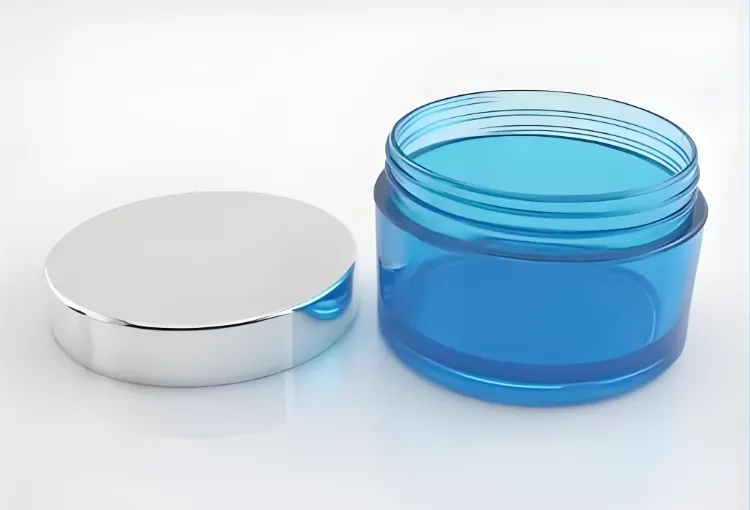
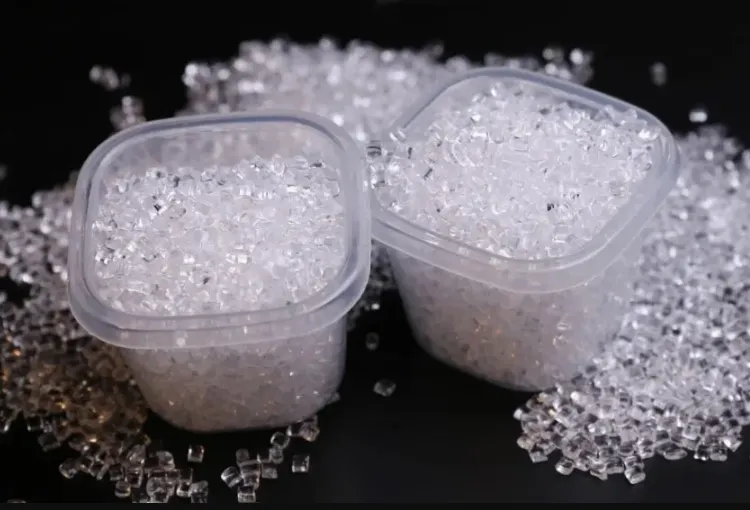
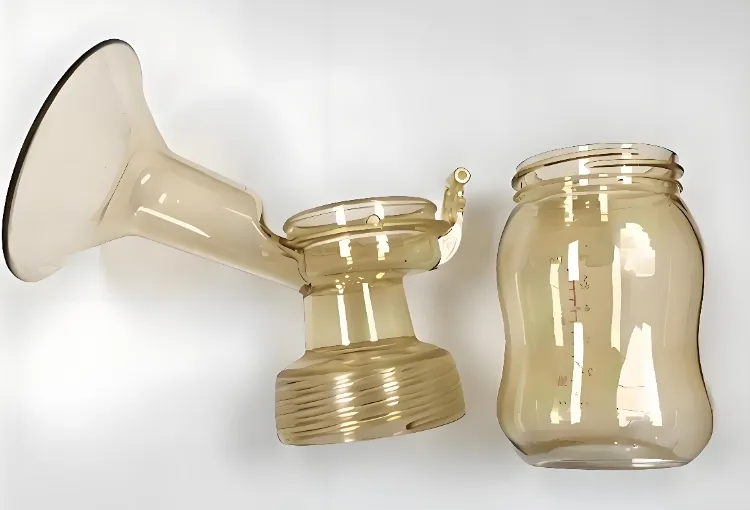
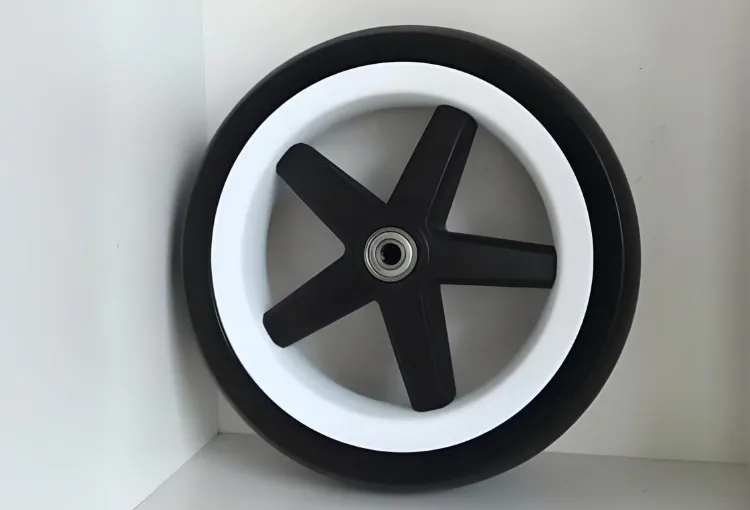
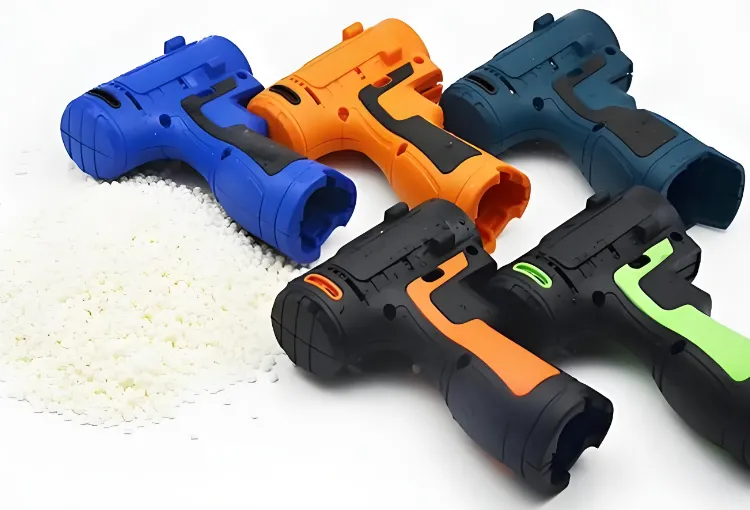
Injection molding is a highly efficient manufacturing process used to produce precision plastic parts by injecting molten material into a mold. It is widely recognized for its ability to create complex, high-quality components with consistency and scalability. And it is ideal for both functional prototypes and mass production across various industries.
 
Fecision holds ISO 9001:2015, ISO 13485:2016, and AS9100 Rev D certifications — and deliver dimensional tolerances to ±0.005 mm as standard. We provide DFM review and mold flow analysis report for each program.

Key Features

Efficiency

High production rates with minimal waste, allowing for cost-effective manufacturing of complex parts.

Precision

Exceptional dimensional accuracy and repeatability, ensuring consistent part quality across production runs.

Versatility

Ability to work with a wide range of materials and produce complex geometries with varying textures and finishes.

Prototyping vs. Production

We offer solutions for every stage of your product lifecycle, from rapid prototyping to large-scale production runs.

Prototyping

Low-volume production (10-1000 units)
Rapid turnaround (2-4 weeks)
Cost-effective design validation
Material testing and selection
Design refinement and optimization

Production

High-volume manufacturing (1000+ units)
Optimized for cost efficiency
Strict quality control protocols
Consistent part-to-part repeatability
Scalable production capabilities

Injection Molding Types

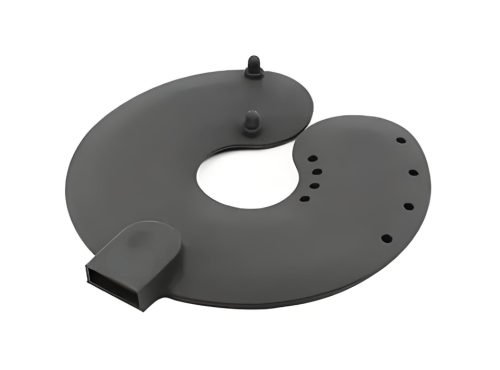
Standard Injection Molding for Custom Plastic Parts

Standard Injection Molding

Standard Injection Molding for Custom Plastic Parts
injection molding type-Liquid Silicone Rubber (LSR) Injection Molding

LSR Injection Molding

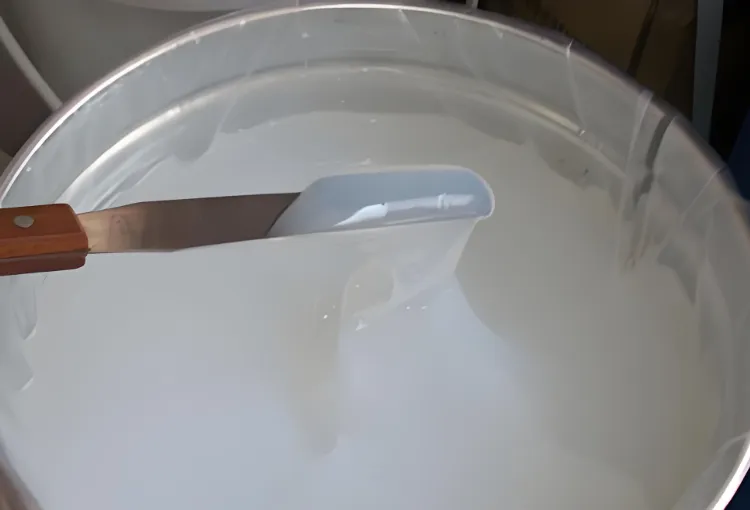
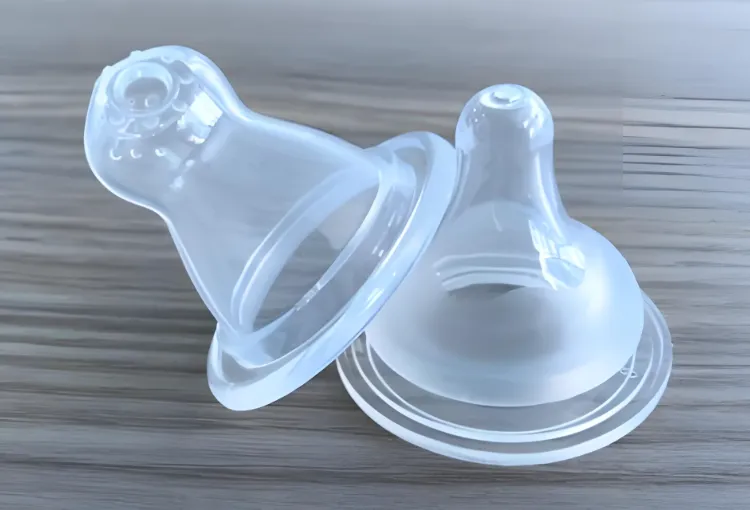
Transforms two-part liquid silicone rubber material into finished components
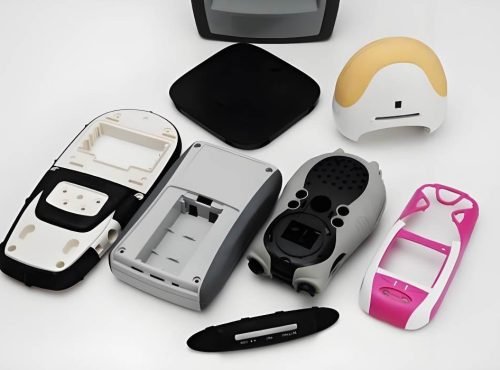
injection molding type-overmolding

Overmolding

Inject one material over an existing substrate to form a bonded, multi-material part
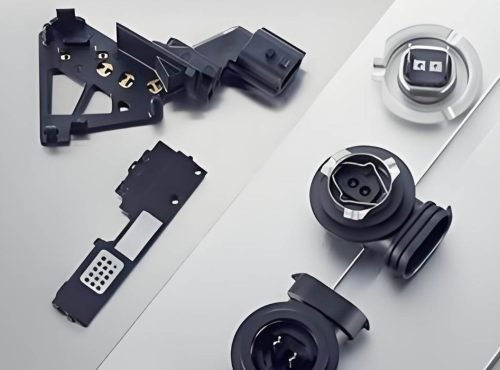
injection molding type-insert molding

Insert Molding

Embed metal or other parts into the molded part during the injection process
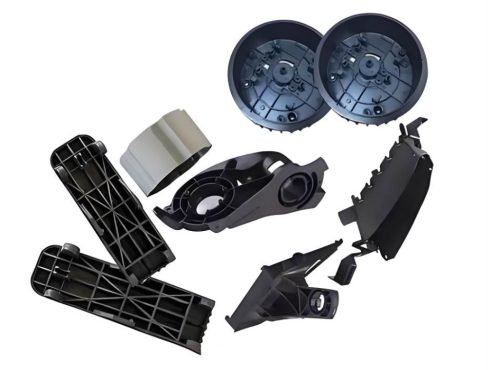
injection molding type-large part injection molding

Large Part Injection Molding

Use high-tonnage injection molding machines to generate large parts
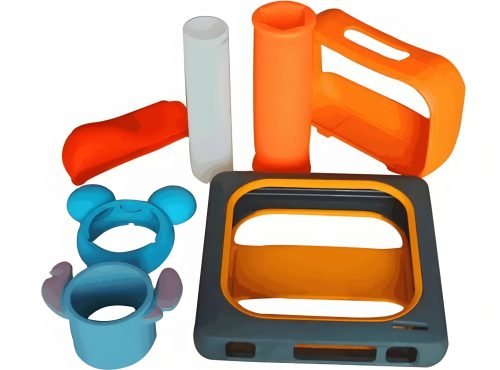
Two-Shot Injection Molding

Two-Shot Injection Molding

Combine two or more materials in a single molding cycle to create multi-colored or multi-material parts
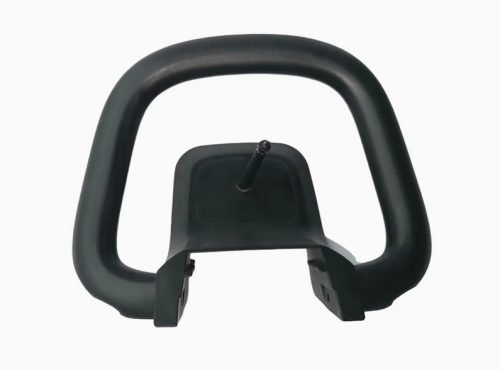
injection molding type-Gas-Assisted Injection Molding

Gas-Assisted Injection Molding

Combines traditional injection techniques with controlled gas injection to create superior parts
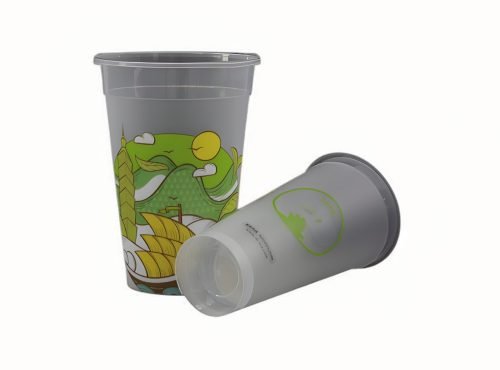
injection molding type-In-Mold Decration Labeling

In-Mold Decration/Labeling

IML combines a pre-printed lable with injection molding. IMD involes molding a decorative film into a product
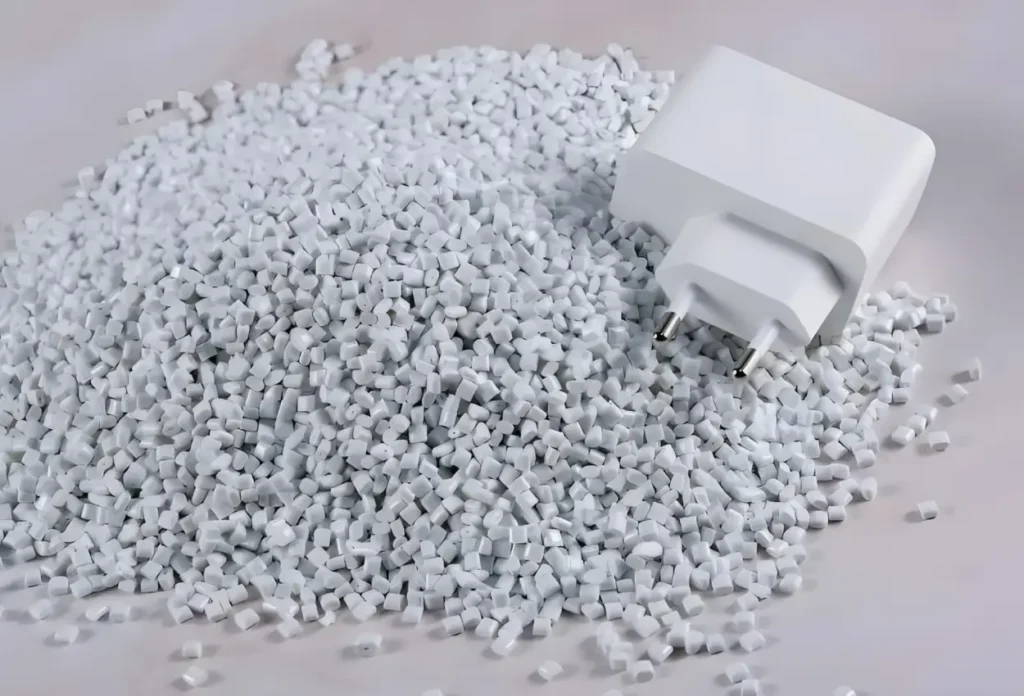
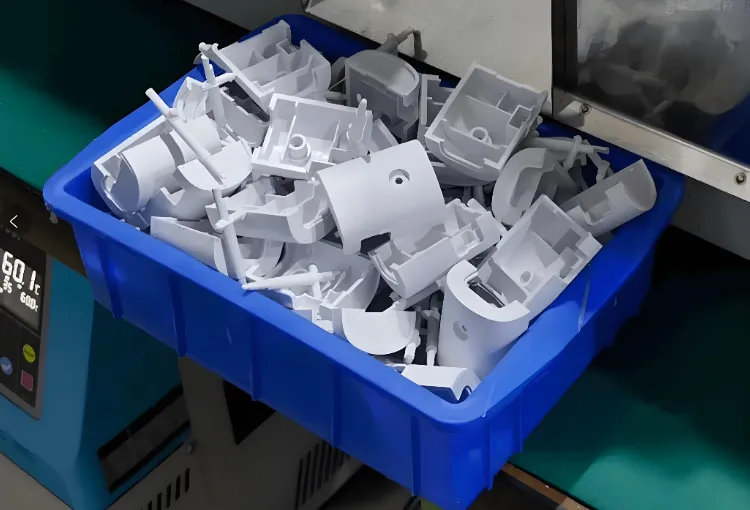
Injection Molding Capabilities

Our advanced manufacturing facilities are equipped to handle a wide range of injection molding requirements, from small, intricate parts to large components.

Standard
Technical Data
Tolerances
As tight as ±0.001 inches (0.025 mm)
Dimensional Stability
Parts maintain shape and size over long production runs
Cycle Time
Range from 15 to 60 seconds per part
Output
Up to 1000+ parts per hour
Material Waste
Less than 5%
Recyclability
Many plastics such as PET, PP, and ABS, are recyclable
Cost Per Unit
Offset by low per-unit costs in mass production
Tooling Longevity
Hundreds of thousands to millions of cycles
Surface Finishes
Typically Ra 0.4 – 1.6μm
Energy Efficiency
Up to 30% improvement
Material Variety
Over 200 different plastic materials

Production Capacity

  • Up to 10 million units annually
  • 24/7 production capabilities
  • Automated production cells
  • Lean manufacturing processes
  • Flexible production scheduling

Quality Control

  • CMM (Coordinate Measuring Machine)
  • Vision inspection systems
  • Statistical Process Control (SPC)
  • First Article Inspection (FAI)
  • Automated dimensional checking

Value-Added Services

  • Assembly and kitting
  • Packaging solutions
  • Inventory management
  • JIT (Just-In-Time) delivery
  • Supply chain integration

Ready to Start Your Injection Molding Project?

Contact us today to discuss your project requirements and get a free quote from our injection molding experts.

Injection Moldable Plastics

We work with a comprehensive range of engineering plastics and specialty materials to meet the unique requirements of your application.

Acrylonitrile Butadiene Styrene (ABS)

Key Properties & Processing Note:
  • Excellent surface finish, impact resistance, easy to paint and plate.
  • Standard for consumer electronics, appliance housings, and industrial enclosures.
  • Pre-dry at 80°C / 2–4 h.
 
Typical Applications:
Laptop and appliance housings, dashboard trim, instrument enclosures, protective equipment

Polypropylene (PP)

Key Properties & Processing Note:
  • Lightest structural resin.
  • Self-lubricating, chemical-resistant, living-hinge capable (0.25–0.35 mm).
  • Shrinkage 1.5–2.5% — simulation advised.
 
Typical Applications:
Medical syringes and containers, IV set components, lab consumables, hinged packaging
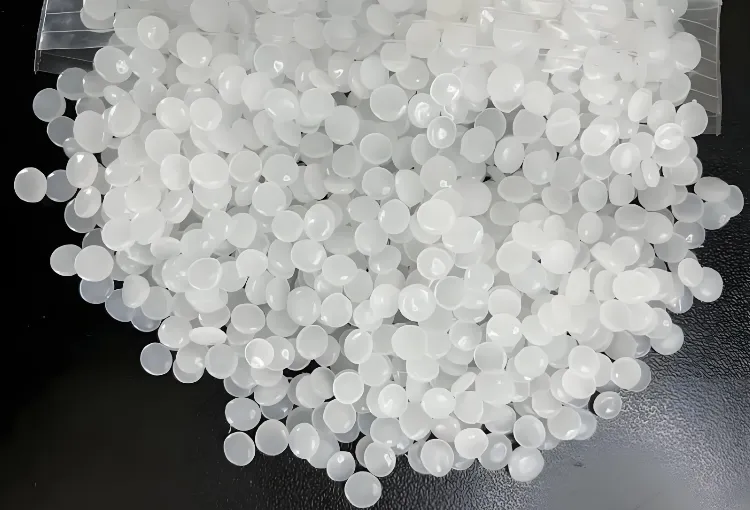
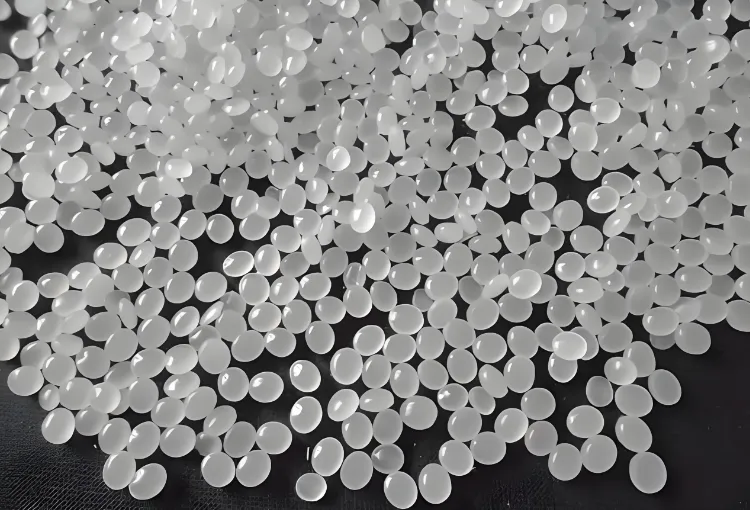
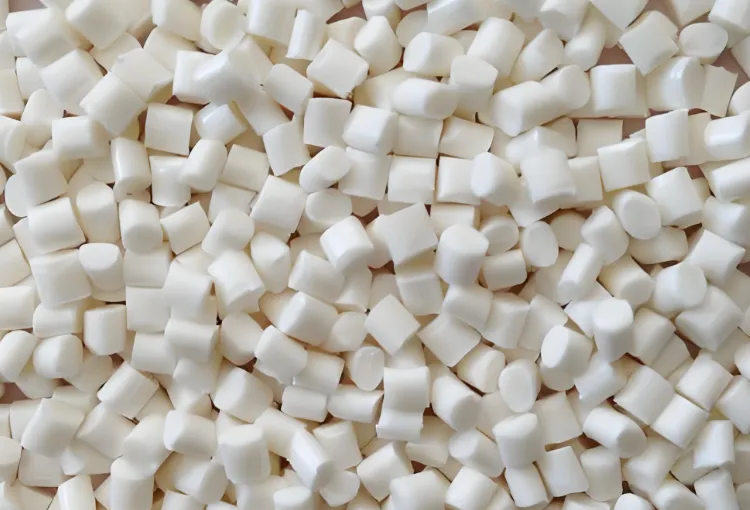
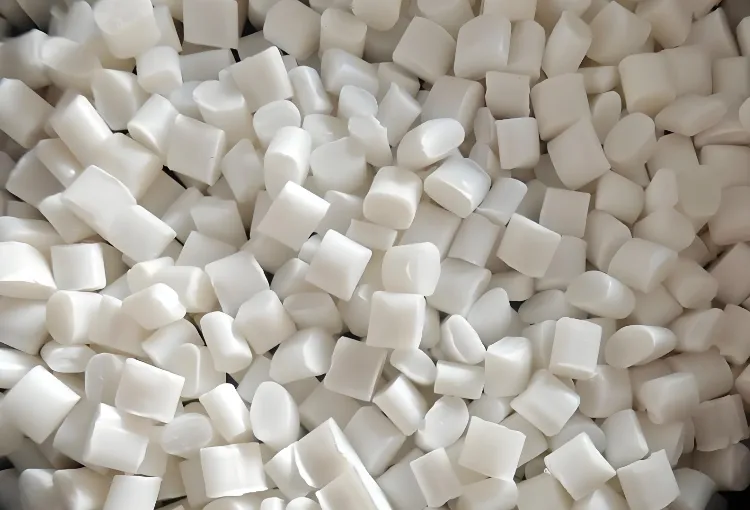
Injection Molding Material-Polypropylene (PP)

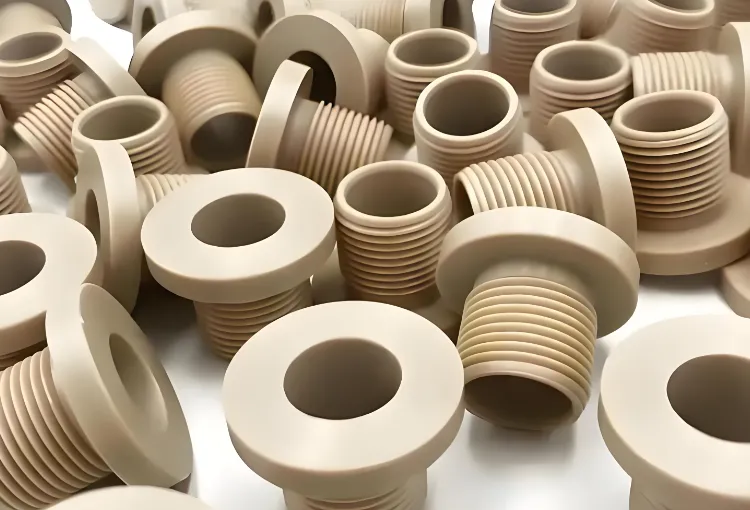
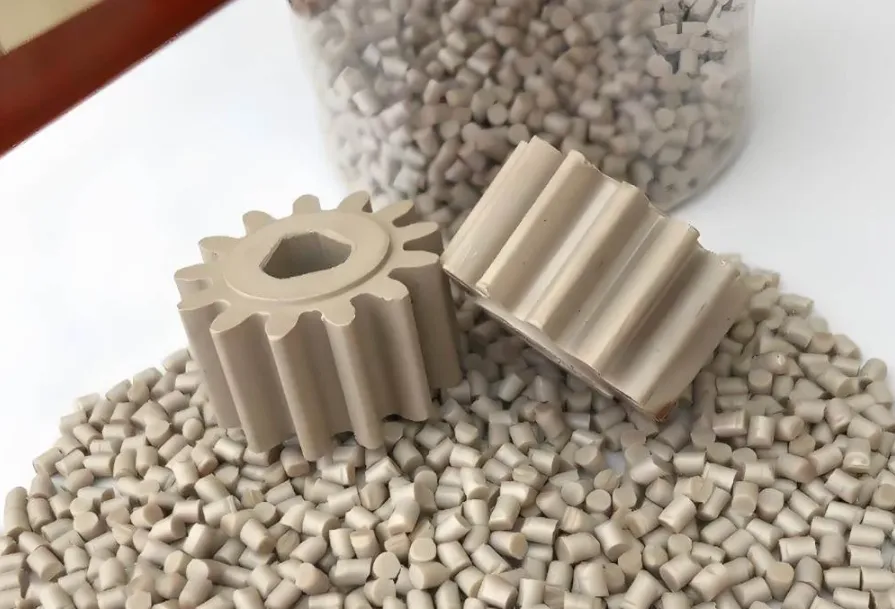
Polyether Ether Ketone (PEEK)

Key Properties & Processing Note:
  • Biocompatible, radiolucent, autoclave-stable (1,000+ cycles).
  • Barrel temp 360–400°C.
  • Continuous service to 250°C.
 
Typical Applications:
Spinal implant components, surgical instrument housings, aerospace micro-bushings, reusable medical instrument bodies
Injection Molding Material-PEEK (Polyether Ether Ketone)

Thermoplastic Polyurethane (TPU)

Key Properties & Processing Note:
  • Flexible, kink-resistant, biocompatible.
  • Ether-based grades for hydrolysis resistance.
  • Pre-dry at 80°C / 3–4 h.
 
Typical Applications:
Catheter bodies, wearable enclosures, auto-injector soft components, medical tubing connectors
Injection Molding Material-Thermoplastic Polyurethane (TPU)

Liquid Silicone Rubber (LSR)

Key Properties & Processing Note:
  • USP Class VI, platinum-cured, autoclave-compatible.
  • ISO 7 cleanroom production.
 
Typical Applications:
Respiratory masks, catheter seals, drug-contact diaphragms, wearable sensor interfaces
Injection Molding Material-LSR

Polycarbonate (PC)

Key Properties & Processing Note:
  • Optical clarity, high impact, HDT ~110°C.
  • EtO/gamma sterilisation compatible.
  • Pre-dry at 120°C / 3–4 h.
 
Typical Applications:
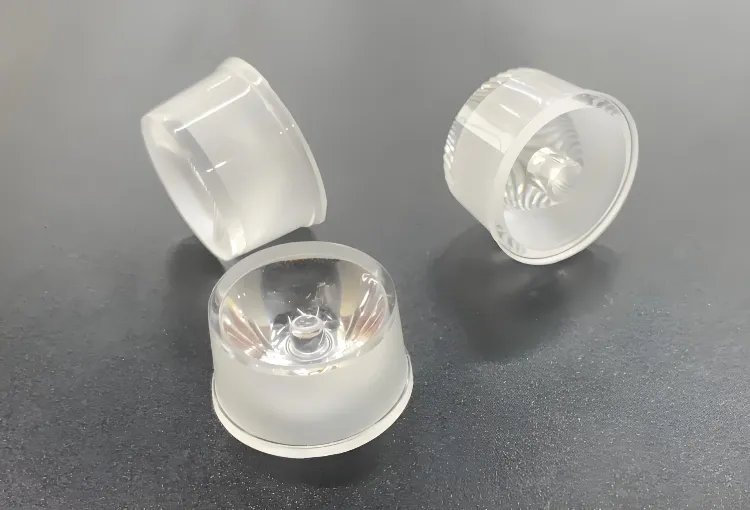
Diagnostic cartridge bodies, IV connectors, wearable device housings, LED lenses
Injection Molding Material-Polycarbonate (PC)

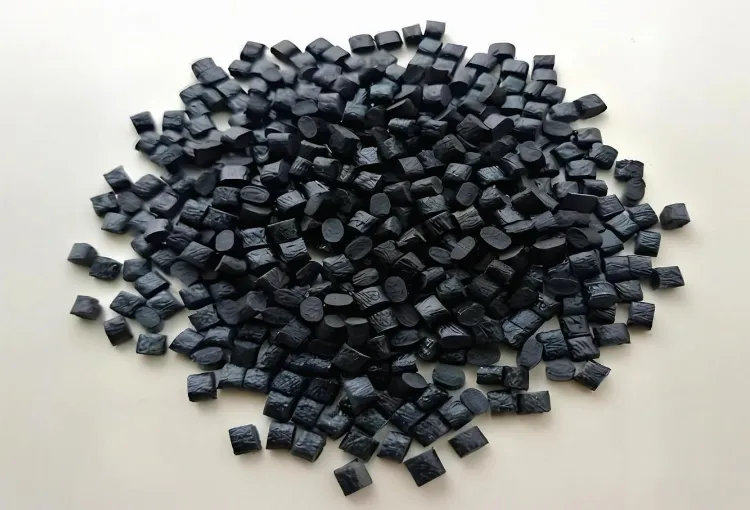
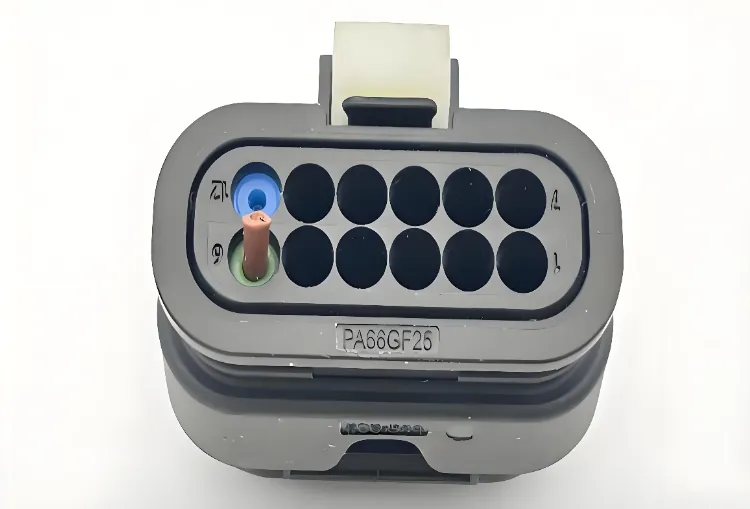
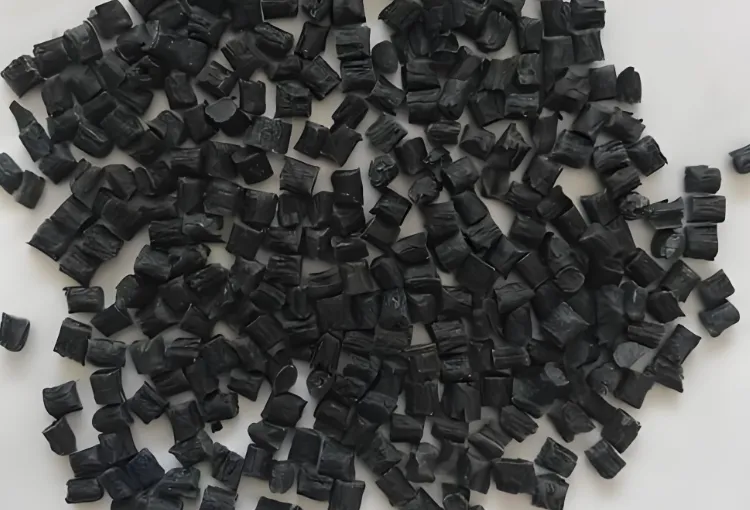
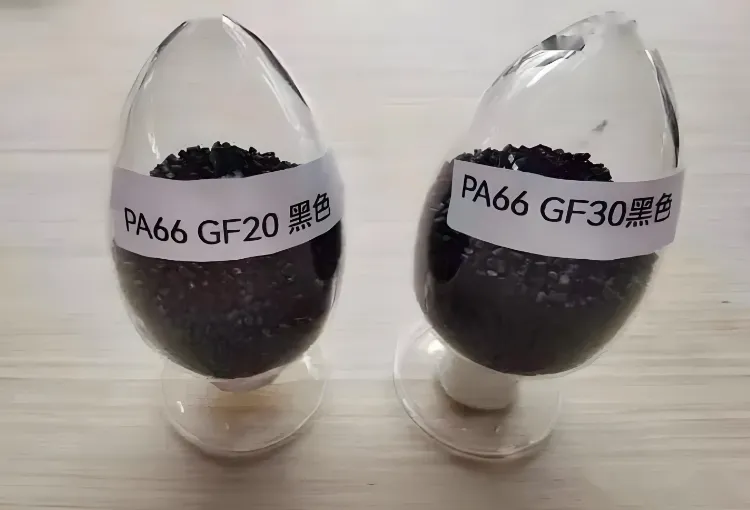
Nylon (PA66 / PA6)

Key Properties & Processing Note:
  • High fatigue resistance, self-lubrication (µ = 0.15–0.35).
  • Pre-dry to < 0.2% moisture mandatory.
  • GF30 grade: HDT 240°C.
 
Typical Applications:
Gears, bearings, connectors, surgical instrument bodies, automotive under-hood components

Polyethylene Terephthalate (PET)

Key Properties & Processing Note:
  • High clarity/gloss, excellent gas-barrier.
  • High strength-to-weight.
  • Biocompatible, sterilisable, recyclable.
  • Pre-dry at 160 °C / 4–6 h.
 
Typical Applications:
Medical device housings, diagnostic enclosures, drug-delivery devices, blood collection tubes, pre-filled syringes, blister packs, food containers, thin-wall packaging
Injection Molding Material-Polyethylene Terephthalate (PET)

Polyvinyl Chloride (PVC)

Key Properties & Processing Note:
  • Rigid or flexible with plasticisers.
  • Excellent chemical/grease/oil resistance.
  • Biocompatible, ETO/gamma sterilisable.
  • Low moisture absorption.
 
Typical Applications:
Medical tubing, blood bags, IV sets, catheters, oxygen masks, rigid containers, luers, blister packs, cable insulation
Injection Molding Material-Polyvinyl Chloride (PVC)

Acetal (POM)

Key Properties & Processing Note:
  • Excellent stiffness, low friction, dimensional precision.
  • Self-lubricating.
  • Higher shrinkage (1.8–2.5%).
 
Typical Applications:
Precision gears, micro-valve seats, drug delivery mechanisms, snap-fit functional parts
Injection Molding Material-POM

Polyethylene (PE-HDPE/LDPE)

Key Properties & Processing Note:
  • Excellent chemical resistance, food-safe, moisture barrier.
  • HDPE stiff; LDPE flexible.
  • High shrinkage requires mold flow compensation.
 
Typical Applications:
Chemical containers, food-contact parts, laboratory specimen cups, utility enclosures
Injection Molding Material-Polyethylene (PE)

Polystyrene (PS)

Key Properties & Processing Note:
  • Optically clear (general-purpose), brittle.
  • Low cost.
  • Limited temperature resistance.
 
Typical Applications:
Disposable lab ware, transparent packaging, low-stress consumer product parts
Injection Molding Material-Polystyrene (PS)

Polybutylene Terephthalate (PBT)

Key Properties & Processing Note:
  • Excellent dimensional stability, very low moisture absorption (< 0.08%).
  • UL 94 V-0 available.
  • HDT 200°C (GF30 grade).
 
Typical Applications:
Connector housings, electronic enclosures, automotive sensor bodies, precision instrument parts
Injection Molding Material-Polybutylene Terephthalate (PBT)

Polymethyl Methacrylate (PMMA)

Key Properties & Processing Note:
  • High optical clarity (92-93%), superior UV/weather resistance.
  • Biocompatible (ISO 10993), scratch-resistant, high hardness.
  • Low impact. Pre-dry at 80 °C / 3–4 h.
 
Typical Applications:
Intraocular lenses, bone cement, dental prosthetics, surgical guides, diagnostic cuvettes, LED diffusers, light guide panels, smartphone lens covers, fiber-optic connectors, cosmetic packaging
Injection Molding Material-Polymethyl Methacrylate (PMMA)

LCP (Liquid Crystal Polymer)

Key Properties & Processing Note:
  • Shrinkage < 0.1% — highest as-molded precision.
  • Walls to 0.2 mm.
  • Barrel temp 300–330°C.
 
Typical Applications:
Micro-pitch connector housings (0.3–0.5 mm pitch), hearing aid components, wearable medical device micro-housings
Injection Molding Material-LSR

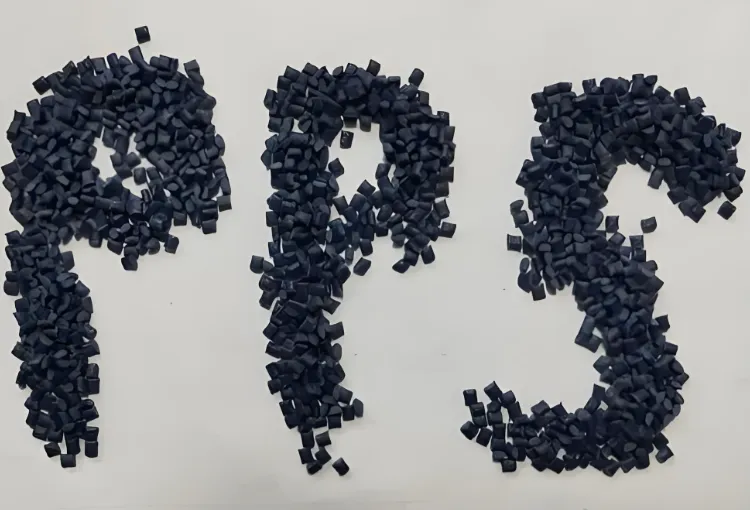
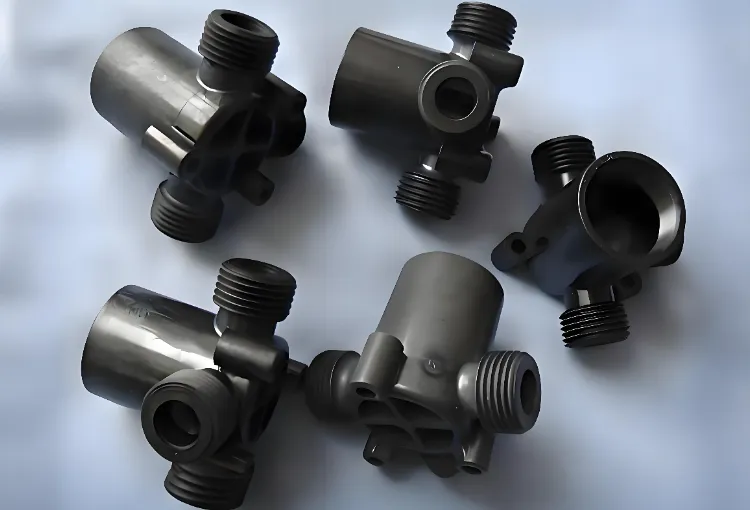
Polyphenylene Sulfide (PPS)

Key Properties & Processing Note:
  • Continuous service to 220°C.
  • Excellent chemical resistance.
  • UL 94 V-0. GF grades available.
 
Typical Applications:
High-temperature sensor housings, aerospace connectors, chemical processing components
Injection Molding Material-Polyphenylene Sulfide (PPS)

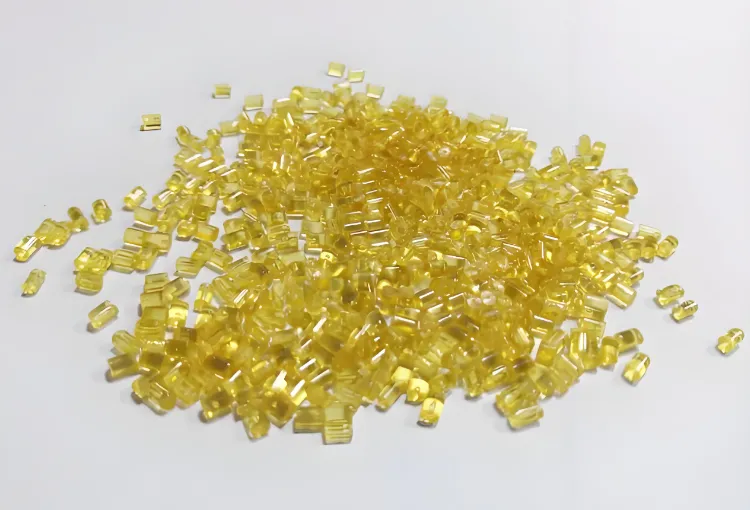
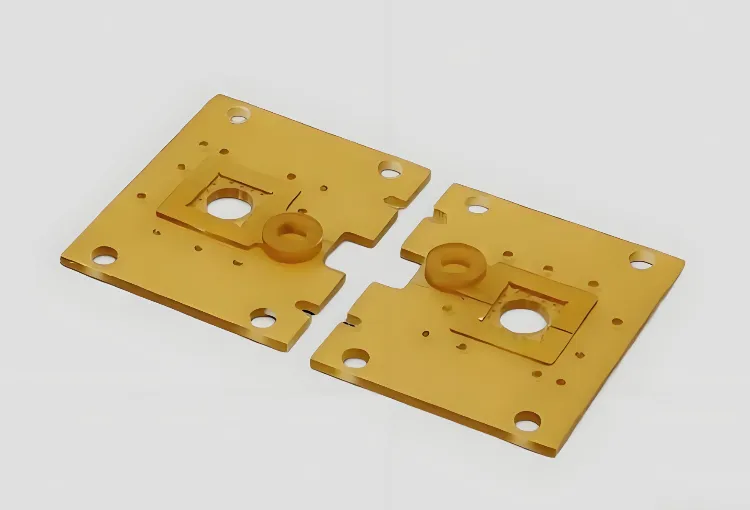
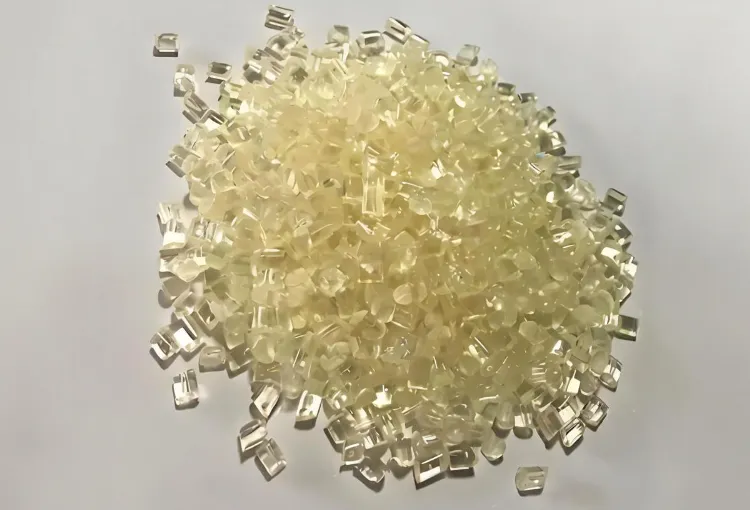
Ultem (PEI)

Key Properties & Processing Note:
  • UL 94 V-0 inherently (no FR additive).
  • HDT 200°C.
  • Sterilisation-compatible.
 
Typical Applications:
Medical device housings requiring repeated sterilisation, aerospace connector overmould bodies
Injection Molding Material-PEI (Ultem)

Common Finishes for Injection Molding

We offer a variety of surface treatment options to enhance the appearance, functionality, and durability of your injection molded parts.

Spraying Coating

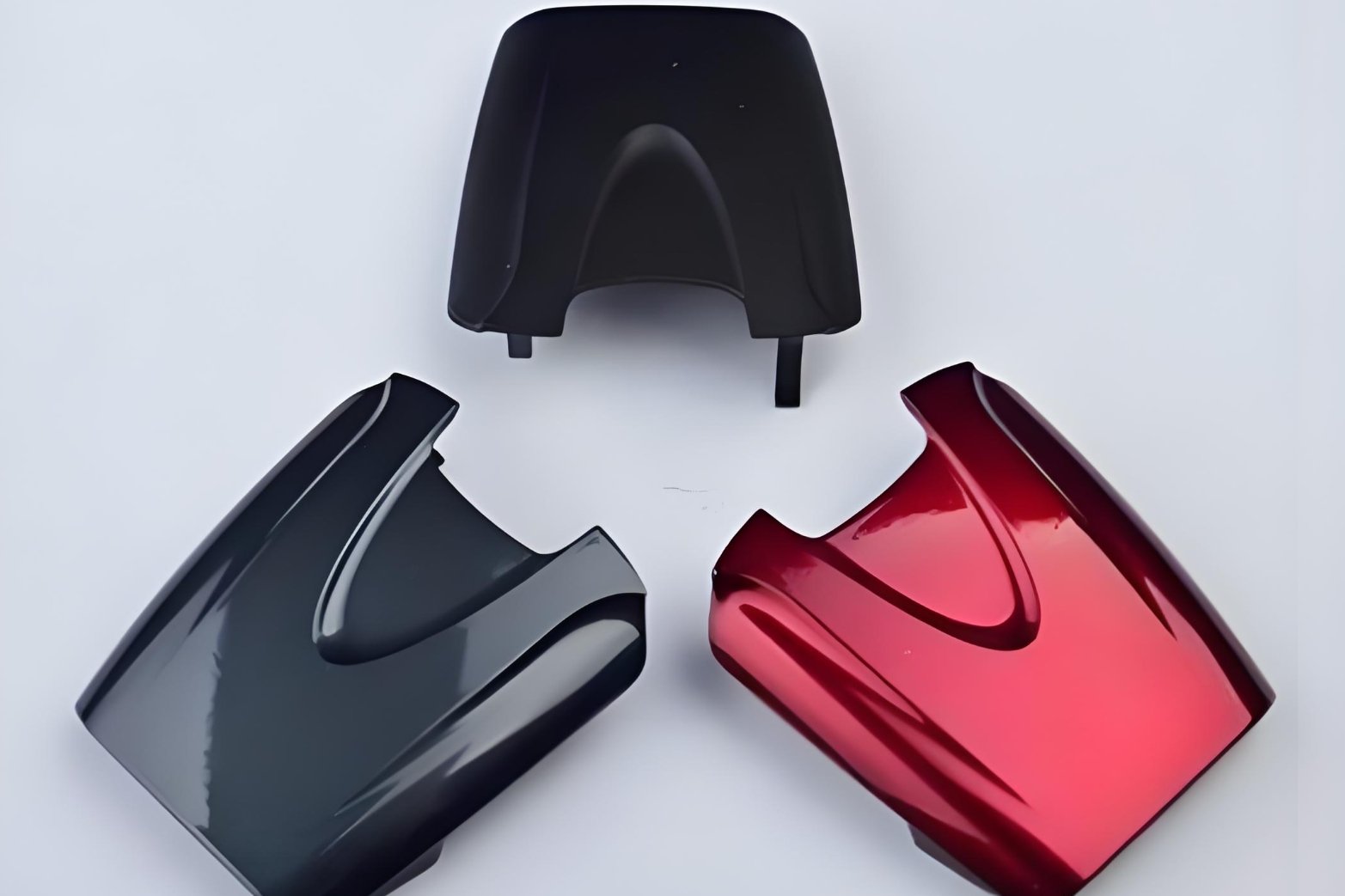
Spraying or electrostatic coating applies layers (e.g., UV-curable paint, anti-scratch coatings).

Laser Engraving

Laser ablation creates permanent markings (logos, serial numbers) without affecting structural integrity.

Pad Printing

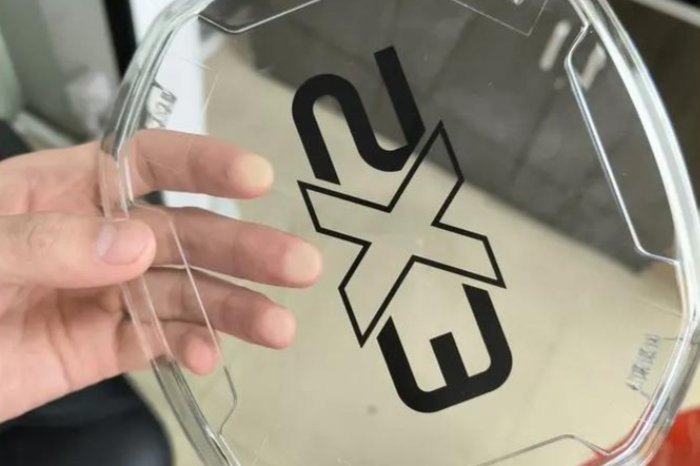
Transfer logos, labels, or designs onto complex surfaces, offering high precision, durability, and customization.

Texturing

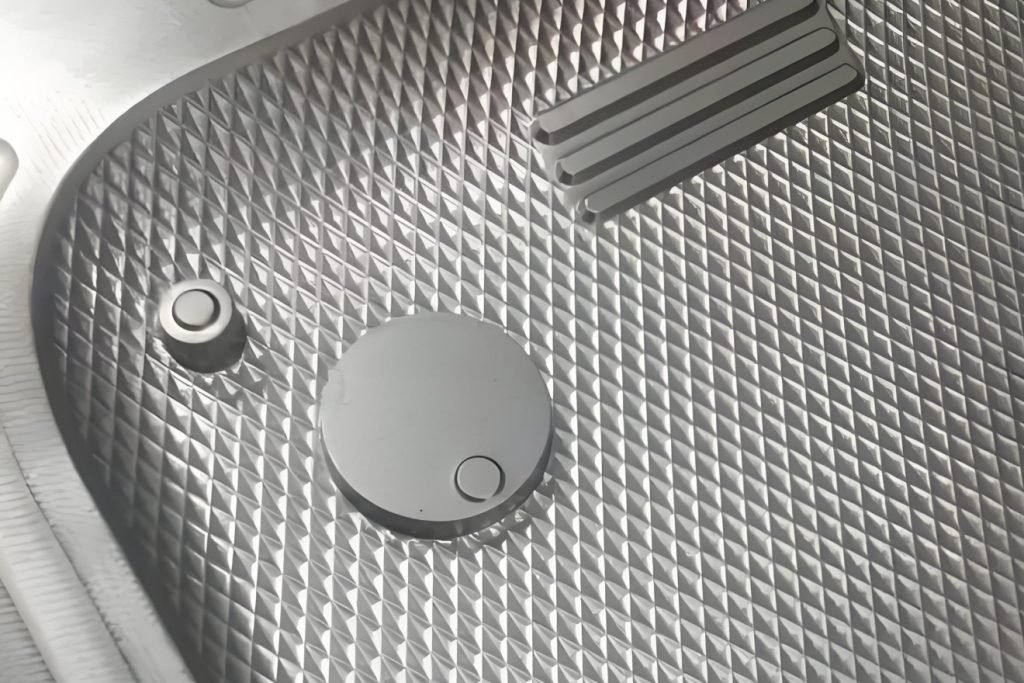
Create patterns, grains, or matte effects on plastic parts using chemical etching or laser engraving.

Sandblasting

Compressed air propels abrasive materials like sand or grit at high speed onto an object’s surface, cleaning it, roughening it for better adhesion, or creating a matte finish.

Electroplating

Depositing metal layers (e.g., chrome, nickel) onto plastic surfaces via electrolysis.

  • Chrome Electroplating
  • Nickel Electroplating

Heat Transfer Printing

Use heat and pressure to apply designs, logos, or patterns onto molded parts. Provide vibrant colors, durability, and versatility for decorating plastics

Polishing

Use abrasives, compounds, or buffing tools to refine a surface, reducing roughness, enhancing smoothness

  • Mechanical Polishing
  • Chemical Polishing

The Injection Molding Process

Our streamlined injection molding process ensures precision, efficiency, and consistent quality from design to delivery.

Design & Engineering

Our engineering team collaborates with you to refine your part design for manufacturability, ensuring optimal mold flow, material selection, and cost efficiency.

Injection Molding

Molten plastic is injected into the mold cavity under precise pressure and temperature conditions. The material cools and solidifies into the desired part shape.

Mold Design & Fabrication

We design and manufacture precision molds using advanced CNC machining and EDM processes, ensuring durability and dimensional accuracy for consistent part production.

Part Ejection & Inspection

Finished parts are ejected from the mold and undergo rigorous quality inspection to ensure they meet all specifications and tolerances.

Material Preparation

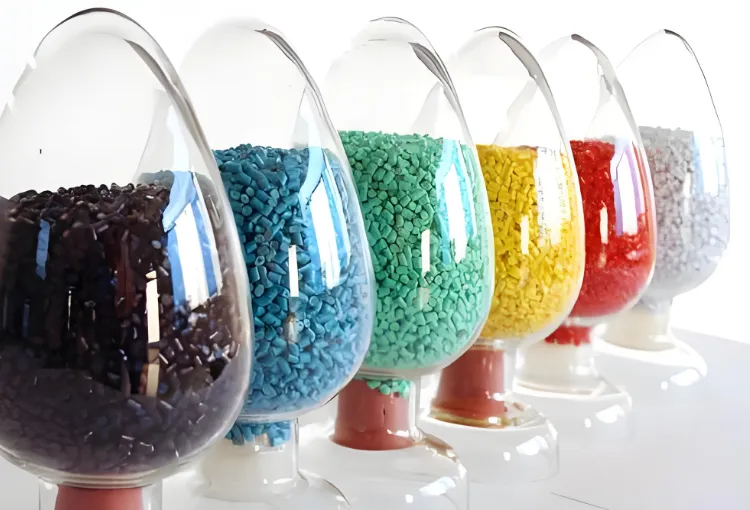
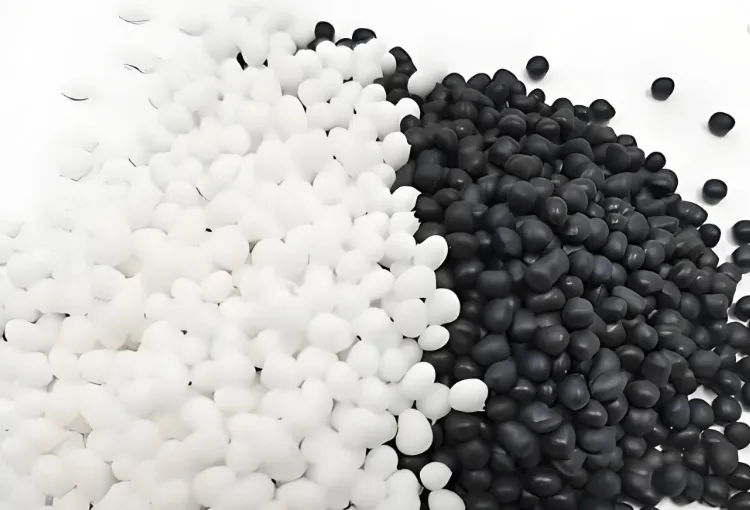
Plastic resins are carefully selected, dried if necessary, and prepared for molding. Colorants and additives are precisely mixed to achieve the desired properties.

Finishing & Assembly

Parts may undergo additional processing such as surface treatment, painting, or assembly before final packaging and delivery.

Injection Molding Project Timeline

We understand the importance of timely delivery. Our streamlined processes ensure efficient project execution from concept to completion.

Design review, DFM analysis, material selection, and prototype development if needed.

★ 1-2 weeks

Mold design, CNC machining, EDM, polishing, and mold testing to ensure proper function.

★ 4-8 weeks

Production of initial samples, dimensional inspection, functional testing, and design refinement if necessary.

★ 1-2 weeks

Full-scale production based on order quantity, with ongoing quality control and inspection.

★ variable

Surface treatment, assembly, packaging, and shipping according to your specifications.

★ 1-2 weeks

Note on Timeline

Timeline estimates are based on standard projects. Complex molds, special materials, or additional requirements may affect delivery time.

Injection Molding Applications

Industries We Serve

Each sector has distinct regulatory, material, and precision requirements — our engineering team holds the sector-specific expertise to deliver compliant, production-ready parts.

Medical

Diagnostic equipment components
Surgical instruments and tools
Drug delivery devices
Medical device housings
Disposable medical products

Automotive

Interior and exterior components
Engine parts and underhood components
Electrical connectors and housings
Trim pieces and decorative elements
Gaskets and seals

Aerospace

Cabin interior components
Avionics housings and panels
Structural components
Insulation and thermal management parts
Fluid handling components

Robotics

Actuator components
Grippers and end effectors
Structural frames and brackets
Sensor housings and covers
Gear housings and transmission parts

Electronics & Semiconductor

Device housings and enclosures
Connector components
Heat sinks and thermal management parts
Insulators and shielding components
Semiconductor handling trays

Industrial Equipment

Machinery components and housings
Valves and fluid handling parts
Control panel components
Handles and grips
Wear-resistant components

Custom Injection Molding Design Guidelines

Proper design is critical for successful injection molding. Follow these guidelines to optimize your part design for manufacturability, cost, and performance.

Wall Thickness

Maintain uniform wall thickness throughout your part to prevent sink marks, warping, and internal stresses.

  • Keep wall thickness between 0.8mm and 3mm for most applications
  • Maximum thickness variation should not exceed 25%
  • Use gradual transitions between different wall sections

Undercuts

Minimize or avoid undercuts whenever possible, as they complicate mold design and increase cost.

  • Consider alternative designs that eliminate undercuts
  • Use side actions or lifters for necessary undercuts
  • Threaded features often require unscrewing mechanisms

Draft Angles

Include proper draft angles on all vertical surfaces to facilitate easy part ejection from the mold.

  • Minimum draft angle of 0.5° per side for most applications
  • Increase draft angle for deeper cavities and textured surfaces
  • Consider 1°-2° draft for parts with tight tolerances

Ribs & Bosses

Use ribs to increase part stiffness without increasing wall thickness. Bosses provide strong mounting points.

  • Rib thickness should be 50-70% of the nominal wall thickness
  • Height of ribs should not exceed 3 times the wall thickness
  • Bosses should have a diameter 2-3 times the hole diameter

Radii & Fillets

Use generous radii and fillets at all corners to improve part strength and mold filling.

  • Minimum internal radius of 0.5mm
  • External radii should be at least 1.5 times the wall thickness
  • Sharp corners create stress concentrations and molding difficulties

Parting Lines

Consider the location of parting lines early in the design process to minimize their visual impact.

  • Place parting lines in less visible areas when possible
  • Design for a straight, simple parting line if possible
  • Account for potential flash along the parting line

Need Help with Your Design?

Our engineering team provides comprehensive design for manufacturability (DFM) analysis to optimize your part design for injection molding.
We can help identify potential issues and suggest improvements to reduce costs and improve quality.

Injection Molding Advantages

Injection molding offers numerous benefits that make it the preferred manufacturing process for a wide range of industries and applications.

Cost Efficiency

Lower per-unit costs for high-volume production, with minimal material waste compared to other manufacturing processes.

High Precision

Exceptional dimensional accuracy and repeatability, ensuring consistent part quality across production runs.

Design Flexibility

Ability to produce complex geometries with varying wall thicknesses, undercuts, and intricate details.

Production Speed

Fast cycle times and high production rates, enabling quick turnaround for large quantities.

Material Versatility

Compatible with a wide range of plastics and composites, each offering unique properties for specific applications.

Automation Potential

Easily integrated with automation systems for part removal, inspection, and assembly, reducing labor costs.

Why Choose Fecision for Injection Molding?

Quality Commitment

ISO 9001, ISO 13485, and IATF 16949 certified facilities with rigorous quality control processes.

Expert Team


Experienced engineers and technicians with deep expertise in injection molding processes.

Advanced Technology

State-of-the-art equipment and software for precision molding and quality assurance.

On-Time Delivery


Reliable production scheduling and logistics for consistent on-time delivery.

Customer Focus


Collaborative approach with dedicated project managers for personalized service.

Innovation


Continuous improvement and investment in new technologies and processes.

How to Work with Us

The plastic molding process involves numerous parameters that must be carefully regulated to maintain the quality and consistency of the produced components.
 

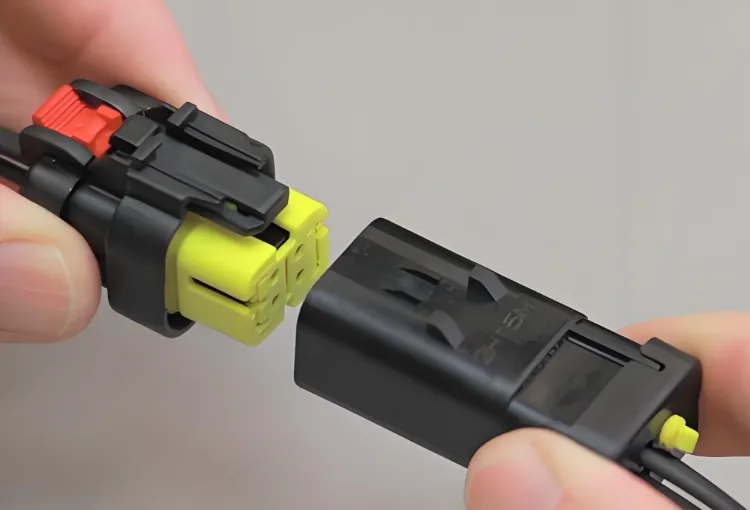
Submit Drawings

For a free quote, please submit a product description along with a technical drawing. We also offer reverse engineering services to assist you.
DFM & Quotation

We will provide a DFM (Design for Manufacturability) report or mold flow analysis report. Please be aware that further discussions may be needed during the process.

Mold Manufacturing

Upon your confirmation to the mold design, our team will begin making mold components, which will then be sent for inspection and assembly.

Injection Molding

Once the mold is complete, we will initiate the plastic molding process. A T1 sample will be provided for you to check whether the product details align with your specifications. After approval we will continue massive production.
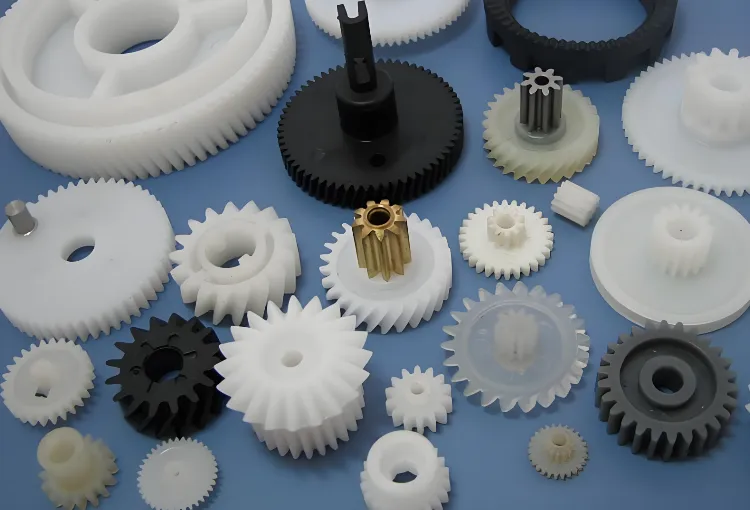
Delivery

Your custom-designed plastic parts undergoes thorough inspection, will be carefully packaged, and delivered to you.

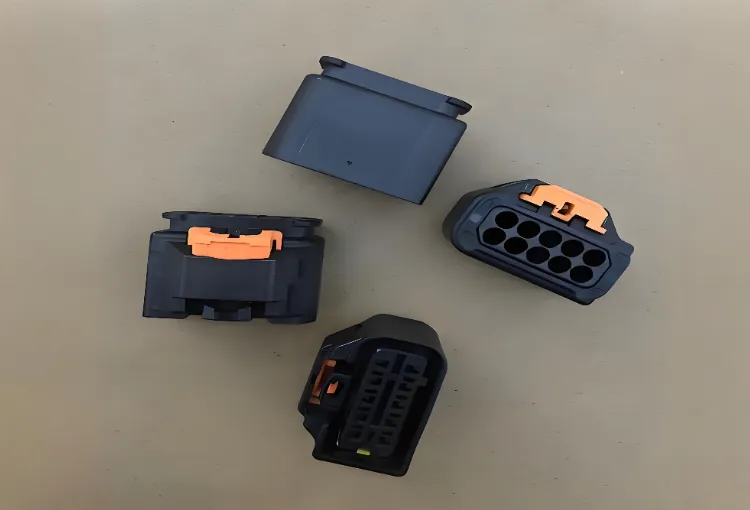
Injection Molding Product Gallery
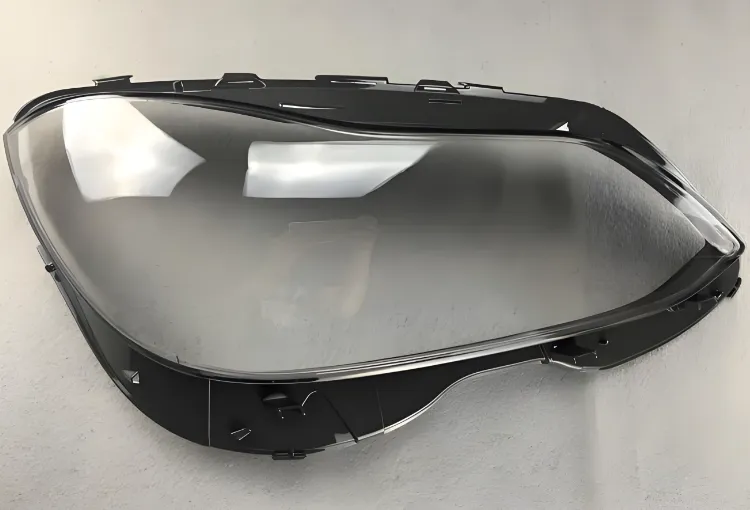
Browse our gallery of injection molded products across various industries and applications.
 

Contact Us for Injection Molding Services
Ready to discuss your injection molding project?

Request a quote, and our experts will contact you shortly.
Injection Molding FAQs

1-3 weeks for prototype production. Once tooling is completed, production typically takes 1-2 weeks for small to medium runs, and larger runs can be completed in several weeks depending on order size.

Design limitations involve factors such as mold flow, part ejection, and cooling efficiency. To ensure successful molding, designs should minimize undercuts, maintain consistent wall thickness, and incorporate draft angles for easy part removal.

The minimum order quantity depends on the specific project. We offer flexibility to handle both small batch and high-volume production, tailored to meet the unique requirements of each client.

Yes, injection molding is known for producing parts with high precision and tight tolerances, making it ideal for demanding applications.

We are committed to delivering the highest quality parts right from the start. That’s why Fecision offers DFM analysis at no charge, ensuring you have all the confidence you need before placing your injection molding order.

Fecision has the expertise to produce molds in both aluminum and steel.

For short-run or low-volume production, we provide flexible options and utilize cost-effective tooling solutions to ensure the process remains efficient and economical for smaller quantities.

Optimize part design for manufacturability (e.g., reduce complexity, avoid undercuts). Choose cost-effective materials. Use aluminum molds for prototyping or low-volume production.

Related Services

Themoforming

Compression Molding

manufacturing services-cnc machining

CNC Machining

Metal Stamping

Metal Part Production-Die-casting

Die-Casting

introduction to metal extrusion

Metal Extrusion

Start your project now