Medical Injection Molding Service for Regulated Devices
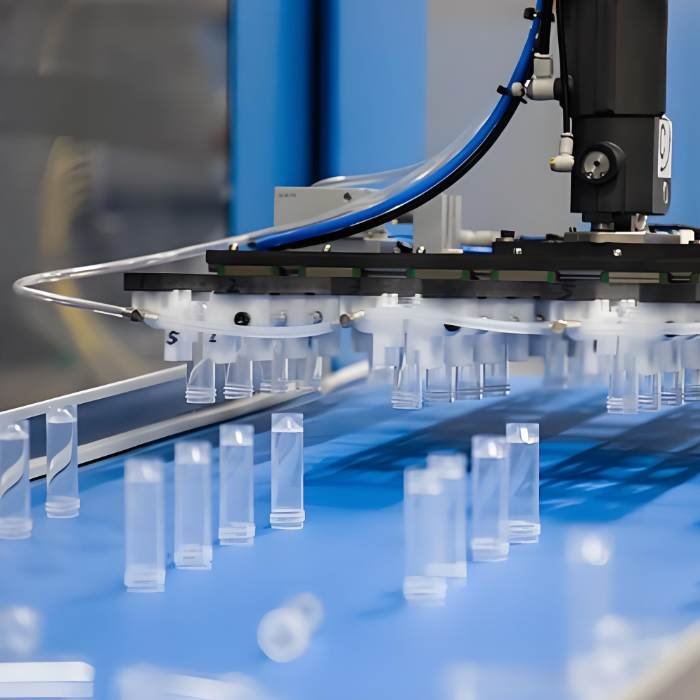
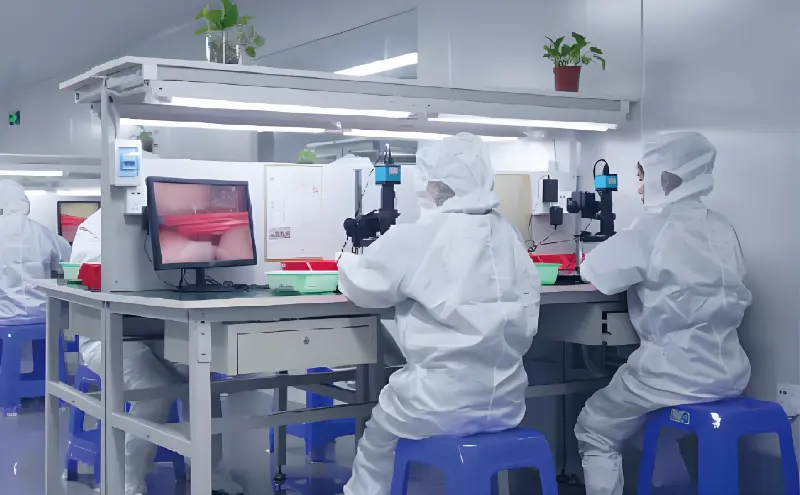
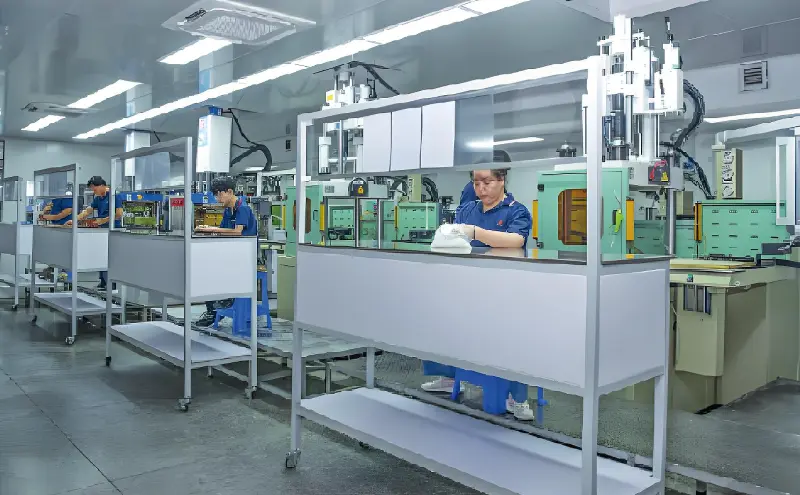
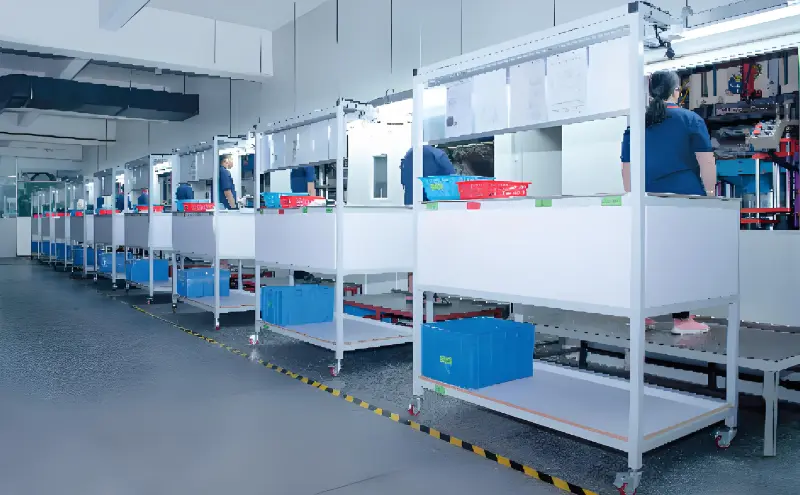
It is a regulated manufacturing process that produces biocompatible plastic components inside ISO Class 7 or 8 cleanrooms — with every parameter validated through IQ/OQ/PQ protocols, full lot traceability, and ISO 13485:2016 / FDA QMSR compliance from raw material to finished part.
Why Medical Molding Is
a Different Discipline
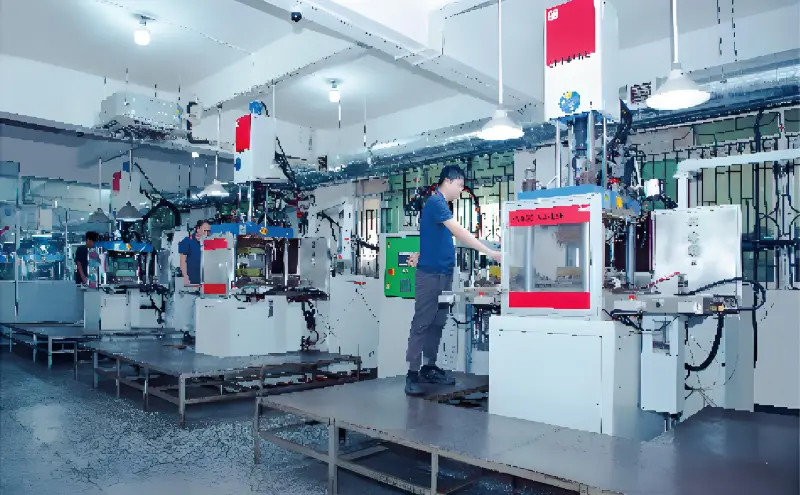
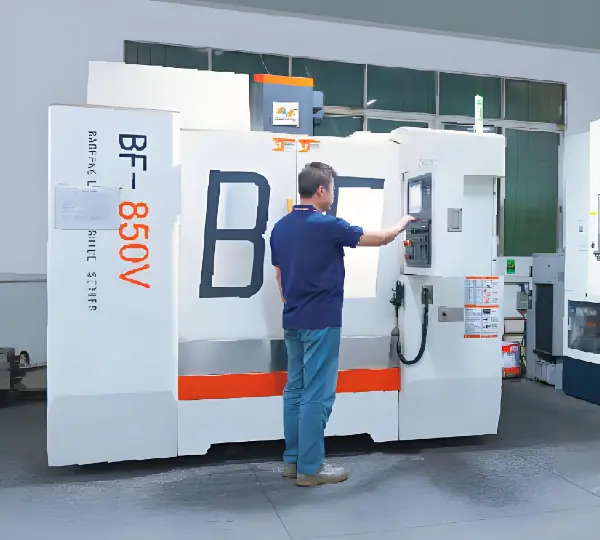
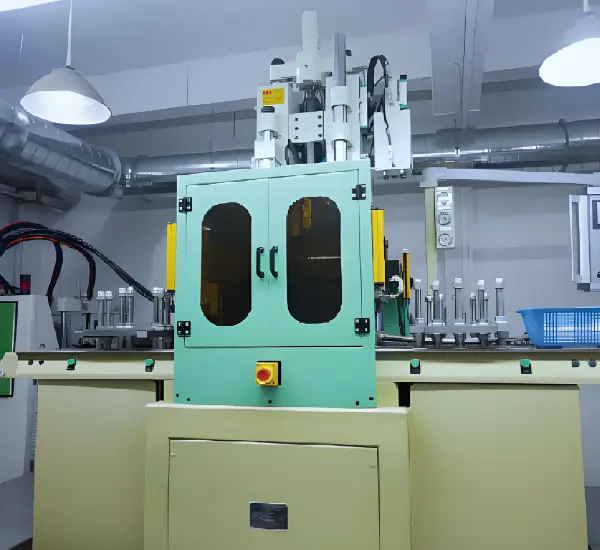
Standard injection molding and medical injection molding use the same machines. But medical molding adds a layer of validated process control, contamination management, and audit-ready documentation that standard manufacturing simply does not have.
Under the FDA's Quality Management System Regulation (QMSR) — effective February 2, 2026 — ISO 13485:2016 compliance is now a legal requirement for suppliers producing finished medical devices for the US market. Not a recommendation. A requirement.
For OEMs and procurement teams, this means your injection molding partner's certification status is now a regulatory obligation, not just a supplier preference.
on critical medical features
produced monthly
certified operational state
on every process
What Class Is Your Device?
FDA device classification determines your cleanroom class, validation depth, and regulatory documentation requirements. Use this table before choosing a molding partner.
Not sure where your device falls? Ask our engineering team →
| FDA Class | Cleanroom | Validation Depth | Typical Parts |
|---|---|---|---|
| Class III Implantable | ISO Class 5–6 ≤3,520 particles/m³ |
Full IQ/OQ/PQ + biocompatibility re-test. PMA required. FMEA mandatory. | Pacemaker leads, cochlear implants, orthopedic implants, long-dwell catheters |
| Class II Sterile | ISO Class 7 ≤352,000 particles/m³ |
IQ/OQ/PQ + 510(k). ISO 10993 biocompatibility. Full DHR & DMR. | Surgical instruments, IV connectors, syringe barrels, fluid-path seals |
| Class II Non-Sterile | ISO Class 7–8 ≤3,520,000 particles/m³ |
IQ/OQ/PQ + 510(k). Material certifications and lot traceability required. | Diagnostic housings, wearable enclosures, reusable surgical tool handles |
| Class I Low Risk | ISO Class 8 ≤3,520,000 particles/m³ |
ISO 13485 QMS. Material traceability. 510(k) exempt in most cases. | Device enclosures, non-contact components, examination glove dispensers |
Six Polymers
Every Device Type Covered
Material selection drives sterilisation compatibility, biocompatibility testing burden, and long-term device performance. Choose wrong and no amount of process validation corrects it.
IQ / OQ / PQ —
What Each Stage Proves
Validation is not bureaucracy. It is the documented proof that your manufacturing process is repeatable — which is exactly what FDA inspectors look for and what your device's performance depends on.
Skipping or shortcutting any stage produces a gap in your Design History File that will surface at audit. Fecision delivers all three stages with statistical analysis and full documentation as part of every medical injection molding programme.
Applications
Medical Devices We Produce
From single-use disposables to long-term implants — the common thread is validated process control and full documentation from first shot to delivery.
Implantable Device Components
Class Ⅲ · ISO Class 5-6
PEEK is the primary material — its combination of mechanical strength, radiolucency, and sterilisation durability (1,000+ autoclave cycles) makes it the standard for non-metallic implants. We produce orthopedic screws and plates, spinal fusion cage components, dental abutments, and cochlear implant structural components.
Surgical Instruments & Disposable
Class II · ISO Class 7
Trocar handles, forceps grips, laparoscopic instrument housings, retractor components, and electrosurgical insulation are produced in PPSU, ABS, or PC depending on whether the instrument is single-use or requires repeated autoclave sterilisation.
Fluid Delivery & Drug Delivery
Class II · ISO Class 7
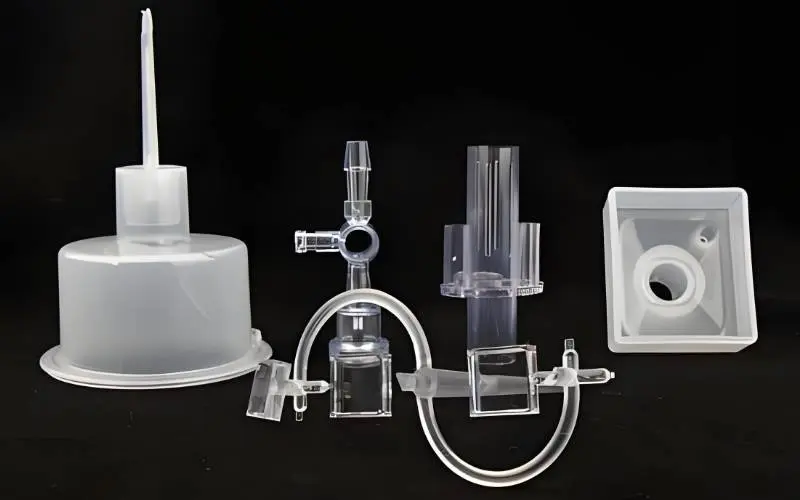
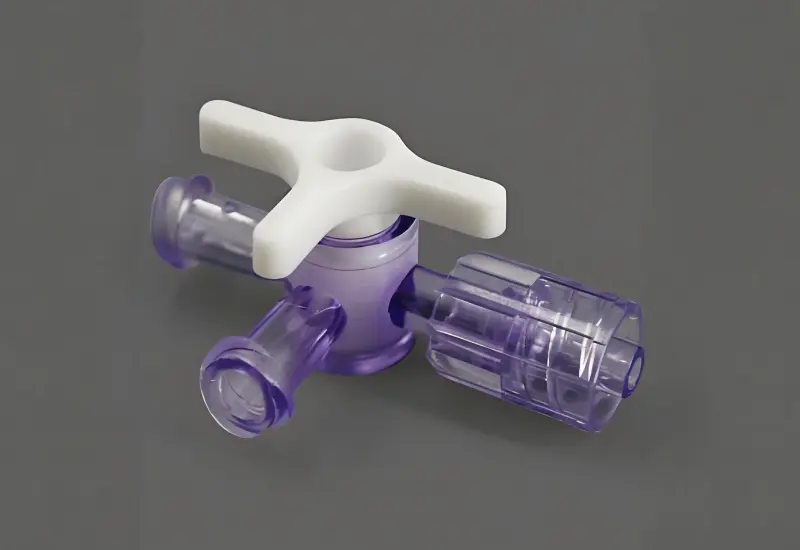
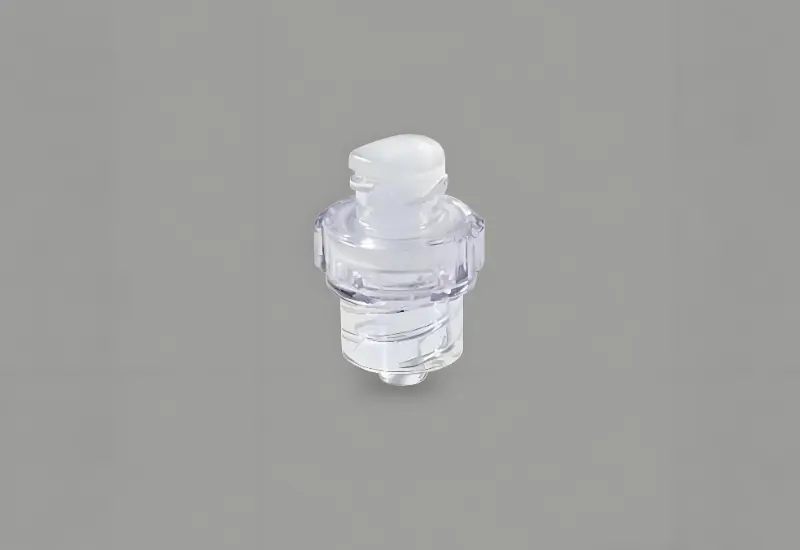
Syringe barrels, IV connectors, infusion pump housings, cannula assemblies, and catheter hubs are produced in PP or PC at high volume. Tolerances must accommodate automated assembly lines where parts fit together in fractions of a second.
Diagnostic & Lab Consumables
Class II · ISO Class 7-8
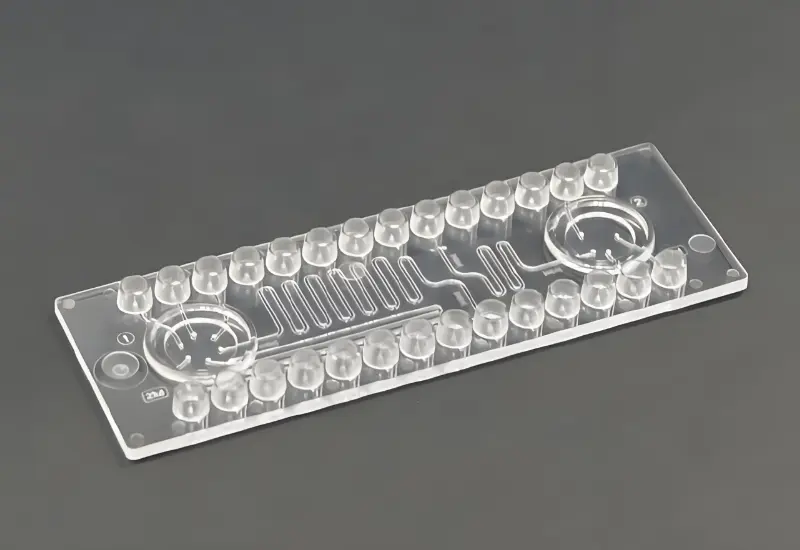
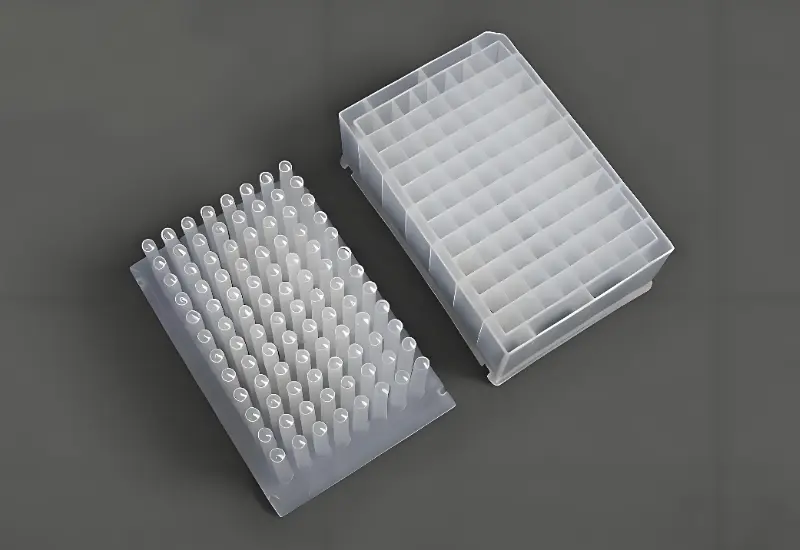
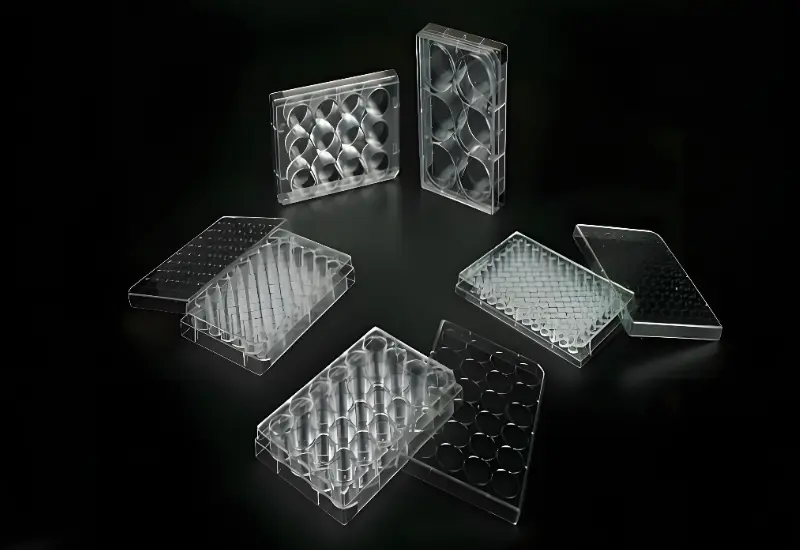
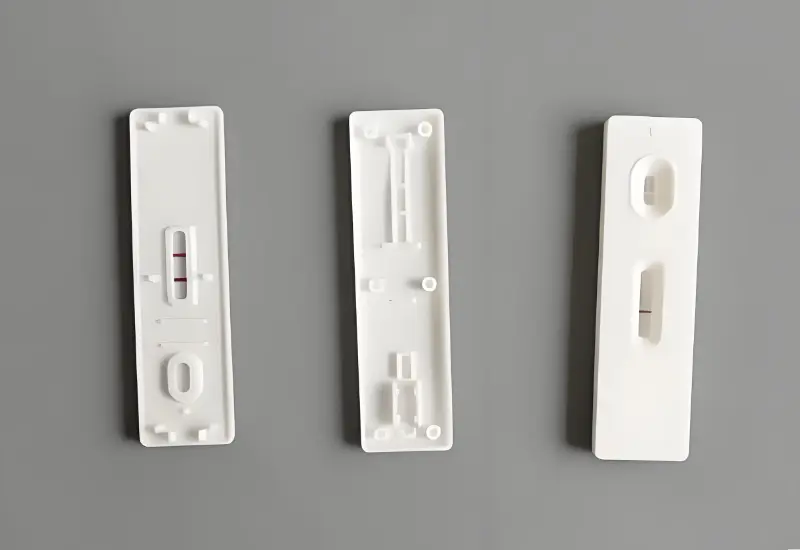
Microplates, pipette tips, PCR tube strips, lateral flow cassette housings, and IVD reagent cartridges are produced in the hundreds of millions per year. Optical clarity (PC, COP/COC) is critical for devices that measure light transmission — even sub-micron surface contamination from the molding environment can affect assay results.
Wearable & Monitoring Devices
Class II · ISO Class 7-8
Continuous glucose monitors, cardiac event recorders, pulse oximeter housings, and wearable ECG patches use injection-molded PC and TPU enclosures. Weight is a primary design constraint — polymer enclosures are 40–50% lighter than equivalent metal alternatives.
Fecision Medical Injection Molding Case
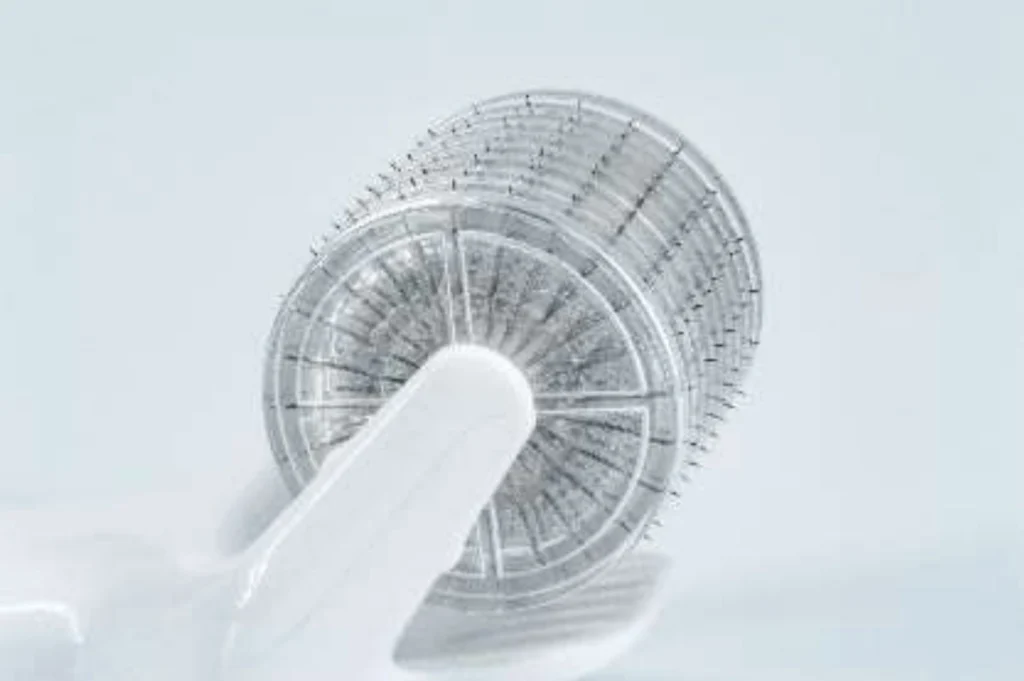
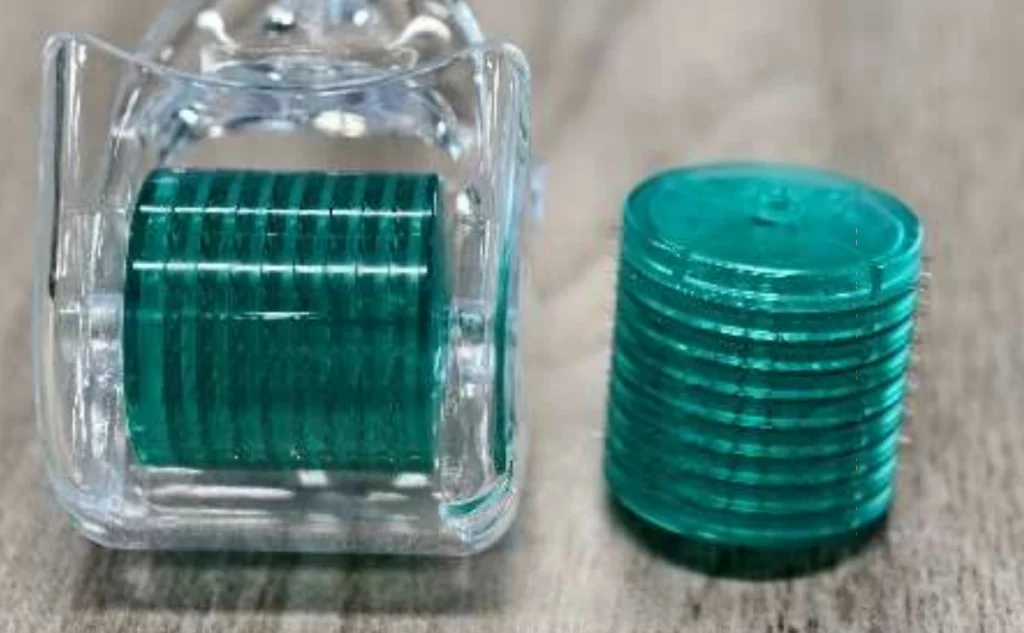
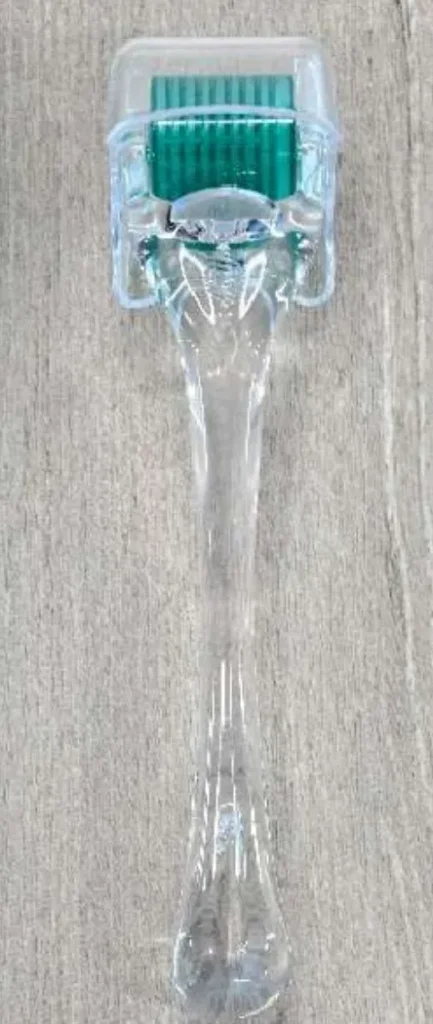
Medical Derma Roller Devices
- These derma roller devices represent our capability in patient-contact medical injection molding, where surface finish precision and material biocompatibility directly impact clinical outcomes.
- The housings and functional components are molded from medical-grade polymers selected for skin-contact safety and sterilization compatibility, with full material traceability from raw pellet to finished device.
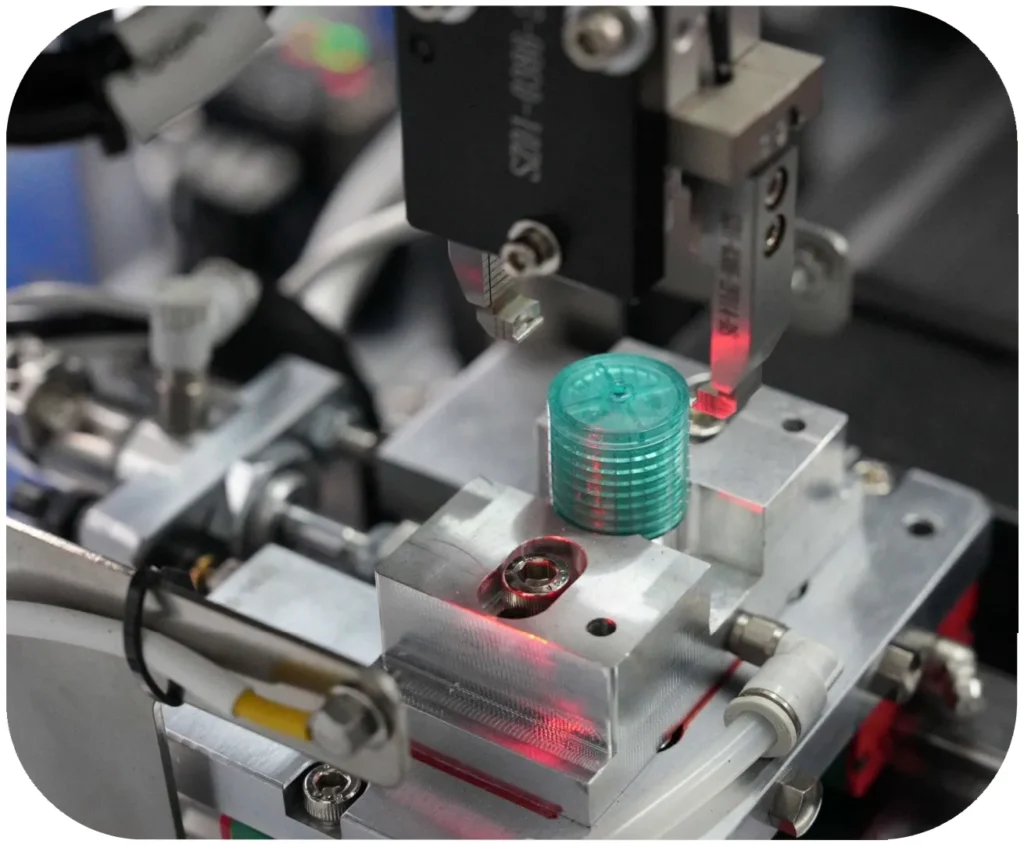
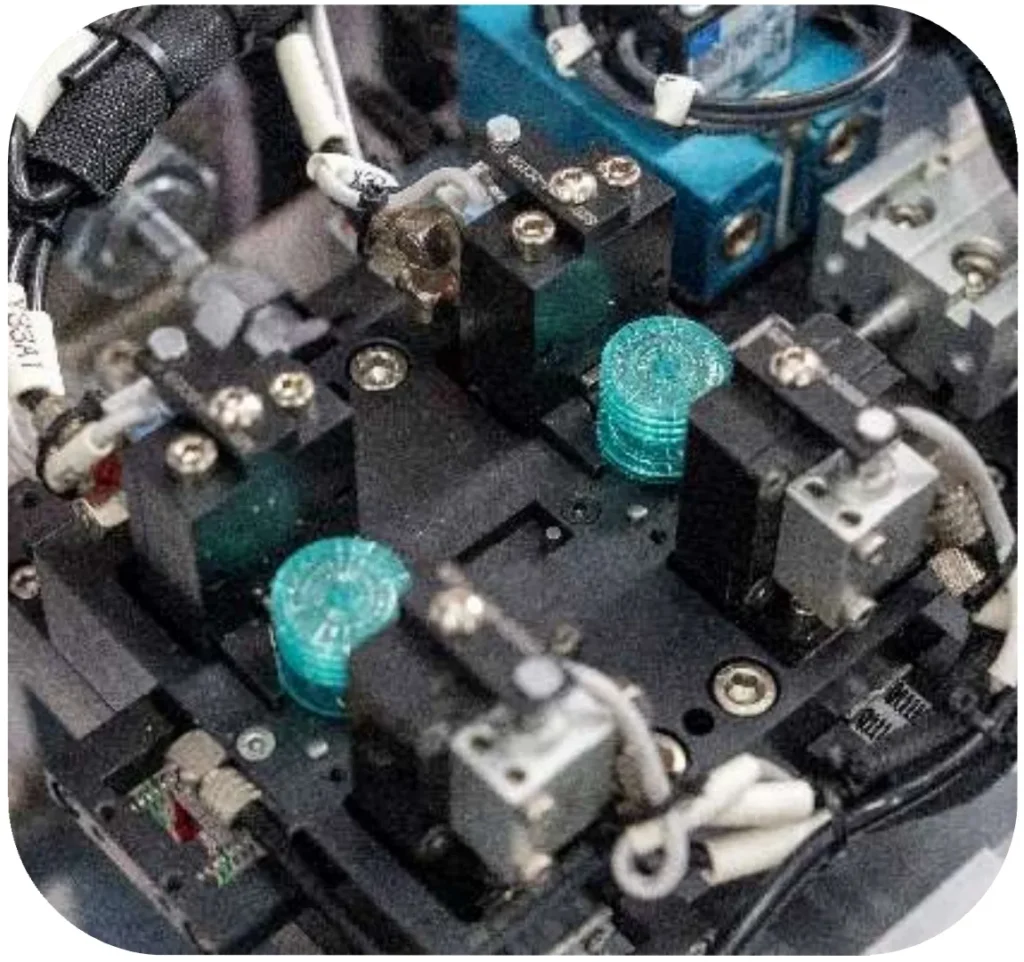
- The production process is totally automatic. Manufactured under our ISO 13485-certified quality system, each component undergoes validated process controls to ensure consistent performance for Class I and Class II medical device applications.
- This project leveraged our active medical device manufacturing registration, allowing seamless integration into the client’s regulatory submission pathway.
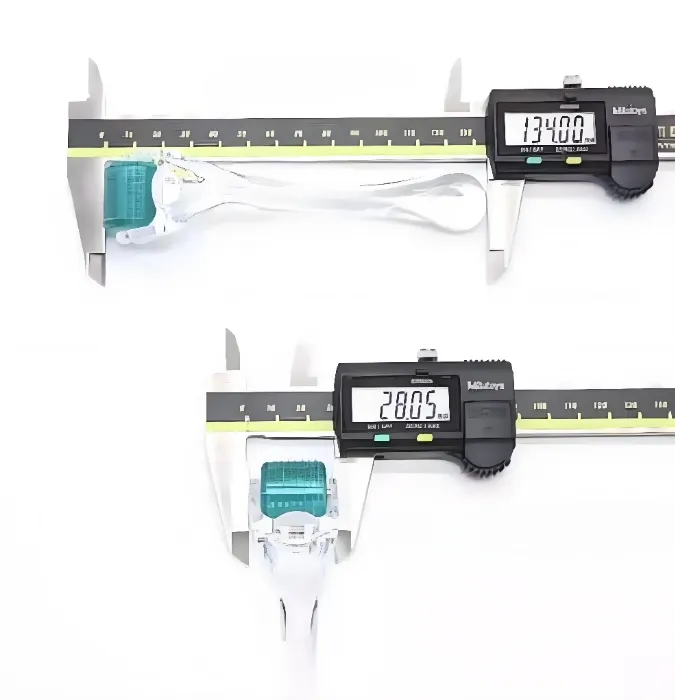
- These derma roller housings are molded to tight dimensional tolerances that ensure consistent needle depth across the treatment surface—a critical parameter for both efficacy and patient safety. The transparent PC handle and roller head assembly maintain ±0.05mm repeatability on critical dimensions (134.00mm overall length, 28.05mm roller width).
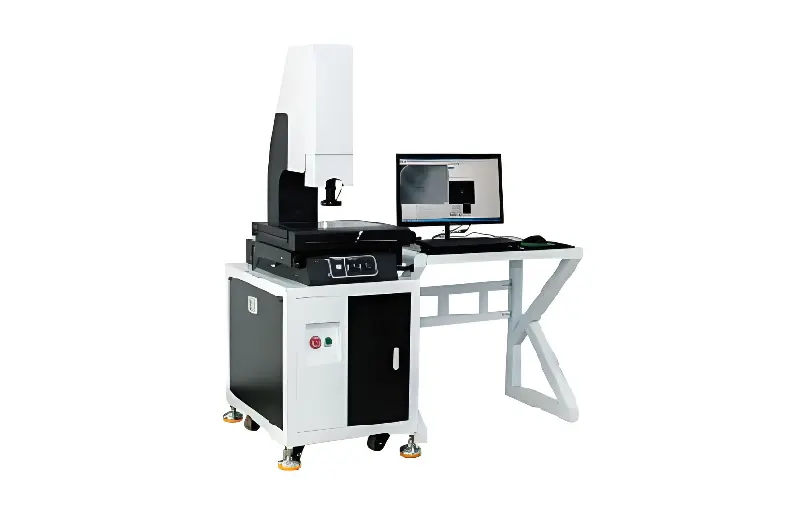
- The housing design accommodates both mass-production (0.25mm, 0.5mm) and small-batch (1.0mm–2.0mm) needle variants through precision-molded interface geometry, with critical dimensions verified via CMM inspection under ISO 13485 process controls.
- The end products have obtained Class I Medical Device Certification (for medical microneedle rollers) and Class II Medical Device Certification (for cosmetic microneedle rollers).
What Separates a Medical Molding Partner
from a Standard Injection Molder
ISO 13485 certification is a starting point, not a differentiator. What matters is what the quality system actually covers — and whether the engineering team behind it can identify your device's specific failure modes before tooling is cut.
Common Questions
Medical Injection Molding Service FAQs
Questions from engineering managers, QA directors, and procurement teams evaluating medical molding partners. Answered with actual process data.
Start Your Medical Injection Molding Program
Upload your 3D file or 2D drawing. Our engineers run a full medical DFM review — material selection, cleanroom classification, sterilisation compatibility, gate strategy, and validation pathway — and return it within one business day. No charge.