
Custom Two Shot Injection Molding Services
ISO 9001:2015 Certified Processes
ISO 13485: 2016 Medical Device
AS9100 Quality Management
ISO 45001: 2018 Certified
In-Process Inspection with CMM
2 Shot Injection Molding
Advanced Manufacturing for Multi-Material Products
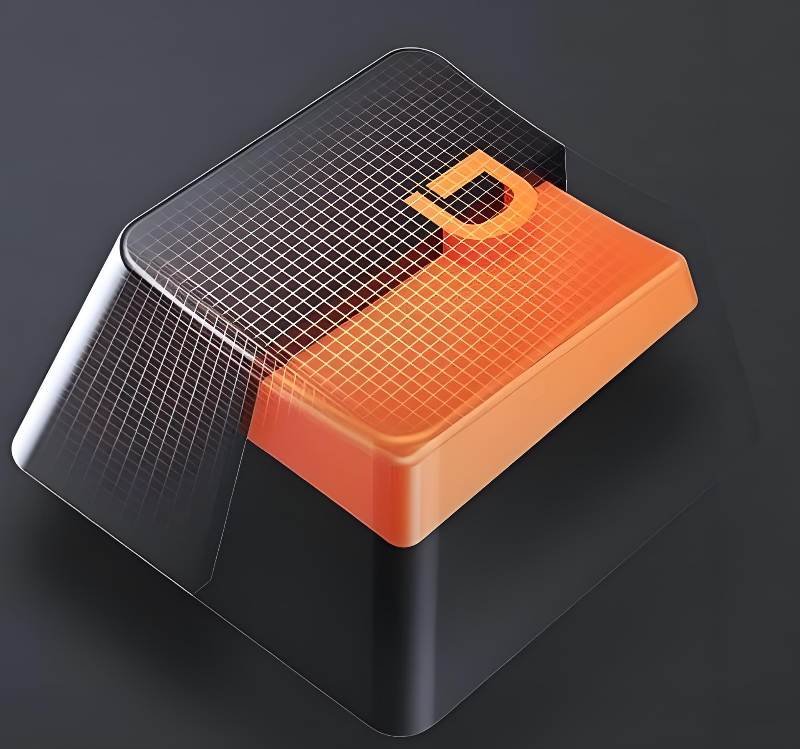
Two shot injection molding, also called 2K injection molding, is a specialized manufacturing process. The technique injects two different materials into a single mold using sequential injection cycles. This creates a unified component with distinct material properties in different zones.
This manufacturing method differs fundamentally from traditional approaches. Single-shot molding creates parts from one material. Two-shot molding enables manufacturers to combine materials with different characteristics. Common combinations include hard plastics with soft rubber, different colored plastics, or materials with varying mechanical properties.
The two materials must be chemically compatible to bond properly. Material selection requires understanding of polymer chemistry and bonding characteristics. When properly executed, the bond strength between materials often exceeds the strength of the individual materials themselves.
Material Capabilities
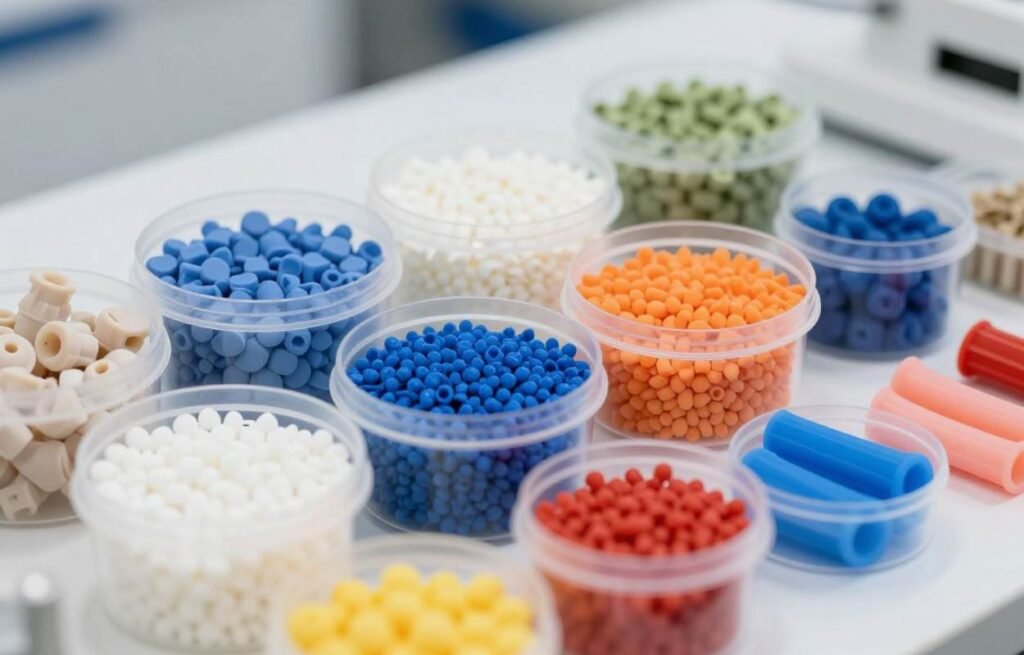
Two shot injection molding works with a wide range of thermoplastic materials.
Material selection depends on application requirements, bonding compatibility, and processing characteristics.
Rigid Plastic Substrates
Engineering thermoplastics provide excellent substrate materials. These materials offer structural strength and dimensional stability. Common substrate materials include ABS, polycarbonate, polypropylene, and nylon. Each material brings specific characteristics to the finished component.
Polycarbonate delivers exceptional impact resistance and clarity. This makes it ideal for products requiring transparent or translucent features. ABS provides good strength at lower cost. Nylon offers superior chemical resistance and mechanical properties for demanding applications.
Elastomeric Overmolds
Elastomeric Overmolds
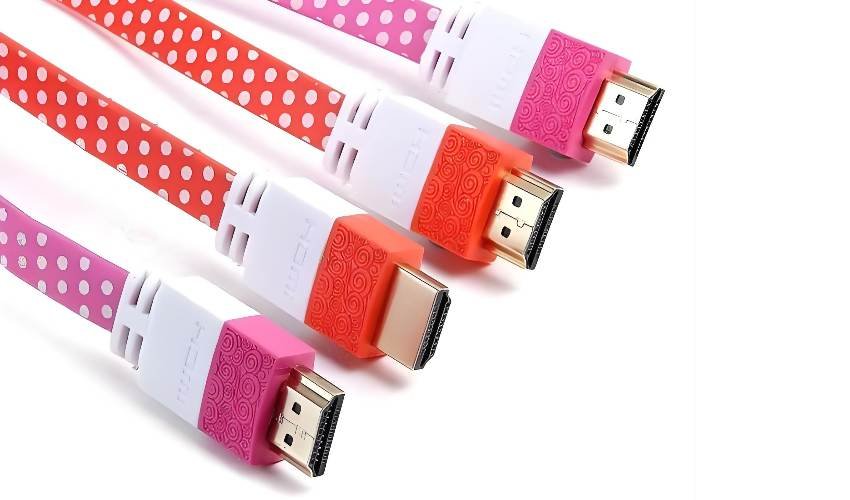
Thermoplastic elastomers (TPE) are the most common second-shot materials. These materials provide soft-touch surfaces, sealing capabilities, and vibration dampening. TPE bonds well with many rigid plastics without adhesives or primers.
Different TPE formulations offer varying hardness levels. Shore A hardness ranges from soft rubber-like materials to firmer compounds. Material selection depends on desired grip characteristics, sealing requirements, or aesthetic preferences.
Material Compatibility Matrix
Not all material combinations bond effectively in the two-shot molding process. Chemical compatibility between substrate and overmold is essential.
Polar materials generally bond with other polar materials. Non-polar materials bond with non-polar materials. Cross-bonding between polar and non-polar materials often requires special tie-layer materials or surface treatments.
| Substrate Material | Compatible Overmold Materials | Bond Strength | Common Applications |
| ABS | TPE, TPU, TPV | Excellent | Hand tools, consumer electronics |
| Polycarbonate | TPE, TPU, Silicone | Excellent | Medical devices, optical components |
| Polypropylene | TPE, TPV, SEBS | Good to Excellent | Automotive interiors, packaging |
| Nylon (PA) | TPE, TPU | Good | Industrial components, connectors |
| Acetal (POM) | TPE, TPU | Good | Gears, precision components |
Material Selection Criteria
Operating temperature ranges affect material choice significantly. Chemical exposure requirements narrow material options. Regulatory compliance, particularly for medical or food-contact applications, dictates specific material grades.
Cost considerations balance material performance against budget constraints. Higher-performance materials increase part costs but may reduce overall system costs through improved functionality or reduced assembly requirements.
Specialized Material Options
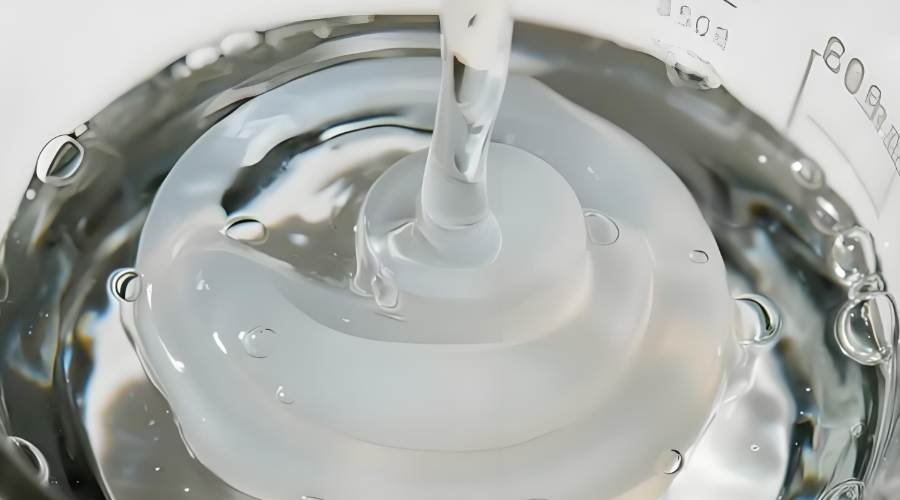
Liquid silicone rubber (LSR) expands two-shot capabilities. LSR provides superior temperature resistance and biocompatibility. Medical device manufacturers frequently specify LSR for patient-contact applications. The material offers excellent chemical resistance and long-term stability.
Conductive materials enable two-shot molding of electronic components. Electrically conductive plastics combine with insulators in single parts. This technology creates complex electronic housings with integrated shielding or contact points.
Key Points for Two Shot Injection Mold Design
Two shot injection mold design requires specialized engineering expertise. The mold must accommodate two different materials while ensuring proper bonding and part quality. Several critical factors determine successful mold design for two-shot injection molding applications.
Core Rotation and Transfer Systems
The mold design must include a reliable rotation or transfer mechanism. This system moves the first-shot substrate to the second injection position. Core rotation mechanisms are most common in production environments. The rotation must be precise to ensure proper alignment between shots.
Transfer systems provide an alternative approach. These mechanisms physically move the part between different mold cavities. The choice between rotation and transfer depends on part geometry, production volume, and specific material requirements.
Material Bonding Considerations
Engineers must create surfaces that promote material bonding. The first-shot surface often includes undercuts or textured areas. These features create mechanical interlocking between materials. The design should maximize surface contact area between the two materials.
Gate location critically impacts bond quality. Designers position second-shot gates to ensure complete material flow across bonding surfaces. Poor gate placement leads to weak bonds or visible flow marks on finished components.
Thermal Management Requirements
Two-shot molds require sophisticated cooling systems. Each material may need different cooling rates. The mold design must maintain proper temperatures for both substrate and overmold materials. Inadequate cooling causes warping, incomplete bonding, or extended cycle time.
Cooling channel placement requires careful calculation. Engineers should balance rapid cooling against the need for proper material bonding. Advanced mold designs incorporate conformal cooling channels for optimal thermal management.
Mold Material Selection
Tool steel selection impacts mold longevity and part quality. High-production molds require hardened steel to withstand injection pressures. The steel must resist wear from both injected materials and the mechanical rotation or transfer system.
Surface finishes affect both part aesthetics and material bonding. Polished surfaces produce high-gloss parts but may reduce mechanical bonding. Textured surfaces enhance bonding strength but create specific aesthetic effects on the finished product.
The first-shot substrate forms the foundation of the component. Design requirements ensure successful second-shot bonding and overall part integrity.
- Adequate wall thickness for structural integrity
- Undercuts or texture for mechanical bonding
- Proper draft angles for part ejection
- Strategic rib placement for reinforcement
The second-shot overmold must complement the substrate while achieving desired functional and aesthetic objectives.
- Compatible material flow characteristics
- Sufficient thickness for complete encapsulation
- Venting provisions for air escape
- Consideration of material shrinkage differences
Proper gate and runner design ensures optimal material flow and part quality throughout the two-shot injection molding process.
- Hot runner systems for reduced material waste
- Multiple gates for large or complex parts
- Balanced flow for consistent filling
- Easy runner removal and recycling
Effective part ejection prevents damage to the finished component while maintaining production efficiency.
- Strategic ejector pin placement
- Sleeve ejectors for thin-walled sections
- Air ejection for delicate features
- Stripper plates for complex geometries
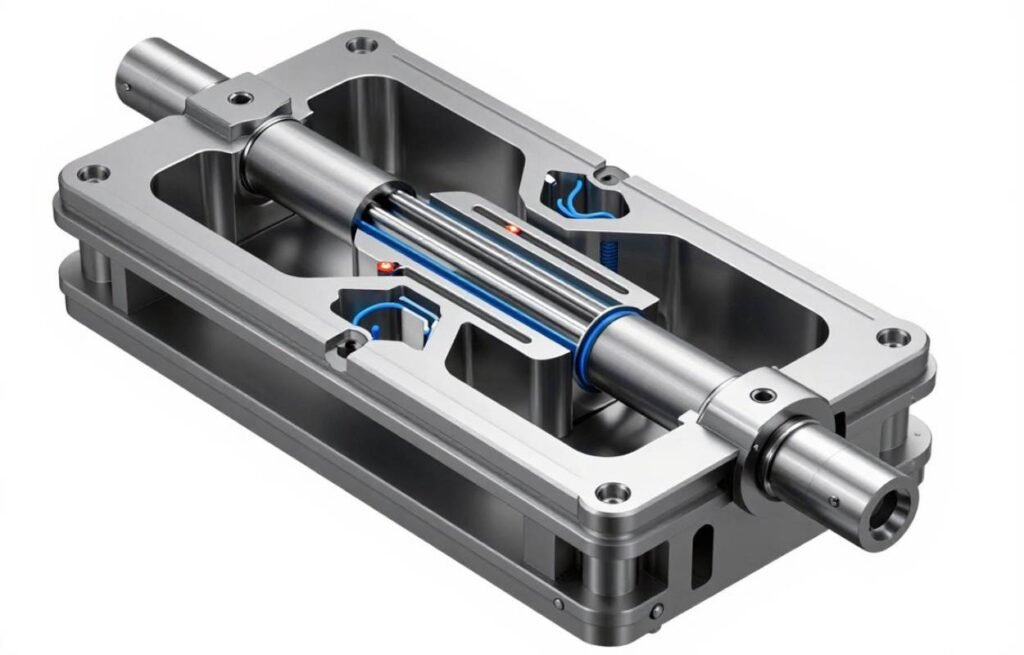
Two-Shot Injection Molding Process
The two-shot injection molding process follows a precisely controlled sequence. Each step must execute flawlessly to produce quality multi-material components.
First Material Injection
The process begins with the first injection unit. Plastic pellets enter the machine barrel where heating elements melt the material. The screw mechanism advances, injecting molten plastic into the first mold cavity. Injection pressure and speed follow predetermined parameters based on material characteristics.
The first shot creates the substrate component. This substrate forms the foundation for the second material. Cooling begins immediately after injection. The substrate must cool sufficiently to maintain its shape during rotation or transfer.

Second Material Injection
The second injection unit activates once the substrate reaches position. The second material flows into the mold cavity surrounding or bonding with the substrate. Processing parameters for the second shot may differ significantly from the first injection.
Material temperature, injection pressure, and flow rate require careful control. The second material must flow completely around substrate features. Incomplete filling creates quality defects or weak bonding areas in the final component.

Mold Design & Fabrication
The second injection unit activates once the substrate reaches position. The second material flows into the mold cavity surrounding or bonding with the substrate. Processing parameters for the second shot may differ significantly from the first injection.
Material temperature, injection pressure, and flow rate require careful control. The second material must flow completely around substrate features. Incomplete filling creates quality defects or weak bonding areas in the final component.

Final Cooling and Ejection
Both materials cool together in the final configuration. Cooling time depends on part thickness, material properties, and quality requirements. The mold remains closed until both materials solidify completely.
Ejector pins push the finished part from the mold cavity. The component exits as a single unified part. No additional assembly or bonding operations are necessary. The part proceeds directly to quality inspection and packaging.

Process Efficiency
Modern two-shot injection molding machines complete full cycles in 30-90 seconds depending on part size and complexity. This represents significant time savings compared to manufacturing and assembling separate components.
2 Shot Injection Molding vs. Overmolding
Overmolding and two-shot injection molding both create multi-material components. However, these processes differ significantly in execution, capabilities, and economics.
| Comparison Factor | Overmolding | 2-Shot Injection Molding |
| Process Complexity | Lower – uses standard equipment | Higher – requires specialized machines |
| Tooling Investment | $15,000 – $50,000 typical | $50,000 – $150,000+ typical |
| Cycle Time | Longer – separate operations | Shorter – integrated process |
| Labor Requirements | Higher – manual part handling | Lower – automated process |
| Best For | Low to medium volume (under 50,000 parts/year) | High volume (over 50,000 parts/year) |
| Quality Consistency | Good – some variation from handling | Excellent – fully automated |
| Bond Strength | Good – may require surface prep | Excellent – optimal bonding conditions |
| Design Flexibility | High – easier prototype changes | Moderate – complex mold changes |
Benefits of Two Shot Injection Molding
Two-shot injection molding delivers substantial advantages over traditional manufacturing methods. These benefits span production efficiency, product quality, and cost-effectiveness. Manufacturers across industries leverage these advantages to create superior products.
Elimination of Assembly Operations
Two-shot molding produces complete parts in a single operation. Traditional methods require manufacturing separate components followed by assembly. Assembly processes introduce additional costs for labor, fixtures, and quality control. Two-shot injection molding eliminates these entire process steps.
The elimination of assembly reduces production time significantly. Parts move directly from the molding machine to packaging. This streamlined workflow decreases inventory requirements and simplifies production scheduling.
Superior Bond Strength
The molecular bonding between materials exceeds mechanical fastening strength. Chemical bonds form at the interface between compatible materials. This creates a permanent connection that won't separate during product use.
Adhesive bonding introduces failure points in assembled products. Adhesives degrade over time due to temperature cycling, chemical exposure, or mechanical stress. Two-shot molding creates bonds that maintain integrity throughout the product lifecycle.
Enhanced Product Aesthetics
Two-color injection molding creates visually striking products. Color combinations, textures, and material finishes achieve effects impossible with single-material parts. The process eliminates visible seams or gaps between different material zones.
Surface quality remains consistent across both materials. There's no need for secondary decoration processes like painting or pad printing. Colors and textures are integral to the molded component itself.
Improved Product Performance
Two-shot injection molding enables functional integration impossible with single materials. Soft-touch grips combine with rigid structural components. Sealing surfaces integrate directly with housing components. These multi-material designs enhance product performance and user experience.
The process allows precise control of material properties in different zones. Engineers specify exactly where products need flexibility, rigidity, chemical resistance, or other characteristics. This optimization improves overall product functionality.
When to Choose Two Color Injection Molding
Selecting two-shot injection molding requires careful evaluation of product requirements and business factors.
Several key indicators suggest when this manufacturing method provides optimal value.
Product Complexity Requirements
Parts requiring precise alignment between materials favor two-shot molding. The integrated process maintains exact positioning impossible to achieve with manual assembly. Medical devices, connectors, and precision instruments particularly benefit from this accuracy.
Products with multiple material interfaces need two-shot manufacturing. Creating seamless transitions between hard and soft materials enhances aesthetics and functionality. Consumer products competing on design quality gain significant advantages from two-shot capabilities.
Design Flexibility Needs
Two-shot molding enables design features impossible with other processes. Ergonomic products benefit from strategic material placement. Soft-touch zones appear exactly where users grip the product. Rigid structural areas provide necessary strength without compromising comfort.
Color and aesthetic requirements may drive process selection. Two-color injection molding creates permanent color contrasts without painting or decorating. Logos, brand elements, and visual design features integrate directly into the molded component.
Technical Indicators
Specific technical requirements strongly indicate two-shot molding as the optimal choice for manufacturing success.
- Parts require permanent bonding between dissimilar materials
- Sealing performance must meet IP67 or higher ratings
- Component must withstand extreme temperature cycling
- Precise dimensional tolerances across material boundaries
- Chemical resistance needed at material interfaces
- Product requires integrated electrical or optical properties
- Weight reduction is critical design objective
- Vibration dampening across specific part zones
Business Indicatorsv
Business and operational factors often determine whether two-shot molding delivers acceptable return on investment.
- Long product lifecycle expected (3+ years)
- High annual production volume committed
- Labor costs represent significant expense
- Assembly quality issues drive warranty costs
- Faster time-to-market provides competitive advantage
- Brand positioning emphasizes premium quality
- Inventory carrying costs are substantial
- Supply chain simplification adds value
Not Sure If Two-Shot Molding Is Right for Your Project?
Our experienced engineers will evaluate your specific requirements including volume projections, quality needs, and cost targets. We'll recommend the optimal manufacturing approach and provide detailed comparisons between two-shot molding and alternative processes.
Two-Shot Injection Molding Applications & Industries
Medical Device Manufacturing
Drug delivery devices utilize two-shot technology extensively. Insulin pens, inhalers, and auto-injectors integrate multiple materials for functionality and ease of use.
Consumer Electronics Products
Power tool housings represent significant two-shot applications. Hard plastic bodies combine with rubber overmolds for improved grip and vibration dampening.
Telecommunications Equipment
Fiber optic components require precision manufacturing. Two-shot molding creates protective housings with integrated strain relief.
Two-Shot Injection Molding FAQ
Not all plastic combinations work in two-shot injection molding. Materials must be chemically compatible to form strong bonds. Polar materials bond with other polar materials, while non-polar materials bond with non-polar materials. Your manufacturer can provide compatibility charts showing which material pairings produce optimal results for your application.
Cycle times range from 30 seconds to 2 minutes depending on part size and material thickness. Small parts with thin walls may complete in 30-45 seconds. Larger parts or those with thick sections require 60-120 seconds for proper cooling. Cycle time directly impacts production costs and delivery schedules.
Color changes are possible but require machine purging and material changeover time. Planning production runs by color minimizes changeover costs. Some manufacturers maintain dedicated machines for specific color combinations to avoid frequent changes. Discuss your color variation requirements early in the project planning phase.
Two-shot mold development typically requires 8-16 weeks depending on part complexity. Simple molds may complete in 8-10 weeks. Complex designs with intricate rotation mechanisms or multiple cavities can take 12-16 weeks. The timeline includes design, fabrication, and initial sampling for approval.
Minimum order quantities vary by manufacturer but typically start at 10,000-25,000 parts. The high tooling investment makes smaller quantities economically challenging. Some manufacturers offer prototype runs of 500-1,000 parts using temporary aluminum molds before committing to production tooling.
Need to discuss 2 color injection molding project?
Our expert engineers can analyze your application requirements and recommend the optimal solution.
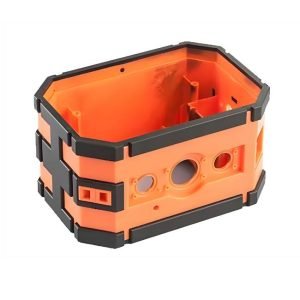
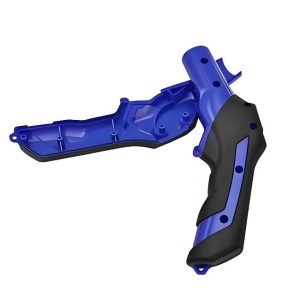
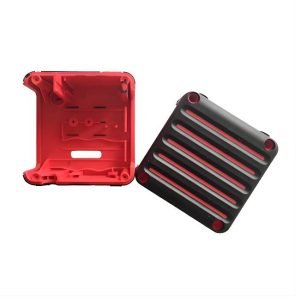
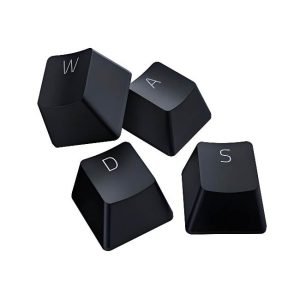
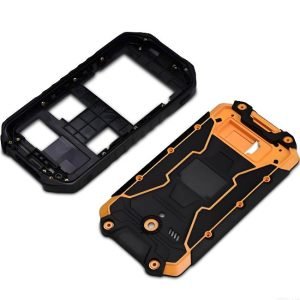
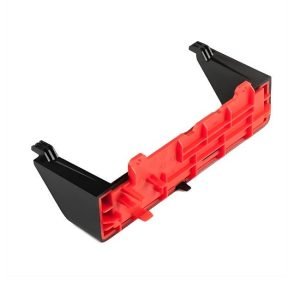
2 Shot Injection Molding Parts at Glance
Get Started with Two Shot Injection Molding Services
Ready to enhance your product with custom 2 shot injection molding?
Contact us today to discuss your project requirements and receive a competitive quote.
Related Resources

What Is Two Color Injection Molding?
Stop assembly: Learn how two color injection molding fuses two plastics into one durable, high-precision part, saving time and labor costs.
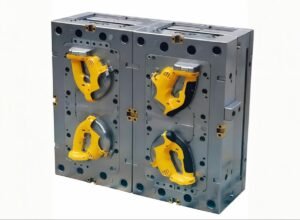
What Is Two Shot Injection Molding?
Discover two-shot injection molding: single-cycle, dual-material precision. Cut assembly costs and boost product strength now.
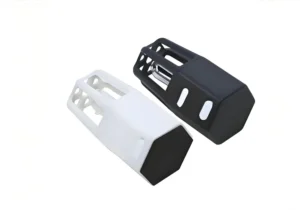
What Is Co-Injection Molding? Process, Benefits, and Applications
Co-injection molding explained: sandwich structure, sequential vs. simultaneous process, cost benefits, material compatibility, limitations, and comparison to overmolding and two-shot molding.