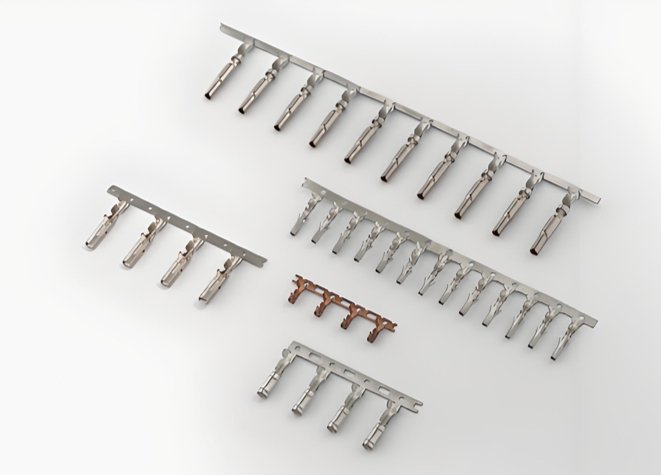
Precision Metal Stamping Solutions
Start your project now
ISO 9001: 2015 Certified Processes
ISO 13485: 2016 Medical Device
IATF 16949: 2016 Automotive
AS9100 Quality Management
Faster Lead Time for Production Needs
In-Process Inspection with CMM
Metal Stamping Services
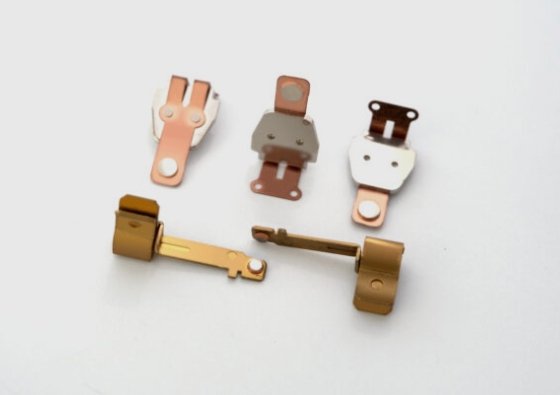
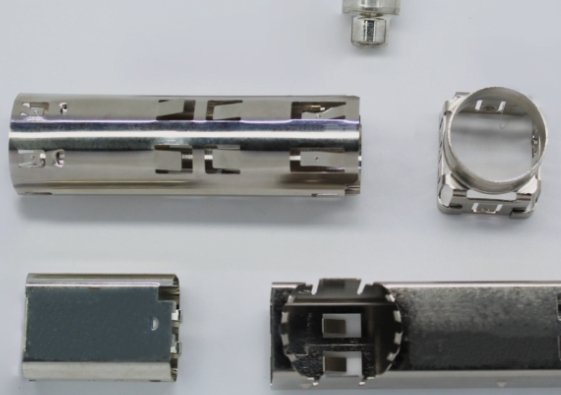
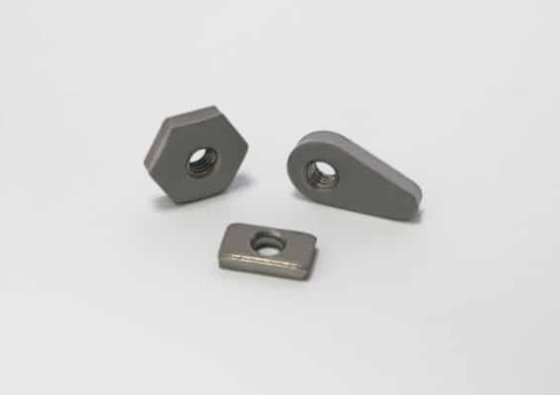
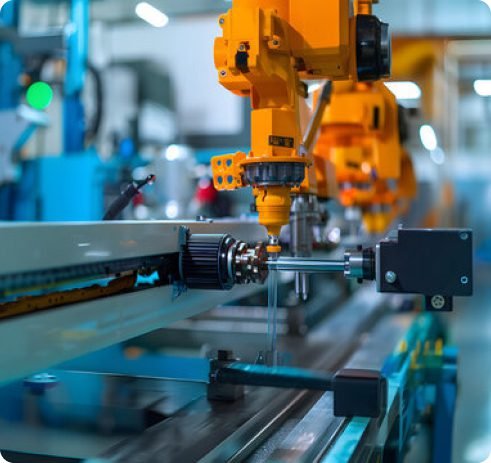
Metal stamping is a highly flexible and efficient manufacturing process to convert flat metal sheets or coils into precisely designed, intricate parts. Our metal stamping services involve using presses and dies to shape flat metal sheets into various forms.
Through the application of force, pressure, and specialized tooling, we are able to create components with a variety of features, such as bends, curves, cutouts, and embossed details.
The process involves various techniques such as punching, blanking, bending, and forming, allowing for complex geometries and tight tolerances. Metal stamping offers cost advantages over other manufacturing methods for high-volume production runs.
Fecision Metal Stamping Service Overview
Precision Stamping
High-accuracy components with tight tolerances up to ±0.001 inches for critical applications.
Tool & Die Making
In-house design and manufacturing of custom dies for prototype and production runs.
Secondary Operations
Complete solution including welding, assembly, plating, and finishing services.
Engineering Support
Design assistance, material selection, and process optimization for cost reduction.
Quality Assurance
Comprehensive testing and inspection processes ensuring compliance with industry standards.
Just-In-Time Delivery
Reliable supply chain management ensuring on-time delivery for your production schedule.
Metal Stamping Types
Progressive Die Stamping
Fourslide Stamping
Deep Draw Stamping
Short Run Stamping
Types of Stamping Process
Blanking & Piercing
Cutting flat shapes from sheet metal or creating holes and openings in material.
Bending
Forming metal into angles or curves using dies to achieve precise shapes.
Drawing
Forming deep, hollow parts by stretching metal around a punch and die.
Embossing
Creating raised or recessed designs on metal surfaces for decoration or functionality.
Flanging
Creating a flange or rim along the edge of a part for strength or assembly purposes.
Speak With Our Engineering Team
Discuss your specific application challenges.
Metal Stamping Capabilities
Standard | Technical Data |
Tolerances | As tight as ±0.001 inches (0.025 mm) |
Dimensional Stability | Parts maintain shape and size over long production runs |
Cycle Time | Range from 15 to 60 seconds per part |
Output | Up to 1000+ parts per hour |
Material Waste | Less than 5% |
Recyclability | Many plastics such as PET, PP, and ABS, are recyclable |
Cost Per Unit | Offset by low per-unit costs in mass production |
Tooling Longevity | Hundreds of thousands to millions of cycles |
Surface Finishes | Typically Ra 0.4 – 1.6μm |
Energy Efficiency | Up to 30% improvement |
Material Variety | Over 200 different plastic materials |
Metal Stamping Production Volumes
We accommodate production runs of all sizes, from prototypes to high-volume manufacturing, with the flexibility to scale according to your needs.
Metal Stamping Materials
Materials used for metal stamping vary depending on the specific requirements of the part being produced, including factors like strength, flexibility, corrosion resistance, and cost.
Carbon Steel
An iron-carbon alloy containing up to 2.1% carbon, often with small amounts of manganese, silicon, or sulfur.
- Low-carbon Steel
- Medium-carbon Steel
- High-carbon Steel
Properties:
High strength-to-weight ratio.
Good ductility and machinability.
Cost-effective and widely available.
Can be heat-treated for enhanced properties.
Application:
Automotive: Engine components, chassis parts.
Construction: Structural beams, fasteners.
Machinery: Gears, shafts, tools.
Stainless Steel
A steel alloy with ≥10.5% chromium, offering corrosion resistance. Common grades include 304 (austenitic) and 430 (ferritic).
- Austenitic (e.g., 304, 316)
- Ferritic (e.g., 430)、
- Martensitic (e.g., 410)
- Duplex Stainless Steel
Properties:
- Excellent corrosion/oxidation resistance.
- Aesthetic finish and hygienic properties.
- High temperature tolerance.
Application:
Medical: Surgical instruments, implants.
Food Processing: Tanks, conveyor systems.
Architecture: Decorative panels, railings.
Aluminum
A lightweight, corrosion-resistant metal that is non-ferrous and easily machinable.
- Aluminum: 1000 series (pure aluminum)
- 2000 series (aluminum-copper alloys)
- 3000 series (aluminum-manganese alloys)
- 6000 series (aluminum-magnesium-silicon alloys)
- 7000 series (aluminum-zinc alloys)
Properties:
- Lightweight: Weighs significantly less than steel
- Corrosion Resistance: Naturally forms a protective oxide layer
- Ductility: Easily formed into various shapes
- Thermal Conductivity: Good conductor of heat, useful in heat exchangers
Application:
- Aerospace: Aircraft fuselages, wing structures, engine parts.
- Automotive: Lightweight vehicle components, wheels, body panels.
- Electronics: Housing for electronic devices
Aluminum Alloys
Aluminum mixed with elements like copper, silicon, or magnesium to enhance strength and workability.
Properties:
Lightweight (1/3 the density of steel).
High electrical/thermal conductivity.
Naturally corrosion-resistant.
Application:
Aerospace: Aircraft fuselages, wing components.
Automotive: Body panels, heat exchangers.
Packaging: Beverage cans, foil.
Copper
A ductile, non-ferrous metal with high electrical conductivity. Often alloyed with zinc (brass) or tin (bronze).
- Pure Copper
- Bronze: Tin Bronze, Aluminum Bronze, Phosphor Bronze
- Brass: Leaded Brass, Free-Machining Brass, High-strength Brass
Properties:
Superior electrical/thermal conductivity.
Antimicrobial properties.
Malleable and recyclable.
Applications:
Electronics: Circuitry, connectors.
Plumbing: Pipes, fittings.
Renewable Energy: Solar panels, wind turbines.
Brass
An alloy of copper and zinc, often with lead for machinability.
Properties:
- Good wear resistance.
- Aesthetic gold-like appearance.
- Excellent acoustic properties.
Applications:
- Musical Instruments: Trumpets, valves.
- Decorative Hardware: Door handles, fixtures.
- Marine: Corrosion-resistant fittings.
Titanium
A strong, lightweight, and corrosion-resistant metal often used in high-performance applications.
Properties:
- High Strength-to-Weight Ratio
- Outstanding resistance to corrosion, especially in saltwater environments
- Biocompatibility: Non-toxic
- Temperature Resistance: Performs well in high-temperature environments
Applications:
- Aerospace: Turbines, landing gear, structural parts
- Medical: Implants, prosthetics, surgical tools
- Marine: Ship hulls, offshore drilling equipment
Titanium Alloys
Titanium combined with elements like aluminum or vanadium for enhanced strength and biocompatibility.
Properties:
- Exceptional strength-to-weight ratio.
- Biocompatible and corrosion-resistant.
- High melting point.
Application:
- Aerospace: Jet engine components, airframes.
- Medical: Orthopedic implants, dental devices.
- Chemical Processing: Reactors, heat exchangers.
Tungsten & Molybdenum
Refractory metals with extremely high melting points.
Properties:
- Exceptional heat resistance
- High density (tungsten) or strength (molybdenum)
- Brittle at room temperature
Application:
- Defense: Armor-piercing projectiles.
- Semiconductors: Heat sinks, sputtering targets.
- Lighting: Filaments in bulbs.
Nickel-Chromium Alloys (Inconel)
Inconel is a family of nickel-chromium-based superalloys designed for extreme environments. These alloys are classified as precipitation-hardened or solid-solution strengthened, balancing high-temperature stability with corrosion resistance.
Properties:
Exceptional High-Temperature Performance
Superior Corrosion Resistance
Versatility in Harsh Environments
- High Mechanical Strength
Application:
Aerospace: Combustors (Inconel 600), turbine disks (Inconel 718), and exhaust systems for Jet engines, High-strength components for Rocketry
Energy & Nuclear: Steam generator tubing (Inconel 690) and reactor core components, Subsea pipelines, valves, and drilling tools
Marine Engineering: Propeller shafts, seawater pumps, desalination plants
After stamping, additional post-processing steps such as deburring to smooth out sharp edges, cleaning, surface treatments, and coating are often carried out by professionals to enhance the stamped parts' appearance, strength, and usability.
Metal Stamping Finishing Options
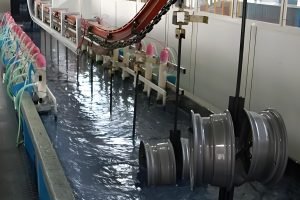
Coating
Apply a layer to protect, decorate, or modify the properties of an object
- Powder Coating
- Paint Spraying
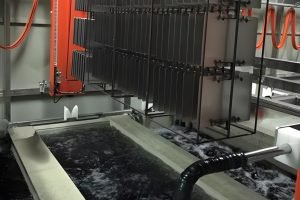
Electroplating
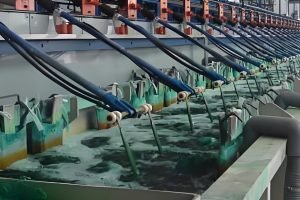
Use an electric current to deposit a thin layer of metal onto a substrate
- Chrome Electroplating
- Nickel Electroplating
- Gold Electroplating
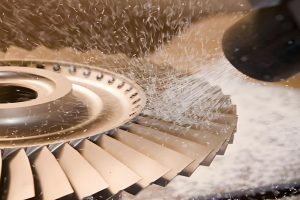
Sandblasting
Compressed air propels abrasive materials like sand or grit at high speed onto an object’s surface.
- Wet Sandblasting
- Dry Sandblasting
Anodizing
An electrochemical process used to increase the thickness of the natural oxide layer on the surface of metal objects.
- Silver Anodizing
- Hard Anodizing
EPD (Electrophoretic Deposition)
A process in which charged particles in a colloidal suspension move under the influence of an electric field and are deposited on an electrode surface to form a thin film.
PVD/CVD (Physical/Chemical Vapor Deposition)
Transformation of a solid material into a vapor phase through physical means and then the deposition of this vapor onto a substrate to form a thin film
Etching
A chemical machining process used to selectively remove material from a metal surface
- Chemical Etching (Wet Etching)
- Electrochemical/Electrolytic Etching
- Plasma Etching
Brushing
A surface treatment process that uses brushes to mechanically abrade or polish the surface of a workpiece.
Why Fecision for Metal Stamped Parts?
Industry Expertise
Our team has years of experience across multiple industries, including automotive, medical, consumer goods, electronics, and packaging. We understand the unique challenges of each sector and offer expert solutions tailored to your needs.
Quality Assurance
Our products are trusted by high-profile customers from industries across Japan, Germany, the United States, and beyond, meeting strict and complete quality standard. Access to ISO 9001: 2015 quality certification and our manufacturing partners certified to ISO 13485: 2016, ISO 14001: 2015, and IATF 16949: 2016.
Sustainable Practices
We are committed to sustainability and offer eco-friendly plastic options, as well as processes that minimize waste and energy usage, making us a responsible partner for your business.
How to Work with Us
Submit Drawings
For a free quote, please submit a product description along with a technical drawing. We also offer reverse engineering services to assist you.
DFM & Quotation
We will provide a DFM (Design for Manufacturability) report or mold flow analysis report. Please be aware that further discussions may be needed during the process.
Mold Manufacturing
Upon your confirmation to the mold design, our team will begin making mold components, which will then be sent for inspection and assembly.
Metal Stamping
Once the mold is complete, we will initiate the metal forming process. A T1 sample will be provided for you to check whether the product details align with your specifications. After approval we will continue massive production.
Delivery
Your custom-designed metal parts undergoes thorough inspection, will be carefully packaged, and delivered to you.
Recent Projects
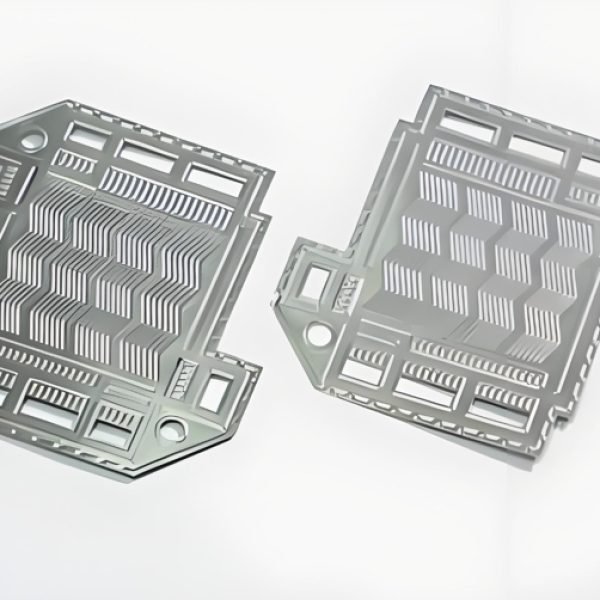
Metallic Bipolar Plates
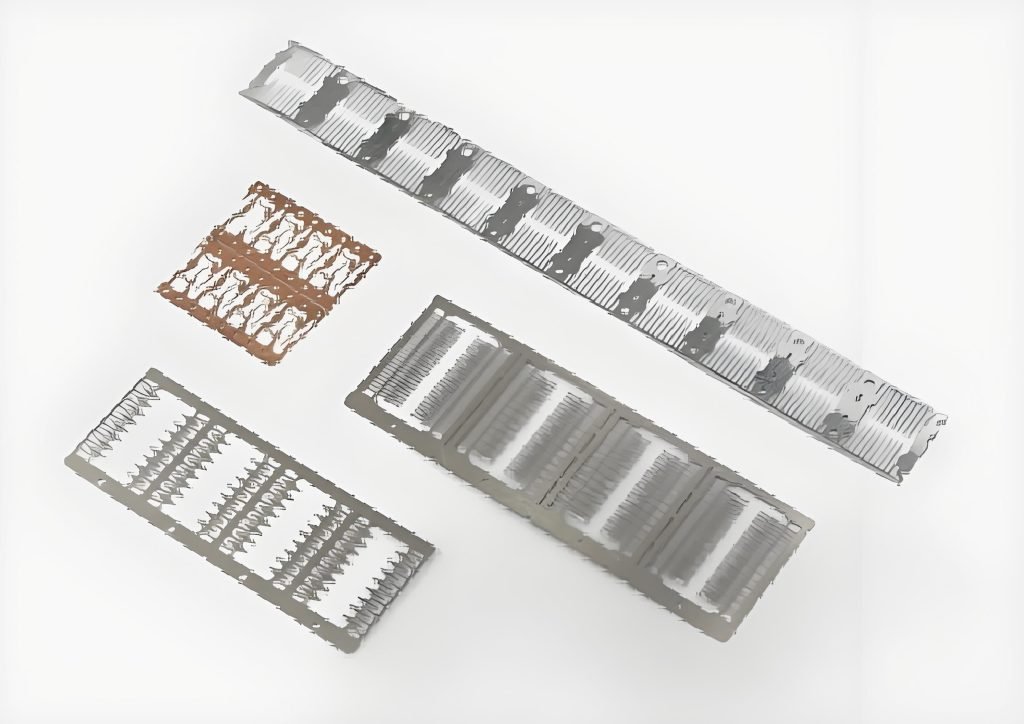
Lead Frame
Busbar
Cage
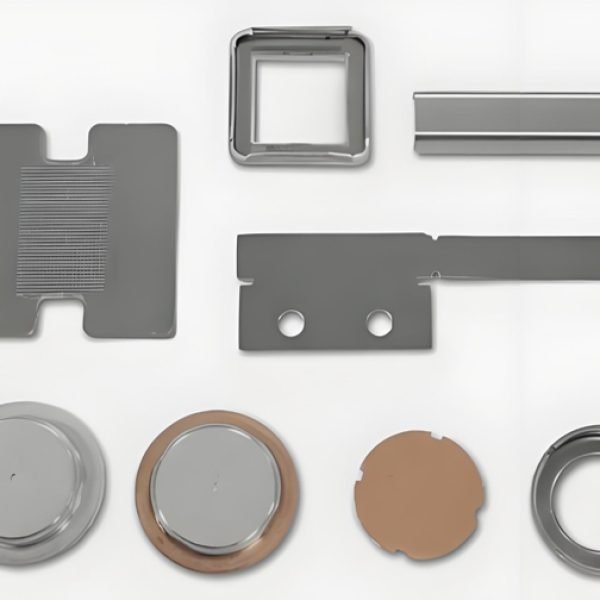
Battery Metal parts
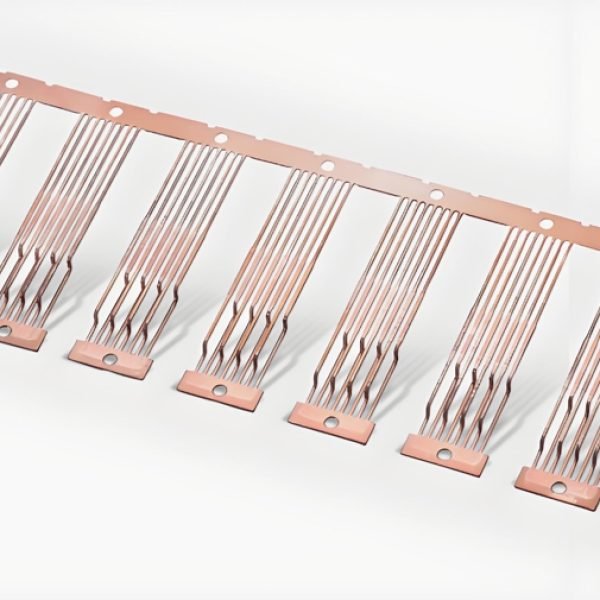
Strip Terminals
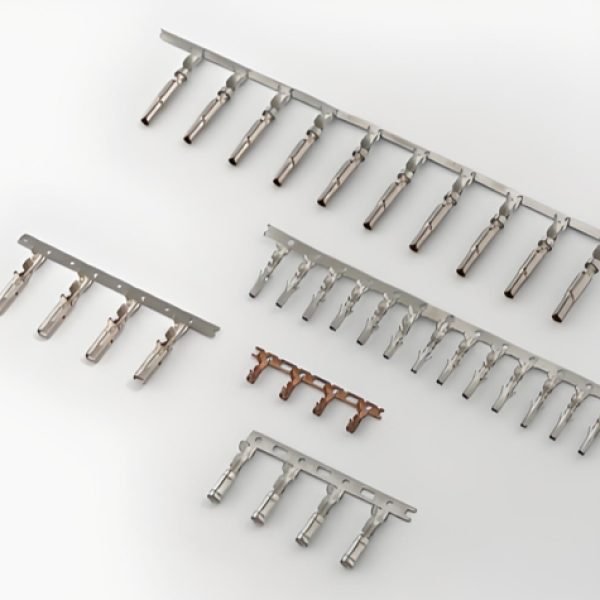
Crimp Terminals
Ready to Start Your Metal Stamping Project?
Contact us today for a free quote or consultation.
Our experts will help you find the optimal metal stamping solution for your specific needs.
Metal Stamping FAQs
Types of metal stamping processes include blanking, piercing, bending, drawing, coining, embossing.
Typically, the design and manufacturing of the tooling can take a few weeks, while the actual setup for the stamping press is usually much quicker, ranging from a few hours to a day, depending on the complexity.
While metal stamping is most commonly used for high-volume production, it can also be used for low-volume production with the right approach. For low volumes, manufacturers may use more cost-effective tooling methods or modify the stamping process to reduce initial costs, such as using existing dies or simpler die designs.
We are committed to delivering the highest quality parts right from the start. That’s why Fecision offers DFM analysis at no charge, ensuring you have all the confidence you need before placing your injection molding order.
At Fecision, we understand the importance of safeguarding your design IP, particularly when dealing with high-value projects. That’s why our platform is built with top-tier security and confidentiality at its core. From login to file upload to part delivery, you can trust that your intellectual property is protected within our secure Digital Manufacturing Ecosystem.