Silicone overmolding is changing the way we manufacture by enabling the creation of durable, ergonomic and high performance components across industries. This advanced process involves molding flexible silicone onto a rigid substrate such as plastic, metal or glass in one single step. The result is a seamless bond that combines structural strength with silicone’s flexibility, comfort and resistance to environmental factors.
Liquid silicone overmolding (LSR overmolding) is the preferred method for producing reliable, multifunctional parts, from medical grips to electronic connectors. This article will cover everything you need to know about silicone overmolding, from the basics and materials to the process, benefits and applications across industries.
According to ASTM D395 testing, silicone overmolded components maintain compression set values of 20-40%, ensuring long-term sealing performance[1].
What is Silicone Overmolding?
Silicone overmolding is a multi-step injection molding process where flexible silicone material is molded directly onto a rigid substrate to create a single integrated component. It’s essentially a two-shot molding process where a base substrate, typically made of plastic or metal, is created first and then silicone is applied over it.
This technique combines the structural strength of the substrate with silicone’s unique properties: temperature resistance (-60°C to 230°C), biocompatibility, and superior grip. The result is a durable high performance part that combines the strength of the substrate with silicone’s unique properties.
The bonding mechanism in silicone overmolding relies on two primary methods: chemical bonding and mechanical interlocking. Chemical bonding occurs when silicone forms molecular adhesion with properly prepared substrate surfaces.
Per ASTM D2000 classification standards, silicone rubber (VMQ/LSR) exhibits excellent adhesion to metals and high-temperature plastics when surface energy exceeds 38 dynes/cm[2].
How It Differs from Traditional Molding
Traditional molding works with single materials whereas overmolding combines multiple materials with complementary properties. Overmolding also creates seamless transitions between hard and soft components without requiring additional assembly steps.
This technique provides better grip, improved ergonomics and better environmental protection than traditional molding methods. Additionally, silicone overmolding eliminates the need for manual assembly, reducing labor costs and strengthening overall product durability through direct material bonding.
The Materials Used in Silicone Overmolding
Silicone overmolding depends primarily on the pairing of rigid substrates with flexible silicone materials. This process combines distinct material properties to create parts with enhanced functionality and durability.
The rigid substrate options include:
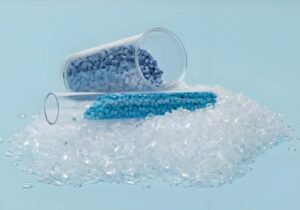
Thermoplastics provide structural integrity. It must have softening temperatures above 170°C to withstand the silicone curing process. Per ASTM D2000, suitable materials include:
- PBT (Polybutylene Terephthalate): Heat deflection temperature 150-160°C
- PPS (Polyphenylene Sulfide): Continuous use temperature 200-240°C
- PEEK (Polyether Ether Ketone): Heat deflection temperature 315°C
- PC (Polycarbonate): Heat deflection temperature 130-145°C
Metals including stainless steel, aluminum, and brass work well with proper surface treatment and primer application to offer superior strength.
Reinforced polymers like Glass-filled or carbon-fiber reinforced plastics add rigidity.
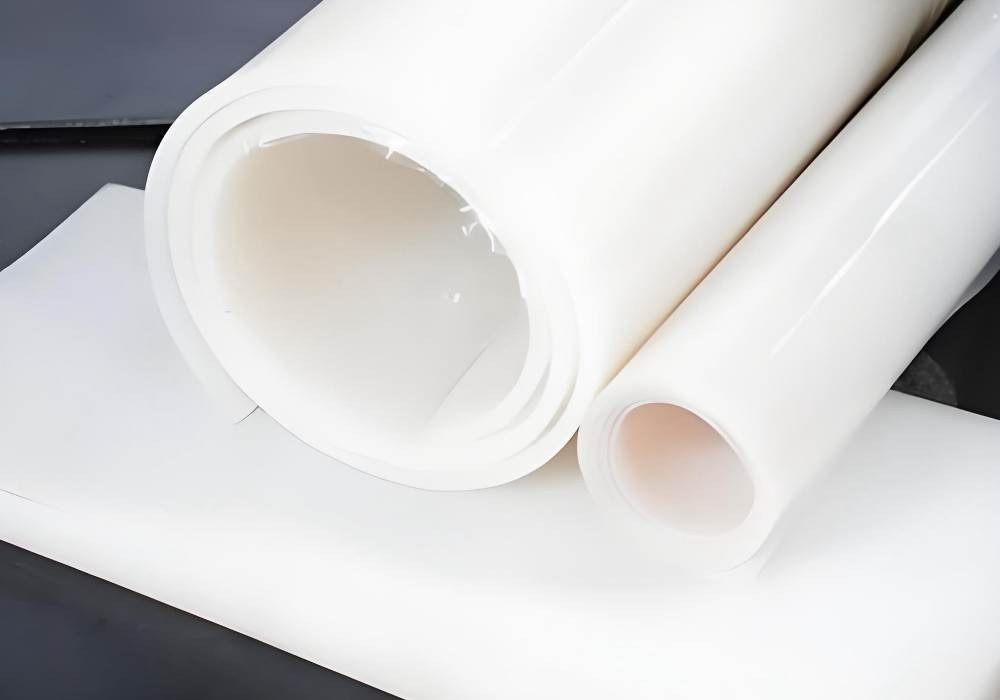
For the flexible layer, manufacturers use two types of silicone:
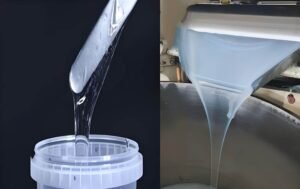
- Liquid Silicone Rubber (LSR): Corn syrup-like consistency, requires platinum catalyst, excellent chemical resistance, tensile strength, compression set, heat resistance, extreme low-temperature flexibility
- High-Consistency Rubber (HCR): Greater mechanical strength for demanding applications
Silicone Material Properties (per ASTM/ISO standards)[3].
| Hardness (Shore A) | 10 – 80 | ASTM D2240 |
| Tensile Strength | 6 – 12 MPa | ASTM D412 |
| Elongation at Break | 200% – 800% | ASTM D412 |
| Tear Resistance | 15 – 47 kN/m | ASTM D624 |
| Compression Set (22h@175°C) | 20% – 40% | ASTM D395 |
| Density | 1.11 – 1.20 g/cm³ | ASTM D792 |
| Operating Temperature | -60°C to +230°C | – |
Material Compatibility Guide
Successful overmolding depends on selecting compatible substrate and silicone materials. The following compatibility matrix is based on industry testing and Fecision’s 18+ years of production experience [4].
| Substrate | Bonding Level | Primer Required | Notes |
| PC (Polycarbonate) | Excellent | No | Strong chemical bonding |
| ABS | Very Good | Optional | Widely used in electronics |
| PBT | Good | Recommended | High heat resistance |
| PA (Nylon) | Moderate | Yes | High moisture absorption |
| PP | Poor | Special grade | Low surface energy |
| Stainless Steel | Excellent | Yes | Strong with primer |
| Aluminum | Very Good | Yes | Clean surface critical |
Material selection requires careful consideration of compatibility factors. The substrate’s glass transition temperature should be above 300°F to ensure proper LSR curing. The thickness of the overmold material should be less than or equal to the substrate. Some LSR grades, known as primerless or self-adhesive silicones, can bond directly to plastics without primers, simplifying the process.
Step-by-Step Process of Silicone Overmolding
Silicone overmolding requires precision at every stage to ensure proper adhesion and functional performance. Let’s go through each critical step in this process.
1. Substrate Preparation
The foundation of overmolding starts with substrate selection. Thermoplastics must have softening temperatures above 170°C to withstand the silicone curing process. Materials like PBT, PPS and PEEK work well as base components.
For insert overmolding, careful inspection prevents dimensional variations that can cause improper mold fit. Surface roughness should be controlled to 1.6-3.2 μm Ra for optimal bonding per ISO 4287.
Surface treatment is critical for bonding success. Contaminants such as oils and mold release agents can prevent proper chemical bonding. Recommended surface treatments include:
- Plasma treatment: Creates micro-roughness for mechanical bonding
- Corona discharge: Activates surface energy for improved adhesion
- Chemical primers: Applied 30 minutes to 2 hours before molding
2. Surface Cleaning and Treatment
Contaminants such as oil residues and mold release agents can hinder materials from achieving proper adhesion. Therefore, thorough cleaning is crucial before commencing the overmolding process.
To enhance adhesion, manufacturers typically employ a variety of methods: they may incorporate subtle undercut features into the part design to help the silicone better grip the surface; apply a primer that requires 30 minutes to 2 hours to dry; or utilize surface treatment techniques—such as plasma treatment, corona discharge, or grit blasting—to render the surface more conducive to bonding. To achieve reliable chemical bonding, the surface energy must exceed 38 dynes/cm.
3. Mold Setup and Preheating
Molds must be designed to secure substrates against injection pressure without crushing them. Preheating plastic and metal inserts helps with bonding. However, materials with low melting points should not be preheated. Temperature control is critical throughout the process. Mold temperatures typically range from 150-200°C for optimal curing.
4. Silicone Injection
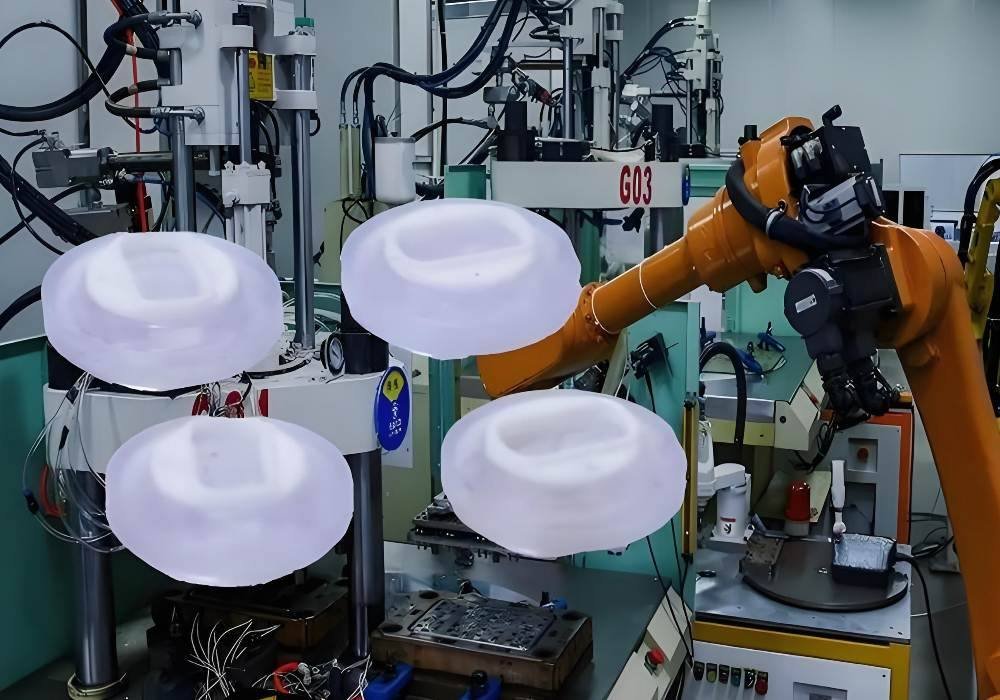
Most silicone overmolding is a two-step process. The substrate is placed into a special mold cavity and the mold closes and LSR is injected directly onto the substrate. The two-part silicone components (A+B) mix 1:1 before injection. The material flows through cooled runners into heated cavities where vulcanization occurs. Injection pressures range from 50-150 MPa depending on part geometry.
5. Curing and Cooling
During curing the silicone vulcanizes under specific temperature and pressure conditions. This chemical reaction requires proper thermal management, typically 170-220°C. Cooling is 70-80% of the molding cycle time. Curing time ranges from 5-30 seconds depending on part thickness and material hardness.
6. Part Removal and Finishing
After curing the parts are removed from the mold. Since LSR is a thermoset polymer its molded state is permanent. Post-molding processes often include deflashing to remove excess material from parting lines. Quality inspection follows to verify adhesion, dimensions and surface finish. Bond strength testing per ASTM D903 peel test ensures proper adhesion.
Benefits of Silicone Overmolding
Manufacturers use silicone overmolding because it offers many advantages that traditional manufacturing can’t match. It improves product design, comfort and performance in industries like healthcare, electronics and automotive.
1) Better Grip and Comfort
Silicone’s soft, rubber-like texture provides excellent tactile quality, a non-slip surface that ensures firm handling even in wet or oily conditions. This natural ergonomic quality reduces user fatigue during prolonged use of devices like surgical instruments and handheld tools. Silicone cushioning strategically applied minimizes pressure points making products more comfortable to hold and use.
2) Durability and Resistance
Products with silicone overmolding are extremely durable against harsh environments, temperature extremes -60°C to 230°C and chemical exposure. This durability maintains product integrity even after prolonged and repetitive use. Silicone’s resistance to UV radiation, oxidation and moisture meansproducts look and function over time.
3) Design Flexibility and Aesthetics
Silicone overmolding offers design flexibility and aesthetics. The process allows for multiple colors and textures for brand differentiation, complex shapes and custom patterns and to combine rigid and flexible materials in one component. This versatility means visually appealing and functional products.
4) Cost Effective Production
Silicone overmolding saves time and cost by eliminating secondary post-molding assembly operations. This means products get to market faster and more economically. Manual assembly is reduced and overall product quality improves.
5. Waterproofing and Insulation
Silicone creates waterproof, airtight barriers that protect sensitive electronics from moisture, dust and contaminants. Beyond physical protection silicone overmolding provides electrical insulation preventing short circuits and ensuring operational safety.
Applications Across Industries
Liquid silicone overmolding is used across many industries because it improves performance, comfort and longevity.
1. Medical and Healthcare Devices
LSR is ideal for medical use as it’s body safe, hypoallergenic and easy to sterilize. According to ISO 10993 biocompatibility testing standards, medical-grade silicone meets requirements for direct and indirect patient contact. [4]
Medical-grade LSR must meet USP Class VI requirements for pharmaceutical applications and ISO 10993 biocompatibility standards. Common sterilization methods include autoclave (121°C steam), ethylene oxide (EtO), and gamma radiation (25-50 kGy) without material degradation [5].
- Implantable components (short-term)
- Surgical instrument handles and grips
- Respiratory masks and seals
- Catheter components
- Drug delivery systems
- Wearable medical devices
2. Consumer Electronics
Smartphones, earbuds and smartwatches use overmolding silicone for protective casings, button pads and ergonomic straps. It adds a premium tactile feel and impact resistance and weatherproofing. The electrical insulation properties (per ASTM D149, dielectric strength 15-25 kV/mm) protect sensitive components.
3. Industrial and Electrical Equipment
Silicone overmolding also serves select industrial sealing applications requiring chemical resistance and temperature stability. In heavy duty environments liquid silicone rubber overmolding protects electrical connectors, control panels and sensor housings. The insulation properties prevent electrical leakage and corrosion in high humidity or high heat conditions.
5. Home and Kitchen Products
Silicone’s resistance to water and cleaning agents makes it ideal for everyday household tools like kitchen utensil grips, faucet handles and food-grade dispensing valves. Its flexibility and safety makes it a preferred choice in cookware and hygiene products.
6. Sports, Toys and Baby Products
Soft-touch, safe and durable overmolding silicone adds comfort and safety to children’s toys, baby bottle nipples and sports gear. Non-toxic and temperature stable silicone means these products are safe for daily use.
Silicone’s resistance to water and cleaning agents makes it ideal for everyday household tools like kitchen utensil grips and food-grade dispensing valves. FDA 21 CFR 177.2600 compliance ensures food contact safety[6].
Design Considerations for Silicone Overmolding
Proper part design ensures manufacturing success and optimal performance. Key design considerations include:
Wall Thickness: Silicone wall thickness should range from 1.0mm to 3.0mm. Thinner walls may cause filling issues; thicker walls increase cycle time and risk internal voids.
Draft Angles: Minimum 1-2° draft angle on silicone surfaces facilitates part ejection. Textured surfaces require additional 1° per 0.025mm texture depth.
Mechanical Interlocks: Design undercuts, grooves, or through-holes in the substrate to create mechanical bonding. This approach supplements chemical adhesion and prevents delamination under stress.
Shutoff Design: Sharp transitions between substrate and silicone prevent thinning or feathering that can cause delamination. Gate placement should minimize flow length to the shutoff area.
Temperature Compatibility: Ensure the substrate’s melting point is higher than silicone’s curing temperature (170-220°C).
Surface Preparation: For metal and glass substrates, primers are required; for plastics like PC and ABS, self-adhesive LSRs often suffice. Surface energy must exceed 38 dynes/cm.
Mechanical Interlocks: Where chemical bonding is weak, add mechanical locking features like undercuts, grooves, or through-holes for added strength.
Texturing: Substrate and overmold surface textures improve adhesion, grip and aesthetics.
Proper material selection, mold design and surface treatment is key to liquid silicone overmolding success. Per ISO 3302-1 molding tolerance standards: [7]
– General tolerances: ±0.1-0.2mm for dimensions <10mm
– Precision tolerances: ±0.05mm achievable with proper tooling
Why Choose Fecision for Silicone Overmolding Solutions
With over 20 years of innovation and craftsmanship, Fecision is a trusted name in precision manufacturing and advanced material processing. Our expertise goes beyond mold design to cutting-edge silicone overmolding solutions that meet global standards for performance, durability and aesthetics.
Here’s why clients worldwide choose Fecision:
Unparalleled Expertise: Our 20+ years of materials science and manufacturing experience delivers superior liquid silicone overmolding products.
Precision Engineering: Dual R&D capabilities in equipment and product design ensures unmatched accuracy and repeatability. Tolerances as tight as ±0.05mm.
Customization Flexibility: Small batches or complex designs, Fengchi provides tailor-made overmolding solutions that meet client needs and artistic vision.
Quality Assurance: Every silicone overmolded component is tested for adhesion, durability andfinish quality. ISO 9001:2015 and ISO 13485:2016 certified.
Global Recognition: Trusted by top automotive, industrial and consumer brands worldwide, Fecision drives innovation in material technology.
At Fecision, every project is a partnership built on innovation, precision and mutual growth. Our mastery of liquid silicone rubber overmolding enables clients to deliver high-value products that perform exceptionally in the real world.
Conclusion
Liquid silicone overmolding has transformed manufacturing by combining the best of multiple materials. Its ability to add durability, comfort and functionality makes it essential across healthcare, automotive, electronics and consumer products.
Partner with Fecision for world-class liquid silicone rubber overmolding and overmolded connectors. Our focus on quality, innovation and precision engineering means your products will perform, be reliable and look great. Overmold your next project with precision engineered silicone solutions. Choose Fecision for excellence you can trust.
References
[1] ASTM D395 – Standard Test Methods for Rubber Property – Compression Set ASTM International, 2024
[2] ASTM D2000 – Standard Classification System for Rubber Products ASTM International, 2024
[3] ASTM D2240, D412, D624, D792 – Standard Test Methods for Rubber Properties ASTM International, 2024
[5] USP Class VI – Biological Reactivity Tests, In Vivo U.S. Pharmacopeia, 2024
[7] ISO 3302-1 – Rubber – Tolerances for ProductsInternational Organization for Standardization, 2014