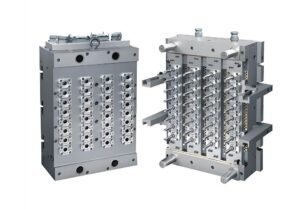
When it comes to producing identical parts in large batches, injection molding is a commonly used process. The final products of the injection molding are complex parts with high precision. What is an injection molding slider and how does it solve the critical challenge in the process?
Handing undercuts and intricate geometries is a complex part of mold design. There will be features of the part that may not align with the opening direction of the mold. The injection mold slider helps with easy ejection of the molded parts from the mold. This simple definition is not enough to understand the concept of injection molding slider.
This detailed guide will cover the basics of injection mold slide design, its composition, working, types, and applications. If you need mold component manufacturing service, this detailed guide will help you make an informed decision.
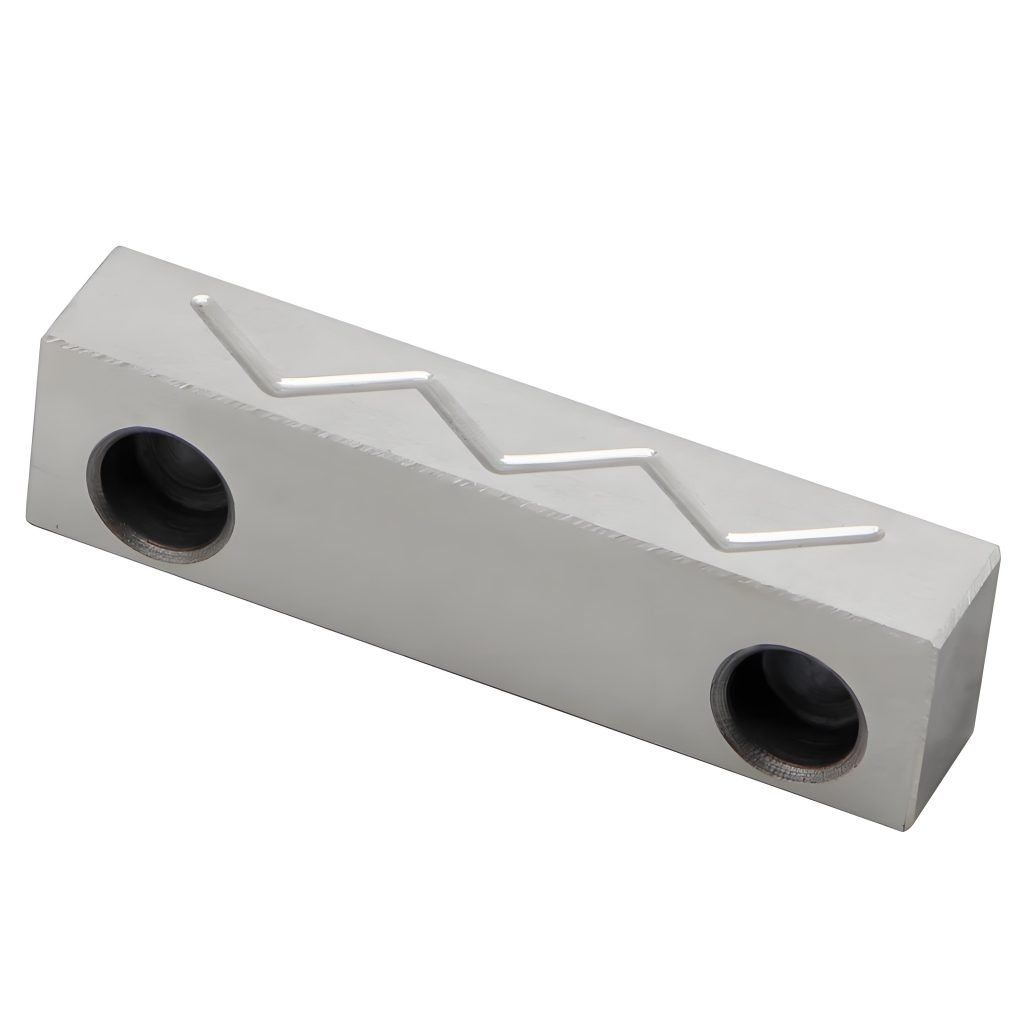
What is Slider in Injection Molding?
Injection molding is an efficient process for manufacturing complex parts, even with many undercuts, holes, and grooves. A slider in injection molding is a moving component within the mold that helps with the formation and release of parts with complex structures.
Side features or undercuts won’t allow the release of a molded part in a straight line. Sliders operate at an angle or perpendicularly to the opening and closing of the mold.
Simple parts can be released with ejector pins but parts with holes and custom features prevent the normal functioning of the cavity and the core. They retract before the mold opens. Sliders also free the undercut feature and then advance to form the feature when the mold closes.
Why Injection Mold Sliders are needed
In the case of a basic mold mechanism, the mold opens along a single axis. Ejector pins easily release the molded part upward and downward. Imagine a part with different holes, undercuts, or side features. The idea of ejecting the product upward or downward fails here.
The basic setup will break the molded part or the mold. Inject molding sliders move diagonally or laterally during the molding and demolding phases. Sliders are a critical part of molding and releasing complex features of the parts.
Composition of Slider in Injection Molding
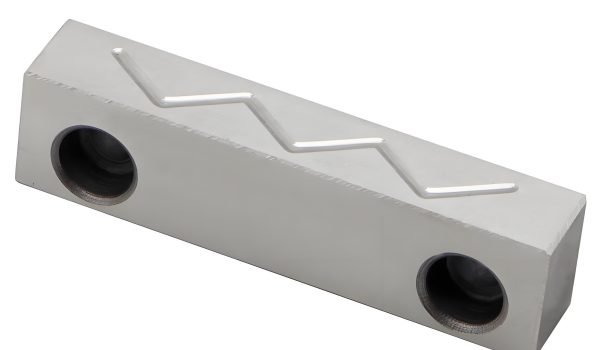
Slider in injection molding is made up of different high-precision components. Understanding the composition of slider assembly will give you a clear idea of how side features are formed and released by sliders.
You can also get a custom mold component manufacturing service from Fengchi. Here are common components of a conventional slider assembly.
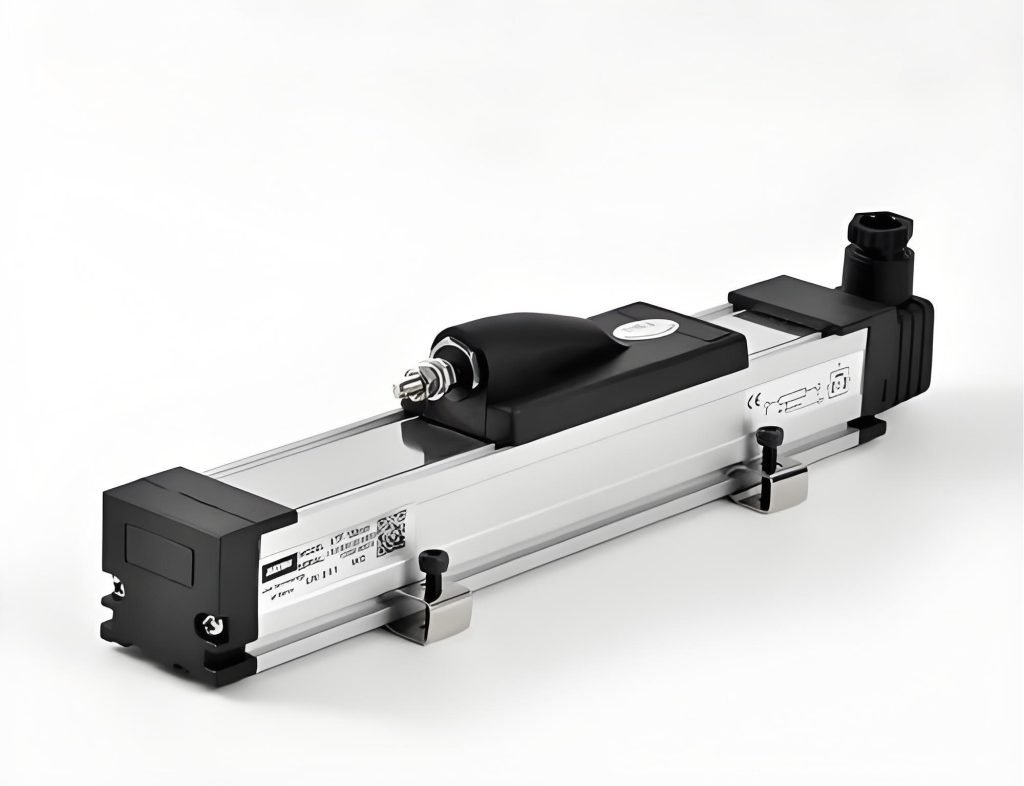
1. Slide Base
The base keeps the slider aligned and also bears the movement load and operational pressure. The slide base is also responsible for moving the component in the desired direction or trajectory.
2. Slider Insert
For high precision, undercut sections are made separately and then fixed on the slide base. This approach allows easy maintenance and replacement.
3. Press Block
Precision and normal operations of the press are ensured by maintaining distance between the core and the slide. Press block is responsible for guiding and supporting the upper half of the slider.
4. Wedge
The pressure of the injection can retract the slider and a wedge is used to compress the slider to prevent this from happening.
5. Stopper Bolt
The slider is designated a specific range of movement according to the design. A stopper bolt is fixed on the plastic mold slider. It controls the stroke of the slider so that the slider does not expand beyond the set range.
6. Guide Pin
The vertical motion of the injection molding machine is converted into the horizontal motion of the slider with the angle orientation of the guide pin. A guide pin is also called an angle pin. This motion allows the easy extraction of the molded part from the cavity.
These are a few common components of the injection mold slide design assembly. The placement, angles, structure, and other aspects may vary depending on the mold requirements.
Working on Injection Molding Slider
You see that a basic slider within the mold does not have any operational hydraulic cylinders of circuits. Without any visible power source, what’s the working principle of sliders in injection molding?
The movement of the angled guide post provides the power for the slider. An angled guide post produces friction during the opening and closing of the mold.
This friction with the inner walls of the slider moves the entire assembly perpendicular to the direction of demolding. This is the simplest explanation of the working principle of an injection mold slider.
Types of Sliders in Injection Molding
The movement mechanism determines the right type of slider for the mold. For custom parts with complex structure and design, custom sliders can be manufactured for you. Normally, these three types of injection molding sliders are usually used:
- Spring-loaded sliders, using spring tension to retract or hold the slider
- Mechanic sliders with angled cam pins to control movement
- Hydraulic sliders for high precision with an external power system
Every type of slider is useful for certain movement mechanisms. We highly encourage users to discuss the scope of the mold with the mold component manufacturer. In precision engineering, every little detail matters.
Applications of Sliders
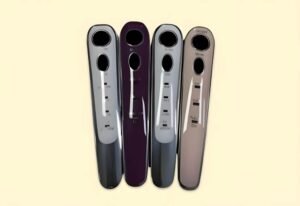
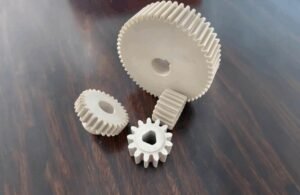
Precision and accuracy are not limited to any specific industry or sector. Injection molding is being used to produce a vast array of parts and products. Consumer goods, small parts, and larger components for cars and automobiles are some examples of the scope of injection molding.
With the growing demand for injection molding, the need for sliders is also on the rise. Handling complex components with side features, sidecuts, and other holes or grooves is easy with sliders. Here are a few potential applications of sliders in different industries.
Electronics: Casing components are quite popular these days for different gadgets and smart devices. Connectors and ports also use different features and holes that don’t fit in the scope of normal molds. Sliders are widely used in producing electronic accessories.
Automotive: There are countless parts in cars and automobiles that have holes, undercuts, and other features. How do you think these components are molded? Obviously, sliders play an important role in the automotive industry.
Medical Devices: The complexity and precision of the medical devices make them harder to mold in conventional molds. With sliders, it is possible to get the desired level of accuracy and precision for medical devices.
Consumer Products: There are countless products, goods, and items being made with injection molding in the consumer markets. Sliders have made it easier for industries to meet the custom mold design requirements for caps, containers, and other products.
Advantages of using Sliders
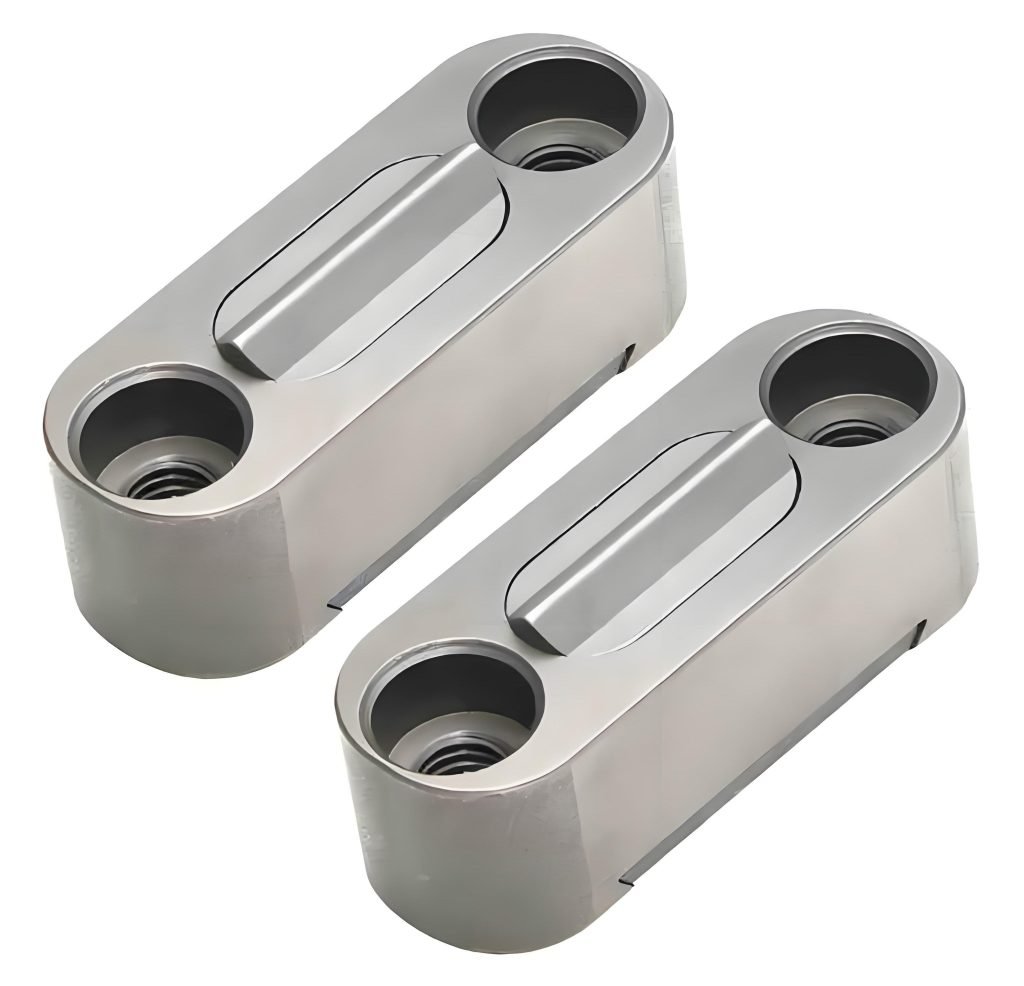
Without sliders, secondary operations are required to form the final product with undercuts and holes. Sliders improve operational efficiency by offering consistency in the end product. Here are some practical benefits of using sliders in the injection molding process.
Efficient production of complex parts with custom structural requirements, with holes, grooves, and undercuts
- Reduce the need for secondary machining for the final product
- Enhanced design consistency and precision
- Optimized production without requiring post-molding operations
- Increased production capacity by reducing extra costs
- Adaptability to custom design requirements and complex structures
The initial cost of using sliders for injection molding may seem higher. In reality, sliders eliminate manual labor, reducing the need for an extra workforce. Automation in any industry has a higher initial cost but offers cheaper operating costs in the long run.
Design Principle of Injection Mold Slider
There are different aspects of slider design that must be followed for the smooth operations of the mold. In an ideal situation, slider assembly should not interfere with the motion of other components of the mold. Closing and opening operations of the mold should continue without any limitations posed by the slider.
Custom injection mold parts can also be manufactured for you to meet the required standards of strength and stiffness. The components of the slider should not bend and must be reliable according to the pressure posed by the movement of different components.
The service life of the slider is also an important aspect. It is advised to invest in quality injection mold components for reliability and accuracy. Engineers will analyze the requirements of your project to suggest the best possible approach to obtain maximum accuracy and service life of sliders.
Conclusion
Sliders in injection molding are a crucial solution for manufacturing parts with undercuts or side features. A two-part mold setup is not enough for such complex parts and secondary machining will increase operational costs and reduce efficiency.
Slides bring flexibility and innovation to mold design. Custom components for modes also allow the creation of highly detailed and functional plastic components. There are certain challenges and limitations that must be addressed during the mold component manufacturing process. Misalignment or poor tolerance in the slide can result in defective parts or mold damage.
This guide has covered everything you need to know about the role of sliders in injection molding. A team of experts at Fecision can help you navigate the challenges faced during injection molding. For injection mold parts, feel free to reach out to us.