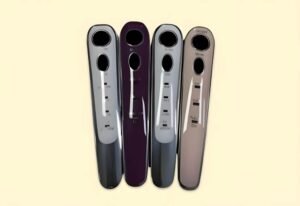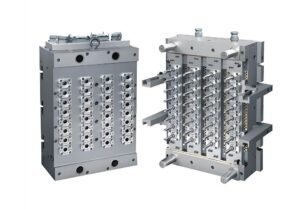
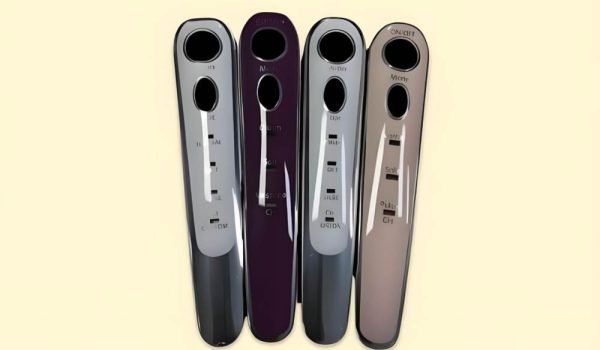
From dashboard grain to backlit logos, film insert molding fuses decoration and structure in one shot—no paint, no glue, and no secondary labor. This advanced manufacturing technique allows you to create high-quality plastic parts with complex graphics or textures integrated directly into the surface during the primary injection cycle.
In this guide, you’ll learn what film-insert molding truly is and why automakers and electronics brands adopt it so widely. We will explore how the five-stage film insert molding process works, what to vet in a potential supplier, and why a trusted manufacturing partner accelerates your decorated plastic programs with precision and speed.
What Is Film Insert Molding?
Film insert molding technology works by placing a pre-printed, shaped film into an injection mold cavity. Once the mold closes, manufacturers inject molten resin behind this film. This heat and pressure fuse the materials together, creating a single part with permanent graphics that will never peel or fade.
Film insertion molding is also known as FIM or INS. It belongs to the broader In-Mold Decoration (IMD) family but offers much more than basic labeling. This method uses engineered films with hardcoats and adhesive layers. Consequently, these films handle complex 3D shapes easily and provide incredible durability against scratches.
Advantages of Film Insert Molding
Choosing this method offers significant benefits ranging from visual appeal to environmental compliance. These advantages help you create better products while also streamlining your entire factory production line and reducing overhead costs.
Design Freedom
You can achieve wood grain, carbon fiber, brushed aluminum, or dead-front backlit icons with ease. Conventional painting often fails to replicate these advanced surface effects. However, since the graphics are printed onto a film first, film-insert molding offers amazing aesthetic depth and detail. This method provides a level of visual quality that traditional coating methods simply cannot match.
VOC Reduction
This technology dramatically lowers the amount of VOC emissions generated during production by eliminating spray booths and solvent-based coatings. As a result, manufacturers can comply with stringent international regulations regarding air quality in the automotive industry and provide a much safer and cleaner work environment for their workers.
Durability & Chemical Resistance
Because graphics are encapsulated within the part or sealed with a hard coat, their longevity will significantly exceed that of conventional decorative paint surfaces. The surfaces produced with this method will also resist scratches, harsh cleaning agents, and fading from UV exposure. For example, in demanding or high-touch cabin environments, these surfaces generally have superior durability when compared to painted surfaces.
Cost & Capital Efficiency
One tool, one machine, and one cycle replace entire painting lines, drying ovens, and complex masking fixtures. By consolidating these steps, manufacturers reduce floor space requirements and capital investment. For color-matched interior programs, this efficiency allows you to allocate your budget toward better materials rather than expensive secondary processing.
Edge Wrap & Seamless Finish
During the process, the thermoformed film wraps around corners and sidewalls perfectly. This eliminates visible resin witness lines and prevents peeling edges. The result is a premium tactile quality that feels cohesive. Manufacturers utilize this to create high-end interfaces where the decoration appears to flow naturally over the part’s geometry.
Rapid Design Iteration
One of the best features is that film artwork can change without any mold modifications. You can swap printed designs for model-year updates or regional variants without the need to retool expensive steel. This flexibility allows for faster market responses and lower costs when refreshing a product line’s appearance.
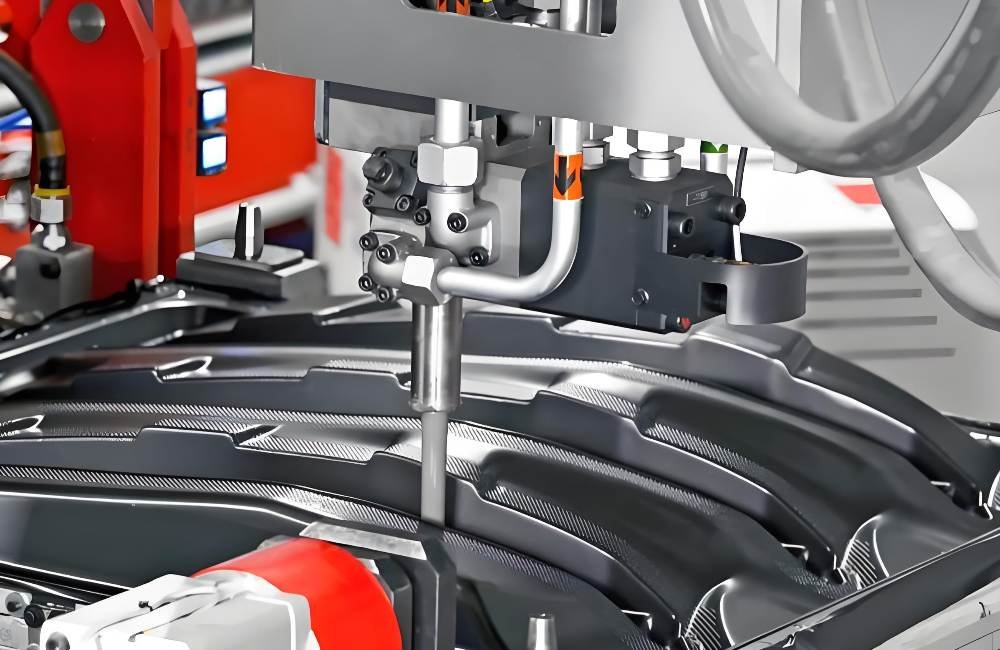
Film Insert Molding Process
Using this process requires high technical precision across several different stages. Every single step must work perfectly together so that the final plastic part meets your high quality and beauty standards without any flaws.
Stage 1: Graphic Design & Printing
This initial phase focuses on creating high-quality visual elements on the film surface through specialized printing techniques and protective ink treatments.
Artwork Engineering for 3D Distortion
Specialized software is used to pre-distort graphics to compensate for film stretch during the forming stage. This ensures that the final image looks perfect on a curved surface. Ink-layer registration is held to an incredibly tight tolerance. This meticulous approach is necessary to prevent color drift across the 3D part.
Selecting the Right Printing Method
Silk screening provides uniformly saturated Pantone color and high-volume production capability. Conversely, digital printing allows for quicker prototyping and the ability to create more complicated photographic images with a shorter lead time. Both methods ensure that film insert molding technology meets the diverse aesthetic requirements of modern industrial and consumer design.
Specialized Ink Curing & Protection
UV curing is often employed to harden the ink to a 2H pencil hardness. Furthermore, specialized edge-barrier technology is often used to prevent silver and gold metallic inks from oxidizing at the trim lines. These steps ensure that the visual integrity of the part remains flawless over its lifespan.
Stage 2: High-Pressure Forming (Thermoforming)
The forming process creates a three-dimensional part from a flat printed film by converting it into a shape that exactly matches the final part’s contour and complex geometry.
The Heat & Pressure Cycle
The film is first heated above its glass-transition temperature. It is then forced by high-pressure air into the specific shape of the mold cavity. Advanced registration systems are used by experienced manufacturers to counter any stretch-induced graphic shift, ensuring the printed icons land exactly where they are supposed to be.
Achieving Full Wrap-Around Coverage
Forming is a vital step because it enables edge and corner wrapping without creating any visible resin witness lines. This specific capability is critical for backlit applications where you must prevent light leakage at the seams. By achieving a full wrap, manufacturers deliver seamless 3D aesthetics that truly enhance the perceived value of electronics and automotive interfaces for the end user.
Stage 3: Precision Trimming
Trimming involves cutting the formed film to its final net shape to ensure it fits perfectly within the injection molding tool.
Net-Shape Cutting for Cavity Fit
A CNC die or laser trimming tool shapes the formed film to the exact footprint of the mold. During this process, precision is essential because it establishes the “fit” of the film to the cavity. Proper trimming of the film, particularly at the edges, will ensure that the film is ultimately flash-free when the molding process is completed and will result in a clean edge.
Critical Tolerance Management
Managing tight tolerances is a priority here. If the film is oversized, it risks wrinkling and distortion during injection. If it is undersize, resin may flash over the graphics. Because tight trim control directly drives the final part yield, manufacturers must maintain rigorous inspection standards throughout this stage.
Stage 4: Insertion & Injection Bonding
The final stage involves placing the trimmed film into the mold and injecting resin to create a permanent, fused bond between materials.
Automated Film Placement
Robotic arms are used to position the trimmed film printed-side-down into the heated mold cavity. This automation ensures high repeatability and speed. By using robots, manufacturers maintain strict cycle-time targets and reduce the risk of contamination or misalignment that can occur with manual handling of the decorative films.
Thermal Fusion of Film & Substrate
Molten resin is injected behind the film, which activates the adhesive tie-layer. Throughout this phase, controlled pack pressure and cooling rates are managed by manufacturers to prevent warpage. This careful thermal management ensures uniform shrinkage between the film and the substrate, resulting in a perfectly flat and bonded part.
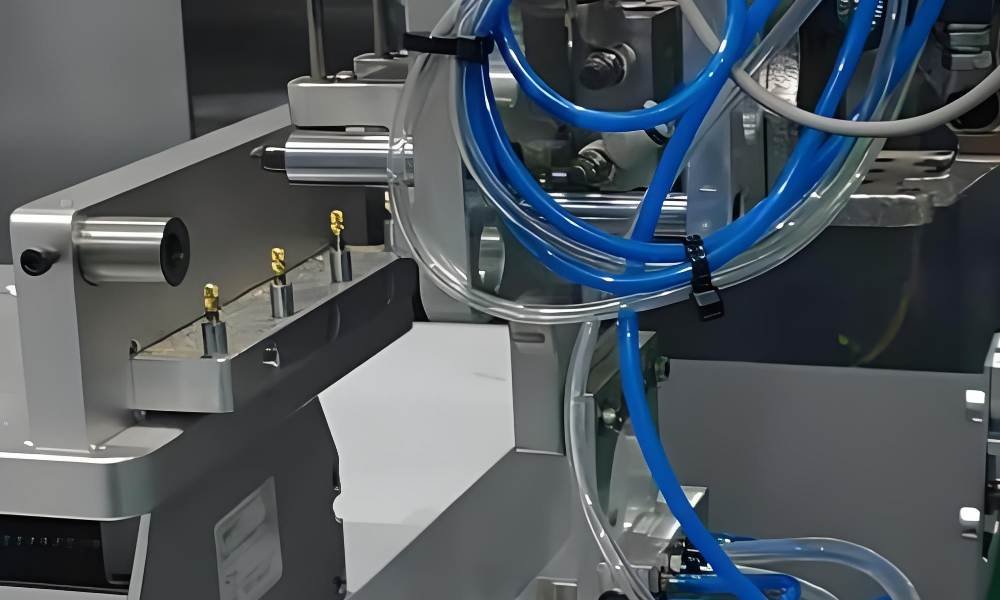
How to Select Film Insert Molding?
Finding the right manufacturing partner is essential for a successful project. You should evaluate their technical capabilities, vertical integration, and commitment to modern sustainable practices to ensure the best results.
Print-to-Form Capability
When choosing a partner, you should verify their film decoration capabilities and color-matching expertise. It is important to look for suppliers with proven forming expertise and proprietary methodologies to control stretch-induced graphic distortion. Such precision engineering ensures that your complex logos and icons remain sharp and correctly positioned after the film is shaped.
Mold Design Integration
A reliable partner must engineer film locating features, venting, and thermal management directly into the tool steel. Film insert molding often fails without total harmony between the mold and the film. You need an engineering team that understands how the film reacts to heat and pressure inside the injection environment.
Vertical Integration
Seek single-source accountability for printing, forming, trimming, and molding. This vertical integration prevents timeline disputes and quality finger-pointing between different subcontractors. When one company handles the entire film-insert molding workflow, you benefit from a streamlined communication path and much more consistent quality control across all production batches.
Sustainability Credentials
Look for suppliers who use energy-saving ovens and smart waste-reduction plans. Carbon reporting is now a must for major car brands, so you need a green partner. Choosing a manufacturer focused on clean processes will protect your supply chain. These steps meet eco-standards while keeping your parts strong and functional.
Prototyping Velocity
Prioritize partners who offer rapid prototyping using soft tools and digital prints to check graphic alignment and surface finishes early on. This speed allows you to remove risk from the program and refine your design before you commit to expensive hard tooling. Efficient sampling ensures that your aesthetic goals align perfectly with what is possible in actual manufacturing.
Quick Selection Checklist
| Criteria | What to Look For | Why It Matters |
| Technical Skill | Color matching, Distortion-control methods, Film-forming expertise | Sharp logos, Accurate colors |
| Mold Engineering | Precision venting, Thermal management, Custom locating features | Better fit, Reduced scrap |
| Integration | All-in-one shop, Film to molding, Single-source accountability | Faster timelines, Lower risk |
| Sustainability | Energy-saving ovens, Waste-reduction plans, Carbon compliance | Eco-friendly, Future-proof supply |
| Speed | Rapid prototyping, Visual samples, Quick DFM | Faster testing, Lower tool costs |
Best Film Insert Molding Partner
Fecision is a certified manufacturer that has achieved certification under ISO 9001, ISO 13485, and IATF 16949. We provide a complete set of molding solutions to meet your needs from initial design through to mass manufacturing, ensuring the highest level of quality and safety for every project.
Advanced Forming Excellence
We provide high-pressure forming expertise with specialized color-matching capabilities. Our advanced forming methods significantly reduce graphic distortion caused by stretching during the process. By managing these critical steps carefully, we ensure your designs remain sharp and perfectly aligned with the final part geometry.
Mold-Film Engineering Integration
Success starts with precision mold design. We engineer film locating features, venting, and thermal management directly into the tool steel. Our team uses CMM-verified inspection to ensure perfect cavity harmony. This meticulous approach guarantees flash-free molding and a seamless finish for every complex part we produce.
Certified Quality & Reliability
Our ISO 13485-certified medical manufacturing lines and energy-efficient processes meet strict industry requirements. We maintain tight tolerances of ±0.001″ to ensure total part consistency. Furthermore, our focus on energy efficiency helps you meet automotive OEM carbon disclosure requirements without sacrificing product durability.
Rapid Prototyping Capability
Fecision offers efficient sampling and validation cycles to keep your project moving forward. We provide comprehensive DFM (Design for Manufacturability) analysis to catch issues early. This speed helps compress program risk and accelerates your time-to-market, allowing you to validate your aesthetic goals before starting full-scale production.
Conclusion
Film insert molding technology is a powerful tool for merging decoration and structure. It effectively cuts VOCs, reduces capital expenditure, and delivers premium wrapped finishes. However, success depends on the perfect alignment of printing, forming, and molding expertise. Choosing an experienced partner is the ultimate key to getting a flawless and professional product.
At Fecision, we combine deep molding knowledge with a strong promise of high precision and green manufacturing. Our team handles every small detail from the first analysis to the final box, ensuring perfect finishes for your parts.
Are you ready to improve your product design and save money? Contact Fecision today for a free technical talk and a fair quote on your next project.