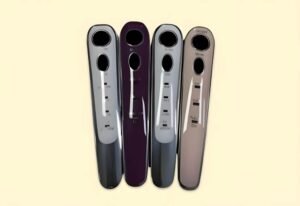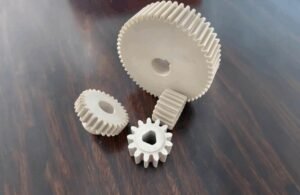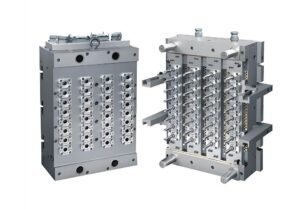

Speed and precision are key to your success as you develop a new product. Waiting months or risking expensive errors is not an option. That’s where prototype injection molding comes in. It offers actual, testable components in your hands, unlike theoretical or digital models. Injection molding prototyping enables you to assess fit, strength, and material performance before commencing mass production.
This method is quicker, more reliable, and enables you to refine designs through multiple iterations. Fast prototyping injection molding helps you save money and lower risk, whether you are introducing a new line or enhancing an existing one. This guide will cover the process, advantages, drawbacks, and proper usage of prototype injection molds.
What Is Prototype Injection Molding?
Using prototype plastic injection molding, molds are created for testing purposes only—not for long-term production. Prototype molds are used for short runs, are less expensive, and can be constructed more quickly than full-scale tools. It allows you to verify a realistic part before putting it into mass production.
Key Differences From Production Molds
- Production molds can withstand millions of cycles and last for years.
- Prototype molds are designed to be quick, inexpensive, and suitable for low-volume production.
Why Prototypes Are Faster And Cheaper
- Production time is decreased by using simpler tools and materials.
- A lower durability translates into a lower initial investment.
When You Need Prototype Injection Molds
- Validation of the design early on is essential before scaling up.
- Making samples for testing or client feedback.
- Verifying the fit and functionality of a new part.
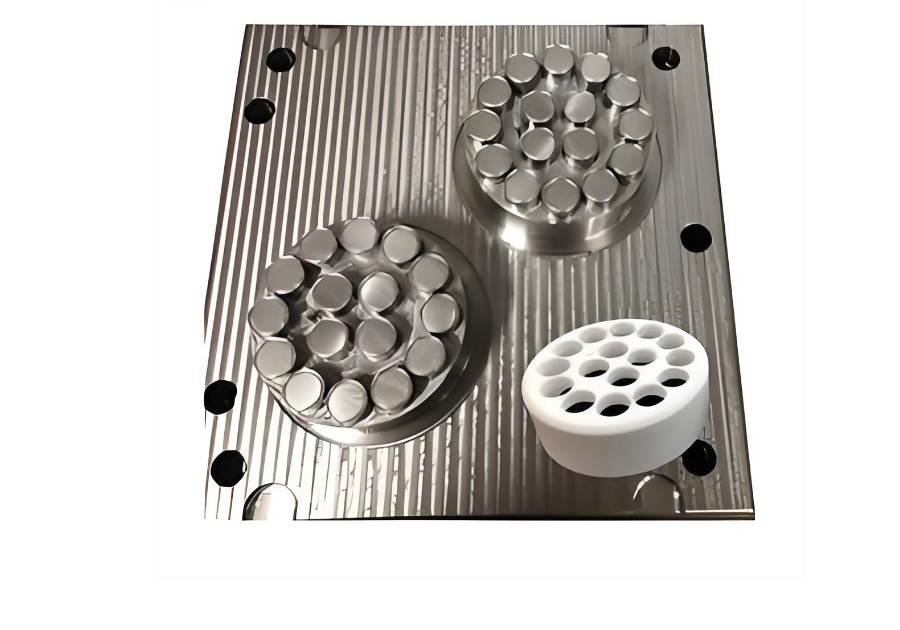
Why Use Injection Molding Prototyping?
Getting parts in hand is only one aspect of injection molding prototyping. The goal is to lower risk at every turn. Rapid injection molding prototyping enables you to test your design in real-world settings. You hold a working piece rather than depending on theory. It reduces the likelihood of expensive redesigns once production starts.
Strategic Advantages:
- The freedom to consider several design possibilities before making a decision.
- Quicker concept validation, which saves development time.
Business Impact
- Startups can quickly validate their ideas and gain trust.
- Faster launches help established businesses remain competitive.
How an Injection Mold Prototype Works
A digital design is the first step in the prototype plastic molding process. To specify the precise geometry, you make a CAD model. The mold is then constructed, frequently with precision using EDM or CNC machining. The material is injected under pressure into the cavity once the mold is finished. The part is ejected and examined after it has cooled.
Adjustments are made as necessary to enhance performance or accuracy. Rapid prototyping injection molding is significantly faster than traditional production because it utilizes simplified molds. That enables you to iterate and improve your design quickly.
Step-By-Step Process
- Design Creation: Create a CAD model with precise measurements as part of the design creation process.
- Mold Manufacturing: To create the prototype mold, use either EDM or CNC machining.
- Material Injection: Use regulated pressure to inject plastic into the cavity.
- Ejection and Cooling: After allowing the part to cool, remove it from the mold.
- Inspection and Refinement: Test the component and make any necessary design adjustments as needed.
Types Of Prototype Injection Molds
Various types of prototype molds are available, based on factors such as durability, cost, and speed.
- Aluminum molds are inexpensive, lightweight, and perfect for fast runs. Samples may be available in a few days.
- Steel molds are more resilient and long-lasting, making them ideal for projects that require greater durability and shorter cycle times.
- Soft Tooling is a quick and inexpensive solution for small batches and early trials.
- Hard Tooling is more costly, but it offers better accuracy and consistency for functional testing.
Materials Used In Prototype Plastic Injection Molding
One of the most important aspects of prototype performance is material selection. Since each resin responds differently to pressure and heat, testing them early on aids in forecasting actual outcomes. Before going into full production, you can compare options using prototype plastic molding.
- ABS: robust, resistant to impact, and simple to work with. Frequently utilized for robust components and enclosures.
- Polycarbonate: transparent, durable, and resistant to heat. Perfect for transparent parts, lenses, and covers.
- Nylon is pliable, strong, and wear-resistant. Excellent for moving parts, clips, and gears.
- Polypropylene is a flexible, lightweight, and chemically resistant material. Ideal for fluid-handling products, hinges, and packaging.
You can test the impact strength, clarity, flexibility, and chemical stability of various plastics by experimenting with them in the same prototype mold. This method eliminates uncertainty, reduces expenses later on, and ensures that the finished product will provide both functionality and reliability.

Key Benefits Of Rapid Prototyping Injection Molding
Rapid prototyping injection molding offers a practical approach to testing and refining designs. You handle and inspect actual parts constructed from production-grade materials rather than depending solely on theory.
- Full-Scale Validation: Examine joints, threads, and clips precisely as they will appear in the finished product.
- Early Flaw Detection: Save time and money by identifying design flaws that digital simulations frequently overlook.
- Reliable Testing: Utilize the same resins intended for mass production to conduct functional tests.
- Faster Collaboration: Engineers and designers collaborate more quickly by reviewing the same prototype, coordinating feedback, and making adjustments more quickly.
- Reduced Risk: You can avoid expensive production halts and delays by resolving problems before scaling.
Rapid prototyping injection molding offers several advantages, enabling you to produce better results, increase accuracy, and shorten development cycles.
Limitations Of Prototype Injection Molding
It is an effective solution, but not suitable for every situation.
Key Limitations
- Volume Restriction: High production runs are not intended for prototype molds.
- Mold Life: The durability of aluminum tooling is limited because it wears more quickly than hardened steel.
- Surface Finish: Production standards may not be fully met due to cosmetic details.
- Small Runs Cost: 3D printing can be more cost-effective for producing a small number of parts.
Conclusion:
One of the most effective methods for validating your product design is through prototype molding. Before going into mass production, it helps you test concepts, fine-tune details, and avoid expensive errors. You can launch products more quickly and precisely if you have the correct partners, molds, and materials.
Fecision provides CNC machining and precision mold manufacturing to support your projects. Choosing injection molding prototyping provides you with clarity and assurance at every stage.