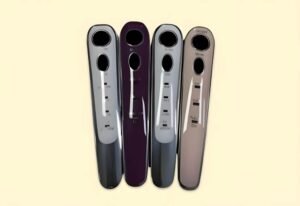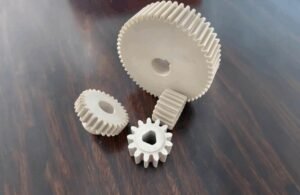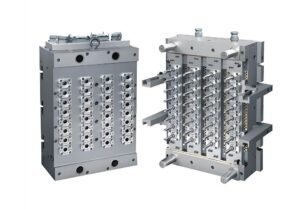

Manufacturers today need parts that are smaller, lighter, and more detailed, especially in electronics, medical devices, and automotive engineering. Traditional methods, such as machining or casting, often struggle to produce very complex shapes at a low cost and with high efficiency.
Powder Injection Molding (PIM) solves this problem by combining the design freedom of plastic injection molding with the strength of metals and ceramics. It’s a modern, high precision method that creates detailed parts at a lower cost, especially in large quantities. This guide explores the powder injection molding process, materials used, advantages, and applications in a clear and practical way.
What Is Powder Injection Molding (PIM)?
Powder injection molding (PIM) is one of the advanced manufacturing processes that integrate the conventional polymer injection molding process with the concept of powder metallurgy. This is achieved by efficiently manufacturing complex-shaped parts (of metal or ceramics) at relatively low costs out of powdered metal or ceramics.
According to industry standards, there are two main types of PIM: metal injection molding (MIM) and ceramic injection molding (CIM). Each variant is tailored to meet the specific demands of a particular material.
The basic technique in the PIM process is the homogenization of fine metal or ceramic feedstock using polymeric binding agents. This is usually a mixture of between 35 and 50 vol percent polymer. This is then heated in a screw fed barrel and sprayed under pressure into a die cavity to cool and then ejected.
Understanding the Powder Injection Molding Process
The powder injection molding (PIM) process turns very fine metal or ceramic powders into strong, complex parts. It happens in four main steps, and each one plays an important role in making sure the final product is accurate and reliable.
Feedstock Preparation: Mixing Powder and Binder
The process begins by mixing the metal or ceramic powder with a binder, which acts like glue to help shape the material. The binder causes the powder to flow freely in the process of molding. When the powders and binders are mixed well together, they create a soft, moldable material called feedstock. It is crucial to strike a balance on this combination since it influences the success of the process.
Injection Molding: Forming the Green Part
The feedstock is then heated and forced into a mold under an injection molding machine. The binder is softened by the heat which causes the mixture to fill the mold to capacity. After cooling, the molded shape, which is referred to as the green part, is taken off the machine. It appears to be the last section, but it is merely weak and slightly larger than it will be after completion.
Debinding: Removing the Binder
Once molded, the binder should be washed off and then the metal or ceramic particles will be allowed to join up in the future. Debinding typically occurs in two phases. In the former process, a small part of the binder is scraped away. This creates minute holes within the part. The second step involves removing the heat from the remaining binder. It is in this part that the final part, now the brown part, becomes more delicate.
Sintering: Densifying the Part
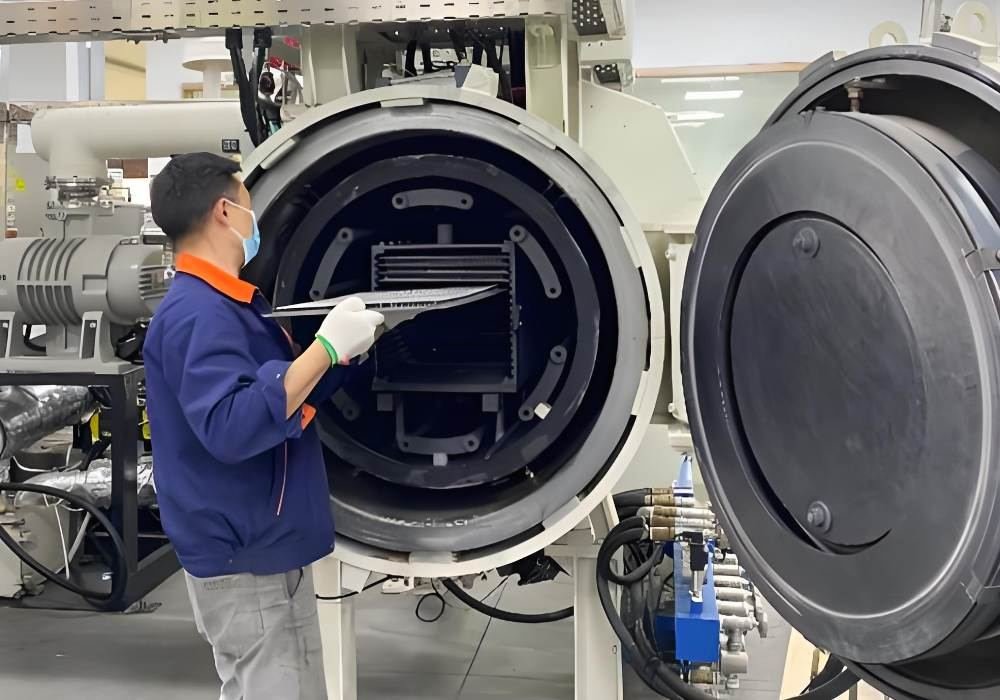
During sintering, the brown is heated in a furnace and at a very high temperature. This results in the tight bonding of powder particles and a strong and solid part. It becomes smaller in size as it becomes dense and acquires the strength and power required to be used in the real world.
Materials Used in Powder Injection Molding
Powder injection molding works best when you choose the right materials. The type of metal or ceramic powder and the binder you use decide the final part’s quality, strength, and performance.
Common Metal Powders and Their Properties
Carbonyl iron powder is the most promising metal in metal injection molding because it has great sintering characteristics and sphericity with a diameter of less than 10 0 m. The high sintered density, strength and high quality of the surface are obtained because of this fine particle size.
High alloy steels, nickel and cobalt based alloys are made by prealloyed powders (mostly gas atomized, spherical shaped). Furthermore, stainless and tungsten alloys, titanium and copper alloys, are also viable in the application of PIM.
Ceramic Powders and Their Applications
Ceramic injection molding involves the use of a number of materials. Alumina (Al 2 O 3) is of superior hardness, wear resistance and corrosion resistance. Zirconia (ZrO 2 ) has good mechanical characteristics, such as high strength and toughness.
Silicon Nitride (Si3N4) has good thermal shock resistance and thermal high temperature strength, and Silicon Carbide (SiC) has good hardness and thermal conductivity.
Types of Binders Used in PIM
Binder systems fall into four categories: thermoplastic, thermosetting, gel, and water soluble. Thermoplastic binders (paraffin wax, polyethylene) offer good compatibility and flowability. Polyacetal (POM) is particularly valuable due to its easy processing, high dimensional stability, and mechanical strength. Thermosetting systems use epoxy or phenolic resins, while water soluble binders enable faster debinding.

Key Advantages of Metal Powder Injection Molding
Metal Powder Injection Molding (MIM) provides manufacturers with a highly efficient method for producing complex, precision metal parts. It combines the design flexibility of plastic injection molding with the strength and performance of metal materials.
Here are the key benefits:
1. High Precision and Complex Geometry
Metal Powder Injection Molding (MIM) can make very detailed and complicated metal parts that traditional machining or casting cannot easily produce. It can create thin walls, fine shapes, and small internal features with high accuracy. This makes MIM ideal for small, intricate parts used in medical devices, electronics, and automobiles.
2. Excellent Material Utilization and Low Waste
Traditional machining removes material and creates a lot of scrap. MIM, however, is shaped into pieces near their finished shape, thus virtually all the powder material is utilized. This minimizes wastage, cuts down the material costs (particularly of the costly metals) and is more environmentally friendly.
3. High Strength and Performance Comparable to Wrought Materials
After the MIM process is completed, the parts become very dense, almost as dense as solid metal. This gives them strong mechanical properties such as good tensile strength and durability. MIM parts can perform similarly to, or sometimes as well as, forged metal parts, making them reliable in demanding applications.
4. Cost Effective for High Volume Production
MIM is highly economical in large scale production. After the mold is formed, the parts can be made in a short period and a large number of parts can be produced at the same time. The fact that the parts already emerge virtually finished means they require little to no additional machining, which has the effect of lowering total production costs.
5. Wide Range of Material Options
MIM operates most metal powder types, leaving the designer with numerous options. The most common include stainless steel, tool steel, titanium, tungsten alloys and magnetic material. This enables the engineers to select the most suitable metal for the task, be it corrosion resistant, strong, wearable, or magnetically endowed.
Industrial Applications of PIM
Powder injection molding (PIM) is used in many industries because it can produce small, complex parts that are hard to make with traditional methods.
- Medical Devices: PIM is used to make small and precise parts for surgical tools, implants, and medical equipment. It provides high accuracy and consistent quality.
- Automotive Components: Car manufacturers use PIM to produce strong, heat resistant parts such as gears, engine components, and sensor housings. These parts meet strict performance standards.
- Electronics: PIM is ideal for small electronic components, such as connectors, pins, and housings. Ceramic injection molding is especially useful because it provides good electrical insulation.
- Aerospace: The aerospace industry uses PIM to make lightweight and strong parts, including fasteners and small engine components. It offers the high precision required for aircraft.
- Consumer Goods: PIM is used to create detailed and durable products, such as watch parts, jewelry, and high quality accessories. It supports fine designs while maintaining strength.
Manufacturers such as Fecision have been instrumental in the production of these high quality consumer and industrial parts through quality PIM technology.

How to Choose the Right PIM Supplier
Selecting the right powder injection molding (PIM) partner is crucial for achieving high quality products and smooth production. Here are the key things to look for:
1. Experience and Track Record: Start by checking how long the supplier has been working in the PIM industry and whether they have handled products similar to yours. Experienced manufacturers can guide you on materials, design improvements, and ways to reduce costs.
2. Quality Assurance: There should not be any compromise on quality. Identify suppliers that have excellent testing procedures and significant certifications. ISO 9001 is a fundamental standard of quality management. Other certifications might be necessary in given industries. Indicatively, automotive projects would typically require suppliers who have been certified to IATF 16949:2016.
3. Capacity of Production: This is to ensure that the supplier is able to sustain your present production demand as well as increase it in the future. Inquire about their average sample and mass production lead times. Improved turnaround times assist in speeding up the delivery of products to the market.
4. Technical Capabilities: Audit equipment, software and production procedures of the supplier. A proficient manufacturer is able to produce quality and smooth products due to their technical skills. Owners of internal tooling usually minimize reworking and enhance productivity.
5. Communication and Support: Excellent communication is essential. Choose a supplier that is responsive, communicative and not secretive concerning issues that may occur. Cooperative relationships facilitate easy and successful projects.
If you’re looking for a dependable PIM manufacturer, Fecision offers strong technical expertise, strict quality control, and experience across many industries.
Why Fecision Is a Trusted PIM Manufacturing Partner
Fecision has been a leading name in low speed rim manufacturing for more than 20 years. The company combines craftsmanship, innovation, and advanced technology to deliver high quality rim solutions trusted by global partners. Here is why Fecision is considered a reliable PIM (Product Information Management) and manufacturing partner.
- Established experience in an industry supported by established international relationships.
- Good quality assurance systems that are internationally acceptable.
- High capacity production on large and small scale orders.
- Home R&D and tooling, decreasing lead times and enhancing accuracy.
- Open communication and teamwork in project management.
These are the strengths that make Fecision a reliable option for companies seeking high-quality PIM manufacturing solutions.
Conclusion
Powder injection molding has revolutionized modern production by simplifying and reducing costs of making complex and high precision components. Its ability to offer flexibility, efficiency and material performance that it has is what makes it a favorite in industries that want to enhance product quality whilst ensuring that costs are kept in control. PIM is a high quality scalable solution that traditional processes cannot be, be it miniaturized components, structural metal parts, or specialized ceramic applications.
If you’re ready to explore how PIM can elevate your manufacturing capabilities, partner with a trusted specialist. Visit Fecision to collaborate with experts who bring exceptional precision and innovation to every project.