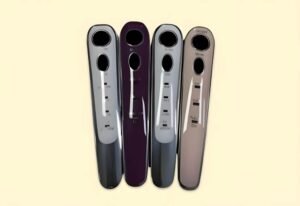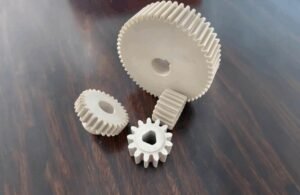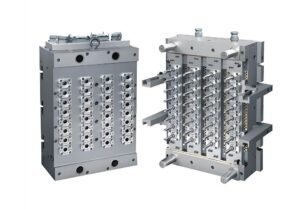

Medical injection molding has been quietly revolutionizing the healthcare industry. Doctors, nurses, and surgeons rely on highly precise tools, and many of those tools are made through this advanced manufacturing process. Items such as syringes, implants, diagnostic kits, and surgical tools are manufactured using injection molding to ensure accuracy, reliability and sterility.
This technology uses medical grade plastics to create complex parts with exact tolerances, often within microns. It delivers huge cost savings, 25-50% less than traditional methods. Plus, its precision process, biocompatibility and scalability have made it essential in healthcare innovation.
This article will explain how medical injection molding works, why it’s important in healthcare, what materials are used and how companies like Fecision are leading the industry with their cleanroom molding and ISO 13485 certification.
What is Medical Injection Molding?
Medical injection molding is a specialized process to manufacture medical grade plastic components. It involves melting plastic pellets and injecting the molten material into a mold cavity where it cools and solidifies into a precise shape. The molds are designed with extreme accuracy to produce consistent, defect free parts that meet tight tolerances.
Unlike standard molding, medical device injection molding takes place in cleanroom environments to ensure sterility. The process also follows strict quality and regulatory guidelines such as ISO 13485 and FDA 21 CFR Part 820 to guarantee patient safety and product reliability.
This process is ideal for producing both single use and reusable medical parts, surgical handles, diagnostic housings, catheters and more. Its ability to replicate complex designs with consistency makes it the backbone of modern healthcare manufacturing
Why precision matters in healthcare
In medical applications, precision isn’t merely desirable. It’s absolutely vital. Even a fraction of a millimeter can determine whether a device functions effectively or fails catastrophically. So accuracy ensures surgical instruments, implants and diagnostic equipment work as intended. Indeed patients’ lives often depend on the flawless performance of these components.
Medical devices must withstand harsh conditions including repeated sterilization, chemical exposure and mechanical stress while maintaining structural integrity. Precision molding therefore provides the foundation for reliable, safe and effective healthcare innovations that professionals can trust without question.
How It Differs from Standard Injection Molding
While standard injection molding focuses on speed and cost, medical injection molding raises the bar by emphasizing accuracy, cleanliness and compliance.
| Key Difference | Standard Injection Molding | Medical Injection Molding |
| Precision | ±0.1 mm | Up to ±0.005 mm |
| Environment | Regular production floor | ISO Class 7–8 cleanroom |
| Regulations | General manufacturing standards | FDA 21 CFR 820, ISO 13485 |
| Materials | Consumer grade plastics | Biocompatible medical polymers |
| Traceability | Optional | Mandatory (Lot-to-lot tracking) |
In short, medical injection molding is engineered for perfection. It allows manufacturers to achieve consistency in products where even a microscopic deviation could mean the difference between success and failure.
How Injection Molding Changes Medical Device Manufacturing
Injection molding medical devices has changed how medical components are designed, produced and delivered. The process enables mass production without compromising quality so manufacturers can meet the growing global demand for healthcare.
Once the design and process parameters are finalized injection molding ensures exceptional repeatability. Every molded part matches the exact specifications of the original prototype. This consistency is critical for products like surgical instruments where even a slight variation can impact performance.
In addition to accuracy, medical plastic injection molding offers scalability and cost savings. Producing thousands of identical units per day reduces the cost per part. This is ideal for high volume medical products like test kits and syringe components. The automation and precision of this process also minimizes human error and contamination risks essential for producing sterile high quality medical devices.
Materials Used in Medical Plastic Injection Molding
The success of any custom medical injection molding process depends on choosing the right medical grade polymer. These materials must be biocompatible, durable and able to withstand harsh sterilization processes like autoclaving or gamma radiation. Some common materials include:
1. Polycarbonate (PC)
Polycarbonate is known for its strength, clarity and impact resistance. It’s ideal for transparent components like blood filters, connectors and housings for diagnostic devices. PC also withstands repeated sterilization cycles without losing its properties.
2. Polypropylene (PP)
Polypropylene is light, chemical resistant and cost effective. Used for disposable medical products such as syringes, IV connectors and test tubes. PP can be sterilized by steam or radiation making it perfect for single use applications.
3. PEEK (Polyether Ether Ketone)
PEEK is a high performance thermoplastic offering exceptional strength and heat resistance. Used in implantable devices, orthopedic components and dental implants due to biocompatibility and mechanical stability.
4. ABS (Acrylonitrile Butadiene Styrene)
ABS provides a balance of toughness and flexibility. Used in electronic housings and handheld medical instruments that need both durability and comfort.
Why These Materials Are Chosen
These polymers are chosen for:
- Biocompatibility: Safe for contact with human tissue and fluids.
- Sterilization Resistance: Maintain integrity after exposure to heat, radiation or chemicals.
- Chemical Stability: Resistant to reactions that could alter performance.
- Sustainability: Ongoing developments are producing eco friendly medical grade materials that meet healthcare standards while reducing environmental impact.
These properties ensure plastic injection molding medical parts remain safe, reliable and long lasting throughout their service life.
Step by Step: How Medical Injection Molding Works
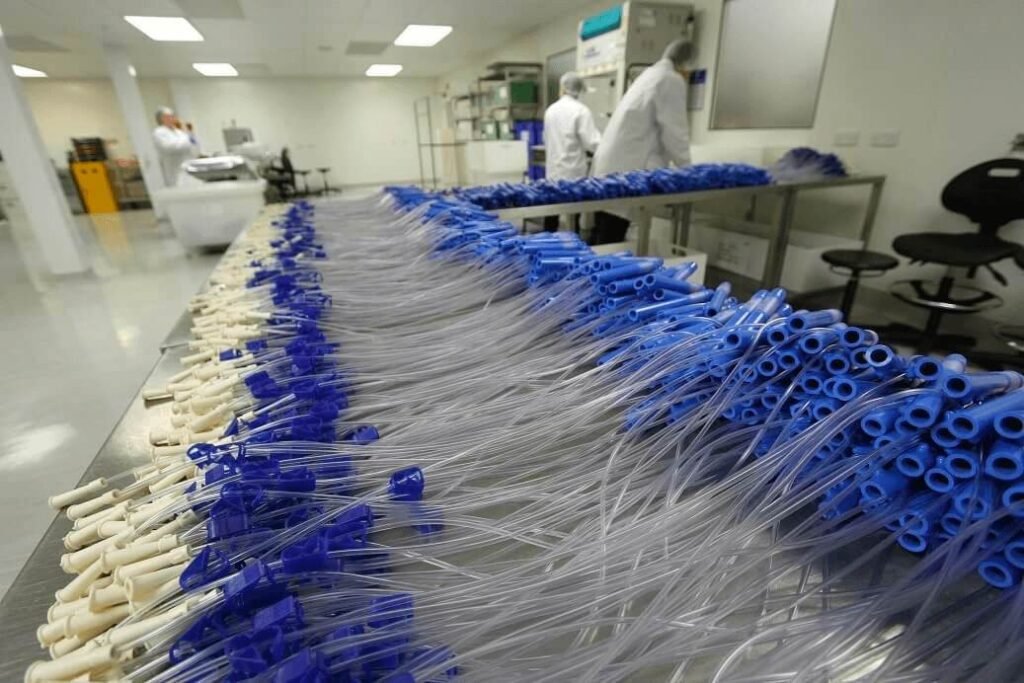
The precise steps involved in medical injection molding ensure consistent production of high quality components for healthcare applications. Each phase requires meticulous attention to detail and strict adherence to quality standards.
1. Material selection and preparation
First, selecting the right medical grade polymers is the foundation of successful molding. Materials must meet ISO 10993 biocompatibility standards and FDA compliance requirements.
Before processing plastic pellets are dried in controlled environments to remove moisture that could create voids in molded parts. The material’s melt flow index, shrinkage properties and thermal characteristics affect moldability.
2. Mold design and tooling
Mold design is the most critical and expensive part of achieving precision medical components. Engineers must carefully consider gate type, runner system efficiency, draft angles and cooling channels. For complex medical devices specialized tooling elements like slides, lifters and collapsible cores may be required.
During injection, the molten plastic fills the mold cavity under precise conditions. Then cooling begins, which accounts for up to 75% of the total cycle time. Proper cooling prevents warping and shrinkage while ensuring dimensional stability.
4. Ejection and finishing
After cooling the ejection system (pins, sleeves or stripper plates) carefully removes the solidified part from the mold. Then excess material is trimmed and the part is finished.
5. Quality control and validation
Every medical injection molding process requires rigorous quality control through techniques like temperature control, flow rate monitoring and cavity pressure sensing. Finished parts are inspected visually, dimensionally and functionally to ensure compliance with medical standards.
Benefits of Medical Injection Molding for Healthcare
The benefits of medical injection molding go beyond manufacturing efficiency. This process delivers critical advantages that impact healthcare quality, accessibility and innovation.
- High precision and repeatability: This process allows for extremely accurate parts, often measured in microns. Once the mold and settings are perfected every piece comes out nearly identical. This consistency is critical for devices such as surgical tools or implants where even a minor mistake can compromise patient safety.
- Scalability for mass production: Injection molding is perfect for making large numbers of medical parts quickly. With multi-cavity molds manufacturers can produce several parts in one go, thousands each hour while keeping quality high. This meets growing healthcare demands efficiently.
- Material versatility and biocompatibility: Medical injection molding uses special medical grade plastics that are safe for contact with the human body. These materials stay strong and stable even after sterilization or long term use inside the body. Manufacturers can choose different types of plastics based on the device’s intended use and environment.
- Cost effectiveness over time: Injection molding becomes highly economical over time although creating molds can be expensive at first. The process wastes very little material and parts often require no additional finishing. This keeps production costs low making medical devices more affordable for hospitals and patients.
- Reduced secondary operations: Modern injection molding can include features like metal inserts, threads or clips during the molding process itself. This reduces the need for separate assembly steps saving time and labor costs. It also increases product reliability since fewer parts need to be manually fitted together.
Quality, Cleanroom Standards and Certification
The medical industry demands zero defects. Every medical plastic injection molding process must comply with regulatory standards to ensure safety and reliability.
ISO 13485 Compliance: This certification defines rigorous quality management systems for medical device production.
FDA Regulations (21 CFR Part 820): These rules govern design, manufacturing and documentation to ensure traceability and accountability.
Cleanroom Manufacturing: Cleanrooms (ISO Class 7 or 8) minimize airborne contamination. They control temperature, humidity and particle count to protect device sterility during molding, assembly and packaging.
Fecision’s Quality Commitment
Fecision maintains strict compliance with industry certifications through thorough validation protocols. Our process follows Installation Qualification (IQ), Operational Qualification (OQ) and Performance Qualification (PQ) methodologies. This three step approach verifies that tooling, materials, equipment and processes produce medical grade components that meet predetermined specifications. In fact our quality management system ensures complete traceability from raw materials to finished products. Our adherence to ISO 13485:2016 shows their commitment to international standards for medical manufacturing.
Applications of Injection Molding in Medical Devices
Injection molded medical components are used in countless healthcare applications across various specialties. The versatility of this process enables production of critical devices that save lives daily.
Surgical tools and instruments
Precision molded surgical instruments offer improved ergonomics and reduced weight compared to metal alternatives. These components include scalpel handles, forceps, clamps and retractors designed to withstand repeated sterilization processes. Some are even used in highly specialized operations like open-heart surgery, proving how reliable and precise the process can be.
Implantable components
Medical injection molding produces implantable devices including knee and hip joints, dental implants and bioabsorbable structures. Some specialized molding systems can produce bioabsorbable parts weighing just 2.5 mg, one twentieth of a single pellet. These components offer advantages like eliminating secondary surgical procedures for device removal.
Diagnostic and lab equipment
Clinical laboratories use injection molded components in analyzers for gene sequencing, blood banking, hematology, chemistry and microbiology automation. Common applications include test tubes, microplates, diagnostic meters, vials and lateral flow cartridges.
Drug delivery systems
Injection molding produces components for pharmaceutical delivery including cannula assemblies, dispensing nozzles and reservoir components. Bioabsorbable materials allow micro-implants to deliver medications to targeted areas with controlled release rates.
Wearable and smart medical devices
Medical wearables use thermoplastics like polycarbonate (PC) and thermoplastic polyurethane (TPU) to reduce weight by up to 40% compared to metal alternatives. They also enable advanced functions like heart rate tracking, glucose monitoring and sleep analysis.
Why Choose Fecision for Your Medical Device Plastic Injection Molding Needs
Fecision is a leading medical injection molding supplier with decades of experience in precision manufacturing. We provide precision engineered medical components that meet the world’s highest manufacturing standards, backed by over 35 years of expertise.
Key Capabilities:
Advanced Molding Technology: State of the art machines for high precision and efficiency.
Comprehensive Support: End to end solutions from design to final delivery.
Experience and Reliability: Decades of experience in medical grade plastics and tooling.
Cleanroom Facilities: ISO classified environments for sterility throughout production.
Comprehensive Support: Full ODM/OEM capabilities for custom projects.
Case Study: Chemistry Reagent Discs
One of Fecision notable projects is producing chemistry reagent discs specialized consumables used in biochemical testing. These discs, made from high grade medical plastic, serve as carriers for chemistry test panels in clinical diagnostic equipment.
Fecision ensures each reagent disc meets strict dimensional and functional standards through precision medical injection molding. It enables accurate test results for life critical diagnostics like kidney or liver function tests. This shows Fecision’s ability to combine engineering precision with regulatory compliance.
Conclusion: The Future of Precision Medical Manufacturing
Medical injection molding is shaping the future of healthcare manufacturing. Its ability to produce precise, sterile and scalable plastic components makes it essential in modern medicine. As demand for advanced medical devices grows this technology will drive innovation, reduce costs and improve patient outcomes worldwide.
Fecision’s proven expertise, ISO certified processes and commitment to quality make them a trusted partner for healthcare manufacturers. Whether you need diagnostic components, surgical parts or implantable device housings, their custom solutions deliver unmatched precision and reliability.
Contact Fecision today to learn how our custom medical injection molding services can power your next healthcare innovation.