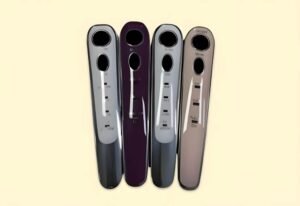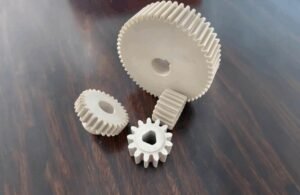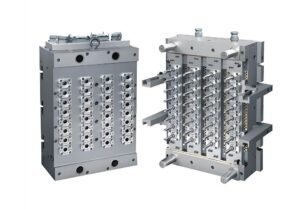
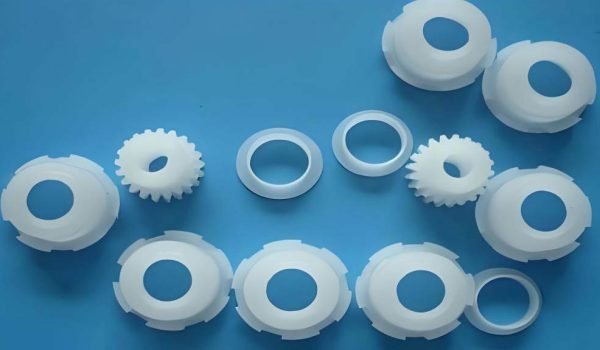
LDPE is derived from ethylene through polymerization and is known for its flexibility, chemical resistance, and cost-effectiveness. Its unique molecular structure makes it an ideal material for various applications, including food packaging.
This comprehensive guide will explore the fundamentals of LDPE injection molding, from its material properties to processing conditions and applications. You’ll gain practical insights into optimizing LDPE injection molding processes to achieve high-quality results.
Understanding Low Density Polyethylene (LDPE)
Understanding the properties and production of Low Density Polyethylene is crucial for manufacturers and consumers alike. Low Density Polyethylene (LDPE) is a type of polyethylene known for its unique molecular structure and versatile applications.
Chemical Structure and Composition
The chemical structure of LDPE is characterized by long chains of ethylene monomers with significant branching. This branching prevents the molecules from packing tightly together, resulting in LDPE’s characteristic low density, ranging from 0.91 to 0.925 g/cm³. The branched structure differentiates LDPE from other types of polyethylene, giving it unique properties that are advantageous in various applications.
Manufacturing Process of LDPE
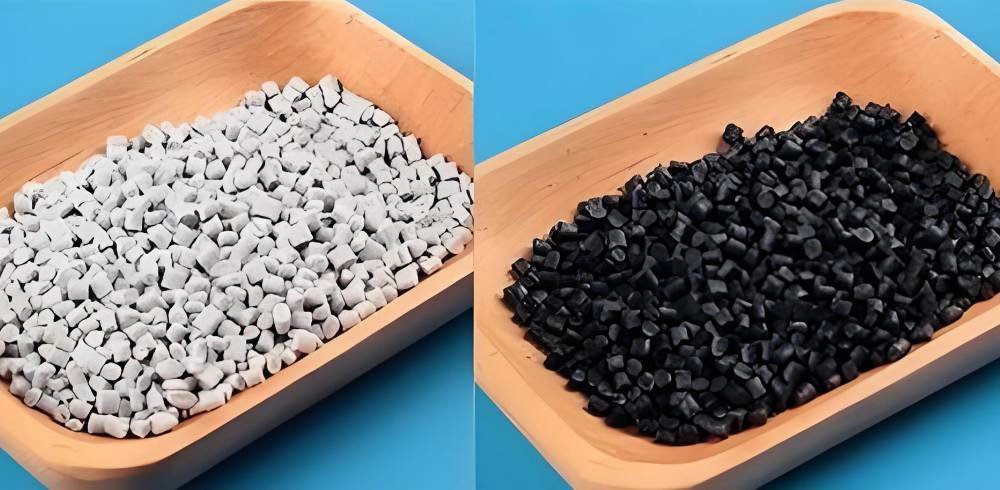
The manufacturing process of LDPE involves high-pressure free-radical polymerization. Ethylene gas is purified and compressed to extremely high pressures, then introduced into a reactor with free-radical initiators at high temperatures. The resulting polymer is cooled, separated, and formed into pellets for distribution. This high-pressure process is unique to LDPE and allows for the production of material with varying molecular weights and degrees of branching, making it suitable for a wide range of applications.

Essential Properties of LDPE Material
Understanding the essential properties of LDPE material is crucial for its effective application in injection molding.
Physical Characteristics
LDPE exhibits a unique combination of physical properties, including low density (0.91-0.94 g/cm³), a semi-crystalline structure, and a waxy feel. This makes LDPE ideal for applications requiring flexibility. Its transparency and softness also contribute to its versatility in packaging and consumer goods. The low density of LDPE is a significant factor in its widespread use.
Mechanical Properties
The mechanical properties of LDPE include low tensile strength (typically 7-21 MPa), which is offset by its excellent impact resistance and tear strength. This balance makes LDPE suitable for applications where durability and flexibility are more important than rigidity. The material’s ability to absorb impact without breaking is particularly valuable in packaging and other applications.
Chemical Resistance and Thermal Behavior
LDPE offers good chemical resistance to acids, bases, alcohols, and water, although it can be affected by aromatic and chlorinated hydrocarbons, which cause swelling. The thermal properties of LDPE include a relatively low melting point range (105-115°C) and good stability at low temperatures. This allows for easy processing and applications in cold environments. Understanding these properties is key to optimizing LDPE for specific uses.
LDPE Injection Molding Process
LDPE injection molding involves transforming polyethylene resin into functional parts through a multi-step process. This process requires careful consideration of equipment, procedure, and quality control to produce high-quality components.
Equipment and Setup Requirements
The LDPE injection molding process begins with proper equipment selection, including an injection molding machine with appropriate tonnage and screw design optimized for LDPE’s viscosity. Temperature control systems capable of maintaining consistent temperatures are also crucial. Proper mold preparation with adequate venting, optimized gate locations, and cooling channels designed to accommodate LDPE’s thermal characteristics is essential.
Step-by-Step Molding Procedure
The step-by-step molding procedure follows a systematic approach: material loading, melting the LDPE resin at temperatures between 180-280°C, injecting the molten plastic into the mold cavity under controlled pressure, cooling the part, and finally ejecting the solidified component. Maintaining proper injection speed and pressure is critical to prevent premature cooling and ensure complete mold filling. The cooling phase requires careful management to affect part quality and dimensional stability.
Quality Control Considerations
Quality control considerations include monitoring for common LDPE molding defects such as warpage, sink marks, and flash. Implementing in-process monitoring systems helps maintain consistent part quality by tracking critical parameters throughout the production run. Post-molding inspection protocols should verify dimensional accuracy, surface finish quality, and mechanical integrity to ensure components meet design specifications.
Optimal Processing Conditions for LDPE Injection Molding
To achieve optimal results in LDPE injection molding, it’s crucial to understand the processing conditions. The quality of the final product depends on various factors, including temperature, pressure, and cooling. By optimizing these conditions, you can get parts with the desired properties and minimize defects.
Temperature Parameters
The optimal temperature parameters for LDPE injection molding include a melt temperature range of 180-280°C (355-535°F), with most applications falling within the 200-240°C range for the best processing results. The barrel temperature profile should be set with a gradual increase from the feed zone to the nozzle, typically starting around 160°C and increasing to the target melt temperature. This ensures proper plasticization without material degradation.
Pressure Settings and Injection Speed
Pressure settings for LDPE injection molding include initial injection pressures up to 150 MPa and pack/hold pressures around 50-75% of the injection pressure to compensate for material shrinkage without causing flash. The injection speed should be relatively fast to prevent premature cooling. Profiled injection speeds are often used to limit warpage in large, flat parts.
Cooling and Cycle Time Management
Cooling time management is essential for LDPE parts. Cooling channels should be designed to maintain uniform temperatures across the mold and positioned no more than 1.5 times the channel diameter from the mold surface. Cycle time optimization involves balancing cooling time with part quality requirements, as insufficient cooling can lead to warpage and dimensional issues.
Troubleshooting Common Processing Issues
Common processing issues with LDPE include warpage, sink marks, and flash. These can be addressed by adjusting mold temperatures, cooling time, packing pressure, and injection speed parameters. Troubleshooting should follow a systematic approach of identifying the defect, understanding its potential causes, making controlled adjustments, and evaluating the results.
Advantages and Limitations of LDPE Injection Molding
With its low melting point and excellent chemical resistance, LDPE is an ideal material for various injection molding applications. This characteristic makes it a popular choice among manufacturers looking to produce high-quality, flexible products.
Key Benefits for Manufacturers
LDPE injection molding offers manufacturers significant cost advantages. The low material costs, combined with reduced energy consumption due to lower processing temperatures, make it an economical choice for high-volume production. Additionally, LDPE’s excellent chemical resistance makes it suitable for packaging applications that come into contact with various substances.
Design Flexibility and Material Efficiency
The material’s good flow characteristics during injection enable the creation of complex geometries and thin-walled sections with minimal waste. LDPE’s natural flexibility and impact resistance result in durable products that can withstand deformation without breaking, making it suitable for applications requiring resilience rather than rigidity.
Challenges and Constraints
Despite its advantages, LDPE has limitations, including relatively poor dimensional stability and low heat resistance. These characteristics make it challenging to maintain tight tolerances in precision applications and restrict its use in high-temperature environments. Manufacturers must balance these advantages and limitations when selecting LDPE for injection molding projects.
Applications of LDPE Injection Molded Products
LDPE injection molding serves a broad spectrum of industries, including packaging, medical, and industrial sectors.
Packaging and Consumer Goods
In the packaging industry, LDPE injection molded products are widely used for manufacturing squeeze bottles, caps, closures, and various container types. The material’s flexibility, moisture resistance, and food-safe properties make it suitable for packaging applications. Additionally, LDPE is used in consumer goods for producing household items like flexible storage containers, toys, and kitchenware, where its durability and ease of cleaning are valued.
Medical and Healthcare Applications
The medical and healthcare sector relies on LDPE for applications that require chemical resistance and flexibility. Examples include squeeze bottles for reagents, flexible tubing, dropper assemblies, and various laboratory components. The use of LDPE in medical devices and equipment is attributed to its biocompatibility and ability to withstand sterilization processes.
Industrial and Specialized Uses
LDPE’s excellent electrical insulating properties make it valuable for cable insulation, connector housings, and other electrical components. Industrial applications also leverage LDPE’s chemical resistance for storage containers, laboratory equipment, and components that come into contact with various chemicals and solvents. Furthermore, LDPE is used in agricultural applications, such as irrigation components and greenhouse accessories, benefiting from its weather resistance and durability.
LDPE vs. HDPE Injection Molding: A Comparative Analysis
Understanding the differences between LDPE and HDPE is essential for selecting the right material for your injection molding needs. Both materials have unique properties that make them suitable for different applications.
Structural and Property Differences
The fundamental structural difference between LDPE and HDPE lies in their molecular arrangement. LDPE features highly branched chains, while HDPE has minimal branching, resulting in higher density and crystallinity. This difference impacts their mechanical properties, with HDPE offering superior tensile strength and rigidity, and LDPE providing greater flexibility and impact resistance.
Processing Variations and Requirements
Processing temperatures and mold temperatures differ between LDPE and HDPE due to their distinct melting points and crystallinity. HDPE requires higher injection temperatures (200-300°C) and warmer molds (40-60°C) compared to LDPE (160-260°C and 30-45°C, respectively). Additionally, HDPE generally exhibits greater shrinkage and requires longer cooling times.
Application Selection Criteria
When choosing between LDPE and HDPE, consider the application’s environmental conditions, required mechanical properties, and processing considerations. HDPE offers better high-temperature resistance, while LDPE provides superior low-temperature flexibility. By understanding these differences, you can select the optimal material for your specific injection molding application.
Conclusion
Low-density polyethylene injection molding is an ideal method for creating flexible and chemically resistant products. It offers a valuable combination of properties suitable for various applications, from packaging to medical components. Understanding optimal processing conditions is crucial for achieving high-quality parts. While LDPE has its limitations, its recyclability and potential for incorporating recycled content make it an attractive option for environmentally conscious manufacturing.
For companies seeking to leverage LDPE injection molding, partnering with experienced manufacturers like Fecision can help navigate material selection and processing challenges. Contact Fecision today to discuss your needs.