If you are involved in the injection molding of plastic parts, you very well understand the importance of consistency. You also understand how frustrating the situation gets when the structural consistency of your part is affected by molding defects. Voids in injection molding are among the most common unwanted defects.
In the guide below, you will learn what these voids are, their types, impacts, causes, and how to avoid them. Read the guide till the end so that you can smartly act and prevent these defects from ruining your parts.
What Are Voids? Understanding The Basic Concept
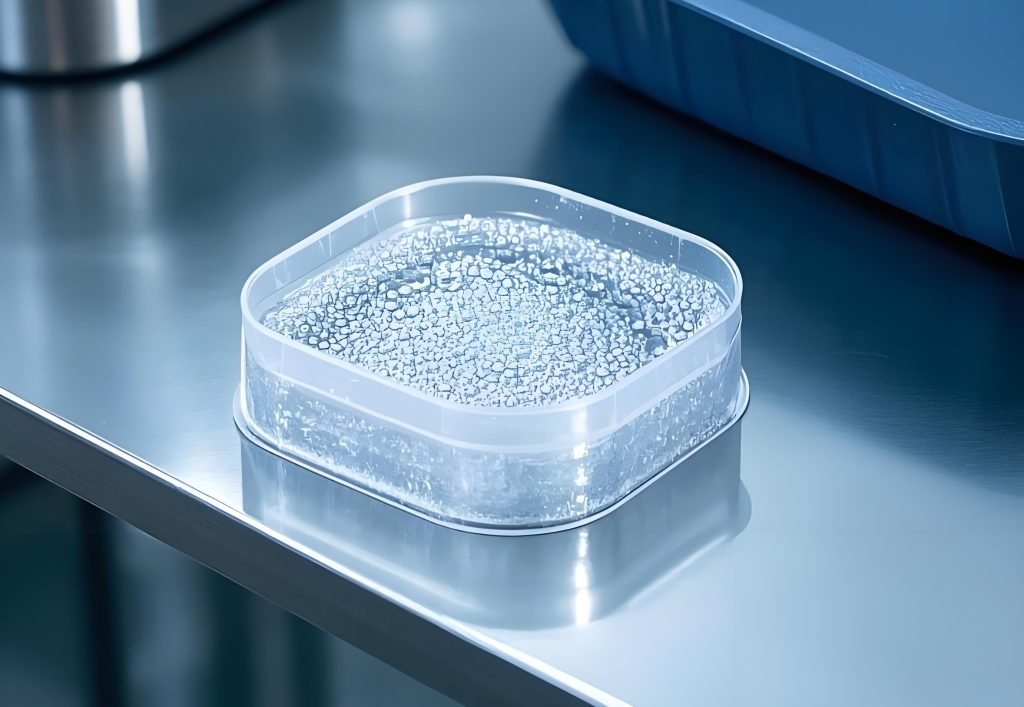
Voids in plastic injection molding are hollow spaces or cavities within the molded plastic part. These are unwanted air pockets that can’t usually be visualized without proper testing. Such cavities typically form due to the uneven shrinkage of material during cooling.
They are internal defects that are often found in thick sections of the molded components. You can’t ignore the presence of even a tiny void if you are working on precision parts.
Types Of Voids In Injection Molding
Based on the part material, its design, and processing parameters, you may encounter any one of the 2 most common types of voids. These types are as follows:
1. Gas Voids/Bubbles
When the gases or air trapped in the material can’t escape the cavity of the mold, they form voids. The jetting issues of the molding process might have caused them. Although these voids often form in thicker sections of the part, they may also appear in other areas.
2. Vacuum Voids
Another one of the most common types of voids in plastic injection molding is the vacuum void. These cavities or defects occur when the exterior of the plastic part cools faster than its interior. As the outer layer solidifies earlier, it seals the inner material, causing shrinkage and vacuum creation in it.
The vacuum, thus created, in the part leads to the internal voids or cavities. If your part is transparent, you can identify these defects as air pockets. But in case of opaque plastic parts, you will need processes like CT scanning, etc, to detect such cavities.
Impacts Of Voids In Plastic Injection Molding
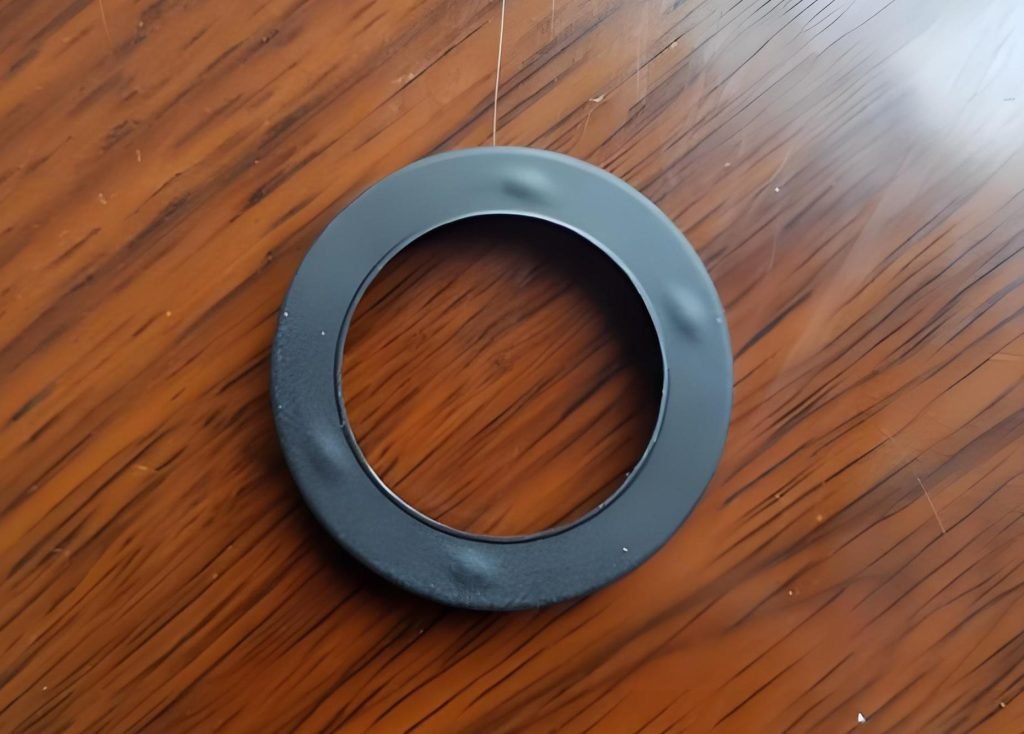
Don’t take voids lightly. They may seem to be minor to you, but their impacts are considerable, which can reflect in the following ways:
- Structural Weakness: If air pockets are present within a plastic part, it reduces the material’s strength. The void spot can become the failure point of the part when it’s subjected to stress.
- Aesthetic Defects: The presence of voids may cause surface irregularities that compromise the aesthetics of the part. In some applications, such uneven surfaces are not accepted. Additionally, if your part is transparent, even internal voids will appear as visible pockets, impacting the part’s aesthetics negatively.
- Dimensional Inaccuracy & Increased Rejections: Another significant impact of voids is the uneven shrinkage caused by them in parts. It leads to dimensional inaccuracy, increased rejection or scrap rate, and increased rework time.
- Reduced Customer Trust: Last but not least, in fact, the most important impact is the reduced customer trust. The failure of the parts due to these voids can reduce your customer trust. These hidden defects may destroy your relationship with the customers.
What Causes Voids In Injection Molding?
Before you proceed to fix a problem, you need to trace it back to its root. The same rule applies here in the case of voids as well. Here are the root causes of these defects that you should be aware of:
1. Insufficient Packing Pressure
If your packing pressure is insufficient (too low), the cavity of the mold won’t be fully filled by the plastic. It occurs more often in thicker sections than in the other areas. Incomplete filling causes shrinkage and vacuum voids.
2. Improper Venting
When you pour molten plastic into the mold, it needs to replace the air already present inside. For the air to escape the mold, proper venting is required. With inadequate venting, you end up trapping gas inside, which creates bubbles, and those bubbles further turn into voids.
3. Material Choice
Another one of the most important causes of voids may be your specific choice of material. That’s because some materials, such as those with high rates of shrinkage, are more prone to such molding defects.
4. Improper Cooling Rate
If the external layer of your part cools and solidifies quicker than its interior, it will cause a vacuum to appear in the middle. Consequently, the walls will be pulled inward, which will form voids in the molding.
5. Incorrect Temperature
In cases when mold and melt temperatures are insufficient (too low), the part material gets more viscous. High viscosity makes it difficult for the material to fill the mold. Moreover, the low temperature of the mold causes the exterior of the plastic part to cool prematurely.
All these issues caused by insufficient temperature lead to the formation of voids.
How To Avoid Voids In Injection Molding: Prevention Strategies
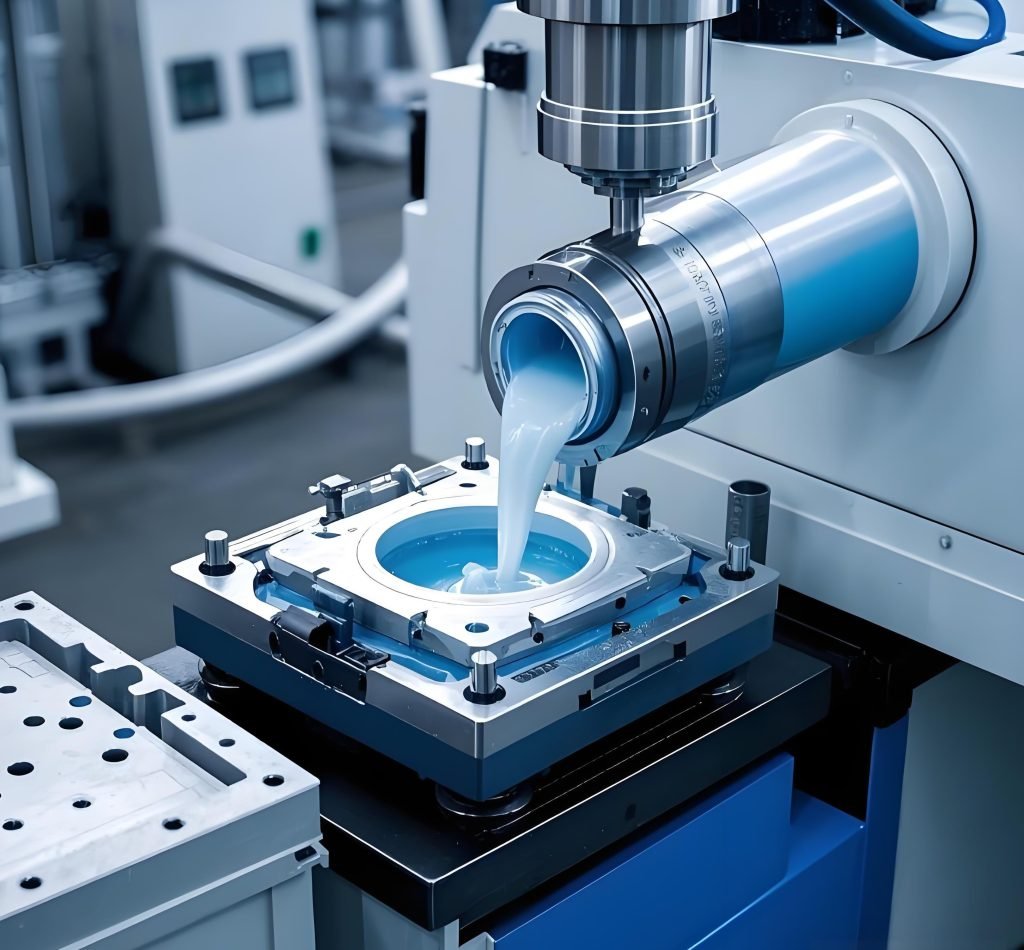
Now that you have understood what causes voids in injection molding, it’s time to learn to avoid them. Here are some effective prevention strategies:
1. Optimize Packing Pressure
The first thing that you can do to prevent voids is to ensure that you apply sufficient packing pressure. An optimized packing pressure will help the material to fully fill the mold cavity.
2. Improve Mold Venting
You should also provide proper venting in your molding setup. It will ensure that the air present inside is allowed to escape the cavity when material is injected.
3. Adjust Melt And Mold Temperatures
Another important thing for you to ensure is the optimization of mold and melt temperature. The melt temperature should be enough to allow a good flow for your material. The temperature of the mold, on the other hand, shouldn’t be so low that you end up with a premature material cooling.
4. Switch To Lower Shrinkage Materials
You should prefer using materials with low shrinkage, as high-shrinkage materials are more prone to voids. Alternatively, you can also add some fillers to help reduce the risk of voids.
5. Use Simulation Software
Software tools like Moldflow (by Autodesk) can also help you prevent voids in injection molding. Such tools can simulate the molding process without needing you to start the process. Through the simulation, you will be able to predict the void formation and make corrections in the setup accordingly.
Conclusion
By allowing voids to form, you not only compromise the aesthetics but also the mechanical strength of your parts. Don’t risk your reputation in the market and take these defects seriously.
With the strategies discussed above, you can prevent voids and deliver more reliable products to your customers.