From catheter hubs to surgical grips, medical insert molding fuses metal strength with polymer precision—delivering devices that surgeons trust and patients rely on. You need components that perform under pressure, and this specialized process ensures every part meets the highest clinical standards.
Below you’ll learn what insert molding truly is, why it dominates med-tech manufacturing, where it appears in real devices, and how to vet medical insert molding near me. You will find practical insights to improve your next project.
What Is Insert Molding?
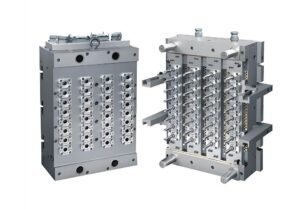
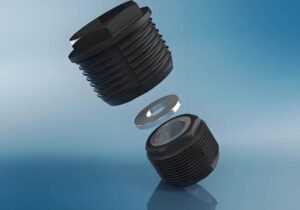
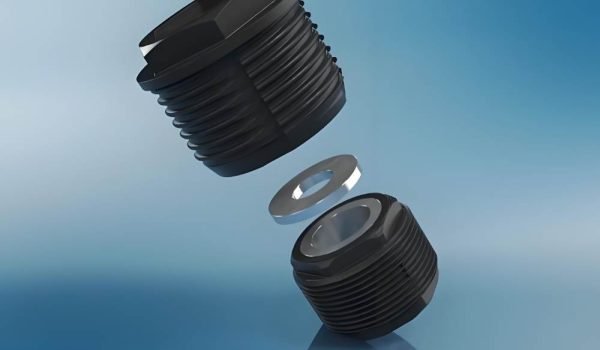
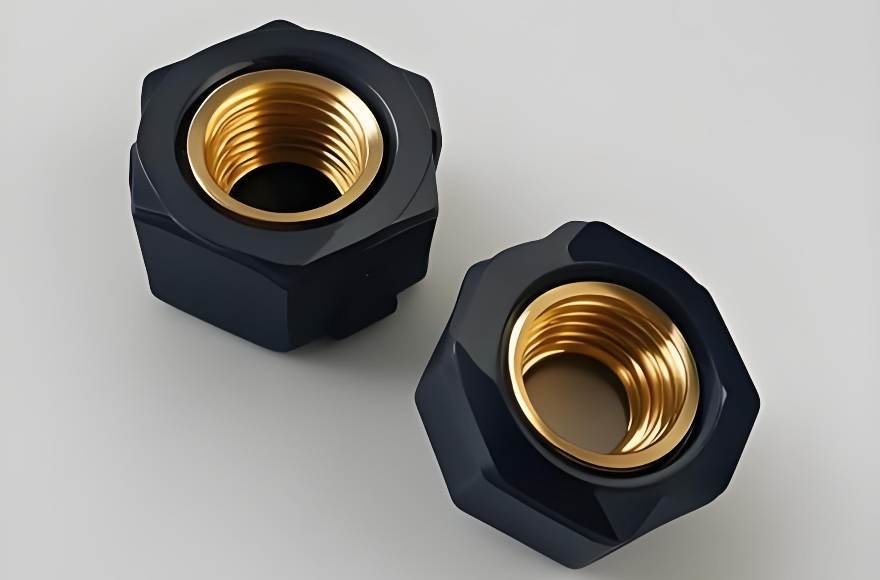
Medical insert molding is a single-shot process where a pre-formed insert is positioned into a mold cavity. This insert can be made of metal, ceramic, or polymer. Once the mold is closed, it is encapsulated by injected thermoplastic—from high-performance PEEK to flexible, biocompatible TPU—to create one inseparable and highly durable component.
During the manufacturing cycle, inserts are cleaned and placed into the mold either robotically or manually. Molten resin is then injected at high temperatures to make the material fully fluid. The plastic flows around the insert and bonds through mechanical interlock or chemical adhesion. Finally, it solidifies into a finished part.
Insert Molding vs. Alternative Technologies
• Insert Molding: Single-shot encapsulation of pre-formed rigid substrates (stainless steel 17-4PH, titanium Ti-6Al-4V, ceramic alumina) with thermoplastic. Bond mechanism: mechanical interlock (undercut depth 0.1-0.3mm) + chemical adhesion (surface energy >38 dynes/cm).
• Overmolding: Multi-shot process molding thermoplastic elastomer (TPE) over rigid thermoplastic substrate. No metallic insert; bond relies on thermal fusion between polymer layers.
• Multi-Shot Molding: Two+ polymers injected sequentially via rotating mold or transfer station. Distinct from insert molding which uses solid metallic inserts.
| Parameter | Insert Molding | Overmolding | Multi-Shot |
|---|---|---|---|
| Substrate | Metal/ceramic | Thermoplastic | Thermoplastic |
| Bond Strength | 15-40 MPa (shear) | 5-12 MPa (peel) | 8-15 MPa (cohesive) |
| Cycle Time | 15-45s | 20-60s (2 shots) | 25-70s |
| Tooling Cost | Moderate (high precision) | High (2 barrels) | Very High (rotary) |
| Hermeticity | Excellent (true seal) | Moderate (seam line) | Moderate |
Key Benefits of Insert Molding
Choosing this method offers several practical advantages for your project. You can improve both the quality and the cost-efficiency of your medical devices using these specific benefits.
Structural Fusion
Metal inserts deliver the high tensile strength and torque transmission you need for demanding medical tasks, while the polymer jacket adds essential electrical insulation and chemical shielding. To achieve this bond, manufacturers place the substrate into a high-precision mold before injection begins. This creates a rugged component that handles mechanical stress much better than parts held by glue.
Micro-Scale Precision
Encapsulating inserts down to a sub-millimeter scale helps you design advanced, tiny devices. These parts offer a much tighter anatomical fit for patients. To handle such small components, specialized robotic systems are used by manufacturers to ensure perfect placement. These machines prevent tiny inserts from shifting during injection. The result is a high-tech component that remains fully functional.
Material Freedom
You have the freedom to bond very different substrates, like pairing rigid stainless steel with conductive brass to meet specific clinical requirements. Each material combination is carefully matched by manufacturers to meet your sterilization and body-contact demands. They ensure that the chosen resin and metal bond correctly, allowing you to build a custom solution for any application.
Assembly Elimination
The process offers the flexibility to bond dissimilar substrates, fasteners, or secondary welding. A single molded unit replaces complex multi-component builds, which simplifies your supply chain and reduces warehouse tracking. By eliminating manual steps, manufacturers reduce the risk of human error and misalignment, leading to a higher yield of usable medical parts.
Hermetic Sealing
Molten polymer flows perfectly around your inserts to form a reliable, leak-proof barrier for fluid handling systems or implantable electronics. During the cooling phase, the plastic is engineered to shrink around the inserted metal to create a tight mechanical seal. This creates an internal barrier that effectively shields components from moisture, blood, and other external fluids.
Cost & Velocity at Scale
High-cavitation tooling allows you to amortize initial costs across millions of shots, making the per-unit price very low during mass production. Because secondary operations are removed, lead times are significantly shortened by manufacturers. This faster production velocity helps you get your insert molding medical devices to market much sooner while reducing your total project cost and risk.
Applications of Medical Insert Molding
This technique is used across many different medical fields. You will likely see these parts in many common life-saving tools and diagnostic devices.
Catheters & Guidewires
Metal collars are often encapsulated to improve how torque is sent through a catheter. This ensures the device moves exactly how you want it to move during a medical procedure. The one-piece design stops the metal from pulling away from the plastic tube under stress.
Also, marker bands are embedded directly into the shafts by manufacturers to allow for clear tracking under X-rays. This process removes small gaps that could trap germs or hurt sensitive tissue. The result is a smooth, high-performance tool that enables precise visualization for medical professionals.
Surgical Instruments
Parts like blades, electrodes, or cannulae are locked into plastic handles to give surgeons a comfortable grip and good balance. This design provides essential electrical safety for the user during sensitive operations. This technology is commonly found in surgical tools such as scalpels, forceps, and cauterizing pens used in electrosurgical procedures.
During production, the inserts are held very tightly to ensure they line up perfectly with the handle. This prevents any wobbling or breakage when the surgeon applies pressure. By using this method, manufacturers can create tough instruments that feel natural in the hand while staying extremely strong.
Implantable Devices
Pacemakers, neurostimulators, and drug pumps house sensitive electronics and batteries within hermetic polymer shells. These shells must protect the internal components from body fluids for many years. You rely on these devices to function perfectly inside the patient without any risk of leakage or failure.
Biocompatible grades of plastic are used by manufacturers to meet ISO 10993 and long-term implant standards. The molding process creates a seamless barrier around the metal electronic housing. This high level of protection ensures that your implantable devices remain safe and effective for the duration of their service life.
Diagnostic & Monitoring Equipment
Sensor housings and wearable patch connectors integrate conductive paths and strain reliefs in a single shot. This creates a durable interface that can withstand daily use by patients in various environments. You get a device that is easy to wear and highly resistant to physical damage.
The molded parts are sealed against moisture and harsh sterilants by manufacturers to protect the internal sensors. This prevents the degradation of diagnostic signals over time. Whether it is a titer-plate film backing or a handheld monitor, the insert-molded design ensures consistent and accurate data collection.
Fluid Management Components
Items like valves and connectors encapsulate metal or ceramic seats to create seals that never leak. This is vital for IV sets where losing fluid could be very dangerous for the patient. You need these connections to stay secure and resist damage from different medical fluids and medicines.
To prevent any leaks, very strict pressure and heat levels are managed by manufacturers during the molding process. This ensures the plastic flows perfectly into every tiny groove of the valve seat. You receive a strong component that stays sealed even after it is used hundreds of times.
Soft-Tissue & Drug Delivery Systems
TPU medical insert molding is often used to form balloon catheters and infusion ports. This combination provides the flexibility and kink resistance you need for navigating complex vascular pathways. It also ensures compatibility with a wide range of drugs that might otherwise react with lower-quality materials.
Metal hypotubes are often incorporated by manufacturers to provide the necessary “pushability” without making the device too stiff. This balance of properties is essential for successful drug delivery and soft-tissue intervention. The result is a high-performance delivery system that balances patient comfort with precise control.
Dental & Orthodontic Devices
Implant drivers and bracket bases merge titanium or stainless inserts with FDA-cleared polymers. This allows for high torque transfer during dental procedures without the risk of the tool breaking or slipping. These components are engineered to withstand the mechanical stresses of orthodontic adjustments.
The polymers used are selected for their biostability and resistance to the oral environment. During the molding process, the metal inserts are positioned to ensure maximum bonding area with the plastic. This results in a long-lasting dental tool that is both lightweight for the dentist and safe for the patient.
How to Source: Finding Medical Insert Molding Near Me
Selecting the right partner is the most important step for your project. Use these basic selection criteria to help identify a reputable manufacturing team.
Step 1: Audit Their Technical Precision
Supplier evaluation should include assessment of their automation capabilities for insert placement. It is very important to ask for proof of their skill with tiny parts and tight tolerances. You want to see that they can hit targets as small as ±0.001″ or even tighter. You should see examples of their success with complex shapes before you decide to work with them.
Step 2: Verify Their Regulatory & Quality Stack
When looking for a partner, ISO 13485 certification and FDA registration are the absolute minimum requirements you should accept. Quality processes should include thermal expansion modeling and warpage analysis during the design phase, prior to tooling fabrication. Ensure they use clean rooms that are rated ISO 8 or better.
Step 3: Assess Their DFM & Risk Mitigation
The best partners will scrutinize your insert tolerance stacks upfront to prevent issues during mass production. They should use thermal safeguards for thin substrates and vision-guided placement systems to avoid any damage to the mold. You need a partner who identifies potential risks like flash or parting-line crashes early.
Step 4: Confirm Scalability & Communication
Rapid T1 sample delivery within days rather than weeks indicates production efficiency and responsiveness. It is important to confirm that the supplier offers transparent project management and fast engineering feedback loops. This ensures that you stay informed and that your project remains on schedule from prototype to final production.
Fecision—Precision Without Compromise
Fecision delivers high-quality insert molding medical solutions that grow with your project from early prototypes to massive production runs. Our team operates ISO 13485-certified clean rooms and uses advanced CMM in-process inspection to guarantee every part is perfect. We use automated insert handling to achieve medical insert molding tolerances as tight as ±0.001″ with reliable lot-to-lot repeatability.
We specialize in matching the right materials to your specific device needs, whether you require TPU medical insert molding for flexibility or PEEK for long-term biostability. Our engineers carefully validate how different materials bond to substrates for your medical devices. This includes products like catheters, surgical grips, and implantable housings. You can trust our expertise to keep your components safe, durable, and biocompatible.
Upload your CAD files today for a free DFM review and a detailed tolerance stack analysis. We provide these services with no obligation to help you get started.
Conclusion
Medical insert molding is a powerful process that merges material strengths. It also removes expensive assembly steps from your production. This is a scalable solution for everything from micro-surgical prototypes to high-volume disposable items. To succeed, you should make sure your design, materials, and supplier are all perfectly aligned.
Connect with Fecision today to secure your free DFM review and material compatibility matrix. We are ready to provide a fast-track quote for your next medical project.