Custom ABS Injection Molding Service

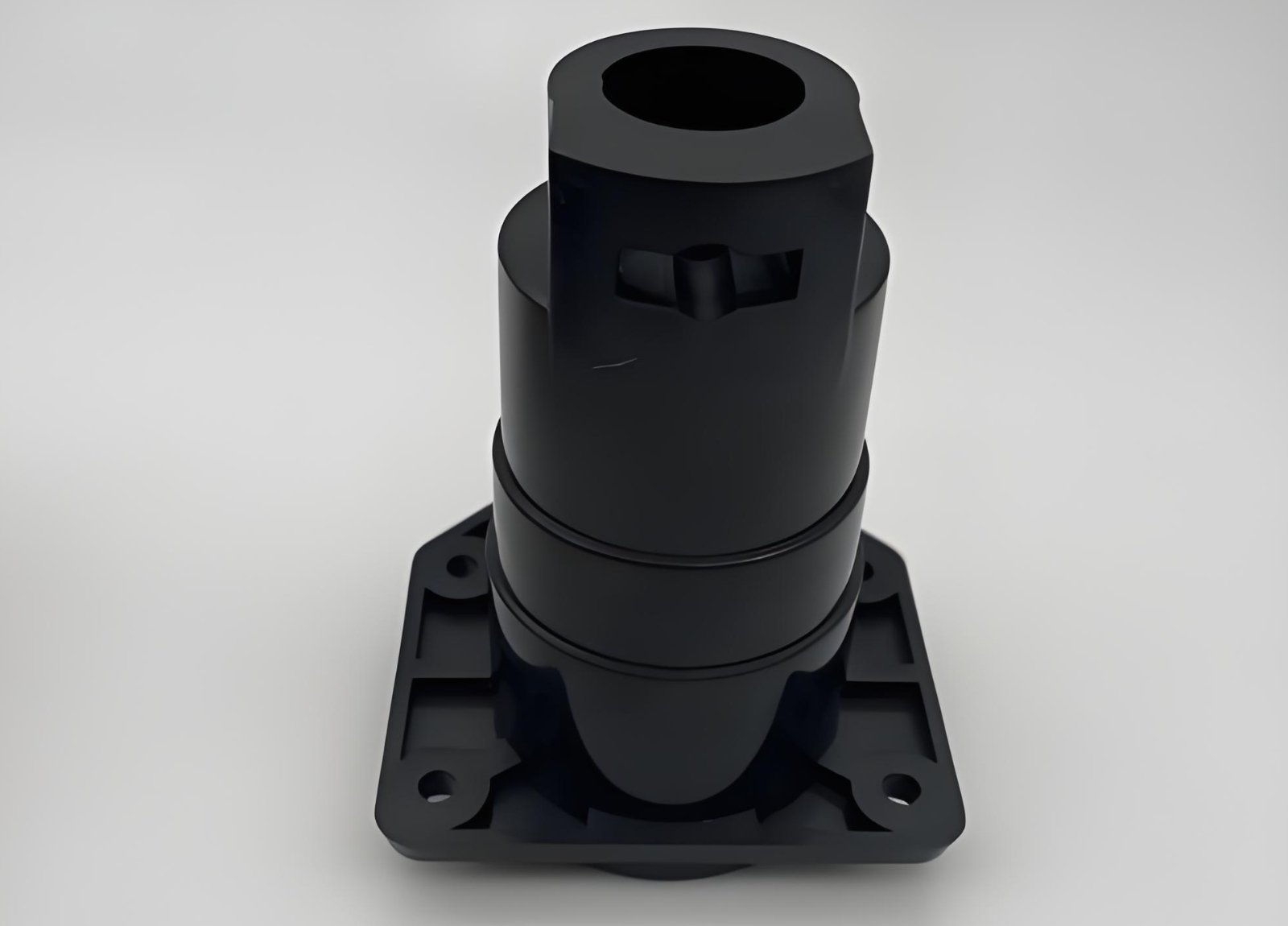
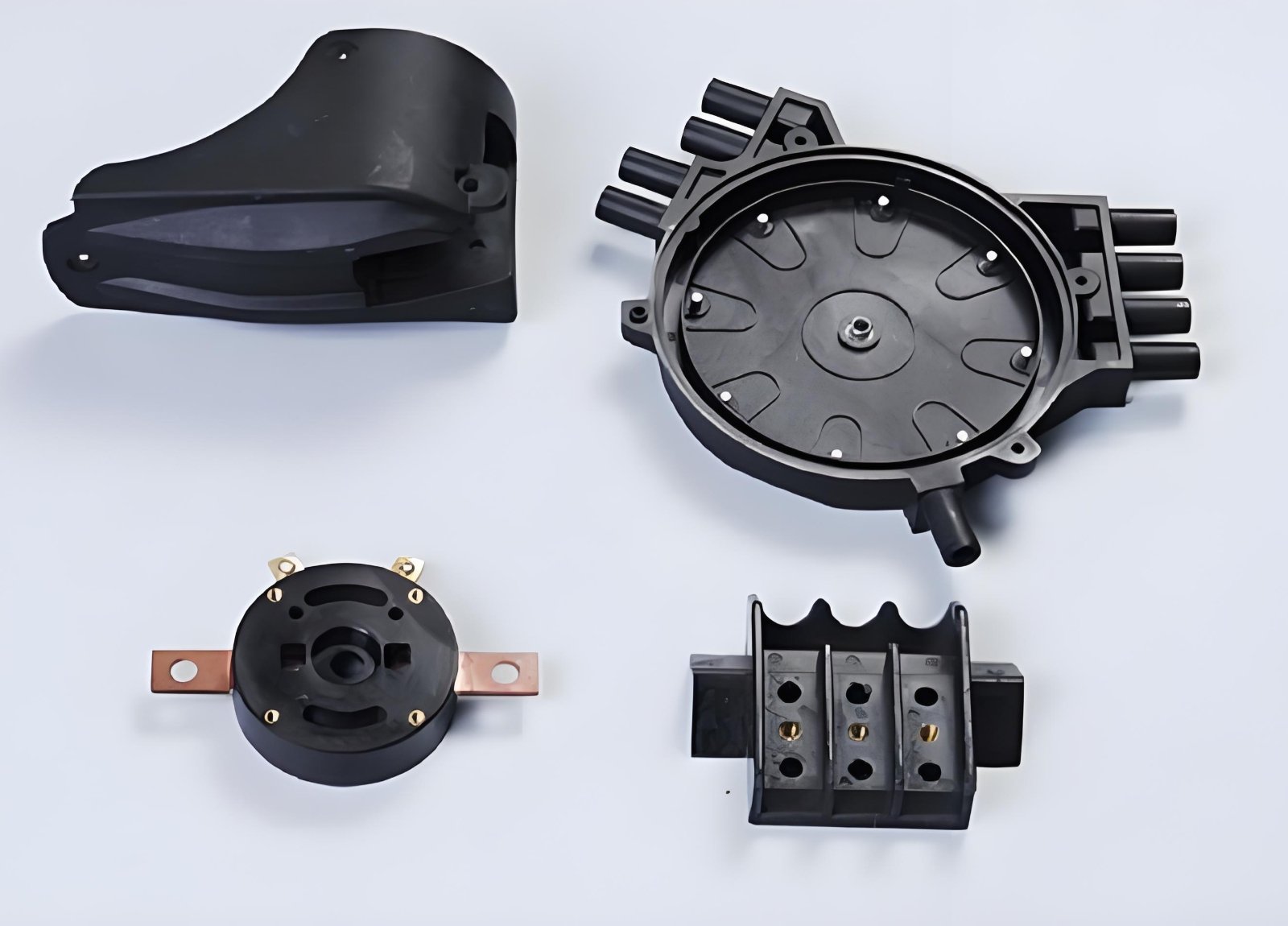
ABS injection molding delivers exceptional durability, dimensional stability, and cost-effectiveness for manufacturing complex plastic components. Our comprehensive ABS injection molding services provide precision-engineered plastic parts with superior surface finish and consistent quality, helping you bring innovative products to market faster.

Durable

Impact-resistant

Machinable

What is ABS Plastic?

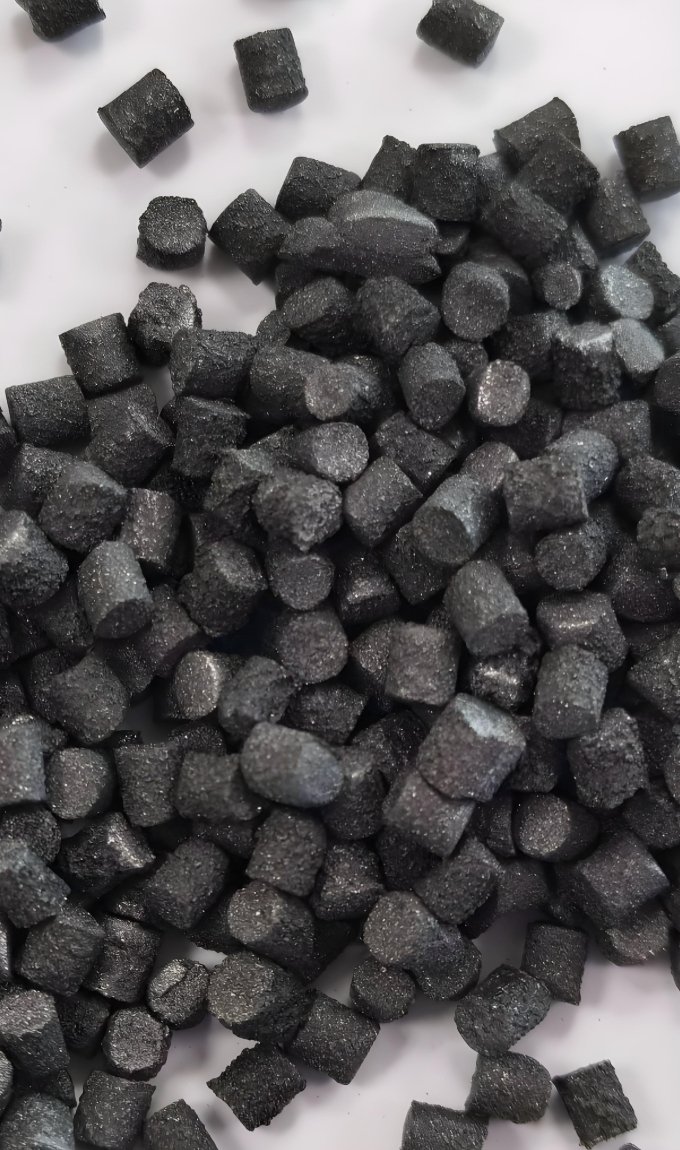
ABS (Acrylonitrile Butadiene Styrene) is a thermoplastic polymer composed of three monomers, each contributing specific properties to the material. This unique composition creates a versatile plastic with an excellent balance of mechanical, thermal, and chemical properties.

The "A" in ABS provides chemical and heat resistance, enhancing the material's hardness and stability under various conditions.

The "B" component contributes toughness and impact resistance, allowing ABS parts to withstand physical stress and impacts.

The "S" element offers processability, strength, and a glossy surface finish that enhances the aesthetic appeal of molded parts.

Common ABS Plastic Grades

GradePropertiesApplications
ABS 757High impact resistance, good flow propertiesAutomotive components, consumer electronics
ABS 758Enhanced heat resistance, high glossAppliance housings, electronic enclosures
ABS FRFlame retardant, UL 94 V-0 ratedElectronic housings, power tools
ABS/PC BlendImproved heat resistance, impact strengthAutomotive interiors, medical devices
ABS Medical GradeBiocompatible, sterilizableMedical equipment housings, diagnostic devices

ABS Material Properties

ABS offers an excellent balance of mechanical, thermal, and chemical properties that make it ideal for a wide range of injection molded parts.

Mechanical Properties

  • Tensile Strength: 40-50 MPa (5,800-7,250 psi)
  • Impact Resistance: Excellent, especially at low temperatures
  • Flexural Modulus: 2.1-2.4 GPa (305,000-348,000 psi)
  • Hardness: Rockwell R105-R110
  • Abrasion Resistance: Good to excellent

Thermal & Chemical Properties

  • Heat Deflection Temperature: 90-105°C (194-221°F)
  • Chemical Resistance: Good against alkalis, weak acids
  • Water Absorption: 0.2-0.4% (24 hours)
  • Shrinkage Rate: 0.4-0.7%
  • Specific Gravity: 1.04-1.06

ABS Molding Specifications

Successful ABS injection molding requires precise control of processing parameters.
Our state-of-the-art equipment and experienced technicians ensure optimal processing conditions for consistent, high-quality parts.

ParameterRecommended RangeNotes
Melt Temperature210-270°C (410-518°F)Higher temperatures for thin-walled parts
Mold Temperature40-80°C (104-176°F)Higher temperatures for better surface finish
Injection Pressure60-100 MPa (8,700-14,500 psi)Varies with part complexity and wall thickness
Drying Conditions80-85°C (176-185°F) for 2-4 hoursEssential to prevent surface defects
Minimum Wall Thickness1.14-3.56 mm (0.045-0.140 in)Dependent on part geometry and flow length
Draft Angle0.5-1.0°Required for proper part ejection

Design Considerations for ABS Injection Molding

Wall Thickness

Maintain uniform wall thickness between 0.045" and 0.140" (1.14-3.56 mm) to prevent warping, sink marks, and other defects. Avoid abrupt transitions in wall thickness to ensure proper material flow and cooling.

Radii and Corners

Design with adequate radii at corners and transitions (minimum 25% of wall thickness) to reduce stress concentrations and improve material flow. Sharp corners can lead to stress concentration and potential part failure.

Pros and Cons of ABS Injection Molding

Advantages of ABS Injection Molding

  • Excellent Impact Resistance: ABS provides outstanding toughness and impact strength, making it ideal for applications requiring durability.
  • Dimensional Stability: ABS maintains its shape and dimensions over time, even under varying environmental conditions.
  • Cost-Effectiveness: Relatively low material cost combined with efficient processing makes ABS economical for high-volume production.
  • Surface Finish: ABS produces parts with excellent surface quality that can be easily painted, plated, or otherwise finished.
  • Design Flexibility: ABS can be molded into complex geometries with fine details, thin walls, and various textures.
  • Chemical Resistance: Good resistance to many chemicals, including weak acids, alkalis, and household cleaners.
  • Recyclability: ABS can be recycled and reprocessed, supporting sustainable manufacturing practices.

Disadvantages of ABS Injection Molding

  • UV Sensitivity: ABS degrades when exposed to prolonged sunlight, limiting outdoor applications without protective coatings.
  • Temperature Limitations: Lower heat resistance compared to engineering plastics like polycarbonate or nylon.
  • Moisture Sensitivity: Requires thorough drying before processing to prevent surface defects and property degradation.
  • Flammability: Standard ABS is flammable and may require flame retardant additives for certain applications.
  • Limited Chemical Resistance: Poor resistance to some solvents, including acetone and certain hydrocarbons.
  • Warping Potential: Improper processing can lead to warping, especially in parts with uneven wall thickness.
  • Fatigue Resistance: Not ideal for applications requiring repeated loading and unloading cycles.

ABS Injection Molding Applications

Industries We Serve

The versatility of ABS makes it suitable for a wide range of applications across multiple industries. Its combination of mechanical properties, processability, and cost-effectiveness has made it a preferred material for many products we use daily.

Automotive

Dashboard components
Interior trim panels
Door handles and liners
Center console parts
Seat belt components

Consumer Electronics

Computer and keyboard housings
Smartphone and tablet cases
Remote controls
Appliance housings
Gaming console components

Medical Devices

Diagnostic equipment housings
Laboratory instrument components
Medical device enclosures
Surgical tool handles
Monitoring equipment parts

Toys & Leisure

Building blocks (e.g., LEGO®)
Action figures and dolls
Game pieces and controllers
Sporting equipment components
Recreational vehicle parts

ABS Injection Molding FAQs

ABS offers strength, toughness, impact resistance, and affordability, making it ideal for both functional and aesthetic plastic parts.
Compared to many plastics, ABS combines high impact resistance, good surface finish, and ease of machining or secondary processing.
Yes, ABS parts can be textured, painted, chrome-plated, or printed to enhance appearance and functionality.
Yes, ABS can be blended with glass fibers, flame retardants, or colorants to improve strength, safety, and design flexibility.
Yes, we provide custom ABS injection molding solutions, from part design and prototyping to full-scale production, tailored to meet specific industry requirements.

Need to discuss ABS injection molding project?

Our expert engineers can analyze your application requirements and recommend the optimal solution.
Ready to Start Your ABS Injection Molding Project?

Contact our team today to discuss your requirements and receive a customized quote for your ABS injection molding needs.

Related Services

Custom PET Injection Molding Services

PET Injection Molding

PEEK Injection Molding Service

PEEK Injection Molding

PP injection molded part 3

PP Injection Molding

Start your project now