| ISO 10993 is a series of 22 international standards governing the biological evaluation of medical devices. Applied to medical-grade silicone, it requires systematic assessment of cytotoxicity, sensitization, hemocompatibility, and other biological endpoints, selected based on contact type and duration. ISO 10993-1:2025 (sixth edition, published November 2025) restructures the framework around risk management and foreseeable misuse.[1][2] |
Medical-grade silicone’s position as the default material for implantable and patient-contact medical components rests on a specific foundation: decades of clinical evidence, a well-characterised extractable profile, and a body of ISO 10993 test data that regulators worldwide recognise.
From long-term implants like pacemakers and joint replacements to short-term devices such as catheters and surgical drains, its inert nature minimizes adverse reactions. For safe and effective use in the medical industry, silicone must meet the rigorous demands of biocompatibility standards for medical devices.
This guide covers what ISO 10993 requires, how it applies specifically to silicone, contact duration categories that drive test selection, the endpoints tested and why each matters, and the changes in ISO 10993-1:2025 to help your better understand this standard for medical grade silicone.
What is ISO 10993?
ISO 10993 is a multi-part international standard series published by the International Organization for Standardization. The standard is not a fixed checklist of required tests. It is a risk-based evaluation process — the tests selected for any specific device depend on its contact type (surface contact, body-orifice contact, blood contact, implant), its contact duration (limited, prolonged, long-term), and the specific biological effects that the risk assessment identifies as relevant.
A short-contact external device and a permanent cardiac implant both fall under ISO 10993, but their evaluation programmes share only a few common endpoints. Each specific standard within the ISO 10993 series focuses on a distinct aspect of a medical device’s biocompatibility. This includes rigorous assessment of potential harms like cytotoxicity (cell damage), sensitization (allergic responses), irritation, and systemic toxicity (effects on the whole body).
ISO 10993 is like a structured set of instructions and procedures for manufacturers, regulatory bodies, and subject-matter experts conducting evaluations throughout the lifecycle of medical devices.
Importance of Biocompatibility Testing for Medical Materials
Biocompatibility testing is done on a wide range of medical devices such as implants, diagnostic equipment, catheters, surgical drapes, or syringes. A medical device introduced into the body can trigger different biological responses, ranging from mild skin irritation to severe reactions. According to a report by The Guardian, faulty medical implants have affected more than 1.7 million people, causing 83,000 deaths.
Thorough testing helps you analyze whether a medical device meets the biocompatibility standards or not. It guarantees the long-term efficacy and safety of medical devices, and ensures that these devices remain safe and functional for a longer period.
For regulatory purposes, ISO 10993 data is required by the FDA (whose QMSR regulation, effective February 2, 2026, references ISO 13485:2016 and acknowledges ISO 10993 biocompatibility data requirements), the European Medical Device Regulation (EU 2017/745), and most major global markets.
The standard is also directly referenced in ISO 13485:2016 as part of the design and development validation requirements for medical devices containing biological materials. Good test reports make it easier and faster to get your device approved, saving time and costs.
The ISO 10993 Series — Most Relevant Parts for Medical Silicone
ISO 10993 comprises 22 published parts (Parts 1–23, with some numbers reserved or not yet published). The table below covers the 12 parts most relevant to medical-grade silicone evaluation, with current edition year and specific applicability.
| Part | Designation | Scope | Edition | Silicone Relevance |
| Part 1 | ISO 10993-1:2025 | Biological safety evaluation within a risk management process — CORNERSTONE | Nov 2025 ★ | Governs all biocompatibility programmes; 6th edition published Nov 18 2025; replaces 2018 edition |
| Part 2 | ISO 10993-2:2022 | Animal welfare requirements | 2022 | Minimises in vivo testing; guides alternative method selection for all parts |
| Part 3 | ISO 10993-3:2023 | Tests for genotoxicity, carcinogenicity and reproductive toxicity | 2023 | Newly triggered for prolonged/long-term contact under ISO 10993-1:2025 |
| Part 4 | ISO 10993-4:2017 | Selection of tests for interactions with blood | 2017 | Hemocompatibility — essential for blood-contacting silicone (catheters, dialysis, cardiac) |
| Part 5 | ISO 10993-5:2009 | Tests for in vitro cytotoxicity | 2009 | Mandatory first-line screen for all devices; PMC interlaboratory study shows lab-to-lab variation |
| Part 6 | ISO 10993-6:2016 | Tests for local effects after implantation (now ‘after tissue contact’) | 2016 | Required for all implantable silicone; assesses fibrous encapsulation, inflammation, necrosis |
| Part 10 | ISO 10993-10:2021 | Tests for skin sensitization | 2021 | LLNA preferred; GPMT/Buehler alternatives; platinum catalyst residues a silicone-specific concern |
| Part 11 | ISO 10993-11:2017 | Tests for systemic toxicity | 2017 | Acute and sub-chronic/chronic; required for prolonged and long-term contact devices |
| Part 12 | ISO 10993-12:2021 | Sample preparation and reference materials | 2021 | Governs extraction conditions (temperature, time, solvent) for all in vitro tests |
| Part 17 | ISO 10993-17:2023 | Toxicological risk assessment of medical device constituents | 2023 | Establishes TDIs and AELs for silicone leachables (platinum, cyclic siloxanes, process aids) |
| Part 18 | ISO 10993-18:2020 | Chemical characterization of medical device materials | 2020 | Foundational to ISO 10993-1:2025 risk assessment; identifies extractables/leachables from silicone |
| Part 23 | ISO 10993-23:2021 | Tests for irritation | 2021 | In vitro RhE tissue model (EpiDerm) replaces rabbit model in most cases since 2021 |
Contact Duration Categories and Test Selection
Contact duration — alongside contact type — is one of the two primary variables determining which biological endpoints must be evaluated.
| Category | Contact Period | Typical Test Endpoints Required | Medical Silicone Applications |
| Limited | ≤ 24 hours total | Cytotoxicity, irritation, sensitization | Single-use disposables, surgical drapes, wound contact, short-contact skin devices |
| Prolonged | >24 hours to 30 days | Above + systemic toxicity, hemocompatibility (blood contact), genotoxicity (ISO 10993-1:2025 new trigger) | Urinary catheters, drainage tubes, short-term implants, monitoring electrodes, CPAP masks |
| Long-term | > 30 days | Full battery: carcinogenicity, chronic systemic toxicity, genotoxicity, local tissue effects, reproductive toxicity where relevant | Pacemaker leads, cochlear implants, breast implants, CSF shunts, joint replacement components |
For medical-grade silicone, duration categorisation has direct regulatory implications. A urinary catheter is typically prolonged contact (>24 h to 30 days). A pacemaker lead is long-term (>30 days). Under ISO 10993-1:2025, both now face a genotoxicity evaluation requirement unless a documented ISO 10993-17 chemical risk assessment justifies waiver.
Medical Grade Silicone and Its Importance
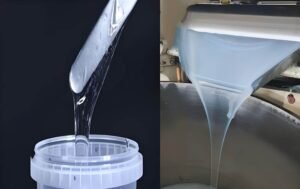
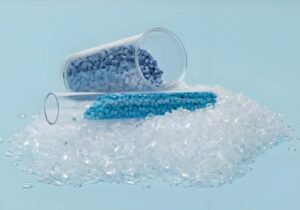
Medical-grade silicone is a specially formulated type of silicone often used in medical devices and implants. It is typically manufactured through injection molding where liquid silicone is injected into a heated mold under pressure. The result is strong and durable silicone parts that are strong, resilient, and biocompatible.
Medical-grade silicone’s unique properties make it an integral material in a wide range of medical technologies such as implants, medical device components, and respiratory devices.
Let’s take a look at some of the key properties of medical silicon that make it a preferred material in the medical field:
1. Biocompatibility and Safety
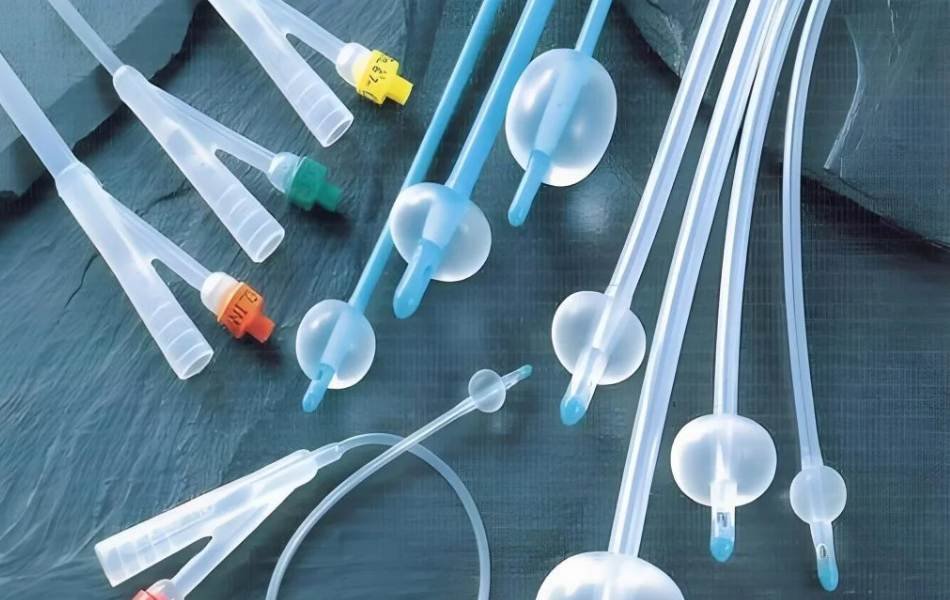
Silicon exhibits excellent biocompatibility within the body. Its hydrophobic nature and low surface tension contribute to high hemocompatibility. This helps in minimizing blood clot formation and reducing encrustation when exposed to bodily fluids. These properties make it ideal for diverse biomedical applications, including medical inserts, drains, shunts, and urinary catheters.
2. Durability and Flexibility
Medical-grade silicone is used in many biomedical implants like heart devices, joint replacements, and nerve stimulators. Its robust durability allows it to endure the demanding conditions within the body, resisting wear and tear. The inherent flexibility allows it to handle the body’s constant movement and lasts a long time without breaking down.
3. Chemical and Temperature Resistance
Silicone is well-known for its ability to withstand both high temperatures and various chemicals. This resistance is crucial in the medical field, where devices often undergo sterilization processes, such as autoclaving, which involves high-pressure steam.
ISO 10993: Biocompatibility Tests for Medical-Grade Silicone
Here’s a breakdown of different tests for ISO 10993 testing of medical-grade silicone:
- Cytotoxicity (ISO 10993-5): One of the most important ‘Big Three’ tests in biocompatibility. This test assesses whether the silicone material releases substances that are harmful to cells.
- Irritation or Reactivity (ISO 10993-23): This test aims to determine if the silicone causes local irritation to the skin or tissues.
- Skin Sensitization (ISO 10993-10): It determines whether the silicone can cause allergic reactions in the patient upon repeated exposure.
- Material Characterization (ISO 10993-18): It is a chemical characterization that involves identifying and quantifying the constituents of the silicone, including any additives, processing aids, or potential leachables.
Note: These examples are just a fraction of the different evaluations required. There are other tests and verifications, including assessments for systemic toxicity, hemocompatibility, and potential for genotoxicity and carcinogenicity to verify the safety of silicone-based medical devices.
Biocompatibility Testing Process for Medical-Grade Silicone
Biocompatibility standards testing for medical-grade silicone involves different stages, including material characterization, risk assessment, and in vitro/in vivo testing. All of these are guided by the International Standard ISO 10993.
Risk Assessment for ISO 10993
The initial step in testing medical-grade silicone under ISO 10993 requires understanding the device’s purpose and how long it will contact the body. This information is followed by a risk assessment to select ISO tests, such as those for cytotoxicity, sensitization, irritation, systemic toxicity, and blood compatibility.
These tests are performed in specialized labs according to ISO guidelines. After that, the results are carefully analyzed and compiled into a detailed report. This report concludes the silicone’s biocompatibility according to ISO 10993 for its intended medical use.
Sample Preparation and Test Environments
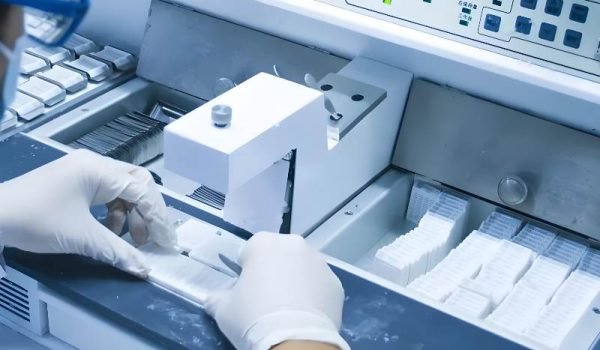
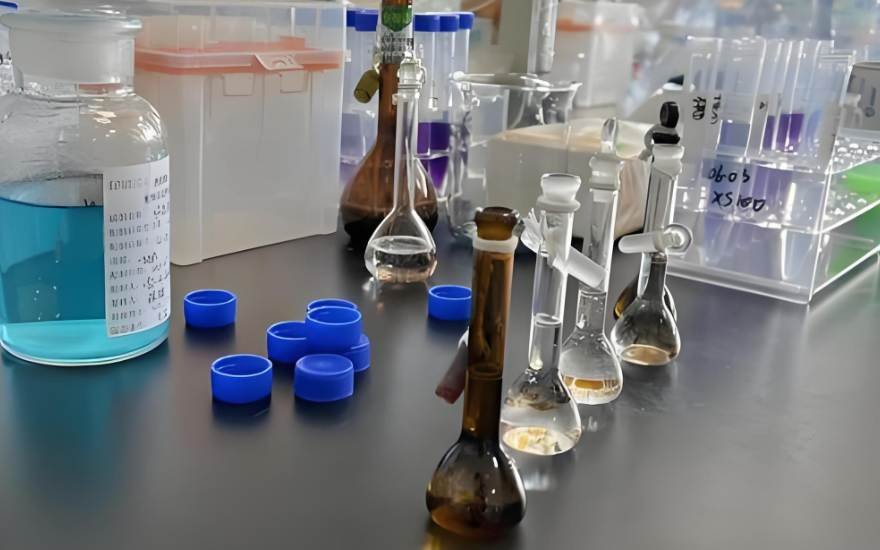
For testing, silicone polymers are processed, cut, shaped, or extracted under specific conditions (temperature, time, solvent). The purpose is to simulate the device’s real-world application and potential release of substances. These samples are then tested in controlled lab environments that replicate physiological conditions to assess biocompatibility accurately.
Common Test Methods and Equipment Used
The specific test methods and equipment vary depending on the ISO 10993 part being followed. Some common examples include:
- Cytotoxicity (ISO 10993-5): It is conducted in cell culture incubators, microscopes, and assays to measure cell viability.
- Sensitization (ISO 10993-10): Animal models (e.g., guinea pigs), patch testing materials, and observation of skin reactions.
- Irritation (ISO 10993-23): Animal models ( e.g., rabbits), application devices, and scoring scales for skin or mucous membrane reactions.
Applications of Medical Grade Silicone in Different Medical Devices
Medical-grade silicone is widely used in healthcare products due to its biocompatibility, durability, and safety. From implantable devices to intricate components, silicone’s versatility addresses diverse medical needs:
1. Implantable Devices
Silicon is the most common material used in long-term implants such as pacemakers, implantable cardioverter-defibrillators (ICDS), breast implants, and joint replacements (as components).
2. Medical Tubing and Catheters
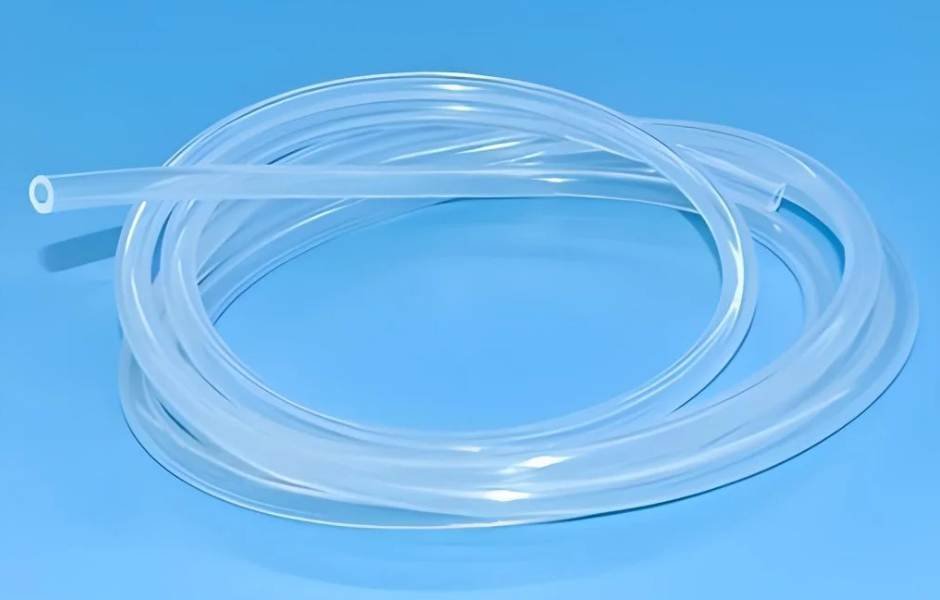
The flexibility and inertness of silicone make it ideal for various tubing applications, including intravenous (IV) lines, drainage tubes, feeding tubes, and catheters (urinary, cardiovascular).
3. Device Components and Seals
Silicon has a crucial role in the manufacturing of gaskets, valves, and other components for medical equipment. It helps in creating tight, flexible seals for a leak-proof operation in devices like respirators, dialysis machines, and surgical instruments.
Frequently Asked Questions
What is ISO 10993 and why does it apply to medical-grade silicone?
ISO 10993 is a 22-part international standard series governing the biological evaluation of medical devices. It applies to silicone because silicone is a material that contacts the human body in medical applications — from short-contact surgical instruments to 30-year cardiac implants.
Does ISO 10993-1:2025 require re-testing of silicone devices already on the market?
Not automatically. Existing devices with acceptable safety histories do not need new testing simply because the standard has been revised. However, the Clause 6.6.2 contact-day recalculation must be applied to determine whether the device’s duration categorisation changes.
Why is ISO 10993-18 chemical characterisation so important for platinum-cured silicone?
Chemical characterisation under ISO 10993-18 identifies and quantifies the substances that silicone could release under clinical use conditions. For platinum-cured medical silicone, the primary targets are: residual platinum (catalyst), D4/D5/D6 cyclic siloxane oligomers (SVHC-designated in EU under REACH), mould release agents and their degradation products, and any stabilisers or pigments added for specific grades.
This characterisation data is the foundation of the ISO 10993-1:2025 risk assessment: if chemical data demonstrates that all identified leachables are below TDI values from ISO 10993-17, biological testing may be reduced or waived for those endpoints.
Partner with Fecision for Biocompatible Medical Silicone Molding
Verifying the biocompatibility standards of medical-grade silicone is essential for both patient well-being and the proper functioning of medical devices. This process is carefully directed by ISO 10993 standards. From detailed material analysis to thorough lab and living organism tests, each stage plays a vital role. An in-depth approach ensures that medical devices made with silicone are safe, effective, and meet necessary regulations, ultimately benefiting patients.
For the best biocompatible medical silicone molding solutions, partner with Fecision. Our advanced techniques ensure precise and consistent production of complex medical device components.
Utilize our expertise for high-quality, reliable silicone parts that adhere to ISO 10993 standards.
References & Authoritative Citations
All sources publicly available. Authoritative sources only — no competitor backlinks. Accessed April 2026.
[1] ISO 10993-1:2025. ‘Requirements and general principles for the evaluation of biological safety within a risk management process.’ International Organization for Standardization. Published November 18, 2025. https://www.iso.org/standard/10993-1
[2] Pure Global. ‘ISO 10993-1:2025 Biological Evaluation of Medical Devices – Edition 6 Update.’ November 26, 2025. https://www.pureglobal.com/news/iso-10993-1-2025-biological-evaluation-of-medical-devices-edition-6-update
[3] Measurlabs. ‘ISO 10993-1:2025 – Key Changes at a Glance.’ February 6, 2026. https://measurlabs.com/blog/changes-to-iso-10993-1-standard/
[4] NAMSA. ‘ISO 10993-1:2025 Updates — Top 10 Biological Evaluation Essentials in the Revision.’ October 8, 2025. https://namsa.com/resources/blog/iso-10993-12025top-10-biological-evaluation-essentials-in-the-update/