Need millions of high-quality, cost-effective parts without sacrificing performance? High volume plastic injection molding provides the market-leading production capabilities that mass manufacturers demand. This is why industries aiming to boost market share through efficient, large-volume production cycles consider it the benchmark for success.
This article breaks down six strategic advantages of high volume plastic injection molding—from cycle-time economics to material versatility—showing why it remains the dominant process for large-scale thermoplastic production. You will discover how this process turns complex designs into affordable, high-quality production components.
Top 6 Reasons for Choosing Injection Molding for High Volume Production
If you want to grow your business fast, you need a manufacturing method that keeps up. Here are the six main reasons why this process wins.
Reason 1: Rapid Production and High Efficiency
This section looks at how fast machines and smart automation work together to create thousands of perfect plastic parts in very little time.
Sub-Minute Cycle Times
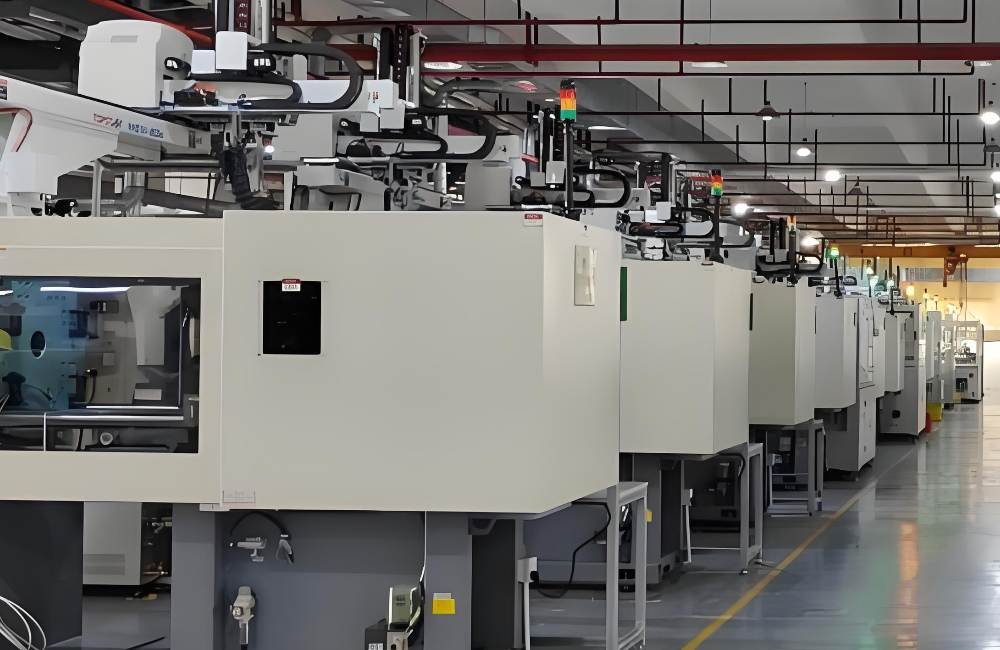
Modern high volume injection molding services achieve impressive cycle times of 15–60 seconds depending on wall thickness and resin choice. Manufacturers use multi-cavity tooling to multiply hourly throughput, which effectively turns single machines into high-output production cells. This speed ensures you hit your market deadlines every single time.
Lights-Out Automation
Robotic part removal, in-mold labeling, and conveyor integration minimize operator touchpoints to save you money. Automated high volume injection mold tooling runs 24/7 with only scheduled maintenance windows required, which maximizes overall equipment effectiveness. This high level of automation keeps your production moving while you focus on growth.
Rapid Mold Changeover Systems
Quick-clamp platens and standardized mold bases reduce changeover times to minutes rather than hours. This agility lets high-volume injection molding lines pivot between different parts without losing daily output targets. You can stay flexible in a fast-paced market because your production line never stays idle for long.
Reason 2: Uniform Quality and Precise Manufacturing
We will now explore how high-tech molds and cameras ensure that every single part looks and functions exactly like the very first one.
Tolerance Repeatability
Steel molds machined to ±0.025 mm (±0.001 inches) produce millions of identical shots for your most demanding projects. Statistical process control is used by manufacturers to monitor cavity pressure and temperature. This ensures high Cpk values across high volume custom plastic injection molding campaigns, giving you total peace of mind.
Defect Root-Cause Traceability
Every imperfection maps back to the mold steel rather than simple process variation. This traceability allows for rapid corrective action—such as polishing vent depths or adjusting gate land—without manufacturers having to scrap entire lots. The process delivers a reliable product stream with quality inherent in the manufacturing hardware.
In-Process Vision Inspection
Camera systems integrated into high volume thermoplastic injection molding cells catch flash or short shots in real time. These automated systems trigger reject sorting before any bad parts reach the packaging stage. You only pay for perfect parts, as the technology filters out human error automatically and efficiently.
Reason 3: Lower Costs for High-Volume Orders
Making more parts actually makes each one cheaper. Let’s look at how high volumes help you save a lot of money on every unit.
Amortized Tooling Investment
While mold fabrication demands upfront capital, the per-unit tooling cost drops significantly as your volume increases. At 500,000 shots, the mold cost contribution often falls below $0.01 per part in true high volume injection molding economics. This makes your long-term profit margins much healthier as production continues.
Labor Efficiency Ratios
In a modern facility, one operator oversees four to six automated cells simultaneously. This labor leverage makes high volume plastic injection molding competitive with offshore labor while retaining domestic quality control. You benefit from lower overhead costs without sacrificing the high standards your engineering team expects.
Economies of Material Scale
Bulk resin purchasing, centralized drying, and closed-loop systems greatly reduce your total material spend. Virgin-plus-regrind blends are often used in high volume injection molding services to cut raw material costs by 8–15%. Maximum material efficiency is achieved from every dollar spent on plastic resins and additives.
Reason 4: Modular Scaling for Market Deployment
As sales volume increases, production capacity must scale accordingly. Here is how the process scales easily to meet your rising customer orders.
Cavity Count Expansion
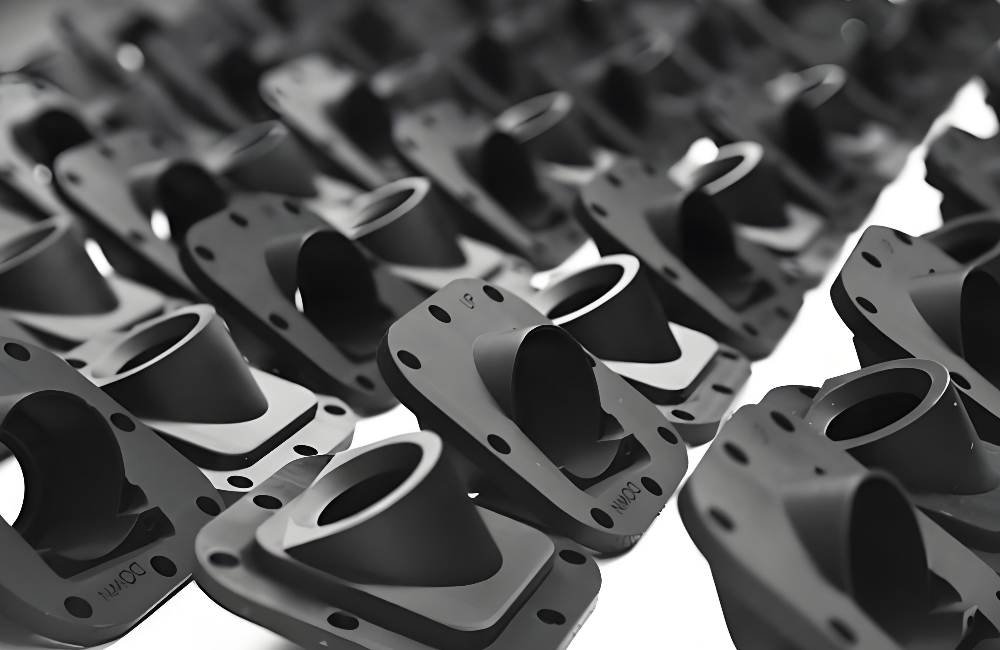
Single-cavity pilot molds are scalable to 32- or 64-cavity production tools using the same core and cavity inserts. This modular pathway offers a level of protection to your investment in high-volume, custom plastic injection molded parts as they proceed through their product lifecycle. You can start small and expand your output as your customer base grows larger.
Machine Platform Flexibility
Identical molds run on 80-ton to 500-ton machines with standardized tie-bar spacing for maximum convenience. Manufacturers can transfer production from one industrial facility to another or to an outside supplier in case of capacity overflow without requiring re-qualification of the entire process. This provides flexibility in your supply chain and keeps it strong enough to handle unexpected disruptions in demand or supply.
Seasonal Surge Capacity
Pre-qualified mold sets and hot-runner systems enable your business to achieve rapid capacity doubling when needed. High-volume injection molding networks absorb consumer goods spikes without requiring you to spend capital on permanent assets. You can meet holiday demands or promotional surges without any manufacturing bottlenecks slowing you down.
Reason 5: Support for Diverse Plastic Materials
You can use almost any kind of plastic for your parts. This section covers how different resins and colors give you endless design options.
Engineering Thermoplastic Range
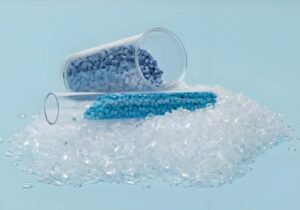
From commodity PP to high-heat PEEK, high volume thermoplastic injection molding accommodates a wide range of melt temperatures. Each resin family offers distinct stiffness, chemical resistance, and aesthetic grades for your targeted applications. You have the freedom to choose the exact material properties your specific robot or machine requires.
Filled and Reinforced Compounds
Structural performance of your parts can be improved by using glass fiber, mineral-filled, and carbon fiber reinforced materials. Specialized screw designs and wear-resistant barrels in high volume injection mold tooling handle these abrasive fillers easily. You get incredibly strong parts that can replace metal components in many high-stress industrial environments.
Color and Additive Integration
Masterbatch color dosing systems allow you to make quick color adjustments to maintain a consistent, fresh appearance. UV stabilizers, antimicrobial agents, and flame retardants can all be integrated into the injection molding stream, enabling you to achieve unique aesthetics and performance characteristics without disrupting the main production process.
Reason 6: Sustainable Methods and Reduced Waste
Below, we detail the material recycling and energy-saving mechanisms that make injection molding a sustainable choice for mass manufacturing.
Closed-Loop Regrind Systems
Thermoplastic runners, sprues, and rejected parts feed back into the hopper to minimize waste. Modern high volume injection molding services achieve over 95% material utilization, which is great for the environment. Only contaminated fractions are sent to recycling, ensuring you get the most out of your material investment.
Energy-Efficient Machine Design
Servo-driven hydraulics and all-electric presses reduce energy consumption compared to legacy equipment. Regenerative braking and insulated barrels are utilized by manufacturers to further shrink the carbon footprint. You can market your products as sustainably made while also enjoying lower utility costs during production.
Lightweighting Through Design Optimization
Ribbed structures and thin-wall molding techniques reduce the total resin mass per part. These design freedoms in high volume custom plastic injection molding translate to lower shipping weights and less waste. Logistics costs are reduced through optimized part design and weight reduction.
Conclusion
High volume injection molding turns raw plastic into finished products with a speed and cost-efficiency that other methods simply cannot beat. The mix of fast cycles, precise repeatability, and massive material choices makes it the perfect foundation for mass-market goods. Whether you are building medical devices or industrial robotics, this process can ensure you stay competitive by lowering per-unit costs while increasing overall output.
At Fecision, we engineer our high volume injection mold tooling to endure millions of production cycles without wear. Our advanced cooling systems and premium steel grades ensure every part remains precise from the very first shot to the last. We help you scale production smoothly while maintaining the elite quality your project deserves.
Ready to cut costs and boost your production? Contact Fecision today for a custom manufacturing roadmap and a free quote!